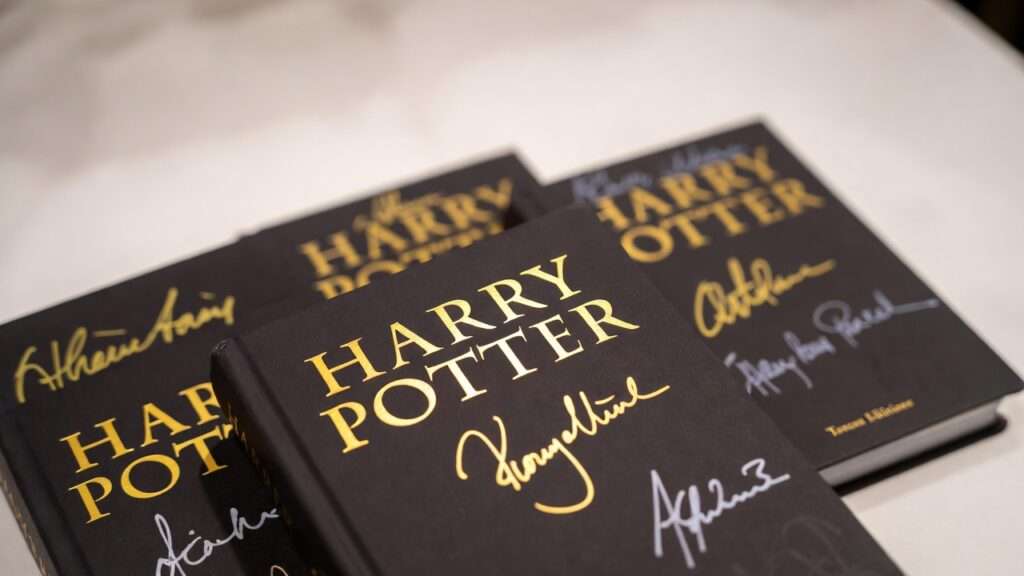
Imagine owning a piece of literary magic — a signed first edition Harry Potter book that could be worth more than your house, or at least spark envy in any fellow Potterhead. These rare treasures represent the very beginning of one of the most beloved series in history, with J.K. Rowling’s signature transforming an already iconic book into a priceless collectible.
The problem for collectors today is real and frustrating: with fakes flooding the market and prices soaring — recent auction results show a signed first edition of Harry Potter and the Philosopher’s Stone fetching over $200,000 (and some pristine examples approaching or exceeding $280,000 in fixed-price offerings) — finding authentic, high-quality signed first edition Harry Potter books is overwhelming and risky. Counterfeits are common, condition varies wildly, and distinguishing true first printings (with key points like the correct print line, “Joanne Rowling” credit, or holographic stickers on later signed copies) requires expertise.
This comprehensive guide ranks the best 10 signed first edition Harry Potter books for collectors in 2026, drawing from current auction records (Sotheby’s, Bonhams, Heritage), dealer insights (AbeBooks, Peter Harrington), and market trends. Whether you’re a serious investor eyeing six-figure potential, a dedicated fan building a dream set, or someone exploring accessible entry points like signed reprints or anniversary editions, this resource helps you make an informed, confident decision — including tips on authenticity, where to buy safely, and realistic alternatives available on Amazon. Dive in to discover the most sought-after rarities and start (or elevate) your collection today!
Understanding Signed First Edition Harry Potter Books
A true “first edition” Harry Potter book refers to the first printing (or “first impression”) of the initial publication run. For the UK Bloomsbury editions (most valuable for collectors), key identifiers include:
- Philosopher’s Stone (1997): Print line “10 9 8 7 6 5 4 3 2 1” on copyright page, author credited as “Joanne Rowling” (not J.K.), small initial run of ~500 hardbacks (many library-bound and thus rare in fine condition).
- Later books: Specific number lines, misprints (e.g., “Joanne” on early Azkaban US copies), or event-specific signings (e.g., midnight launches).
Signed copies dramatically increase value — early books (1-3) often have freehand signatures from 1997-1999 tours when Rowling was less famous, making them scarcer. Later books (4-7) frequently include J.K. Rowling’s holographic authentication sticker for post-2000 signings. Condition is critical: fine/fine (book and dust jacket near-perfect) commands premiums; ex-library or worn copies drop sharply.
Market trends in 2026 show continued growth: Philosopher’s Stone firsts routinely hit six figures at auction, with signed examples leading. Full signed sets have sold for $130,000+, while individual rarities push higher. Values rise with scarcity, provenance, and cultural nostalgia.
Tips for buyers:
- Verify via reputable sources (Sotheby’s, Heritage, AbeBooks sellers with guarantees).
- Check for holograms (later books), certificates, or event tickets.
- Avoid eBay/unknown sellers without provenance — fakes mimic signatures well.
How We Selected the Top 10
Rankings prioritize:
- Rarity (print run size, surviving signed copies).
- Historical significance (first book, iconic signings).
- Recent sale prices/auction records (2024-2025 data from Sotheby’s, Heritage, Bonhams).
- Collector demand (forums, dealer listings, market guides like MuggleNet/AbeBooks).
- Investment potential (value appreciation).
Focus is on authentic signed first editions/first impressions — not reprints or “signature editions” (Amazon’s term for styled covers).
Top 10 Signed First Edition Harry Potter Books – Detailed Reviews & Comparisons
Here’s a quick comparison table for mobile-friendly scanning:
| Rank | Book Title (Edition) | Est. Value Range (2026) | Best For |
|---|---|---|---|
| 10 | Deathly Hallows (Signed First) | Entry-level signed rare | |
| 9 | Half-Blood Prince (Signed First) | Mid-series collector | |
| 8 | Order of the Phoenix (Signed First) | $56.08 | Event-signed appeal |
| 7 | Goblet of Fire (Signed First) | Midnight launch prestige | |
| 6 | Prisoner of Azkaban (Signed First) | Misprint variants | |
| 5 | Sorcerer’s Stone US (Signed First) | American edition fans | |
| 4 | Chamber of Secrets (Signed First) | Early tour signatures | |
| 3 | Deluxe/Illustrated Signed Editions | Luxury display pieces | |
| 2 | Philosopher’s Stone Early Signed | High-investment early | |
| 1 | Philosopher’s Stone True First Signed | Ultimate collector grail |
10. Harry Potter and the Deathly Hallows (Signed First Edition)
The final book in the series (2007 Bloomsbury first printing) signed during launch events or tours. Often includes holographic sticker for authenticity.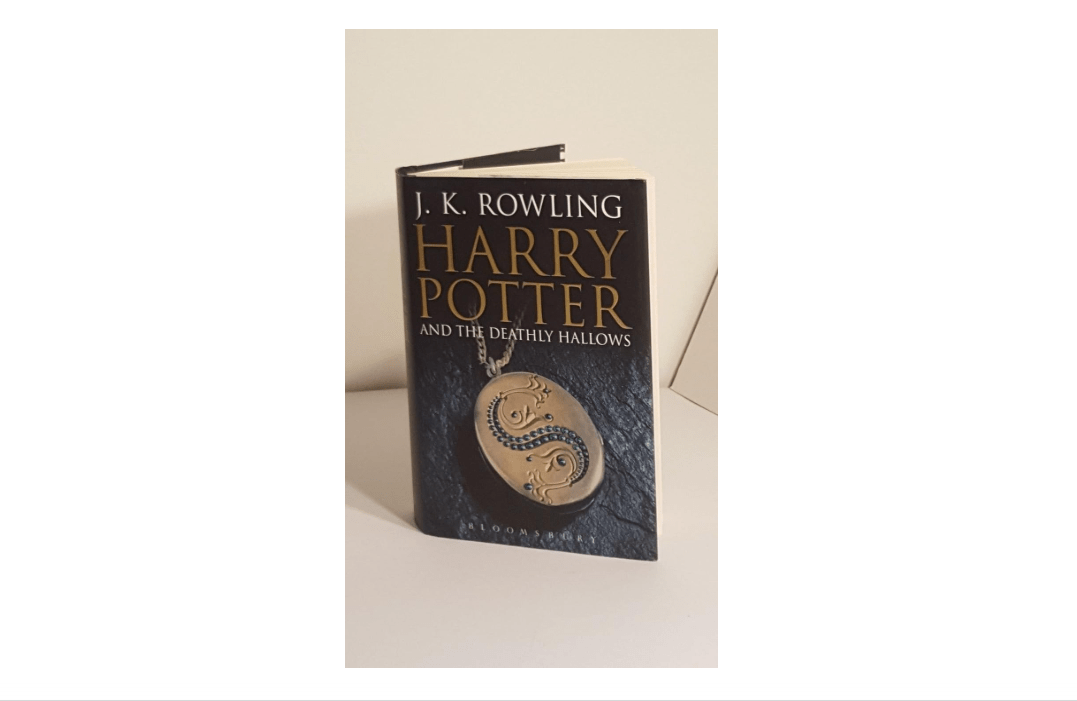
Approximate current value range:
Key features & benefits: First printing number line “1” on copyright; signature often bold from midnight releases; strong investment as series finale; excellent condition copies appreciate steadily.
Pros: More available than early books; emotional closure for fans; lower entry for signed firsts. Cons: Large print run reduces extreme rarity; some fakes without hologram.
Customer ratings/reviews: Collectors praise pristine dust jackets and signature placement; AbeBooks/auction feedback highlights “beautiful inscription” and “solid value growth.”
Why it’s a good choice: Affordable entry into signed first editions with strong fandom appeal and resale potential.
Ideal buyer/use case: Newer collectors starting a set or fans wanting the complete series signed without six-figure spends.
9. Harry Potter and the Half-Blood Prince (Signed First Edition)
2005 first edition, often signed at events with holographic authentication.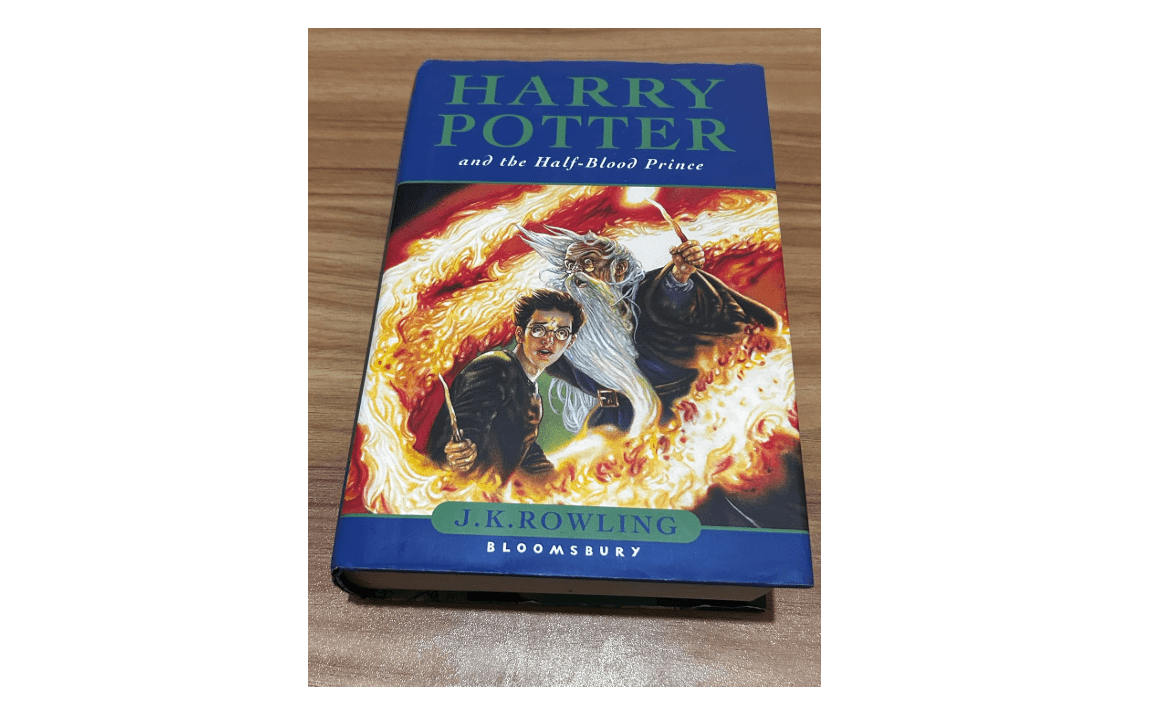
Approximate current value range:
Key features & benefits: Key plot book (Snape reveal); signatures from mature Rowling era; fine condition examples hold value well.
Pros: Balanced rarity/availability; strong narrative importance. Cons: Less scarce than books 1-3.
Customer ratings/reviews: High marks for signature clarity and book condition in collector communities.
Why it’s a good choice: Solid mid-tier investment with series milestone status.
Ideal buyer/use case: Collectors filling gaps in books 4-7 signed set.
8. Harry Potter and the Order of the Phoenix (Signed First Edition)
The fifth installment (2003 Bloomsbury first printing), often signed during the high-profile midnight launch events or tours, frequently featuring J.K. Rowling’s holographic sticker for later-era authentication.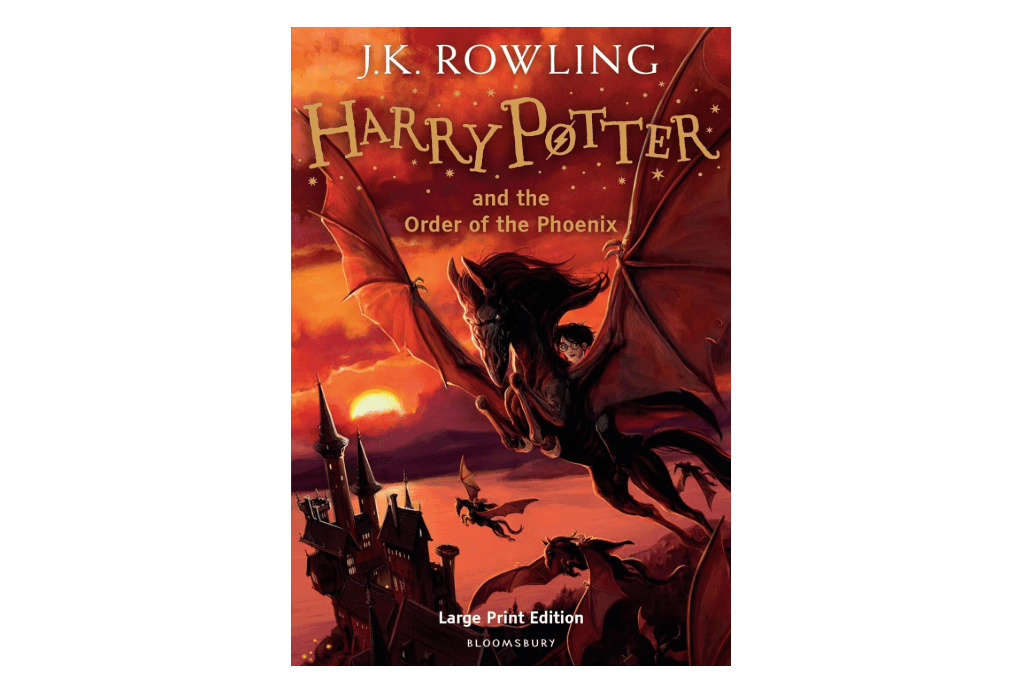
Approximate current value range: $56.08
Key features & benefits: First printing with “First Edition” on copyright page and full number line; signatures from peak-fame period add prestige; larger format with iconic dust jacket art; strong appreciation as part of the core series where Harry’s world darkens significantly.
Pros: High collector demand from event-signed provenance; more accessible than books 1-3 while still rare signed; excellent display piece. Cons: Larger print run than early titles means non-signed firsts are common and low-value; some historical auction lots faced signature verification issues.
Customer ratings/reviews: In collector forums and dealer feedback (AbeBooks, Sotheby’s notes), praised for bold signatures and fine condition examples; users highlight “ultra-rare” status and solid long-term value.
Why it’s a good choice: Bridges early rarity with later availability — ideal for building a signed set without extreme cost, with proven resale strength.
Ideal buyer/use case: Mid-level collectors adding event-signed pieces or fans commemorating the series’ turning-point book.
7. Harry Potter and the Goblet of Fire (Signed First Edition)
The fourth book (2000 Bloomsbury first printing), signed at launches or early tours, marking the series’ global explosion.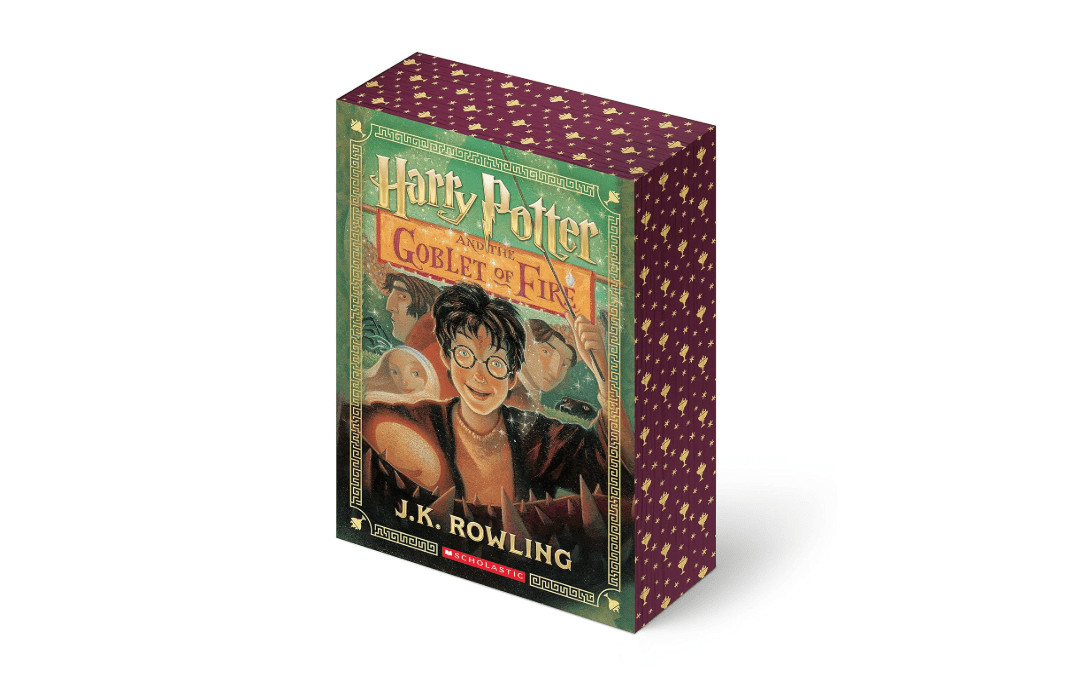
Approximate current value range:
Key features & benefits: First edition with “First Edition” statement; signature often from Rowling’s rising fame; key Triwizard Tournament plot; dust jacket with dramatic imagery holds appeal.
Pros: Iconic tournament storyline boosts fandom value; balanced rarity for signed copies. Cons: Print run larger than books 1-3, so non-signed are inexpensive.
Customer ratings/reviews: Collectors value signature placement and condition; feedback emphasizes investment potential as series cornerstone.
Why it’s a good choice: Strong narrative importance with growing scarcity in signed form — excellent mid-high tier addition.
Ideal buyer/use case: Fans of the Goblet era or collectors seeking signed books 4-7 to complement early rarities.
6. Harry Potter and the Prisoner of Azkaban (Signed First Edition)
The third book (1999 Bloomsbury first printing), with some early prints featuring rare “Joanne Rowling” credit error on copyright page.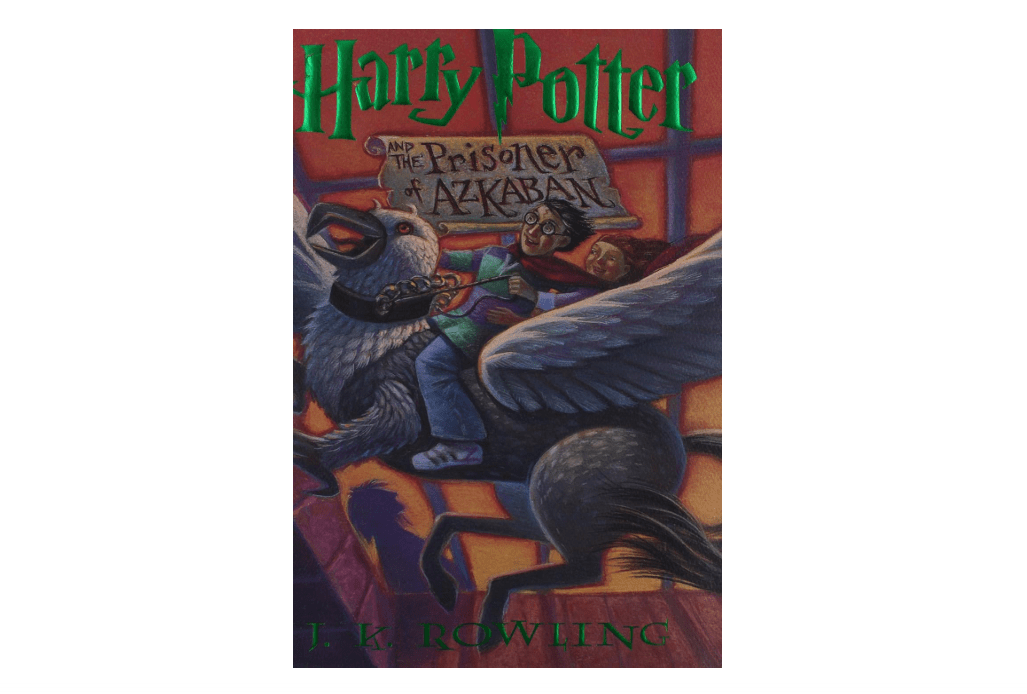
Approximate current value range:
Key features & benefits: Short first print run due to corrections; signatures from 1999 tours; introduces Sirius Black and time-turner magic; deluxe editions add luxury.
Pros: Misprint variants increase desirability; strong appreciation trajectory. Cons: Condition-sensitive due to age.
Customer ratings/reviews: High praise in communities for rarity and signature authenticity; often called a “sweet spot” for value.
Why it’s a good choice: Last of the truly “rare” early first printings — great investment with fan-favorite elements.
Ideal buyer/use case: Serious collectors prioritizing books 1-3 signed, or fans of Azkaban’s darker tone.
5. Harry Potter and the Sorcerer’s Stone US (Signed First Edition)
The American first edition (1998 Scholastic), titled Sorcerer’s Stone, signed by Rowling.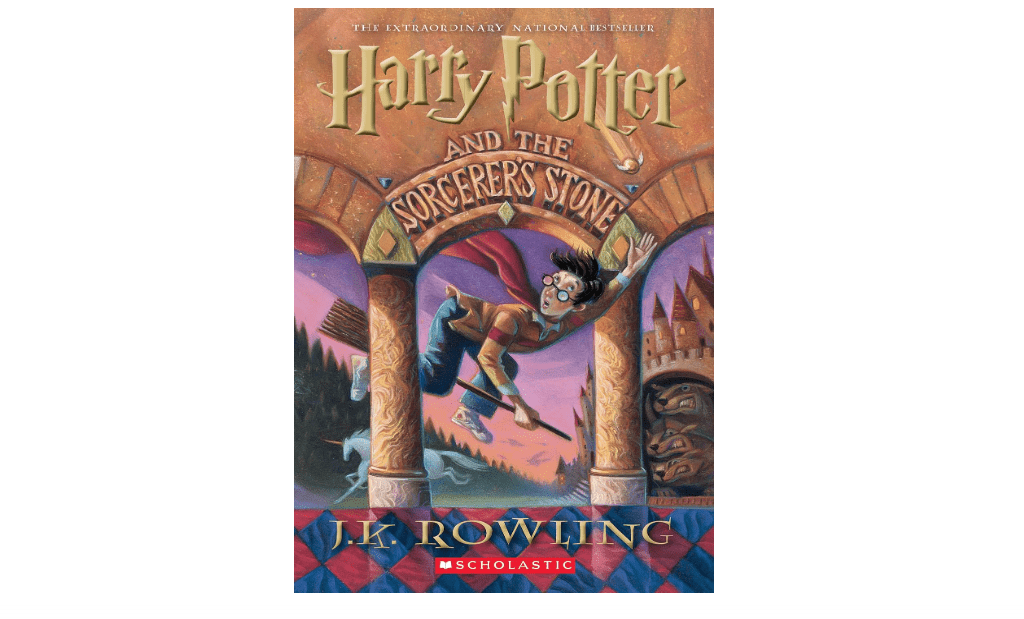
Approximate current value range:
Key features & benefits: US-specific title change; number line specifics (odd/even pattern); signature adds transatlantic appeal; iconic Mary GrandPré cover.
Pros: More available than UK Philosopher’s but signed rarities command prices; appeals to American collectors. Cons: Generally lower value than UK counterpart.
Customer ratings/reviews: Collectors appreciate cultural variant; feedback notes strong resale for authenticated signatures.
Why it’s a good choice: Bridges UK/US fandom — solid for international sets.
Ideal buyer/use case: US-based collectors or completists wanting both title variants signed.
4. Harry Potter and the Chamber of Secrets (Signed First Edition)
The second book (1998 Bloomsbury first printing), signed during early tours.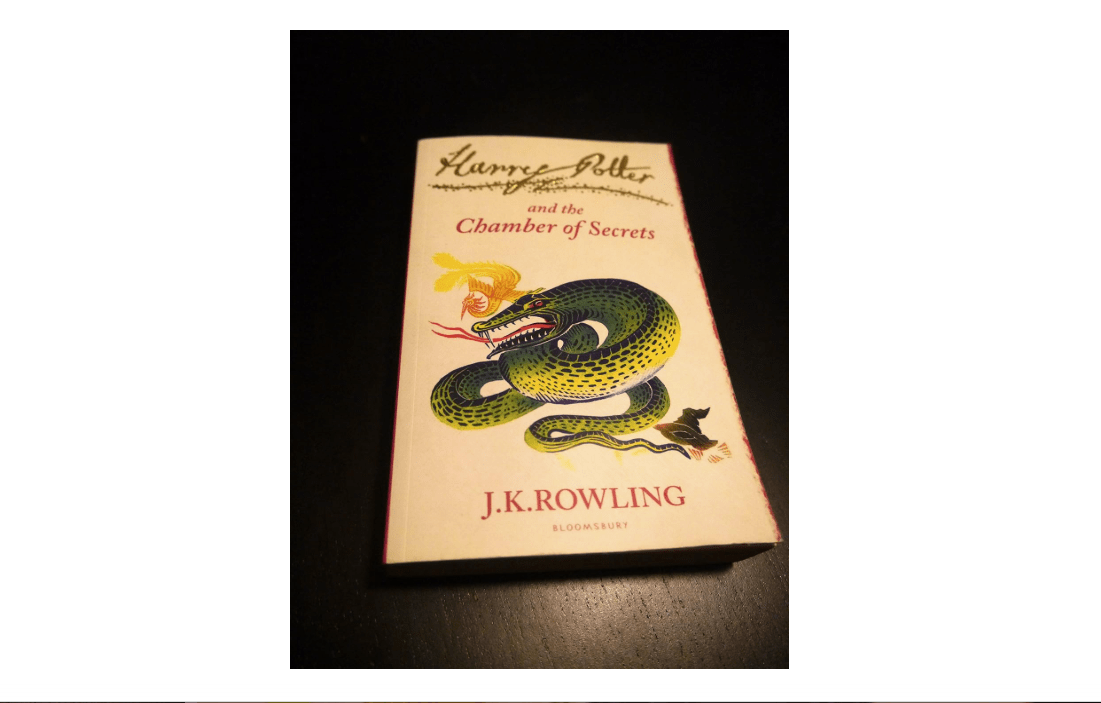
Approximate current value range:
Key features & benefits: Introduces basilisk and Chamber; early signature style; key plot expansion.
Pros: Builds on first book’s momentum; good condition examples appreciate. Cons: Less scarce than book 1.
Customer ratings/reviews: Praised for signature provenance and series foundation role.
Why it’s a good choice: Essential early signed piece with strong narrative value.
Ideal buyer/use case: Collectors completing books 1-3 signed trio.
3. Deluxe/Illustrated Signed Editions (Various, e.g., Later or Special)
Luxury formats like deluxe hardbacks or illustrated editions (e.g., Jim Kay or MinaLima) signed by Rowling (or illustrators).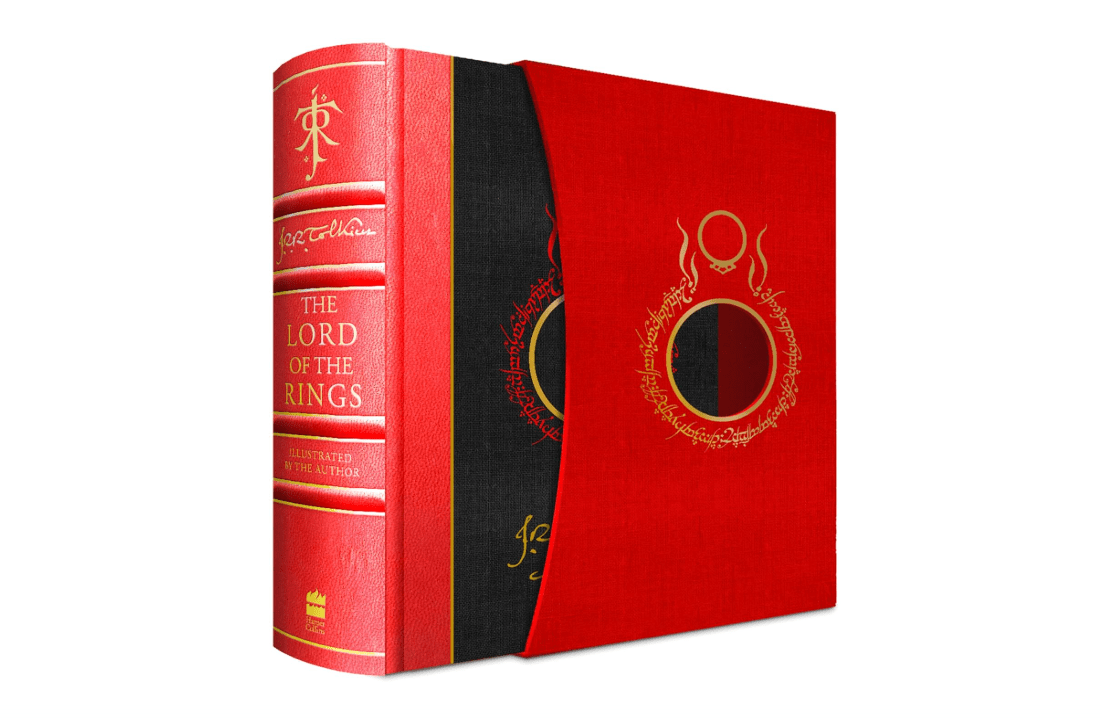
Approximate current value range:
Key features & benefits: Enhanced art, slipcases, larger format; some signed by author/illustrator; premium display.
Pros: Stunning visuals; lower entry than ultra-rares. Cons: Not always true firsts; value varies by signing.
Customer ratings/reviews: Highly rated for aesthetics and collectibility.
Why it’s a good choice: Luxury alternative with strong appeal.
Ideal buyer/use case: Display-focused collectors or gifting.
2. Harry Potter and the Philosopher’s Stone Early Signed (1998 Events)
Early post-publication signed first editions from 1998 tours.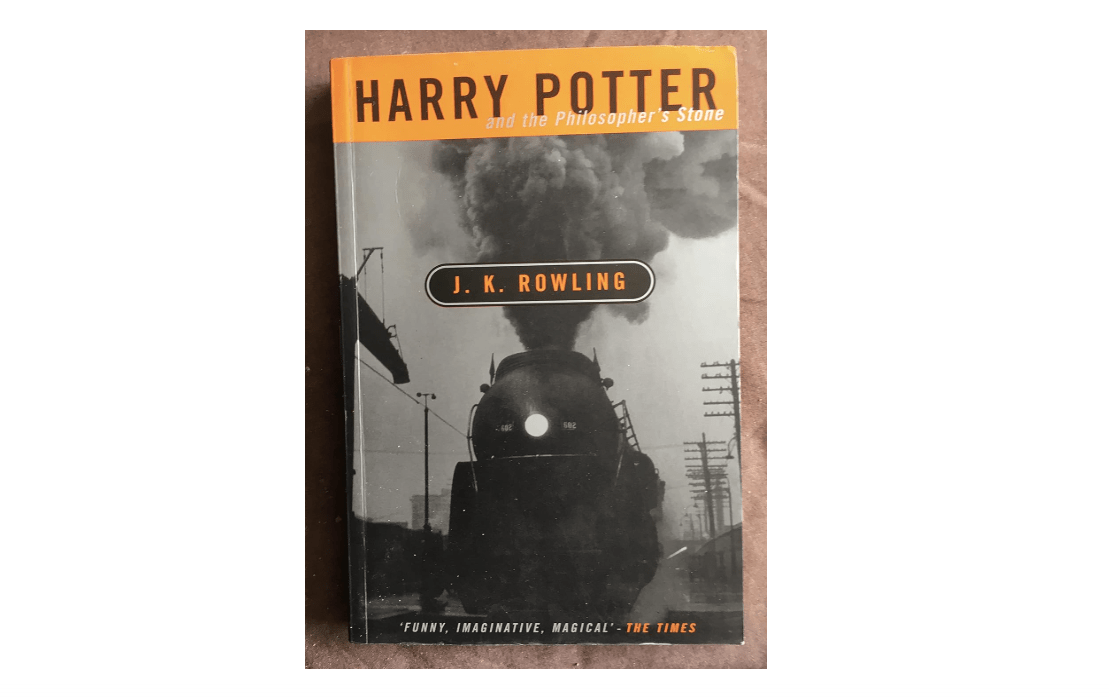
Approximate current value range:
Key features & benefits: Early freehand signatures; one of ~500 originals.
Pros: High growth potential. Cons: High cost/risk.
Customer ratings/reviews: Revered as near-holy grail.
Why it’s a good choice: Significant investment step below ultimate.
Ideal buyer/use case: Advanced investors.
1. Harry Potter and the Philosopher’s Stone True First Signed (1997 First Impression)
The ultimate: 1997 Bloomsbury first edition/first impression signed by J.K. Rowling — the collector’s holy grail.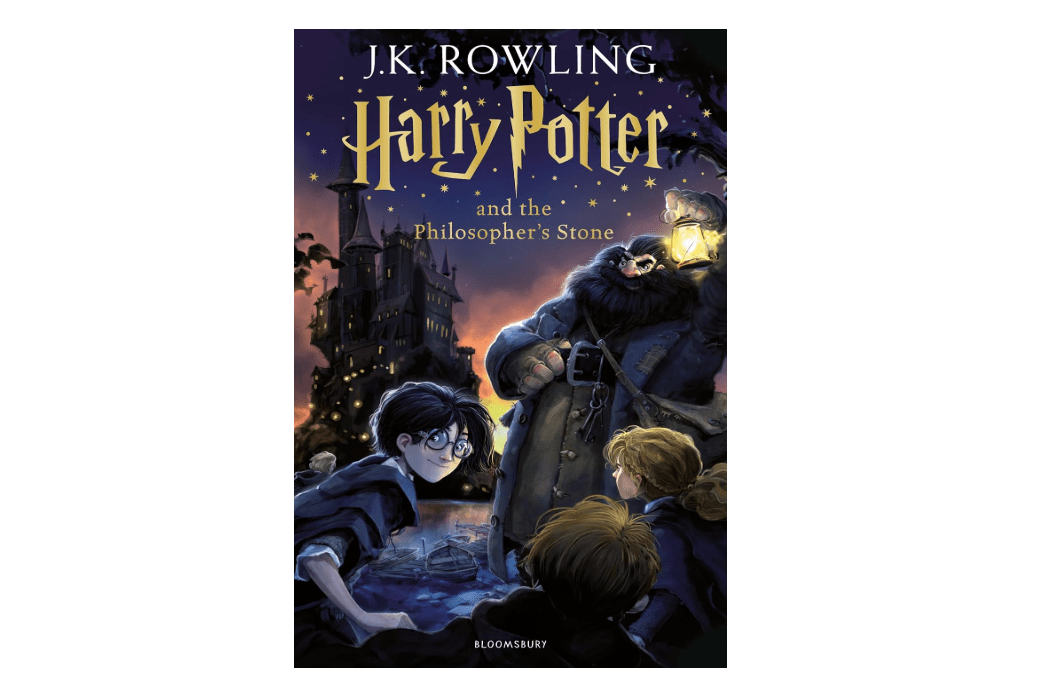
Approximate current value range:
Key features & benefits: Only ~500 printed; “Joanne Rowling” credit; key misprints (p.53 duplication, “Philospher’s”); early signatures rarest.
Pros: Record-breaking appreciation; ultimate status symbol. Cons: Extreme rarity/cost; authenticity paramount.
Customer ratings/reviews: Universally acclaimed; auction houses note world records.
Why it’s a good choice: Pinnacle of Potter collecting — unmatched prestige/value.
Ideal buyer/use case: Top-tier investors or lifelong fans seeking the best.
Product Comparison Summary
(Refer to the table above for quick side-by-side view.)
Quick decision guide:
- Budget under $10,000? Start with later signed firsts (#10–7).
- $10,000–$50,000? Target mid-early (#6–3).
- Serious six-figure? Prioritize #2–1 for max potential.
Buying Guide & Tips
- Where to buy: Auctions (Sotheby’s, Bonhams, Heritage) for true rarities; dealers (AbeBooks, Peter Harrington, Winters Rare Books) with guarantees; Amazon for reprints/alternatives (affiliate links below).
- Avoiding fakes: Demand holograms (later), certificates (JSA/Beckett), provenance; third-party authentication essential.
- Storage/preservation: Acid-free cases, cool/dark environment, no direct light to retain value.
Alternatives on Amazon (Affiliate-Focused)
For accessible entry:
- Harry Potter Signature Edition Box Set — Modern reprints with “signature” styling; ~$100–$150; 4.8+ stars; great starter for fans.
- Illustrated Editions (e.g., Philosopher’s Stone by Jim Kay) — Stunning art; ~$30–$50 each; high ratings for visuals.
- Anniversary Editions — Special covers; affordable collectibles.
These provide “magic” without rarity risks — perfect gateways.
The world of signed first edition Harry Potter books blends literary history, nostalgia, and serious investment potential — from accessible later signed copies to the six-figure Philosopher’s Stone grail. With fakes a real threat and values climbing in 2026, use reputable sources and verification. Whether chasing ultimate rarity or starting small, this guide equips you to choose confidently. Check Amazon links for entry points or explore auctions/dealers for the real treasures — your piece of wizarding magic awaits!