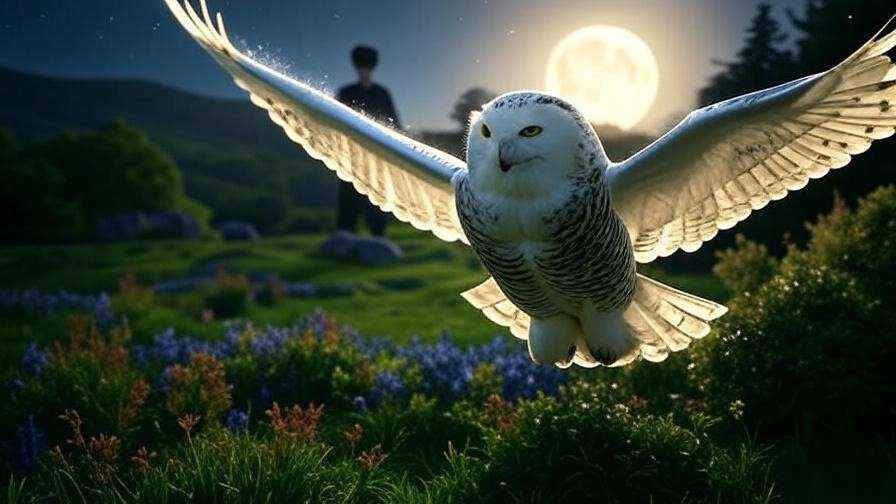
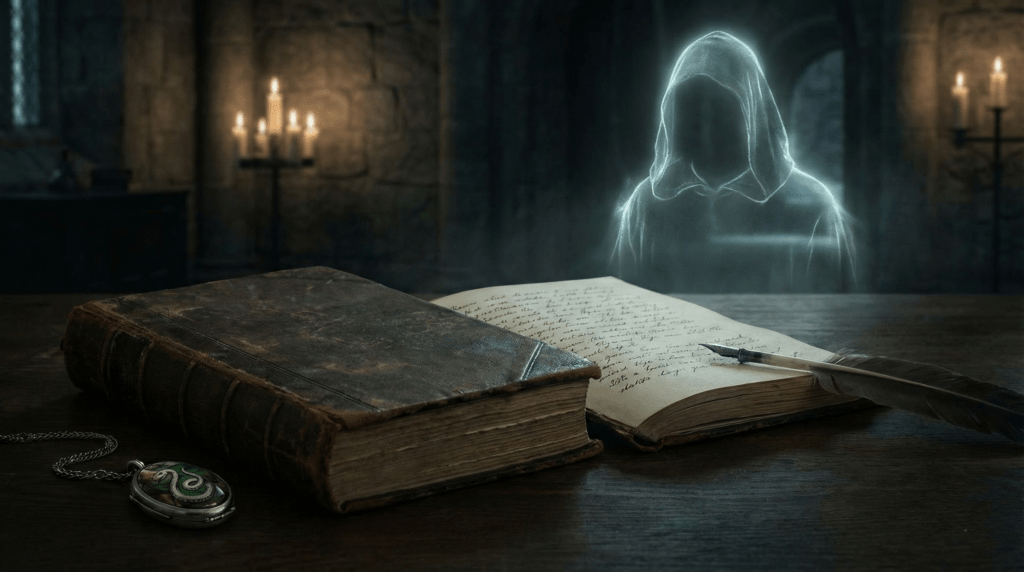
On the cold, misty night of October 31, 1981, the wizarding world changed forever. In the quiet village of Godric’s Hollow, a single flash of green light shattered the peaceful life of James and Lily Potter. Their one-year-old son, Harry, was left with a lightning-shaped scar and the title that would define his existence: the Boy Who Lived.
But the question that has haunted fans since the very first pages of Harry Potter and the Philosopher’s Stone remains as powerful today as it did in 1997: why did Voldemort kill Harry Potter’s parents?
The answer is not simple vengeance or random cruelty. It is rooted in fear, arrogance, and one of the most famous prophecies in the entire Harry Potter series. A single overheard sentence spoken by a reluctant Seer set in motion a chain of events that would ultimately destroy Lord Voldemort himself.
This article dives deep into the canonical truth behind that fateful Halloween night. We will examine the prophecy in full, explore why Voldemort chose Harry over another possible child, reconstruct the tragic sequence of events in Godric’s Hollow, analyze the ancient magic of sacrificial love, and reveal how Voldemort’s own paranoia created the very weapon that would defeat him.
Drawing directly from J.K. Rowling’s seven books, official Wizarding World statements, and key revelations in Order of the Phoenix and Half-Blood Prince, this is the most comprehensive explanation available of the single moment that launched the entire Harry Potter saga.
The Prophecy That Started It All
Who Made the Prophecy and How Was It Delivered?
The story begins not in Godric’s Hollow, but in the smoky back room of the Hog’s Head Inn in early 1980.
Sybill Trelawney, the eccentric and often unreliable Divination professor, was interviewing with Albus Dumbledore for the position at Hogwarts. During this meeting, Trelawney fell into a genuine trance — one of only two true prophecies she ever made in her lifetime.
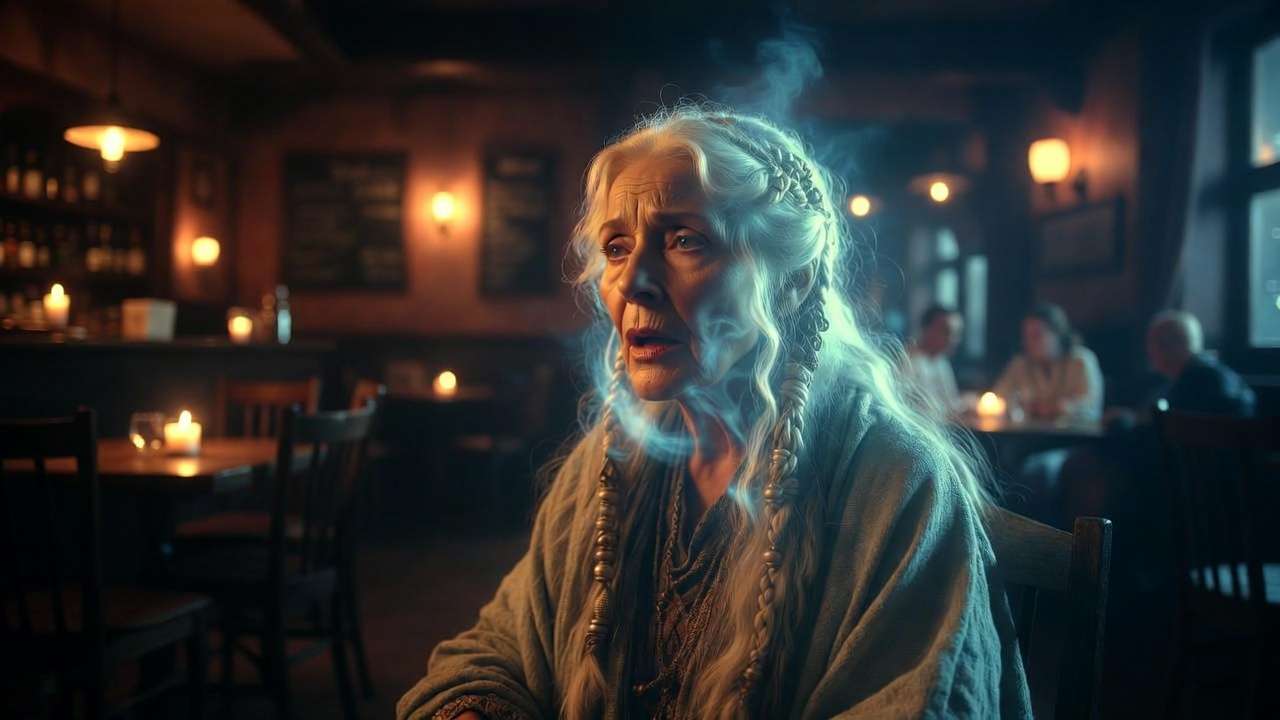 She spoke in a voice very different from her usual breathy tone:
“The one with the power to vanquish the Dark Lord approaches… born to those who have thrice defied him, born as the seventh month dies… and the Dark Lord will mark him as his equal, but he will have power the Dark Lord knows not… and either must die at the hand of the other for neither can live while the other survives…”
Unbeknownst to Trelawney or Dumbledore, Severus Snape — then a loyal Death Eater — had been listening at the door. He heard only the first part of the prophecy before being thrown out by Aberforth Dumbledore.
Snape rushed to his master, Lord Voldemort, and delivered the dangerous fragment.
The Full Text of the Prophecy
Here is the complete prophecy as later revealed in Harry Potter and the Order of the Phoenix:
“The one with the power to vanquish the Dark Lord approaches… born to those who have thrice defied him, born as the seventh month dies… and the Dark Lord will mark him as his equal, but he will have power the Dark Lord knows not… and either must die at the hand of the other for neither can live while the other survives… the one with the power to vanquish the Dark Lord will be born as the seventh month dies…”
Every line proved devastatingly significant.
- “born to those who have thrice defied him” — James and Lily Potter were active, high-profile members of the Order of the Phoenix. They had repeatedly challenged Voldemort and survived.
- “born as the seventh month dies” — July 31, the last day of July.
- “the Dark Lord will mark him as his equal” — The famous lightning-bolt scar Voldemort gave Harry.
- “power the Dark Lord knows not” — Love. The one force Voldemort could neither understand nor conquer.
- “either must die at the hand of the other” — The final, inescapable destiny.
Why Voldemort Took It So Seriously
Voldemort was not an ordinary tyrant. He was obsessed with conquering death itself. By 1980 he had already created multiple Horcruxes, splitting his soul to achieve immortality. The idea that a mere infant could vanquish him was unthinkable — and therefore intolerable.
His paranoia, however, became his fatal flaw. Rather than ignoring the prophecy as the ravings of a questionable Seer, Voldemort treated it as absolute truth. He believed that acting on it would secure his power forever.
In doing so, he set the classic self-fulfilling prophecy in motion — a tragic pattern seen throughout literature, from Oedipus Rex to Macbeth.
Why Harry? The Two Possible Children and Voldemort’s Choice
The Candidates — Harry Potter vs. Neville Longbottom
The prophecy was deliberately vague enough to apply to more than one child — a detail that has sparked endless debate among Harry Potter fans.
Two boys fit the criteria perfectly:
- Harry James Potter
- Born: July 31, 1980
- Parents: James and Lily Potter
- Both Order of the Phoenix members who had defied Voldemort three times (and more) by the time of the prophecy
- Neville Frank Longbottom
- Born: July 30, 1980 (literally one day earlier)
- Parents: Frank and Alice Longbottom
- Both Aurors and Order of the Phoenix members who had repeatedly defied Voldemort, surviving multiple direct confrontations
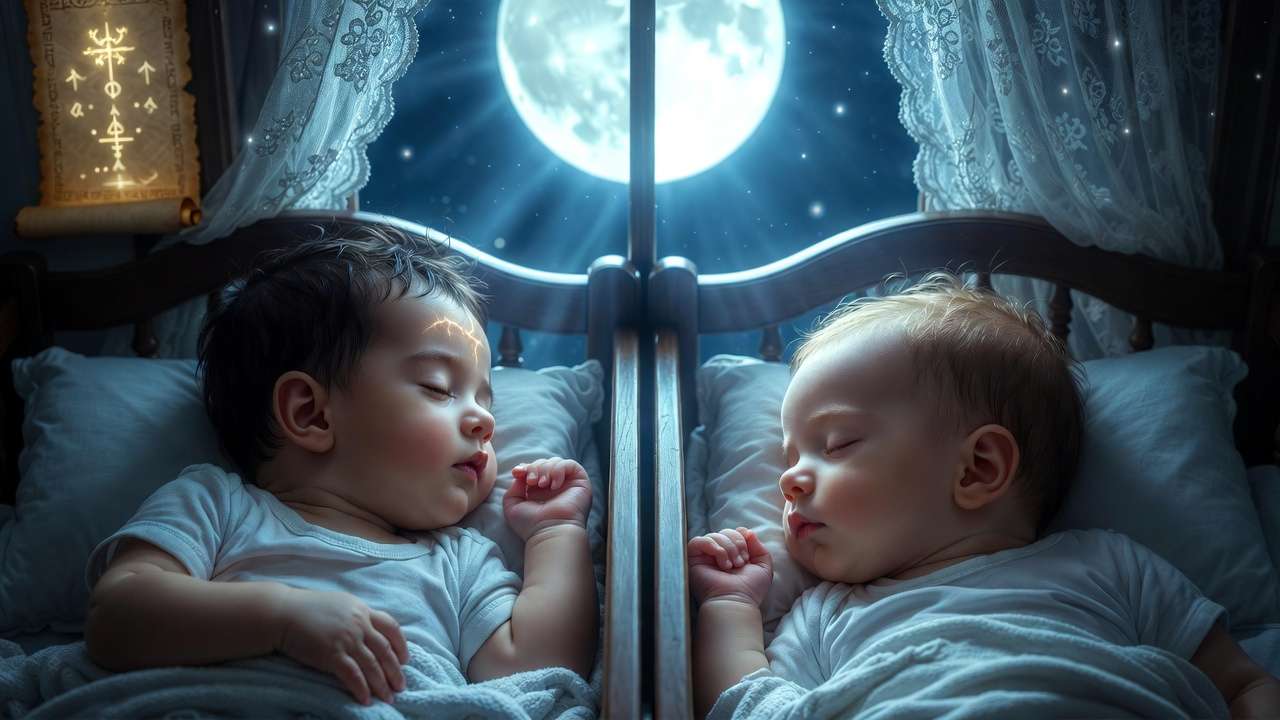 Both boys were born “as the seventh month dies.” Both were born to parents who had thrice defied the Dark Lord.
So why did Voldemort target Harry and not Neville?
Voldemort’s Fatal Decision
Voldemort made a deeply personal — and ultimately catastrophic — choice.
Several factors likely influenced his decision:
- Blood status Voldemort, himself a half-blood (Tom Riddle, son of Merope Gaunt and a Muggle), may have seen a symbolic parallel in Harry, also a half-blood. He may have believed it more fitting — or more threatening — for another half-blood to rise against him.
- Prominence of the parents James and Lily Potter were highly visible and effective members of the Order. James came from an old pure-blood family yet fought openly against blood supremacy. Lily, a Muggle-born, represented everything Voldemort despised. Targeting them sent a powerful message.
- Timing and arrogance Voldemort acted swiftly after receiving the prophecy fragment. Harry was born one day after Neville, but the phrase “as the seventh month dies” could be interpreted as the very last day of July — July 31. Voldemort may have seen Harry as the clearer match.
Whatever the precise reasoning, Voldemort chose Harry.
In doing so, he personally “marked him as his equal” by attempting the Killing Curse — and failed.
The Irony — How Voldemort Created His Own Enemy
By attacking Harry, Voldemort fulfilled the prophecy in the worst possible way for himself.
- The scar became a permanent mark of equality.
- Lily’s sacrificial protection created a magical shield Voldemort could not break.
- Harry gained a piece of Voldemort’s own soul, forging the accidental Horcrux connection that would later allow Harry to survive again and again.
In short: Voldemort did not merely choose the wrong child — he actively engineered the very conditions that would lead to his downfall.
The Night of Horror — The Attack on Godric’s Hollow (Timeline & Details)
The Build-Up (1980–1981)
After the prophecy, James and Lily went into hiding under the Fidelius Charm — one of the most powerful secrecy spells in the wizarding world.
They chose their close friend Peter Pettigrew (Wormtail) as their Secret-Keeper, believing no one would suspect the timid, unassuming man.
It was a fatal mistake.
Pettigrew betrayed their location to Voldemort on or around October 24, 1981. The Dark Lord now knew exactly where to find the Potters.
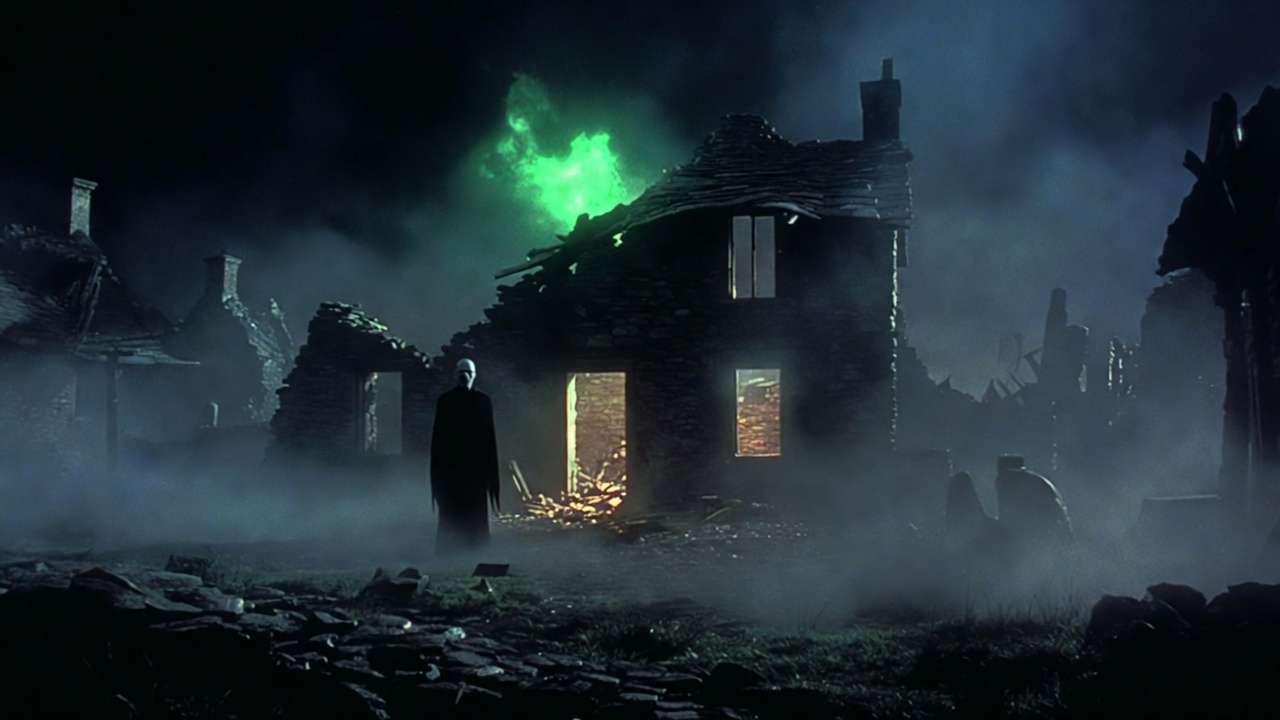 October 31, 1981 — Step-by-Step Events
The night unfolded with terrifying speed and brutality.
- Voldemort arrives in Godric’s Hollow He blasted the front door apart. No subtlety. No need for secrecy anymore.
- James Potter’s stand James, wandless (he had left it on the sofa), shouted to Lily: “Lily, take Harry and go! It’s him! Go! Run! I’ll hold him off!” He fought valiantly, buying precious seconds for his wife and son. Voldemort killed him with a single Killing Curse.
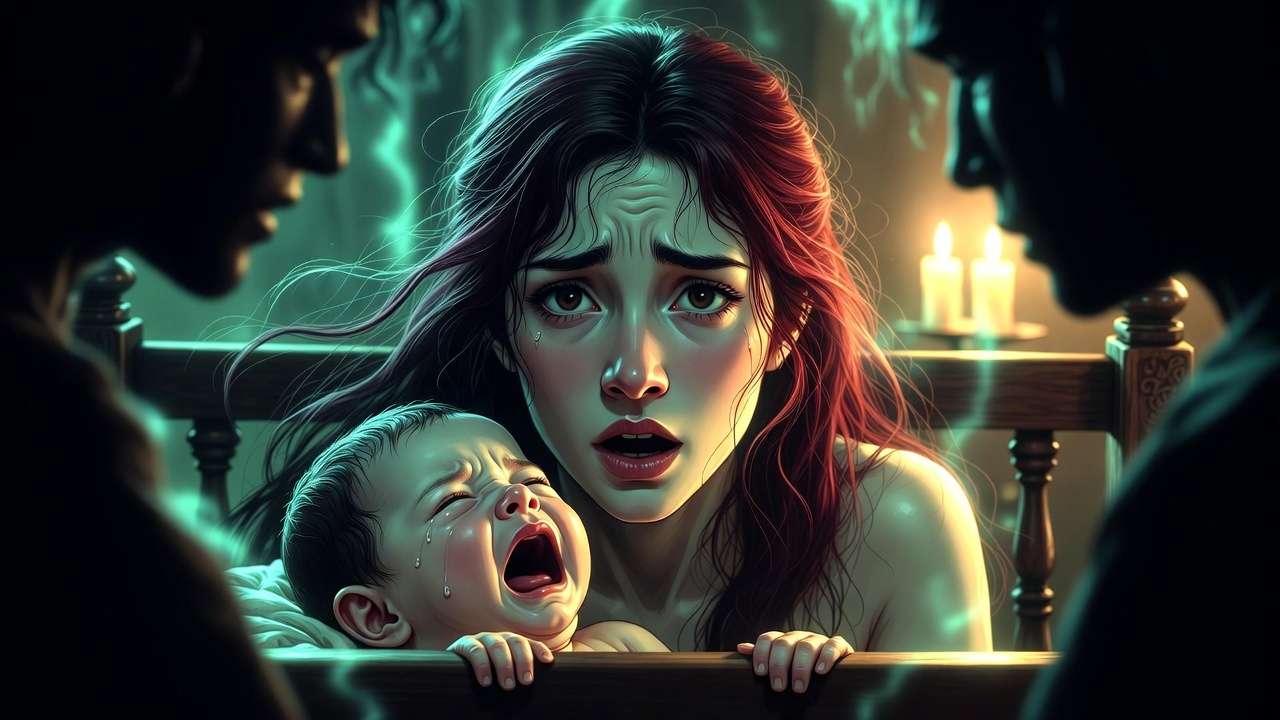
- Lily’s final stand Lily placed herself between Voldemort and Harry’s crib. Voldemort — influenced by Severus Snape’s desperate request to spare Lily (Snape had loved her since childhood) — offered her the chance to step aside. She refused. “Not Harry! Not Harry! Please — I’ll do anything —”“Stand aside, you silly girl… stand aside now.” Lily died protecting her son — a willing, conscious sacrifice.
- The curse rebounds Voldemort turned the Killing Curse on the baby. But Lily’s love had invoked an ancient, powerful magic — one Voldemort had never studied and could never comprehend. The curse rebounded, destroying Voldemort’s body and ripping his soul apart. A fragment of that soul latched onto the only living thing left in the room: baby Harry.
Immediate Aftermath
- Voldemort vanished — presumed dead.
- The Killing Curse left Harry with only a lightning-shaped scar.
- Sirius Black arrived moments later, found James and Lily dead, and took Harry.
- Hagrid, on Dumbledore’s orders, retrieved the child and flew him to the Dursleys on Sirius’s motorbike, beginning Harry’s life as “the Boy Who Lived.”
The Role of Love and Sacrifice — Lily’s Ultimate Protection
What Made Lily’s Sacrifice Magical?
The single most important moment of that terrible night was not the Killing Curse itself — it was Lily Potter’s choice.
James died bravely, fighting to protect his family, but his death did not invoke the same ancient magic. Lily’s death was different because she had a choice.
Voldemort gave her the opportunity to live:
“Stand aside, you silly girl… stand aside now.”
She refused. She begged for Harry’s life, offering her own in exchange. That conscious, willing decision to die rather than abandon her child triggered a rare and powerful form of magic — one so ancient that even Voldemort, with all his knowledge of the Dark Arts, had never encountered it.
J.K. Rowling has explained that this “old magic” is rooted in the power of love — specifically, the sacrificial protection a mother can give her child. It is not a spell that can be cast with a wand; it is an act of pure, selfless love so profound that it creates an unbreakable shield.
 Lasting Impact on Harry
Lily’s sacrifice had immediate and long-term consequences:
- The rebounding curse — The Killing Curse failed to kill Harry because the ancient magic acted as a counterforce. Instead of destroying Harry, it destroyed Voldemort’s physical body.
- Blood protection — Lily’s love embedded itself in Harry’s blood. As long as Harry could call a place where Lily’s blood relative lived “home,” Voldemort could not touch him there. This is why Dumbledore placed Harry with the Dursleys — Petunia Dursley (née Evans) was Lily’s sister.
- The scar connection — The piece of Voldemort’s soul that attached itself to Harry during the failed curse created a lifelong link — the famous scar that would burn whenever Voldemort felt strong emotion or was nearby.
This protection lasted until Harry came of age (17) and left the Dursleys’ home for the last time in Harry Potter and the Deathly Hallows.
Thematic Tie-in: Love as the Series’ Core Strength
From the very first book, Dumbledore tells Harry:
“Your mother died to save you. If there is one thing Voldemort cannot understand, it is love.”
This single line foreshadows the entire seven-book arc. Every major victory Harry achieves — surviving the basilisk, resisting the Imperius Curse, destroying Horcruxes, and finally defeating Voldemort — is made possible because of love: Lily’s sacrifice, the love of his friends, the love between families, and even the love that Severus Snape carried for Lily until his dying breath.
Love is the “power the Dark Lord knows not” — and it is the reason Voldemort’s quest for power was doomed from the moment he stepped into the nursery in Godric’s Hollow.
Voldemort’s Mistakes and the Self-Fulfilling Prophecy
Key Errors
Voldemort’s downfall was not inevitable — it was the direct result of his own choices and blind spots:
- Only hearing part of the prophecy Snape only delivered the first portion. The crucial second half — the part about the power Voldemort knows not — was never heard by the Dark Lord.
- Arrogance and personal involvement He chose to confront the Potters himself rather than delegate the task to a Death Eater. Pride demanded that he personally eliminate the threat.
- Underestimating love Voldemort could not conceive of love as a force stronger than any curse or spell. His inability to understand human emotion was his greatest weakness.
- Marking Harry as his equal By casting the Killing Curse on the child, Voldemort fulfilled the prophecy’s wording in the most literal and disastrous way possible.
 How Fear Doomed Him
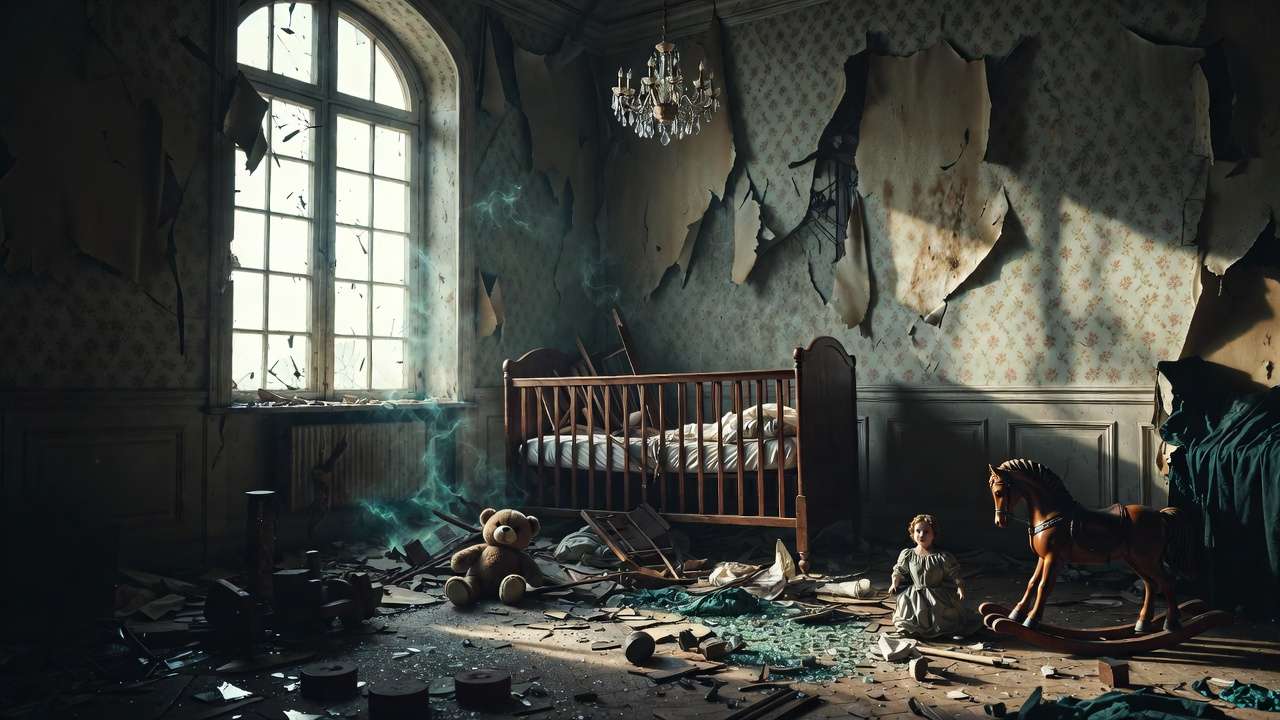
Voldemort’s entire philosophy was built on conquering death and eliminating weakness. The idea that an infant could threaten him was an unbearable affront to his sense of invincibility.
Ironically, it was his fear of the prophecy that caused him to act — and that action created the very conditions for his defeat.
Expert Insight — Parallels to Greek Tragedies
The structure of this story mirrors classic Greek tragedies, particularly Oedipus Rex. In Sophocles’ play, King Laius is told that his son will kill him. To prevent the prophecy, he orders the baby abandoned — which sets in motion the very events that fulfill it.
Similarly, Voldemort’s attempt to destroy the child named by the prophecy is what gives that child the power, the scar, and the protection to one day vanquish him.
It is a masterful use of dramatic irony: the audience (and Dumbledore) can see the tragedy coming, but the villain cannot.
Why This Moment Defines the Entire Harry Potter Series
The attack on Godric’s Hollow is far more than a tragic backstory — it is the single event that gives shape and meaning to the whole seven-book saga.
Every major theme, every recurring motif, and every climactic confrontation can ultimately be traced back to that one night in late October 1981:
- Love versus fear Voldemort’s entire ideology is built on fear — fear of death, fear of weakness, fear of being less than supreme. In contrast, the series repeatedly demonstrates that love is stronger than fear, hatred, or even the darkest magic.
- Choice over destiny The prophecy never said Harry must defeat Voldemort. It said “either must die at the hand of the other.” The outcome depended on choices — Voldemort’s choice to attack, Lily’s choice to sacrifice herself, Harry’s choice to keep fighting, and even Snape’s choice to switch sides.
- The danger of power without understanding Voldemort pursued ultimate power through Horcruxes, the Elder Wand, and fear. He never understood that true strength often lies in vulnerability, connection, and sacrifice.
- The cost of war The First Wizarding War left deep scars on an entire generation. The murder of James and Lily Potter, the torture of Frank and Alice Longbottom into insanity, the betrayal by Peter Pettigrew — all these losses shaped the characters we meet throughout the books.
The Halloween attack also establishes one of the most powerful narrative devices in children’s literature: the orphaned hero. Harry’s journey from cupboard under the stairs to the final duel in the Great Hall is the story of a boy reclaiming the love he was denied — and using that love to heal a broken world.
Common Questions Answered (FAQs)
Q: Was Voldemort planning to kill the Potters anyway? Yes — to some extent. James and Lily were active, dangerous members of the Order of the Phoenix and had been defying him for years. However, the prophecy turned a general threat into an urgent, personal one. Without the prophecy, it’s unlikely Voldemort would have targeted their one-year-old son specifically.
Q: Could Neville have been the Chosen One? Absolutely. The prophecy applied equally to both boys. Dumbledore himself states in Order of the Phoenix that “the prophecy could have applied to either of you.” Neville’s parents were tortured into insanity shortly after the attack on the Potters — possibly as revenge or to eliminate the second possible threat. Had Voldemort chosen Neville instead, the story could have unfolded very differently.
Q: Why did Voldemort give Lily a chance to live? This is one of the most humanizing (and ironic) moments in Voldemort’s character. Severus Snape had begged Voldemort to spare Lily’s life because of his lifelong, unrequited love for her. Voldemort, in a rare moment of honoring a loyal servant’s request, offered Lily the chance to step aside. Her refusal sealed both her fate and his.
Q: How does the prophecy connect to Harry’s scar and his connection with Voldemort? The scar is the physical manifestation of the prophecy’s line: “the Dark Lord will mark him as his equal.” When the Killing Curse rebounded, it left the lightning-shaped scar and accidentally made Harry an unintended Horcrux — linking their minds and allowing Harry to sense Voldemort’s emotions and see into his thoughts at key moments.
The murder of James and Lily Potter was never random cruelty. It was the direct — and tragically ironic — result of Lord Voldemort’s desperate attempt to eliminate a prophesied threat.
A half-heard prophecy, a paranoid Dark Lord, a mother’s selfless love, and one fateful choice on Halloween night in 1981 created the Boy Who Lived… and planted the seeds of Voldemort’s eventual destruction.
More than thirty years after the first book was published, the question “why did Voldemort kill Harry Potter’s parents” still resonates so deeply because it captures the heart of the entire series: that love, in its purest and most sacrificial form, is the one force capable of defeating even the darkest evil.
What do you think — was the prophecy always destined to play out this way, or could different choices have changed everything? Share your thoughts in the comments below.
And if you want to dive deeper into Harry Potter lore, check out our other in-depth guides:
- Who Was Really the Chosen One: Harry or Neville?
- The Complete Timeline of Severus Snape’s Double Life
- The Ancient Magic of Love: How It Defeated Voldemort
Thank you for reading — may your own story be filled with more love than fear.