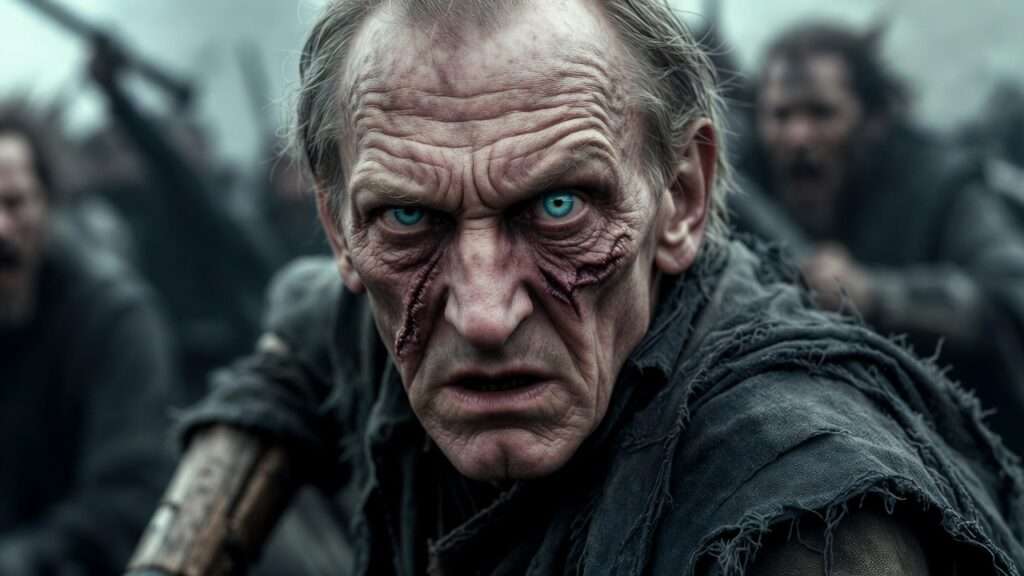
In the shadowy corridors of the wizarding world, few figures command as much respect and intrigue as Alastor “Mad-Eye” Moody. The moment he bursts into the Hogwarts staff room in Harry Potter and the Goblet of Fire—his electric-blue magical eye whirring wildly, scarred face grim, wooden leg clunking—he embodies unrelenting determination against the Dark Arts. Yet the “Moody” Harry first encounters is an imposter, Barty Crouch Jr., using Polyjuice Potion to deceive everyone. The real Alastor Moody, a pure-blood wizard and the Ministry’s most formidable Auror, remains one of the series’ most tragic and heroic supporting characters. Harry Potter Mad-Eye Moody represents the cost of endless war: a battle-hardened survivor whose paranoia was earned through sacrifice, whose “constant vigilance” mantra echoed through battles, and whose off-screen death in Deathly Hallows marked the rising toll of Voldemort’s return. This deep dive explores his full canon backstory, iconic magical eye, justified vigilance, pivotal roles in the Order of the Phoenix, and enduring legacy—offering fans a comprehensive resource beyond surface summaries.
Who Was Alastor “Mad-Eye” Moody? The Man Behind the Legend
Alastor Moody was born into a renowned pure-blood family of Aurors, with both parents serving in the same elite role. This lineage instilled in him an early sense of duty to combat Dark wizards, shaping a life defined by relentless pursuit of justice. Little is detailed about his childhood, but the Moody family’s reputation for producing exceptional Aurors set high expectations from the start.
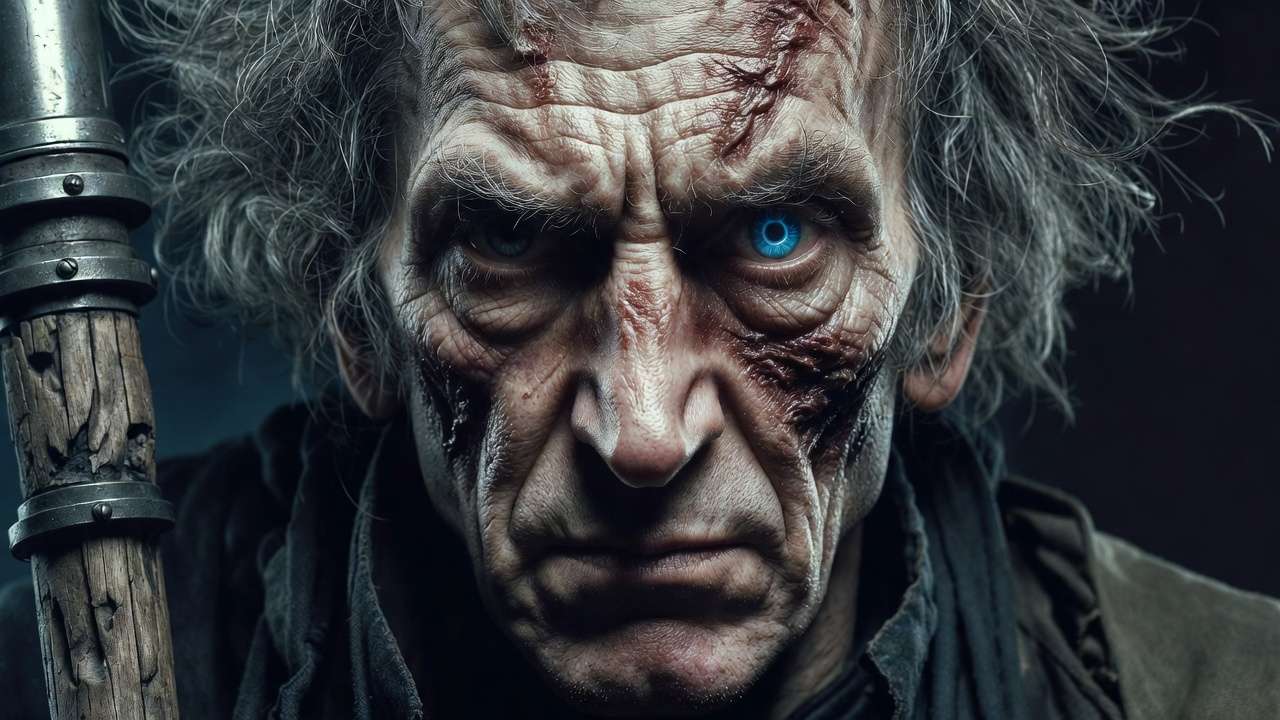
His rise during the First Wizarding War cemented his status as the best Auror of all time. Moody single-handedly filled half the cells in Azkaban with captured Dark witches and wizards, earning a fearsome reputation among Death Eaters and their families. His captures included high-profile figures, making him a prime target. The war’s brutality left permanent marks: he lost his left eye in a clash with Death Eaters, part of his nose (notably in a duel with Evan Rosier, who took a chunk before Moody killed him), and his leg, replaced by a wooden prosthetic. These injuries, combined with his scarred face and gruff demeanor, birthed the nickname “Mad-Eye”—a moniker that reflected both his appearance and his unyielding, almost obsessive mindset.
Moody’s paranoia wasn’t eccentricity; it stemmed from real threats. Years of ambushes, betrayals, and losses forged a wizard who trusted almost no one, saw danger everywhere, and prepared meticulously. He retired in the 1980s, mentoring Nymphadora Tonks during her Auror training, before Dumbledore lured him back for one last mission at Hogwarts—only for it to go horribly wrong.
The Magical Eye: Powers, Origins, and Impact
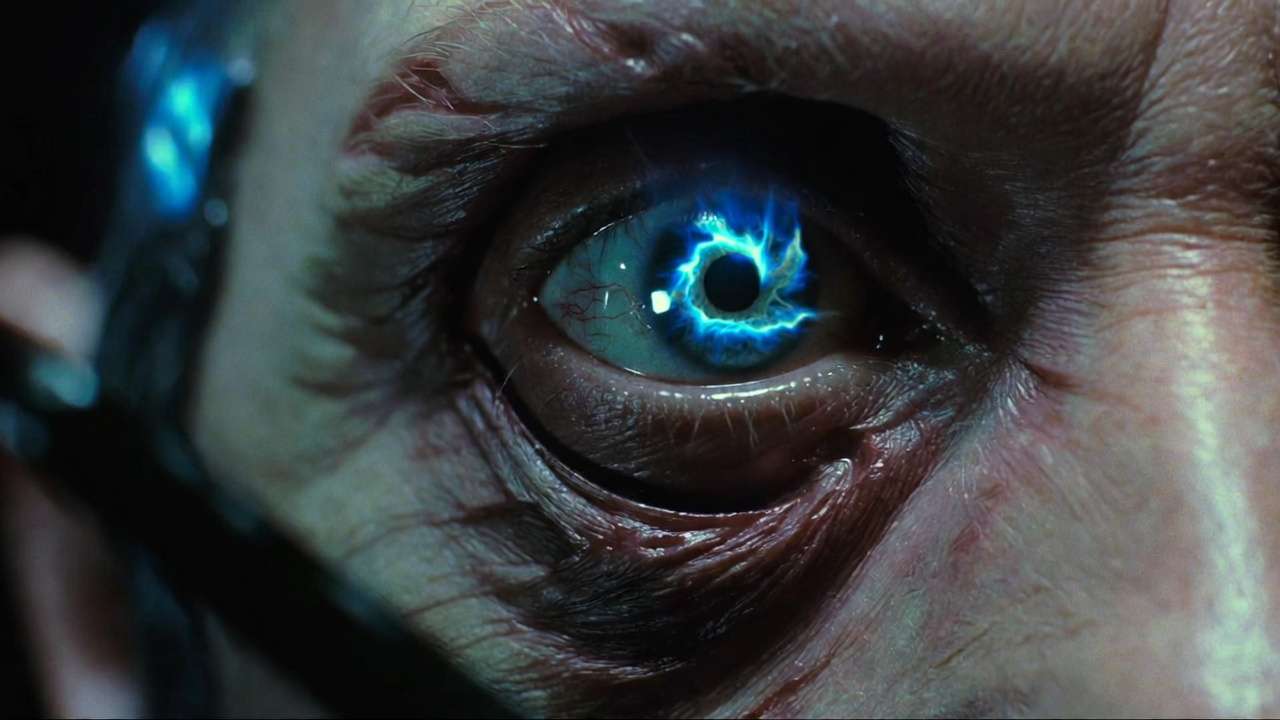
The most iconic feature of Harry Potter Mad-Eye Moody is his magical eye, a round, electric-blue replacement inserted directly into his empty socket after the First Wizarding War injury. Unlike ordinary prosthetics, this enchanted glass eye could rotate 360 degrees independently, allowing Moody to see through solid objects, Invisibility Cloaks, doors, walls, and even the back of his own head. It eliminated blind spots entirely, making him nearly impossible to sneak up on in battle or daily life.
In combat, the eye provided unmatched advantages: detecting hidden threats, piercing disguises, and maintaining constant awareness. During his brief time at Hogwarts (as the imposter), it spotted students under Invisibility Cloaks and scanned rooms for concealed dangers. For the real Moody, it symbolized survival—turning a devastating loss into a tactical edge that saved countless lives.
After his death in the Battle of the Seven Potters on July 27, 1997, Moody’s body was recovered by Death Eaters, but his magical eye ended up with Dolores Umbridge. She mounted it on her Ministry office door (like a peephole) to spy on subordinates in the Muggle-Born Registration Commission. During Harry’s infiltration of the Ministry, he spotted the familiar blue iris, wrenched it free in rage, and later buried it under a tree in a forest near the 1994 Quidditch World Cup site—a poignant, personal tribute to a fallen hero. This act symbolized honoring those who sacrificed everything, giving Moody a semblance of proper rest despite his body being lost forever.
Constant Vigilance: The Mantra That Defined Moody
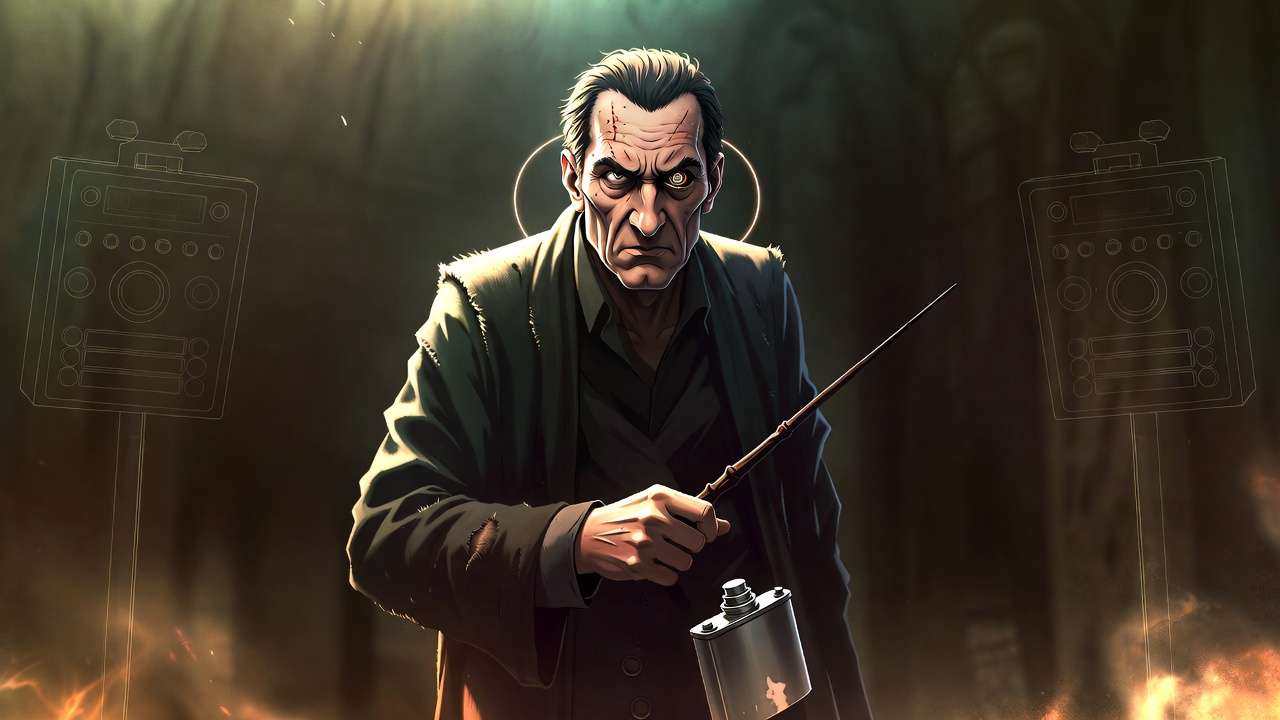
“Constant vigilance!”—the phrase most fans associate with Moody—was shouted repeatedly by the imposter Barty Crouch Jr. during lessons on Unforgivable Curses. Yet it perfectly captured the real Alastor Moody’s philosophy. His paranoia, often dismissed as madness, was justified by decades facing Death Eaters: poisoned food, ambushes, and betrayals that cost him limbs and comrades.
Moody drank only from his hip flask (suspecting tampering), slept with his wand under his pillow, and used Dark Detectors like Sneakoscopes and Foe-Glasses obsessively. This mindset wasn’t unfounded—his vigilance stemmed from real trauma, akin to representations of PTSD in veteran characters. He taught that survival demanded never-ceasing preparedness, a lesson that influenced Harry profoundly.
Key quotes and moments highlight this: Moody’s gruff warnings during Order missions, his insistence on security protocols, and his final command during the Battle of the Seven Potters: “Don’t break ranks if one of us is killed.” His approach wasn’t fear-mongering but hard-earned wisdom from a man who had stared down Voldemort’s forces longer than most.
Moody’s Key Roles in the Harry Potter Series
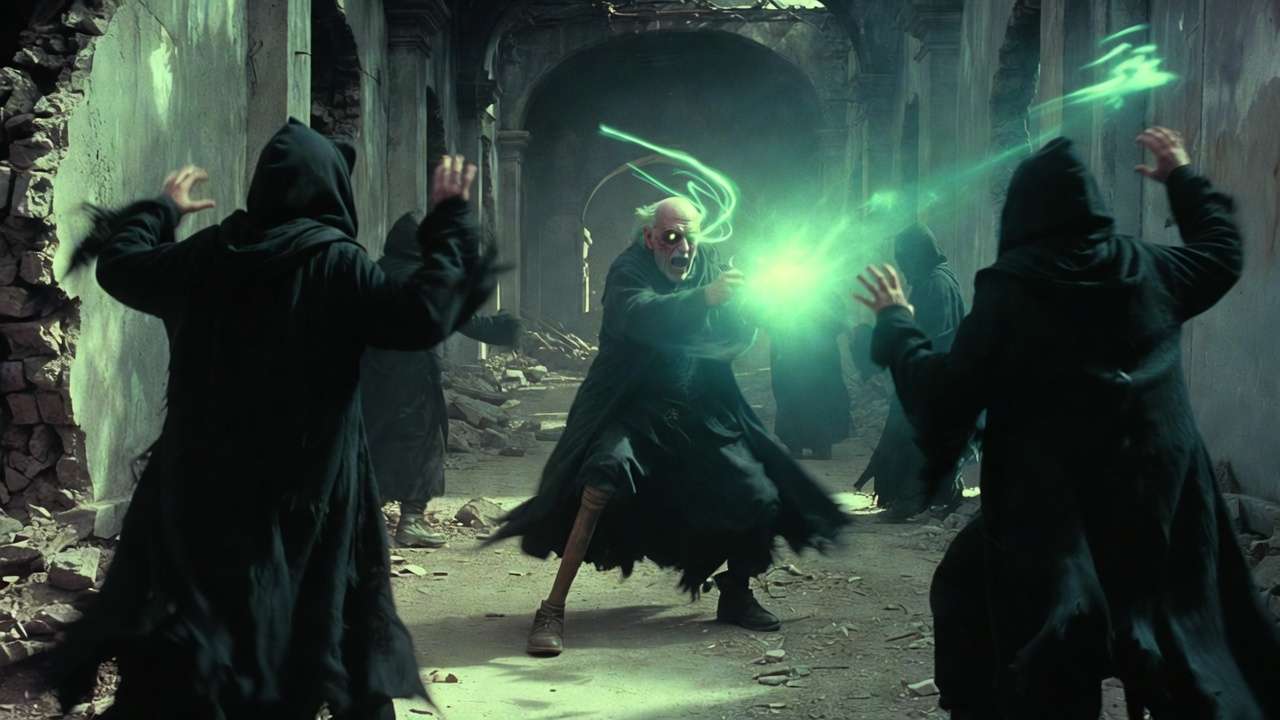
The real Moody’s story begins after his rescue from Barty Crouch Jr.’s magical trunk at the end of Goblet of Fire. Weak but alive, he rejoined the reconstituted Order of the Phoenix under Dumbledore.
In Order of the Phoenix, Moody led the advanced guard escorting Harry from Privet Drive to Grimmauld Place, using his magical eye to scan for threats. He participated in the Battle of the Department of Mysteries, dueling fiercely despite his age and injuries—though he was ultimately stunned by Antonin Dolohov.
His strategic mind shone brightest in Deathly Hallows. Moody masterminded the Battle of the Seven Potters: using Polyjuice Potion to disguise six Order members as Harry, creating decoys to confuse Death Eaters during the move from Privet Drive. He rode with Mundungus Fletcher, prioritizing the mission over personal safety. His leadership ensured Harry survived the initial assault, even as Voldemort targeted the group personally.
Moody’s best moments include mentoring Tonks, standing as a symbol of resistance, and his unwavering bravery—fighting on despite scars that would have retired lesser wizards.
The Tragic Death of Mad-Eye Moody
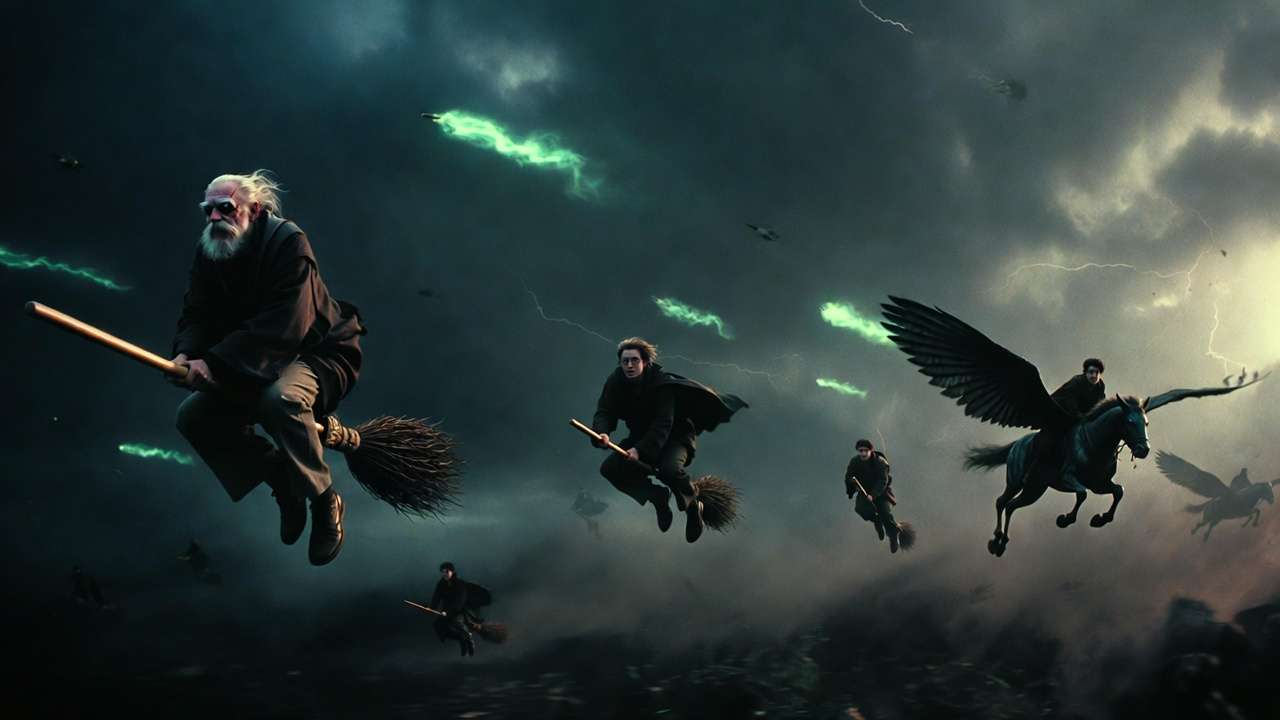
The end came swiftly and mercilessly during one of the most daring operations of the Second Wizarding War: the Battle of the Seven Potters on the night of July 27, 1997. With Privet Drive no longer safe after the Ministry’s fall and the protective charm on the Dursley home expiring, the Order needed to relocate Harry before Voldemort could strike. Moody devised the plan himself—using Polyjuice Potion to transform six trusted members into perfect decoys of Harry, creating seven identical Harrys flying on broomsticks, Thestrals, and a flying motorbike to confuse the enemy.
Moody volunteered to pair with the least experienced flyer, Mundungus Fletcher, riding a broomstick. He insisted on taking this risk to ensure the mission’s success, barking orders to maintain formation and never break ranks even if someone fell. As the group took to the skies, Death Eaters and Voldemort himself ambushed them almost immediately. The sky erupted in green and red light—Killing Curses and Stunners crisscrossing the darkness.
In the chaos, Mundungus panicked and Disapparated, abandoning Moody mid-air. Left exposed and without a partner to cover him, Moody was struck directly by Voldemort’s Killing Curse. The green jet of light hit him square in the chest. His body tumbled lifelessly from the broomstick, falling thousands of feet into the darkness below. Unlike many fallen comrades whose bodies were recovered for burial, Moody’s corpse was never found—likely retrieved by Death Eaters as a trophy or simply lost forever in the night.
The news devastated the Order. When Harry, Ron, and Hermione learned of his death at the Burrow, the weight of the loss was palpable. Moody had been one of the last living links to the First Wizarding War’s resistance—a grizzled veteran who had survived when so many others had not. His death underscored the brutal reality: even the most vigilant and skilled could fall when betrayal or sheer bad luck intervened.
Yet in death, Moody received a small, personal act of reverence. During the trio’s infiltration of the Ministry months later, Harry spotted the familiar electric-blue magical eye embedded in Umbridge’s office door. Enraged at the desecration, he ripped it free, carried it with him through the chaos of the escape, and eventually buried it beneath a gnarled old tree in a quiet forest clearing near the site of the 1994 Quidditch World Cup. Harry performed no spell, spoke no eulogy—just a simple, silent burial. It was a fitting tribute: the eye that had seen so much danger finally laid to rest by the boy Moody had helped protect.
Lessons from Mad-Eye Moody: What Fans Can Learn Today
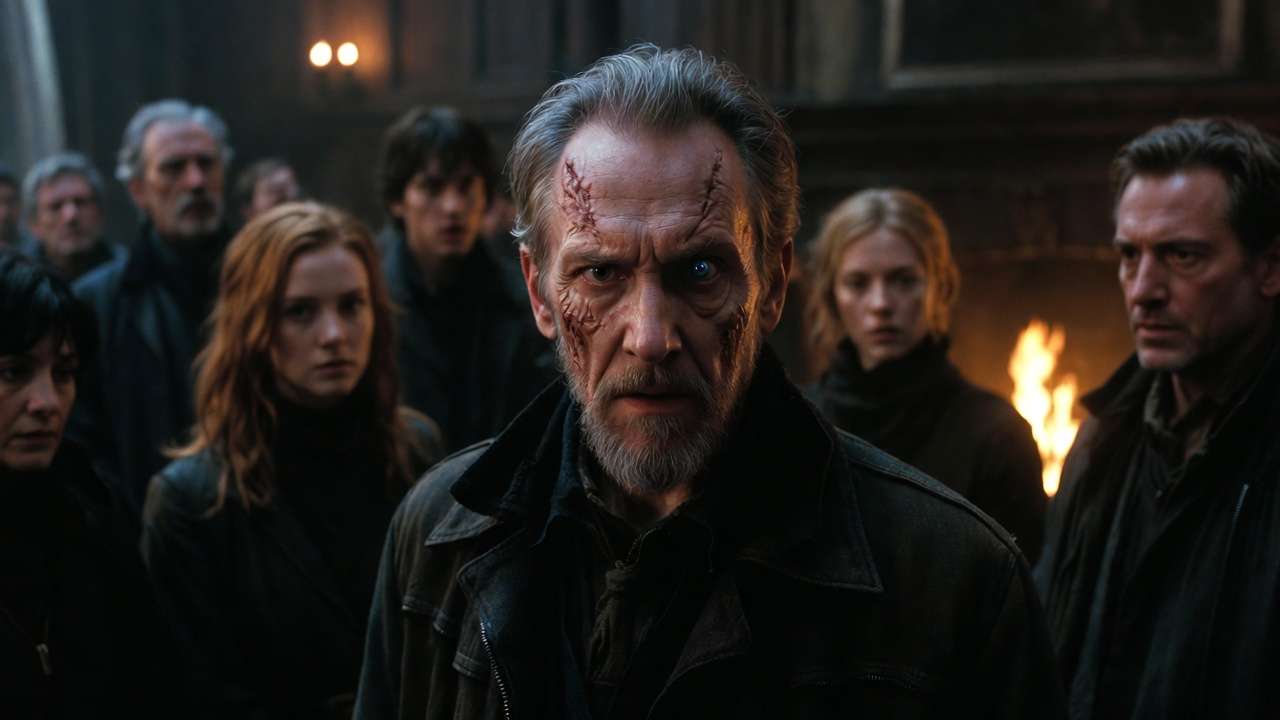
Alastor Moody may have been fictional, but his core philosophy resonates far beyond the pages of J.K. Rowling’s books. “Constant vigilance” is more than a catchphrase—it’s a mindset forged in real peril and one that offers practical wisdom for readers today.
In an age of misinformation, online scams, personal safety concerns, and unpredictable global events, Moody’s insistence on awareness without descending into crippling fear remains relevant. He teaches that preparation—checking locks, questioning suspicious behavior, having backup plans—is not paranoia when the stakes are high; it’s responsible adulthood. Fans often reflect on how Moody’s scars and habits mirror the long-term effects of trauma on real-world veterans, first responders, or anyone who has lived through prolonged danger. Rowling crafted him with nuance: not a cartoonish madman, but a survivor whose caution saved lives repeatedly.
Moody also stands as one of the wizarding world’s most underrated heroes. While characters like Dumbledore, Snape, and Sirius receive endless analysis, Moody quietly shaped the resistance. He mentored Tonks, influenced Harry’s combat instincts, and gave his life without hesitation. His story reminds us that the fight against evil often rests on the shoulders of steadfast, unglamorous guardians rather than charismatic leaders.
For Harry Potter fans seeking deeper character appreciation—especially during re-reads, movie marathons, or discussions—Moody offers rich material. He represents resilience, the cost of duty, and the quiet heroism of those who stand watch so others can sleep.
Alastor “Mad-Eye” Moody was never the central hero of the Harry Potter saga, yet his presence looms large across the later books. From his legendary career filling Azkaban cells to the magical eye that saw through every deception, from the mantra of constant vigilance born of hard-won experience to his final, sacrificial flight in the Battle of the Seven Potters, Moody embodied the price paid by those who fought Voldemort longest and hardest.
His tragic death—body lost, eye buried in a quiet forest—serves as a sobering reminder that even the strongest can fall. Yet his legacy endures: in Harry’s growth, in the Order’s continued fight, and in the hearts of fans who recognize true courage when they see it.
Whether you’re revisiting Goblet of Fire for the first time in years, analyzing Order of the Phoenix battles, or simply appreciating the depth of supporting characters, Moody deserves a moment of reflection. Constant vigilance, indeed—and constant gratitude for wizards like him.
FAQ
Who really taught Defense Against the Dark Arts in Harry’s fourth year? Barty Crouch Jr., using Polyjuice Potion to impersonate the real Alastor Moody. The genuine Moody was imprisoned in his own magical trunk for most of the school year.
Did the real Mad-Eye Moody ever say “Constant vigilance!”? Not verbatim in the books. The phrase is most prominently associated with Barty Crouch Jr.’s impersonation during lessons. However, it perfectly encapsulated the real Moody’s lifelong philosophy of relentless preparedness.
How did Alastor Moody lose his eye and leg? During the First Wizarding War, he lost his left eye battling Death Eaters (replaced by the magical eye), part of his nose in a duel with Evan Rosier (whom he killed), and his leg in combat (replaced by a wooden prosthetic). The exact circumstances of each injury are not fully detailed, but they were accumulated over years of frontline duty.
What happened to Moody’s magical eye after his death? Death Eaters recovered his body, but the eye came into Dolores Umbridge’s possession. She mounted it on her office door at the Ministry. Harry later retrieved it during the infiltration of the Ministry and buried it in a forest as a private tribute.
Why was Moody’s death so impactful in Deathly Hallows? It marked one of the first major Order casualties after the Ministry’s fall, demonstrated Voldemort’s personal involvement in the hunt for Harry, highlighted the danger of betrayal (via Mundungus), and symbolized the escalating cost of the war. Losing Moody—a near-mythical figure of resistance—shook the group’s morale profoundly.