
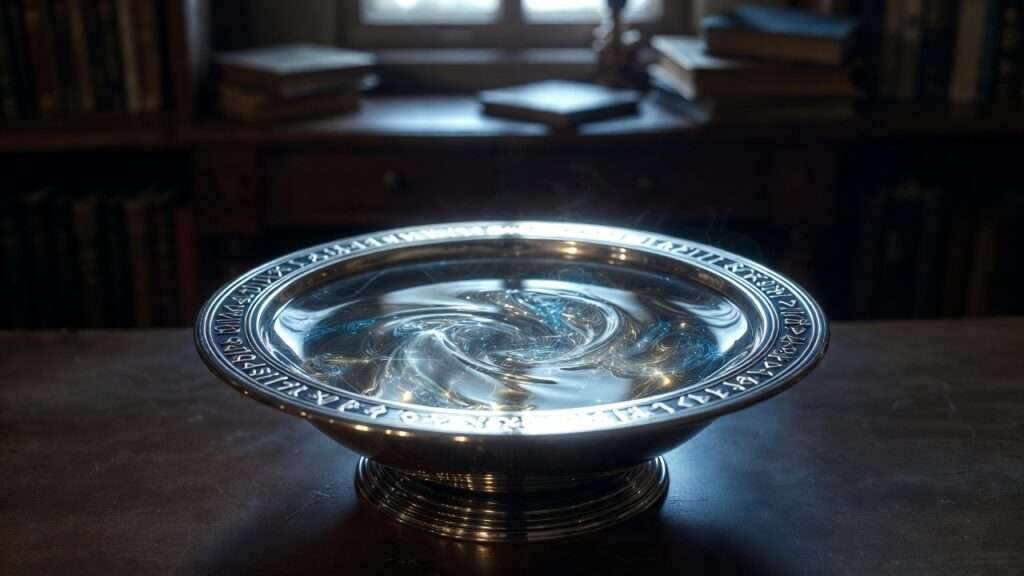
Imagine accidentally falling headfirst into a swirling silver basin in the middle of a headmaster’s office—only to find yourself standing in the middle of a long-ago courtroom, watching events unfold exactly as they happened decades earlier, every detail crystal clear, every voice perfectly preserved.
That breathtaking moment in Harry Potter and the Goblet of Fire is most readers’ first introduction to one of J.K. Rowling’s most ingenious magical creations: the Pensieve from Harry Potter.
For many fans, the Pensieve represents the ultimate fantasy wish: the ability to step back into any memory, examine it from every angle, free from emotion, bias, or the fog of time. Whether you’re a lifelong Potterhead revisiting the series, a newcomer trying to understand Dumbledore’s most mysterious tools, or simply someone fascinated by the deeper lore of the Wizarding World, this guide will explain everything you need to know about the Pensieve—how it works, its history, its most powerful moments in the books and films, its deeper symbolism, and why it remains one of the most philosophically rich objects in the entire series.
What Exactly Is the Pensieve? Definition and Physical Description
At its core, the Pensieve is a magical basin designed to store, review, and share memories.
Albus Dumbledore gives the clearest definition in Harry Potter and the Goblet of Fire:
“I use the Pensieve. One simply siphons the excess thoughts from one’s mind, pours them into the basin, and examines them at one’s leisure. It becomes easier to spot patterns and links, you understand, when they are in this form.”
This single paragraph reveals why the Pensieve is so extraordinary: it externalizes thought itself.
The Basic Function – Extracting and Reviewing Memories
To use the Pensieve, a witch or wizard touches their wand to their temple and draws out a silvery, thread-like substance—the memory itself. This is not the same as removing the memory completely (as happens with a Memory Charm); the Pensieve stores a perfect copy. The original memory remains intact in the mind, though some characters appear to feel slightly lighter or clearer-headed after siphoning off particularly heavy thoughts.
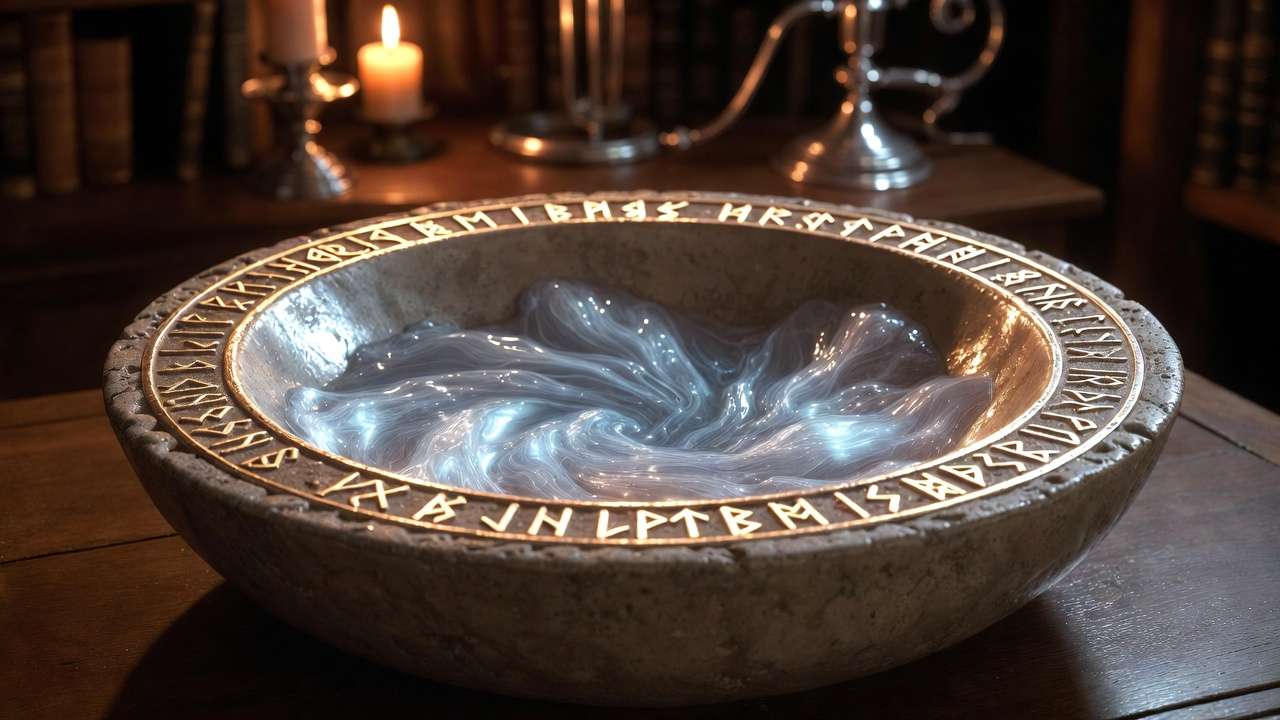
Once poured into the basin, the memory takes on a shimmering, liquid, vapor-like appearance—described variously as “light made liquid,” “congealed wind,” or “silver smoke.” Anyone can then lean over the basin and either peer into the memory from above or (more dramatically) plunge their entire face inside to fully immerse themselves in the recollection.
The experience is always third-person. The viewer becomes an invisible observer, able to move freely through the scene, hearing every word, seeing every detail, and even noticing things the original rememberer may have overlooked at the time.
Appearance and Construction
The most famous Pensieve—the one kept in Dumbledore’s office—is a wide, shallow stone basin, its edges carved with strange, ancient runes. The stone appears very old, almost certainly predating Hogwarts itself. J.K. Rowling has confirmed via Pottermore (now WizardingWorld.com) that the Hogwarts Pensieve is an exceptionally ancient magical artifact, modified over centuries with Saxon runes that are older than the school’s founding in the late tenth century.
Smaller, personal Pensieves exist, though they are extraordinarily rare. Most powerful witches and wizards who own one bury the device with them upon death—suggesting that the memories contained within are considered profoundly private and personal.
 How Does the Pensieve Work? The Magic Behind Memory Diving
The mechanics of the Pensieve are both elegantly simple and deeply mysterious.
Step-by-Step: Extracting and Entering a Memory
- Extraction The user places the tip of their wand against their temple and slowly draws out the silvery thread of memory. The process appears painless, though emotionally significant memories may cause visible strain.
- Storage The extracted memory is gently poured into the basin, where it swirls and settles into the silvery mass already present (if any).
- Viewing
- Surface viewing: Leaning over and looking down allows one to watch the memory play out like a film projected onto the liquid surface.
- Full immersion: Leaning far enough forward causes the viewer to fall headfirst into the memory, experiencing it as though physically present.
 Viewing Others’ Memories – Permissions and Dangers
One of the Pensieve’s most powerful (and dangerous) features is that anyone can enter a memory once it has been placed in the basin—no password, no spell, no permission required.
This makes the Pensieve both an incredible tool for learning and a significant privacy risk. Dumbledore repeatedly allows Harry to view memories belonging to other people, trusting the boy’s discretion. In contrast, the idea of someone secretly extracting and viewing another person’s private memories is treated as deeply unethical throughout the series.
Rowling has explained that the Pensieve recreates the memory with perfect subconscious accuracy. Even details the rememberer did not consciously register at the time (background conversations, facial expressions, tiny movements) are faithfully reproduced—making it an unparalleled tool for discovering truth.
Sorting Thoughts and Spotting Patterns
Dumbledore’s primary use of the Pensieve is not merely reliving memories, but thinking clearly. By removing distracting or emotionally charged thoughts from his mind, he can examine them objectively, often noticing connections and patterns that were invisible when the thoughts remained inside his head.
This function elevates the Pensieve from a simple playback device to a genuine instrument of wisdom.
Limitations and Rules from Canon
- Memories cannot be edited inside the Pensieve itself (though they can be tampered with before extraction—see Slughorn’s altered memory in Half-Blood Prince).
- The viewer is only an observer; no interaction with people or objects in the memory is possible.
- Time passes normally in the real world while someone is immersed—Harry is often surprised how long he has been “gone” after particularly long dives.
The Hogwarts Pensieve – A Legendary Artifact
History and Origins
The Pensieve housed in the Headmaster’s office at Hogwarts is not just any Pensieve—it is arguably the most storied and ancient example of its kind in the entire Wizarding World.
J.K. Rowling has revealed through Wizarding World (formerly Pottermore) that this particular basin predates the founding of Hogwarts in the late 10th century. Its stone is etched with runes of Saxon origin, indicating that it was already an old and revered object when the four founders first established the school around 990 AD. Over the centuries, successive headmasters and headmistresses have added their own modifications and protections, turning it into a kind of institutional memory vault.
Unlike personal Pensieves, which owners often take to the grave to protect their most intimate recollections, the Hogwarts Pensieve has been passed down deliberately. It serves as a living archive of the school’s history, allowing headteachers to preserve key moments, witness testimonies, and lessons learned across generations.
This longevity and institutional role set the Hogwarts Pensieve apart from any privately owned version. It is not merely a tool; it is a piece of Hogwarts itself.
Key Appearances in the Headmaster’s Office
Harry Potter first encounters the Pensieve in Harry Potter and the Goblet of Fire (Chapter 30, “The Pensieve”). While waiting for Dumbledore, an impatient and curious Harry leans over the basin and falls in—beginning one of the most memorable sequences in the entire series.
From that point forward, the Pensieve becomes a recurring presence whenever Harry needs to understand events far beyond his own lifetime or personal experience. Dumbledore uses it methodically to teach Harry about Voldemort’s origins in Half-Blood Prince, demonstrating that some truths are too painful or complex to convey through words alone.
The office setting is deliberate: the Pensieve sits on a small table beside Dumbledore’s desk, surrounded by silver instruments and the portraits of past headmasters. Its placement underscores its role as a bridge between the present and the past, a quiet but powerful ally in the fight against darkness.
Iconic Pensieve Moments in the Harry Potter Series
The Pensieve is not just background magic—it drives some of the most emotionally and narratively pivotal scenes in the books.
Goblet of Fire – Harry’s Accidental Dive
Harry’s unplanned plunge reveals the 1981 trial of Igor Karkaroff and the Death Eaters, including Barty Crouch Jr.’s chilling confession and his father’s cold sentencing. This memory introduces readers (and Harry) to the depth of Voldemort’s original followers and the Ministry’s harsh post-war justice.
The scene is shocking in its objectivity: Harry sees Crouch Jr.’s mother pleading, sees the crowd’s reactions, and witnesses the Imperius defense—all without the emotional filter that might have softened the memory in someone’s mind.
Order of the Phoenix – Additional Trials and Insights
Harry returns to the Pensieve several times in Book 5, viewing more Wizengamot proceedings. These moments reinforce the theme of institutional corruption: even the most solemn memories show Ministry officials making questionable decisions under pressure.
One particularly poignant memory is that of Mrs. Figg testifying about the Dementor attack on Harry and Dudley—demonstrating how the Pensieve can preserve truth against official denial.
Half-Blood Prince – Unraveling Voldemort’s Past
This is the Pensieve’s most extensive and purposeful use. Dumbledore collects and shares six key memories to illustrate Tom Riddle’s transformation into Lord Voldemort:
- Bob Ogden’s encounter with the Gaunt family (Merope’s tragic life and Morfin’s attack).
- Young Tom Riddle at the orphanage (his cruelty and fascination with power even as a child).
- Hepzibah Smith showing off Slytherin’s locket and Hufflepuff’s cup (Riddle’s first murders and thefts).
- Hokey the house-elf’s memory of Hepzibah’s death.
- Professor Slughorn’s tampered memory of Tom asking about Horcruxes (the original is later extracted).
- Morfin Gaunt’s false confession (altered by Riddle).
These lessons are delivered almost like lectures, with Dumbledore pausing the “film” to point out details, ask Harry questions, and draw moral conclusions. The Pensieve here becomes a classroom tool of unparalleled power.
 Deathly Hallows – Snape’s Ultimate Sacrifice Revealed
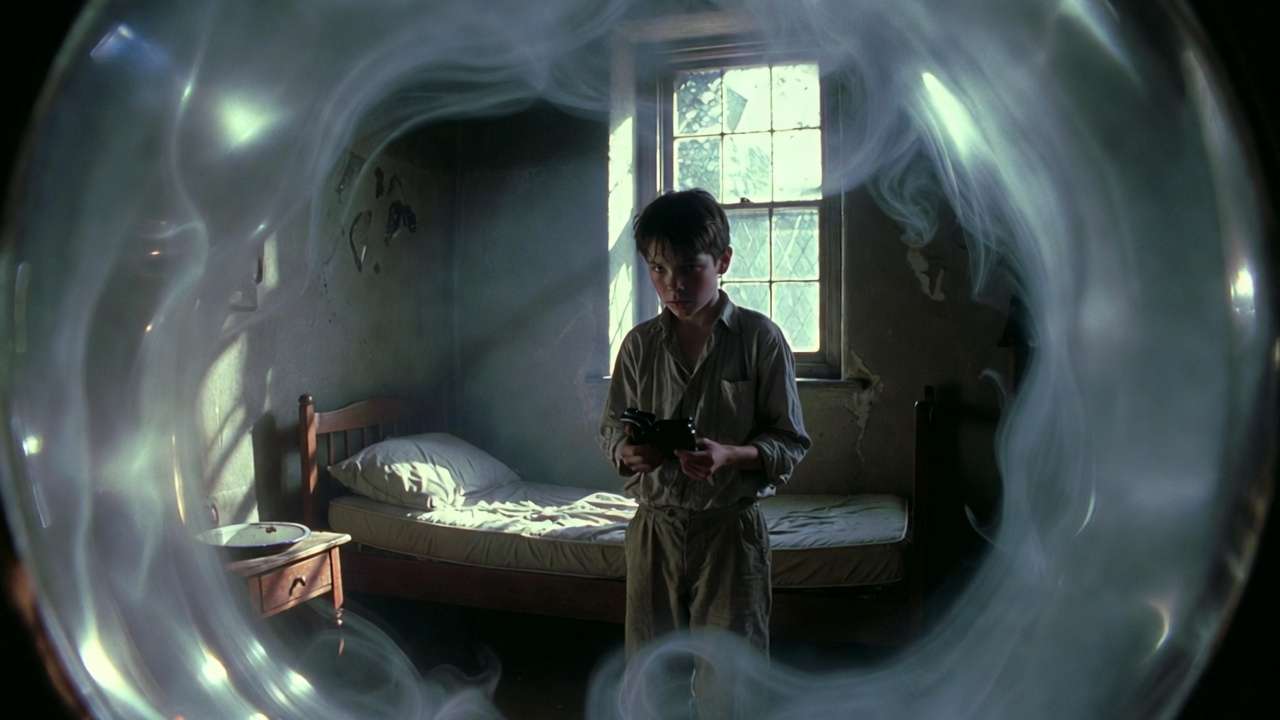
The series’ emotional climax occurs when Harry, dying in the Forbidden Forest, views Snape’s dying memories in the Pensieve. This sequence—often called “The Prince’s Tale”—is widely regarded as one of the most moving passages in modern literature.
We see:
- Snape’s lonely, abusive childhood
- His first meeting with Lily Evans
- Their friendship turning to love on Snape’s part
- The moment he calls her “Mudblood” and loses her forever
- His desperate plea to Dumbledore to protect Lily
- His lifelong double-agent work, motivated entirely by love and guilt
The Pensieve strips away every lie and mask. Harry finally understands Snape’s true allegiance—and forgives him in the process. Few magical devices have ever carried such emotional weight.
 Book vs. Movie Comparisons – What Was Cut?
The films handle the Pensieve unevenly:
- Goblet of Fire keeps the trial scene largely intact (though condensed).
- Half-Blood Prince reduces Voldemort’s backstory to a handful of brief glimpses, omitting the Gaunt family entirely and shortening the orphanage scene.
- Deathly Hallows: Part 2 compresses “The Prince’s Tale” into a montage, losing much of the chronological depth and emotional buildup.
These cuts, while necessary for runtime, diminish the Pensieve’s role as a slow, deliberate revealer of truth. The books allow readers to linger on each detail; the films rush through them.
The Symbolism and Deeper Meaning of the Pensieve
Beyond its practical function as a memory-storage device, the Pensieve carries profound thematic weight throughout the Harry Potter series. J.K. Rowling uses it masterfully to explore some of the most enduring questions about human nature, truth, and redemption.
Memory, Objectivity, and Truth in the Wizarding World
One of the central ironies of the wizarding world is how fallible memory can be—despite all the magic available. People lie to themselves, misremember events to protect their egos, or deliberately alter recollections (Obliviate, False Memory Charms). The Pensieve counters this by offering perfect, unfiltered playback.
When a memory is extracted and viewed, it is stripped of the rememberer’s emotional coloring and selective focus. The viewer sees what actually happened, not what the rememberer thinks happened or wants to remember. This objectivity is why Dumbledore relies on it so heavily: it allows him to teach Harry hard truths without the distortion of personal bias.
In a world where propaganda, deception, and denial run rampant (Rita Skeeter’s articles, Ministry cover-ups, Voldemort’s rewriting of history), the Pensieve stands as one of the few incorruptible sources of truth.
 Themes of Privacy, Trust, and Vulnerability
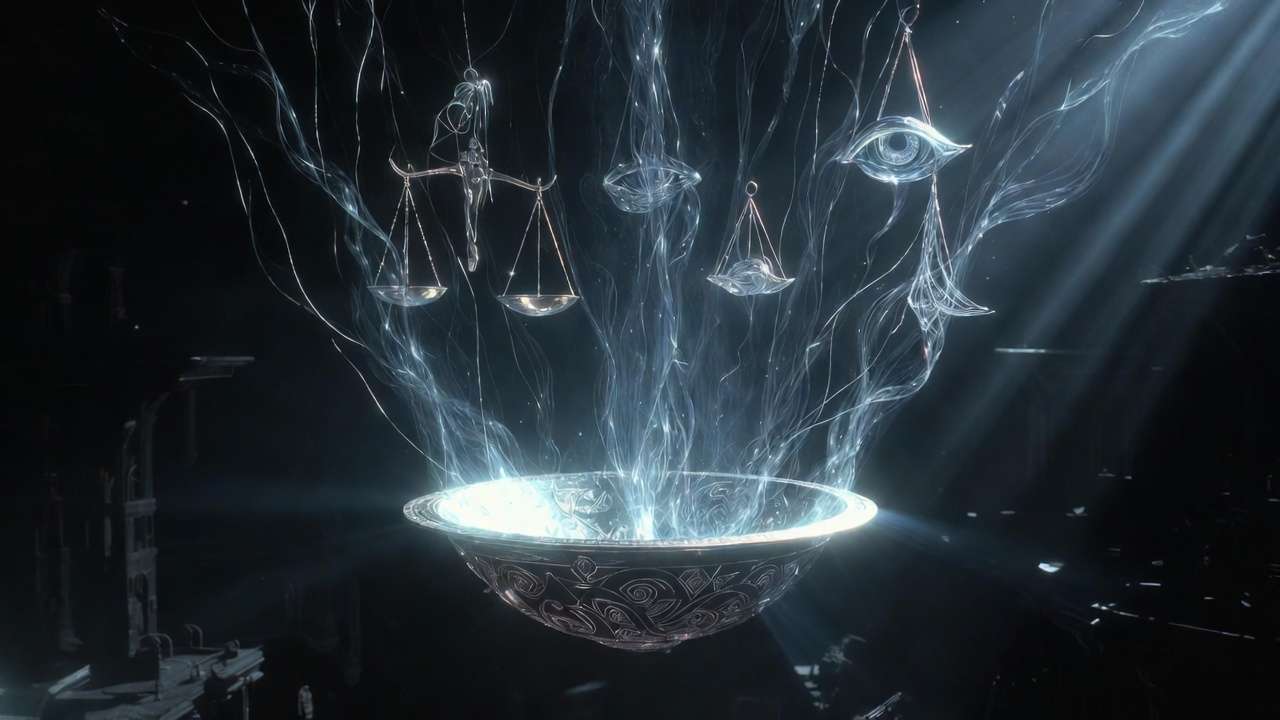
The very act of extracting a memory is deeply intimate. It requires trust—trust that the person viewing it will not misuse the knowledge, mock it, or weaponize it. Dumbledore’s willingness to share memories with Harry is an extraordinary act of vulnerability and faith in the boy.
Conversely, the Pensieve also highlights the violation that occurs when memories are taken without consent. In Half-Blood Prince, the fact that Slughorn’s memory was tampered with (and later forcibly corrected) underscores how dangerous the device can be in the wrong hands. Rowling has noted that most personal Pensieves are buried with their owners precisely because the memories they contain are too private to entrust to anyone else—even after death.
Real-World Parallels – Psychology and Memory Tools
The Pensieve resonates because it mirrors real human desires and psychological tools. Therapists encourage patients to externalize memories through journaling, talk therapy, or even modern techniques like EMDR (Eye Movement Desensitization and Reprocessing), which aim to reprocess traumatic recollections with greater detachment.
In a broader sense, the Pensieve prefigures concepts in cognitive science and emerging technology: “mind palaces” for memory athletes, virtual reality reconstructions of past events, or future brain-computer interfaces that could let us revisit stored neural patterns. Rowling’s invention feels prophetic because it taps into a universal longing—to understand our past selves more clearly than emotion allows.
Why Fans Wish They Had a Pensieve – Practical and Emotional Appeal
Ask almost any dedicated Harry Potter fan what magical object they would most want to own, and the Pensieve frequently tops the list—often ahead of the Time-Turner, Invisibility Cloak, or even the Elder Wand.
Practical Reasons
- Declutter the mind: Like Dumbledore, many people wish they could offload overwhelming or repetitive thoughts to gain mental clarity.
- Revisit and analyze key moments: Job interviews that went wrong, arguments with loved ones, moments of personal triumph or failure—fans imagine diving back in to notice details they missed and learn from them.
- Preserve fading memories: Aging fans especially value the idea of capturing perfect copies of childhood moments, family gatherings, or loved ones who are no longer here.
Emotional Reasons
The deepest appeal is cathartic. The Pensieve offers the fantasy of closure: seeing exactly what happened in a painful breakup, understanding a parent’s harsh words from childhood, or—most poignantly—reliving happy times with people who have passed away.
Snape’s memories in particular strike a chord. Many readers wish they could show a misunderstood loved one (or even their younger self) the full truth of their feelings and sacrifices. The Pensieve promises vindication, forgiveness, and healing in ways few other magical objects can.
Of course, Rowling wisely shows the double-edged nature of this power: too much dwelling on the past can become obsessive (as hinted at with some characters who overuse memory-altering magic). The Pensieve is a tool for wisdom, not escape.
Frequently Asked Questions About the Pensieve from Harry Potter
Is the Pensieve unique, or are there many? They are extremely rare. The Hogwarts one is exceptional due to its age and institutional role, but personal Pensieves do exist—though most owners take them to the grave.
Can you change or erase memories with the Pensieve? No. The device only stores and displays. Memories can be altered before extraction (Slughorn’s case), but once inside the basin, they are immutable.
What happens if you drink from the Pensieve? Canon never addresses this directly. Fan theories range from “nothing happens” to “you absorb all the memories at once” (potentially dangerous or lethal). J.K. Rowling has not commented.
Why didn’t characters use the Pensieve more often? Rarity, privacy concerns, and narrative necessity. Constant use would reduce suspense and emotional stakes. Plus, not every character has access or the wisdom to use it responsibly.
Can Muggles see or use a Pensieve? There is no canon prohibition, but the magic is so advanced that a Muggle would likely be unable to extract memories or interpret the experience properly.
Does the Pensieve work on animals or magical creatures? Unclear. We never see house-elves, centaurs, or other beings use one, though Hokey’s memory is viewed (extracted by someone else).
Could Voldemort have used a Pensieve to better understand his own past? Possibly—but his arrogance and refusal to confront his own humanity made it irrelevant to him. He preferred to rewrite history rather than examine it objectively.
The Pensieve from Harry Potter is far more than a clever plot device or a shiny magical prop. It is one of J.K. Rowling’s most elegant inventions—a tool that simultaneously reveals truth, exposes vulnerability, and forces characters (and readers) to confront uncomfortable realities.
Through its shimmering silver surface, we witness the raw mechanics of memory, the cost of secrets, the power of objective perspective, and the possibility of redemption. Whether it’s Harry understanding Voldemort’s origins, or finally seeing Snape’s lifelong love and pain, the Pensieve strips away illusion and leaves only what truly matters.
If you’ve ever felt the ache of wanting to revisit a moment with perfect clarity—or the relief of finally seeing someone’s actions in their full context—then the Pensieve speaks directly to that longing.
Revisit those key chapters. Watch the films again with fresh eyes. Share your favorite Pensieve scene in the comments below—what memory would you extract first if you had one?
And if you enjoyed this deep dive, check out our other explorations of the Wizarding World’s most fascinating artifacts: “Dumbledore’s Most Powerful Magical Objects Ranked” or “The Full Story Behind Snape’s Memories.”