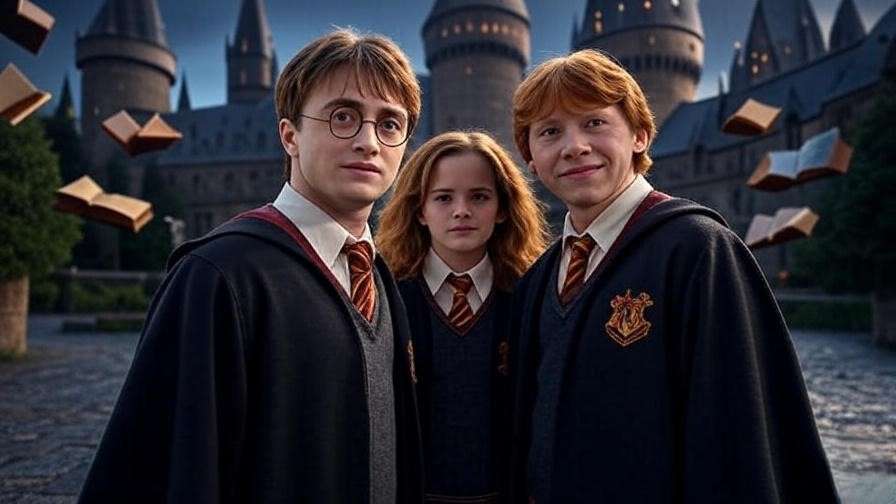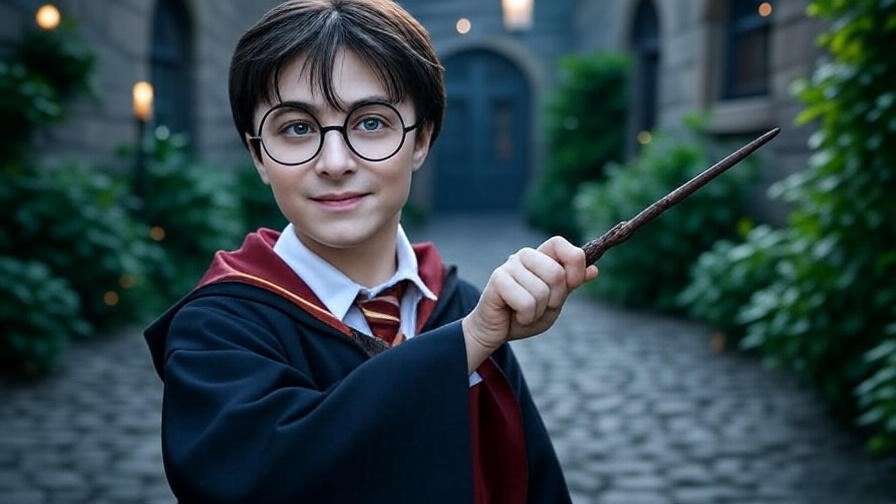
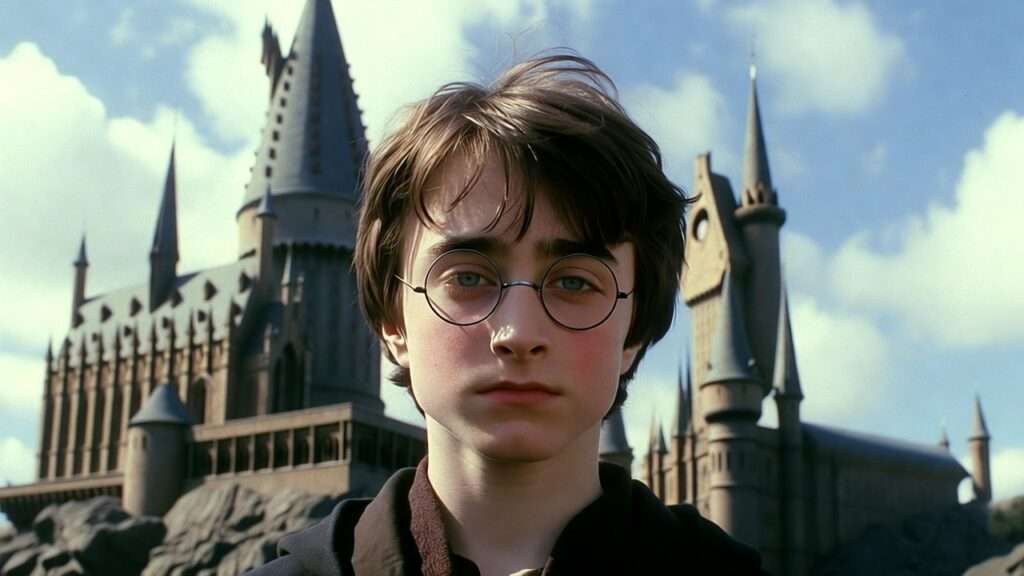
Imagine being just 11 years old, stepping onto a massive film set for the first time, fitted with round glasses and a lightning-bolt scar, and suddenly becoming the face of one of the biggest cultural phenomena in history. For Daniel Radcliffe, this wasn’t a fleeting dream—it was the start of a decade-long journey where he literally grew up as Harry Potter in the films. From the wide-eyed wonder of Harry Potter and the Philosopher’s Stone in 2001 to the battle-hardened hero of Harry Potter and the Deathly Hallows – Part 2 in 2011, Radcliffe’s life unfolded in parallel with Harry’s, under the relentless gaze of millions of fans worldwide.
Daniel Radcliffe: Being Harry Potter film wasn’t just about waving a wand and reciting spells. It was a profound, life-shaping experience filled with magic, friendship, intense pressure, personal struggles, and ultimately deep gratitude. Over the years, in candid interviews with outlets like The Guardian, BBC, NPR, and more recent reflections around anniversaries and the upcoming HBO series, Radcliffe has shared honest insights into what it truly meant to embody the Boy Who Lived. His reflections offer fans a rare glimpse behind the curtain—not of special effects or plot twists, but of the human story of a child star navigating fame, identity, and maturity in the spotlight.
This article dives deep into Radcliffe’s own words and experiences, exploring the joys and challenges of growing up on screen. Whether you’re a lifelong Potterhead revisiting the films with nostalgia or someone curious about the real impact of child stardom, his story provides inspiration, empathy, and a reminder of why the Harry Potter series remains timeless: because it captures the universal journey from innocence to adulthood, amplified by extraordinary circumstances.
The Audition That Changed Everything – Landing the Role of a Lifetime
Daniel Radcliffe’s path to Hogwarts began long before the cameras rolled. Born in 1989 to literary agent Alan Radcliffe and casting agent Marcia Gresham, he grew up in a creative but grounded London household. As a child, he struggled with dyspraxia, a condition affecting coordination that made school feel isolating. Acting became his escape and passion early on—he appeared in a BBC adaptation of David Copperfield at age 10 and had a small role in The Tailor of Panama.
But nothing prepared him for the global phenomenon that was J.K. Rowling’s wizarding world. The audition process for Harry Potter was rigorous: thousands of boys were considered, with producers seeking someone who could capture Harry’s quiet resilience and inner strength. Radcliffe’s initial screen test stood out—director Chris Columbus and Rowling herself were impressed by his natural vulnerability and intelligence.
In later interviews, Radcliffe has described the moment he learned he’d won the role as surreal. “I remember thinking, ‘This is going to be huge,’ but I had no idea how huge,” he reflected in a retrospective. Rowling’s approval was pivotal; she reportedly said he was “perfect” for Harry. At just 11, Radcliffe stepped into Leavesden Studios, beginning a chapter that would define his youth.
 Growing Up on Screen – A Decade in the Wizarding World (2001-2011)
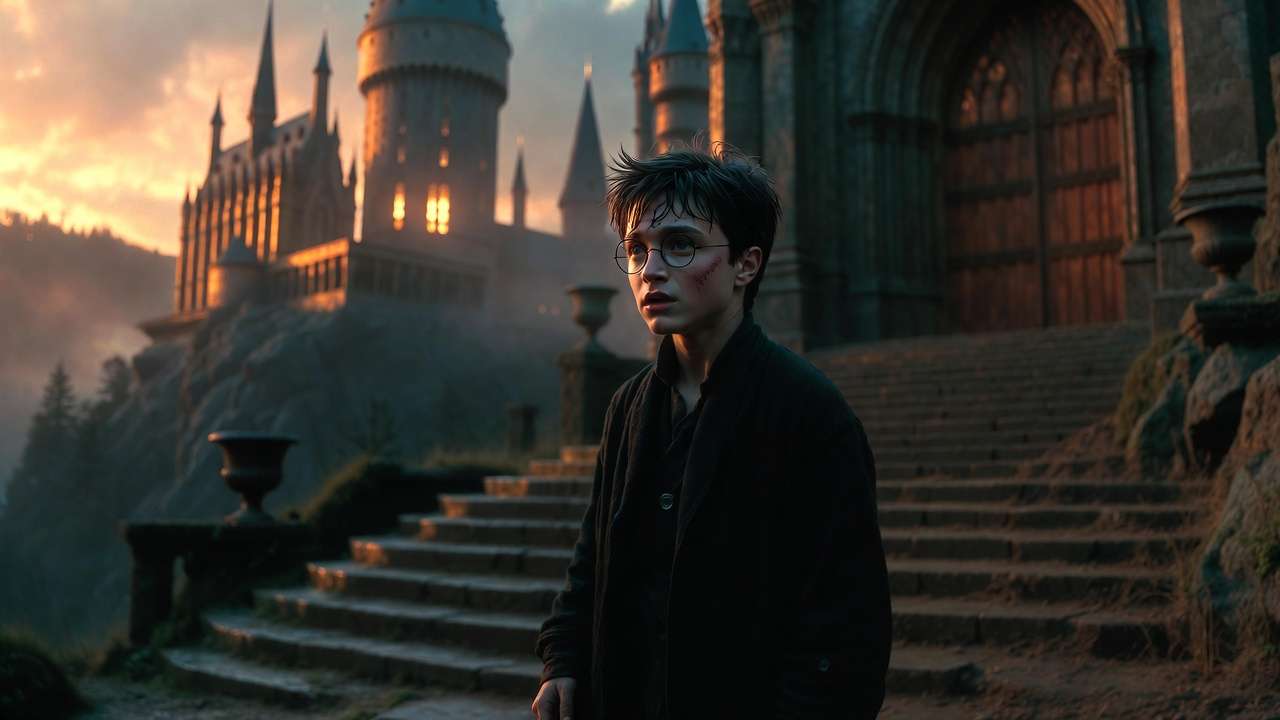
The eight Harry Potter films spanned Radcliffe’s entire adolescence, mirroring Harry’s own growth from orphaned boy to young man facing destiny.
The Early Years: Philosopher’s Stone to Prisoner of Azkaban
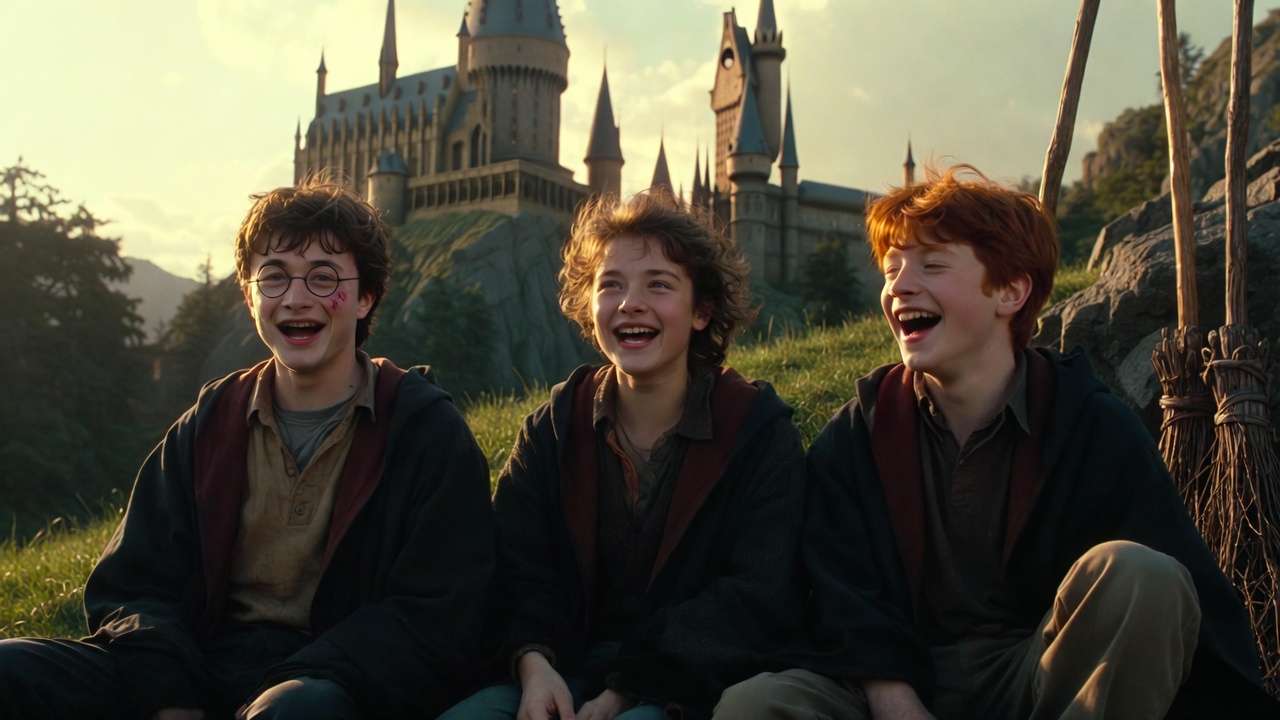
The first film captured pure wonder—Radcliffe, Emma Watson, and Rupert Grint were all around 11-12, discovering the wizarding world together. “It was genuinely magical,” Radcliffe has said. “We were kids playing kids in a magical school.” Friendships formed quickly; the trio’s on-screen chemistry stemmed from real bonds. He recalls learning practical magic tricks and the excitement of flying on broomsticks (with harnesses, of course).
By Prisoner of Azkaban, directed by Alfonso Cuarón, the tone darkened, and so did the cast’s maturity. Radcliffe spoke of puberty hitting on camera—voice cracks, awkward growth spurts—and how the films documented his transformation in real time.
 Teenage Turbulence: Goblet of Fire to Half-Blood Prince
As the stakes rose, so did the pressure. The Triwizard Tournament scenes required intense physicality, and fame exploded globally. Radcliffe has been open about feeling watched constantly. “You become hyper-aware of yourself,” he noted in interviews.
The Final Chapters: Deathly Hallows and Emotional Goodbyes
Filming the last two films was bittersweet. Radcliffe described the final day on set as emotional—”We knew it was the end of an era.” The battles mirrored real-life transitions into adulthood.
| Film Milestone | Year | Radcliffe’s Age | Key Reflection |
|---|---|---|---|
| Philosopher’s Stone | 2001 | 11-12 | Pure excitement and discovery |
| Chamber of Secrets | 2002 | 12-13 | Building friendships |
| Prisoner of Azkaban | 2004 | 14-15 | Artistic shift, personal growth |
| Goblet of Fire | 2005 | 15-16 | Rising fame pressure |
| Order of the Phoenix | 2007 | 17-18 | Emotional depth in role |
| Half-Blood Prince | 2009 | 19-20 | Personal struggles emerging |
| Deathly Hallows Pt. 1 & 2 | 2010-2011 | 20-21 | Closure and reflection |
This timeline highlights how the films chronicled not just Harry’s story, but Radcliffe’s real coming-of-age.
The Challenges of Fame – What It Really Meant to Be Harry Potter
Global stardom at such a young age brought unique hardships. Paparazzi followed him relentlessly, privacy evaporated, and public expectations weighed heavily.
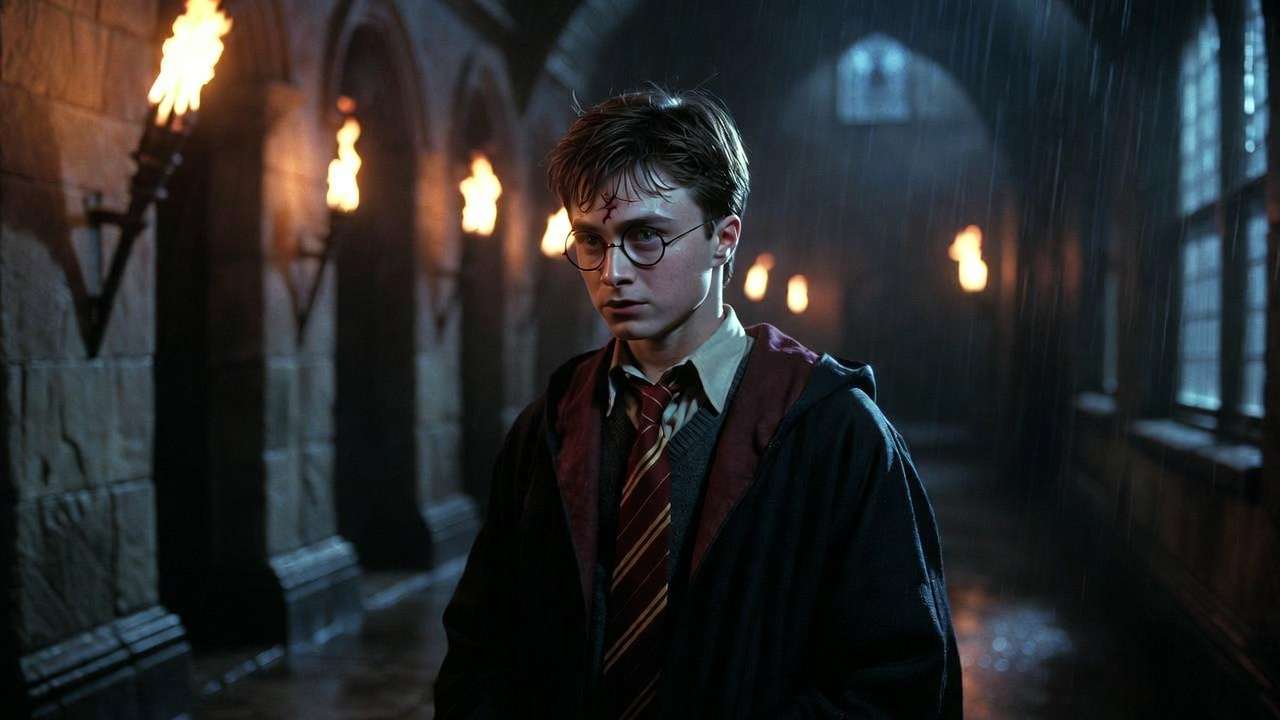 Living Under Constant Scrutiny and Paparazzi Pressure
Radcliffe has described the loss of normalcy: “The quickest way to forget about being watched is to get very drunk—and then you’re even more watched.” He credits his family and UK roots for keeping him grounded, choosing to live relatively quietly in London.
Personal Struggles: Alcohol, Mental Health, and Identity Crisis
One of Radcliffe’s most courageous admissions came in interviews about alcohol dependency starting around age 18. “I wasn’t comfortable in my own skin when I was sober,” he said. By Half-Blood Prince, he realized reliance on drinking to cope with fame. He got sober in 2010, crediting support systems and a desire to reclaim control. This journey has made him an advocate for mental health awareness among young performers.
Typecasting Fears and the Pressure to Move On
Early on, fears of being forever “Harry” loomed. “Being in Harry Potter is like being in the Mafia—once you’re in, you’re never really out,” he quipped. Yet he embraced it: “Potter will be with me forever, and I’m okay with that now.”
The Bright Side – Gratitude, Friendships, and Life-Changing Opportunities
Despite challenges, Radcliffe emphasizes positives.
Lifelong Bonds with Co-Stars and Crew
The “golden trio” stayed close; the 2022 Return to Hogwarts special was emotional. “Every part of my life is connected to Potter,” he said.
Career Launchpad – From Child Star to Versatile Actor
Post-Potter, Radcliffe tackled daring roles: nude stage debut in Equus, indie films like Swiss Army Man, and Broadway. “Harry opened every door,” he acknowledges.
Personal Growth and Lessons Learned
He values the role for teaching humility, resilience, and appreciation for misfits—echoing Harry’s themes.
Post-Potter Reflections – Looking Back in Recent Years
More than a decade after the final film wrapped, Daniel Radcliffe continues to reflect on his time as Harry Potter with increasing warmth, perspective, and occasional humor. The passage of time, combined with milestones like the 20th anniversary of Philosopher’s Stone (2021) and the 2022 HBO Max special Harry Potter 20th Anniversary: Return to Hogwarts, has given him space to process the experience more fully.
 10–20 Year Anniversaries and New Perspectives
In the Return to Hogwarts reunion, Radcliffe, Watson, and Grint revisited sets and shared memories that ranged from nostalgic laughter to quiet tears. Radcliffe spoke candidly about how overwhelming the early fame felt, but also how grateful he was for the stability the films provided during his teenage years. “I look back on it now and think, ‘God, we were so young,’” he said in a 2022 interview. “But we were also incredibly lucky.”
Fatherhood has added another layer of reflection. In recent years, Radcliffe and his partner Erin Darke welcomed a child, and he has mentioned in interviews that he doesn’t plan to show his son the Harry Potter films too early. “I want him to discover them when he’s ready, not because Daddy was in them,” he explained, showing a thoughtful approach to legacy and privacy.
Addressing Modern Contexts – Advocacy and Legacy
Radcliffe has also used his platform to speak out on issues close to his heart, most notably his vocal support for transgender rights. In 2020, he publicly affirmed his solidarity with trans fans and the wider community, stating: “Transgender women are women. Any statement to the contrary erases the identity and dignity of transgender people.” This stance drew both praise and backlash, yet Radcliffe stood firm, noting that the Harry Potter books’ core messages of love, acceptance, and standing up to prejudice deeply resonate with him personally.
He has repeatedly emphasized that the values of the series—compassion, loyalty, courage—remain central to how he views his own Potter experience, even as debates around J.K. Rowling’s public statements have complicated the franchise’s legacy for some fans.
Would He Change Anything? Honest Answers from Radcliffe
When asked directly if he would go back and change his decision to take the role, Radcliffe’s answer has remained remarkably consistent: no. “It gave me everything,” he told The Guardian in 2021. “The friends, the opportunities, the lessons. Yes, there were hard parts, but I wouldn’t trade it.” In more recent conversations, he adds nuance: he might have handled certain pressures differently as a teenager, but he sees the entire journey—including the mistakes—as formative.
What Fans Can Learn from Daniel Radcliffe’s Journey
Radcliffe’s story is more than celebrity memoir material; it offers relatable lessons for anyone who has ever felt like they don’t quite fit in, faced overwhelming expectations, or struggled to define themselves beyond a single defining role or phase of life.
 Lessons on Resilience, Identity, and Embracing Uniqueness
Like Harry, Radcliffe was a misfit who found purpose through extraordinary circumstances. His openness about dyspraxia, school struggles, alcohol use, and recovery highlights that even the most celebrated people face very human battles. He frequently credits the Harry Potter community—fans included—with helping him feel seen and supported during difficult times.
One recurring theme in his interviews is the power of staying true to yourself amid external noise. “The world will try to tell you who you are,” he has said. “Don’t let it.” This echoes Harry’s own journey of rejecting labels (the Chosen One, the Boy Who Lived) to become simply himself.
Tips for Handling Fame or Pressure (Inspired by Radcliffe)
While most readers won’t face global stardom, many deal with performance pressure, public scrutiny (especially online), or identity questions during formative years. Drawing from Radcliffe’s experiences, here are practical, grounded takeaways:
- Build a strong support network early — Radcliffe repeatedly credits his parents, close friends, and co-stars for keeping him grounded. Identify your “inner circle” and lean on them.
- Learn healthy coping mechanisms — Instead of turning to substances or avoidance, he eventually sought therapy and sobriety. Recognizing when you need help is a strength, not a weakness.
- Give yourself permission to grow beyond one chapter — Radcliffe didn’t try to erase Harry Potter; he built on it. Whatever defines you now doesn’t have to limit your future.
- Practice gratitude amid the hard stuff — Even during his lowest moments, he held onto appreciation for the opportunities the role gave him. Reframing challenges with gratitude can shift perspective.
- Protect your privacy where possible — Radcliffe’s decision to live relatively quietly in London shows that boundaries matter, even for public figures.
These insights make his reflections not just entertaining, but genuinely useful for navigating life’s pressures—especially for young adults or parents raising children in a hyper-connected world.
Frequently Asked Questions (FAQs)
Did Daniel Radcliffe enjoy playing Harry Potter?
Yes—deeply. While he acknowledges the difficulties of fame and growing up publicly, he consistently describes the experience as overwhelmingly positive, filled with joy, friendship, and creative fulfillment.
What challenges did he face growing up famous?
Loss of privacy, constant media scrutiny, pressure to remain “perfect,” puberty on camera, and later, alcohol dependency as a coping mechanism. He has been commendably open about these struggles.
Does he watch the Harry Potter films now?
Rarely in full. He has said he finds it strange to watch himself as a child/teen, but he occasionally revisits scenes for nostalgia or when sharing the films with others.
How has the role affected his career long-term?
It opened every door. Radcliffe has said there’s no role he’s wanted that he couldn’t pursue because of Harry Potter. It gave him credibility, financial security, and a built-in audience for his diverse post-Potter work.
Any regrets about being Harry Potter?
None about accepting the role itself. His only minor regrets involve how he handled certain personal pressures as a young adult—but he views those as part of growing up.
From a shy, slightly awkward boy who felt out of place at school to a confident, multifaceted man who has proudly carried the legacy of Harry Potter into adulthood, Daniel Radcliffe’s journey is one of remarkable transformation. Daniel Radcliffe: Being Harry Potter in the Films was never just an acting job—it was a decade-long coming-of-age story lived in front of the world.
What makes his reflections so powerful is their honesty. He doesn’t sugarcoat the difficulties of child stardom, nor does he diminish the magic, friendships, and opportunities that came with it. Instead, he offers a balanced, human perspective that reminds us why the Harry Potter series endures: because it speaks to the universal experience of growing up, finding your place, and choosing courage even when the world feels impossibly big.
For fans, revisiting the films with Radcliffe’s insights in mind adds new layers of appreciation. You see not just the Boy Who Lived, but a real person who lived that role with heart, resilience, and gratitude—and came out the other side stronger for it.
If any part of his story resonates with you—whether it’s the joy of belonging, the weight of expectations, or the quiet triumph of becoming yourself—know that you’re not alone. The wizarding world may be fictional, but the lessons it taught Daniel Radcliffe (and millions of readers and viewers) are very real.
Thank you for joining this deep dive into one of the most iconic coming-of-age stories in modern entertainment. Share your own favorite memory of Daniel as Harry—or a lesson the series taught you—in the comments below.