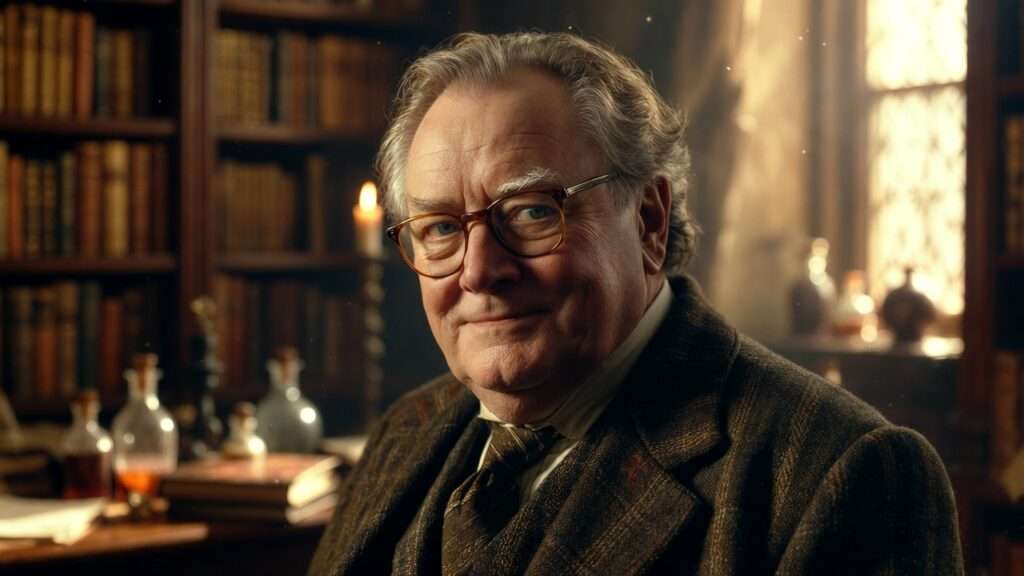
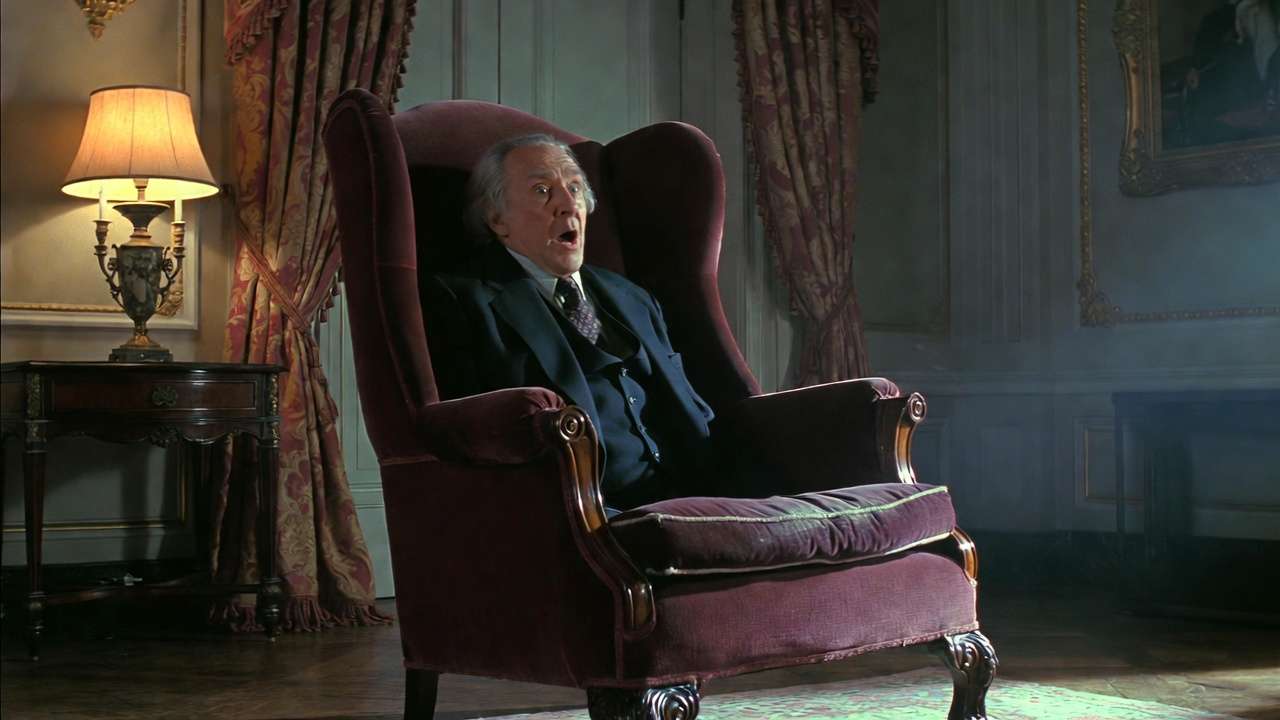
Imagine this: A cozy London house, shadows lengthening in the late afternoon light. Albus Dumbledore and Harry Potter step inside, only to find what appears to be an overstuffed armchair suddenly spring to life. With a startled yelp and a flurry of disheveled robes, Horace Slughorn reveals himself—disguised as furniture to evade Death Eaters. It’s absurd, charming, and instantly memorable. In that single comedic beat, Jim Broadbent announces his arrival in the Harry Potter series, turning a potentially minor supporting role into something quietly brilliant.
For years, fans searching for “jim broadbent harry potter” have sought more than just casting trivia. They want to understand why this Oscar-winning actor’s portrayal of Horace Slughorn in Harry Potter and the Half-Blood Prince (and briefly in Deathly Hallows – Part 2) feels like an underrated treasure amid a franchise packed with iconic performances. Broadbent brings warmth, vulnerability, impeccable comic timing, and subtle emotional depth to a character who could have been reduced to comic relief or a plot device. In a series often defined by its darker turns and larger-than-life villains, Slughorn represents moral grayness, regret, and quiet redemption—elements Broadbent captures with nuance that elevates the entire film.
As a long-time Harry Potter enthusiast who has analyzed the books, films, cast interviews, and fan discussions across communities like Reddit and dedicated forums, I’ve seen how Slughorn’s portrayal often flies under the radar compared to Alan Rickman’s Snape or Maggie Smith’s McGonagall. Yet time and again, fans revisit his scenes and realize: this is one of the series’ strongest supporting performances. This article dives deep into why Broadbent’s Slughorn deserves that “hidden gem” status—exploring the character’s role, the casting decision, scene-by-scene breakdowns, fan and critic perspectives, and his lasting impact. Whether you’re rewatching Half-Blood Prince or discovering why this role resonates, you’ll find fresh insights that go beyond surface-level praise.
Who Is Horace Slughorn? A Quick Refresher on the Character
Horace Slughorn is one of J.K. Rowling’s most fascinating creations in the later books—a man who embodies the wizarding world’s social climbing, nostalgia, and ethical compromises. In Harry Potter and the Half-Blood Prince, he returns as Potions Master after decades in retirement, hand-picked by Dumbledore for his knowledge and, crucially, a suppressed memory involving young Tom Riddle.
Slughorn in J.K. Rowling’s Books — Traits, Backstory, and Role in Half-Blood Prince
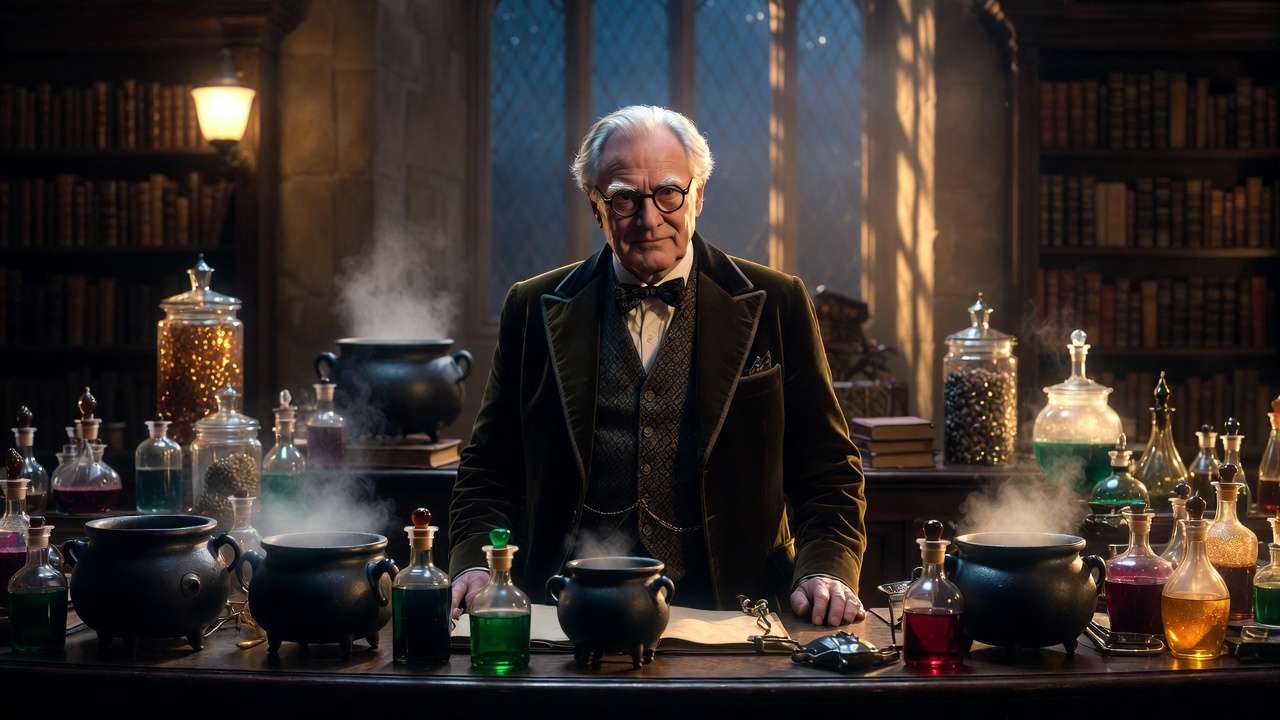
Rowling describes Slughorn as short, very fat, with a walrus mustache and a love for the finer things: crystal candelabra, expensive furnishings, and celebrity connections. He’s the ultimate networker, founding the informal “Slug Club” to collect promising students who might rise to fame or power. His flaw is vanity mixed with cowardice—he favors talent and status over loyalty, and his past mistake haunts him: years earlier, he unwittingly gave Riddle information about creating multiple Horcruxes, a secret he altered and buried in shame.
Slughorn isn’t a villain, but he’s no hero either. He flees danger, collects “useful” people, and prioritizes comfort. Yet his arc offers redemption: he returns to Hogwarts for the final battle, fights bravely, and provides the unaltered memory that reveals Voldemort’s seven-Horcrux plan.
 Why Slughorn Matters to the Story
Slughorn serves as a mirror to the series’ themes of choice, regret, and the complexity of good and evil. Unlike black-and-white antagonists, he shows how ordinary flaws—ambition, fear, nostalgia—can enable darkness. His memory is the linchpin for Harry’s victory, making him essential to the plot while adding moral texture: even flawed people can choose right in the end.
The Casting Choice — Jim Broadbent as Horace Slughorn
When Half-Blood Prince began production in 2007, the filmmakers needed someone who could balance comedy, pathos, and credibility as a Hogwarts professor. Jim Broadbent, fresh off an Oscar for Iris (2001) and acclaimed roles in Moulin Rouge! and Bridget Jones’s Diary, emerged as the ideal pick.
Broadbent’s Background and Why He Was Perfect for the Role
Born in 1949, Broadbent built a career as a versatile British character actor, excelling in eccentric, warm-hearted figures with hidden depths. His ability to convey both humor and genuine emotion—seen in everything from Hot Fuzz to Cloud Atlas—made him a natural for Slughorn. In a 2007 interview with Dark Horizons, Broadbent described the character as “a retired teacher of magic who’s drawn back out of retirement… quite star-struck… likes to notch up celebrity students.” He called Slughorn “quite a comic character” but rich in layers, noting extensive costume fittings to capture the essence.
Broadbent had read the books, giving him insight into Slughorn’s vanity and vulnerability. Director David Yates and producer David Heyman praised his ability to add lightness to a darkening story.
Book vs. Film Appearance Debate — Did the Casting Work Despite Differences?
One frequent discussion among fans is physical accuracy. The books paint Slughorn as “very short and very fat,” with a walrus mustache and a pompous air. Broadbent, taller and slimmer, doesn’t match exactly—some readers pictured someone like Wilford Brimley. Yet this change works brilliantly. Broadbent’s everyman charm makes Slughorn more relatable and human. His twinkling eyes, expressive face, and avuncular warmth turn a potentially annoying book character into someone endearing. Many fans argue the film version improves on the book: Broadbent infuses Slughorn with genuine likability, making his redemption feel earned rather than abrupt.
In fan communities, the consensus often leans positive—”Jim Broadbent made Slughorn charming and endearing” is a recurring sentiment on Reddit and YouTube comments. The casting prioritizes performance over literal appearance, a smart choice for cinematic storytelling.
Breaking Down Jim Broadbent’s Performance — What Makes It a Hidden Gem
What truly elevates Jim Broadbent’s portrayal of Horace Slughorn from solid supporting work to something special is his masterful command of tone. He never lets the character tip too far into caricature, nor does he allow the comedic elements to overshadow the underlying pathos. This balance is rare in blockbuster franchises, where supporting roles often lean heavily in one direction.
Masterful Comic Timing and Charm
Broadbent’s comedic gifts shine brightest in Slughorn’s introductory scenes. The armchair reveal is textbook physical comedy—his startled exclamation, the awkward scramble to his feet, the quick recovery into affable charm. It’s played with perfect restraint; Broadbent doesn’t overact the surprise or milk the moment for cheap laughs. Instead, he lets the absurdity speak for itself while layering in Slughorn’s genuine panic and relief.
Later, during the Slug Club Christmas party and various social gatherings, Broadbent delivers lines with a twinkle-eyed delight that makes Slughorn’s name-dropping and social maneuvering feel almost innocent. When he greets students with exaggerated enthusiasm—“Wallenby! Good to see you, Wallenby!”—the repetition isn’t lazy; it’s a deliberate character tic that reveals Slughorn’s habit of collecting people like trophies. Fans frequently cite these moments as endlessly quotable and rewatchable precisely because Broadbent sells the vanity without making it repellent.
 Emotional Depth and Vulnerability
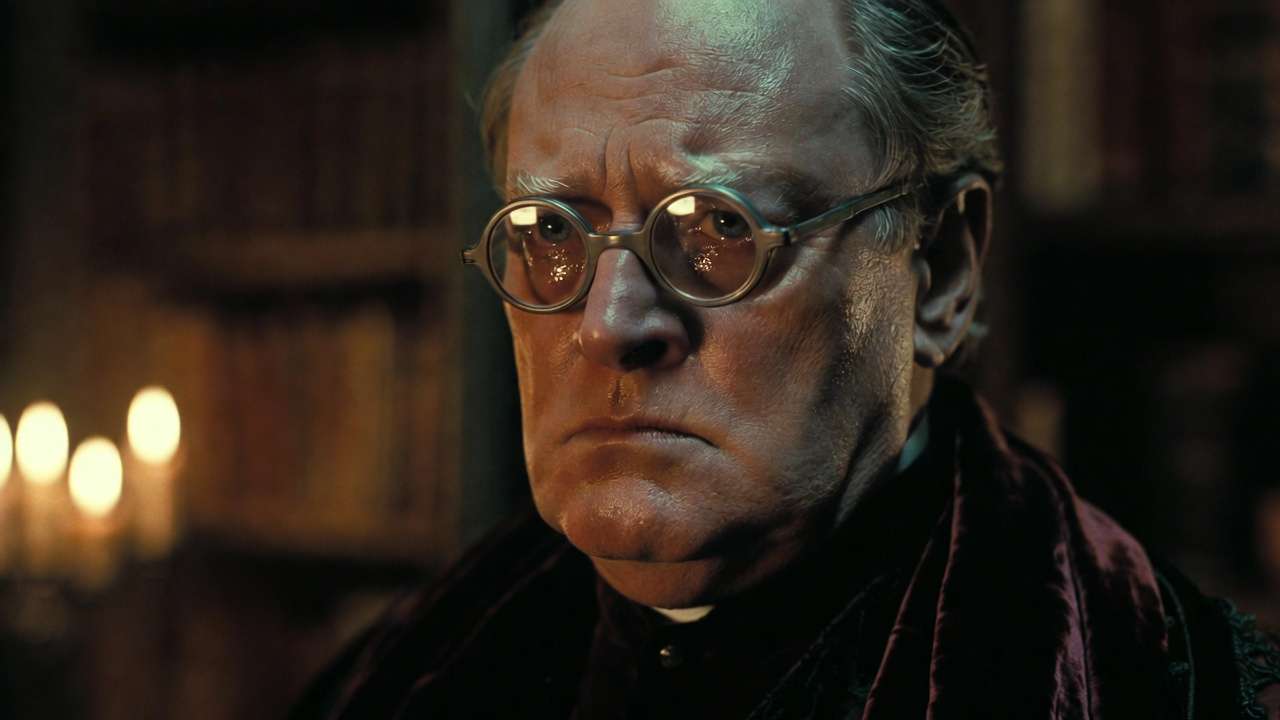
The true genius of Broadbent’s performance emerges when the mask slips. Two scenes stand out as masterclasses in understated emotion.
First is the “fish story” moment in Slughorn’s office. As he reminisces about a pet fish given to him by Lily Potter (actually a petal from her charmed gift), Broadbent’s voice softens, his eyes glisten, and his usual bombast gives way to genuine tenderness and regret. It’s a brief but piercing glimpse into the man beneath the bluster—someone who once loved deeply and lost that connection through his own choices. The delivery is so quiet and heartfelt that it lingers long after the scene ends.
Even more powerful is the Pensieve memory sequence. When Harry and Dumbledore finally extract the true memory of young Tom Riddle asking about Horcruxes, Broadbent conveys layers of shame, fear, and self-reproach with almost no dialogue. His hesitant posture, the way he averts his eyes, the slight tremble in his hands—these micro-expressions tell the story of a man who knows he enabled evil and has spent decades running from that truth. It’s acting of remarkable subtlety, especially in a film series often criticized for broad emotional strokes.
Balancing Flaws and Redemption
Slughorn is not an easy character to make sympathetic. He’s selfish, opportunistic, and initially refuses to help Dumbledore out of fear. Yet Broadbent never lets him become a cartoonish coward. There’s always a flicker of decency beneath the surface—whether it’s his genuine affection for talented students or his horrified reaction to learning what Riddle did with the Horcrux knowledge he provided.
By the time Slughorn returns to Hogwarts during the Battle of Hogwarts, the arc feels earned rather than convenient. Broadbent plays the moment with quiet resolve rather than grand heroics; Slughorn isn’t suddenly transformed into a warrior, but he chooses to stand and fight. That understated bravery resonates deeply with viewers who appreciate characters with realistic moral journeys.
Scene Stealing in a Star-Studded Cast
In a film featuring Daniel Radcliffe’s increasingly intense Harry, Michael Gambon’s twinkling yet authoritative Dumbledore, and a host of returning favorites, Broadbent manages to carve out space for Slughorn without overshadowing anyone. His scenes provide necessary levity during a story that grows progressively darker, and his emotional beats add nuance to the film’s exploration of memory, choice, and redemption. Many fans argue that Half-Blood Prince is one of the strongest entries in the series partly because Broadbent’s performance anchors its lighter and heavier moments so effectively.
Iconic Scenes and Memorable Moments Showcasing Broadbent’s Talent
Let’s examine the key sequences that best demonstrate why Broadbent’s work deserves celebration.
The Armchair Introduction — Perfect Comic Entry
Already discussed, but worth reiterating: this is one of the most effective character introductions in the entire franchise. Broadbent sells both the physical comedy and Slughorn’s underlying desperation in under thirty seconds.
 The Felix Felicis Party and Social Butterflying
Slughorn’s hosting style—lavish, name-dropping, slightly desperate to impress—comes alive through Broadbent’s animated gestures and delighted expressions. The way he maneuvers Harry into the spotlight while pretending it’s all casual is a small masterclass in manipulative charm played for laughs.
Aragog’s Funeral — Subtle Humor Amid Sadness
In a scene that could easily feel maudlin, Broadbent adds gentle comedy through Slughorn’s awkward attempt at condolence and his clear discomfort with Hagrid’s grief. His line readings (“I think I shall go to bed”) land with perfect timing, providing relief without undermining the emotion.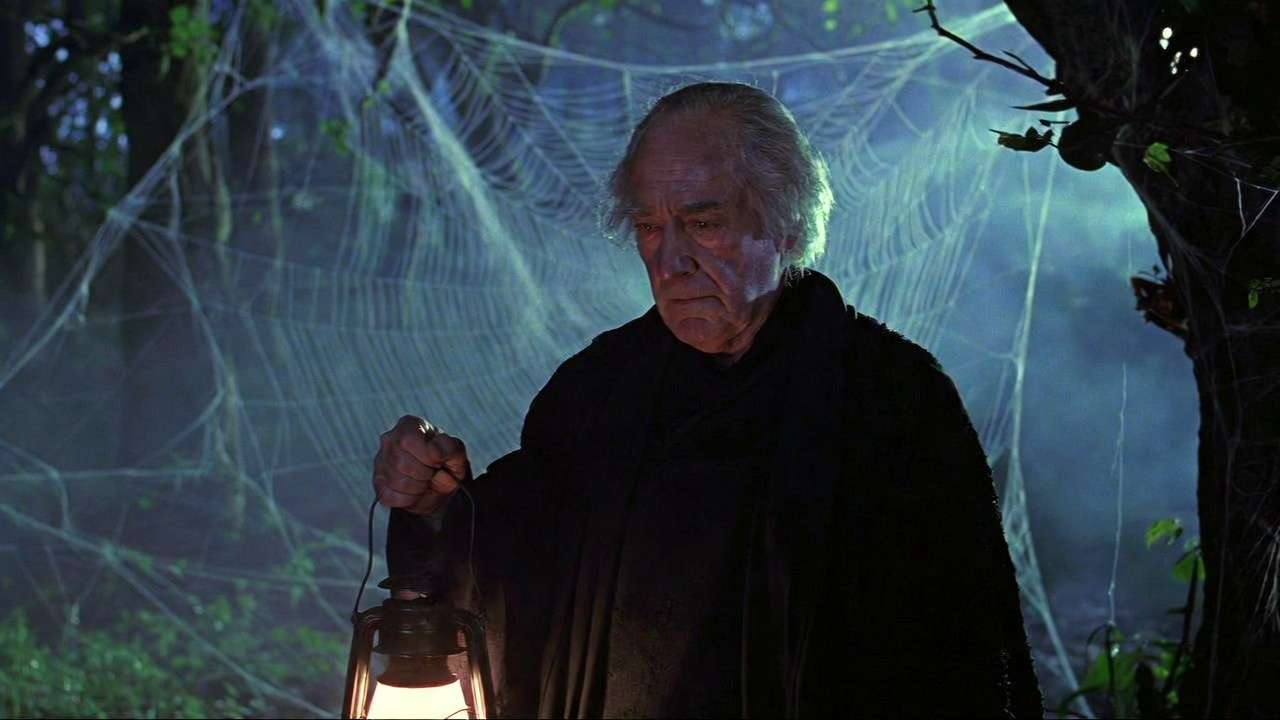
The Pensieve Memory Reveal — Emotional Peak
This is Broadbent at his most powerful. The contrast between his earlier bluster and the broken, ashamed man in the memory is stark and moving. His whispered “Please… don’t make me…” carries the weight of decades of guilt.
Slughorn in the Battle of Hogwarts — Quiet Heroism
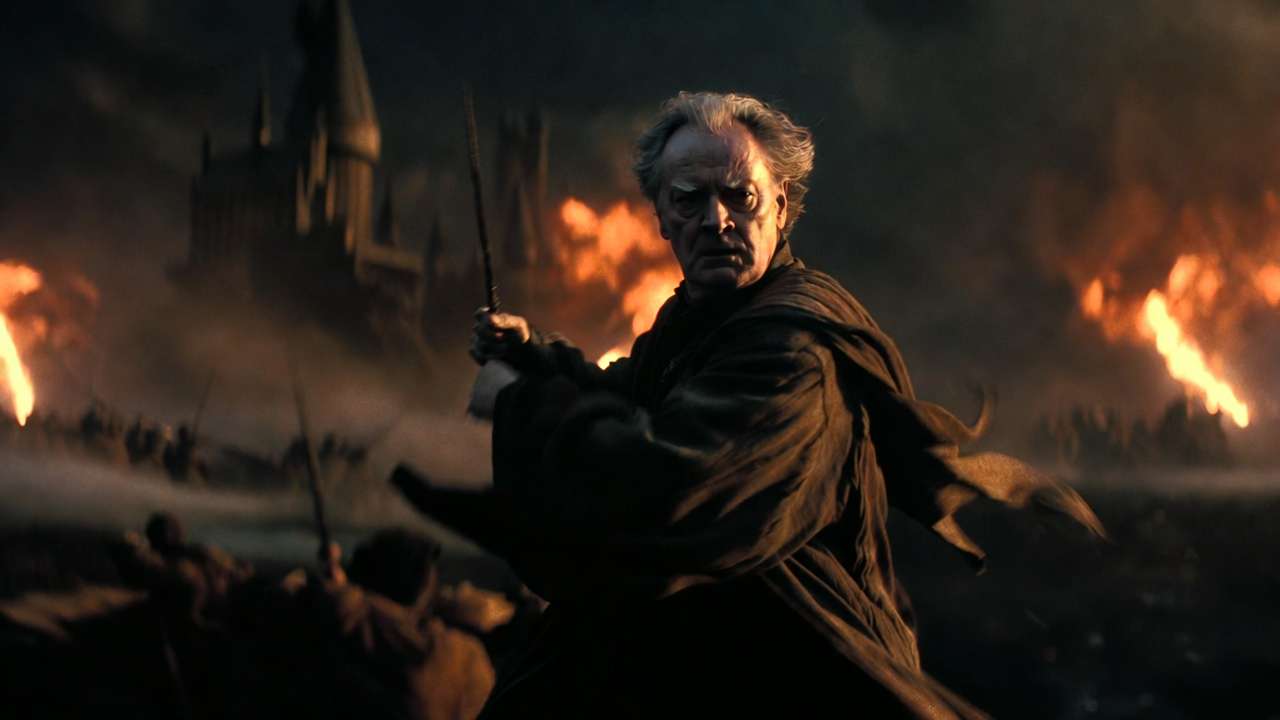
Broadbent appears only briefly, but the image of Slughorn standing shoulder-to-shoulder with students and staff, wand raised, is quietly heroic. It completes the redemption arc without fanfare—exactly as the character would want it.
Key quotes that fans cherish include:
- “It’s the way you say it… Amortentia doesn’t create love, of course, but it gives powerful infatuation.”
- “I taught the majority of the Death Eaters… regrettably.”
- “Lily… such charm, such a lovely girl…”
Broadbent’s delivery transforms these lines from exposition into character-defining moments.
Why Jim Broadbent’s Slughorn Is Underrated — Fan and Critic Perspectives
Despite the widespread acclaim for the Harry Potter film series as a whole, certain performances consistently receive less attention than they deserve. Horace Slughorn, as brought to life by Jim Broadbent, falls squarely into this category. While Snape, Dumbledore, and even Luna Lovegood tend to dominate “best supporting character” conversations, Slughorn is frequently mentioned only in passing—if at all.
Fan communities have begun to correct this oversight in recent years. On Reddit threads in r/harrypotter and r/movies, users regularly call Broadbent’s portrayal “underrated,” “marvellous,” and “one of the best casting decisions of the later films.” A common sentiment reads something like: “Everyone talks about Rickman’s Snape or Gambon’s Dumbledore, but Jim Broadbent quietly stole every scene he was in.” Another frequent observation is that Broadbent makes Slughorn genuinely likable—someone you can pity, laugh at, and ultimately root for—where the book version sometimes feels more grating.
Critics have echoed similar praise, though often buried in broader reviews of Half-Blood Prince. The WhatCulture article “10 Underrated Harry Potter Movie Performances” explicitly calls Broadbent’s work “sublime,” arguing that he brings more pathos and humanity to Slughorn than the novel sometimes allows. Several reviews from 2009 noted that Broadbent’s warmth and vulnerability turned what could have been a throwaway comic-relief professor into a fully realized character whose moral complexity enriches the film’s themes.
The reasons for the underrating are fairly straightforward:
- Half-Blood Prince is often considered the “transitional” film between the lighter early entries and the war-heavy final two, so individual performances sometimes get overshadowed by the escalating stakes.
- Slughorn isn’t flashy. He has no grand tragic monologue or spectacular duel (until the very end). His heroism is quiet and reluctant—qualities that don’t always generate the same viral buzz as dramatic confrontations.
- The sheer size of the ensemble means many strong performances compete for attention.
Yet for attentive viewers and repeat watchers, Broadbent’s Slughorn becomes one of the most rewarding elements of the later films. He provides emotional contrast, necessary comic relief, and a grounded reminder that not every hero starts out brave.
Behind the Scenes Insights and Broadbent’s Take
Jim Broadbent joined the production relatively late in the pre-production process for Half-Blood Prince. The role had been rumored for other actors, but once Broadbent read the script and met with David Yates, the decision was swift.
In interviews around the film’s 2009 release, Broadbent spoke warmly about the experience. He told the BBC that he “loved the books” and found Slughorn “a lovely part—very funny but with real heart.” He particularly enjoyed the physical comedy of the opening scene, noting that the armchair gag required careful choreography to avoid looking cartoonish.
Broadbent also revealed that the elaborate costume—velvet smoking jacket, bow tie, multiple rings—was deliberately opulent to reflect Slughorn’s love of luxury and status. Makeup and prosthetics added just enough age and roundness to suggest the book description without caricature.
On set, Broadbent was known for being generous with younger actors. Daniel Radcliffe later recalled Broadbent giving him tips on comedic timing during their shared scenes, helping Radcliffe navigate Harry’s increasingly dry, sarcastic responses to Slughorn’s enthusiasm.
While no major bloopers from Broadbent’s scenes have become widely circulated (unlike some of the more chaotic moments involving the Weasley twins), behind-the-scenes footage shows him staying in character even between takes—twinkling at crew members and offering imaginary “Slug Club” invitations.
Legacy and Impact — How This Performance Endures
More than fifteen years after Half-Blood Prince premiered, Jim Broadbent’s Horace Slughorn remains a quietly beloved part of the Harry Potter cinematic legacy. Fan editors frequently include his scenes in tribute videos focused on “underrated characters” or “best comedic moments.” Clips of the armchair reveal and the fish story regularly circulate on TikTok and YouTube Shorts, often captioned with phrases like “Jim Broadbent deserved more recognition.”
The performance also adds significant rewatch value to Half-Blood Prince. On first viewing, many people focus on the Horcrux hunt and the growing darkness. On repeat watches, Slughorn’s scenes become highlights—moments of warmth, humor, and humanity that balance the film’s heavier tone.
Broadbent’s work serves as a broader lesson for franchise filmmaking: great supporting performances don’t need to be loud or flashy to be memorable. Subtlety, nuance, and emotional authenticity can create magic just as surely as spectacle.
In many ways, Slughorn mirrors Broadbent’s own career: never the lead, rarely the most discussed name on the poster, yet consistently delivering work that elevates every project he joins.
 FAQs
FAQs
Was Jim Broadbent faithful to the book version of Slughorn? Physically, no—he’s taller and slimmer than the book’s “very short and very fat” description. But in spirit, personality, and emotional arc, most fans agree he captured Slughorn’s essence even better than a literal adaptation might have.
What is considered Jim Broadbent’s best scene as Slughorn? The Pensieve memory reveal is widely regarded as his strongest moment—his wordless shame and regret are acting of the highest order. The fish story and armchair introduction are close runners-up for their emotional and comedic impact.
Why do so many people call his performance underrated? Slughorn isn’t the central character, his heroism is understated, and the film’s darker tone often overshadows lighter moments. Yet on rewatch, Broadbent’s warmth, timing, and depth stand out more and more.
Did Jim Broadbent enjoy playing Slughorn? Yes—he described it as “a lovely part” in interviews and clearly relished both the comedy and the pathos.
Does Slughorn appear in any other Harry Potter films? Yes—briefly in Deathly Hallows – Part 2, during the Battle of Hogwarts, where Broadbent delivers one final moment of quiet courage.
Jim Broadbent’s portrayal of Horace Slughorn is a masterclass in understated brilliance. He takes a morally complicated, somewhat vain, occasionally cowardly character and turns him into someone we can laugh with, sympathize with, and ultimately admire. In a series filled with legendary performances, Broadbent quietly delivers one of the most complete and satisfying character arcs of the later films.
So the next time you rewatch Harry Potter and the Half-Blood Prince, pay special attention to Slughorn’s scenes. Notice the twinkle in Broadbent’s eye during the party scenes, the tremble in his voice during the memory sequence, the quiet resolve in the final battle. You’ll likely find yourself agreeing with so many fans who have come to the same conclusion: this is a hidden gem worth treasuring.
What’s your favorite Jim Broadbent moment as Slughorn? Drop it in the comments below—I’d love to hear which scene makes you smile, tear up, or both.