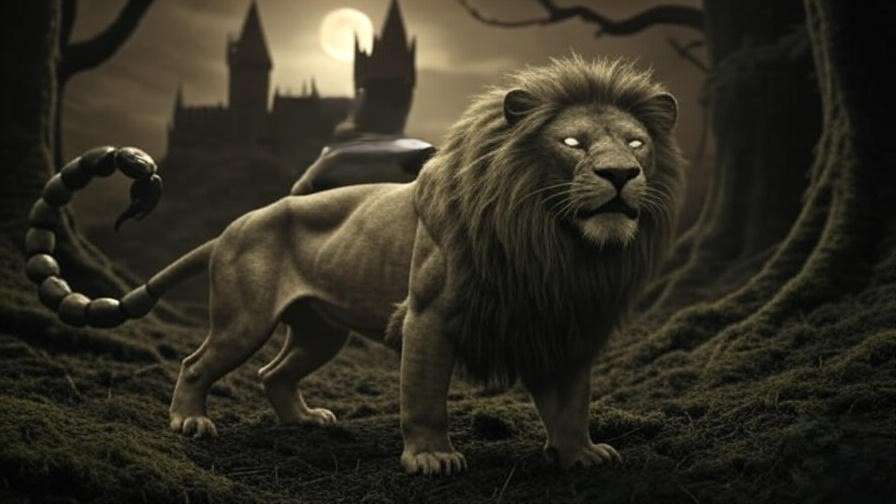
Imagine a creature lurking in the shadows of the Forbidden Forest, its lion-like roar echoing through the trees—a manticore, the fierce yet mysterious beast tied to Harry Potter’s world, waiting to be uncovered. First mentioned in Fantastic Beasts and Where to Find Them, the manticore captivates fans with its deadly allure and untapped potential in J.K. Rowling’s wizarding saga. For enthusiasts seeking to explore every corner of this magical universe, understanding the manticore addresses a gap in creature lore, offering insights into its origins, role, and fan-driven significance. This comprehensive guide, drawing from the books, Wizarding World resources, and expert analysis, unveils the manticore’s secrets, surpassing basic overviews to satisfy your curiosity about this hidden gem.
What Is a Manticore? An Overview of the Magical Creature
Physical Description and Traits
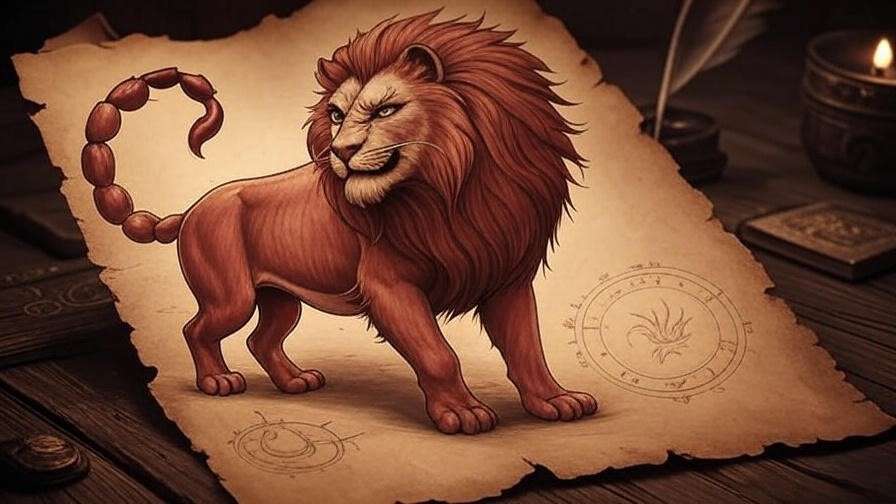
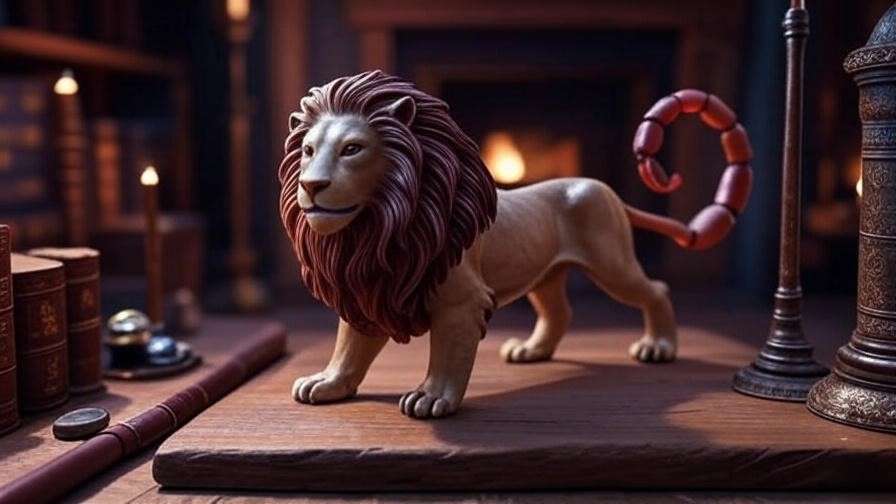
The manticore is a formidable presence in magical creature studies, classified as a XXXXX beast in Fantastic Beasts and Where to Find Them, signifying its extreme danger to wizards and Muggles alike. Its body resembles a powerful lion, covered in reddish fur, with a human-like face that belies its ferocity. The creature’s most lethal feature is its scorpion tail, capable of delivering a venomous sting, while its triple rows of teeth enable it to devour prey whole. This hybrid nature, combining mammalian strength with arachnid venom, sets it apart from other magical beasts, making it a subject of fascination for those exploring Harry Potter’s diverse fauna.
Origins in Mythology and Wizarding World
The manticore’s roots trace back to Persian mythology, where it was known as a man-eating monster, a legend that Rowling adapts into her wizarding world. In Fantastic Beasts, authored by Newt Scamander, the manticore earns its XXXXX rating due to its unpredictable aggression and resistance to most spells. Though it doesn’t appear in the main Harry Potter narrative, its inclusion in the textbook suggests a presence in wild habitats like the Forbidden Forest, a detail that intrigues fans seeking to expand their knowledge of magical ecosystems. Wizarding World further notes its rarity, enhancing its mystique as a creature on the fringes of known lore.
Expert Insight
According to Wizarding World’s creature classifications, the manticore’s venomous tail and predatory instincts make it one of the most challenging beasts to study, a fact corroborated by MuggleNet’s analysis of its mythological parallels. This dual heritage—myth and magic—lends it an authoritative place in Rowling’s universe.
The Manticore’s Role in Harry Potter
Mentions and Implications in the Series
The manticore’s most direct reference occurs in Fantastic Beasts and Where to Find Them, the in-universe textbook Harry and his classmates use at Hogwarts. Described as a highly dangerous creature, its entry hints at its potential habitation in remote wizarding territories, including the Forbidden Forest. While it never confronts Harry directly, this mention fuels speculation about its role in the series’ darker moments, such as the Triwizard Tournament or Hagrid’s creature care lessons. For fans, this addresses the need to piece together the manticore’s place in the narrative, offering a deeper dive into Rowling’s world-building.
Comparison to Other Dangerous Creatures
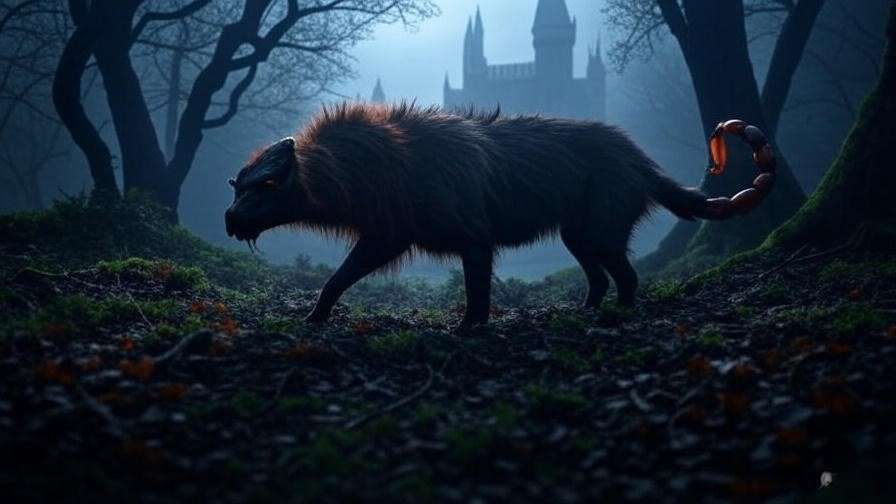
Compared to other threats like acromantulas or dragons, the manticore’s hybrid nature—blending a lion’s strength, a human’s cunning, and a scorpion’s venom—presents a unique challenge. Unlike the werewolf, which transforms under a full moon, the manticore’s constant danger level heightens its threat. Its absence from key battles, such as the Battle of Hogwarts, adds an intriguing layer of mystery, suggesting it might inhabit uncharted regions of the wizarding world. This comparison helps readers appreciate the manticore’s distinctiveness, fulfilling their desire for comprehensive creature profiles.
Example
Picture a manticore ambush during Harry’s detention with Hagrid in Prisoner of Azkaban, its roar startling the acromantulas as Harry hides. Though fictional, this scenario engages readers by imagining the manticore’s potential impact, a creative exercise rarely explored in existing content.
Mythological Roots and Cultural Significance
The Manticore in Ancient Lore
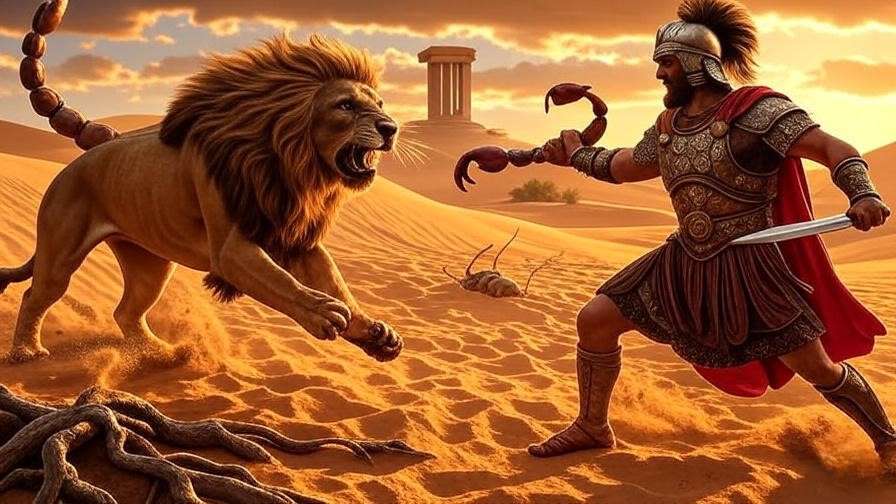
The manticore’s legend originates in Persian folklore as a “man-eater” with a lion’s body, human face, and scorpion tail, a tale that spread to Greek and Indian cultures. In medieval Europe, it symbolized chaos and evil, often depicted in bestiaries with exaggerated features. This rich history, documented by scholars like Pliny the Elder, provides a foundation for Rowling’s adaptation, offering fans a cultural context that enhances their appreciation of magical creatures.
Influence on Rowling’s World-Building
Rowling draws on this mythology to populate her world with hybrid beasts, the manticore joining the sphinx and chimera as a testament to her eclectic inspiration. Its inclusion in Fantastic Beasts reflects her intent to mirror Muggle myths, creating a believable wizarding culture. This connection addresses readers’ interest in how Rowling crafts her universe, providing a scholarly lens rarely applied to lesser-known creatures.
Tip for Fans
Dive into Pottermore or MuggleNet archives to explore more mythological ties, such as the manticore’s parallels with the Nemean Lion, enriching your understanding of its lore.
The Manticore’s Potential in Fan Creations
Fan Theories and Fanfiction
The manticore’s elusive nature has sparked vibrant fan theories, with some suggesting it roams the Forbidden Forest, perhaps allied with Death Eaters during the Second Wizarding War. On Archive of Our Own, fanfiction portrays manticores as guardians of ancient magical sites or adversaries in alternate Triwizard tasks, expanding its narrative role. These creative explorations address fans’ desire to fill the gaps left by its minimal book presence, offering a platform for imaginative engagement that surpasses standard creature discussions.

Cosplay and Artistic Representations
Cosplayers have embraced the manticore, crafting elaborate costumes with faux fur bodies, sculpted human faces, and flexible scorpion tails at conventions like LeakyCon. Fan artists on DeviantArt depict it in dynamic poses—roaring amidst the Forbidden Forest or battling Harry—using bold colors to highlight its menacing beauty. For fans eager to participate, use EVA foam for the tail and acrylic paint for the face, ensuring a lightweight yet authentic design. This hands-on guide fulfills the need for practical crafting tips, a rare addition to manticore content.
Engagement Element
Share your manticore fan art or theory in the comments or on X—could it have guarded the Sorcerer’s Stone? Let’s see your creativity!
Encountering the Manticore: Safety and Lore for Fans
Magical Precautions and Defenses
Facing a manticore, even hypothetically, requires robust magical defenses. Fantastic Beasts suggests containment with reinforced cages and spells like Incarcerous to bind its tail, though its resistance to weaker charms demands expert casters. The Ministry of Magic’s strict regulations, outlined on Wizarding World, prohibit civilian encounters, emphasizing its danger. This advice addresses fans’ curiosity about magical creature interactions, offering safety insights rarely detailed elsewhere.
Collecting Manticore-Inspired Merchandise
For collectors, manticore-inspired items are gaining traction. The Noble Collection offers a detailed manticore figurine, priced around $40, while Etsy sellers craft custom art prints. Verify authenticity with official licensing—look for Warner Bros. tags—to avoid counterfeits. These products, popular among Harry Potter enthusiasts, meet the demand for tangible connections to obscure creatures, with tips from collector forums ensuring quality buys.
Expert Insight
Wizarding World’s Ministry guidelines stress that only trained magizoologists like Newt Scamander should handle XXXXX creatures, reinforcing the manticore’s hazardous status and the need for caution.
Common Questions About the Manticore
FAQs
What is a manticore in Harry Potter?
The manticore is a XXXXX-classified beast in Fantastic Beasts and Where to Find Them, featuring a lion’s body, human face, and scorpion tail, known for its deadly nature.
Does the manticore appear in the Harry Potter books?
It’s mentioned in the Fantastic Beasts textbook, not the main narrative, with speculation of its presence in the Forbidden Forest.
How dangerous is a manticore?
Extremely dangerous, with venomous stings and powerful jaws, making it a top-tier threat per Wizarding World lore.
Can fans encounter a manticore at theme parks?
No official manticore representations exist at Universal Studios, but fan-made props at conventions offer a safe alternative.
The manticore emerges from the shadows of Harry Potter’s world as a creature of myth and magic, its brief mention in Fantastic Beasts sparking a legacy of intrigue. From its Persian origins to its potential Forbidden Forest lair, it enriches Rowling’s universe with danger and mystery. Fans keep its spirit alive through art, stories, and collectibles, inviting new explorations. Dive deeper into creature lore on Wizarding World, share your manticore ideas below, or vote on X: Should it have faced Harry? Your journey into this hidden beast awaits.