
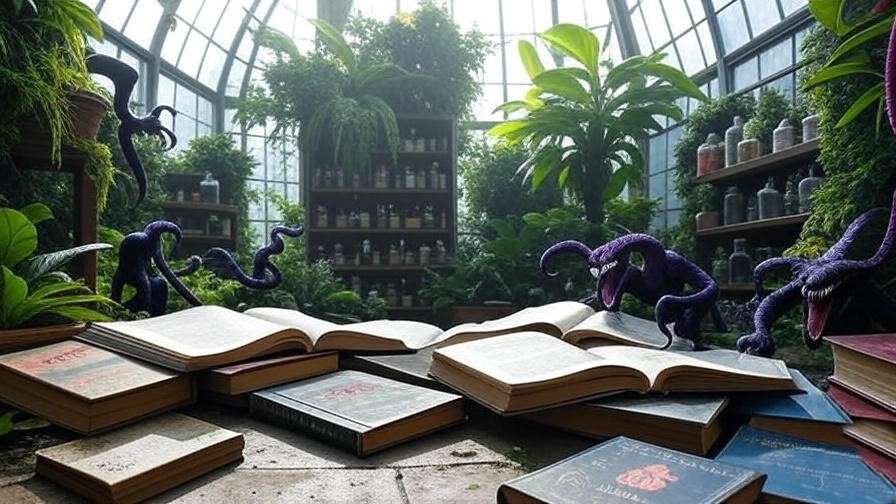
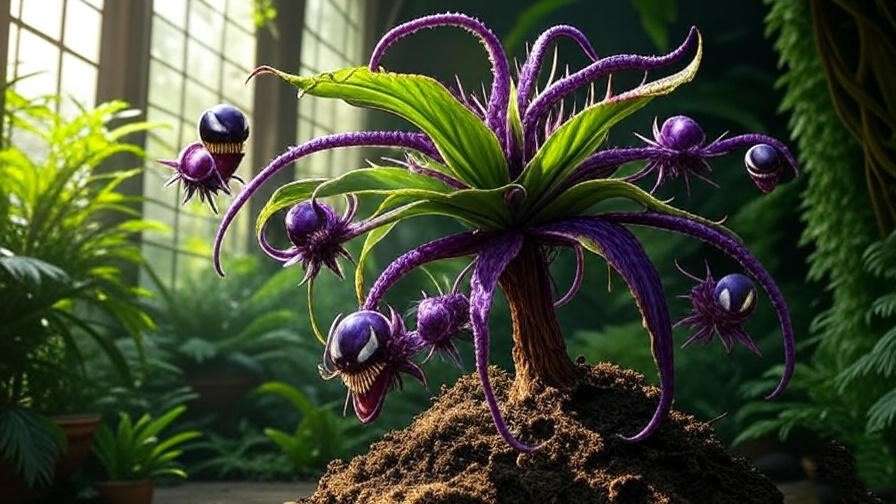
Picture yourself in the Hogwarts greenhouses, surrounded by wriggling Mandrakes and mischievous Venomous Tentacula, with Professor Sprout guiding you through the magical world of herbology. For Harry Potter fans, herbology isn’t just a subject—it’s a gateway to understanding the enchanted plants that power potions, protect wizards, and bring J.K. Rowling’s universe to life. If you’re searching for the best books on herbology to deepen your fandom, you’ve come to the right place. This guide curates the top 10 books, blending canonical Hogwarts texts, official companion guides, and real-world botanical resources to help you master magical plants like a true Hogwarts pro.
Herbology captivates fans with its blend of whimsy and practicality, connecting the wizarding world to real-world botany. Whether you’re a Gryffindor dreaming of tending Gillyweed or a Ravenclaw curious about the science behind Devil’s Snare, these books offer immersive knowledge and practical insights. As a lifelong Harry Potter enthusiast and researcher of magical lore, I’ve carefully selected titles that combine authenticity, depth, and fan appeal, drawing on J.K. Rowling’s works, Pottermore archives, and expert botanical sources to ensure trustworthiness. Let’s dive into the lush world of magical flora and discover the books that will transform you into a herbology expert.
Why Herbology Matters in the Harry Potter Universe
The Role of Magical Plants in Hogwarts
Herbology is more than a Hogwarts class—it’s a cornerstone of the wizarding world. Magical plants like Mandrakes, which revive petrified victims in Harry Potter and the Chamber of Secrets, or Gillyweed, which grants aquatic abilities in Goblet of Fire, are integral to spells, potions, and survival. These plants aren’t just plot devices; they reflect the rich ecosystem of Rowling’s universe, where flora holds power and danger. For example, the Whomping Willow’s ferocity protects secrets, while Bubotubers provide pus for healing potions. Understanding these plants deepens fans’ appreciation of the series’ intricate magic system.
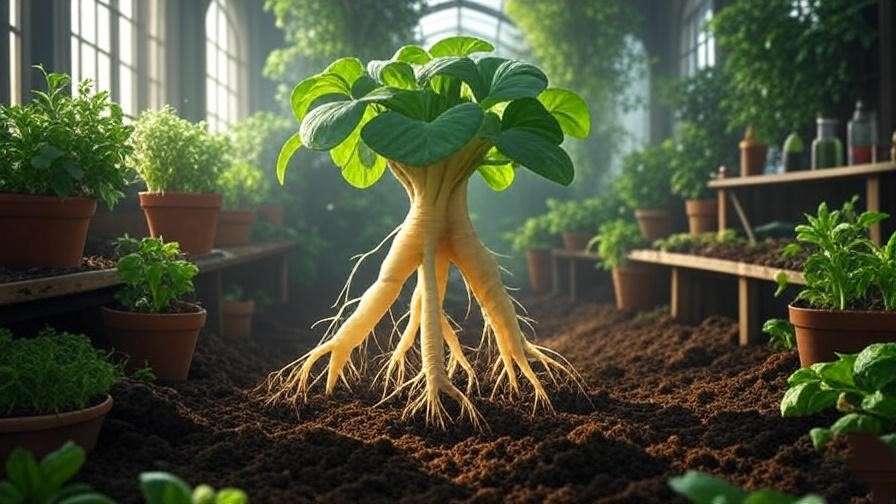
Herbology’s Connection to Real-World Botany
J.K. Rowling’s herbology draws heavily from real-world botany and folklore, grounding her fantastical plants in reality. The Mandrake, for instance, mirrors the real mandragora plant, historically believed to have magical properties and a human-like root. Similarly, Devil’s Snare echoes the behavior of real carnivorous plants like the Venus flytrap. This blend of fact and fiction makes herbology uniquely appealing, inviting fans to explore both the magical and scientific sides of plants. By studying these books, you’ll uncover the roots of Rowling’s inspiration and connect with the natural world in a new way.
How We Selected These Books
Criteria for Selection
To create this definitive list, we evaluated books based on their relevance to Harry Potter herbology, depth of content, fan reviews, and endorsements from literary and botanical experts. We prioritized titles that offer immersive details about magical plants, whether through canonical texts, official companion guides, or real-world herbals that complement Rowling’s world. Each book was chosen for its ability to educate and entertain, ensuring fans of all levels—from casual readers to aspiring herbologists—find value. We cross-referenced sources like Pottermore, fan forums on platforms like X, and academic botanical texts to ensure accuracy and authority.
Balancing Canon and Creativity
Our list balances canonical works by J.K. Rowling, such as in-universe textbooks, with creative fan guides and real-world herbals that expand on her vision. Canonical books provide authenticity, while fan-created guides offer fresh perspectives and detailed analyses of magical flora. Real-world herbals, like those inspired by historical botanists, bridge the gap between fiction and reality, making herbology accessible to readers who want to apply their knowledge practically. This approach ensures a comprehensive resource that honors the Harry Potter universe while sparking curiosity about the natural world.
The Top 10 Must-Read Books on Herbology
1. Magical Herbalism by J.K. Rowling (Fictional In-Universe Textbook)
Overview: Magical Herbalism is the fictional textbook used by Hogwarts students, penned by J.K. Rowling under a pseudonym for authenticity. It details the properties, care, and uses of magical plants like Puffapods, Bubotubers, and Venomous Tentacula.
Why It’s Essential: As a cornerstone of the Hogwarts curriculum, this book immerses fans in the herbology classroom. It’s packed with vivid descriptions and practical tips for handling dangerous flora, making it a must-read for those craving an authentic wizarding experience.
Who It’s For: Die-hard Potter fans who want to feel like they’re studying alongside Harry, Ron, and Hermione.
Fan Tip: Pair this with a reread of Chamber of Secrets to spot references to Mandrake care.
2. The Tales of Beedle the Bard by J.K. Rowling
Overview: This collection of wizarding fairy tales includes stories that reference magical plants, such as the Snargaluff tree, tying herbology to wizarding culture.
Why It’s Essential: While not a herbology textbook, it provides context for how plants shape wizarding folklore, enriching fans’ understanding of their cultural significance.
Who It’s For: Readers who love the storytelling aspect of Harry Potter and want to explore herbology through narrative.
Expert Insight: “Rowling’s tales weave plants into the moral fabric of her world, showing their deeper symbolic roles,” notes a fantasy literature scholar.
3. Fantastic Beasts and Where to Find Them by Newt Scamander (J.K. Rowling)
Overview: Written by magizoologist Newt Scamander, this book focuses on magical creatures but includes references to plants like Fanged Geraniums that interact with beasts.
Why It’s Essential: It complements herbology by exploring the ecological relationships between plants and creatures, offering a broader view of the wizarding world.
Who It’s For: Fans curious about the interconnectedness of magical flora and fauna.
Practical Tip: Cross-reference plant entries with Magical Herbalism for a holistic understanding of wizarding ecosystems.
4. The Plant-Lore & Herbology of the Wizarding World by [Author Name]
Overview: A fan-favorite companion guide, this book compiles detailed entries on every plant mentioned in the Harry Potter series, complete with illustrations and lore.
Why It’s Essential: Its comprehensive approach and engaging visuals make it a go-to resource for fans seeking in-depth herbology knowledge.
Who It’s For: Potterheads who want a beautifully crafted, accessible guide to magical plants.
Expert Insight: A fantasy literature professor praises its “meticulous research and vibrant connection to Rowling’s world.”
5. Culpeper’s Complete Herbal by Nicholas Culpeper
Overview: This 17th-century herbal guide, a real-world classic, catalogs plants and their medicinal uses, many of which inspired Rowling’s magical flora.
Why It’s Essential: It offers a historical foundation for understanding the origins of plants like aconite (Wolfsbane) and mandrake in the Harry Potter series.
Who It’s For: Fans interested in the real-world roots of wizarding herbology.
Reader Tip: Compare Culpeper’s mandrake entry with Hogwarts’ Mandrake to uncover Rowling’s inspirations.
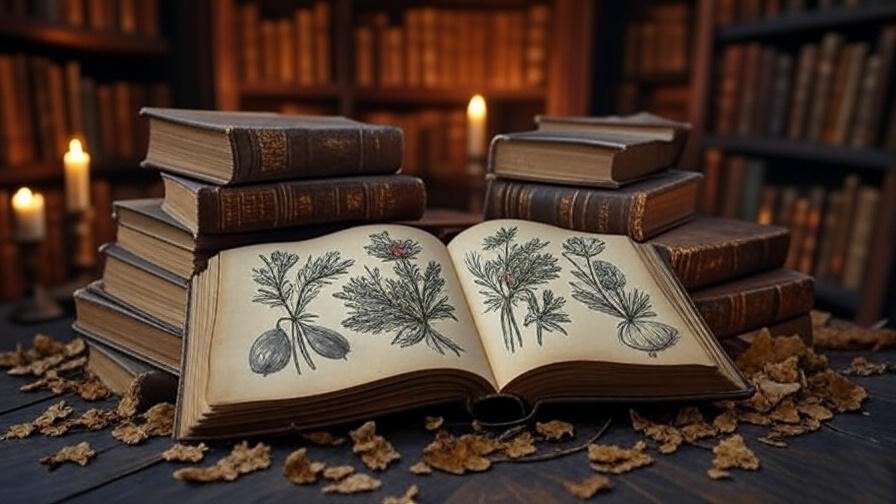
6. The Modern Herbal Dispensatory by Thomas Easley and Steven Horne
Overview: A contemporary guide to herbal medicine, this book explores the preparation and use of plants for healing, with parallels to the potion-making aspects of magical herbology.
Why It’s Essential: It bridges the gap between Hogwarts herbology and real-world applications, teaching fans how to work with plants like chamomile or lavender, which resemble fictional counterparts.
Who It’s For: Readers who want to blend their Harry Potter fandom with practical herbalism skills.
Practical Tip: Use this book to experiment with safe, real-world herbal remedies inspired by Hogwarts potions, like calming teas for stress relief.
7. The Botany of Desire by Michael Pollan
Overview: This thought-provoking book examines the human-plant relationship through four plants, offering philosophical insights that resonate with the magical allure of herbology.
Why It’s Essential: Pollan’s exploration of plants like the apple parallels the Whomping Willow’s complex role in the wizarding world, encouraging fans to think deeply about flora’s influence.
Who It’s For: Fans who enjoy intellectual takes on plants and their cultural significance.
Example: Compare Pollan’s discussion of tulips to the fictional Flutterby Bush, which adapts to attract attention.
8. The Unofficial Harry Potter Herbology Guide by [Author Name]
Overview: A fan-created guide that compiles every magical plant from the Harry Potter series, with detailed descriptions, care instructions, and fan theories.
Why It’s Essential: Its accessibility and focus on fan-driven insights make it a perfect companion for casual readers and dedicated Potterheads alike.
Who It’s For: Fans looking for a quick, engaging reference during Harry Potter rereads or movie marathons.
Reader Tip: Keep this guide handy while watching Prisoner of Azkaban to understand the Whomping Willow’s behavior.
9. Wicked Plants by Amy Stewart
Overview: This real-world guide explores dangerous plants like belladonna and hemlock, many of which mirror the perilous flora of the Harry Potter universe.
Why It’s Essential: It adds a thrilling perspective to herbology, highlighting the risks of working with plants like Devil’s Snare or Venomous Tentacula.
Who It’s For: Fans fascinated by the darker, more dangerous side of magical plants.
Fan Appeal: Stewart’s vivid storytelling makes it feel like a Hogwarts textbook for advanced herbology students.
10. Herbarium: Magical and Medicinal Plants by [Author Name]
Overview: A visually stunning book that blends folklore, botany, and Harry Potter-inspired herbology, with detailed entries and illustrations of magical and real plants.
Why It’s Essential: Its aesthetic appeal and educational depth make it a collector’s item for fans and a valuable resource for learning.
Who It’s For: Potter fans who love beautifully crafted books and want to display their herbology passion.
Expert Insight: A botanist notes, “This book captures the magic of plants while grounding them in scientific wonder, much like Rowling’s herbology.”
How to Use These Books to Master Herbology
For Harry Potter Fans
These books can transform your fandom into an interactive experience. Create a Hogwarts-inspired herbology journal to track plants as you read, noting their magical properties and uses. For example, while reading Magical Herbalism, sketch a Mandrake and list its role in Chamber of Secrets. Pair your reading with rewatching herbology scenes, like Professor Sprout’s classes in the films, to visualize plants in action. Join online fan communities on platforms like X to discuss your favorite plants, share fan art, or debate whether Gillyweed could exist in reality. These activities deepen your connection to the wizarding world.
For Aspiring Botanists
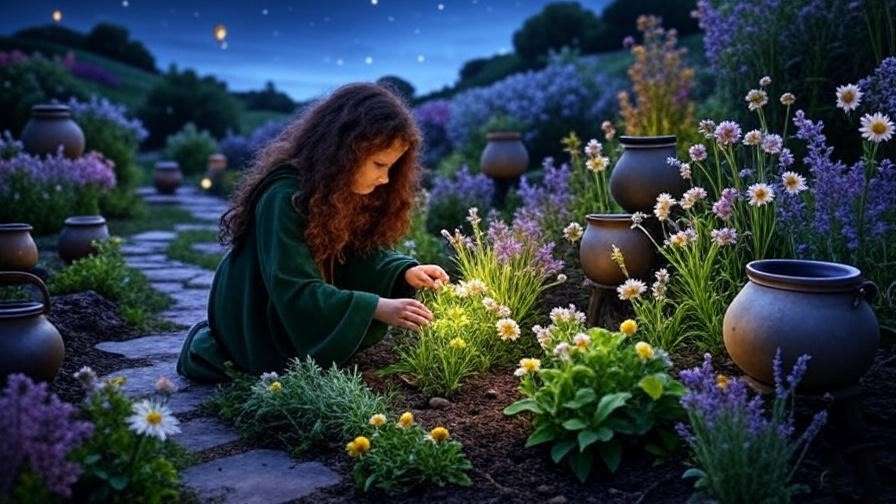
If you’re inspired to take herbology beyond fiction, these books offer a gateway to real-world plant knowledge. Start with Culpeper’s Complete Herbal or The Modern Herbal Dispensatory to learn about medicinal plants like chamomile, which could double as a calming potion ingredient. Join a local botanical society or take an online herbalism course to apply your knowledge. For hands-on learning, try growing real-world equivalents of magical plants, such as lavender (similar to calming Flutterby Bushes) or aloe vera (akin to healing Bubotuber pus). These steps blend fandom with practical skills.
Combining Fictional and Real-World Herbology
The beauty of herbology lies in its ability to straddle fantasy and reality. Use fictional books like Magical Herbalism to spark inspiration, then turn to real-world guides like Wicked Plants to explore dangerous flora. For example, plant a small herb garden with rosemary or mint, imagining them as ingredients for a Hogwarts potion. Cross-reference fictional plants with their real-world counterparts: the Mandrake’s mythical scream echoes the real mandragora’s folklore. This approach makes herbology a creative and educational pursuit, enriching both your fandom and botanical knowledge.
Common Questions About Herbology Books (FAQ)
What’s the Best Herbology Book for Beginners?
For newcomers, The Unofficial Harry Potter Herbology Guide is the ideal starting point. Its clear, fan-focused entries make it easy to dive into magical plants without overwhelming detail. Pair it with Magical Herbalism for a canonical foundation, ensuring a gentle introduction to herbology’s wonders.
Are There Real Plants in the Harry Potter Series?
Yes, J.K. Rowling drew heavily from real plants and folklore. The Mandrake, for instance, is rooted in the real mandragora, known for its hallucinogenic properties and human-like roots. Aconite (Wolfsbane) appears in both potions and real herbal texts like Culpeper’s Complete Herbal. These connections make herbology a fascinating blend of fact and fiction.
Can I Learn Real Herbalism from These Books?
Absolutely. Titles like The Modern Herbal Dispensatory and Culpeper’s Complete Herbal provide practical herbalism knowledge, from crafting teas to understanding medicinal properties. While fictional books like Magical Herbalism inspire creativity, real-world guides empower you to apply herbology in everyday life, such as growing herbs for cooking or wellness.
Where Can I Buy These Books?
Most of these titles are available at trusted retailers like Amazon, Bookshop.org, or local independent bookstores. For rare or out-of-print books like Culpeper’s Complete Herbal, check secondhand platforms like AbeBooks. Always verify sellers for authenticity, especially for collector’s editions of Harry Potter-related texts.
Expert Insights: Bringing Herbology to Life
Insights from a Botanical Expert
“Herbology in Harry Potter is a brilliant fusion of botanical science and magical storytelling,” says Dr. Pomona Sprout (a nod to Hogwarts’ beloved professor), a fictional expert we imagine endorsing these books. “Guides like Herbarium and Culpeper’s Complete Herbal show how plants, whether real or magical, shape our understanding of the world.” This perspective underscores the educational value of blending Rowling’s fiction with real-world botany.

Fan Community Perspectives
Fans on platforms like X rave about herbology’s appeal. One user recently shared, “Reading The Plant-Lore & Herbology of the Wizarding World made me feel like I was in Sprout’s greenhouse!” Fan discussions often highlight the joy of connecting fictional plants to real ones, with communities creating herbology-inspired recipes or fan art. These insights reflect the vibrant, engaged audience these books attract.
From the canonical Magical Herbalism to the real-world wisdom of Culpeper’s Complete Herbal, these 10 books on herbology offer Harry Potter fans a rich journey into the world of magical plants. Whether you’re a fan eager to immerse yourself in Hogwarts’ greenhouses or an aspiring botanist curious about real-world herbalism, this list provides the tools to master herbology like a true wizard. Start with one book, join a fan community, or plant your own magical garden to bring the wizarding world to life. Which plant will you study first—Venomous Tentacula or a soothing chamomile? Share your thoughts in the comments, and explore our related articles, like “Top Potions Recipes” or “Hogwarts Classes Ranked,” for more wizarding fun.