
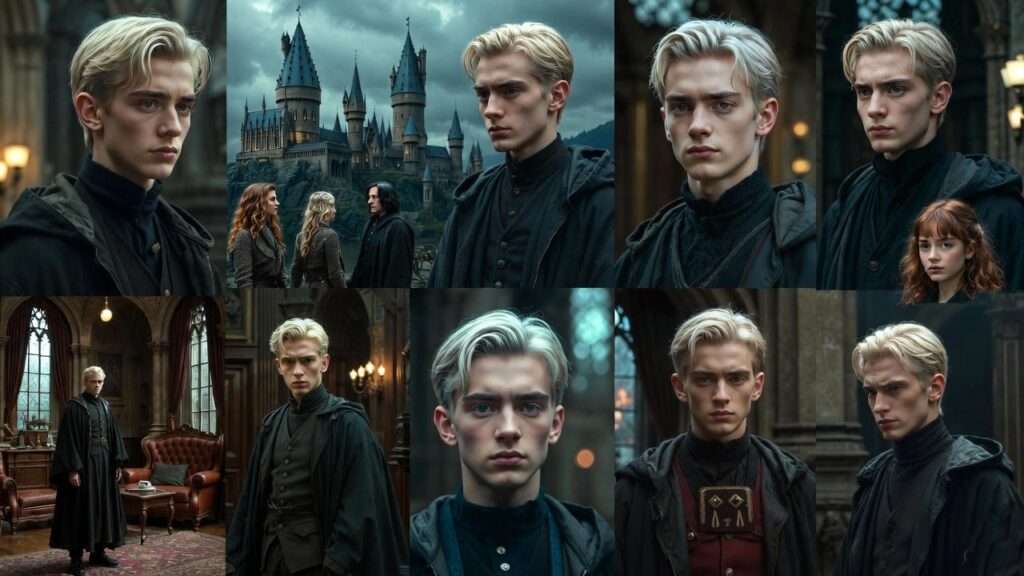
Imagine a sixteen-year-old boy sobbing uncontrollably in a deserted bathroom, wand trembling in his hand, terrified of the murderous task forced upon him by the darkest wizard of the age. This is not Harry Potter’s moment of vulnerability—it’s Draco Malfoy’s. For years, fans have dismissed Draco as nothing more than a spoiled, bigoted bully. Yet that raw, heartbreaking scene in Harry Potter and the Half-Blood Prince forces us to confront a far more complicated truth: Draco Malfoy is one of J.K. Rowling’s most nuanced and realistically flawed characters.
Draco Malfoy’s arc challenges the black-and-white morality that dominates much of the Harry Potter series. He begins as an arrogant antagonist shaped by privilege and prejudice, but over seven books—and supplemented by Rowling’s post-publication insights and Harry Potter and the Cursed Child—we witness glimmers of internal conflict, fear-driven choices, and quiet growth. This article explores that complex journey in depth, drawing directly from the canon text, Rowling’s interviews, and official Wizarding World content to answer the question that has divided the fandom for decades: Is Draco Malfoy truly redeemable?
By examining his upbringing, pivotal moments of crisis, post-war life, and the ongoing redemption debate, we’ll uncover why Draco remains one of the most fascinating and polarizing figures in the wizarding world.
Early Years – The Making of a Bully
To understand Draco Malfoy’s behavior at Hogwarts, we must first examine the environment that shaped him long before he ever boarded the Hogwarts Express.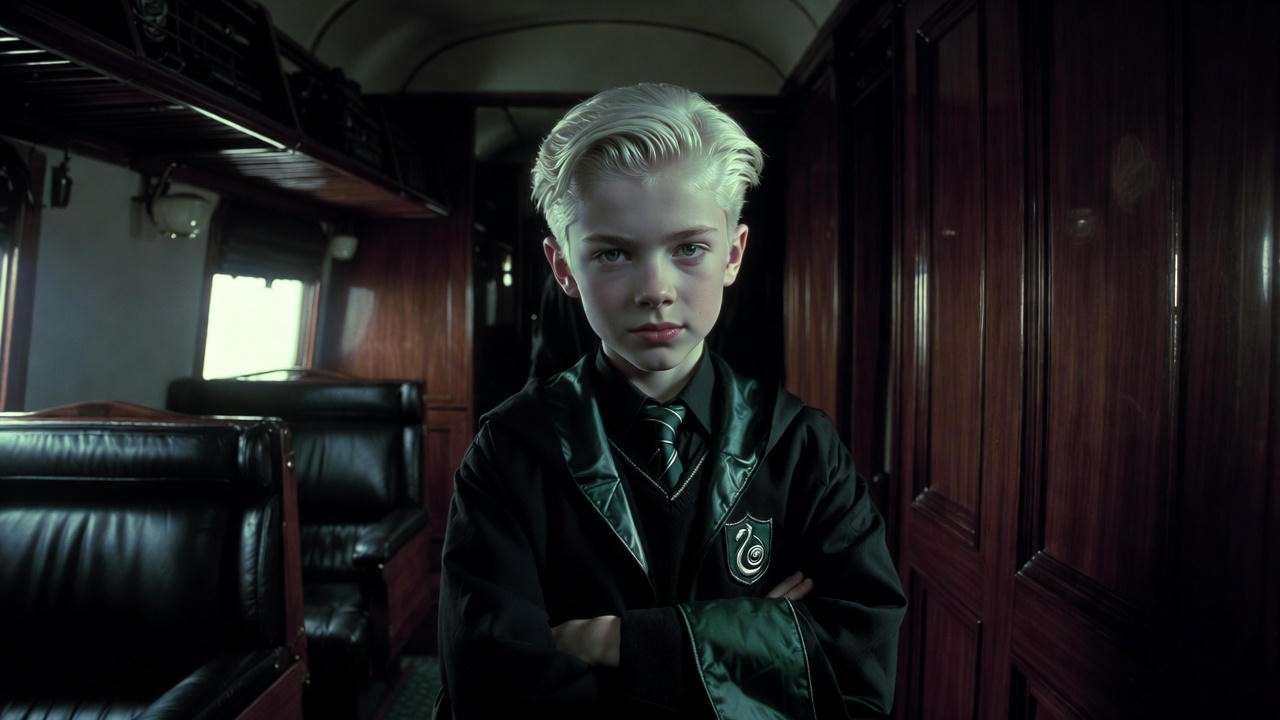
Upbringing and Family Influence
Draco was born in 1980 into one of the wealthiest and most influential pure-blood families in Britain. His father, Lucius Malfoy, was a high-ranking Death Eater who escaped Azkaban after Voldemort’s first fall by claiming Imperius Curse coercion. Lucius openly espoused pure-blood supremacy, collected Dark artifacts, and wielded considerable influence at the Ministry of Magic.
From infancy, Draco absorbed these beliefs. In Philosopher’s Stone, his very first conversation with Harry on the train reveals how deeply ingrained this ideology was: Draco mocks Ron Weasley’s family for their poverty and lack of pure-blood status, then extends a condescending “hand of friendship” to Harry only after learning his name—implying Harry would be wiser to associate with “the right sort.” This isn’t mere childish snobbery; it’s a direct reflection of the values drilled into him at home.
Narcissa Malfoy, while fiercely protective of her son, shared her husband’s views. Rowling has described the Malfoys as a family bound by love but corrupted by prejudice. In a 2007 web chat, she noted that Narcissa and Lucius genuinely loved Draco—their only child—but that love was expressed within a toxic framework of superiority and fear of blood-status dilution.
Hogwarts and the Slytherin Environment
Upon arriving at Hogwarts, Draco was sorted into Slytherin, a house already stigmatized for producing Dark wizards. While the Sorting Hat considers a student’s choices as well as innate qualities, Draco actively desired Slytherin because it aligned with his family legacy. The house provided constant reinforcement of his beliefs through peers like Crabbe, Goyle, and Pansy Parkinson, who mirrored his attitudes without question.
Professor Snape’s favoritism toward Slytherin further enabled Draco’s behavior. Though Snape protected Harry for Lily’s sake, he openly indulged Draco—awarding points unfairly and overlooking rule-breaking. This institutional bias validated Draco’s sense of entitlement.
First Impressions vs. Deeper Context
Draco’s early antagonism toward Harry, Ron, and Hermione often feels intensely personal, yet it’s largely ideological. His repeated use of the slur “Mudblood”—first directed at Hermione in Chamber of Secrets—is shocking and unforgivable. However, Rowling has emphasized in interviews that children frequently parrot their parents’ prejudices without fully understanding them. Draco’s cruelty stems from insecurity as much as conviction: he desperately seeks his father’s approval and fears falling short of Malfoy standards.
Compared to genuine sadists like Bellatrix Lestrange, Draco’s early bullying lacks true malice. He hexes and mocks, but he doesn’t torture for pleasure. These distinctions become crucial when evaluating his later actions.
The Turning Point – Sixth Year and the Vanishing Cabinet Task
Draco’s character takes its most dramatic shift in Half-Blood Prince, when the consequences of his family’s allegiance catch up with them.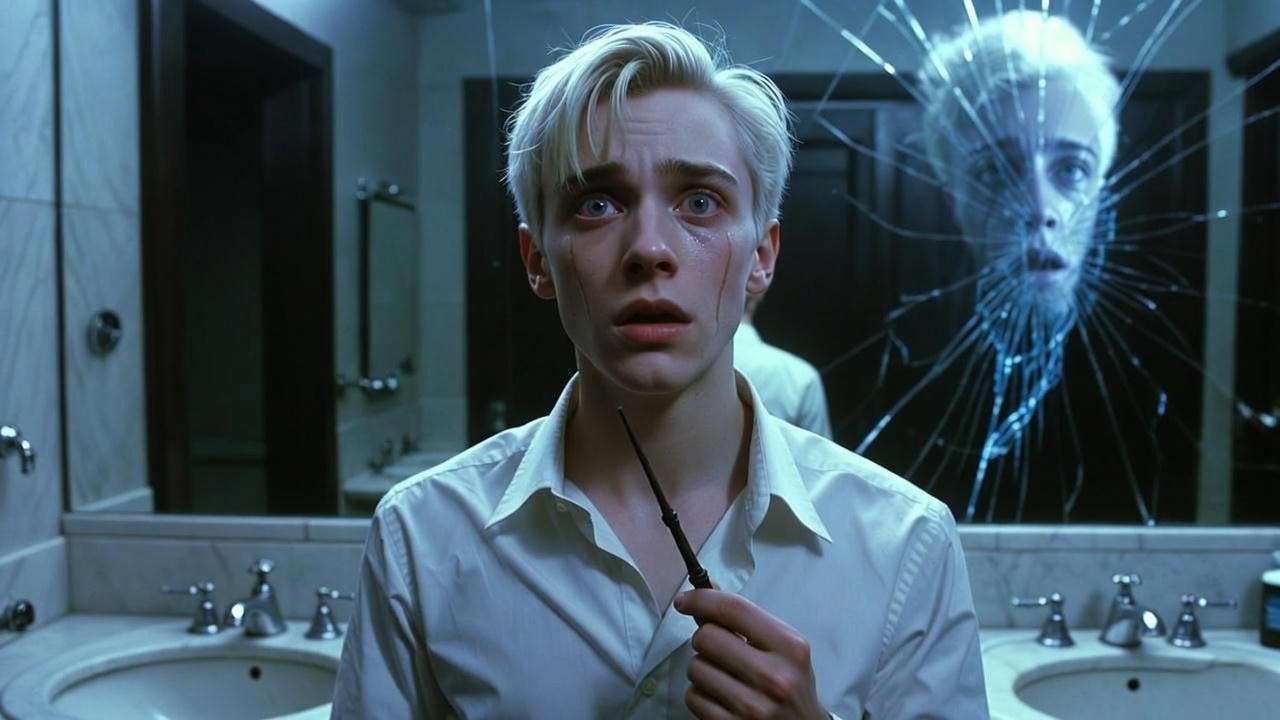
The Weight of the Dark Mark
After Lucius’s spectacular failure—being caught at the Department of Mysteries and losing the prophecy—Voldemort punishes the Malfoy family by assigning sixteen-year-old Draco an impossible task: kill Albus Dumbledore or face death for himself and his parents.
In Chapter 2 of Half-Blood Prince, we see Draco’s bravado at Borgin and Burkes, threatening the shop owner with Fenrir Greyback. Yet Rowling subtly undercuts this swagger: Draco is pale, nervous, and clearly out of his depth. Taking the Dark Mark at sixteen was not a triumphant rite of passage but a sentence.
Moments of Vulnerability
The bathroom scene with Moaning Myrtle (Chapter 24) is perhaps the most revealing moment in Draco’s entire arc. Alone and terrified, he admits, “I’ve got to do it… He’ll kill me…” and confesses fear that Voldemort will punish his mother. This breakdown humanizes Draco in a way nothing else does—he’s not glorying in Dark power but crumbling under its pressure.
Harry, hidden under the Invisibility Cloak, witnesses this vulnerability and still attacks with Sectumsempra. The incident underscores the tragic cycle: Draco’s fear makes him dangerous, yet his humanity prevents him from becoming a true killer.
The Astronomy Tower climax crystallizes this internal conflict. Despite months of planning via the Vanishing Cabinet, Draco cannot bring himself to deliver the killing curse. He disarms Dumbledore but hesitates repeatedly, lowering his wand and admitting, “I’ve been chosen for this… I have to do it.” Dumbledore himself recognizes Draco’s reluctance, offering protection and a way out—an offer Draco nearly accepts before the other Death Eaters arrive.
Subtle Acts of Defiance
Draco’s quiet resistance continues into Deathly Hallows. At Malfoy Manor, when Harry, Ron, and Hermione are captured, Draco is repeatedly pressed to identify Harry (whose face is distorted by a Stinging Jinx). He hedges, claiming he’s “not sure.” Given that positive identification would have earned favor with Voldemort and potentially spared his family, this hesitation carries enormous risk.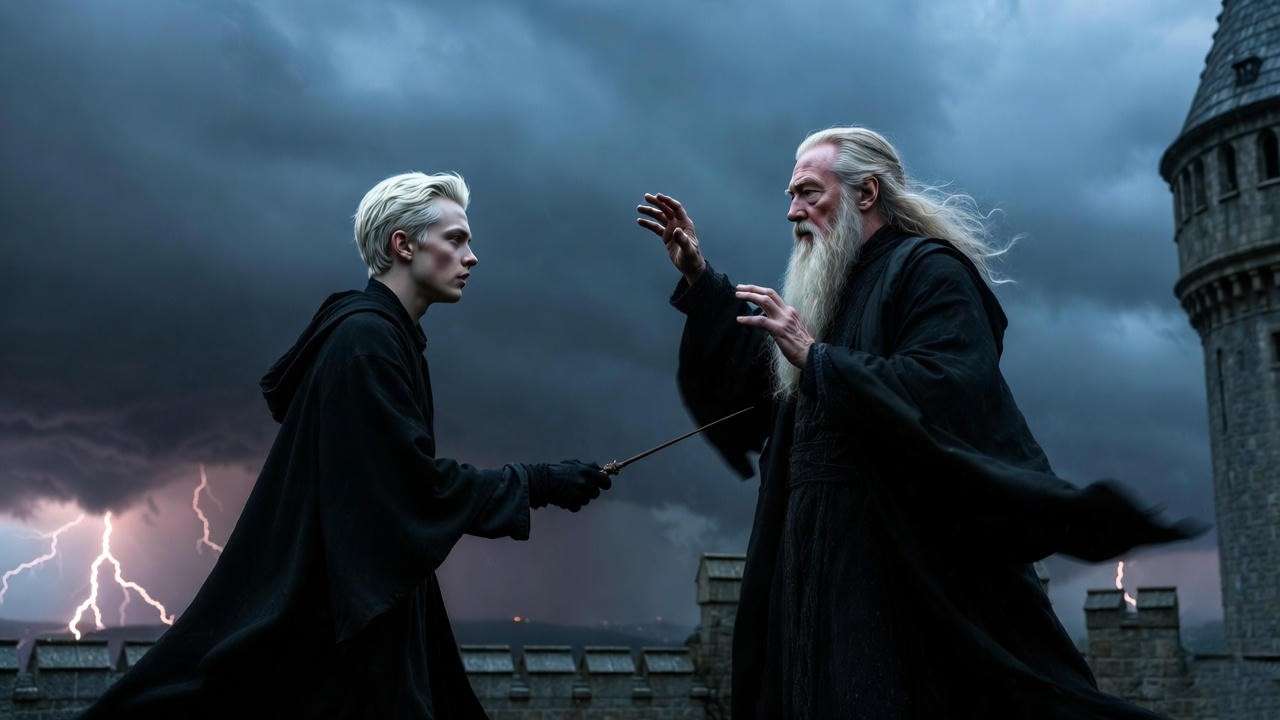
During the final Battle of Hogwarts, Draco’s mother Narcissa lies to Voldemort about Harry’s death to buy time to find her son. Later, when Draco, Crabbe, and Goyle confront Harry in the Room of Requirement, Draco’s primary concern is retrieving his wand—not killing Harry. After Crabbe’s death, Draco and Goyle are pulled from the fire by Harry, Ron, and Hermione. Draco accepts rescue without further fight.
These moments—small, fear-driven choices not to commit irreversible evil—form the foundation of arguments for his redeemability.
Post-War Life and Canon Evidence of Change
The original seven books offer limited insight into Draco’s adult life, but Rowling’s supplementary material and Harry Potter and the Cursed Child paint a clearer picture of quiet transformation.
The Epilogue and Cursed Child Insights
In the “Nineteen Years Later” epilogue, Draco appears briefly at King’s Cross, nodding curtly to Harry. No overt hostility remains, suggesting at minimum a truce.
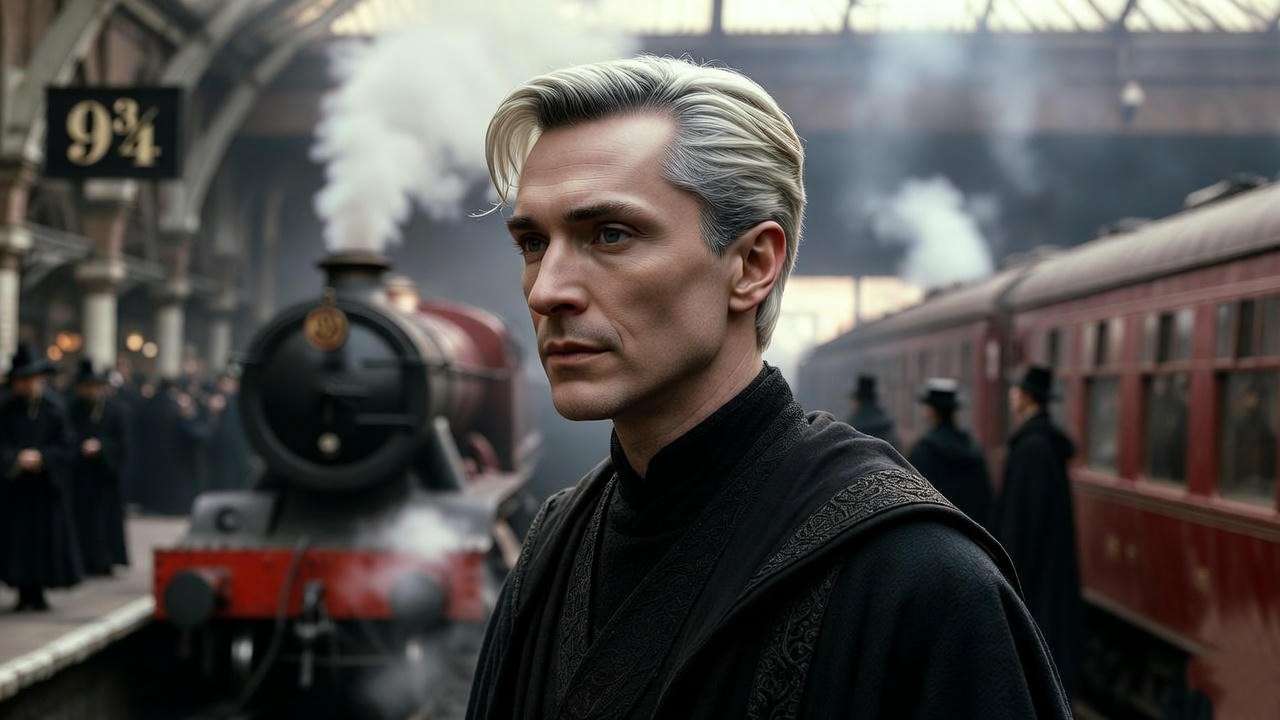 Cursed Child (co-written by Rowling, Jack Thorne, and John Tiffany, and considered canon by Rowling) provides far more depth. Adult Draco is a widowed father raising Scorpius alone after Astoria Greengrass’s death. He admits past mistakes, expresses regret for his family’s role in the war, and forms an unlikely alliance—and eventual friendship—with Harry to save their sons.
Draco explicitly rejects his father’s prejudice, telling Harry, “I don’t want Scorpius growing up with the same poison I did.” This line directly acknowledges the cycle he has broken.
J.K. Rowling’s Post-Publication Statements
Rowling has addressed Draco’s future multiple times. In a 2007 Bloomsbury chat, she confirmed Draco married Astoria Greengrass—a pure-blood who actively opposed blood supremacy—and that the couple deliberately raised Scorpius without those beliefs. She noted Astoria’s influence helped Draco change, and that Lucius and Narcissa were disappointed by their grandson’s lack of prejudice.
On Pottermore (now Wizarding World), Rowling wrote that Draco’s upbringing left lasting scars: “He [Draco] would always bear an echo of the behavior he had been taught, but attempted to be a better parent and person.”
Interpreting Silence as Growth
Notably, there is no canon evidence of Draco returning to Dark activities or publicly promoting pure-blood ideology after the war. He rebuilds his life quietly, avoiding the spotlight. For a character once obsessed with status, this retreat speaks volumes about internalized shame and desire for reform.
Why Draco Divides the Fandom – Redemption Debates Analyzed
Few Harry Potter characters spark as much debate as Draco Malfoy. Fans are sharply divided on whether he deserves redemption.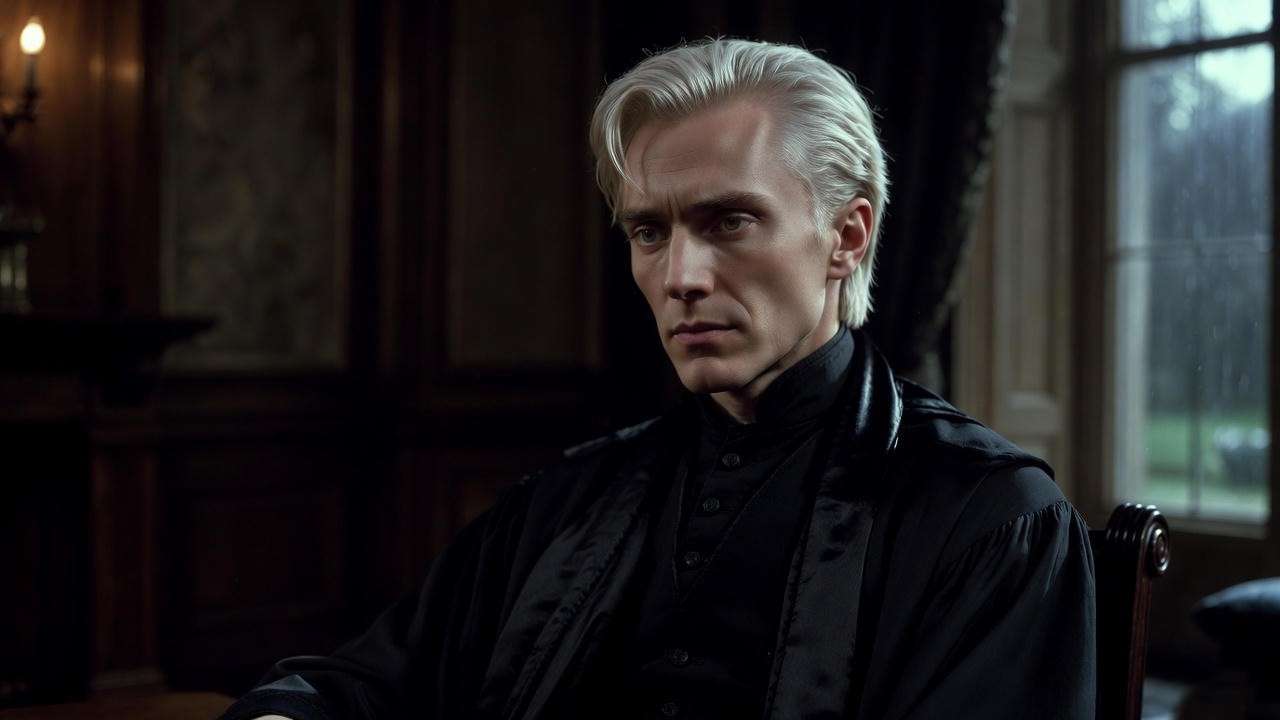
Arguments Against Redemption
Critics point to Draco’s prolonged bullying, especially his targeted cruelty toward Hermione with racial slurs. He joined the Death Eaters (albeit under duress), attempted to murder Dumbledore (through indirect means like the cursed necklace and poisoned mead), and stood by during torture at Malfoy Manor.
Some argue that his hesitation stemmed from cowardice rather than morality—he feared consequences more than he valued life. Compared to characters like Umbridge, who show no remorse, Draco’s lack of public atonement fuels skepticism.
Arguments For Redemption
Supporters emphasize context: Draco was a child raised in a cult-like environment, coerced into the Dark Mark at sixteen, and never killed despite opportunity. Unlike Bellatrix or young Tom Riddle, he showed no innate sadism.
Parallels to Snape and Regulus Black strengthen this view. All three were drawn into Voldemort’s circle through family or ambition, yet chose (however belatedly) against murder. Regulus died redeeming himself; Snape spent years atoning. Draco’s path is subtler—no dramatic sacrifice—but his post-war choices suggest similar growth.
Rowling herself has leaned toward redemption. In 2015, she tweeted that Draco was “not a nice person” but capable of change, and has repeatedly described him as a product of bad parenting rather than inherent evil.
A Balanced View
The truth lies in the gray. Draco Malfoy is neither hero nor irredeemable villain. He is privileged, prejudiced, cowardly, and complicit—yet also frightened, conflicted, and ultimately unwilling to cross certain moral lines. His redemption is not triumphant but realistic: incomplete, private, and hard-won through small daily choices to be better.
This nuance is precisely why he endures as a character. In a series often criticized for simplistic morality, Draco embodies the messy reality of human prejudice and the difficulty of change.
Lessons from Draco Malfoy’s Journey
Draco’s arc offers profound real-world resonance. It illustrates how children inherit toxic beliefs, how fear can drive dangerous actions, and how breaking cycles of hate requires conscious, ongoing effort.
His story reminds us that redemption rarely looks heroic. It looks like raising your child differently, nodding civilly to old enemies, and living quietly with the weight of past mistakes. In an era of polarized discourse, Draco Malfoy challenges us to see complexity in those we might otherwise dismiss.
Draco Malfoy begins the series as Harry Potter’s sneering rival—a boy dripping with entitlement and bigotry. Yet over seven books, supplemented by Rowling’s insights and Cursed Child, we witness a far more human portrait: a frightened teenager crumbling under impossible expectations, making fear-driven choices, and eventually choosing—imperfectly—to reject the poison of his upbringing.
He is flawed, often unlikeable, and never fully atones publicly. But the quiet evidence of change—his hesitation to kill, his rejection of identification at Malfoy Manor, his post-war family life—suggests a limited but meaningful redemption.
Draco reminds us that people are rarely all good or all evil. Growth is possible even from the darkest starting points, provided one chooses, however falteringly, to walk a different path.
What do you think—does Draco Malfoy deserve redemption? Revisit those pivotal scenes in Half-Blood Prince and Deathly Hallows, and decide for yourself.