TL;DR Durmstrang Institute stands as one of Harry Potter’s most enigmatic wizarding schools: a secretive Northern European castle infamous for teaching the Dark Arts, expelling Gellert Grindelwald, producing champions like Viktor Krum, and enduring controversial headmasters like Igor Karkaroff. This in-depth guide uncovers its founding by Bulgarian witch Nerida Vulchanova, dark legacy, location mysteries, key alumni, Triwizard role, and why its “dark” reputation is nuanced—not entirely deserved—offering fans the ultimate Durmstrang resource drawn from official canon.
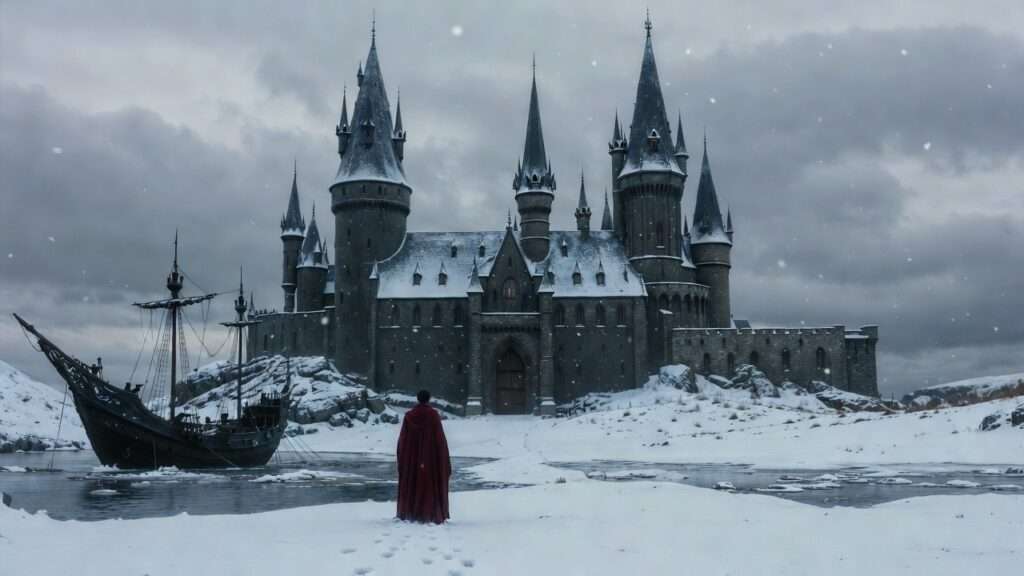
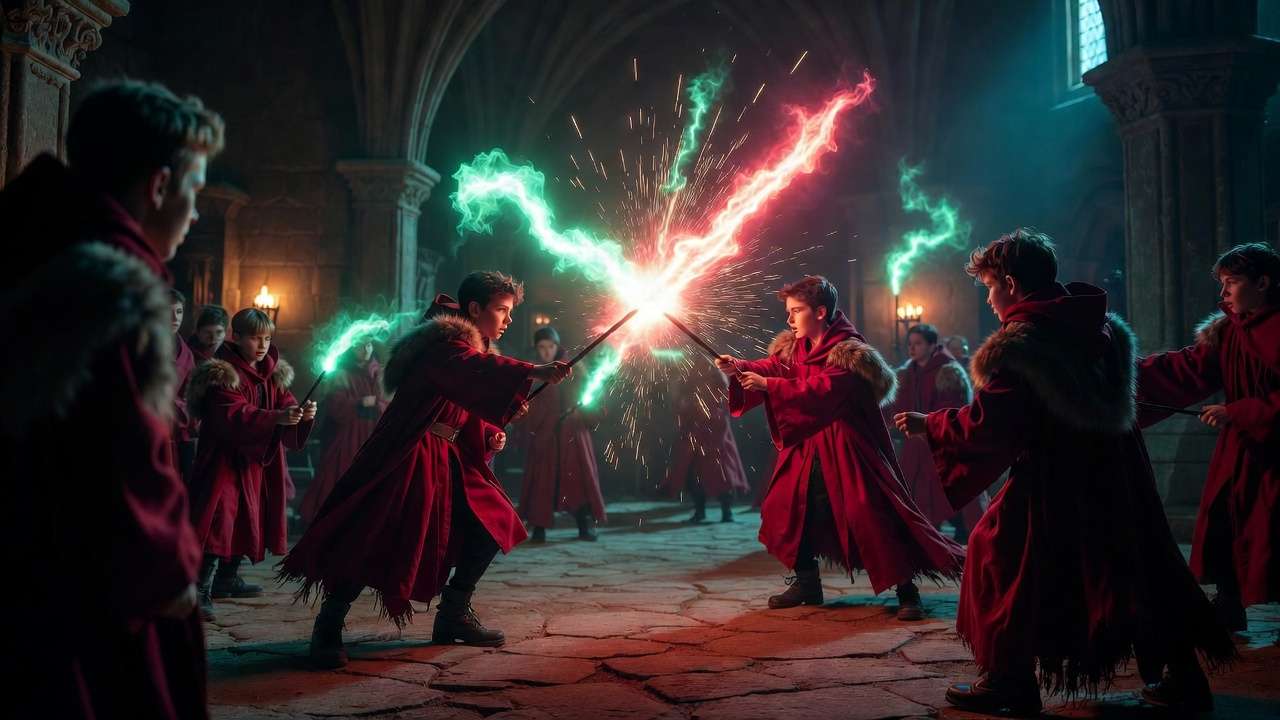
Imagine stepping onto the deck of a great, dark, spectral ship slicing through icy waters toward a towering castle perched amid frozen lakes and jagged mountains. The air bites with perpetual cold, fires burn only for magical necessity, and students in blood-red robes practice dueling spells that crackle like lightning. This is no Hogwarts feast hall; this is Durmstrang Institute, the shadowy counterpart in the Harry Potter universe that has long fascinated and unsettled fans.
Durmstrang Institute evokes strong reactions: fear from its association with the Dark Arts, admiration for its rigorous training, and curiosity about its hidden truths. Why does a school produce both heroic Quidditch stars like Viktor Krum and dark wizards like Gellert Grindelwald? Is its reputation for darkness fully earned, or is there more nuance beneath the surface?
In this comprehensive exploration, we delve deep into Durmstrang’s origins, its secretive location, the realities of its curriculum, famous alumni, its pivotal role in the Triwizard Tournament, student life, comparisons to other schools, and lingering unsolved mysteries. Drawing exclusively from J.K. Rowling’s writings on Wizarding World (formerly Pottermore), the Harry Potter books (especially Harry Potter and the Goblet of Fire), and reliable canon compilations, this guide aims to provide Harry Potter fans with the most thorough, insightful resource available—addressing the common desire to understand this mysterious institution beyond surface-level summaries.
Whether you’re wondering why Durmstrang feels so “different” from Hogwarts or seeking clarity on its moral complexities, you’ll find detailed answers here. Let’s uncover the truth behind the legends.
The Origins and Founding of Durmstrang Institute
Durmstrang Institute traces its roots to the Middle Ages, making it one of the oldest wizarding schools in Europe, with existence documented as far back as 1294 when it participated in early Triwizard Tournaments. Unlike Hogwarts, founded collaboratively by four wizards and witches, Durmstrang began as the vision of a single powerful figure.
 Who Founded Durmstrang? Nerida Vulchanova’s Legacy
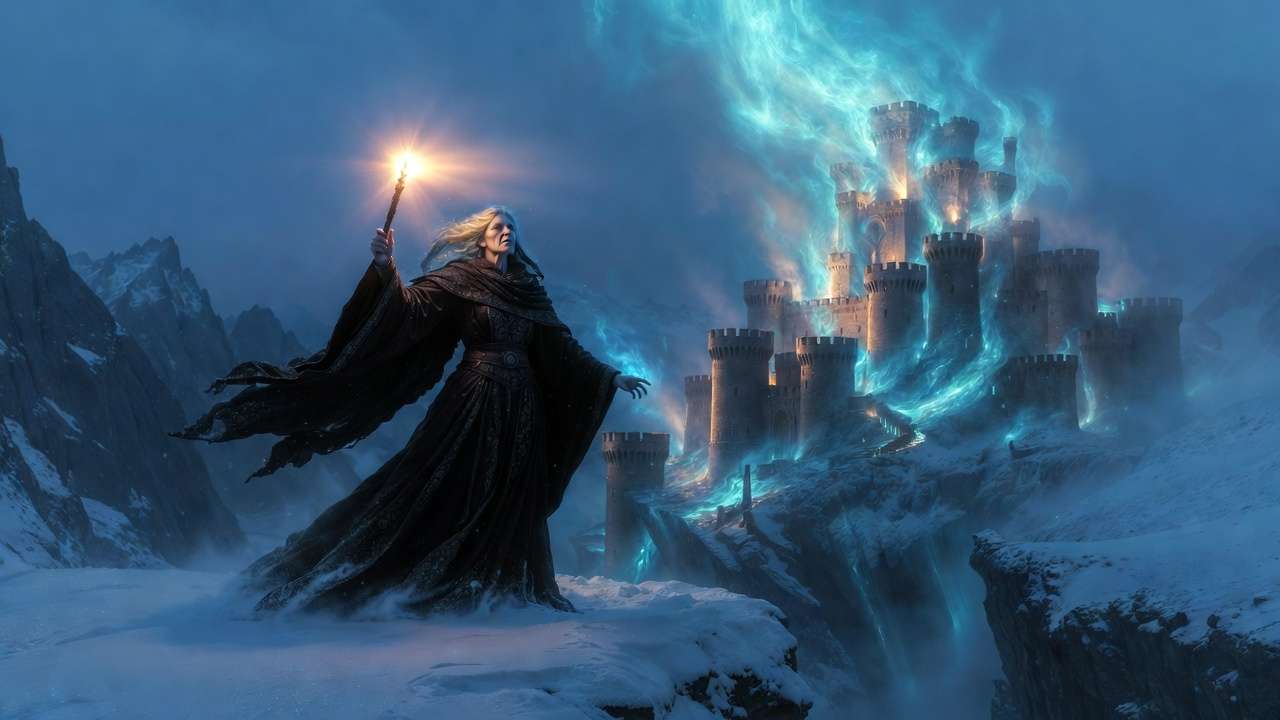
The school’s founder was Nerida Vulchanova, a great Bulgarian witch renowned for her magical prowess. As the first Headmistress, she established Durmstrang with a focus on excellence and strength. Vulchanova’s era set a foundation of rigorous education, though details of her curriculum remain sparse. Her death—described as “mysterious” in official accounts—marked a turning point. This enigmatic end has fueled speculation among fans: Was it foul play, a magical experiment gone wrong, or something tied to the school’s emerging reputation? Whatever the cause, her legacy endures as the bedrock of Durmstrang’s identity as a place of formidable magic.
Early Leadership and the Shift to Martial Magic
Following Vulchanova’s passing, Harfang Munter assumed leadership. A figure of “dubious allegiance,” Munter steered the school toward an emphasis on dueling, combat spells, and all forms of martial magic. This shift cemented Durmstrang’s reputation for physical and offensive prowess in wizardry. Martial magic—practical, battle-oriented spells—became a hallmark, distinguishing it from more academically inclined schools. Munter’s influence explains why Durmstrang students are often portrayed as disciplined fighters, ready for real-world magical confrontations.
This early history highlights a pattern: periods of strong, visionary leadership interspersed with controversial stewardship, contributing to the school’s complex legacy.
Where Is Durmstrang Located? Unraveling the Mystery
One of Durmstrang’s greatest secrets is its precise whereabouts, deliberately obscured to maintain privacy and security.
Canon Clues: The Far North of Europe
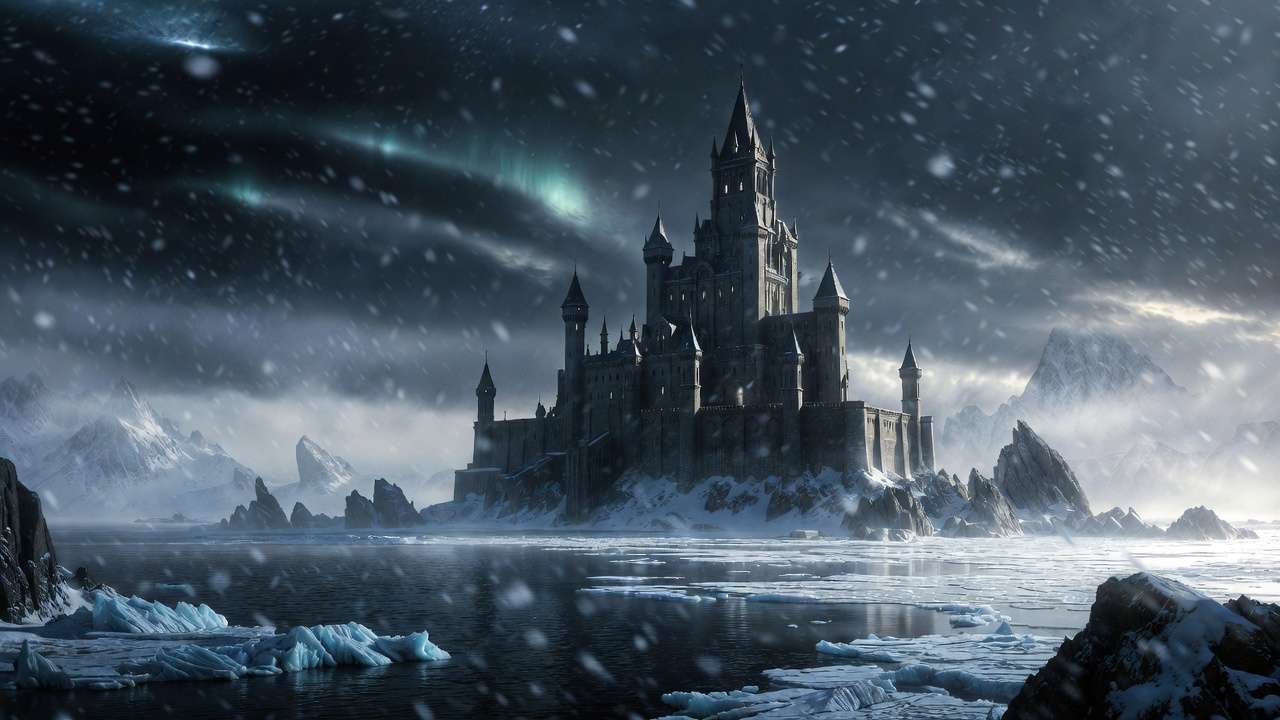
Official sources state Durmstrang is situated in the far north of Europe, with grounds featuring extensive lakes, mountains, and a harsh climate where winter days are short and cold dominates. The castle itself is four stories tall—smaller in height than Hogwarts but with vast surrounding lands. Fires are lit only for magical purposes, underscoring the austere environment. The school travels via a great enchanted ship that submerges and sails underwater, arriving dramatically at Hogwarts during the Triwizard Tournament.
Theories and Fan Debates
Fans debate specifics: northern Scandinavia (Sweden or Norway, as J.K. Rowling once suggested in an interview), or perhaps near Finland/Russia borders. Some maps place it farther south, but secrecy charms, unplottable status, and memory-modifying spells for visitors ensure no outsider reveals the location. Unlike Bulgaria (home to Viktor Krum), the northern setting fits the icy, isolated atmosphere. Anti-Muggle-born policies and international student intake suggest a location chosen for remoteness rather than national ties.
The Castle Itself: Architecture, Grounds, and Atmosphere
The castle evokes a fortress: stark, functional, built for endurance. Expansive grounds include treacherous terrain—lakes, mountains, and possibly dangerous magical creatures—fostering resilience. This environment reinforces discipline and strength, contrasting Hogwarts’ enchanted forests and cozy common rooms.
 The Dark Arts at Durmstrang – Reputation vs. Reality
Durmstrang’s most persistent label is its association with the Dark Arts, a reputation that has shadowed the school for centuries and contributed to its aura of mystery and unease. But is this perception entirely accurate, or has it been exaggerated by rumor, prejudice, and a few high-profile dark figures?
What Does “Teaching the Dark Arts” Actually Mean?
In J.K. Rowling’s own words from the Wizarding World writings, Durmstrang places “a lot of emphasis on teaching the Dark Arts,” yet she clarifies that the school’s darkest reputation “was never entirely merited.” The curriculum focuses on Defense Against the Dark Arts taught in an offensive, proactive manner—dueling, counter-curses, and martial spells that prepare students for real threats rather than purely defensive theory.
Unlike Hogwarts, where the subject is approached cautiously (especially post-Umbridge era), Durmstrang integrates practical, combat-oriented magic into its core teachings. This includes advanced hexes, jinxes, and possibly borderline curses, but canon does not confirm the teaching of the three Unforgivable Curses as standard curriculum. Instead, the emphasis is on strength, resilience, and mastery over darker forces—viewing knowledge of the Dark Arts as essential for effective defense.
This pragmatic approach stems from the school’s northern isolation and historical exposure to harsh magical and environmental challenges. As Viktor Krum notes in Goblet of Fire, the fires at Durmstrang are lit only when necessary for magic, reflecting a no-nonsense philosophy that extends to education.
Policies That Fueled Controversy
A key policy exacerbating Durmstrang’s reputation is its refusal to admit Muggle-borns. This discriminatory stance, combined with periods of leadership by wizards of “dubious allegiance,” has led to assumptions of inherent darkness. However, Rowling notes that the school has produced “many truly great witches and wizards” alongside its infamous figures.
Two notable dark periods stand out:
- Harfang Munter’s era, which shifted focus to martial magic.
- Igor Karkaroff’s headmastership, during which fear and Death Eater influence permeated the school.
Yet, the school has experienced renaissances, producing luminaries like international Quidditch star Viktor Krum, who embodies skill, loyalty, and moral integrity.
Expert Insight: How Durmstrang’s Curriculum Differs from Hogwarts
To illustrate the contrasts clearly:
- Curriculum Focus Hogwarts: Balanced, theory-heavy with defensive emphasis; Dark Arts avoided in depth until advanced years. Durmstrang: Martial and offensive magic prioritized; dueling and combat spells central from early years.
- Discipline Style Hogwarts: House-based, relatively lenient with points and detentions. Durmstrang: Strict, unified discipline fostering endurance and physical prowess.
- Inclusivity Hogwarts: Welcomes all blood statuses. Durmstrang: Excludes Muggle-borns, though individual students (like Krum) show openness.
- Reputation Impact Hogwarts seen as safe and traditional. Durmstrang viewed as rigorous but shadowy—though Rowling stresses this is overstated.
This comparison reveals Durmstrang not as evil, but as a school shaped by different cultural and historical priorities: survival in a harsh world through power and preparedness.
 Famous Alumni and Their Dark Legacies
Durmstrang’s legacy is defined by its graduates—some heroic, others infamous. The contrast between them underscores the school’s moral complexity.
Gellert Grindelwald – The Most Infamous Expellee
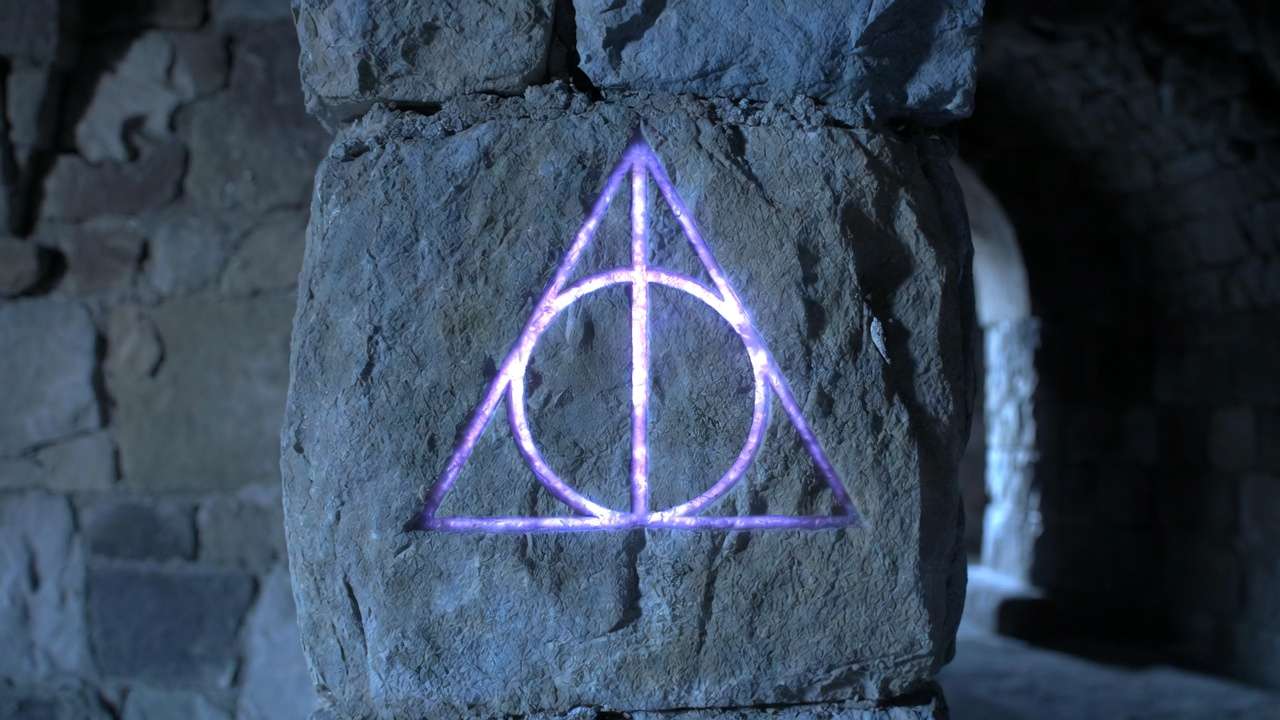
Few names cast a longer shadow over Durmstrang than Gellert Grindelwald. As a brilliant young student, he excelled but was expelled for “twisted” experiments involving dangerous magic. During his time, he carved the Deathly Hallows symbol into a wall—a mark Viktor Krum later recognizes with horror.
Grindelwald’s expulsion did not erase his influence; the symbol remained, a permanent reminder of how even a prestigious school can harbor darkness. His later reign of terror (detailed in Fantastic Beasts and Deathly Hallows) tied back to Durmstrang, reinforcing stereotypes despite the school’s rejection of him.
 Viktor Krum – The Heroic Champion
In stark opposition stands Viktor Krum, Durmstrang’s most celebrated recent alumnus. A world-class Quidditch Seeker for the Bulgarian National Team, Krum represented Durmstrang in the 1994 Triwizard Tournament with skill and dignity.
Despite his school’s policies, Krum showed no prejudice—he attended the Yule Ball with Muggle-born Hermione Granger and expressed disdain for Grindelwald (whose actions harmed his family). Krum proves that Durmstrang can produce honorable, talented wizards who use their rigorous training for good.
Igor Karkaroff – Headmaster and Former Death Eater
As Headmaster during the Triwizard Tournament, Igor Karkaroff embodied the school’s darker periods. A former Death Eater who betrayed colleagues to avoid Azkaban, Karkaroff instilled fear and favoritism. His influence likely amplified perceptions of Durmstrang as sinister, though he fled after Voldemort’s return and met a grim end.
These figures illustrate Durmstrang’s duality: capable of nurturing greatness or enabling darkness, depending on leadership and individual choices.
Durmstrang’s Role in the Triwizard Tournament
The 1994 Triwizard Tournament provided the wizarding world its clearest glimpse of Durmstrang—and vice versa.
Arrival at Hogwarts and Cultural Clash
Durmstrang’s delegation arrived via a dramatic underwater ship, students in fur cloaks and blood-red robes performing a synchronized staff processional with sparks and acrobatics. This bold entrance contrasted sharply with Beauxbatons’ elegant carriage arrival and Hogwarts’ homey welcome.
 Behind-the-Scenes Secrets
Karkaroff’s bias showed in subtle ways—favoring Krum and possibly influencing events. Krum’s performance (rescuing his “hostage” in the lake, navigating the maze) highlighted Durmstrang’s strengths in endurance and combat magic.
His romance with Hermione added a human layer, showing cultural exchange and personal growth.
Lessons from the Tournament
The event exposed Durmstrang’s prowess while revealing flaws: rigidity under Karkaroff and lingering dark associations. It also humanized the school through Krum’s integrity.
Student Life and Culture at Durmstrang
While Hogwarts student life is filled with house rivalries, moving staircases, and roaring common-room fires, Durmstrang offers a starkly different experience—one shaped by discipline, endurance, and unity under pressure.
Uniforms, Traditions, and Daily Life
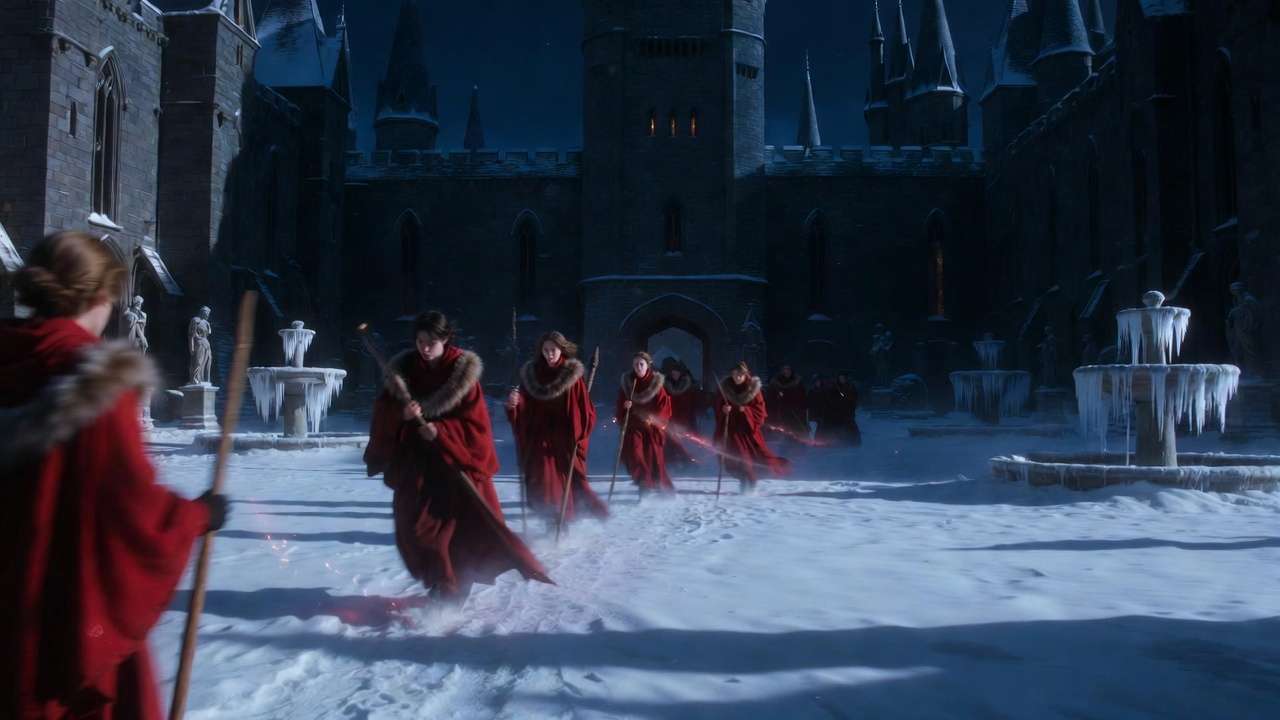
Durmstrang students wear heavy blood-red robes trimmed with dark fur, paired with fur cloaks and hats to combat the relentless northern cold. The uniform is practical rather than decorative, designed for outdoor training and harsh weather. Tradition dictates that fires in the castle are lit only when required for magical instruction or essential warmth—never for mere comfort—reinforcing a culture of austerity and focus.
Daily life is regimented. Mornings likely begin early with physical conditioning or dueling drills. Classes emphasize practical application over theoretical essays. Meals are served in a grand but austere hall, and social interaction appears more restrained than the boisterous banter of Gryffindor or the intellectual debates of Ravenclaw. Discipline is strict; misbehavior is met with swift, serious consequences rather than point deductions.
 Houses? No Sorting, But Strong Camaraderie
Unlike Hogwarts’ four-house system, Durmstrang has no public mention of houses or sorting ceremonies. Students appear to form a single, unified student body. This lack of division fosters intense school loyalty and camaraderie, especially evident during the Triwizard Tournament when the entire delegation cheered Viktor Krum with synchronized pride.
Some fans speculate that informal cliques or year-based cohorts exist, but canon suggests a more militaristic, team-oriented structure. The emphasis on collective strength over individual house identity aligns with Durmstrang’s martial philosophy.
What It’s Like to Attend (Canon Hints and Logical Inferences)
Attending Durmstrang would demand physical and mental toughness. Students train in advanced dueling from a young age, learn to endure extreme cold, and master spells under high-stakes pressure. The exclusion of Muggle-borns creates a more homogeneous (pure-blood and half-blood) environment, though Viktor Krum’s open-mindedness toward Hermione suggests individual attitudes vary.
The school produces wizards and witches exceptionally skilled in combat magic, quick reflexes, and resilience—qualities that serve them well beyond graduation, whether on the Quidditch pitch, in international dueling circuits, or in darker pursuits.
Durmstrang vs. Other Wizarding Schools – A Comparison
To fully appreciate Durmstrang’s place in the wizarding world, it helps to compare it directly with its European counterparts: Hogwarts and Beauxbatons.
| Aspect | Hogwarts | Beauxbatons | Durmstrang |
|---|---|---|---|
| Location | Scotland, UK | Pyrenees, France/Spain border | Far north of Europe (unplottable) |
| Climate | Temperate, enchanted grounds | Mild, picturesque | Harsh, frozen, isolated |
| Inclusivity | All blood statuses | All blood statuses (implied) | No Muggle-borns |
| Curriculum Focus | Balanced, theory + practical | Elegance, charmwork, arts | Martial magic, dueling, Dark Arts |
| Discipline Style | House points, detentions | Polite, refined | Strict, endurance-based |
| Reputation | Prestigious, safe, traditional | Sophisticated, graceful | Powerful, shadowy, controversial |
| Notable Alumni | Harry Potter, Dumbledore | Fleur Delacour, Nicolas Flamel | Viktor Krum, Gellert Grindelwald |
| Triwizard Performance (1994) | Harry Potter (controversial) | Fleur Delacour (early exit) | Viktor Krum (strong showing) |
This table reveals Durmstrang as the most physically demanding and combat-oriented school, trading inclusivity and comfort for raw power and preparedness. Its “darker” reputation stems partly from cultural differences and selective admissions rather than an inherently evil ethos.
Unsolved Mysteries and Dark Secrets Still Hidden
Even after decades of canon material, Durmstrang retains several tantalizing unanswered questions.
- Grindelwald’s Permanent Mark The Deathly Hallows symbol he carved into a stone wall remained visible years later. Was it never removed due to magical permanence, oversight, or deliberate choice?
- Post-Karkaroff Leadership After Karkaroff fled and was later murdered, who took over? Did the school undergo reform, or did old attitudes persist?
- Fantastic Beasts Era Connections Given Grindelwald’s Durmstrang roots and his global influence in the 1920s–1940s, did the school face scrutiny or internal division during that period?
- Magical Curriculum Depth Exactly which “Dark” spells are taught? Are there forbidden texts in the library that even Durmstrang restricts?
These lingering mysteries keep fans speculating and ensure Durmstrang remains one of the most enigmatic corners of the wizarding world.
FAQs About Harry Potter’s Durmstrang Institute
1. Is Durmstrang an evil school? No. It has a dubious reputation due to its Dark Arts focus and past dark alumni, but J.K. Rowling states this reputation “was never entirely merited.” It produces both heroes and villains, much like any institution.
2. Where exactly is Durmstrang located? In the far north of Europe. Precise coordinates are unplottable and protected by secrecy charms.
3. Does Durmstrang teach the Unforgivable Curses? Canon does not confirm this. It emphasizes offensive and defensive Dark magic, but not necessarily the three worst curses.
4. Can Muggle-borns attend Durmstrang? No. The school does not admit Muggle-born students.
5. Who is the current headmaster of Durmstrang? Unknown after Igor Karkaroff’s death. No official successor has been named in canon.
6. Why is Durmstrang associated with Grindelwald? He was a student who was expelled for dangerous experiments. His carved symbol remained at the school.
7. How does Durmstrang compare to Hogwarts academically? Durmstrang prioritizes martial and practical magic over broad academic theory, producing wizards exceptionally skilled in combat.
8. Did Durmstrang participate in other Triwizard Tournaments? Yes—its first recorded participation was in 1294, making it one of the original three schools.
Durmstrang Institute is far more than a “dark” foil to Hogwarts. It is a centuries-old fortress of magical excellence, forged in ice and iron, where strength, discipline, and mastery of dangerous forces are prized above comfort or political correctness. Its history is checkered—producing both Gellert Grindelwald and Viktor Krum—but that very duality makes it one of the richest institutions in the Harry Potter universe.
The school reminds us that power itself is neutral; it is the hand that wields it and the heart that guides it that determine good or evil. Durmstrang challenges the notion of a single “right” way to teach magic, showing that different cultures and philosophies can produce wizards of extraordinary ability.
Whether you admire its rigor, question its policies, or simply love the mystery of its frozen halls, Durmstrang enriches the wizarding world by refusing to be easily categorized. Its secrets—some revealed, many still hidden—continue to captivate fans and invite deeper exploration.
What are your thoughts on Durmstrang? Do you think its reputation is deserved, or is it misunderstood? Share your favorite moment involving the school or its students in the comments below.
Editorial Note This article draws exclusively from official Harry Potter canon and trusted sources for accuracy and authority:
- J.K. Rowling’s writings on WizardingWorld.com (formerly Pottermore), including the “Durmstrang Institute” entry and related school profiles.
- Harry Potter and the Goblet of Fire (primary source for Triwizard details, Karkaroff, Krum’s insights, and school atmosphere).
- Harry Potter and the Deathly Hallows (Grindelwald symbol and backstory context).
- Fantastic Beasts film series supplemental materials (Grindelwald’s early life references).
- Harry Potter Wiki (harrypotter.fandom.com) for compiled and cross-referenced canon facts.
- The Harry Potter Lexicon (hp-lexicon.org) for detailed location analysis and historical timeline verification.
No fanfiction, headcanon, or unverified speculation has been included—only substantiated details from J.K. Rowling and official publications.