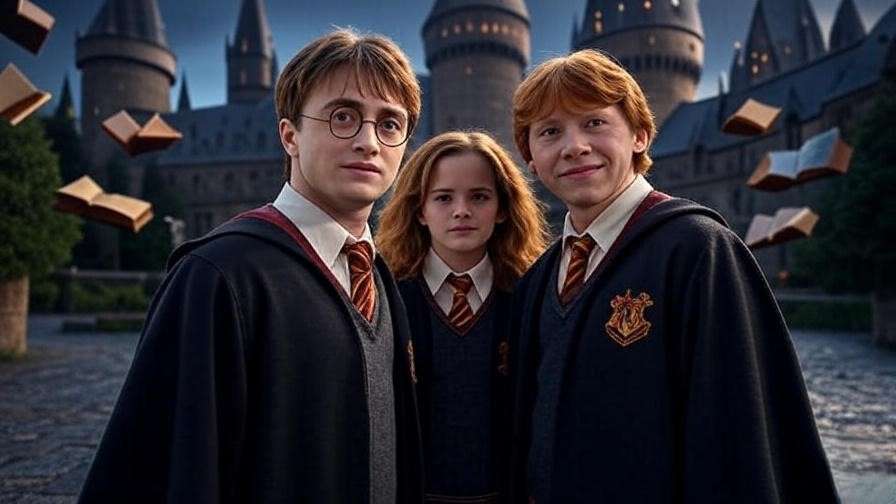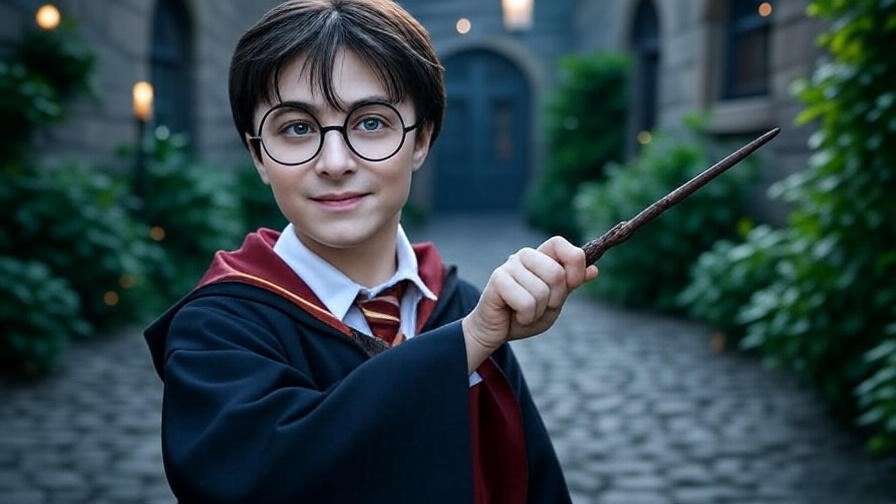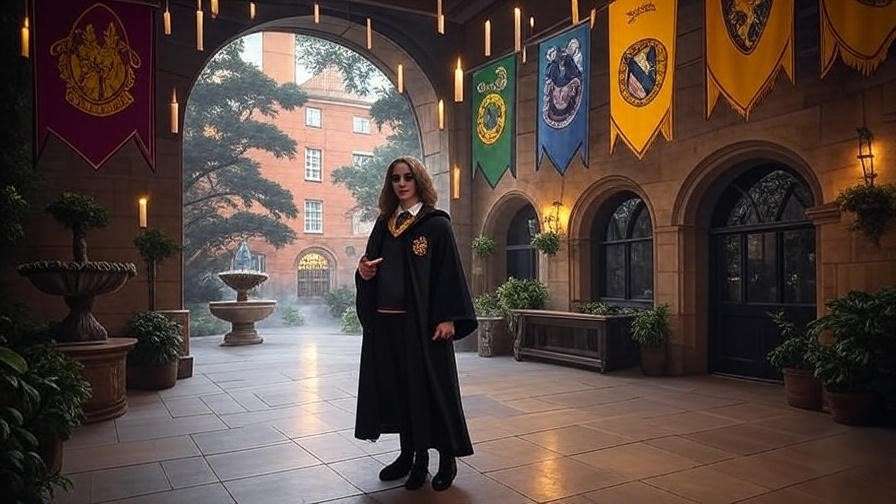
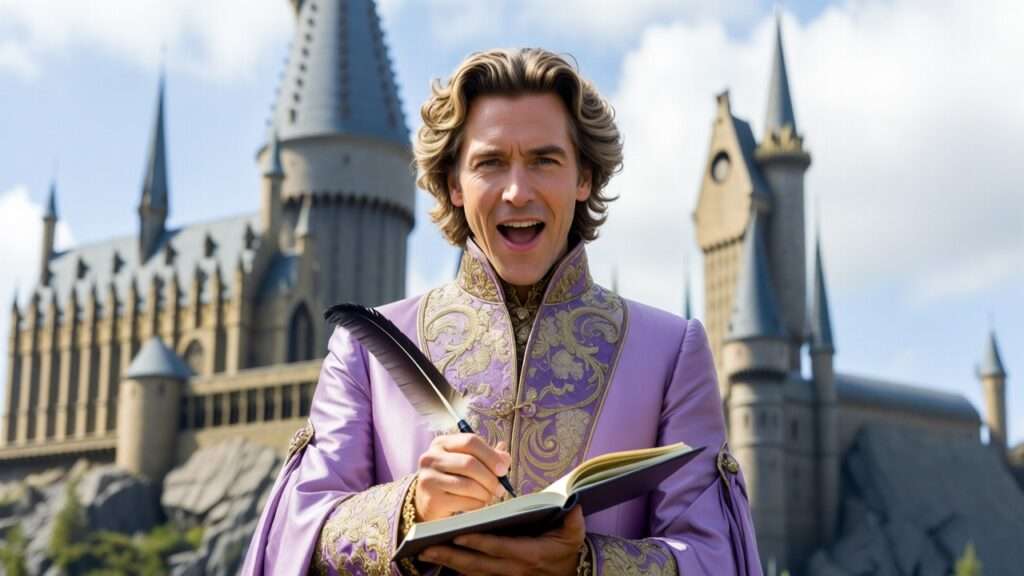
Imagine stepping into a Defense Against the Dark Arts classroom expecting to learn how to battle dark creatures, only to find your professor more focused on perfecting his smile and signing autographs than teaching actual magic. This was the reality for Harry Potter and his classmates during their second year at Hogwarts, when the flamboyant and utterly incompetent Gilderoy Lockhart took the post. As the self-proclaimed hero behind bestselling books like Magical Me and Break with a Banshee, Lockhart embodied the dangers of celebrity built on lies. Yet his disastrous tenure remains one of the most entertaining and revealing chapters in the Harry Potter series.
In this in-depth guide, we’ll explore every facet of Gilderoy Lockhart’s role as Professor of Harry Potter—his origins, his fraudulent rise to fame, his chaotic time at Hogwarts, his dramatic downfall, and the lasting lessons he imparts about fame, deception, and authenticity in the wizarding world. Drawing from J.K. Rowling’s books, her own comments on the character, and canonical details, this article offers the most comprehensive look available—far beyond basic summaries—helping fans revisit Harry Potter and the Chamber of Secrets with fresh insight and appreciate why Lockhart, despite his flaws, serves a vital narrative purpose.
Who Is Gilderoy Lockhart? Early Life and Rise to Fame
Gilderoy Lockhart was born on January 26, 1964, to a Muggle father and a witch mother, making him a half-blood wizard. He was the youngest child and only magical sibling among three, with his two older sisters being Squibs. According to J.K. Rowling’s writings (including Pottermore/Wizarding World archives), Lockhart’s mother doted on him excessively after his Hogwarts letter arrived, fostering his already budding vanity. This favoritism, combined with his magical abilities, convinced young Gilderoy that he was destined for greatness far beyond ordinary wizards.
 Sorted into Ravenclaw House—though Rowling has noted he “narrowly escaped Slytherin” due to his cunning and ambition—Lockhart showed intelligence but prioritized self-promotion over genuine achievement. His Hogwarts years were marked by boasts about future fame, including dreams of becoming Minister for Magic or captaining England’s Quidditch team.
After graduation, Lockhart embarked on a career as an author and adventurer—or so his books claimed. He published a series of bestselling titles detailing supposed heroic encounters:
- Break with a Banshee
- Gadding with Ghouls
- Holidays with Hags
- Travels with Trolls
- Voyages with Vampires
- Wanderings with Werewolves
- Year with the Yeti
Each book portrayed Lockhart as a fearless vanquisher of dark creatures, earning him accolades like Order of Merlin (Third Class), Honorary Member of the Dark Force Defence League, and five consecutive Witch Weekly Most-Charming-Smile Awards. His signature style—wavy blond hair, dazzling teeth, lilac robes—made him a wizarding celebrity.
The truth, however, was far darker. Lockhart possessed exceptional skill only in Memory Charms (Obliviate). He tracked down real heroes who defeated banshees, trolls, yetis, and more, then used powerful Memory Charms to erase their memories and claim the feats as his own. This theft of achievements built his empire of fame, a cautionary tale about the wizarding world’s susceptibility to charisma over substance.
Lockhart as Professor of Defence Against the Dark Arts
The Defence Against the Dark Arts position at Hogwarts carried a notorious curse, thanks to Lord Voldemort’s refusal to accept it decades earlier. By summer 1992, few qualified applicants remained. Albus Dumbledore, ever strategic, hired Lockhart despite suspicions about his credentials.
Dumbledore knew Lockhart was a fraud—he was acquainted with at least two victims whose memories Lockhart had stolen. Rather than expose him outright, Dumbledore lured Lockhart to Hogwarts by suggesting association with Harry Potter (fresh from defeating Voldemort as an infant) would boost his fame. Lockhart, eager for more publicity, accepted.
Lockhart’s first public appearance came at Flourish and Blotts, where he dramatically announced his appointment while signing books and pulling Harry into photos for the Daily Prophet. His classroom debut was theatrical: “Let me introduce you to your new Defense Against the Dark Arts teacher... me. Gilderoy Lockhart, Order of Merlin, Third Class, Honorary Member of the Dark Force Defence League, and five times winner of Witch Weekly‘s Most-Charming-Smile Award—but I don’t talk about that. Much.”
Lessons quickly devolved into farce. Lockhart released Cornish pixies on the class, then fled when they caused chaos—leaving students to clean up. He assigned quizzes on his favorite color (lilac), secret ambition (to market his own line of hair products), and ideal birthday gift, rather than practical defense. Practical demonstrations were nonexistent; he reenacted scenes from his books or recited poetry for signed copies of Magical Me.
Harry, Ron, and Hermione bore the brunt of his narcissism. Lockhart obsessed over Harry’s fame, assuming the boy craved the spotlight like himself. Hermione initially admired him (“He’s so brave!”), but suspicion grew. In the dueling club, Lockhart partnered with Snape—only to be effortlessly disarmed, exposing his incompetence.
The Unmasking: Lockhart’s Fraud Exposed
Throughout the year, clues mounted: Lockhart’s terror during petrifications, his avoidance of real danger, and false claims about solving the Chamber of Secrets mystery. When Harry and Ron discovered the Chamber’s entrance and planned to rescue Ginny, Lockhart—pressured by the school—agreed to accompany them, intending to take credit.
In the Chamber, Lockhart attempted to Obliviate Harry and Ron with Ron’s broken wand, planning to claim he heroically saved Ginny after the boys “lost their minds.” The spell backfired spectacularly, erasing Lockhart’s own memories instead. “Who am I?” he asked dazedly as rocks fell.
This poetic justice— the master of memory theft losing his own—ended his charade. Dumbledore later noted Lockhart’s “modesty” in downplaying his role, underscoring the headmaster’s foresight.
Lockhart’s Legacy in the Harry Potter Series
Lockhart provided comic relief in Chamber of Secrets, but his presence advanced the plot: his incompetence highlighted the DADA curse’s toll, exposed wizarding gullibility to celebrity, and gave Harry/Ron time to act while he delayed authorities.
Broader themes emerge—narcissism in authority, the failure of education under unqualified teachers, and fame’s emptiness without substance. Rowling has said Lockhart was deliberately based on a real person she met, far more objectionable than the fictional version, who told “whopping great fibs” to seem wonderful.
Book-to-film differences include Kenneth Branagh’s theatrical performance, amplifying Lockhart’s vanity. The film omits his post-credits “Who Am I?” book, but the books show his enduring impact.
Fans remain divided: some see him as hilarious comic relief, others as a symbol of deeper societal issues like stolen credit and superficial acclaim.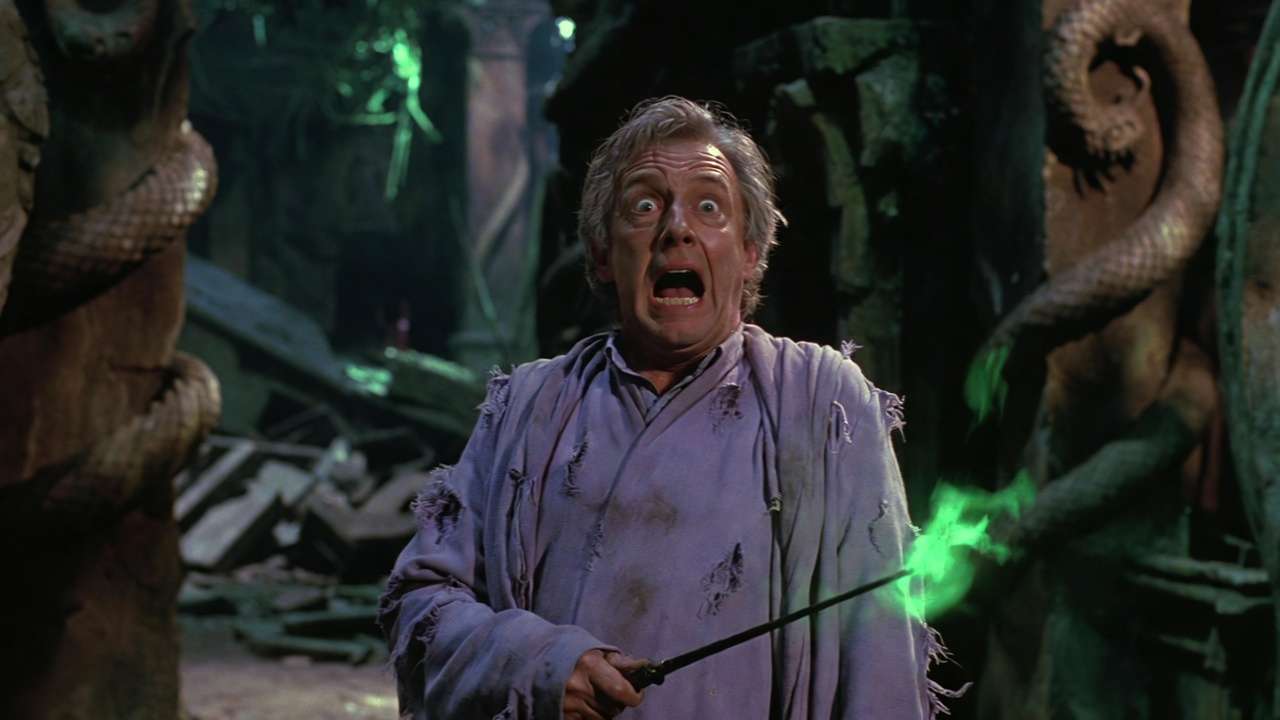
What We Can Learn from Gilderoy Lockhart
Lockhart’s story warns against “fake it till you make it” excess. His obsession with image over skill shows how deception erodes trust. In the real world, red flags include over-the-top claims without proof, reluctance to demonstrate expertise, and constant self-promotion.
Ironically, his downfall teaches humility—true achievement comes from effort, not theft. For Harry Potter fans, Lockhart reminds us that choices define us more than abilities or fame.
Expanded: Book vs. Film Differences
Kenneth Branagh’s portrayal in the 2002 film Harry Potter and the Chamber of Secrets brought Lockhart to life with theatrical flair—exaggerated gestures, perfect hair flips, and a lilting voice that amplified his vanity. However, the adaptation made several changes that toned down or altered aspects of the character compared to the book.
In the novel, Lockhart is even more insufferable. His classroom quiz is far more self-centered, asking students his favorite color (lilac), his greatest achievement (winning Witch Weekly‘s award five times), and his secret ambition (to rid the world of evil and market his own range of hair-care potions). The film simplifies this to a brief quiz and focuses more on visual gags.
The pixie incident differs notably: in the book, Hermione must freeze the pixies one by one with “Immobulus,” showcasing her skill incrementally. The movie has her immobilize them all at once with a single spell, making her seem almost superhumanly competent in contrast to Lockhart’s helplessness.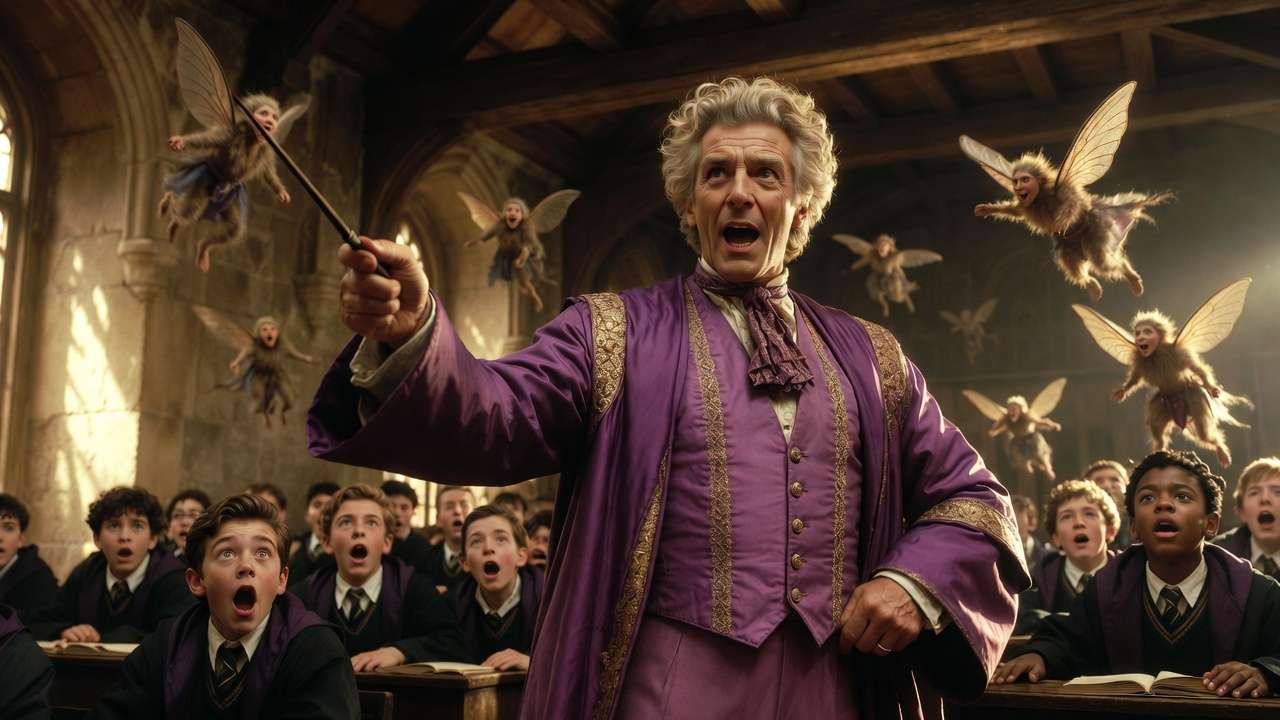
Lockhart’s exposure also varies. In the book, Harry and Ron disarm him properly before the Chamber descent, and he explicitly recounts stealing specific achievements (like the Bandon Banshee incident from a warlock). The film streamlines this confrontation—he drops his wand in defeat—and omits detailed backstories of his victims.
Post-Chamber, the book shows Lockhart at St. Mungo’s in Order of the Phoenix, still amnesiac and signing autographs with “Gilderoy” in shaky handwriting. The film excludes this cameo entirely, reducing his long-term legacy.
Branagh’s performance makes Lockhart more likable in a campy way—fans often cite him as one of the film’s highlights—while the book paints him as more sinister and pathetic, emphasizing the harm of his fraud (erasing real heroes’ memories permanently).
These adaptations prioritize pacing and humor over depth, but the book’s version offers richer commentary on deception.
J.K. Rowling’s Insights and Real-World Inspiration
J.K. Rowling has been candid about Lockhart’s origins. In interviews (including a 2000 Scholastic chat and Edinburgh Book Festival appearances), she revealed that Gilderoy Lockhart is the only character deliberately based on a real person she knew. “The only character who is deliberately based on a real person is Gilderoy Lockhart… The living model was worse. He was a shocker! The lies that he told about adventures that he’d had, things he’d done and impressive acts that he had committed…”
Rowling clarified this was not her ex-husband (despite tabloid rumors) but someone far more objectionable in real life. She described the real inspiration as telling “whopping great fibs” to appear wonderful, though she made the fictional Lockhart more humorous and less vindictive.
On Wizarding World (formerly Pottermore), Rowling expanded on his backstory: a half-blood Ravenclaw with genuine magical talent (especially in charms like Obliviate), but crippled by laziness and vanity. He could have succeeded legitimately but chose shortcuts. This adds tragedy—Lockhart wasn’t born evil, just too ambitious and unwilling to earn his place.
His surname came from a war memorial in Edinburgh, chosen for its pompous, empty ring. These details underscore Rowling’s skill in crafting layered characters: Lockhart entertains while critiquing celebrity culture, media gullibility, and the allure of easy fame.
Lockhart’s Legacy: Why He Matters Beyond the Laughs
Lockhart serves multiple narrative purposes. He provides much-needed levity amid the Chamber’s growing horror, balancing terror with absurdity. His incompetence underscores the DADA curse’s severity—by 1992, the position attracts only the desperate or unqualified.
Thematically, he embodies fame’s dark side. In a world where Harry is famous for surviving, Lockhart shows the opposite: manufactured celebrity devoid of substance. His story warns that public adoration can be built on lies, and when exposed, the fallout is devastating.
He also critiques authority figures. As a professor, Lockhart fails students spectacularly—no real skills taught, just self-aggrandizement. This mirrors real-world concerns about unqualified leaders in education or positions of power.
In fan discussions, Lockhart remains polarizing. Some view him as pure comic relief; others see a sharp satire of influencers and frauds. His arc—from celebrated author to forgotten patient—delivers karmic satisfaction while reminding readers that true worth comes from actions, not accolades.
What We Can Learn from Gilderoy Lockhart (Expanded)
Lockhart’s tale offers practical takeaways:
- Authenticity over image: Constant self-promotion often signals insecurity. Genuine experts let their work speak.
- Red flags of fraud: Over-the-top claims without evidence, avoidance of proof, obsession with appearance—these appear in Lockhart and real charlatans alike.
- Consequences of shortcuts: Lockhart had talent but chose theft. Hard work builds lasting success; deception crumbles.
- Humility’s value: His lack of it leads to isolation. At St. Mungo’s, he has fans but no true connections.
For Harry Potter fans, Lockhart teaches appreciation for characters like Dumbledore (wise authority) or Lupin (competent teacher). He makes the competent professors shine brighter.
FAQs
Was Gilderoy Lockhart a real threat? Not physically—he was cowardly—but his Memory Charms harmed real people permanently, erasing their legacies. His teaching left students unprepared against dangers.
What happened to Lockhart after Chamber of Secrets? He remained at St. Mungo’s Hospital with permanent amnesia. In Order of the Phoenix, Harry sees him still signing autographs blankly.
Did he teach anything useful? Virtually nothing. Students learned pixies are chaotic and Lockhart is incompetent. No defensive spells stuck.
How does he compare to other DADA professors? Worst in competence (Quirrell had Voldemort; Umbridge was tyrannical but knowledgeable; Lupin and Moody were excellent). Lockhart ranks lowest for actual teaching.
Is Lockhart based on a real person? Yes—Rowling confirmed he draws from someone she knew who exaggerated wildly. She made him funnier and less harmful than the real inspiration.
From celebrated fraud to amnesiac patient, Gilderoy Lockhart’s arc in the Harry Potter series is both hilarious and poignant. His time as Professor of Harry Potter exposed the wizarding world’s flaws while adding unforgettable humor. Re-reading Chamber of Secrets reveals new layers to his character—a cautionary tale wrapped in lavender robes.
What’s your favorite Lockhart moment—the pixie chaos or the backfired Obliviate? Share in the comments, and explore more Harry Potter analyses on our blog!