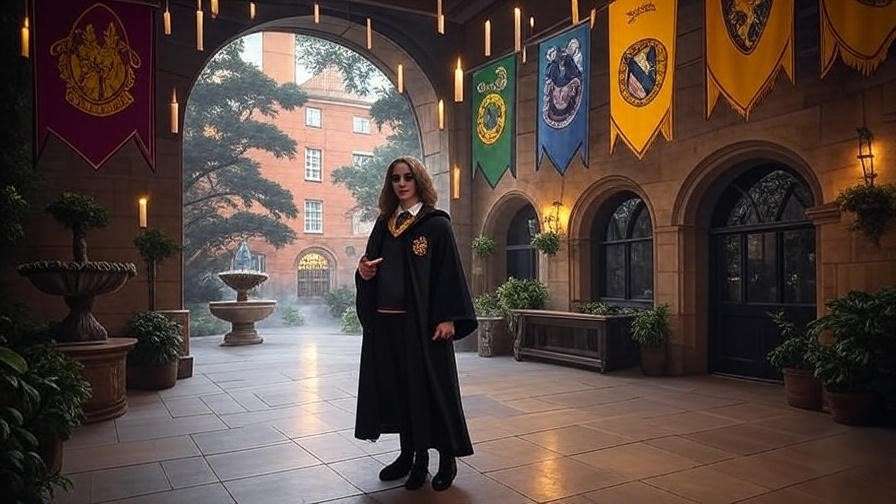
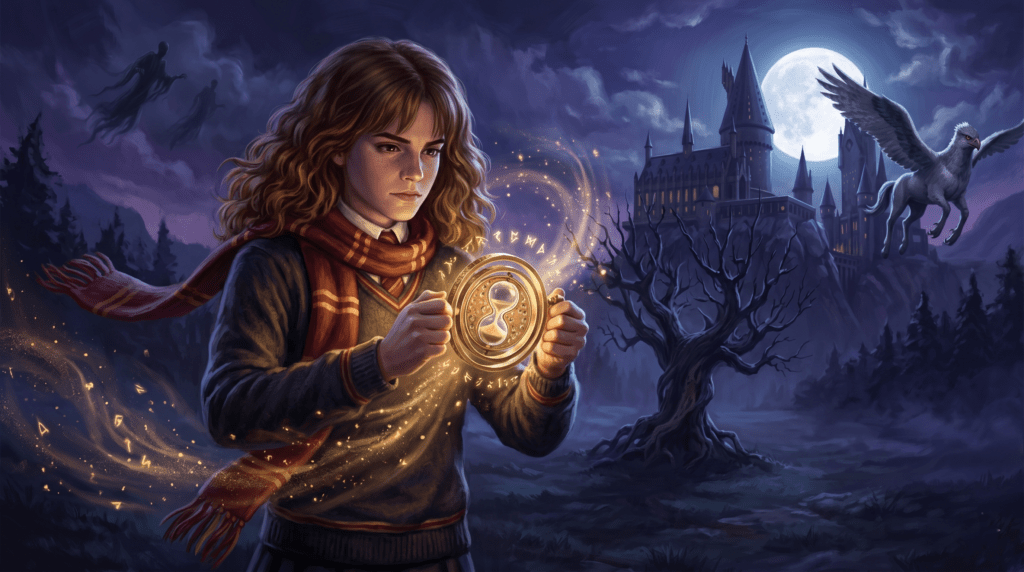
The clock struck midnight in the Hospital Wing. Two exhausted students stood before a seemingly omniscient Headmaster, their clothes torn and faces streaked with the evidence of a night that had rewritten history itself. As Hermione Granger slipped the delicate Time-Turner back under her robes, she carried the weight of impossible choices and unbreakable rules. In Harry Potter and the Prisoner of Azkaban, the brightest witch of her age steps fully into the spotlight, proving that intellect, courage, and fierce loyalty can literally bend time.
Harry Potter and the Prisoner of Azkaban Hermione Granger marks a defining chapter in one of literature’s most beloved characters. This third installment of J.K. Rowling’s series transforms Hermione from the precocious, rule-obsessed know-it-all of the first two books into a multifaceted young woman grappling with stress, moral dilemmas, and the limits of perfectionism. For fans searching deeper insight into her role, this comprehensive guide explores her Time-Turner heroics, profound character growth, and most unforgettable moments that continue to resonate with readers worldwide.
Whether you’re revisiting the story as a longtime Potterhead or discovering new layers in Hermione’s journey, this analysis delivers the detailed examination you’ve been looking for—going far beyond surface-level summaries to examine canonical details, book-to-film differences, thematic significance, and timeless lessons.
Hermione Granger Before Prisoner of Azkaban: Setting the Stage for Growth
To fully appreciate Hermione’s evolution in Prisoner of Azkaban, we must first understand where she began. In Philosopher’s Stone, eleven-year-old Hermione arrives at Hogwarts as an overachieving Muggle-born witch with an encyclopedic knowledge of spells and a deep respect for rules. She corrects classmates, earns perfect marks, and initially struggles with social integration. Her famous line to Harry and Ron—“Books! And cleverness! There are more important things—friendship and bravery”—comes only after she learns these lessons the hard way in the quest to stop Quirrell.
In Chamber of Secrets, Hermione’s loyalty deepens as she brews Polyjuice Potion and stands firmly against prejudice. Petrified by the Basilisk after her investigative efforts, she becomes a victim of the very dangers she tries to uncover. These early experiences establish her core traits: relentless curiosity, moral conviction, and an unwavering belief in doing what is right.
By the start of their third year, however, new pressures emerge. The threat of Sirius Black, the introduction of Dementors, and an ambitious class schedule force Hermione to evolve beyond the classroom prodigy. Prisoner of Azkaban serves as her true coming-of-age moment, where academic excellence collides with real-world consequences.
The Time-Turner Secret: How Hermione Managed the Impossible
No element better symbolizes Hermione’s dedication and capability in Prisoner of Azkaban than the Time-Turner. This Ministry-approved device, entrusted to her by Professor McGonagall, allowed Hermione to attend multiple classes scheduled at the same time by rewinding hours in her day.
 Why McGonagall Trusted Her with the Device
Professor Minerva McGonagall’s decision to petition the Ministry for Hermione’s Time-Turner speaks volumes about the young witch’s reputation. Only a student of exceptional maturity, intelligence, and discipline could be trusted with such a powerful artifact. McGonagall, herself a brilliant Transfiguration expert and strict disciplinarian, saw in Hermione a younger version of her own dedication to excellence. The device came with strict warnings: it was not to be used for anything beyond academics, and misuse could have catastrophic consequences.
The Daily Toll – Stress, Secrecy, and Overlapping Classes
The book portrays the immense personal cost far more vividly than the film. Hermione appears increasingly frazzled, with her bushy hair more unkempt and her temper shorter. She juggles Arithmancy, Muggle Studies, and several other advanced classes simultaneously. The physical and mental strain manifests in moments of exhaustion and irritability, highlighting that even the brightest witch has limits.
Her secrecy adds another layer of burden. Harry and Ron notice her odd disappearances and reappearances but remain unaware of the Time-Turner until the dramatic climax. This isolation underscores Hermione’s independence—she shoulders an extraordinary load without complaint for most of the year.
Hermione’s Strict Adherence to Time-Travel Rules (and What It Reveals About Her Character)
Throughout the Time-Turner adventure, Hermione demonstrates exceptional discipline. She insists on following Dumbledore’s instructions precisely, refusing to alter events beyond saving Buckbeak and Sirius. Her fear of creating paradoxes or being seen reveals a deep respect for the laws of magic and causality. This adherence isn’t mere rule-following; it reflects her mature understanding that power must be wielded responsibly.
Fun Facts and Book vs. Movie Differences in Time-Turner Usage
In the book, Hermione uses the Time-Turner extensively throughout the school year, creating a grueling schedule that explains her constant fatigue. The film streamlines this, revealing the device primarily at the end for dramatic effect. This change makes the revelation more cinematic but sacrifices some of the depth showing Hermione’s year-long academic marathon.
The movie also condenses the final time-travel sequence, though both versions capture the wonder and tension of watching events unfold from a hidden perspective.
Time-Turner Heroics – Saving Buckbeak and Sirius Black
The climax of Hermione’s arc arrives when she and Harry use the Time-Turner to prevent two tragic deaths. This sequence stands as one of the most masterful examples of time-travel mechanics in children’s literature—tightly plotted with minimal paradoxes.
The Shrieking Shack Confrontation and Immediate Aftermath
After Sirius Black drags Ron into the Shrieking Shack, Hermione joins Harry in the tense standoff revealing Pettigrew’s betrayal. Her quick thinking and knowledge—recognizing Lupin as a werewolf through careful observation—prove crucial. She asks incisive questions that advance the revelations while maintaining composure under extreme pressure.
 Step-by-Step Breakdown of the Time-Travel Rescue
- The Decision: After learning Sirius faces the Dementor’s Kiss and Buckbeak execution, Dumbledore gives them the narrow window to act.
- The Turns: Three turns of the hourglass send them back several hours.
- Saving Buckbeak: They free the Hippogriff just before the executioner’s axe falls.
- The Dementor Attack: Harry’s Patronus (cast by his future self) saves their past selves and Sirius.
- The Escape: Buckbeak carries Sirius to safety.
This mission showcases Hermione’s leadership. While Harry acts on emotion, she provides the strategic framework and constant reminders about non-interference.
The High Stakes: Avoiding Paradoxes and Staying Hidden
Hermione’s vigilance prevents disastrous alterations. They hide from their past selves, avoid detection by others, and only intervene in ways that create a stable time loop. Her calm guidance under pressure cements her as the emotional anchor of the operation.
Emotional Payoff – Watching Events Unfold a Second Time
Experiencing the night’s events again creates profound moments of tension and relief. Hearing Hagrid’s grief, witnessing the executioner’s approach, and seeing their friends in danger from a distance adds emotional depth that rewards careful readers.
Character Growth and Maturation in Prisoner of Azkaban
Harry Potter and the Prisoner of Azkaban represents Hermione Granger’s most significant character development in the early series. No longer just the precocious student, she emerges as a complex young witch learning to balance intellect with empathy, rules with moral necessity, and academic ambition with human connection.
From Rule-Follower to Rule-Bender for the Greater Good
One of the most compelling aspects of Hermione in this book is her willingness to break rules when lives are at stake. The girl who once reported Harry’s Firebolt to Professor McGonagall because it might be dangerous evolves into someone who helps steal a Hippogriff and orchestrate a prisoner escape. This shift isn’t reckless rebellion—it stems from a deeper moral compass. She recognizes that blind adherence to authority can enable injustice, particularly in the flawed Wizarding justice system that condemned Sirius without a trial.
Handling Stress, Friendship Strains, and Emotional Outbursts
The Time-Turner’s toll becomes increasingly visible. Hermione’s short temper peaks in several scenes, most notably her fiery argument with Ron over Crookshanks’ suspected role in Scabbers’ disappearance. These moments humanize her. Readers see the pressure of maintaining perfect grades while secretly managing hours of extra time. Her emotional outbursts reveal vulnerability beneath the confident exterior, making her more relatable to anyone who has ever pushed themselves to exhaustion.
The friendship strain with Ron also highlights growth. Rather than withdrawing, Hermione works through the conflict, showing maturity in mending relationships even when hurt.
Intellectual Confidence vs. Vulnerability – Doubting Divination, Excelling in Arithmancy
Hermione’s disdain for Divination class offers sharp contrast to her academic strengths. Her logical mind clashes with Professor Trelawney’s mystical approach, culminating in her dramatic exit from the subject. This decision demonstrates growing self-awareness—she refuses to waste time on a discipline she sees as fraudulent, prioritizing meaningful study like Arithmancy.
Meanwhile, her excellence in advanced subjects reinforces her reputation as the brightest witch of her age, yet she never becomes arrogant. Her confidence serves as both strength and occasional blind spot.
Signs of Emerging Independence and Moral Courage
By the book’s end, Hermione exhibits clear independence. She makes difficult choices alongside Harry, stands up to authority figures when necessary, and shows profound loyalty. Her moral courage shines when defending Hagrid and Buckbeak against the Ministry’s bureaucratic cruelty. These traits foreshadow her future activism and leadership in the Order of the Phoenix and beyond.
Most Iconic Hermione Moments in Prisoner of Azkaban
Prisoner of Azkaban delivers some of Hermione Granger’s most memorable scenes in the entire series. These moments combine wit, bravery, and emotional depth.
“You Foul, Loathsome, Evil Little Cockroach!” – The Malfoy Punch
Undoubtedly one of the most satisfying moments in the Harry Potter franchise, Hermione’s slap—punch in the film—of Draco Malfoy after he taunts Hagrid remains legendary. The buildup (Malfoy’s cruelty toward Buckbeak) and the delivery make it iconic. This scene showcases Hermione’s protective instincts and her willingness to physically defend what’s right when words fail. It also marks a shift from using only intellect to channeling righteous anger effectively.
Standing Up for Hagrid and Buckbeak
Hermione’s advocacy for Hagrid’s right to teach and Buckbeak’s life demonstrates her sense of justice. She researches tirelessly, helps prepare Hagrid’s defense, and refuses to accept unfair punishment for the Hippogriff. Her determination highlights themes of prejudice against “dangerous” magical creatures and loyalty to friends.
Interactions with Professor Lupin and the Dementors
Hermione’s perceptiveness shines in her relationship with Remus Lupin. She correctly deduces his werewolf condition through careful observation of his symptoms and the Boggart lesson. Her respectful yet probing questions show both intellectual curiosity and empathy. Additionally, her research into Dementors and Patronus charms (supporting Harry’s training) underscores her role as the group’s researcher and strategist.
The “Books and Cleverness” Evolution – Friendship and Bravery in Action
The climax reinforces her growth from the first book. When trapped in the past, Hermione prioritizes friendship and bravery over pure logic. Her calm guidance during the Time-Turner sequence proves she has internalized the lesson she once dismissed—she values Harry and Ron’s safety above everything.
Quiet Moments of Wit, Loyalty, and Subtle Foreshadowing
Beyond dramatic scenes, smaller moments add richness: her dry humor in class, quiet support for Harry during his nightmares about Dementors, and subtle hints at her future romantic tension with Ron. These details reward multiple readings.
Hermione’s Relationships in Prisoner of Azkaban
Deepening Bond with Harry (Trust and Partnership)
Hermione and Harry’s friendship reaches new maturity. Harry trusts her completely with the Time-Turner secret and relies on her intellect during crises. Their partnership feels equal, with Hermione providing strategic thinking while Harry offers raw courage.
Tension and Reconciliation with Ron
The Ron-Hermione dynamic becomes more complex. Jealousy over Crookshanks, Scabbers, and differing priorities creates friction, yet their eventual reconciliation feels earned. These conflicts plant seeds for their later romance while showing genuine adolescent friendship struggles.
Mentorship and Respect from Teachers (McGonagall, Lupin, Dumbledore)
Teachers recognize Hermione’s potential. McGonagall’s trust with the Time-Turner, Lupin’s intellectual respect, and Dumbledore’s subtle guidance affirm her growing status in the Wizarding world.
Themes and Symbolism: What Hermione Represents in This Book
In Prisoner of Azkaban, Hermione embodies the power of intellect tempered by compassion. The Time-Turner symbolizes both opportunity and burden—the cost of perfectionism. Her arc explores themes of justice, the flaws in institutional authority, coming-of-age responsibility, and the true meaning of courage.
Symbolically, the hourglass represents time’s fluidity and the weight of choices. Hermione’s journey mirrors real-world adolescent experiences: managing overwhelming schedules, questioning authority, and discovering when rules should bend for higher principles.
Book vs. Movie: How Hermione’s Story Was Adapted
Alfonso Cuarón’s film adaptation beautifully captures Hermione’s essence while making changes for cinematic pacing. Emma Watson’s performance brings youthful fire and vulnerability that helped define the character for a generation.
Key differences include a more condensed Time-Turner reveal and enhanced visual storytelling (the Whomping Willow scene, Dementor effects). The movie amplifies some emotional beats, particularly the Malfoy confrontation, while the book offers deeper internal insight into Hermione’s exhaustion and daily struggles.
Both versions complement each other, with the book providing richer context and the film delivering iconic visual moments.
 Legacy and Fan Perspectives
Why This Book’s Hermione Resonates Most with Readers
Many fans consider Prisoner of Azkaban Hermione at her most compelling—brilliant yet flawed, brave yet vulnerable. Her growth inspires readers facing their own pressures, from academic stress to standing up for beliefs.
Popular Fan Theories Related to Her Role
Theories often explore Time-Turner implications, potential timeline alterations, or how her experiences influenced later decisions (such as SPEW activism). Some discuss whether Dumbledore knew more about her schedule than revealed.
Lessons Modern Readers Can Apply
Hermione’s story teaches valuable real-world lessons: effective time management, the importance of balancing ambition with well-being, standing against injustice, and valuing friendship above perfection.
5 Key Takeaways from Hermione’s PoA Arc
- Intellectual power is strongest when paired with moral courage.
- Sometimes breaking rules serves the greater good.
- Vulnerability strengthens rather than weakens character.
- True friendship requires navigating conflict.
- Perfectionism has limits—self-care matters.
Expert Insights and Lesser-Known Details
Careful readers notice subtle foreshadowing, such as Crookshanks’ immediate distrust of Scabbers (Peter Pettigrew) and Hermione’s careful study of werewolf symptoms. J.K. Rowling’s tight plotting ensures every detail serves the larger narrative.
Hermione’s arc in this book sets the foundation for her later heroic roles, establishing her as essential to Harry’s success.
FAQs
What classes did Hermione take with the Time-Turner? She attended multiple overlapping classes including Arithmancy, Muggle Studies, and several standard third-year subjects by rewinding time.
Did Hermione break time-travel rules? She strictly followed the rules against altering established events, only creating a stable time loop to save lives.
Why is Hermione so stressed in Prisoner of Azkaban? The immense academic load from using the Time-Turner, combined with the threats of Sirius Black and Dementors, pushed her to exhaustion.
How does Prisoner of Azkaban change Hermione’s character? It marks her transition from strict rule-follower to someone who bends rules for justice while deepening her emotional intelligence and independence.
Harry Potter and the Prisoner of Azkaban Hermione Granger stands as a masterclass in character development. Through her Time-Turner heroics, emotional growth, and unforgettable moments, she transforms into a fully realized young woman whose intellect serves a brave and compassionate heart.
This book cements Hermione as far more than the “know-it-all” friend—she is a hero in her own right, proving that books and cleverness, combined with friendship and bravery, can change history itself. Whether you’re analyzing the canon, comparing adaptations, or simply reliving the magic, Hermione’s third-year journey continues to inspire new generations of readers.
Revisit Prisoner of Azkaban with fresh eyes. Pay attention to Hermione’s quiet determinations, her exhausted but determined expressions, and the profound ways she shapes events. What remains your favorite Hermione moment in this book?
Share in the comments below—did the Time-Turner sequence surprise you on first read? Which lesson from Hermione’s growth resonates most with your life today?
For more deep dives into the Wizarding World, explore our other analyses on character arcs, magical artifacts, and book-to-film comparisons here on the Harry Potter Related Blog.