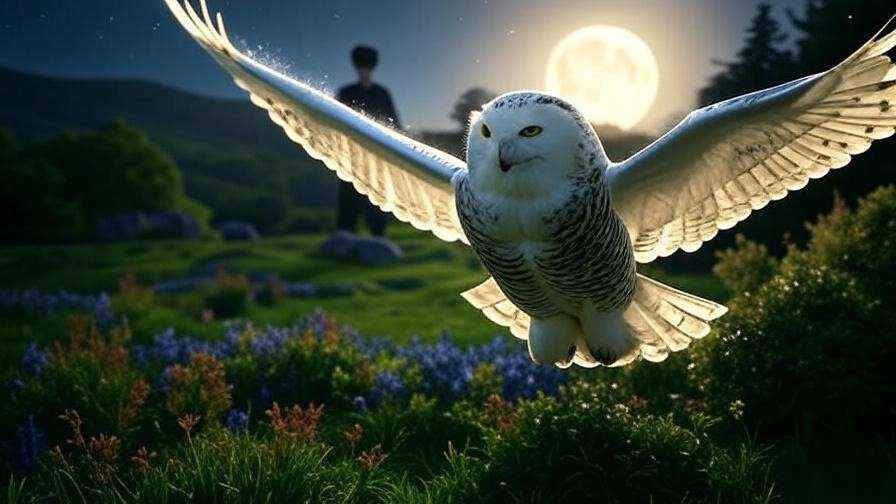
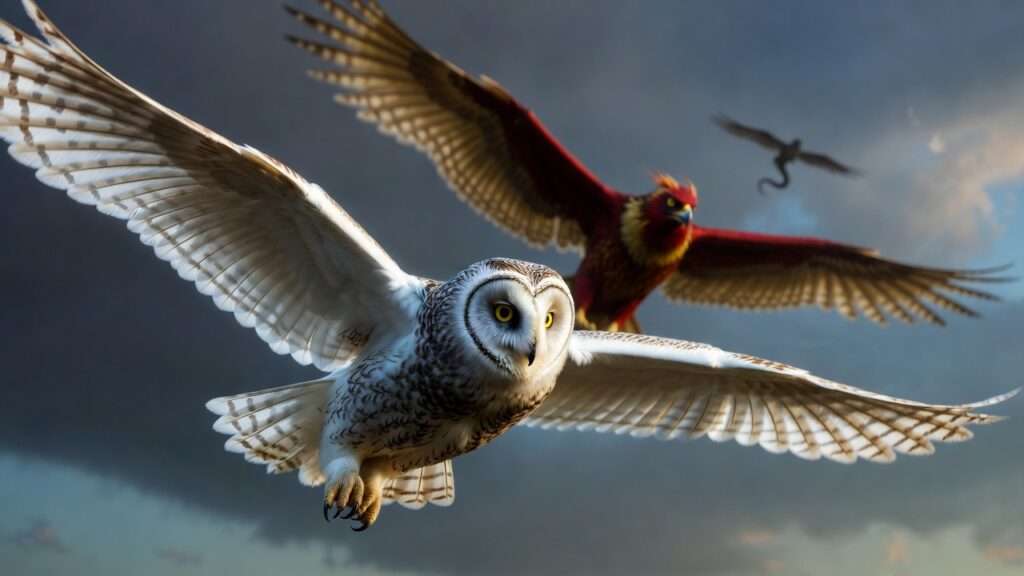
Imagine receiving your very first letter from the wizarding world—not delivered by postman or email, but by a majestic snowy owl gliding silently through the night sky. That owl, Hedwig, became Harry Potter’s steadfast companion, a symbol of unwavering loyalty in a world full of uncertainty. Then picture a burst of flames in Dumbledore’s office, where a phoenix named Fawkes dies only to rise anew from its ashes, embodying hope, healing, and eternal rebirth. These aren’t just magical creatures; they are the heartbeats of J.K. Rowling’s wizarding world.
The Harry Potter bird has captured fans’ imaginations for decades. From everyday owls ferrying messages across continents to mythical phoenixes rising from flames, birds bridge the mundane and the extraordinary in the series. Owls represent wisdom and connection between worlds, while phoenixes stand for resilience amid darkness. This comprehensive guide explores the most iconic Harry Potter birds, diving deeper into their roles, real-world inspirations, symbolism, and lasting impact. Whether you’re revisiting the books, analyzing lore, or simply wondering why these feathered friends feel so real, this guide offers more insight than typical summaries—drawing from canon details in the seven Harry Potter books, Fantastic Beasts, Harry Potter and the Cursed Child, Wizarding World sources, and Rowling’s own insights.
As a dedicated Potter scholar who’s pored over every page, interview, and extended universe material, I’ll share accurate, in-depth analysis to help fans appreciate these creatures fully. Let’s soar into the skies of the wizarding world.
The Role of Birds in the Wizarding World
Birds aren’t mere background elements in Harry Potter—they’re essential to daily life and profound themes. Owls dominate as postal carriers, a clever twist on traditional associations with magic and wisdom. J.K. Rowling has explained that owls feel “easily the coolest” for this role, tying into superstitions where seeing an owl by daylight signals luck (as in the opening of Philosopher’s Stone). In the wizarding world, owls like Hedwig deliver everything from Hogwarts acceptance letters to Howlers, effortlessly navigating Muggle and magical realms.
Beyond owls, magical avians add layers of wonder. Phoenixes like Fawkes embody immortality and loyalty, arriving to aid those who show true devotion. Other birds, such as the Augurey or Occamy, introduce diversity—some foretell weather, others shift sizes dramatically. Spells like Avis conjure bird flocks for offense or distraction, showing birds as extensions of magic itself.
Symbolically, birds represent freedom, foresight, and transformation. Owls symbolize wisdom and loyalty in everyday wizarding life, while phoenixes highlight rebirth and hope—core themes in Harry’s journey from orphan to hero. Patronus forms and Animagi often take avian shapes (e.g., McGonagall’s cat, but birds appear too), underscoring their connection to the soul.
This avian presence solves a narrative need: how to communicate across distances without modern tech, while weaving in mythology for emotional depth.
Hedwig – The Most Beloved Harry Potter Bird
Hedwig stands as the quintessential Harry Potter bird for millions of readers. Gifted to Harry by Hagrid on his 11th birthday at Eeylops Owl Emporium, this snowy owl quickly became his first true friend in the magical world.
Hedwig’s Origin and Personality
Named after Saint Hedwig (a nod to protection and nobility), she displays fierce intelligence and loyalty. She hoots indignantly when ignored, nips at fingers for attention, and even travels to France unprompted to fetch gifts. Key moments define her: delivering urgent messages during danger, comforting Harry in isolation at Privet Drive, and her heartbreaking sacrifice during the Battle of the Seven Potters in Deathly Hallows. Shot by a Death Eater, she dies in Harry’s arms—a poignant loss that underscores the war’s cost.
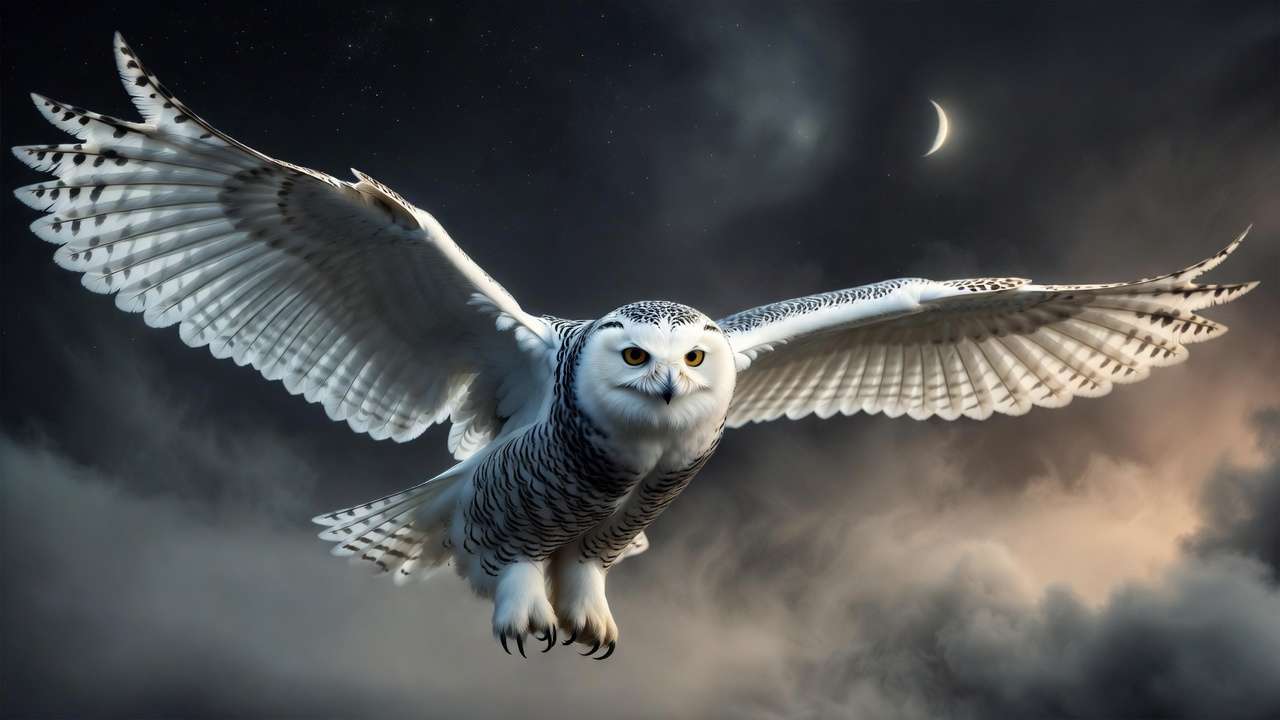 Real-World Inspiration – The Snowy Owl
Hedwig draws from the snowy owl (Bubo scandiacus), an Arctic species known for diurnal habits (active day and night) and striking white plumage. Females have dark barring, while males are nearly pure white—explaining why films used males (like Gizmo, Kasper, Swoops, and others) for easier handling and brighter appearance. Snowy owls hunt lemmings and voles, weigh up to 4-5 pounds with powerful talons, and thrive in cold climates. Post-Harry Potter, interest surged, but Rowling warned against keeping them as pets: real owls aren’t domesticated like in the books and suffer in captivity.
Cultural Impact and Legacy
Hedwig’s death devastated fans, symbolizing lost innocence. She sparked owl mania but also education—Rowling emphasized magical owls differ from real ones. Today, she inspires fan art, Patronus quizzes, and memorials, reminding us of loyalty’s power.
Fawkes – The Phoenix of Rebirth and Healing
No creature in the Harry Potter series better embodies the themes of hope, sacrifice, and renewal than Fawkes the phoenix. Dumbledore’s loyal companion appears at critical moments, offering healing, protection, and a dramatic flair that few other magical beings can match.
Fawkes’ Appearance and Abilities
Described as a magnificent scarlet bird the size of a swan, with golden tail feathers as long as a peacock’s and brilliant golden talons, Fawkes radiates otherworldly beauty. His most famous ability is spontaneous combustion: when his time comes, he bursts into flames and is reborn from the ashes as a tiny, wrinkled chick that quickly regrows into full splendor. This cycle symbolizes eternal life and resilience.
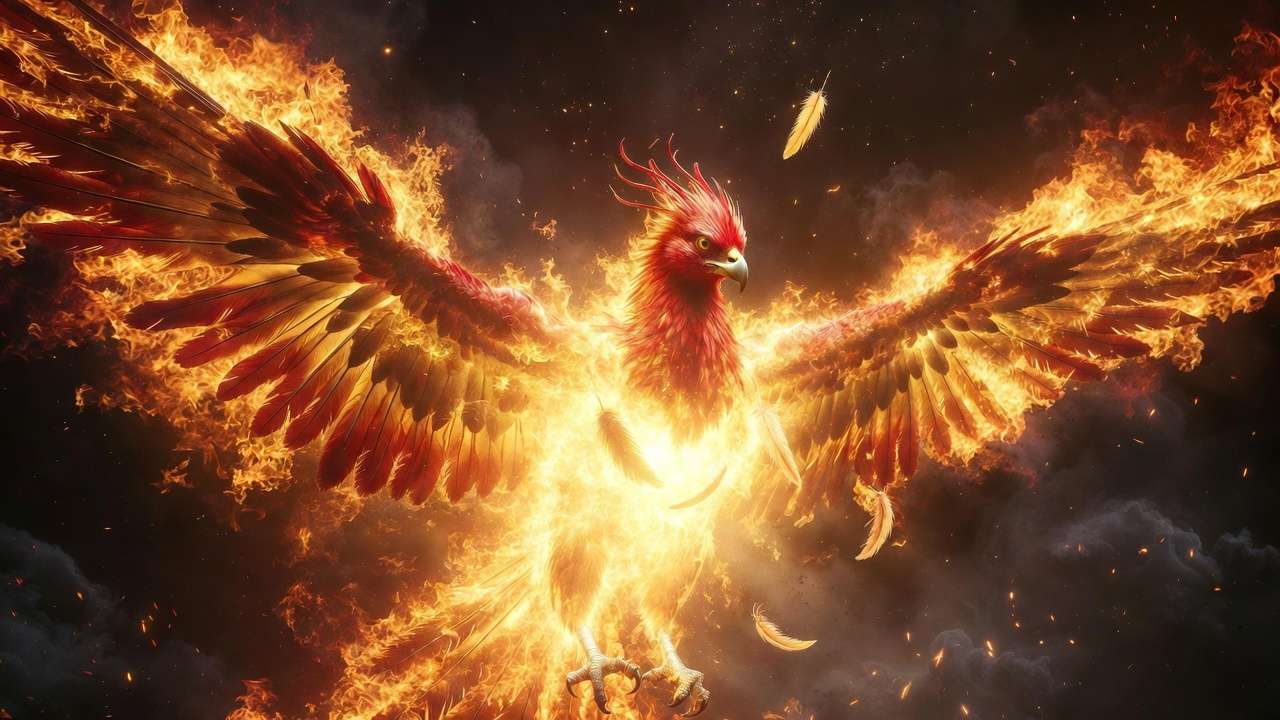 Fawkes possesses several extraordinary powers:
- Healing tears that can mend even the most grievous wounds (most memorably curing Harry of Basilisk venom in Chamber of Secrets).
- The ability to carry immense weight—he lifts both Harry and Fawkes himself out of the Chamber.
- A song so beautiful it inspires courage and hope, described as lifting the spirits of those who hear it.
- Loyalty that transcends ordinary bonds—he chooses to serve only those worthy of his devotion.
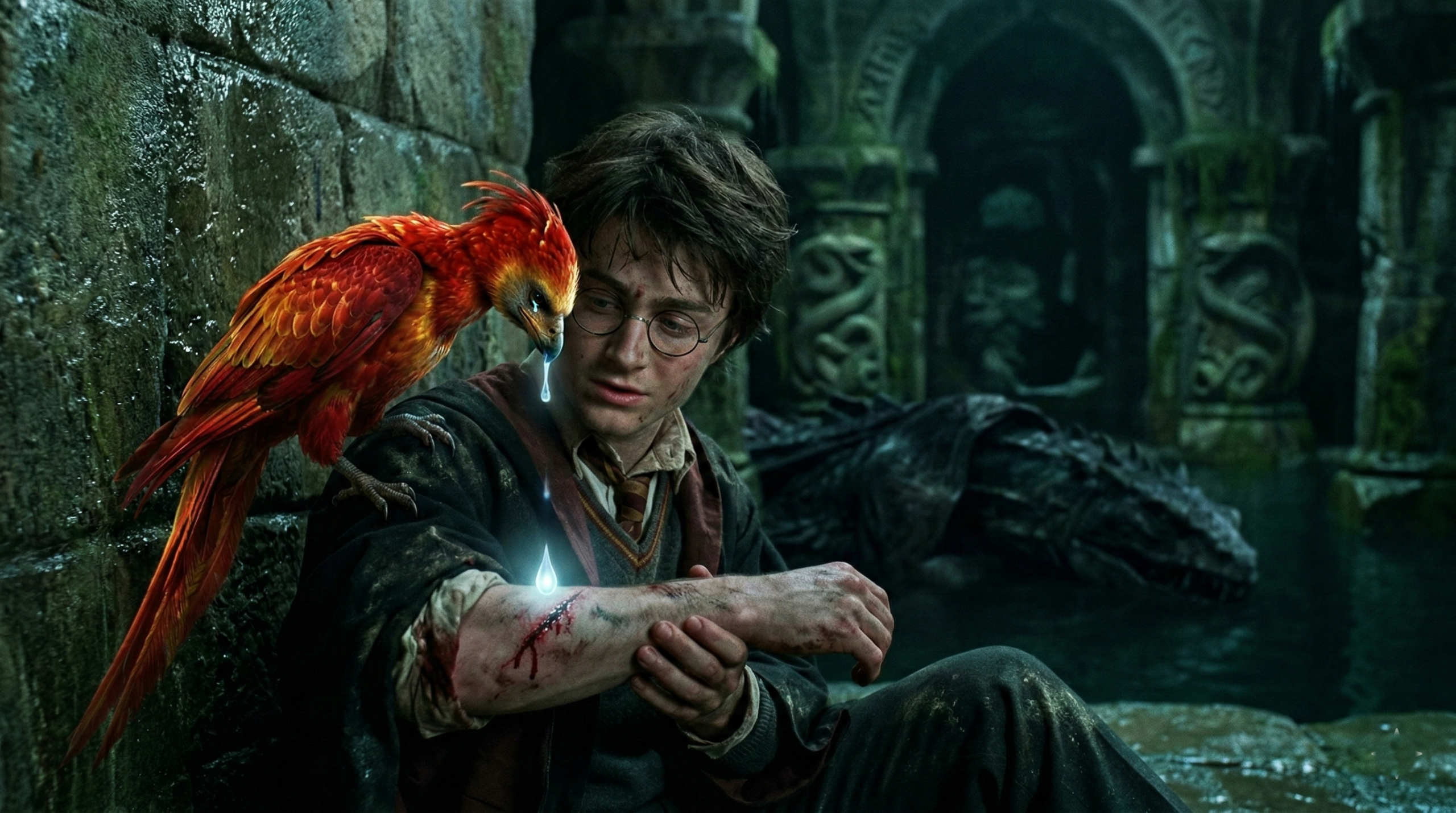 Key scenes showcase his heroism: arriving in the Chamber to blind the Basilisk with his beak, providing the sword of Gryffindor from the Sorting Hat, and later singing during Dumbledore’s funeral in Half-Blood Prince, a mournful yet uplifting melody that brings comfort to the grieving school.
The Phoenix in Myth and Magic
The phoenix draws heavily from real-world mythology, particularly Greek, Egyptian, and Chinese traditions. In Greek lore, the phoenix lives for 500 years before immolating itself and rising renewed. Egyptian mythology links it to the bennu bird, a symbol of the sun god Ra and rebirth. Rowling adapts these elements masterfully, adding unique wizarding twists: phoenix tears as one of the few substances capable of counteracting Basilisk venom, and the bird’s selective loyalty (phoenixes bond deeply but only with those of pure heart).
In the wizarding world, phoenixes are among the rarest and most powerful magical creatures. They are independent, choosing their allegiance freely—unlike house-elves or other bound beings. Dumbledore’s long companionship with Fawkes (over 59 years by the time of the series) speaks volumes about his character.
Symbolism of Hope and Immortality
Fawkes represents the ultimate triumph over death and despair. In a story filled with loss—Harry’s parents, Sirius, Dumbledore himself—the phoenix reminds readers that endings can lead to new beginnings. His rebirth parallels Harry’s own journey from survivor to leader, and his tears heal not just physical wounds but also emotional ones, reinforcing the series’ message that love and loyalty endure beyond tragedy.
Fawkes’ presence in Dumbledore’s office during Harry’s darkest hours underscores the headmaster’s belief in second chances. When Fawkes disappears after Dumbledore’s death, it feels like the loss of a living emblem of hope—yet the implication remains that phoenixes continue their cycles elsewhere, forever resilient.
Other Notable Magical Birds in Harry Potter
While Hedwig and Fawkes steal the spotlight, the wizarding world teems with other fascinating avian creatures that enrich the lore and demonstrate Rowling’s inventive world-building.
The Augurey (Irish Phoenix)
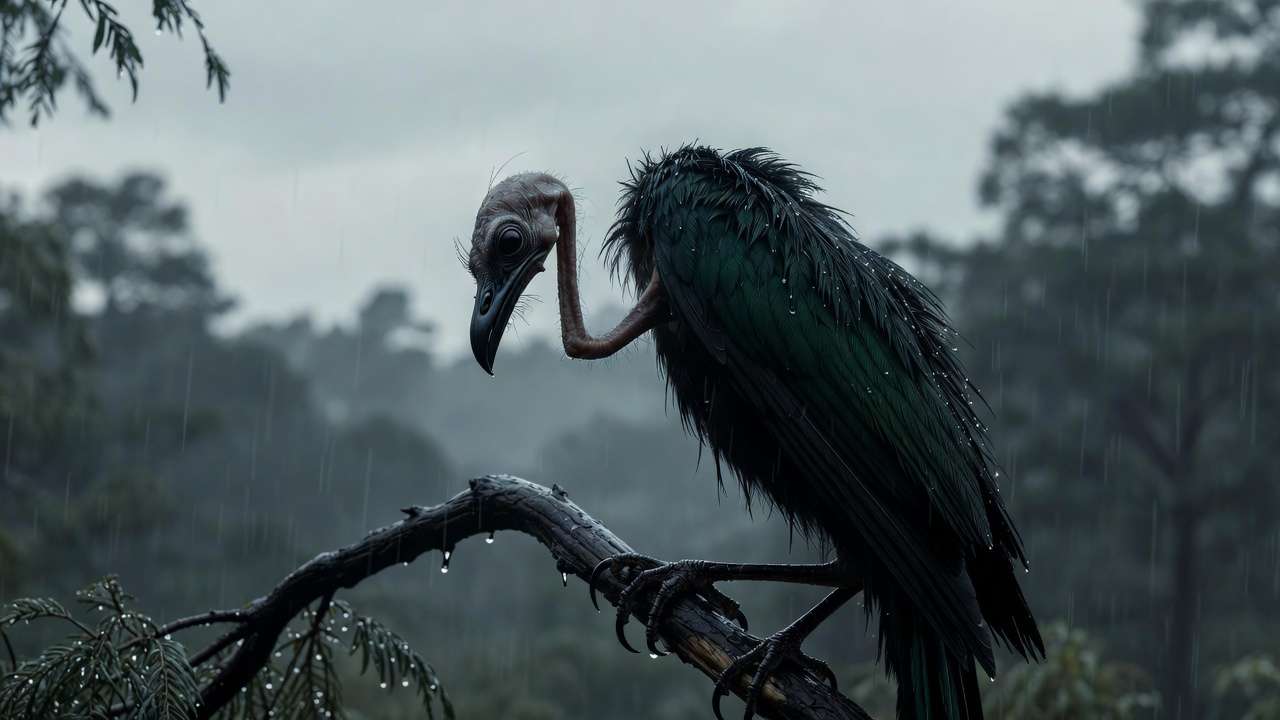
Often called the “Irish phoenix,” the Augurey is a thin, mournful-looking bird with greenish-black feathers and a featherless head. Its cry—a low, keening sound—was long believed to foretell death, causing wizards to fear it as an omen. However, Fantastic Beasts and Where to Find Them (the in-universe textbook) corrects this misconception: the Augurey actually predicts rain, not doom. Its feathers are waterproof and repel ink, making them ideal for quills that never smudge.
In Harry Potter and the Cursed Child, an Augurey plays a symbolic role in the alternate timeline, further cementing its association with melancholy and misunderstood omens. The bird’s gloomy demeanor contrasts beautifully with the phoenix’s vibrancy, highlighting how even “lesser” magical creatures carry deep emotional weight.
 The Occamy
Introduced in Fantastic Beasts and Where to Find Them (both book and film), the Occamy is a winged serpentine creature capable of choranaptyxis—the magical ability to shrink or expand to fill available space. It hatches from silver eggs, has a serpentine body covered in iridescent feathers, and a bird-like beak and wings. Extremely rare and valuable (its eggshells are used in potion-making), the Occamy embodies adaptability and the unexpected.
Its appearance in Newt Scamander’s suitcase adds whimsy and danger to the 1920s wizarding world, showing that magical birds can be as diverse as dragons or unicorns.
Honorable Mentions
- Diricawl: The magical equivalent of the dodo, this plump, flightless bird can vanish in a puff of feathers when threatened (actually apparating away). Muggles mistook its disappearances for extinction.
- Thunderbird: A massive, eagle-like bird native to Arizona, capable of creating thunderstorms with wingbeats. Featured prominently in Fantastic Beasts, it represents raw elemental power.
- Everyday owls: From the Weasleys’ exhausted family owl Errol to the hyperactive Pigwidgeon (given to Ron by Sirius), these non-magical but wizard-trained birds ground the series in relatable magic.
- Conjured and spell-related birds: Flocks summoned by Avis or attacked via Oppugno demonstrate birds as tools of wizarding combat.
- Buckbeak the Hippogriff: Though half-eagle, half-horse, his avian features tie him thematically to the “Harry Potter bird” discussion—proud, majestic, and fiercely loyal once respect is earned.
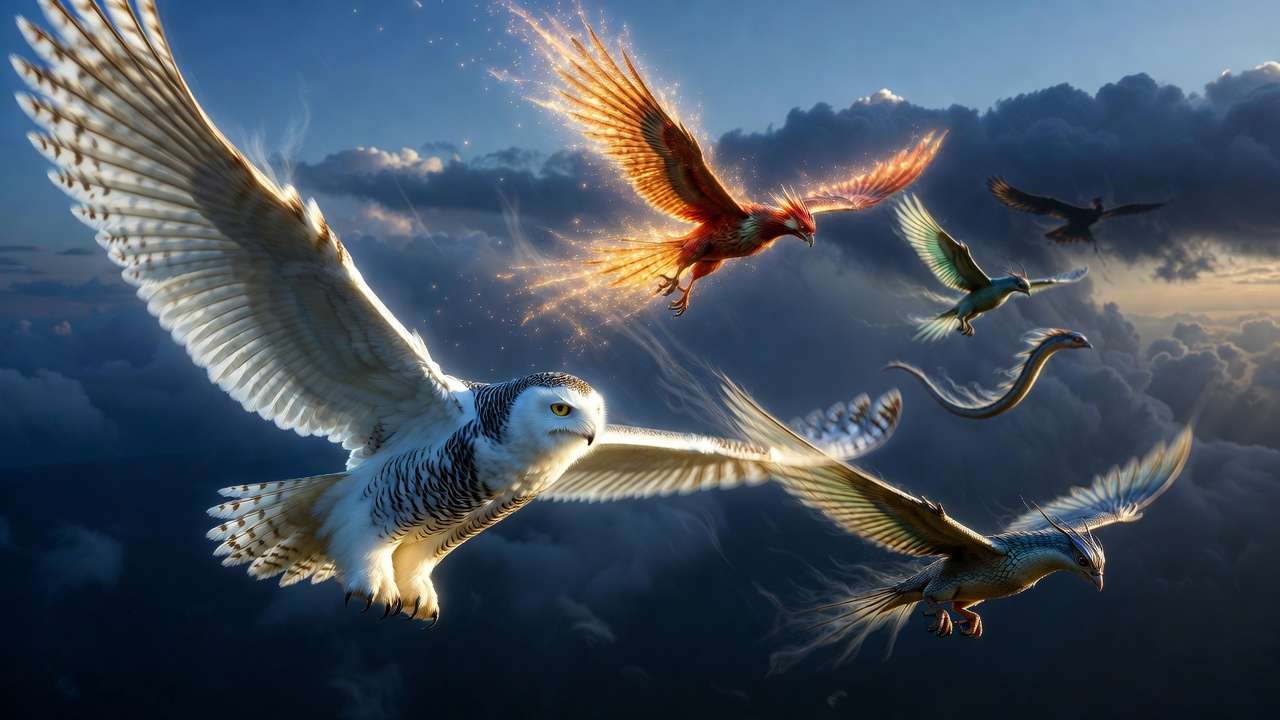 These creatures expand the avian tapestry, showing that birds in the wizarding world range from loyal companions to misunderstood prophets to elemental forces.
Comparing the Iconic Harry Potter Birds
To fully appreciate the diversity of Harry Potter birds, it helps to compare the three most prominent ones side by side: Hedwig (the loyal everyday companion), Fawkes (the mythical healer), and the Augurey (the misunderstood omen-bearer). Each occupies a distinct niche in the wizarding ecosystem and carries unique symbolic weight.
| Aspect | Hedwig (Snowy Owl) | Fawkes (Phoenix) | Augurey (Irish Phoenix) |
|---|---|---|---|
| Type | Non-magical bird (wizard-trained) | Highly magical creature | Magical creature |
| Appearance | Pure white (males), barred females, piercing yellow eyes | Scarlet feathers, golden tail, swan-sized | Thin, greenish-black, featherless head, mournful look |
| Primary Role | Postal messenger, personal companion | Healer, protector, symbol of loyalty | Weather predictor (rain), quill material |
| Key Abilities | Exceptional navigation, intelligence, loyalty | Rebirth from ashes, healing tears, inspiring song, immense strength | Waterproof feathers, ink-repelling, keening cry |
| Symbolism | Loyalty, friendship, innocence lost | Hope, resurrection, immortality, resilience | Melancholy, misunderstood omens, quiet endurance |
| Fate in Series | Dies heroically protecting Harry | Disappears after Dumbledore’s death | Continues in background lore (Cursed Child) |
| Emotional Impact | Deep personal bond; fans’ heartbreak at her death | Uplifting presence in darkest moments | Subtle, atmospheric sadness |
| Rarity | Common in wizarding world (but snowy owls rare) | Extremely rare | Rare |
Hedwig wins for relatability—she feels like a real pet with personality quirks and unconditional devotion. Fawkes triumphs in mythic grandeur, offering literal and figurative salvation when all seems lost. The Augurey, though less central, adds nuance: not every magical creature is heroic or beautiful; some are quietly useful and unfairly maligned.
If forced to choose the “best” Harry Potter bird companion, it depends on need: Hedwig for everyday friendship and reliability, Fawkes for miraculous intervention, and the Augurey for poetic atmosphere. Most fans, however, agree that no bird quite matches Hedwig’s place in their hearts.
Behind-the-Scenes and Fun Facts
The portrayal of birds in the Harry Potter films involved impressive practical and digital work.
- Hedwig’s many actors: Seven snowy owls played Hedwig across the films. Gizmo was the primary owl for the first three movies, known for her calm demeanor. Others included Kasper, Swoops, Oh Oh, Bandit, and two unnamed females. Trainers used food rewards and positive reinforcement; the owls were never harmed.
- Phoenix effects: Fawkes was almost entirely CGI in the films, with animatronic puppets for close-ups (especially the blinding of the Basilisk). The rebirth sequence combined practical fire effects with digital enhancement.
- Rowling’s inspiration: She has said owls “felt easily the coolest” choice for mail delivery, drawing on their historical association with wisdom (Athena’s owl) and mystery. She deliberately avoided pigeons or other mundane birds to heighten the magic.
- Real-world consequences: After the books and films, demand for snowy owls as pets spiked in some countries, prompting wildlife organizations and Rowling herself to warn that real owls are not suitable pets—they are wild predators requiring specialized care.
- Fantastic Beasts additions: The Occamy and Thunderbird were created entirely in CGI, with the Occamy’s size-shifting requiring complex animation to sell believably.
These details remind us how much craftsmanship went into making these birds feel alive on screen.
Why These Harry Potter Birds Still Captivate Fans Today
More than twenty years after the final book, Harry Potter birds continue to resonate. Hedwig represents the bittersweet ache of childhood friendships ending too soon. Fawkes offers comfort in an uncertain world—proof that even after devastating loss, something beautiful can rise again. The Augurey and others remind us that magic exists in quiet, overlooked places too.
In modern fandom, these creatures inspire:
- Fan fiction exploring alternate endings for Hedwig or Fawkes’ post-Dumbledore life
- Patronus quizzes where fans hope for a phoenix or snowy owl form
- Bird-themed cosplay, jewelry, and artwork
- Conservation awareness—many Potter fans now support owl and raptor rehabilitation centers
They tap into universal emotions: loyalty, hope, and the quiet wonder of the natural world blended with magic.
Frequently Asked Questions
What kind of bird is Hedwig in Harry Potter? Hedwig is a snowy owl (Bubo scandiacus), one of the few diurnal owl species. In the books she’s described as female, though the films used male snowy owls (which are whiter) for practical reasons.
Is Fawkes a real phoenix or just fictional? Fawkes is fictional but heavily inspired by phoenix myths found in Greek, Egyptian, Persian, and other cultures. Rowling added original traits like selective loyalty and healing tears to fit the wizarding world.
What does the Augurey’s cry mean? Contrary to old wizarding superstition, the Augurey’s keening cry predicts rain, not death. This was a deliberate correction in Fantastic Beasts and Where to Find Them.
Are there many other Harry Potter birds besides owls and phoenixes? Yes! The series and extended universe feature the Occamy, Thunderbird, Diricawl, Jobberknoll, and more. Everyday owls (Errol, Pigwidgeon) and spell-conjured birds also appear frequently.
Why are owls used for mail delivery in Harry Potter? J.K. Rowling chose owls because of their traditional links to wisdom, mystery, and nighttime magic. They feel naturally “cool” and magical compared to mundane alternatives like pigeons.
From Hedwig’s silent flights across moonlit skies to Fawkes’ fiery rebirth and the Augurey’s soft, rain-heralding cry, birds enrich the Harry Potter universe in ways both practical and profoundly symbolic. They carry messages, heal wounds, predict storms, and—most importantly—remind us that loyalty, resilience, and hope can take wing even in the darkest times.
Whether you’re rereading the series for the hundredth time, introducing it to a new generation, or simply reflecting on your own Patronus possibilities, take a moment to appreciate these feathered wonders. They’re more than magical creatures—they’re emblems of what makes the wizarding world (and our own) feel a little more extraordinary.
Which Harry Potter bird holds the most special place for you? Share in the comments below, or dive deeper into Wizarding World’s official creature compendium for even more lore.