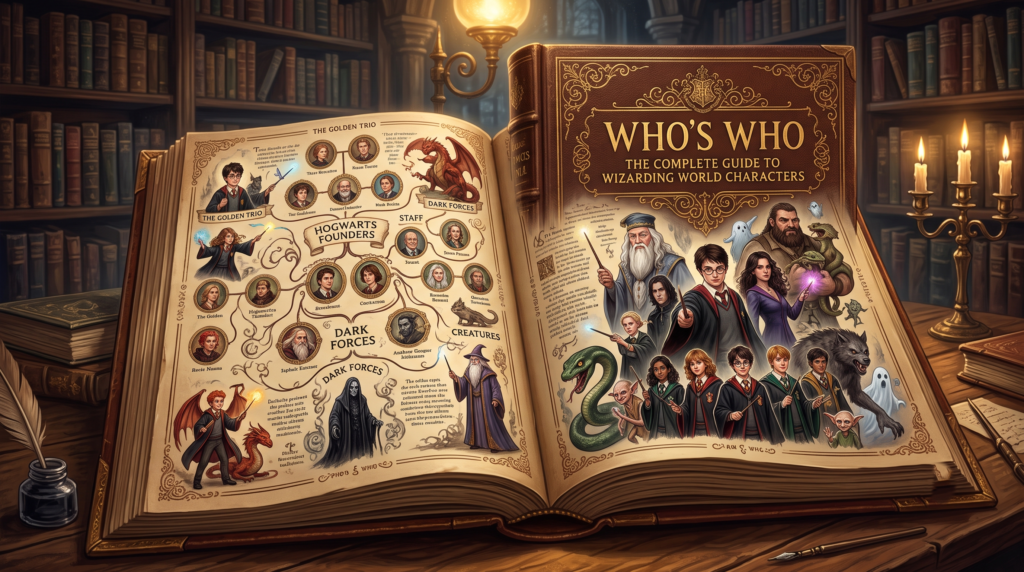
With eight blockbuster movies, seven core books, and an ever-expanding magical universe, it is incredibly easy to lose track of every face, name, and allegiance in the Wizarding World. Do you remember if Susan Bones was a Hufflepuff or a Ravenclaw? Can you picture exactly what a young Gellert Grindelwald looked like before his rise to power? Whether you are rereading the beloved series, preparing for an intense trivia night, or just feeling nostalgic, this complete guide to Harry Potter characters with images in mind is your pocket Sneakoscope for identifying everyone.
This comprehensive visual directory is designed to solve the ultimate fan problem: putting a definitive face to every magical name. We have organized the wizarding community logically by their houses, allegiances, and species. Skip the endless wiki searches—your ultimate glossary of witches, wizards, and magical beasts starts right here.
The Golden Trio & Core Companions
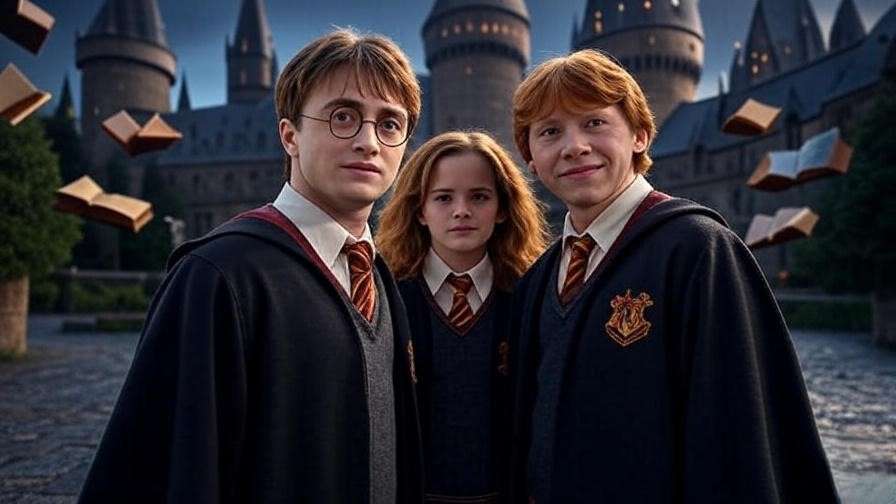
The heart of the Harry Potter saga revolves around three Gryffindor students who repeatedly risk their lives to save the wizarding world. Their visual evolution from wide-eyed eleven-year-olds to battle-hardened young adults is one of the most iconic transformations in cinematic history.
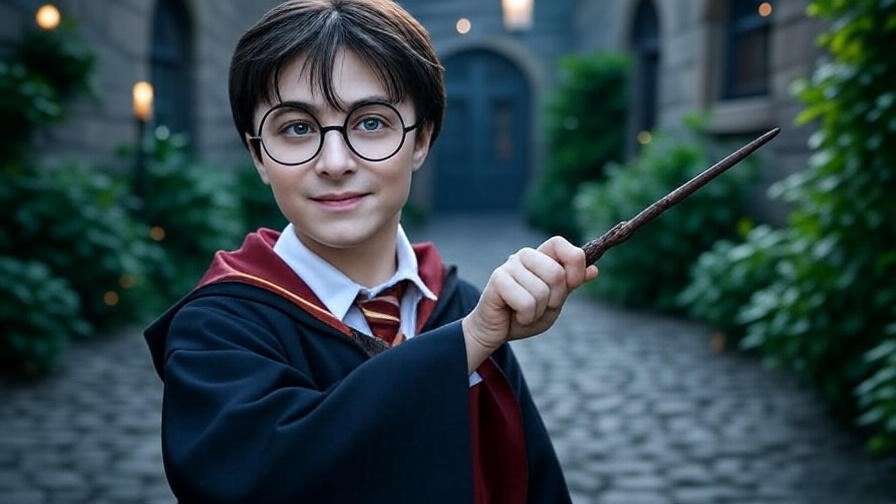
Harry Potter
-
Hogwarts House: Gryffindor
-
Wand: 11″, Holly, Phoenix feather core
-
Patronus: Stag
-
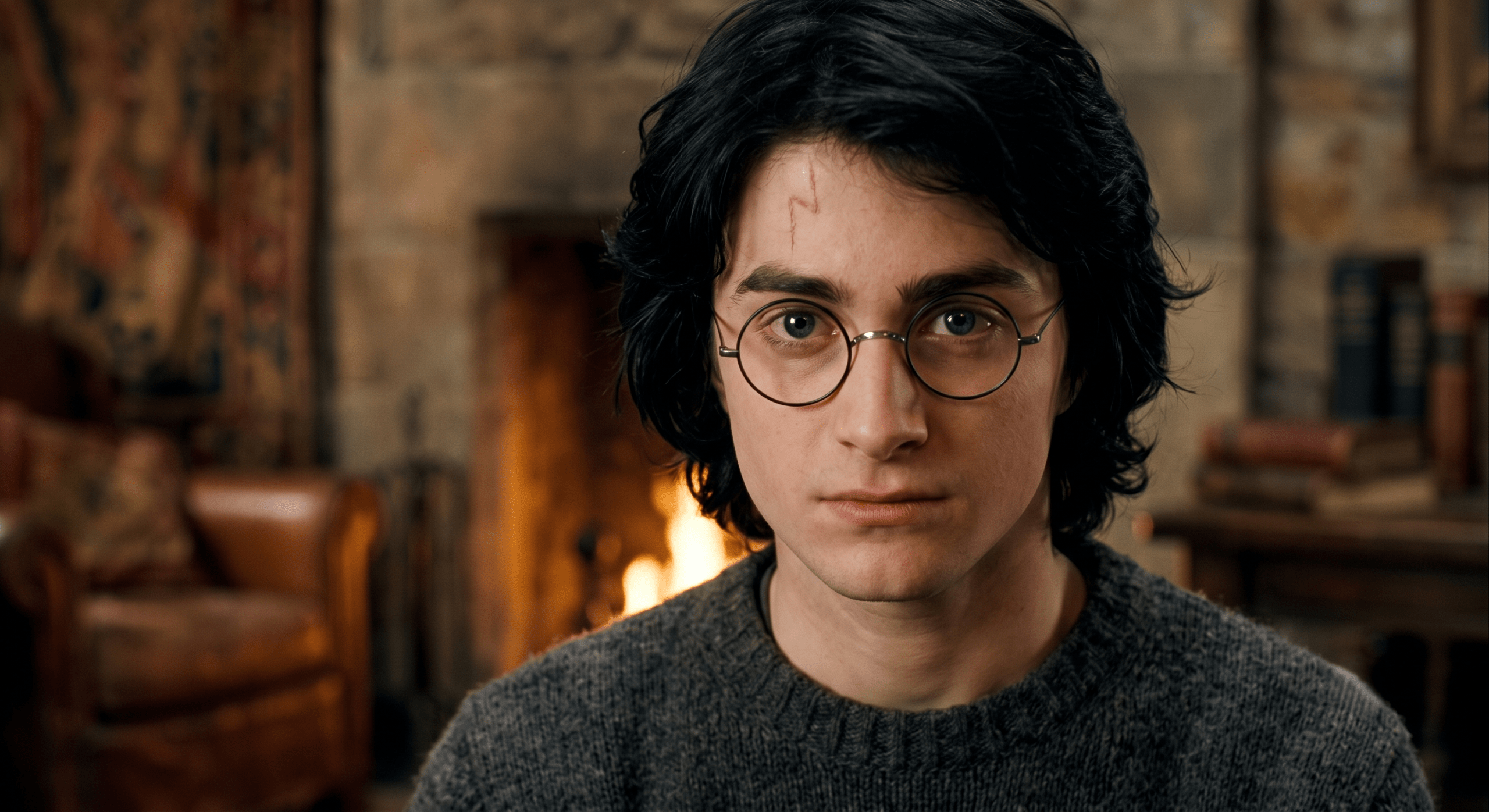
Visual Identity: The Boy Who Lived is instantly recognizable by his messy jet-black hair, round wire-rimmed glasses, and the lightning-bolt scar on his forehead.
-
Expert Insight: While Daniel Radcliffe captured the essence of Harry perfectly on screen, true book purists know that literary Harry had bright green eyes (like his mother, Lily) and hair that persistently defied a comb. Radcliffe’s blue eyes and relatively tame hair in later films became the de facto visual for a generation of fans.
 Hermione Granger
-
Hogwarts House: Gryffindor
-
Wand: 10¾”, Vine wood, Dragon heartstring core
-
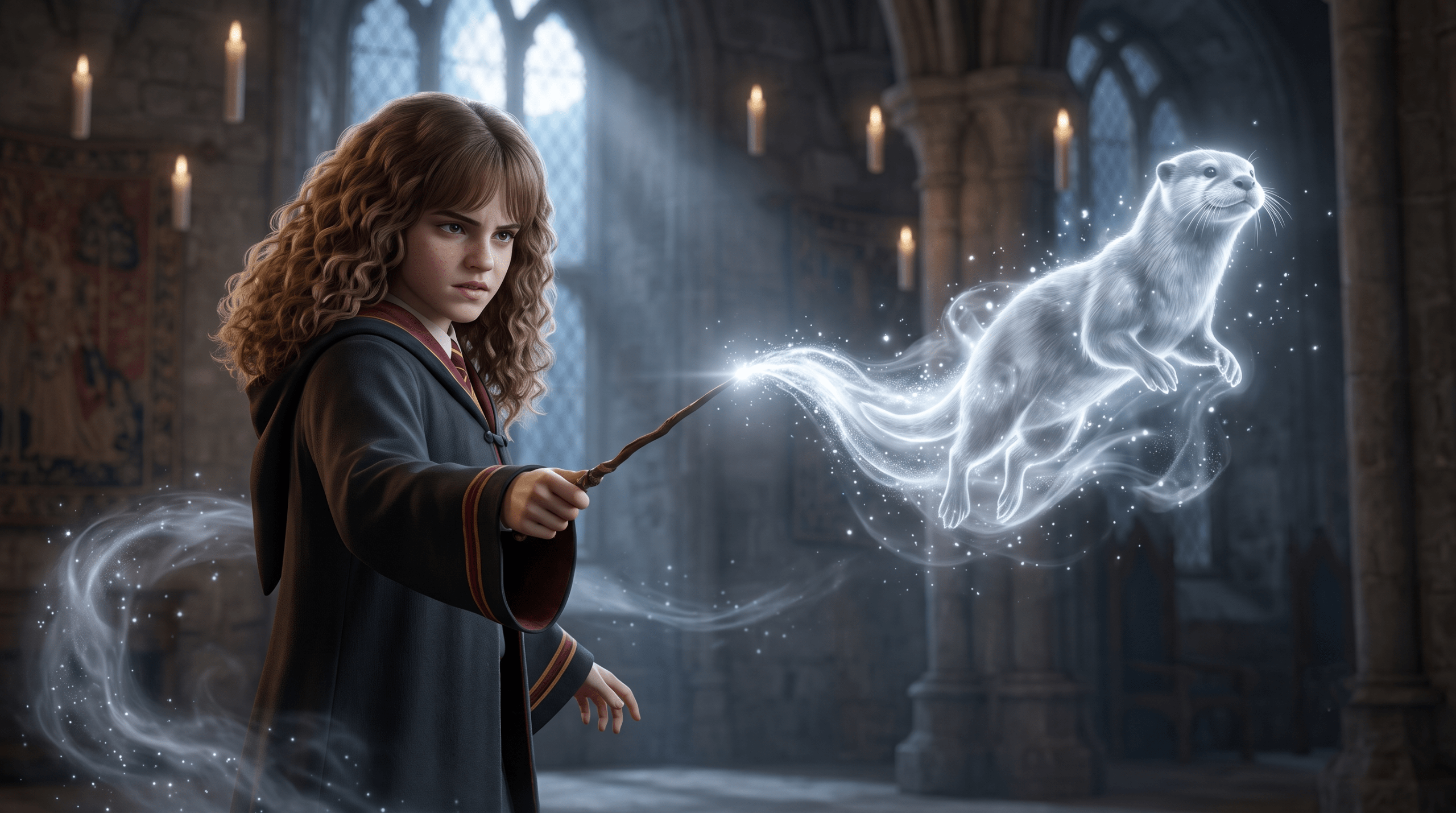
Patronus: Otter
-
Visual Identity: Described initially with “bushy brown hair and rather large front teeth,” Hermione’s visual progression mirrors her growing confidence.
-
Expert Insight: Emma Watson’s portrayal brought a slightly more polished look to the “brightest witch of her age.” In the lore, Hermione famously shrinks her own front teeth in Harry Potter and the Goblet of Fire after a hex from Draco Malfoy, aligning her closer to her cinematic appearance from the fourth film onward.
 Ron Weasley
-
Hogwarts House: Gryffindor
-
Wand: 14″, Willow, Unicorn hair core (his second wand)
-
Patronus: Jack Russell Terrier
-
Visual Identity: Tall, gangly, and covered in freckles with the trademark Weasley flaming red hair.
-
Expert Insight: Rupert Grint’s expressive face provided the perfect canvas for Ron’s comedic timing and deep-seated loyalties. Ron’s visual aesthetic is often defined by his hand-me-down robes and the iconic, slightly lopsided maroon sweaters knitted by his mother, Molly.
Hogwarts Students by House
The Sorting Hat’s decisions define much of the social structure at Hogwarts School of Witchcraft and Wizardry. Categorizing students by House helps us understand their core traits, visual styling, and ultimate loyalties.
Gryffindor Courage
Known for bravery, daring, and chivalry, Gryffindors heavily favor their house colors of scarlet and gold.
-
Neville Longbottom: Starting as a round-faced, forgetful boy who constantly lost his toad, Trevor, Neville’s physical and emotional “glow-up” is legendary. Matthew Lewis’s transformation perfectly mirrored Neville’s journey from the target of bullying to the sword-wielding hero who slayed Nagini.
-
Ginny Weasley: The youngest Weasley sibling and the only girl, Ginny shares the family’s bright red hair but carries it with a fierce, athletic confidence. Her visual presence shifts from a shy, diary-clutching first-year to a formidable Chaser for the Gryffindor Quidditch team.
-
Fred & George Weasley: The identical twin pranksters. While visually identical with their tall builds and red hair, keen-eyed fans can often tell James and Oliver Phelps apart by their slightly different vocal cadences and the way they wear their Hogwarts uniforms—always a bit untucked and rebellious.
-
Seamus Finnigan & Dean Thomas: Harry’s dorm mates. Seamus is frequently seen with a soot-covered face due to his penchant for explosive pyrotechnics, while Dean is often spotted with his West Ham United football scarf, blending Muggle and magical aesthetics.
Slytherin Ambition
Cunning, resourcefulness, and ambition define this house, clad in emerald green and silver.
-
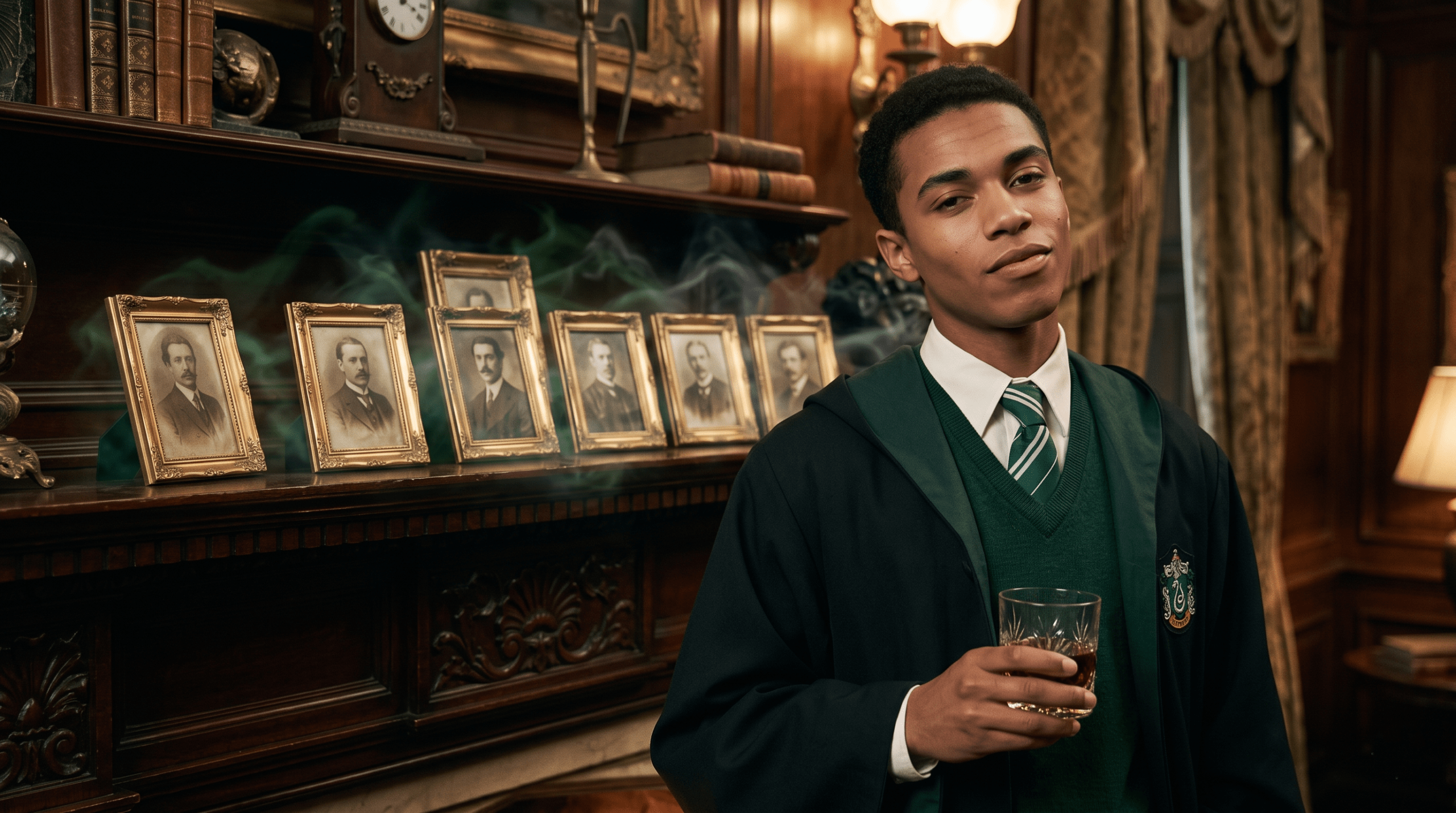
Draco Malfoy: The quintessential schoolyard bully. Tom Felton’s portrayal solidified Draco’s visual signature: slicked-back, white-blond hair, a pale pointed face, and an ever-present sneer. His look becomes noticeably disheveled and sickly in The Half-Blood Prince, reflecting the crushing weight of Voldemort’s task.
-
Pansy Parkinson & Blaise Zabini: Draco’s inner circle. Pansy is described with a “pug-faced” look in the books, often adopting a haughty demeanor. Blaise is tall, dark, and elegantly dressed, reflecting the elite, old-money status of the Sacred Twenty-Eight wizarding families.
-
Vincent Crabbe & Gregory Goyle: Large, hulking figures who serve as Draco’s bodyguards rather than intellectual equals. Their visuals are characterized by brute strength and low brows, looking perpetually ready for a physical brawl.
Ravenclaw Wit
Valuing intelligence, learning, and wisdom, Ravenclaws don blue and bronze (or silver in the films).
-
Luna Lovegood: Perhaps the most visually distinct student at Hogwarts. Evanna Lynch brought Luna to life with dirty-blonde hair, prominent silver Spectrespecs, a necklace made of Butterbeer corks, and radish earrings. Her dreamy, unfocused gaze perfectly captures her open-minded nature.

-
Cho Chang: The seeker for the Ravenclaw Quidditch team and Harry’s first crush. She is graceful and athletic, often seen in her sleek Quidditch gear or neatly pressed Ravenclaw robes, projecting an aura of popularity and quiet sorrow after the Triwizard Tournament.
-
Padma Patil: Parvati’s twin sister. In the films, she is famously seen in traditional Indian dress (a lehenga) during the Yule Ball, adding beautiful cultural diversity to the wizarding world’s fashion.
Hufflepuff Loyalty
Just, loyal, and unafraid of toil, Hufflepuffs wear yellow and black.
-
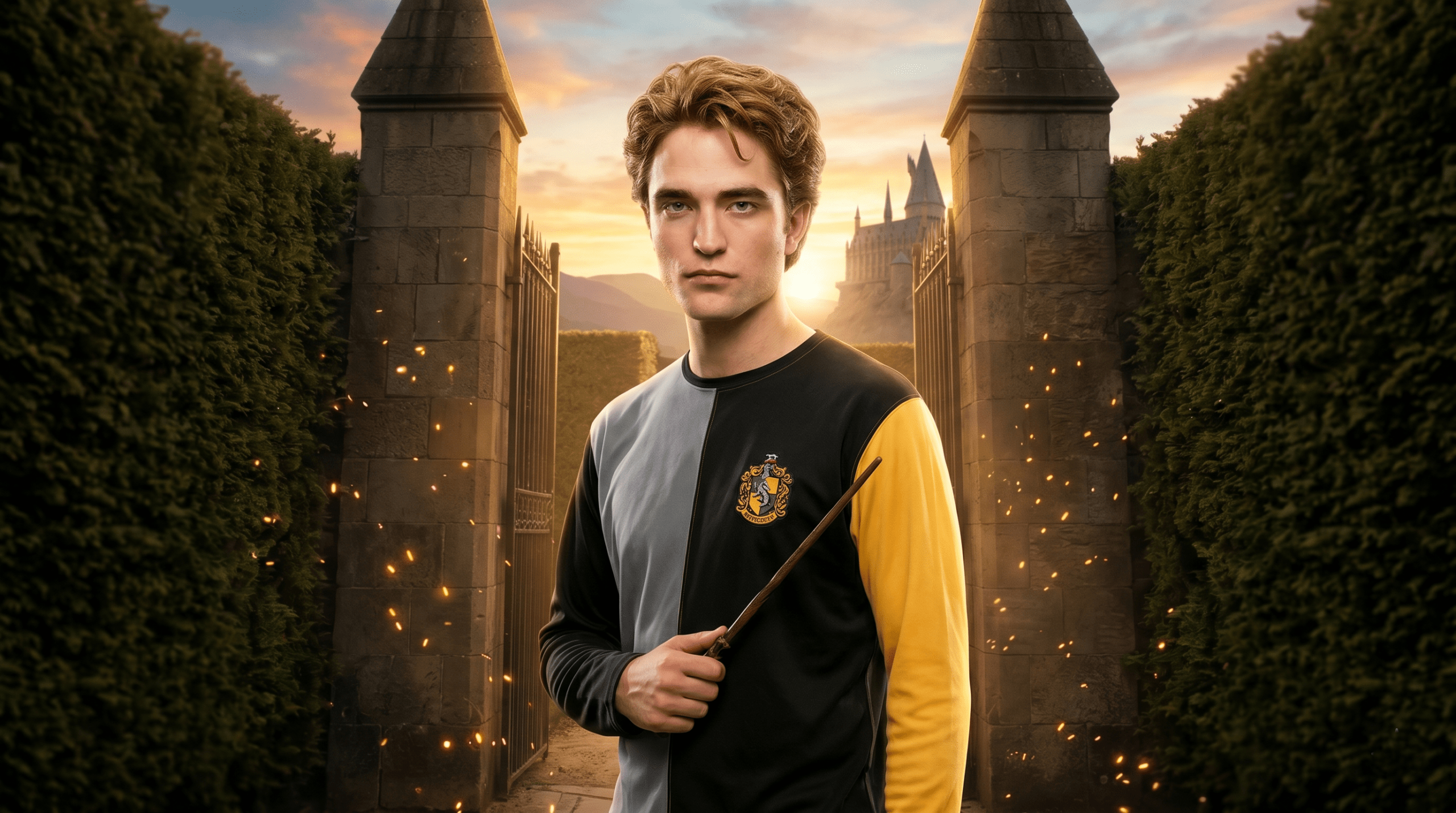
Cedric Diggory: The epitome of Hufflepuff pride. Robert Pattinson’s Cedric is strikingly handsome, athletic, and fair-minded. His visual highlight is the yellow and black Triwizard Tournament jersey, an iconic piece of wizarding sporting wear.
-
Hannah Abbott & Susan Bones: Core members of Dumbledore’s Army. They represent the everyday student at Hogwarts—often seen studying hard in the background, their visual consistency grounds the magical world in a relatable school environment.
The Hogwarts Staff & Order of the Phoenix
The adults of the Harry Potter universe carry the visual weight of history, trauma, and immense magical power. Their character designs are among the most intricate in the series.
Albus Dumbledore
The Headmaster of Hogwarts is the archetype of the wise, eccentric wizard.
-
Visual Evolution: Richard Harris portrayed Dumbledore in the first two films with a gentle, twinkling-eyed grandfatherly warmth, wearing rich, traditional robes. Michael Gambon took over in the third film, introducing a more rugged, energetic, and sometimes darker visual style, complete with tied-off silver beard sections and flowing, ethereal garments.
Minerva McGonagall
-
Visual Identity: Severe but fair, Dame Maggie Smith’s McGonagall is rarely seen without her emerald green robes, tight bun, and pointed witch’s hat. Her square spectacles mirror the markings around the eyes of her Animagus form: a silver tabby cat.
Rubeus Hagrid
-
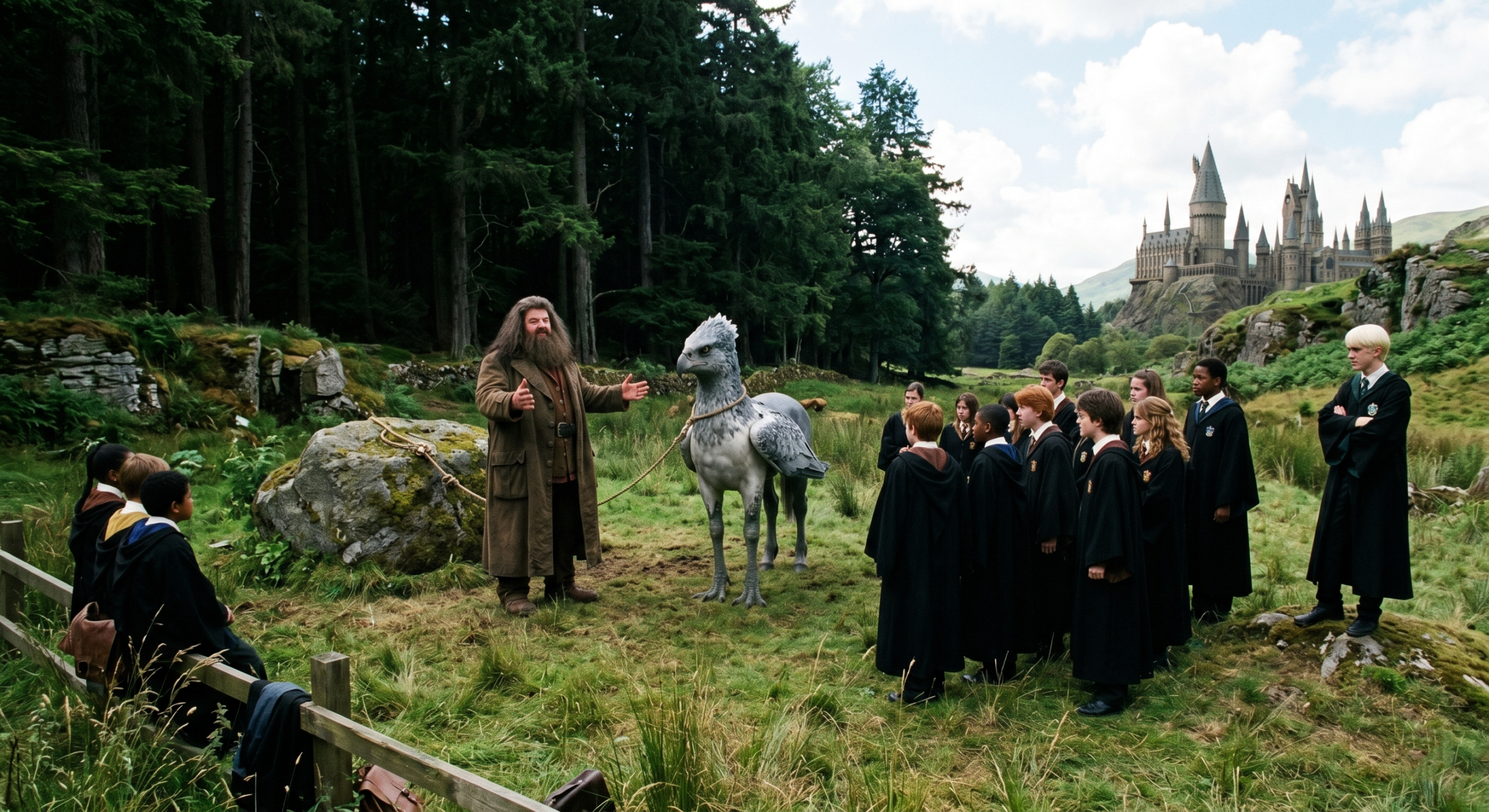
Visual Identity: The Keeper of Keys and Grounds is a half-giant. Robbie Coltrane’s visual presence was achieved through brilliant forced perspective, massive mole-skin overcoats, and a wild, tangled mane of hair and beard. He often carries his pink flowered umbrella, which secretly conceals the pieces of his snapped wand.
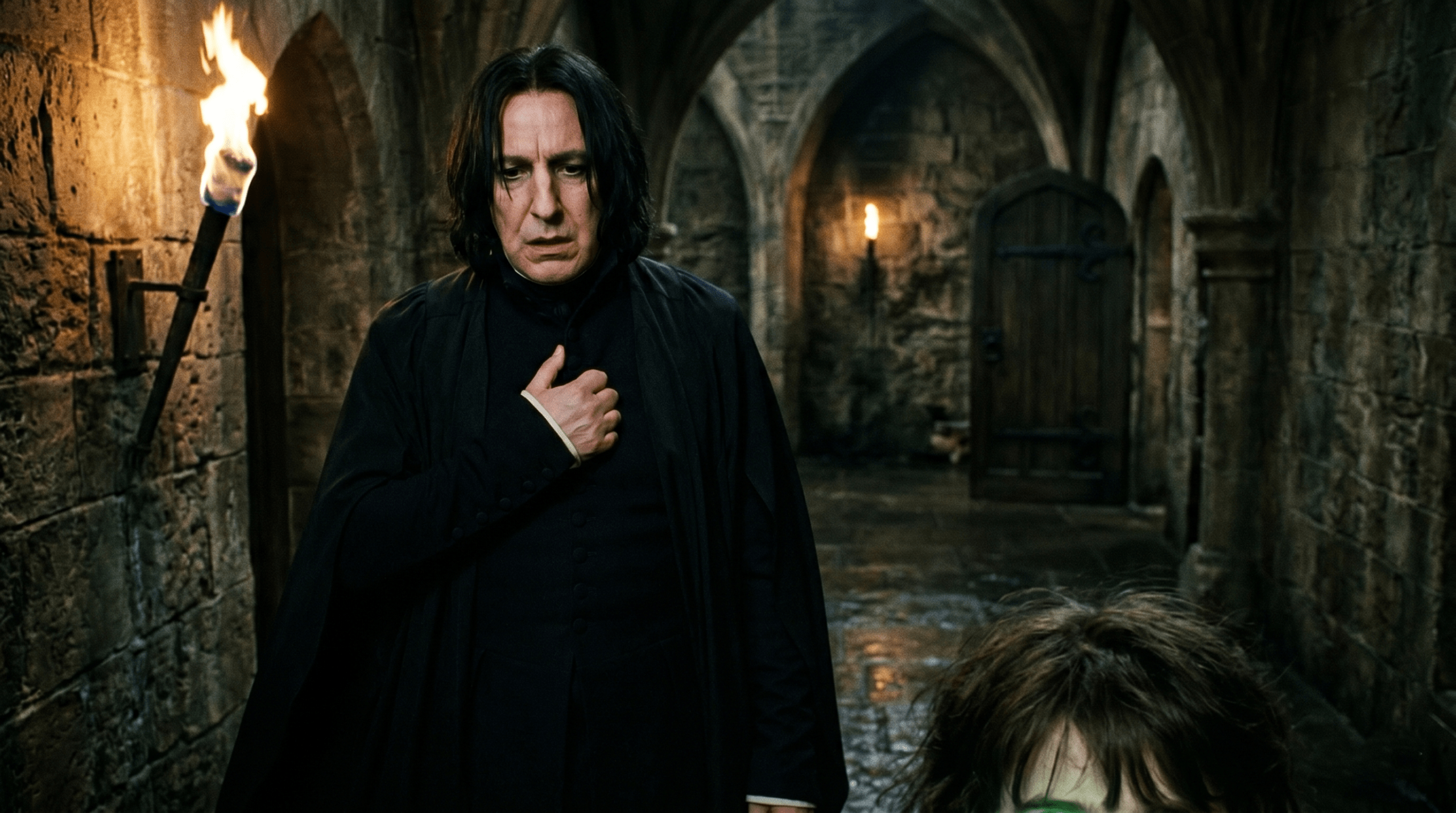
 Severus Snape
-
Visual Identity: Alan Rickman’s iconic portrayal gave us a Snape who moved like a bat. His sallow skin, hooked nose, and greasy black hair were perfectly complemented by his high-collared, entirely black robes, projecting a closed-off, imposing silhouette.
 The Marauders
-
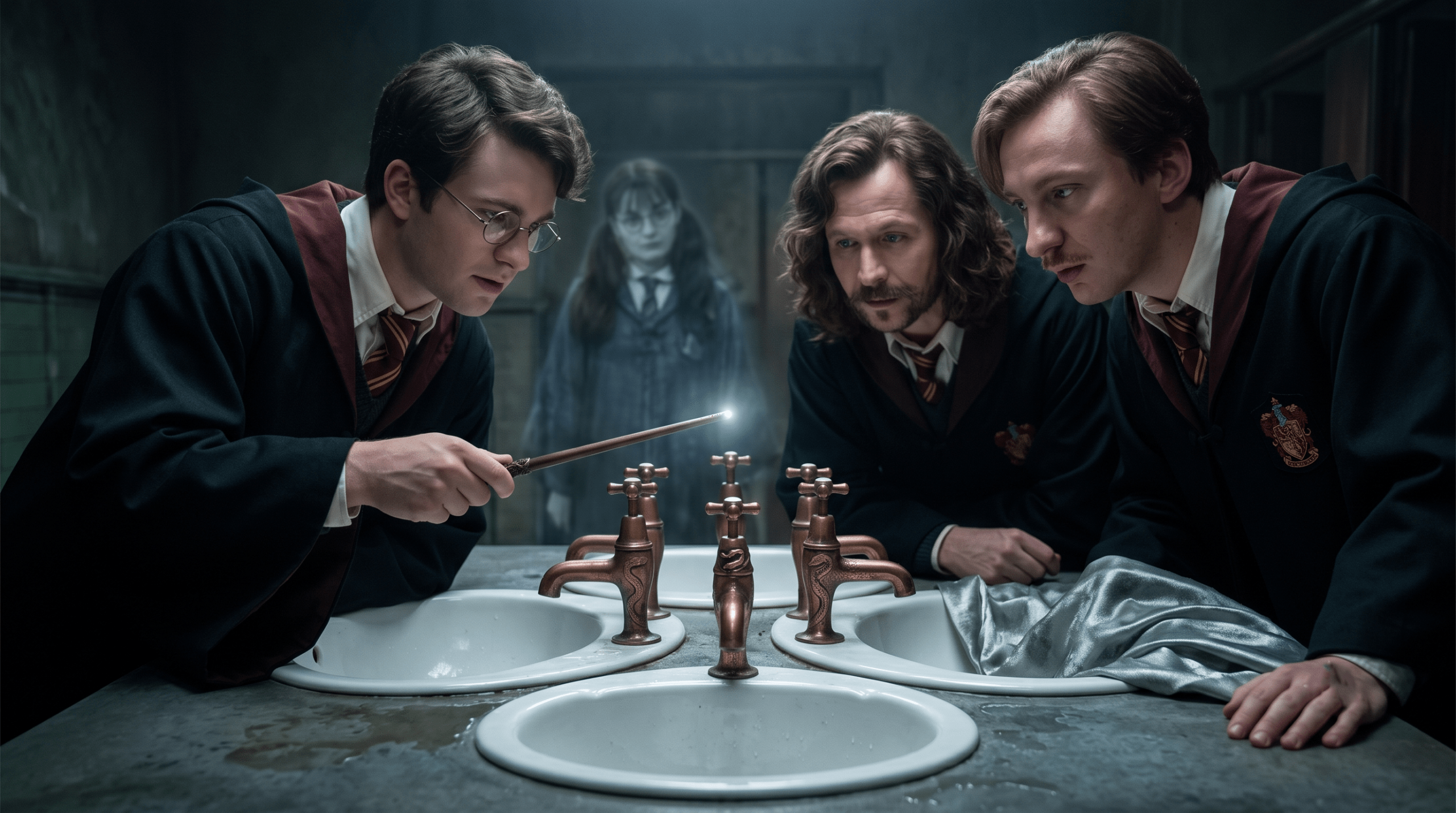
Sirius Black (Padfoot): When first seen, he is emaciated with matted hair and Azkaban prison tattoos. Later, Gary Oldman plays him with a rugged, bohemian aristocratic flair—velvet coats and unkempt elegance.
-
Remus Lupin (Moony): David Thewlis portrays Lupin with prematurely graying hair and threadbare, patched robes, perfectly illustrating the financial and physical toll of his lycanthropy (werewolf curse).
-
Peter Pettigrew (Wormtail): Timothy Spall captures Pettigrew’s rat-like features brilliantly—watery eyes, pointed nose, and a sniveling posture, eventually sporting a magical, shining silver hand given to him by the Dark Lord.
 The Dark Forces: Voldemort & The Death Eaters
The villains of the Wizarding World feature gothic, terrifying, and distinctly unsettling visual designs, contrasting sharply with the warmth of Hogwarts.
Lord Voldemort / Tom Riddle
-
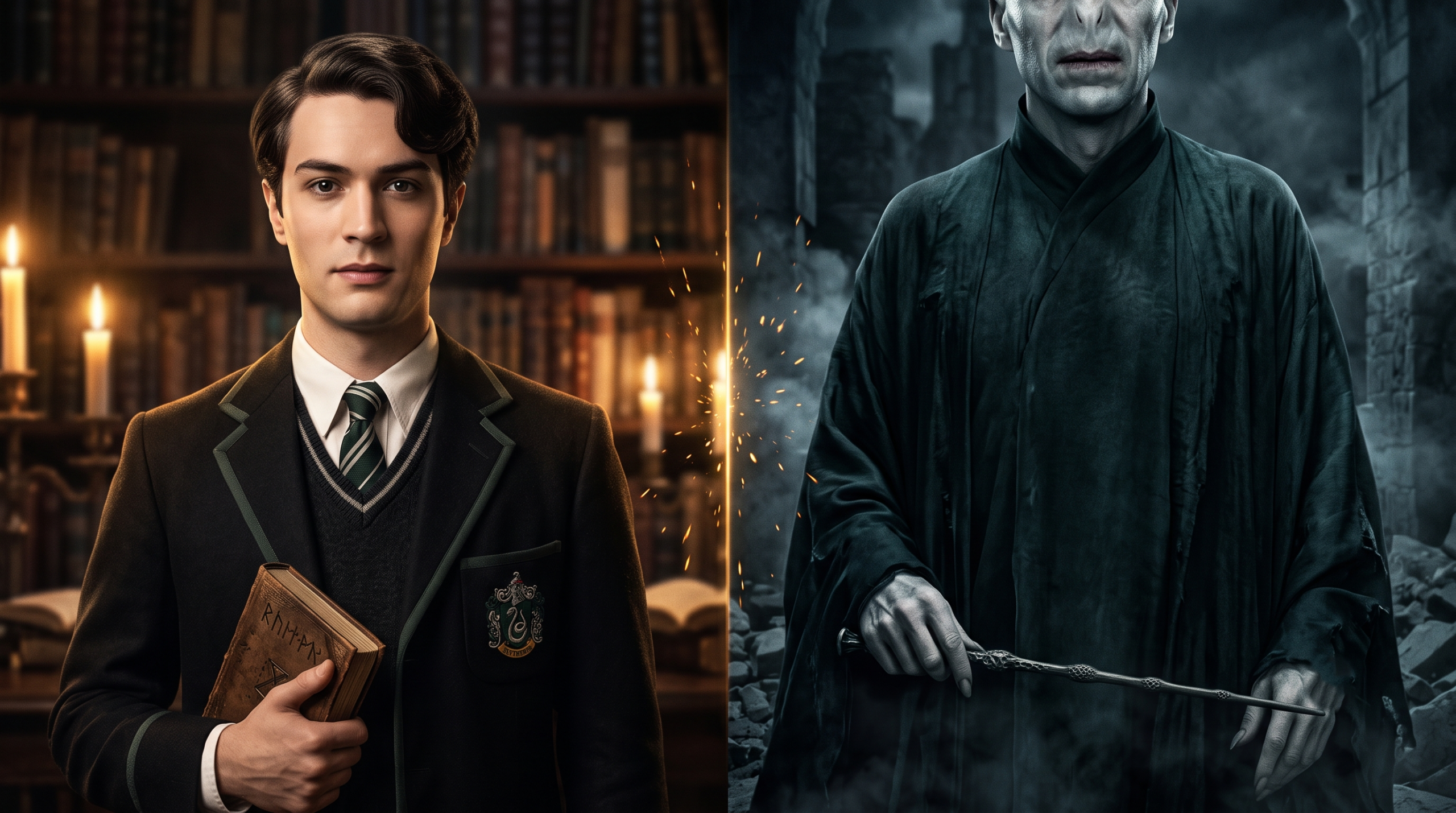
Visual Identity: The dark wizard’s appearance tells a story of lost humanity. Young Tom Riddle (played by Christian Coulson and Frank Dillane) was undeniably handsome, charming, and neat. By contrast, Ralph Fiennes’s Lord Voldemort is a nightmare: snake-like slits for nostrils, pale translucent skin, no hair, and dark, flowing robes that seem to drift on invisible air currents. His visual design physically represents the mutilation of his soul through the creation of Horcruxes.
 Bellatrix Lestrange
-
Visual Identity: Helena Bonham Carter’s Bellatrix is the visual embodiment of chaos. Her heavily corseted, gothic black dresses, wildly unkempt dark curls, and manic, wide-eyed expressions perfectly broadcast her fanatical devotion to Voldemort and her descent into Azkaban-induced madness.
Lucius Malfoy
-
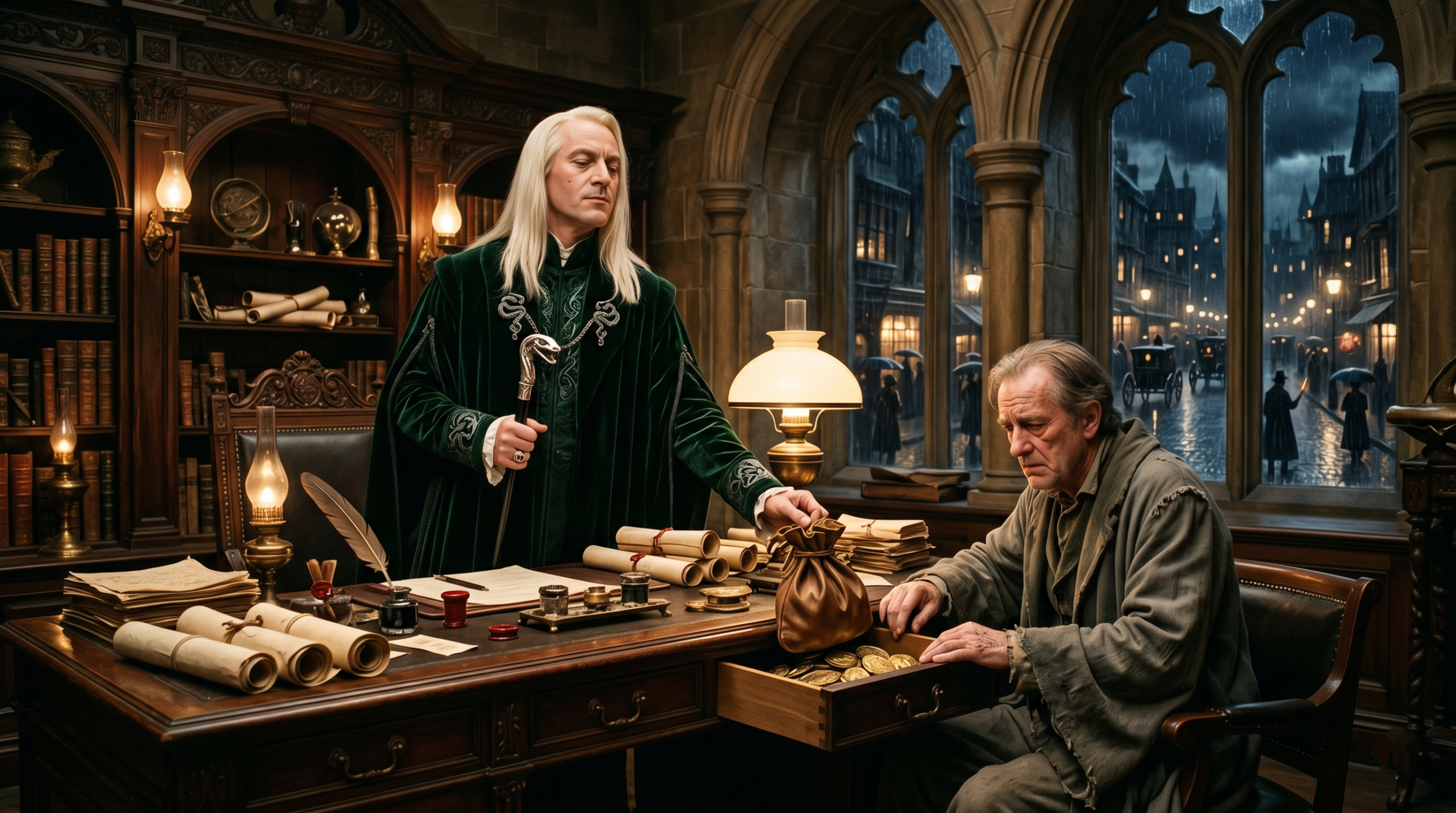
Visual Identity: Jason Isaacs insisted on Lucius Malfoy’s long, striking blonde wig and walking stick (which conceals his wand). This aristocratic, immaculately groomed appearance perfectly masks his dark, cowardly nature and his status as a high-ranking Death Eater.
 Fenrir Greyback & Barty Crouch Jr.
-
Fenrir Greyback: A savage werewolf who prefers to live as an animal. His visual design is horrific: matted fur-like hair, yellowed teeth, and dirt-caked skin.
-
Barty Crouch Jr.: David Tennant gave this character an iconic, unsettling visual tic—a darting, snake-like flick of the tongue, paired with the disheveled look of a man who spent years hidden under an Invisibility Cloak.
Magical Creatures, Beings, and Ghosts
No visual directory of the Wizarding World is complete without the non-human characters that breathe life and magic into the universe.
Dobby & Kreacher
-
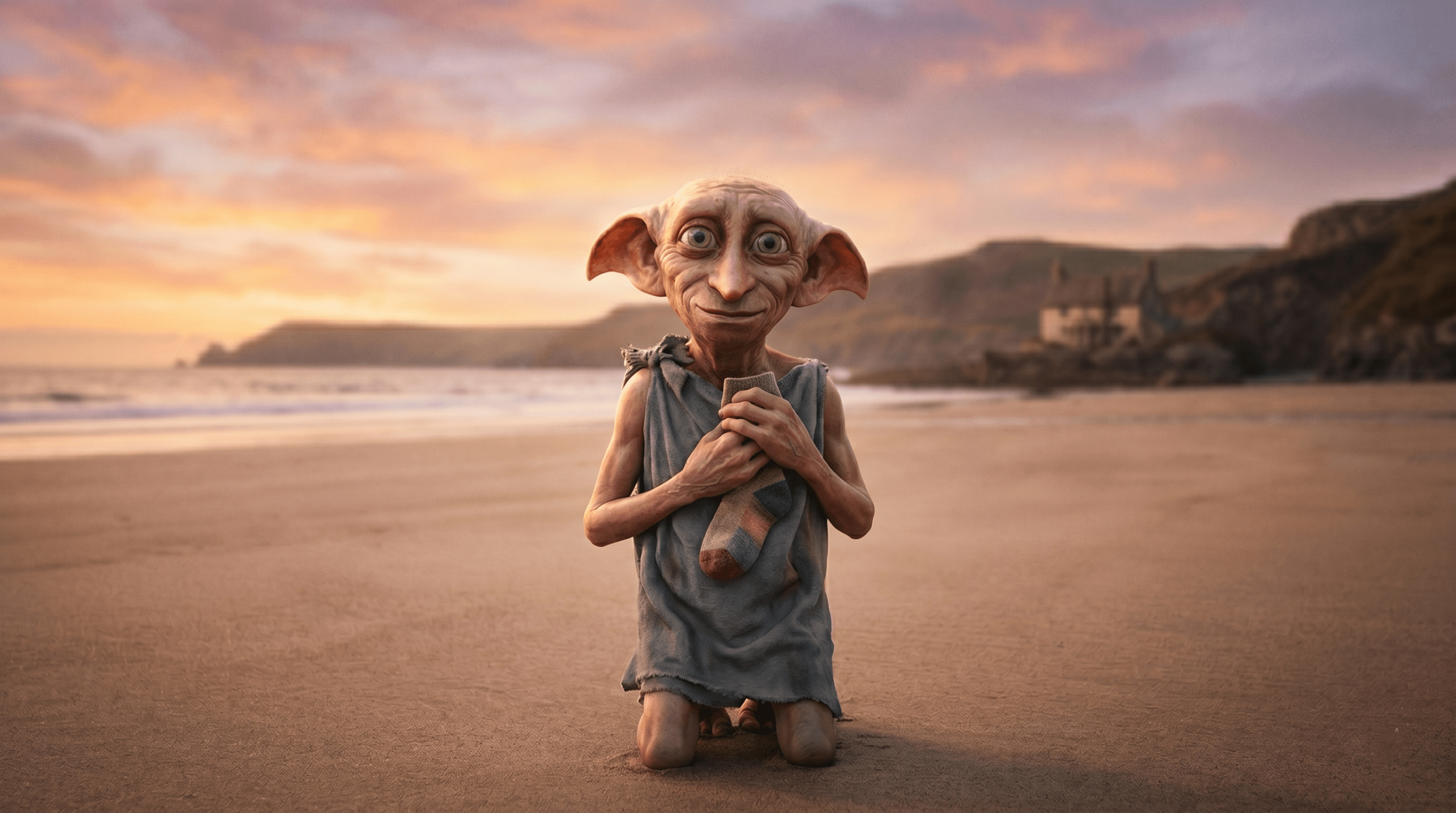
Dobby: The beloved free elf features huge, bat-like ears, tennis-ball-sized green eyes, and wears an assortment of mismatched clothes (most notably, socks). His visual softness reflects his kind heart.
-
Kreacher: The Black family house-elf has a contrasting design—hunched, wrinkled, with a fleshy snout and a filthy loincloth, visually representing the bigotry and toxicity of the household he served.
 The Hogwarts Ghosts
-
Nearly Headless Nick: John Cleese plays the Gryffindor ghost, dressed in elaborate 15th-century ruffs and tights. His visual gag, of course, is a head that flops onto his shoulder due to a botched execution.
-
Moaning Myrtle: Dressed in outdated 1940s Hogwarts robes and thick glasses, her pearlescent, translucent figure perpetually haunts the second-floor girls’ bathroom.
Key Magical Creatures
-
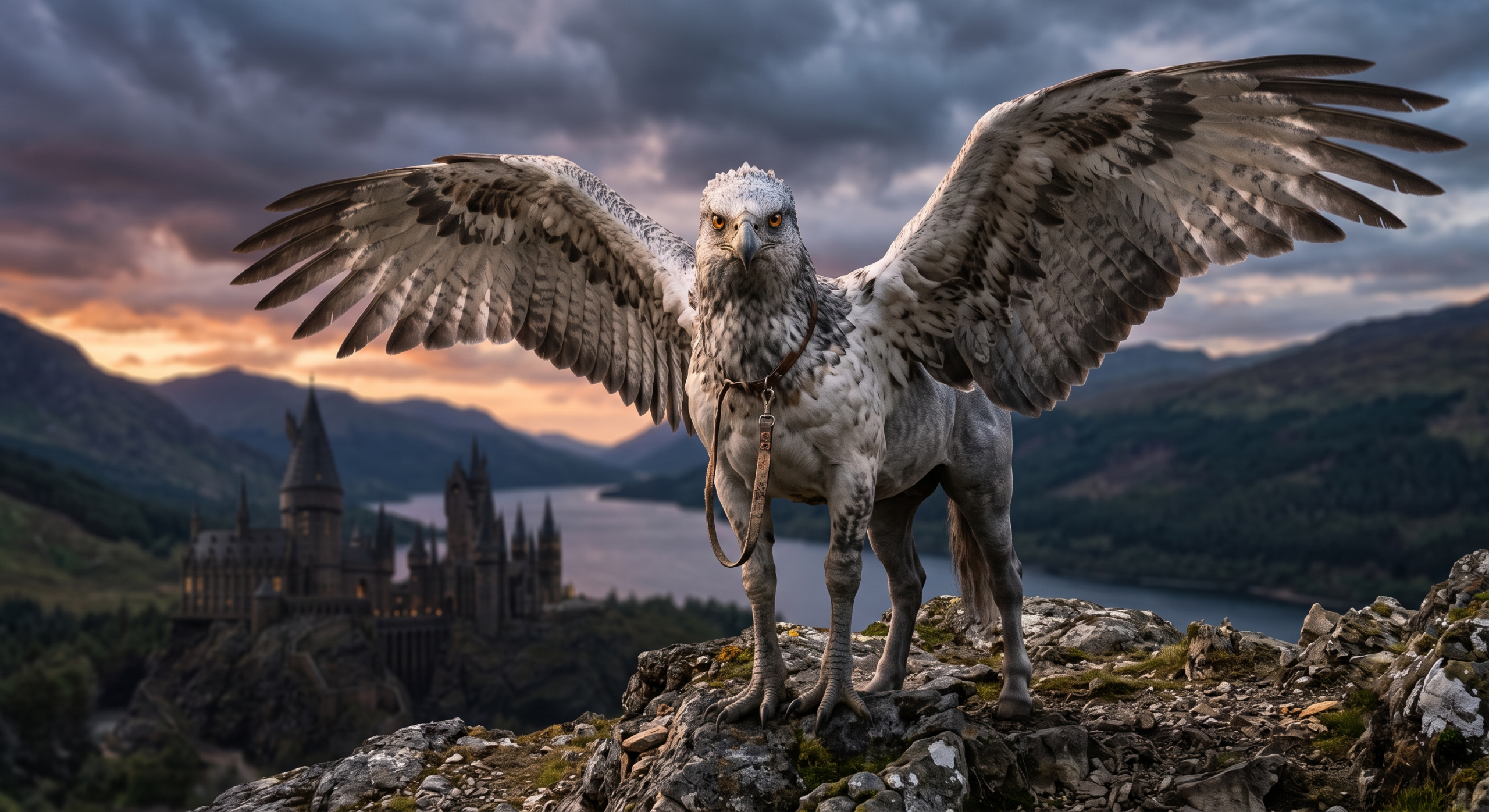
Buckbeak: A magnificent Hippogriff featuring the head, wings, and front legs of a giant eagle, and the body, hind legs, and tail of a horse. The CGI and animatronic work on his feathers and fierce orange eyes remain a cinematic triumph.
-
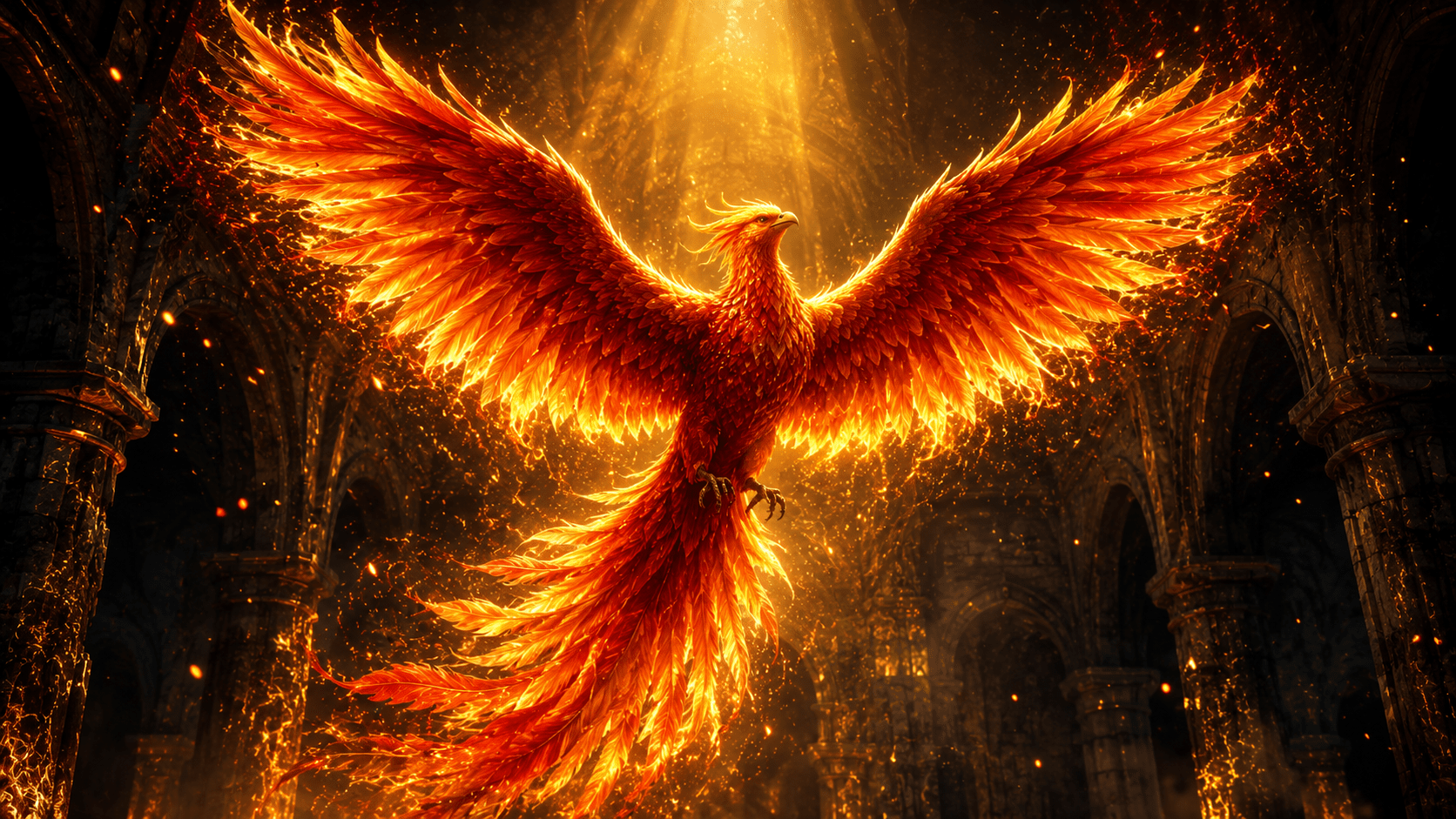
Fawkes: Dumbledore’s loyal phoenix. His brilliant crimson and gold plumage not only represents Gryffindor colors but visually signifies his properties of healing and resurrection.
Expert Wizarding Lore: Book vs. Movie Appearances
True subject matter experts know that the cinematic adaptations, while visually stunning, took creative liberties with several character designs. Understanding these differences is crucial for deep lore comprehension.
-
Peeves the Poltergeist: Completely absent from the movies, Peeves is described in the books as a little man with wicked, dark eyes and a wide mouth, dressed in loud, mismatched clothes (often a bell-covered hat and an orange bow tie).
-
Tonks’s Hair: While Nymphadora Tonks is famous for her bubblegum-pink hair in the books, the filmmakers initially changed it to purple in The Order of the Phoenix so she wouldn’t clash visually with the pink-obsessed Dolores Umbridge.
-
Voldemort’s Eyes: In J.K. Rowling’s novels, Voldemort’s terrifying visage is punctuated by glowing, blood-red eyes with cat-like slits. The filmmakers tested this with Ralph Fiennes but decided that keeping his natural human eyes allowed for more subtle, terrifying acting expressions.
Frequently Asked Questions (FAQ)
How many characters are there in the Harry Potter universe?
There are over 700 named characters throughout the seven core books, not including the expanded universe of Fantastic Beasts, The Cursed Child, and various video games like Hogwarts Legacy.
Who is considered the most powerful character in Harry Potter?
Albus Dumbledore is widely regarded as the most powerful wizard of his time, being the only wizard Lord Voldemort ever feared. He was a master of wandless magic, alchemy, and held the Elder Wand for decades.
Who are the original founders of Hogwarts?
The four founders are Godric Gryffindor (noted for his sword and lion-like mane of hair), Helga Hufflepuff (often depicted as a plump, welcoming witch with a golden cup), Rowena Ravenclaw (a stern, beautiful witch wearing her famous diadem), and Salazar Slytherin (described with an ancient, monkey-like face and a long silver beard).
Are there characters from the books that didn’t make it into the movies?
Yes. Aside from Peeves, notable visual omissions include Charlie Weasley (a burly dragonologist covered in burns), Ludo Bagman (a washed-up Quidditch player bursting out of his old Wasp robes), and Winky the house-elf.
The brilliant visual design of the Wizarding World is a major reason why the franchise continues to captivate millions globally. From the lightning bolt scar on Harry’s forehead to the terrifying serpentine features of Lord Voldemort, the careful crafting of these characters has left an indelible mark on pop culture.
By familiarizing yourself with this breakdown of the most important figures, you are now fully equipped to dive back into the books, dominate your next trivia night, or simply appreciate the incredible artistry behind the magic.