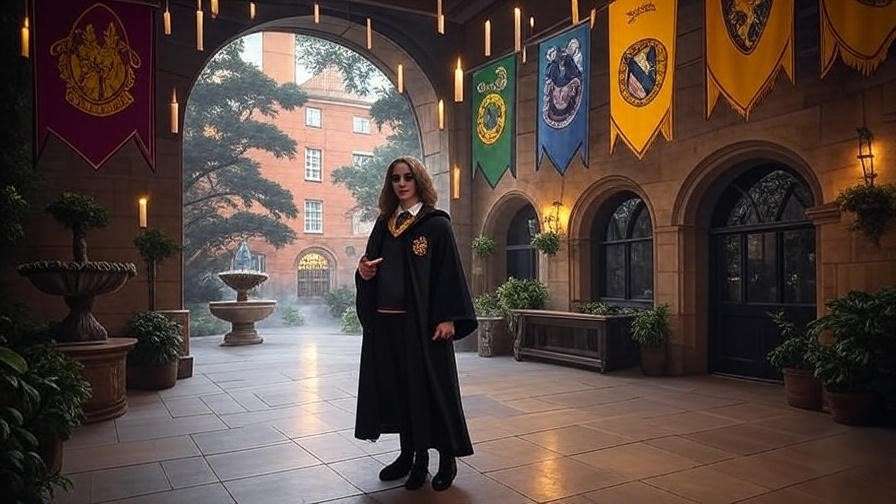
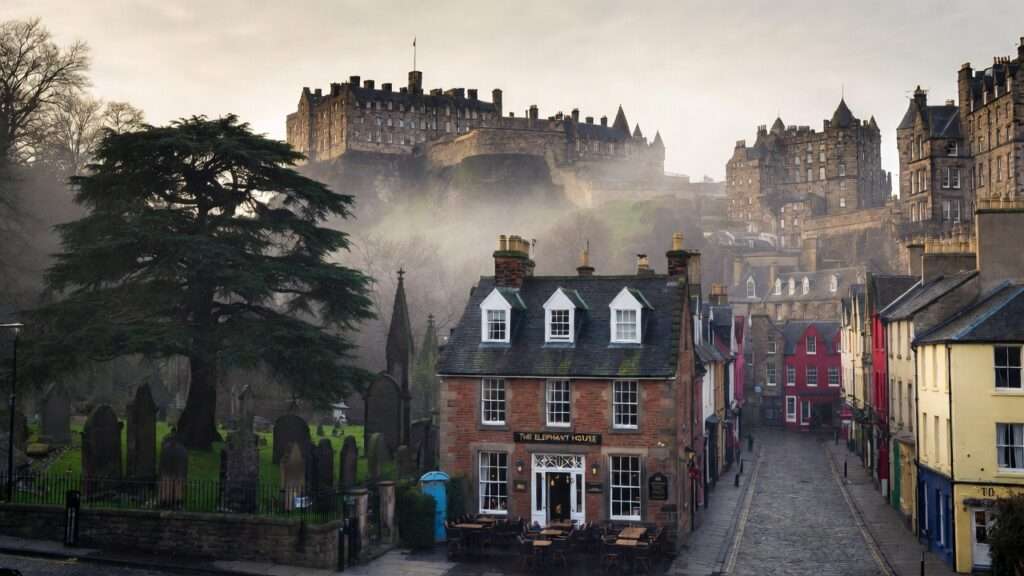
Imagine stepping off the train at Waverley Station, the grand Edinburgh Castle looming above like a sentinel straight out of a fairy tale. The air carries a crisp chill, the cobblestones gleam underfoot, and for a moment, the line between the Muggle world and the wizarding one feels deliciously thin. This is Edinburgh — the city where J.K. Rowling transformed personal hardship into magic, penning the early chapters of Harry Potter amid the Gothic spires and ancient streets.
Harry Potter Edinburgh isn’t just a tourist trail; it’s the living birthplace of one of the most beloved series in literary history. Rowling moved here in 1993, a single mother facing financial struggles, and found inspiration in the city’s historic charm, shadowy kirkyards, and cozy cafés. While she has occasionally debunked overly literal claims (no single building is Hogwarts, no exact street is Diagon Alley), the atmosphere of Edinburgh undeniably shaped the wizarding world — from character names etched on gravestones to the medieval vibe that infuses every page.
In this ultimate guide, updated for 2026, we explore every key location, hidden gem, and practical tip for Potterheads visiting the Scottish capital. Whether you’re planning your first pilgrimage or returning for more magic, this comprehensive resource goes beyond basic lists. You’ll discover self-guided routes, current status updates (including The Elephant House’s triumphant reopening), myth-busting insights drawn from Rowling’s own words, and ways to experience the city like a true wizard. Let’s unlock the secrets of Harry Potter Edinburgh together.
Why Edinburgh Is the True Birthplace of Harry Potter
J.K. Rowling’s connection to Edinburgh began in December 1993 when she relocated from Portugal to be near her sister. As a struggling writer, she spent hours in local cafés, often with her infant daughter asleep beside her, drafting what would become Harry Potter and the Philosopher’s Stone. The city provided more than just a backdrop — its UNESCO City of Literature status, medieval architecture, and layered history of witches, wizards, and folklore fueled her imagination.
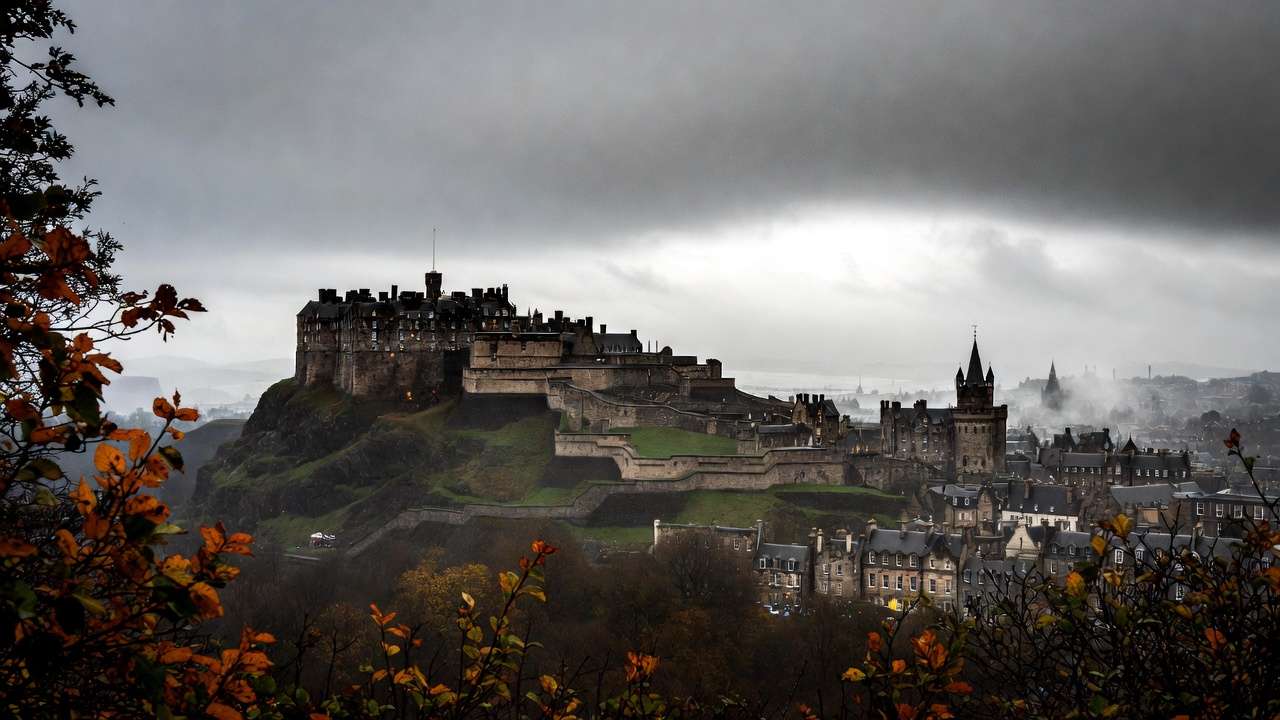
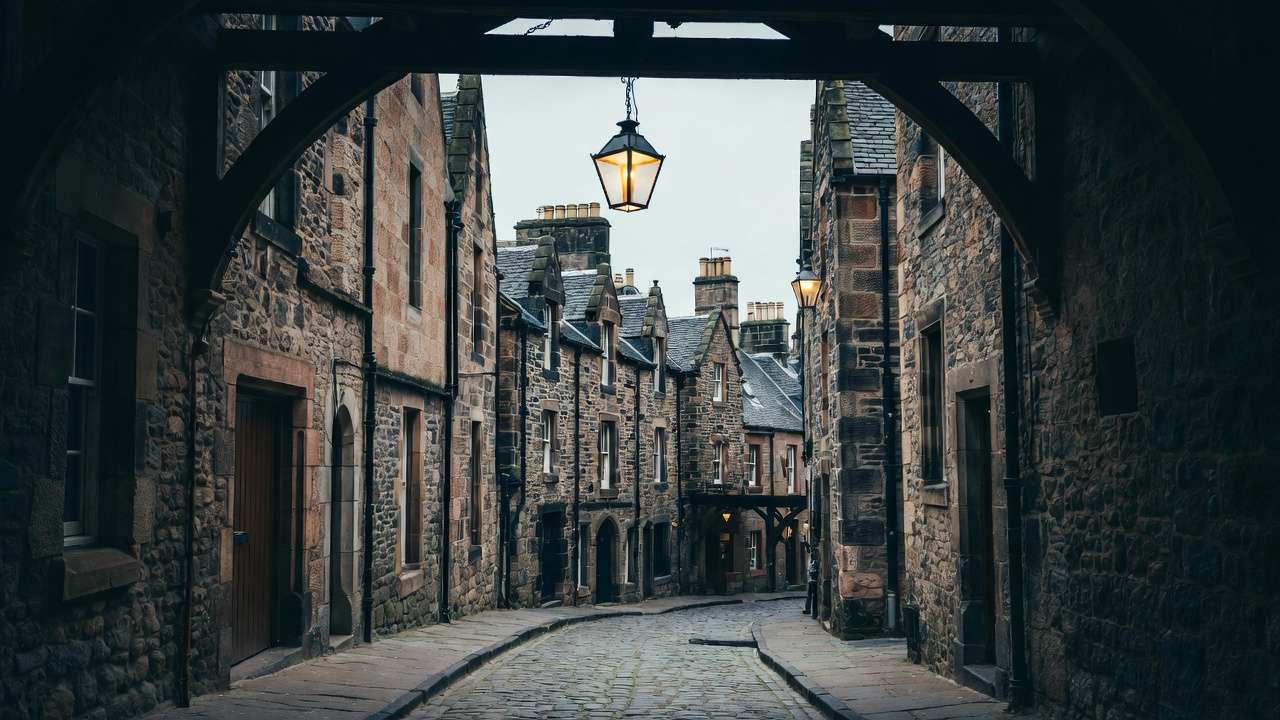
Edinburgh’s Old Town, with its narrow closes (alleys), towering tenements, and dramatic vistas, mirrors the enchanting yet slightly ominous tone of the wizarding world. The castle perched high above evokes Hogwarts’ grandeur, while the city’s past — including 16th- and 17th-century witch trials — adds a layer of dark magic. Rowling has described Edinburgh as “very much home” and the place where Harry “evolved over seven books and many, many hours of writing in its cafés.”
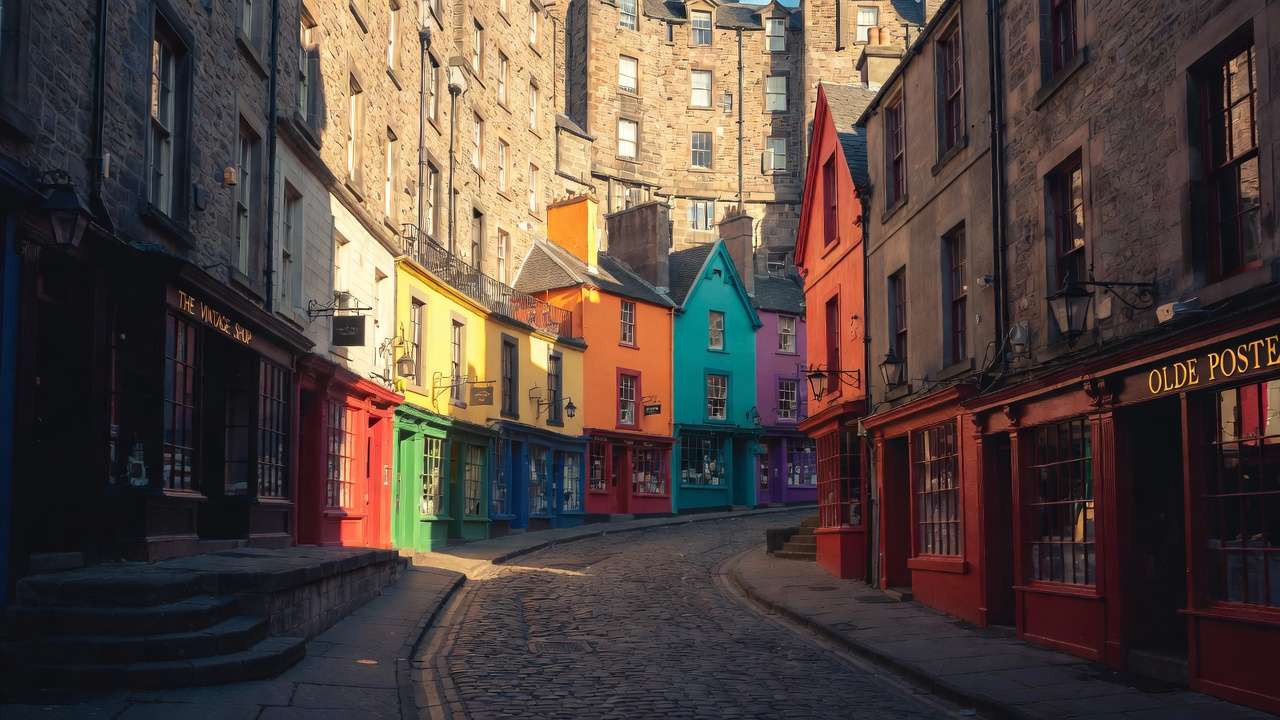
Importantly, while fans love connecting dots, Rowling has clarified certain inspirations. She has stated that no real school directly modeled Hogwarts, and Diagon Alley emerged fully from her imagination rather than any single street (though Victoria Street’s curve and colorful shops certainly give off strong vibes). Still, the coincidences — like character names in Greyfriars Kirkyard — feel almost enchanted, and the city’s “old magic” permeates the series’ world-building.
Top Magical Locations: Where JK Rowling Wrote the Books
The cafés where Rowling wrote are pilgrimage sites for fans. Here’s the definitive rundown, with 2026 updates.
The Elephant House
George IV Bridge Reopened December 29, 2025, after a devastating 2021 fire, The Elephant House has reclaimed its title as the “birthplace” of Harry Potter. Rowling wrote portions of the early books here in the late 1990s, often at a table overlooking Edinburgh Castle and Greyfriars Kirkyard. The iconic back room, with its panoramic views, survived the blaze — the original table was salvaged and restored. Today, the café features a new Writers’ Room, elephant-themed decor, and a warm welcome for Potter fans. Visit early to secure a window seat; expect queues from fellow witches and wizards. Order a hot chocolate or tea, snap respectful photos, and soak in the magic. Open daily 10am–6pm.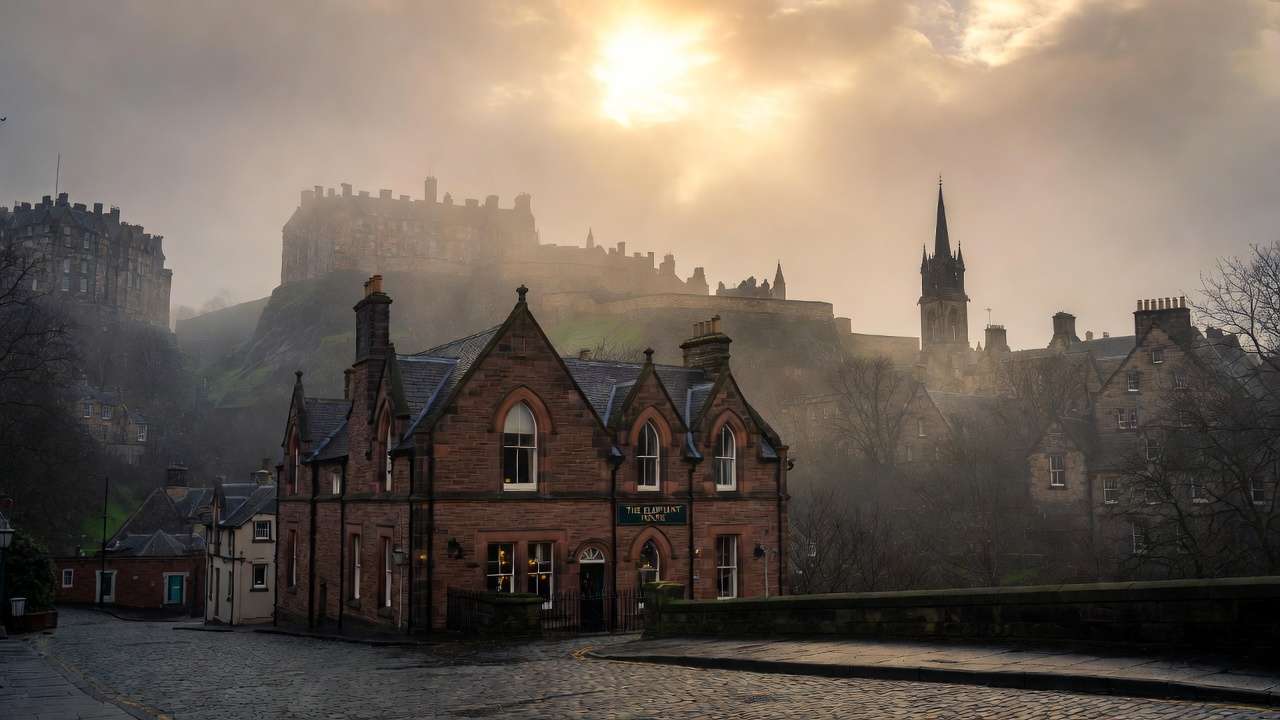
Nicolson’s Café (now Dun Dun Delicious)
Formerly at Nicolson Street, this spot was Rowling’s go-to for productive sessions on Philosopher’s Stone. It’s now a different establishment, but the location holds historical significance.
The Balmoral Hotel
1 Princes Street For the grand finale: Rowling completed Harry Potter and the Deathly Hallows in Suite 552 in January 2007. Feeling distracted at home, she booked the luxury suite and finished the manuscript in secrecy. A plaque now marks the “J.K. Rowling Suite,” though it’s not open for public viewing — admire the exterior and imagine the moment she penned “All was well.”
Other spots like the former Spoon café add to the lore, but these three remain the most significant. Tip: Respect these places as working businesses; buy something and enjoy the ambiance rather than treating them solely as photo ops.
Graveyard Inspirations and Character Names
Greyfriars Kirkyard
Candlemaker Row This atmospheric cemetery, next to Greyfriars Kirk, is ground zero for Potter name origins. Rowling has admitted wandering here and subconsciously drawing from headstones. Key graves include:
- Thomas Riddell (basis for Tom Riddle/Lord Voldemort) — the most famous, often marked by fans with flowers or notes.
- William McGonagall — the unfortunate poet whose name became Minerva McGonagall, Gryffindor Head.
- Moodie (Alastor “Mad-Eye” Moody)
- Scrymgeour (Rufus Scrimgeour, Minister for Magic)
- Robert Potter and other Potter variants
- Cruikshanks (close to Crookshanks, Hermione’s cat)
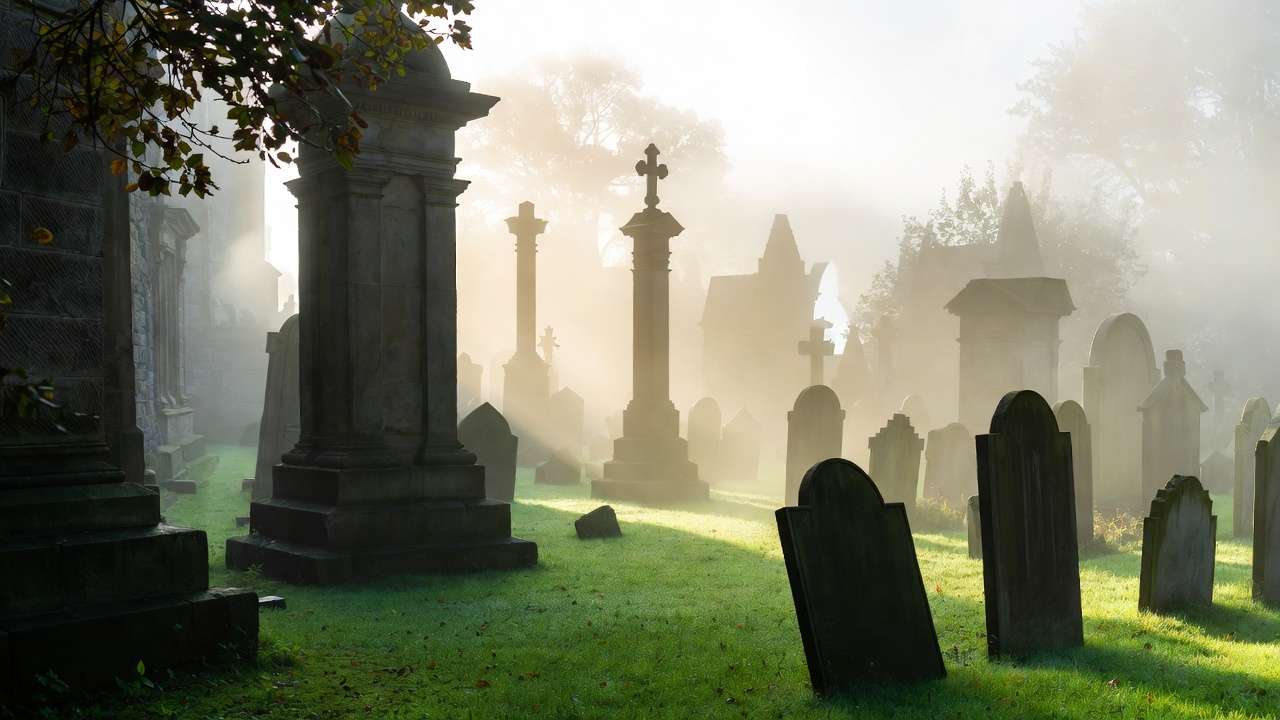
The kirkyard’s eerie beauty — ancient stones, towering monuments, and the legend of Greyfriars Bobby — enhances its spooky allure, perhaps echoing Godric’s Hollow graveyard. Open 24/7 (respectful behavior required — no rubbing graves or leaving excessive items). Best visited on a misty morning for full atmosphere.
 Streets and Buildings That Echo the Wizarding World
Victoria Street & Candlemaker Row
This curved, colorful street, lined with independent shops, is widely regarded as evoking Diagon Alley. The sloping cobbles, multi-level storefronts, and whimsical architecture create a magical shopping vibe. While Rowling has said Diagon Alley came from her head, the visual parallels are undeniable. Photo tip: Capture the curve from the Grassmarket end for the classic shot.
 George Heriot’s School
Lauriston Place Visible from Greyfriars Kirkyard, this 17th-century school features four houses, towers, and a courtyard layout reminiscent of Hogwarts. Though Rowling has denied a direct link, the resemblance is striking.
Edinburgh Castle
Castlehill Overlooking many Potter sites, the castle hosted book launches and symbolizes the grandeur of Hogwarts. Climb the hill for panoramic views that inspired Rowling’s castle descriptions.
Other echoes: Cockburn Street’s steep, winding path and the Grassmarket’s historic bustle add to the medieval wizarding feel.
 Hidden Gems and Lesser-Known Spots
Beyond the headline attractions, Edinburgh holds quieter corners that still whisper Harry Potter magic. These spots reward curious Potterheads who venture off the main paths.
One underrated writing haunt is the Traverse Café (connected to the Traverse Theatre on Cambridge Street). Rowling wrote here frequently during the series’ early days—it’s less crowded than the big-name cafés and offers a peaceful vibe for fans to sit with a book or notebook. The adjacent theatre’s creative energy feels fitting for the wizarding world’s storytelling roots.
The National Museum of Scotland (Chambers Street) houses the famous Lewis Chessmen—12th-century pieces that some fans link to the giant wizard chess game in Philosopher’s Stone. While not a direct inspiration (Rowling has never confirmed this), the intricate medieval artifacts evoke the series’ historical depth. Entry is free, making it an easy add-on.
For a fun, modern twist, head to The Dog House pub (Rose Street) for their signature Butterbeer—creamy, butterscotch-flavored, and served cold or hot. It’s not a historic writing spot, but it’s a beloved fan hangout with affordable prices and a welcoming atmosphere.
Another subtle nod: Potterrow (a street near the University of Edinburgh). The name is pure coincidence—Rowling has laughed off suggestions it influenced her surname choice—but standing on “Potterrow” feels like a serendipitous wink from the universe.
These lesser-known places add layers to your trip, proving the magic extends beyond the obvious.
Self-Guided Harry Potter Walking Tour
The best way to experience Harry Potter Edinburgh is on foot—the Old Town’s compact layout makes it ideal for a self-guided adventure. This 2–4 hour route (about 3–4 miles) covers the essentials without backtracking, starting centrally. Adjust based on time and energy.
Suggested Route (Old Town Focus):
- Start at Waverley Station / Balmoral Hotel (Princes Street) – Begin where Rowling finished Deathly Hallows. Admire the hotel exterior and plaque (10 mins).
- Walk to The Elephant House (George IV Bridge, 10–15 mins) – Head south across the bridge. Visit the reopened café, enjoy views of the castle and kirkyard (30–45 mins with a drink).
- Greyfriars Kirkyard (right next door, 20–30 mins) – Enter via Candlemaker Row. Hunt for the famous gravestones (Tom Riddle, McGonagall, etc.). Take the atmospheric paths slowly.
- Victoria Street & Candlemaker Row (5 mins downhill) – Descend to this curved, colorful street for Diagon Alley vibes. Snap photos from the lower end.
- Grassmarket & Cockburn Street (optional detour, 15 mins) – Explore the historic market square and steep, winding Cockburn Street for more medieval charm.
- Edinburgh Castle viewpoint (loop back uphill if desired, 20 mins) – Climb to Castlehill for panoramic shots tying everything together.
 Tips for success:
- Total time: 2 hours brisk, 4+ with stops and photos.
- Accessibility: Mostly cobbled streets and hills—wear comfortable shoes; some areas have steps.
- Best time: Early morning (fewer crowds) or late afternoon (golden light for photos).
- Map: Use Google Maps to pin these spots or follow “Harry Potter Edinburgh walking tour” routes online.
- Variations: Shorten to top 5 (Elephant House → Kirkyard → Victoria Street); extend with George Heriot’s School (visible from kirkyard).
This DIY tour lets you go at your own pace, pause for reflection, and feel like you’re uncovering secrets Rowling herself once wandered.
Best Harry Potter Tours and Experiences in Edinburgh
For immersive storytelling, guided tours add depth with expert guides (often in robes), quizzes, and insider facts.
Top Recommendations (2026):
- The Potter Tour — Award-winning, comprehensive options (4.5–8 hours). Covers gritty Old Town details, wandwork demos, and Rowling’s mindset. Highly rated for depth.
- Original Harry Potter Locations Tour (various operators via Viator/GetYourGuide) — 2–3 hour guided walks hitting major sites with fun facts and photo ops.
- Harry Potter Walking Tour with Edinburgh Castle — Combines key spots with castle entry for a fuller experience.
- The Potter Trail — Free (tips appreciated) walking tour led by robed guides—great intro for budget travelers.
- Themed add-ons: Wizard tea experiences, escape rooms, or butterbeer tastings at spots like The Dog House.
Book in advance, especially peak seasons. Many include house sorting or trivia—perfect for families or groups.
Practical Tips for Your Harry Potter Edinburgh Visit
Plan smartly to maximize magic and minimize hassle.
- Best time to visit: Spring (April–May) or autumn (September–October) for milder weather and fewer crowds. Summer is busy; winter offers cozy café vibes but shorter days.
- Getting around: Edinburgh is walkable—most sites cluster in the Old Town. Use Lothian Buses or trams from airport/outer areas. Download the Lothian Buses app.
- Where to stay: Old Town (Royal Mile area) for immersion—options like Ibis Edinburgh Centre South Bridge or luxury at The Witchery by the Castle. New Town for quieter stays.
- Budget: Many sites free (kirkyard, streets, castle views). Café visits £5–10; guided tours £15–40. Merch adds up—set a limit.
- Etiquette: Respect locations—buy items at cafés, don’t damage graves or overcrowd spots. The Elephant House asks for respectful photos.
- 2026 updates: Elephant House fully operational post-2025 reopening. Check for new themed events or pop-ups around Hogmanay or summer festivals.
Where to Shop Like a Witch or Wizard
Victoria Street is the epicenter:
- Museum Context (40 Victoria Street) — Officially licensed store with wands, robes, house scarves, and exclusives.
- The Great Wizard (nearby) — Fresh merch, including airport location for last-minute buys.
Browse for butterbeer-flavored treats, chocolate frogs, and custom wands—perfect souvenirs.
FAQs
Did JK Rowling really get inspired by these places?
Rowling has confirmed wandering Greyfriars Kirkyard and cafés, with names like Tom Riddle likely subconscious influences. However, she’s debunked direct models (e.g., no Edinburgh school is Hogwarts; Diagon Alley fully imagined). Edinburgh’s overall Gothic atmosphere shaped the tone.
Is The Elephant House still open?
Yes—reopened December 29, 2025, after the 2021 fire. Original table restored, new Writers’ Room added. Open daily 10am–6pm.
Best photo spots?
Victoria Street curve (Grassmarket end), Elephant House back room view, Greyfriars gravestones at dawn.
Family tips?
Choose shorter tours; add butterbeer stops; visit free sites first. Avoid late evenings for younger kids.
Any connections to Harry Potter films?
None filmed in Edinburgh—all inspirations are literary. The city’s vibe influenced the books, not the movies.
Edinburgh isn’t merely a setting—it’s where Harry Potter truly came to life. From misty kirkyards echoing Voldemort’s origins to cozy cafés where chapters were born, the city blurs the line between reality and magic, just as Rowling intended. Whether you’re tracing gravestones, sipping tea with castle views, or simply wandering cobbled streets feeling the wonder, this pilgrimage reminds us why the series endures.
Pack your wand (or imagination), plan your route, and step into the story. Share your discoveries—tag your photos, join fellow Potterheads, and keep the magic alive. In Edinburgh, every corner holds a spell waiting to be rediscovered. All was well… and still is.