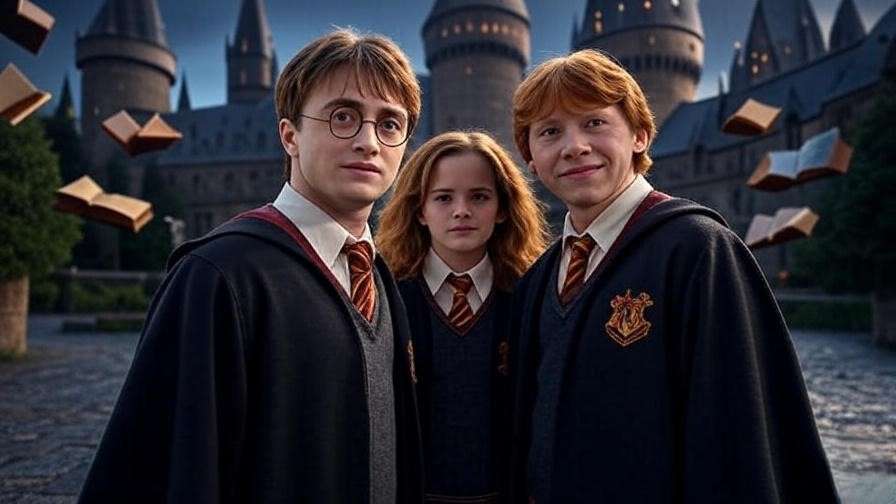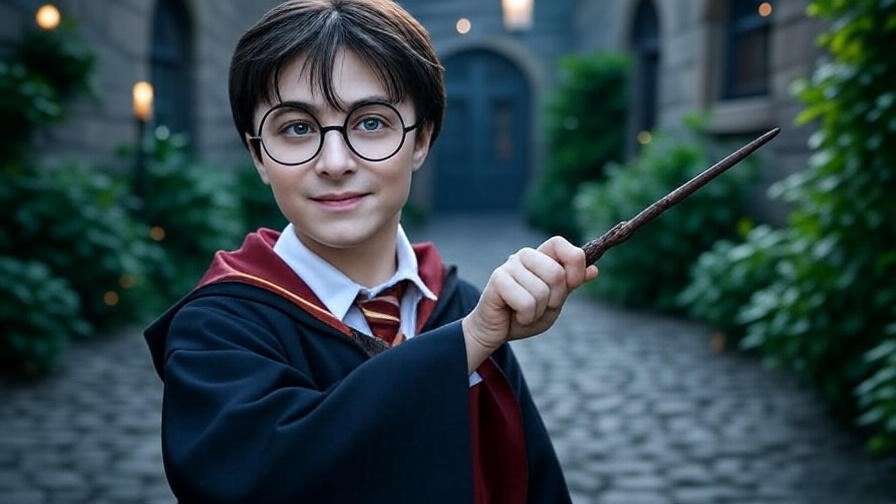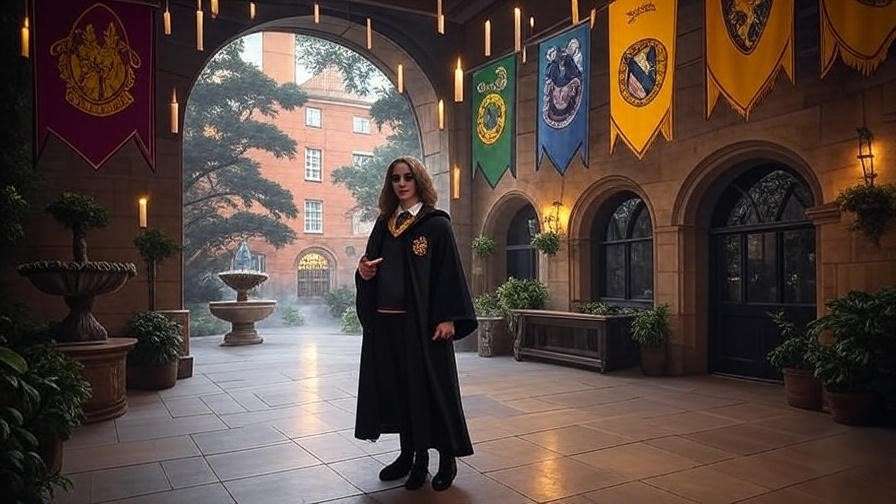
Have you ever finished rereading the entire Harry Potter series and thought, “I’ve caught every detail”? Most fans believe they know the Wizarding World inside out—after all, we’ve memorized spells, debated house placements, and dissected every plot twist. Yet J.K. Rowling’s masterful storytelling hides countless layers of foreshadowing, symbolic name meanings, obscure character backstories, and post-series revelations from Wizarding World and author interviews. These Harry Potter facts reveal the extraordinary depth of her world-building, rewarding dedicated Potterheads with fresh surprises on every reread.
Whether you’re preparing for a trivia night, hunting for hidden Easter eggs to share with fellow fans, or simply craving that magical “aha!” moment, this in-depth list of 50 verified, lesser-known gems draws directly from the books, Rowling’s original writings, and official canon sources. We’ve organized them thematically for better flow and deeper insight—far more comprehensive than typical lists. Let’s unlock the secrets that make the Harry Potter books timeless.
The Most Surprising Author & Creation Facts
- J.K. Rowling and Harry Potter share the exact same birthday—July 31. Rowling deliberately chose this date to symbolize Harry’s symbolic rebirth into the wizarding world on his 11th birthday, mirroring her own creative “birth” of the character during a delayed train journey.
- Albus Dumbledore’s surname comes from Old English for “bumblebee.” Rowling imagined the wise headmaster humming merrily as he moved through Hogwarts, adding a gentle, whimsical touch to his profound character.
- Hagrid was always destined to survive the entire series. Rowling pictured him carrying a seemingly dead Harry out of the Forbidden Forest in the final battle long before writing Deathly Hallows, bookending his role from carrying infant Harry in Philosopher’s Stone and emphasizing unbreakable loyalty.
- Dolores Umbridge faced real consequences after the books’ events. While the novels leave her fate open-ended, Rowling confirmed in interviews and Wizarding World writings that she was arrested, interrogated by the Ministry, and sentenced to Azkaban for her crimes against Muggle-borns.
- Arthur Weasley nearly died in Order of the Phoenix. Rowling considered killing him off during Nagini’s attack but spared him, noting he’s essentially the only truly good father figure in the series—though his survival meant another character’s death later.
- Ron Weasley came close to being killed mid-series. In a Deathly Hallows DVD interview, Rowling admitted she “seriously considered” ending Ron out of spite during a low creative period but ultimately couldn’t bear to separate the Golden Trio.
- The pervasive theme of death and loss draws from Rowling’s personal grief. She began writing the first book shortly after her mother’s death from multiple sclerosis, infusing the narrative with authentic exploration of mourning and resilience.
- Rowling completed Harry Potter and the Deathly Hallows in Room 552 of the Balmoral Hotel in Edinburgh on January 11, 2007. She signed a marble bust in the room (now preserved in glass), marking the emotional end of 17 years of writing.
- Many character names evolved dramatically in early drafts. Draco Malfoy was originally “Draco Spungen,” Hermione was “Hermione Puckle,” and other tweaks occurred—yet the Weasley family name remained constant from the start.
- Hagrid’s safety was a deliberate authorial choice from early planning. Rowling ensured the gentle giant would endure every peril, providing consistent warmth amid the series’ darkening tone.
Hidden Details & Foreshadowing in the Books
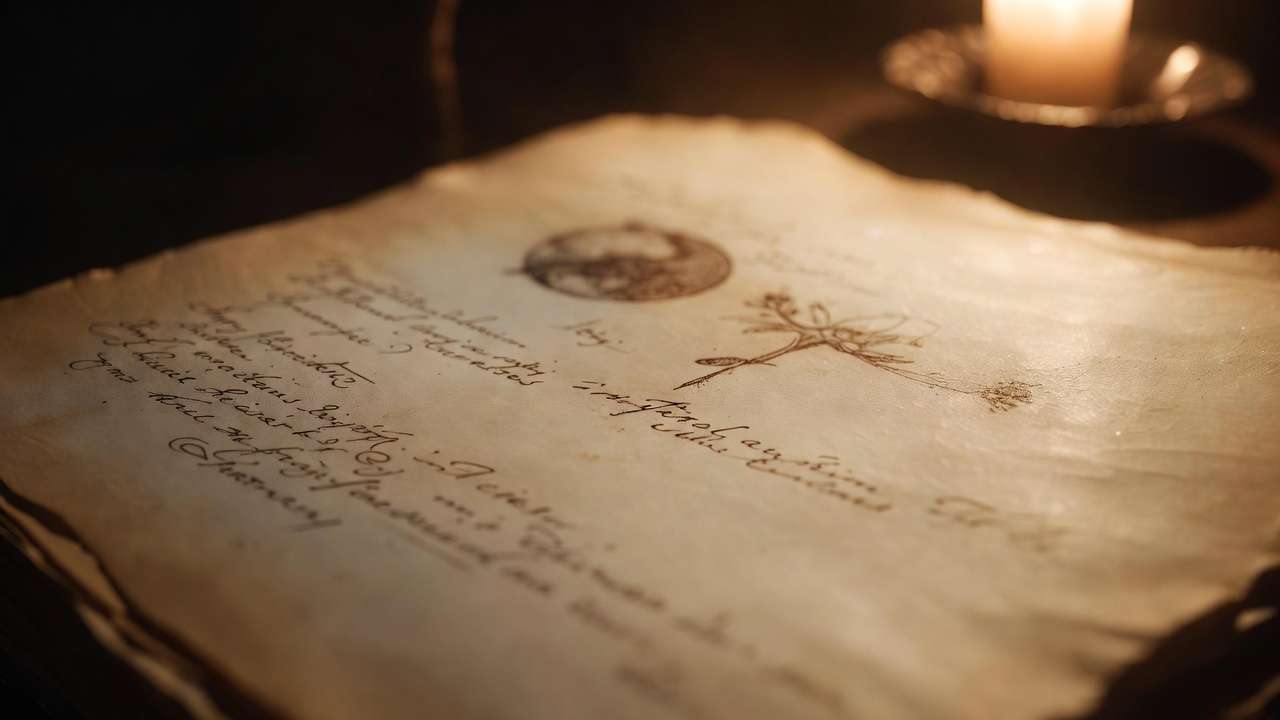
- Snape’s first potions question to Harry—”What would I get if I added powdered root of asphodel to an infusion of wormwood?”—carries deep regret. In the Victorian language of flowers (which Rowling referenced), asphodel means “my regrets follow you to the grave,” and wormwood signifies absence—hinting at Snape’s lifelong mourning for Lily Potter.
- Ron’s sarcastic quip in Chamber of Secrets about Tom Riddle’s award—”maybe he murdered Myrtle, that would have done everyone a favor”—turns out eerily accurate, as Riddle did indeed kill Myrtle with the Basilisk.
- Dumbledore subtly hints at Harry’s Horcrux nature as early as Chamber of Secrets, noting that some of Voldemort’s powers transferred to Harry the night his parents died—a clue to the soul fragment inside him.
- Fred and George’s snowballs pelt Quirrell’s turban in Philosopher’s Stone, unknowingly striking Voldemort’s face hidden on the back of his head—a playful yet precise early clue.
- The tiara Harry hides the Half-Blood Prince’s potions book on in the Room of Requirement is Rowena Ravenclaw’s lost diadem—one of Voldemort’s Horcruxes, revealed much later in Deathly Hallows.
- A book cover in Prisoner of Azkaban depicts the Grim, an omen of death—foreshadowing Sirius Black’s appearance as the black dog and Harry’s terror of the creature.
- Ollivander describes James Potter’s mahogany wand as excelling at transfiguration—mirroring Harry’s eventual skill with the subject and his father’s legacy.
- Petunia Dursley’s knowledge of Dementors stems from overhearing “that awful boy” (Snape, not James) telling Lily about them—hinting at their childhood connection and Snape’s early influence.
- The prophecy in Order of the Phoenix could have applied to Neville Longbottom, born at the end of July to parents who “thrice defied” Voldemort—making him a potential alternate Chosen One.
- In Goblet of Fire, Barty Crouch Jr. (disguised as Moody) plants information about Gillyweed, but Dobby ultimately delivers it—a masterful layer of misdirection.
- Hermione’s “SNEAK” pimples on Marietta Edgecombe fade over time but leave permanent scars. Rowling confirmed in a 2007 Bloomsbury interview: “They left a few scars. I loathe a traitor!”
- Winky the house-elf fights in the Battle of Hogwarts. Rowling later revealed she joined the house-elves’ brave stand against Voldemort’s forces.
Obscure Character & Lore Trivia
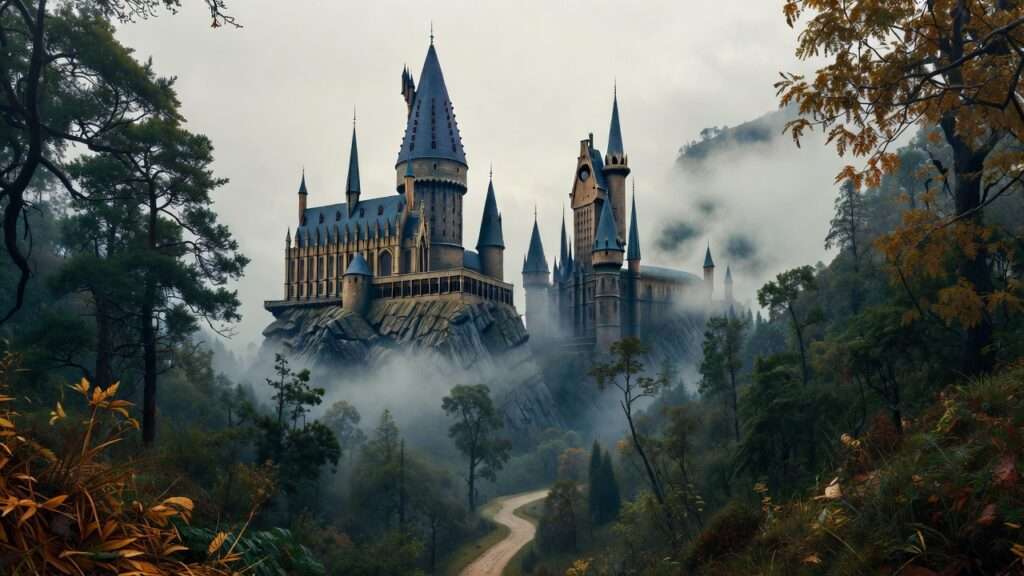
- Hogwarts Castle boasts exactly 142 staircases, many of which move at set times or in response to certain people. This architectural chaos is one of the many ways Rowling makes the castle feel alive and slightly mischievous, almost like a character itself.
- Sirius Black’s first name is no coincidence: Sirius is the brightest star in the constellation Canis Major (the Greater Dog). It perfectly ties into his unregistered Animagus form as a large black dog and underscores his role as a loyal, protective guardian figure.
- Neville Longbottom’s parents, Frank and Alice, were tortured into insanity with the Cruciatus Curse by Bellatrix Lestrange and others. Every Christmas and birthday, they give Neville empty Drooble’s Best Blowing Gum wrappers—a heartbreaking detail that shows how deeply his grandmother keeps their memory alive for him.
- Lord Voldemort was 71 years old when he died. Born on New Year’s Eve 1926 (December 31), he met his final defeat on May 2, 1998—making him significantly older than most readers assume when picturing the “Dark Lord.”
- Squibs—non-magical people born to wizarding parents—are far more common in the lore than casual readers realize. Examples include Argus Filch (bitter and rule-obsessed) and Arabella Figg (kind and secretly helpful), illustrating the range of emotional responses to being born without magic in a magical family.
- Helga Hufflepuff was responsible for employing house-elves in the Hogwarts kitchens. She insisted they be treated fairly and given meaningful work rather than exploitation—a progressive stance for the era that quietly shaped the castle’s domestic life for centuries.
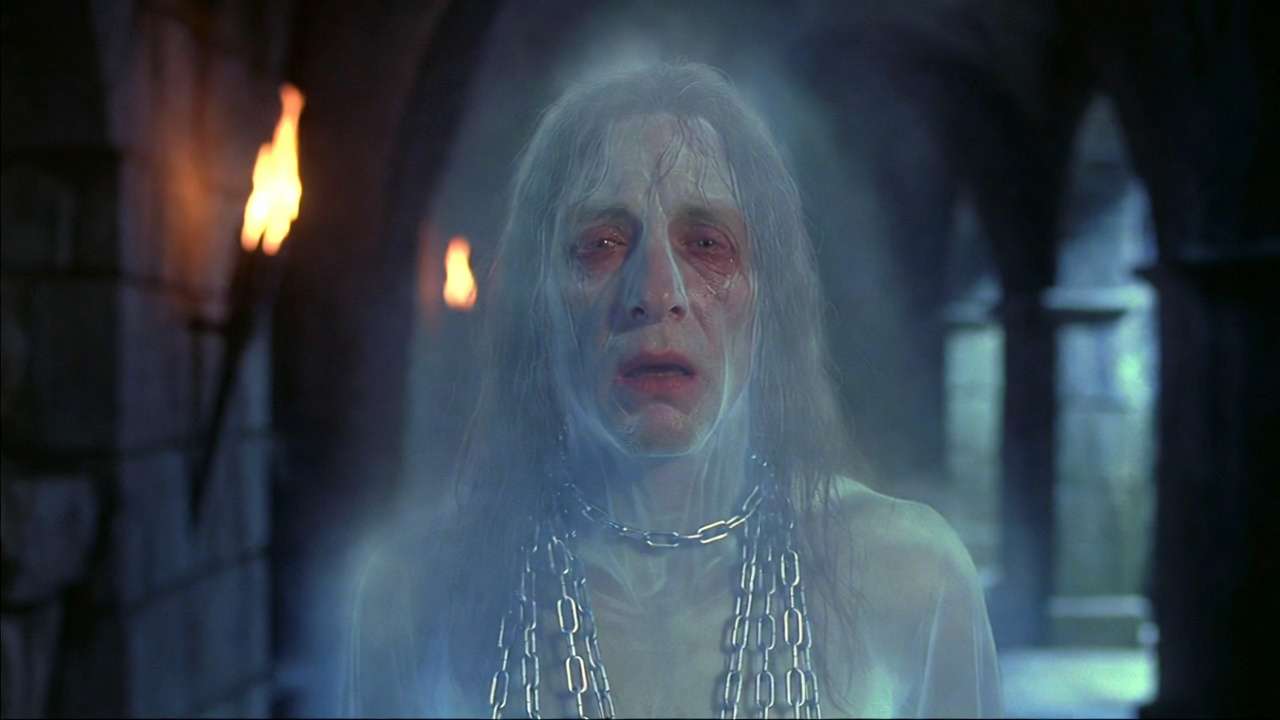
- The Bloody Baron murdered Helena Ravenclaw (Rowena’s daughter) after she stole her mother’s diadem and fled to Albania. His eternal chains and remorseful demeanor stem directly from this crime, making him one of the most tragic of the Hogwarts ghosts.
- The Sorting Hat was bewitched by all four founders working together so it could continue sorting students long after their deaths—a rare example of perfect inter-house cooperation preserved in magical form.
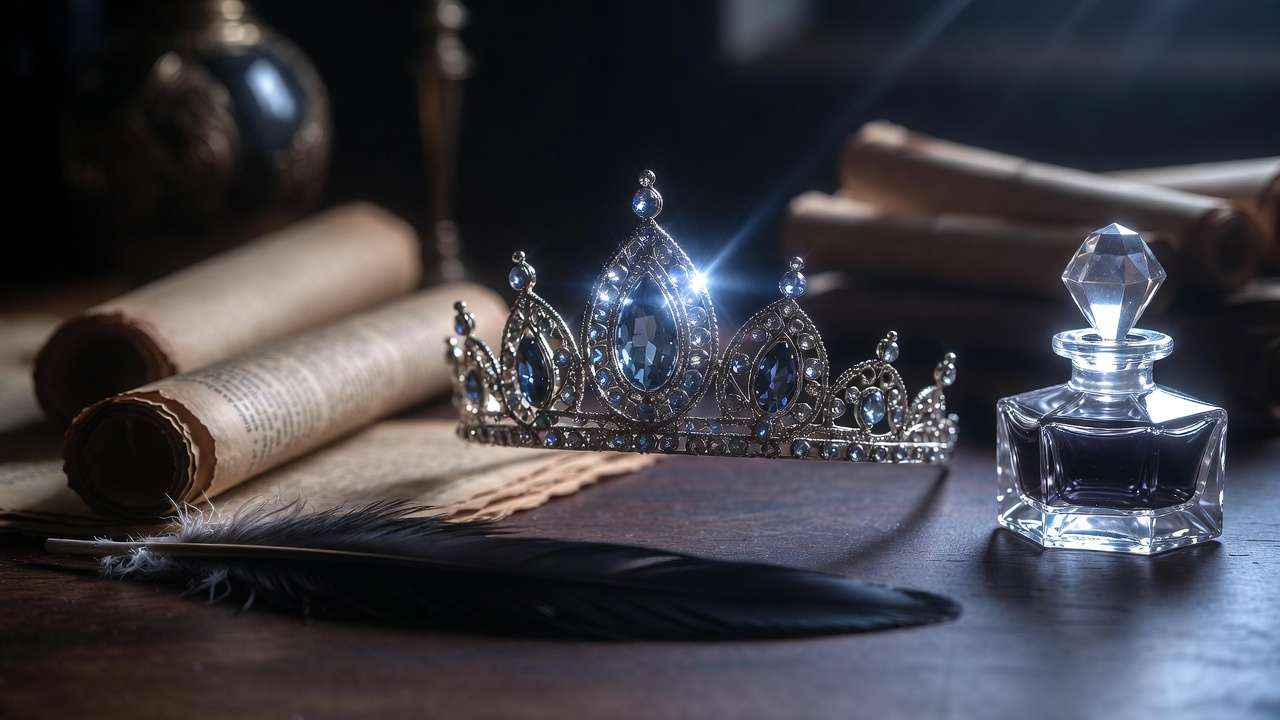
- Rowena Ravenclaw’s diadem does not merely sit on the head; it is said to grant “extra wisdom” to the wearer. Helena stole it out of envy, believing it would make her as brilliant as her mother—an act that ultimately led to its corruption as a Horcrux.
- Godric Gryffindor was widely regarded as the greatest duellist of the four founders. His goblin-made sword, imbued with basilisk venom, became one of the few weapons capable of destroying Horcruxes.
- The Anti-Disapparition Jinx prevents anyone from Apparating or Disapparating anywhere on Hogwarts grounds—except the headmaster or headmistress, who can override it. This explains why Dumbledore can appear and disappear so effortlessly.
- Even Albus Dumbledore did not fully understand every secret of the Room of Requirement. He once admitted to Harry that he had never discovered all of its forms and purposes, underscoring how vast and ancient Hogwarts truly is.
Name Meanings & Symbolic Secrets
- “Voldemort” is cleverly constructed from the French “vol de mort,” meaning “flight of death” or “theft of death.” It perfectly captures his obsessive quest to conquer death through Horcruxes while ironically highlighting his greatest fear.
- Tom Riddle’s first name “Tom” derives from Aramaic and means “twin.” This quietly symbolizes the profound, twisted connection between Voldemort and Harry—two halves of a prophecy, two boys who could have been the Chosen One.
- “Albus” is Latin for “white” or “bright,” fitting Dumbledore’s long silver beard, his role as the ultimate light-side leader, and his association with wisdom and purity.
- Professor Minerva McGonagall shares her first name with the Roman goddess of wisdom, strategy, justice, and warfare—qualities she embodies as Transfiguration teacher, Deputy Headmistress, and fierce protector of Hogwarts.
- “Severus” comes from Latin “severus,” meaning stern, strict, or severe—precisely describing Snape’s outward personality, even as his inner life is far more complex and tragic.
- “Draco” is Latin for “dragon,” matching the Malfoy family crest (a dragon) and reinforcing their self-image as powerful, dangerous pure-bloods.
- “Sirius” again refers to the Dog Star, the brightest star in the night sky, symbolizing both Sirius Black’s brilliance and his role as the guiding “star” in Harry’s life after escaping Azkaban.
- Remus Lupin’s name is a double werewolf clue: “Remus” recalls the Roman myth of Romulus and Remus (raised by a she-wolf), while “Lupin” derives from “lupus,” the Latin word for wolf.
- The surname “Potter” is deliberately ordinary and Muggle-like, emphasizing Harry’s roots in the non-magical world and contrasting sharply with his extraordinary destiny.
- “Weasley” evokes “weasel”—a small, red-haired, cunning animal—yet the family subverts the negative stereotype with fierce loyalty, courage, and warmth.
Book vs. Movie Differences That Change Everything
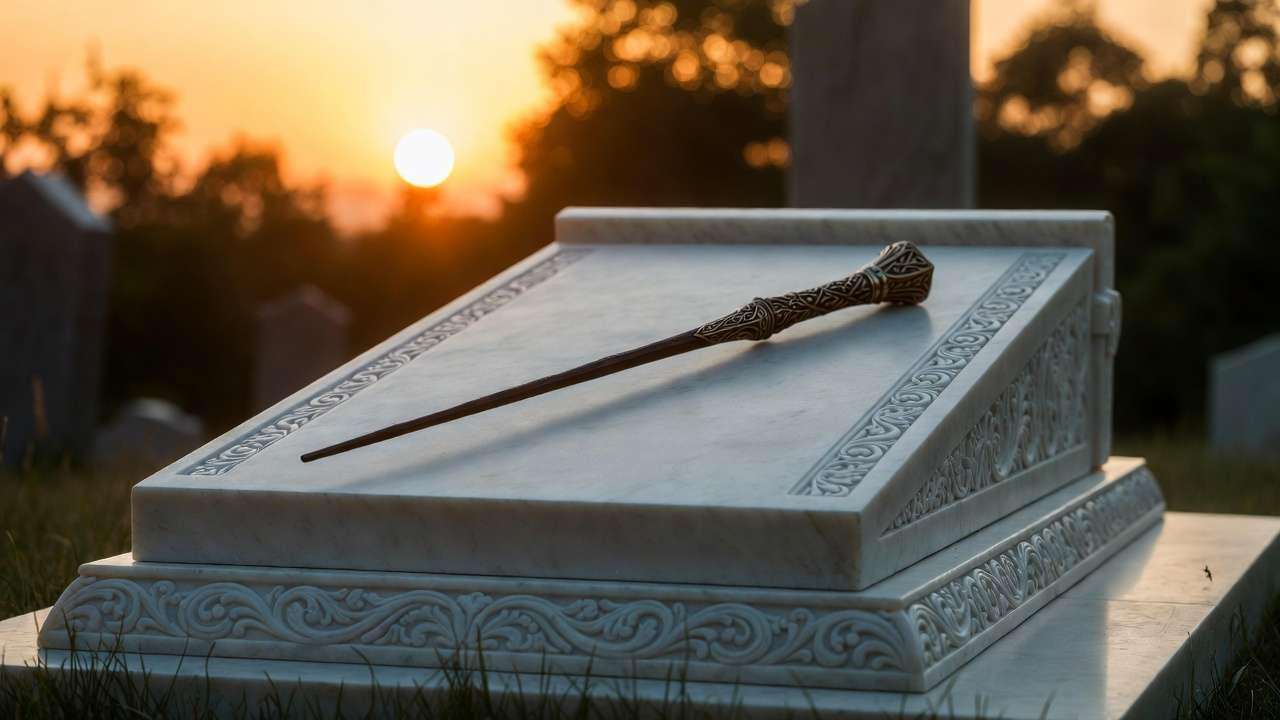
- In the books, Harry uses the Elder Wand to repair his broken holly-and-phoenix-feather wand, then returns the Elder Wand to Dumbledore’s tomb. The films dramatically alter this by having Harry snap the Elder Wand in half—removing the symbolic respect for the cycle of power.
- Ron and Hermione share their first kiss after Ron destroys the locket Horcrux in the Chamber of Secrets, triggered by the moment of bravery and vulnerability. The film moves the kiss to the middle of the Battle of Hogwarts, changing the emotional context.
- Percy Weasley’s full reconciliation with his family—running back to the Great Hall shouting “I was a fool!”—is completely omitted from the films, robbing viewers of one of the series’ most satisfying redemptions.
- The “Prince’s Tale” chapter reveals Snape’s entire backstory, including his worst memory (being humiliated by James Potter while Lily defends him). The movie condenses this into a much shorter montage, losing layers of nuance.
- Peeves the poltergeist, a chaotic and hilarious force throughout the books, does not appear in any of the films—despite his key role providing comic relief and even helping defend Hogwarts in the final battle.
- The house-elves play a major, heroic part in the Battle of Hogwarts—Kreacher leads them into combat shouting “Fight for Harry Potter!” The films drastically reduce their involvement, focusing almost exclusively on the human defenders.
Frequently Asked Questions About Hidden Harry Potter Facts
1. What are some lesser-known Harry Potter facts most fans miss?
Many readers overlook subtle foreshadowing, symbolic name meanings, and background lore revealed across all seven books. Examples include Snape’s first Potions riddle referencing Lily through the Victorian language of flowers, Fred and George unknowingly hitting Voldemort with snowballs, and Ron accidentally predicting Moaning Myrtle’s murder years before the reveal. These details reward close rereads and demonstrate Rowling’s long-term planning.
2. How much foreshadowing did J.K. Rowling include in the Harry Potter books?
J.K. Rowling incorporated extensive foreshadowing from the very first novel. Key elements—such as Harry being a Horcrux, the significance of Ravenclaw’s diadem, and the dual meaning of the prophecy—are subtly hinted at multiple times before their full payoff. Many of these clues only become clear after completing the entire series.
3. Are these Harry Potter facts officially canon?
Yes. All facts in this article are drawn from the original seven Harry Potter books, Rowling’s confirmed interviews, and official Wizarding World writings. Where information does not appear directly in the novels, it has been verified through Rowling’s post-publication statements or companion materials considered canonical.
4. Which Harry Potter characters almost died but were spared?
Arthur Weasley and Ron Weasley both came close to being killed off during the writing process. Rowling seriously considered Arthur’s death in Order of the Phoenix and later admitted she contemplated killing Ron during a difficult creative period. Both survived, though their survival influenced later character deaths.
5. What hidden meanings are behind Harry Potter character names?
Many character names have linguistic or mythological roots. “Remus Lupin” directly references wolves, “Sirius” is the Dog Star, “Voldemort” derives from French meaning “flight of death,” and “Albus” means white or bright in Latin. These name choices often foreshadow characters’ roles, personalities, or destinies.
6. What are the biggest differences between the Harry Potter books and movies?
Major differences include the Elder Wand’s fate, Percy Weasley’s redemption arc, the reduced role of house-elves, and the complete omission of Peeves the poltergeist. These changes significantly affect character development, thematic depth, and the moral conclusions presented in the story.
7. Did the prophecy really refer to Neville instead of Harry?
Yes. The prophecy in Order of the Phoenix could have applied equally to Neville Longbottom. Both boys were born at the end of July to parents who defied Voldemort three times. Voldemort’s choice to target Harry is what ultimately made him the Chosen One.
8. Why do fans keep discovering new details in Harry Potter?
The series is layered with symbolic language, inter-book callbacks, and long-range storytelling. Rowling planted clues years in advance, often disguising them as throwaway lines or background details. This complexity ensures that even long-time fans uncover new insights with each reread.
The Harry Potter series remains one of the most intricately constructed fictional universes ever created. From linguistic Easter eggs and heartbreaking character details to masterful foreshadowing that spans seven books, J.K. Rowling rewarded careful readers with endless discoveries. These 50 facts—drawn straight from the canon texts, Wizarding World archives, and verified author statements—prove there’s always more magic waiting beneath the surface.
Go back to your favorite book with fresh eyes. You’ll likely spot clues you missed for years. Which of these Harry Potter facts surprised you the most? Drop your favorite obscure detail or your own discovery in the comments—I read every one. And if you enjoyed this deep dive, subscribe for more Wizarding World explorations: hidden spell symbolism, creature lore, patronus meanings, and beyond.