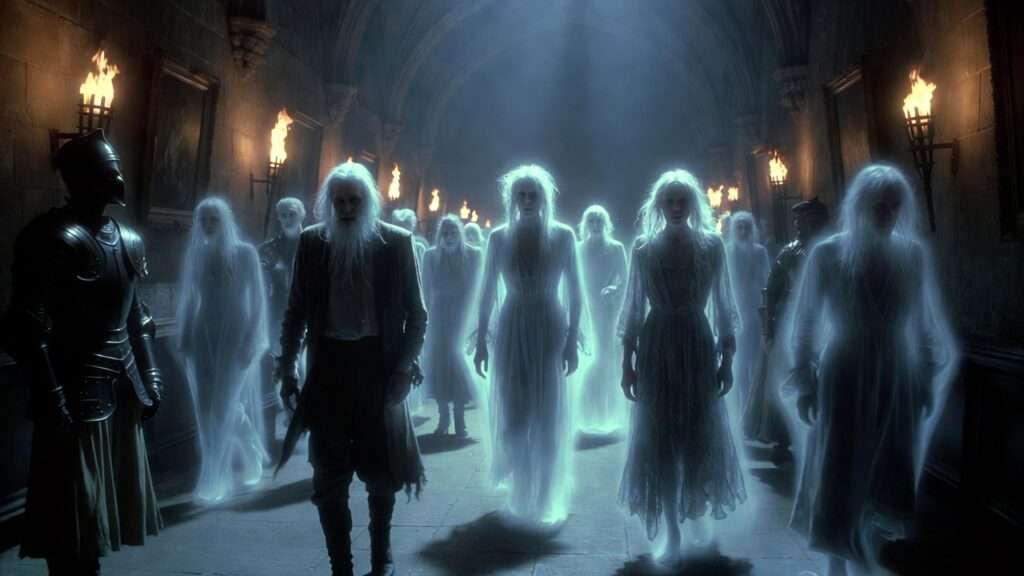
Imagine drifting through the shadowy corridors of Hogwarts Castle after curfew, the air growing inexplicably colder as translucent figures glide past—some cheerful, others sorrowful, and a few downright terrifying. These are the ghosts of the wizarding world, eternal residents of the most haunted building in Britain. From the pompous Nearly Headless Nick to the tragic Grey Lady, Harry Potter ghosts have captivated fans since the very first book, offering glimpses into life, death, regret, and the thin veil between worlds.
If you’ve ever wondered who these spectral beings really are, why they chose to linger instead of passing on, or how their backstories tie into the larger themes of J.K. Rowling’s series, you’re not alone. Many readers and viewers search for detailed explanations of Hogwarts ghosts—their origins, deaths, personalities, and roles—because these characters add profound depth to the magical universe. They aren’t just spooky set dressing; they embody unfinished business, fear of the unknown, and the consequences of clinging to life.
In this comprehensive guide, we’ll explore everything you need to know about Harry Potter ghosts. We’ll cover the magical mechanics of ghosthood, introduce every major Hogwarts spirit (including the four house ghosts), delve into lesser-known figures, examine book versus film portrayals, and uncover deeper lore and themes. Whether you’re a longtime Potterhead revisiting the series or a newcomer curious about the afterlife in the wizarding world, this in-depth resource goes beyond basic lists to provide insightful analysis and canonical details drawn from the books, official Wizarding World writings, and J.K. Rowling’s own revelations.
What Are Ghosts in the Harry Potter Universe?
Ghosts occupy a unique and melancholic place in Rowling’s magical system. Unlike Muggle folklore, they aren’t vengeful spirits or restless souls doomed by unfinished business in a generic sense—though unfinished business plays a key role. According to canon, a ghost is the imprint left behind when a witch or wizard dies but refuses to fully move on to the “next great adventure,” as Albus Dumbledore so eloquently puts it.
The Magical Mechanics of Becoming a Ghost
Only magical individuals can become ghosts; Muggles cannot leave such imprints. The process requires fear of death or an extraordinarily strong attachment to the living world—regret, guilt, love, or unfinished goals. The soul doesn’t fully depart; instead, a pale, transparent echo remains, forever tied to the earthly plane.
Ghosts appear as they did at the moment of death, retaining physical marks from their demise (Nearly Headless Nick’s nearly severed head being the most famous example). They glide weightlessly, pass through solid objects, and exude a bone-chilling cold that feels like plunging into icy water. They cannot touch or be touched in the conventional sense, though they can influence their environment slightly—turning flames blue, rippling water, or leaving ectoplasmic residue in frequently haunted spots.
A crucial detail: ghosts know nothing of the true afterlife. Those who become ghosts often regret it, as they remain frozen in their mortal mindset, unable to gain new wisdom or truly rest. As Rowling has explained, the wisest witches and wizards accept death and do not linger.
Ghosts vs. Other Spirits and Entities
It’s easy to confuse ghosts with other supernatural beings in the series. Poltergeists like Peeves are not ghosts—they’re chaotic manifestations of mischief, not deceased souls. Portraits and moving photographs capture echoes of personality but aren’t true spirits. Shades summoned by the Resurrection Stone (as seen in The Deathly Hallows) are mere imitations, not actual ghosts.
Hogwarts attracts so many ghosts due to its long, tragic history—centuries of magical events, battles, executions, and emotional attachments make it a natural gathering place for those unwilling to depart.
The Four House Ghosts of Hogwarts
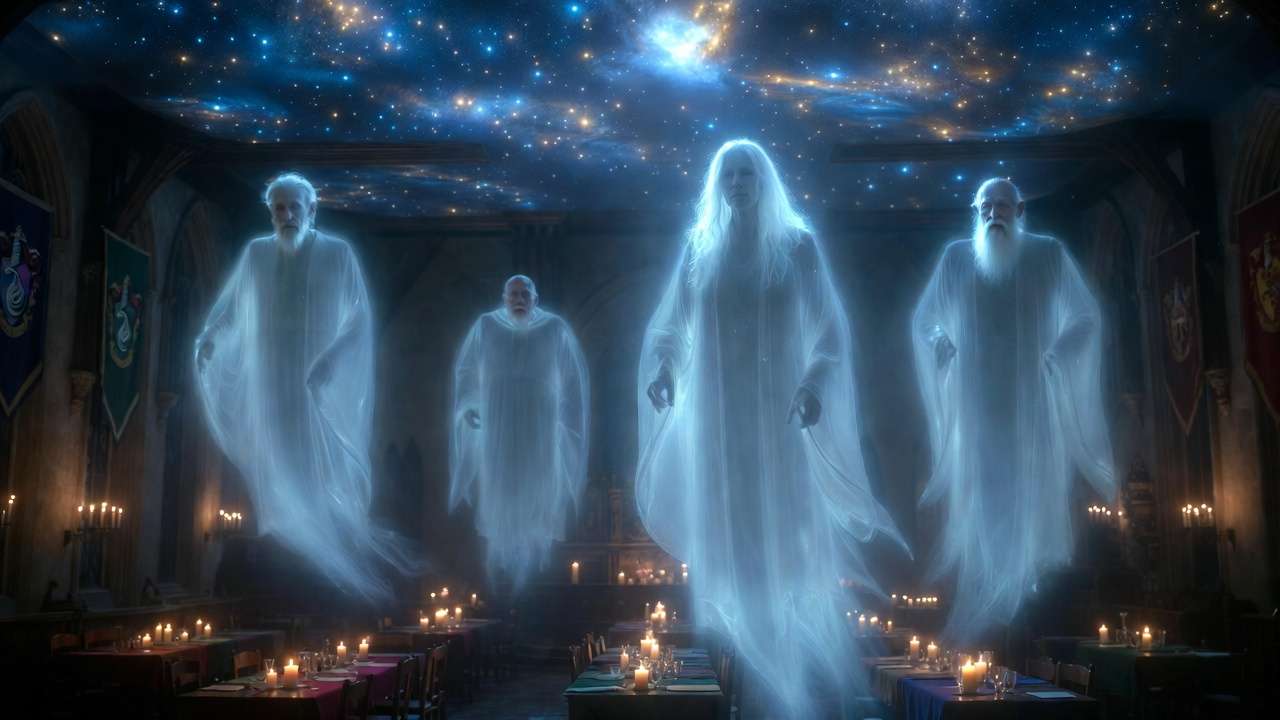
Each Hogwarts house has its own patron ghost, who attends feasts, guides students, and represents the house’s values in spectral form.
Nearly Headless Nick – Gryffindor House Ghost
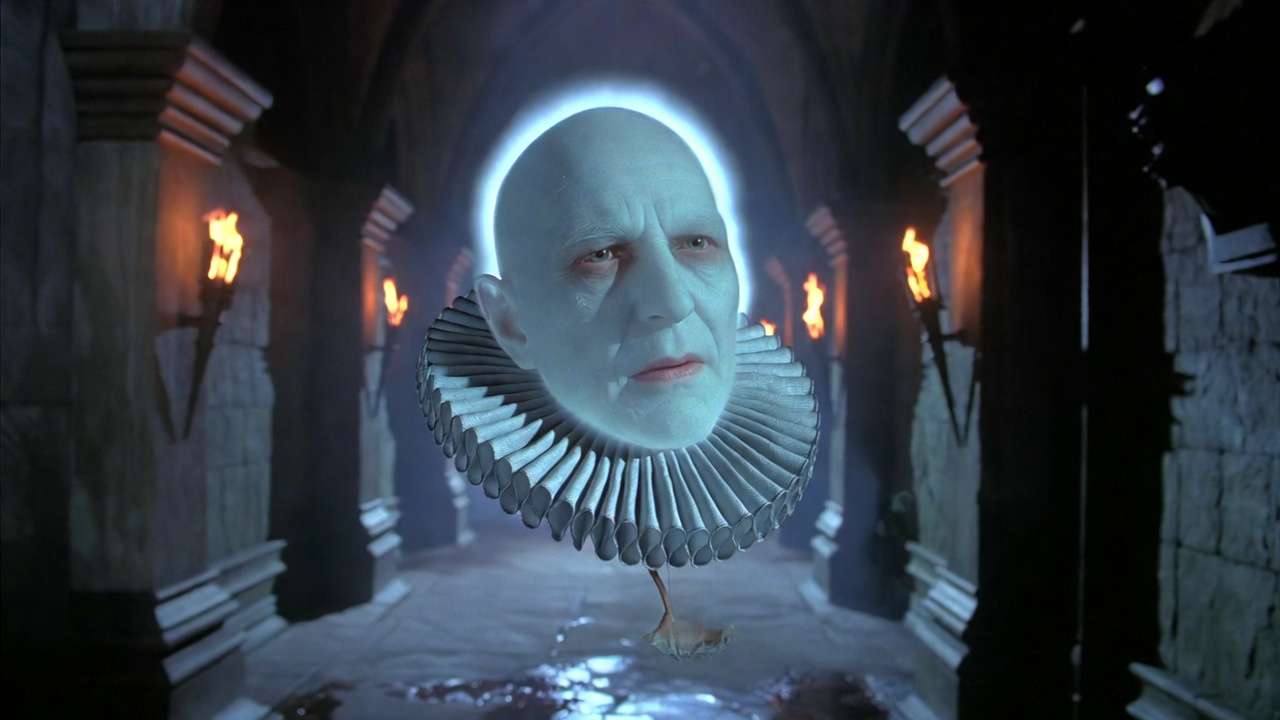
Sir Nicholas de Mimsy-Porpington, better known as Nearly Headless Nick, is the quintessential Gryffindor ghost—brave, chivalrous, yet a touch vain. Born in the late 15th century to a noble family, he was a wizard at the court of Henry VII. His death came on Halloween 1492 after a botched spell intended to beautify a lady-in-waiting resulted in her sprouting tusks. Accused of magic misuse, he was sentenced to beheading.
The executioner, however, bungled the job—Nick’s head remained attached by a thin strip of skin, earning him his famous moniker. Rejected by the Headless Hunt (a society of decapitated ghosts) because he wasn’t fully headless, Nick carries lingering resentment alongside his gallant demeanor.
In the books, he’s friendly and helpful to Harry, notably during the petrification crisis in Chamber of Secrets and by hosting his 500th Deathday Party. He symbolizes Gryffindor courage tempered by pride and the fear of letting go.
The Fat Friar – Hufflepuff House Ghost
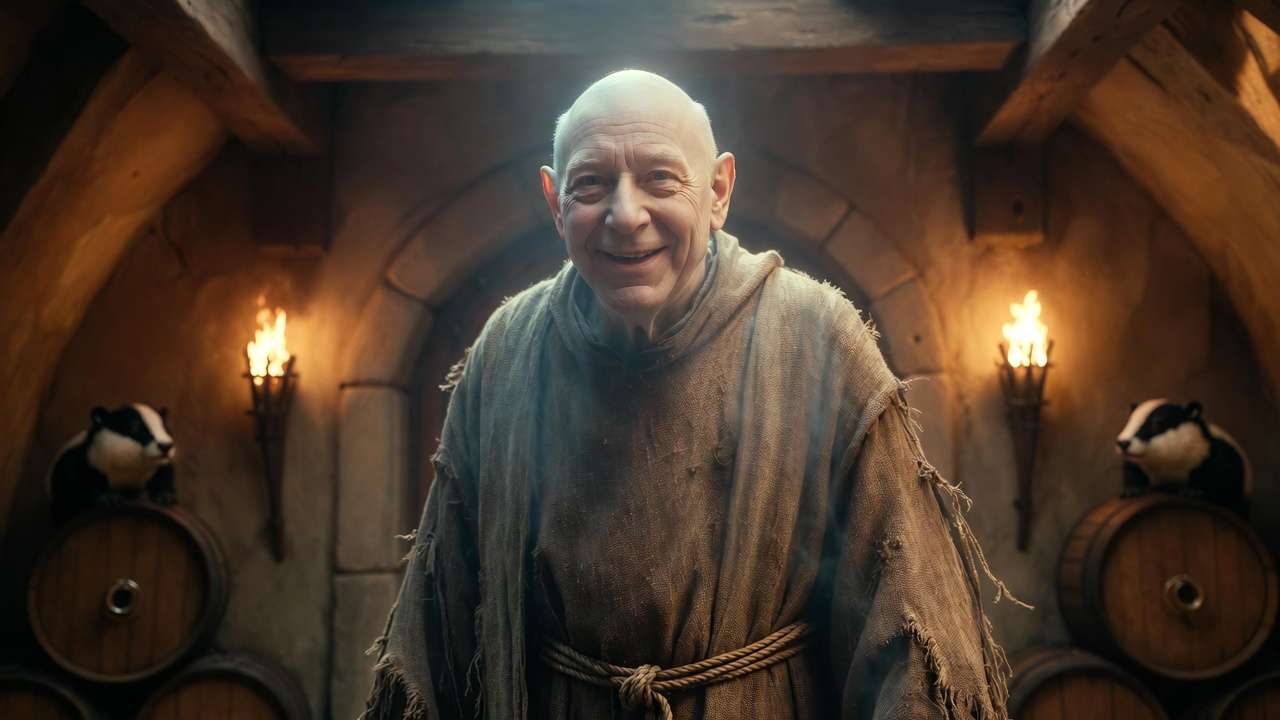
The Fat Friar is the warmest and most approachable of the house ghosts. A medieval friar executed for suspicious magical healing (and perhaps for pulling rabbits from communion cups), he embodies Hufflepuff’s loyalty, kindness, and inclusivity.
Cheerful and forgiving, he waves at first-years, suggests giving troublemakers second chances (even Peeves), and helps students access their common room. His execution for using magic highlights wizard-Muggle tensions of the era, yet he harbors no bitterness—perfectly aligning with Hufflepuff’s patient, just nature.
The Grey Lady – Ravenclaw House Ghost
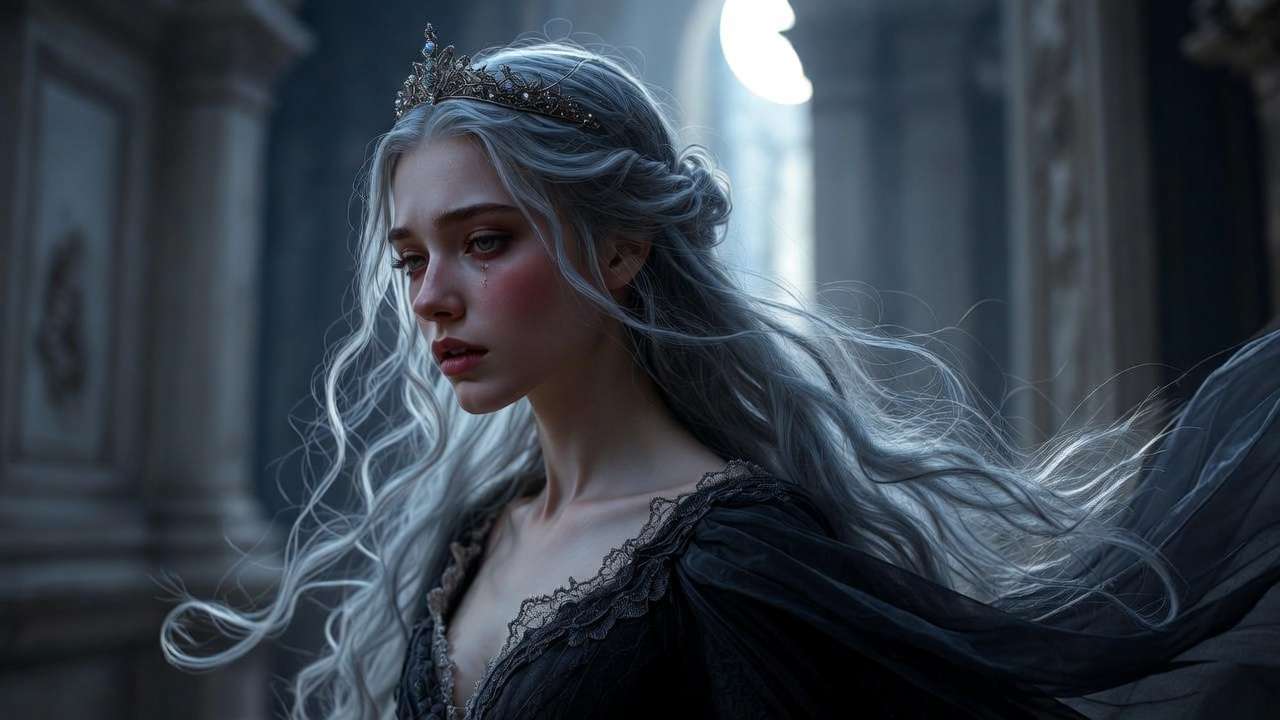
The Grey Lady, elegant and aloof, is Helena Ravenclaw, daughter of founder Rowena Ravenclaw. Intelligent and beautiful, she stole her mother’s diadem, hoping it would make her wiser. Fleeing to Albania, she was pursued by the Bloody Baron, who murdered her in a fit of rage when she rejected him.
Overcome with remorse, the Baron took his own life. Helena returned to Hogwarts as a ghost, hiding the diadem until Harry discovered its location in Deathly Hallows. Her story is one of Ravenclaw intellect marred by envy and regret, making her the most tragic house ghost.
The Bloody Baron – Slytherin House Ghost
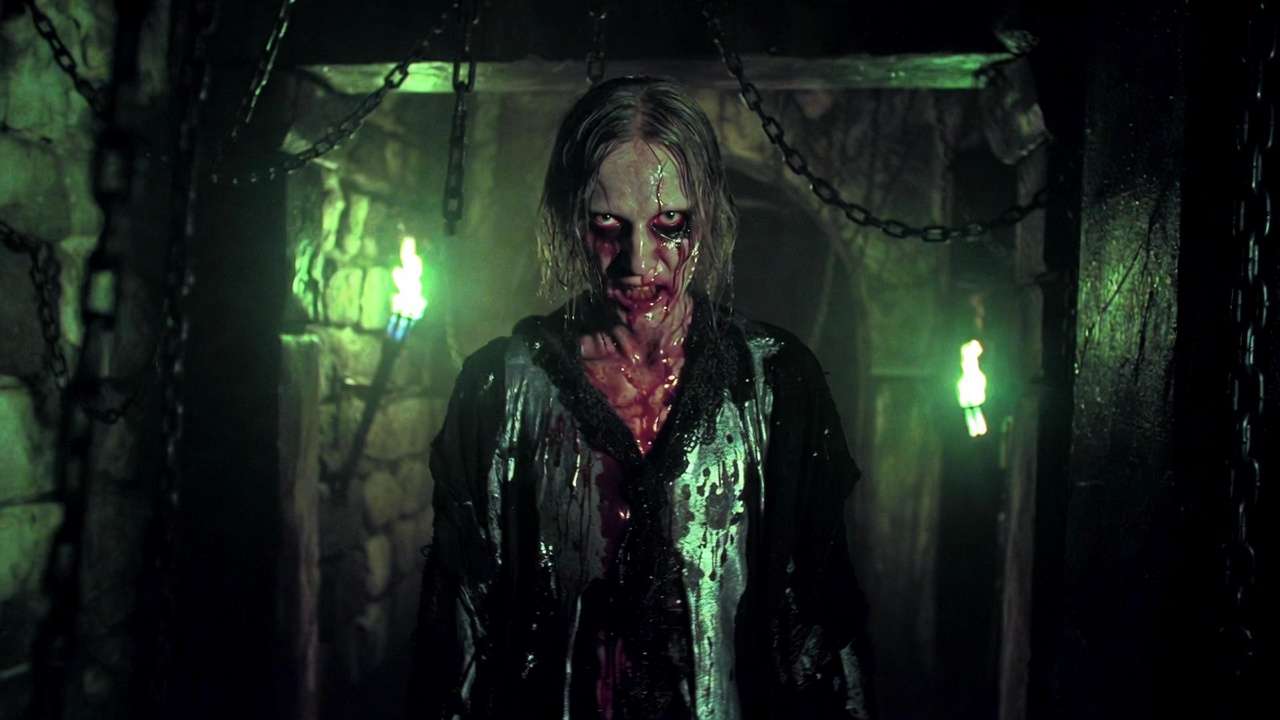
The Bloody Baron cuts a terrifying figure—gaunt, silent, chains clanking, silver bloodstains marking his robes. A volatile man in life, he murdered Helena Ravenclaw and then killed himself in despair. The chains symbolize self-imposed penance for his crime.
Reclusive and feared, he alone can control Peeves. His story reflects Slytherin’s ambition twisted into destruction, yet his eternal remorse hints at redemption. He rarely speaks, letting his appearance convey centuries of guilt.
Other Notable Hogwarts Ghosts
Beyond the four house ghosts, several other spirits appear throughout the series, each adding flavor to Hogwarts’ haunted atmosphere.
Moaning Myrtle (Myrtle Warren)
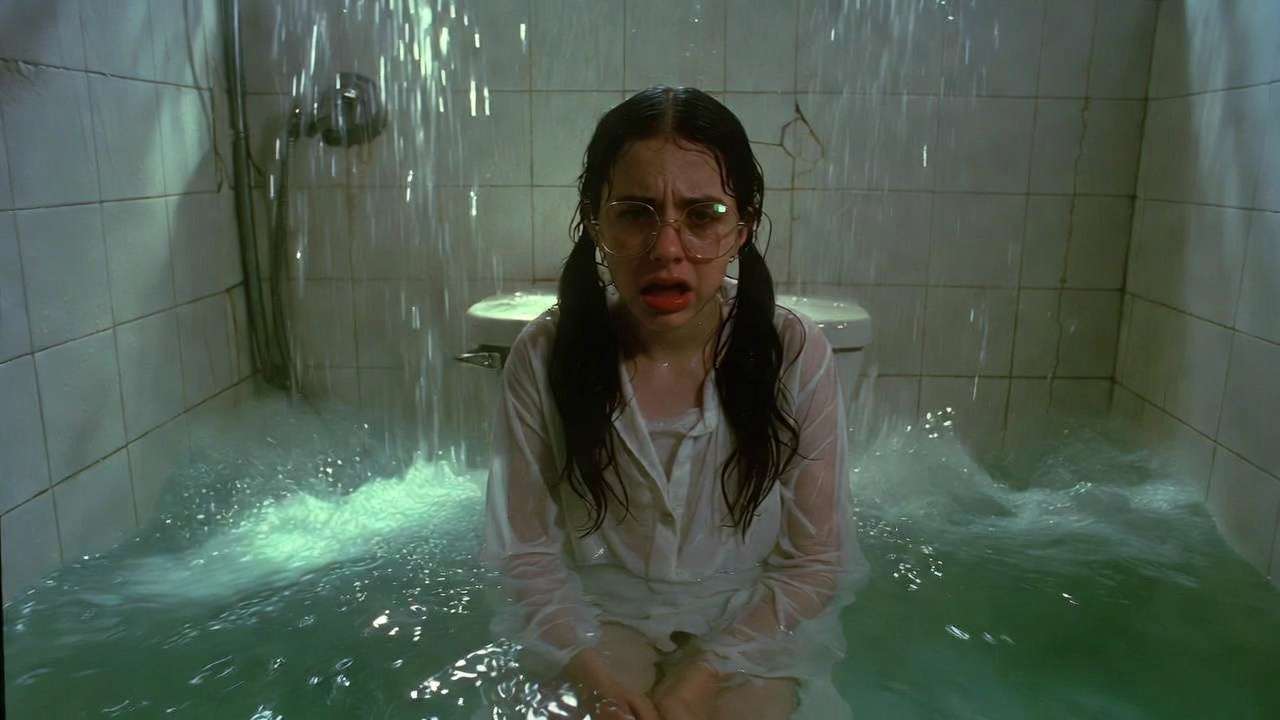
Perhaps the most memorable non-house ghost is Moaning Myrtle, the perpetually miserable spirit who haunts the girls’ bathroom on the second floor. Born Myrtle Elizabeth Warren, she was a Muggle-born Ravenclaw student in the 1940s. Shy, bespectacled, and frequently bullied, Myrtle was hiding in the bathroom on the day Tom Riddle opened the Chamber of Secrets. The Basilisk’s gaze killed her instantly in 1943.
As a ghost, Myrtle became dramatically theatrical—moaning loudly, flooding the bathroom when upset, and developing an awkward crush on Harry Potter years later. Despite her gloominess, she provides crucial help in both Chamber of Secrets (showing Harry the entrance to the Chamber) and Goblet of Fire (assisting with the prefects’ bathroom clue).
Myrtle represents the tragedy of youthful death cut short by prejudice and violence, and her bathroom remains one of the most consistently “haunted” locations in the castle.
Professor Cuthbert Binns
The only ghost who continues working after death is Professor Binns, the History of Magic teacher. An elderly, monotonous wizard, Binns died in his sleep sometime before the events of the series—yet his ghost simply rose from his body, floated to the classroom, and resumed lecturing without noticing the change.
Students find his drone-like voice nearly impossible to stay awake through, yet his lessons contain valuable (if dry) information about goblin rebellions, the Statute of Secrecy, and other wizarding history. Binns is a rare example of a ghost who seems content in his routine, perhaps because teaching was his entire identity in life.
Minor and Mentioned Ghosts
The castle is home to many unnamed or briefly mentioned ghosts:
- Members of the Headless Hunt, a boisterous group of decapitated spirits who ride spectral horses and play head-juggling games. They famously reject Nearly Headless Nick.
- Various corridor ghosts who glide past students, sometimes startling first-years.
- Seasonal apparitions, such as the dozen or so ghosts who join the Christmas feast in Philosopher’s Stone, adding to the festive (and eerie) ambiance.
These minor figures reinforce that Hogwarts is a living (and unliving) museum of magical history.
Peeves the Poltergeist: Not a Ghost, But Often Grouped With Them
Peeves is frequently mistaken for a ghost, but he is a poltergeist—a non-human spirit born from chaos, mischief, and teenage energy rather than a deceased soul. He has existed at Hogwarts for centuries, causing endless trouble: dropping chandeliers, writing rude messages in blood (or ink), and tormenting students and staff alike.
Unlike true ghosts, Peeves can manipulate objects more forcefully and has a corporeal enough form to throw things. He fears only two entities: the Bloody Baron (who can physically intimidate him) and Fred and George Weasley (whose pranks occasionally outmatch his own).
Many fans include Peeves in “Hogwarts ghosts” discussions because of his constant presence and ghostly appearance, but canon clearly distinguishes him as a separate entity.
How Ghosts Fit Into Hogwarts Life and the Wider Wizarding World
Ghosts are woven seamlessly into daily life at Hogwarts. They attend house tables during feasts, offer (sometimes dubious) advice to students, and serve as unofficial historians. Their presence normalizes death in a way that contrasts sharply with the Muggle world—yet it also underscores how frightening and final death truly is.
The series repeatedly explores the temptation to avoid death. Voldemort’s Horcruxes represent the ultimate refusal to accept mortality, while ghosts represent a lesser but still tragic version of the same fear. Dumbledore’s calm acceptance of his own death stands in stark contrast to the lingering regret of the castle’s spirits.
Ghosts also highlight wizarding society’s complex relationship with the afterlife. No one knows what lies beyond—not even the ghosts themselves—making their existence both comforting (proof that something persists) and unsettling (proof that clinging to life can trap you forever).
Book vs. Film Differences: How Ghosts Were Portrayed
The films made several changes to the ghosts for visual and pacing reasons:
- Nearly Headless Nick’s Deathday Party in Chamber of Secrets is greatly expanded in the book (with rotting food, ghostly musicians, and a dramatic “head toss” demonstration) but reduced to a brief, comedic scene in the film.
- The Grey Lady’s backstory is delivered more emotionally and visually in Deathly Hallows – Part 2, with a clearer flashback to her murder.
- Moaning Myrtle appears more frequently and with a slightly more comedic tone in the films, while the books emphasize her loneliness and vulnerability.
- The Bloody Baron is almost silent in both versions, but the films lean heavily on his terrifying appearance to convey menace.
Overall, the films prioritize atmosphere and special effects (beautiful translucent designs, dramatic entrances), while the books delve deeper into personalities, regrets, and philosophical undertones.
Fascinating Facts and Lesser-Known Lore
- J.K. Rowling originally planned for more house ghosts but settled on four to keep the focus tight.
- In early drafts, Nearly Headless Nick was called “Sir Nicholas de Mimsy” without the “Porpington.”
- According to Pottermore/Wizarding World writings, ghosts can “fade” over centuries if ignored, though none at Hogwarts have reached that point.
- No ghost animals appear in the main series, though magical creatures like thestrals blur the line between life and death.
- The Fat Friar’s cheerful attitude may stem from his belief in forgiveness—a trait that contrasts sharply with the more tormented house ghosts.
Why the Ghosts Matter: Deeper Themes and Fan Impact
The Harry Potter ghosts serve as a powerful metaphor for regret, fear, and the human (and wizard) struggle to accept mortality. Nearly Headless Nick’s vanity, Helena Ravenclaw’s envy, the Bloody Baron’s guilt, Myrtle’s loneliness—all reflect choices made in life that echo into eternity.
They also humanize the wizarding world. Amid flying broomsticks and spell-casting, the ghosts remind us that even magic cannot erase pain or loss. Their presence makes Hogwarts feel ancient, layered, and alive with stories.
In fan culture, the ghosts inspire countless cosplays, fan art, theories (e.g., could a ghost ever “move on”?), and even academic discussions about death in children’s literature. They remain some of the most enduring and emotionally resonant characters in the series.
The ghosts of Hogwarts are far more than spooky background figures. They are living (or unliving) testaments to the consequences of fear, love, ambition, and regret. From the proud Nearly Headless Nick to the sorrowful Grey Lady, each spirit enriches J.K. Rowling’s world and invites us to reflect on our own relationship with life and death.
Next time you revisit the books or films, pay closer attention to these translucent wanderers. They have stories to tell—if you’re willing to listen.
Which Hogwarts ghost do you find most fascinating, and why? Share in the comments below—I’d love to hear your thoughts!
Frequently Asked Questions About Harry Potter Ghosts
Who are the four house ghosts in Harry Potter? Nearly Headless Nick (Gryffindor), the Fat Friar (Hufflepuff), the Grey Lady (Ravenclaw), and the Bloody Baron (Slytherin).
How does one become a ghost in Harry Potter? A witch or wizard must fear death or be too attached to the living world to pass on, leaving an imprint of their soul behind.
Is Peeves a ghost? No—Peeves is a poltergeist, a non-human spirit of chaos, not the remnant of a deceased person.
What happened to Nearly Headless Nick’s head? A botched beheading in 1492 left it attached by a thin strip of skin, preventing him from joining the Headless Hunt.
Why is the Bloody Baron covered in blood? The silver bloodstains are self-inflicted marks of remorse after he murdered Helena Ravenclaw and then took his own life.
Are there ghosts outside Hogwarts? Yes, though far fewer are mentioned. Some appear in graveyards (e.g., Godric’s Hollow), and ghosts can theoretically haunt any location tied to strong emotion or death.
Can ghosts leave Hogwarts? They can, but most choose to stay due to attachment to the castle or its inhabitants. Myrtle, for example, occasionally ventures out but always returns.