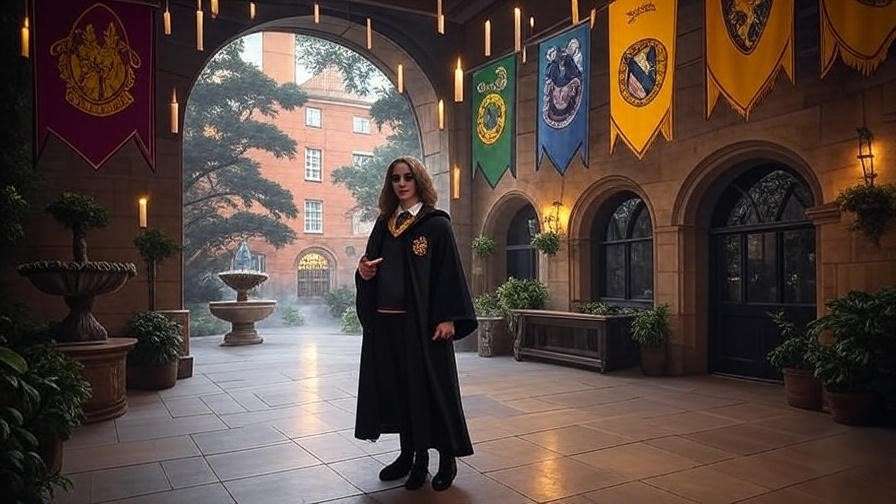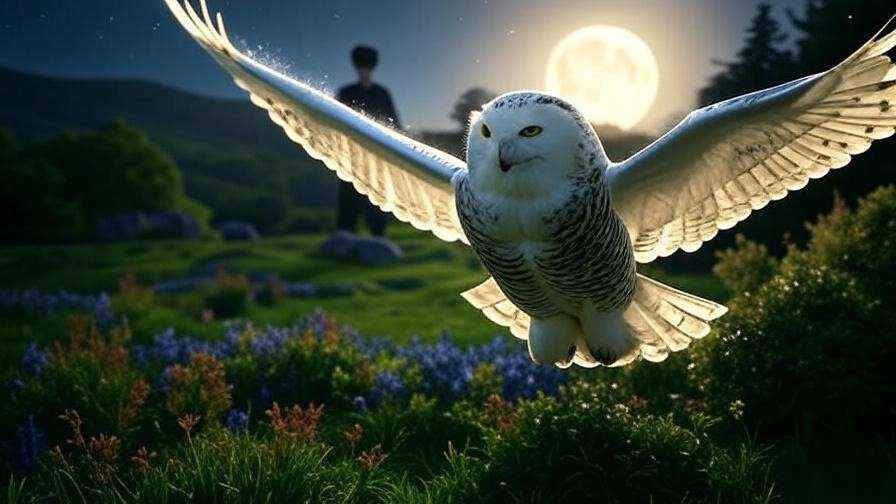
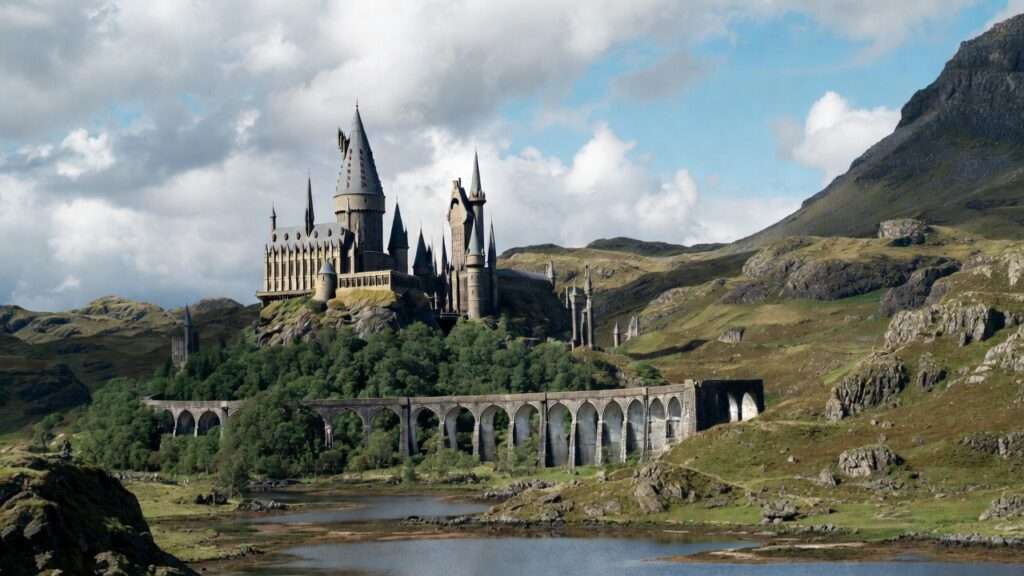
Imagine this: a scarlet steam train snakes across a graceful stone viaduct, curling through misty Scottish highlands as fog rolls over ancient lochs and rugged peaks rise in the distance. The camera lingers just long enough for your heart to skip — that single, breathtaking view of the Hogwarts Express crossing Glenfinnan Viaduct instantly transports millions of fans back to their first glimpse of the wizarding world. Harry Potter scenery isn’t mere backdrop; it’s a living, breathing element that infuses every frame with wonder, mystery, and raw natural beauty.
For over two decades, the Harry Potter films have captivated audiences not just with spells and stories, but with their unforgettable landscapes — dramatic Scottish moors, enchanted castle grounds shrouded in mist, rainy journeys through wild valleys, and towering gothic architecture that feels both ancient and alive. These stunning Harry Potter scenery moments blend practical location shooting with masterful cinematography, creating an immersive sense of magic grounded in real-world places. Whether you’re searching for wallpaper inspiration, planning a pilgrimage to filming sites, or simply craving a nostalgic escape, this guide dives deeper than typical lists. As a longtime Potterhead who has studied the production notes, revisited the films countless times, and explored fan communities, I’ll share the most enchanting views, their cinematic significance, real-world locations, and ways to experience them today.
Why Harry Potter Scenery Feels So Enchantingly Real
The Harry Potter series stands apart in fantasy cinema because its landscapes feel tangible and lived-in. Director Chris Columbus set the tone in the early films by prioritizing practical locations over heavy CGI, while Alfonso Cuarón’s Prisoner of Azkaban elevated the visuals with sweeping, atmospheric shots that captured the wild unpredictability of nature. Later entries by David Yates leaned into moody, dramatic lighting and vast exteriors to mirror the darkening tone of the story.
J.K. Rowling drew heavy inspiration from the Scottish countryside, describing Hogwarts as perched on a mountainside overlooking a loch — a vision brought to life through composite shots of real places. The production team used Scotland’s Highlands for many exterior grounds because the region’s changeable weather, ancient geology, and untouched beauty evoked an otherworldly yet believable magic. Unlike purely digital fantasy realms in other franchises, Harry Potter’s scenery often relies on natural light, real wind, and genuine terrain, making viewers feel they could step into the frame.
This authenticity amplifies emotional beats: a stormy approach to Hogwarts heightens Harry’s sense of awe and isolation, while sunlit highlands during Quidditch scenes convey freedom and joy. The landscapes become characters themselves — protective, dangerous, eternal.
The Most Iconic Hogwarts Grounds and Castle Views
No Harry Potter scenery discussion is complete without the castle itself. Hogwarts School of Witchcraft and Wizardry appears as a majestic, turreted fortress rising from rocky shores, its silhouette framed against dramatic skies.
The Sweeping Lake and Forbidden Forest Approaches
One of the earliest and most memorable views comes in Harry Potter and the Philosopher’s Stone: the first-years’ boats glide across the Black Lake toward the castle at dusk. Torchlight flickers on the water, towers loom against a twilight sky, and the Forbidden Forest edges the shore in shadowy mystery. This scene, shot using miniatures and location plates blended seamlessly, captures pure wonder. The lake’s misty surface and the forest’s dense, ancient trees evoke the school’s hidden dangers and secrets.
Hogwarts from Afar – The Classic Establishing Shots
Wide-angle shots of the full castle — often against stormy or moonlit backdrops — recur throughout the series. These composites draw from multiple sites: Durham Cathedral’s quadrangle for some exteriors, combined with Scottish hills and digital enhancements. The result is a timeless, gothic masterpiece that feels impossibly grand yet approachable.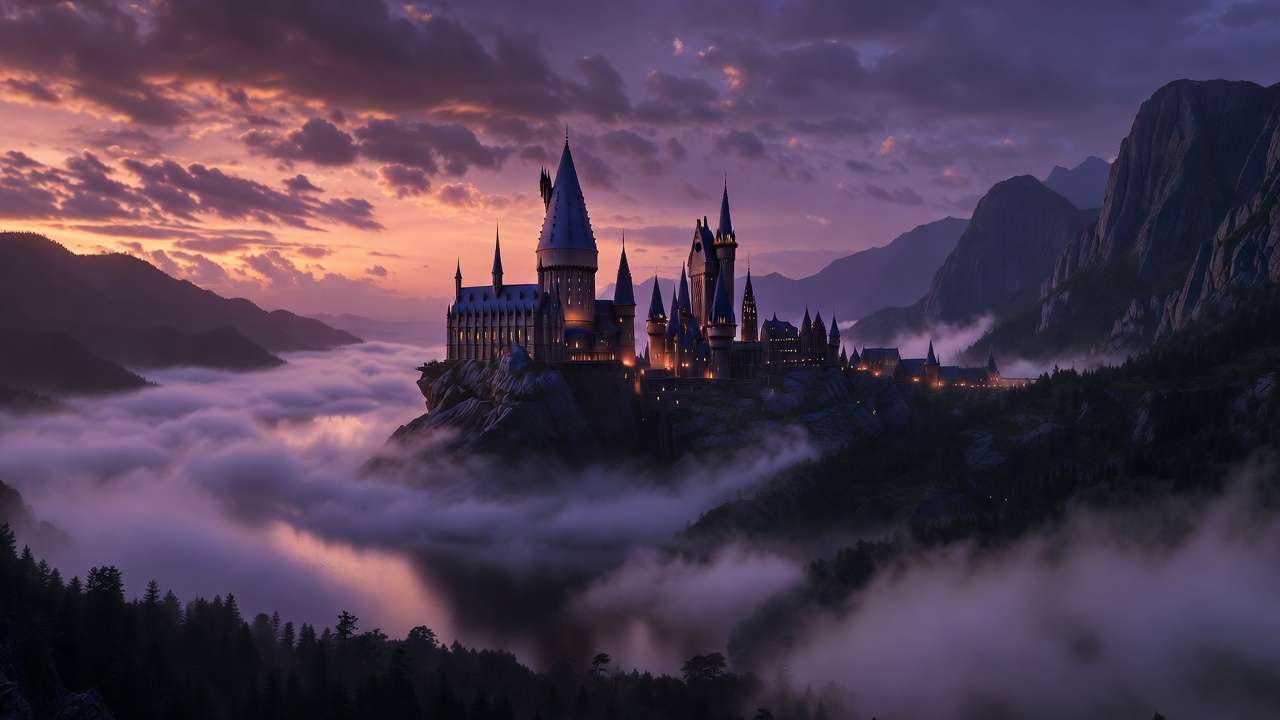
Seasonal Magic – Autumn Leaves, Winter Snow, Spring Blooms
The films cleverly use seasonal changes to reflect plot moods. Autumnal golden leaves blanket the grounds in early films, symbolizing discovery. Winter snow in Prisoner of Azkaban adds isolation during Sirius Black’s escape, while spring blooms hint at renewal in later entries. These shifts make Hogwarts feel alive, evolving with the characters.
The Legendary Journey – Hogwarts Express and Scottish Landscapes
Few Harry Potter scenery elements are as beloved as the Hogwarts Express winding through Scotland.
Glenfinnan Viaduct – The Most Photographed Harry Potter Landmark
This 21-arched viaduct over the River Finnan, near Fort William, appears in multiple films as the train’s iconic crossing. Framed by Loch Shiel and surrounding hills, the curved structure against dramatic clouds has become synonymous with magic. Fans flock here to watch the Jacobite Steam Train (the real “Hogwarts Express”) pass — best viewed from the nearby viaduct viewpoint trail.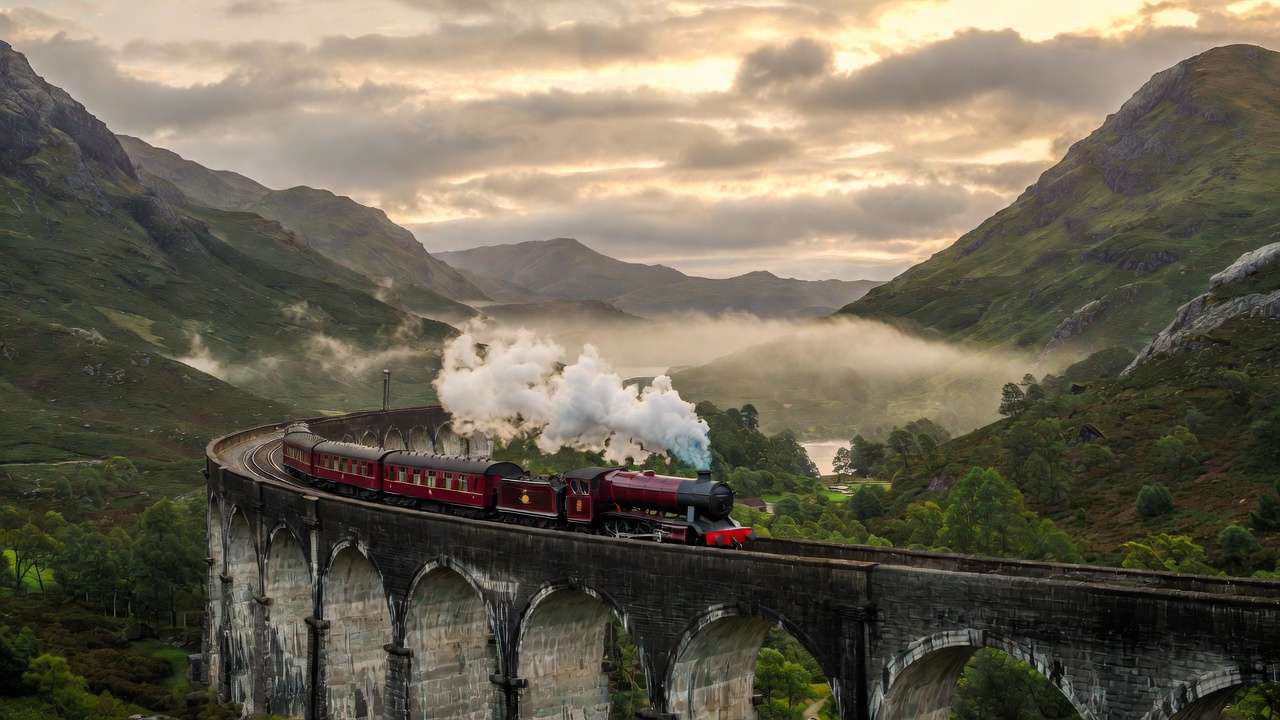
Glencoe Valley and Rannoch Moor – Epic Highland Backdrops
Glencoe’s rugged glen served for Hagrid’s hut exteriors and sweeping landscapes in Prisoner of Azkaban and beyond. Its towering mountains and misty valleys provide a sense of vastness and peril. Rannoch Moor’s barren, windswept expanse doubled for desolate grounds and dragon scenes, emphasizing the wild Scottish terrain that inspired Rowling.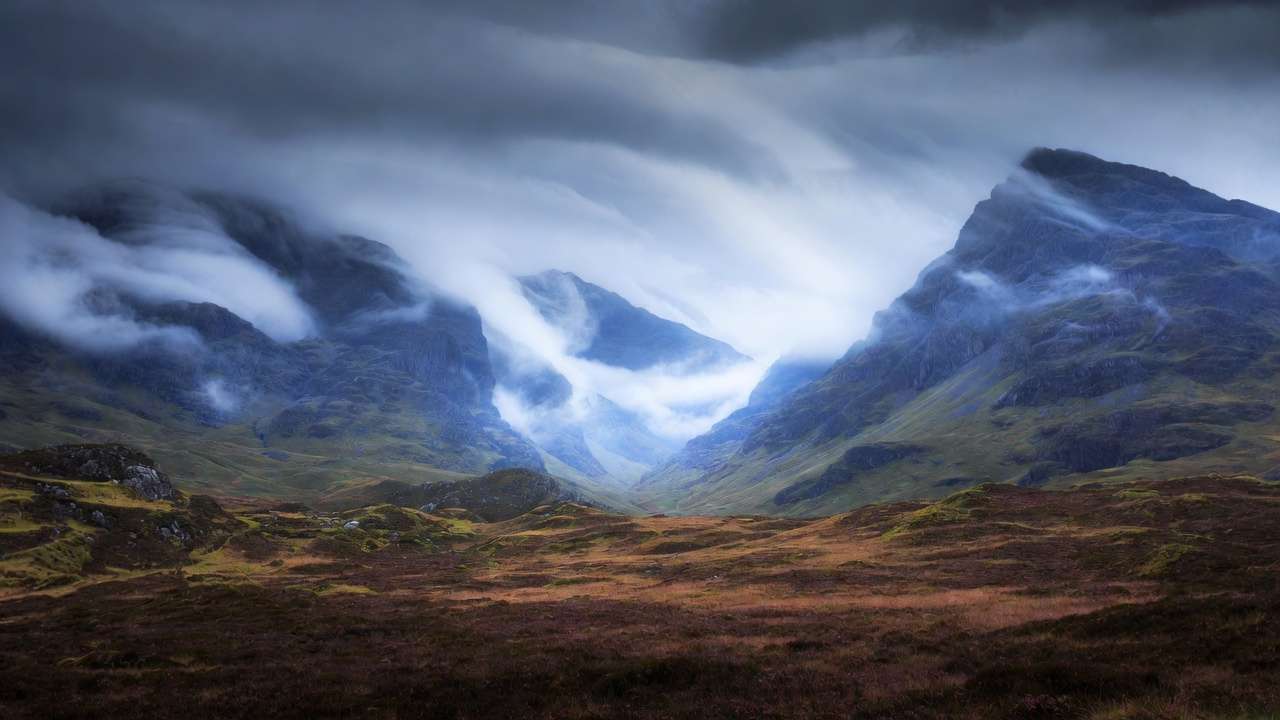
Rain-Soaked Express Scenes – Emotional Power of Weather
The rainy journey in Prisoner of Azkaban — with water streaking windows as the train cuts through misty moors — remains a fan favorite. Cuarón’s use of natural Scottish weather adds raw emotion, turning a simple train ride into a poignant symbol of transition and foreboding.
Enchanted Interiors and Architectural Wonders
While exteriors dominate the scenery, interiors draw from Britain’s historic architecture.
Great Hall and Courtyards (Oxford & Gloucester Cathedral)
Christ Church College at Oxford inspired the Great Hall’s grand staircase and dining layout (though filmed on set). Gloucester Cathedral’s fan-vaulted cloisters became Hogwarts corridors — their medieval stonework and arched walkways create an atmospheric, timeless feel.
Alnwick Castle – Quidditch Training and Outdoor Hogwarts
This Northumberland medieval castle hosted broomstick lessons in the outer bailey. Its imposing walls and green lawns perfectly capture youthful magic and adventure.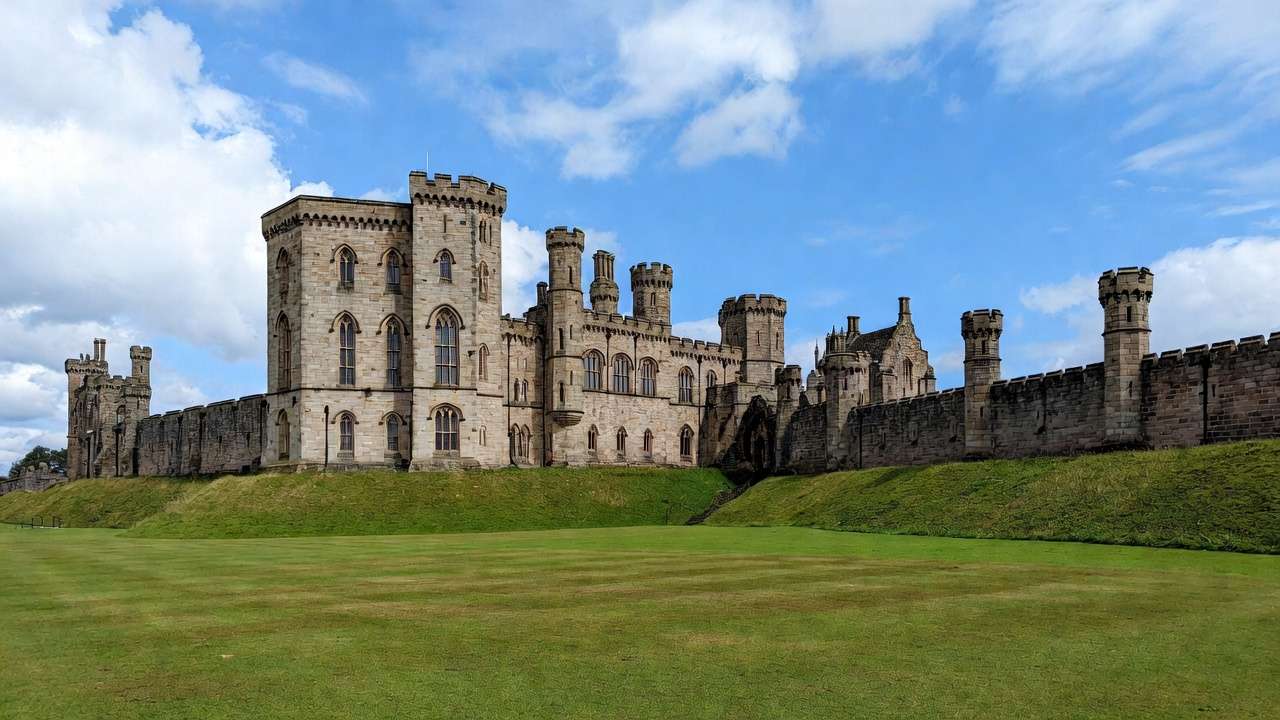
Lacock Abbey and Other Abbey Interiors
Lacock Abbey’s chapter house and cloisters stood in for classrooms and hallways in the first two films. The abbey’s peeling plaster and ancient rooms add authenticity to Hogwarts’ lived-in grandeur.
Hidden Gems and Lesser-Known Magical Spots
Beyond the big names lie subtler treasures.
Malham Cove and Yorkshire Dales: The limestone pavement at Malham Cove appeared in Deathly Hallows as rugged terrain during the trio’s journey. Its stark, otherworldly beauty fits the series’ darker phases.
Freshwater West Beach (Shell Cottage): Welsh cliffs and crashing waves provided the exterior for Bill and Fleur’s seaside home — a dramatic, windswept contrast to inland magic.
Other UK & Beyond Influences: From Loch Etive’s serene waters to Loch Arkaig’s remote shores, Scotland offers endless hidden spots that echo the wizarding world’s expanse.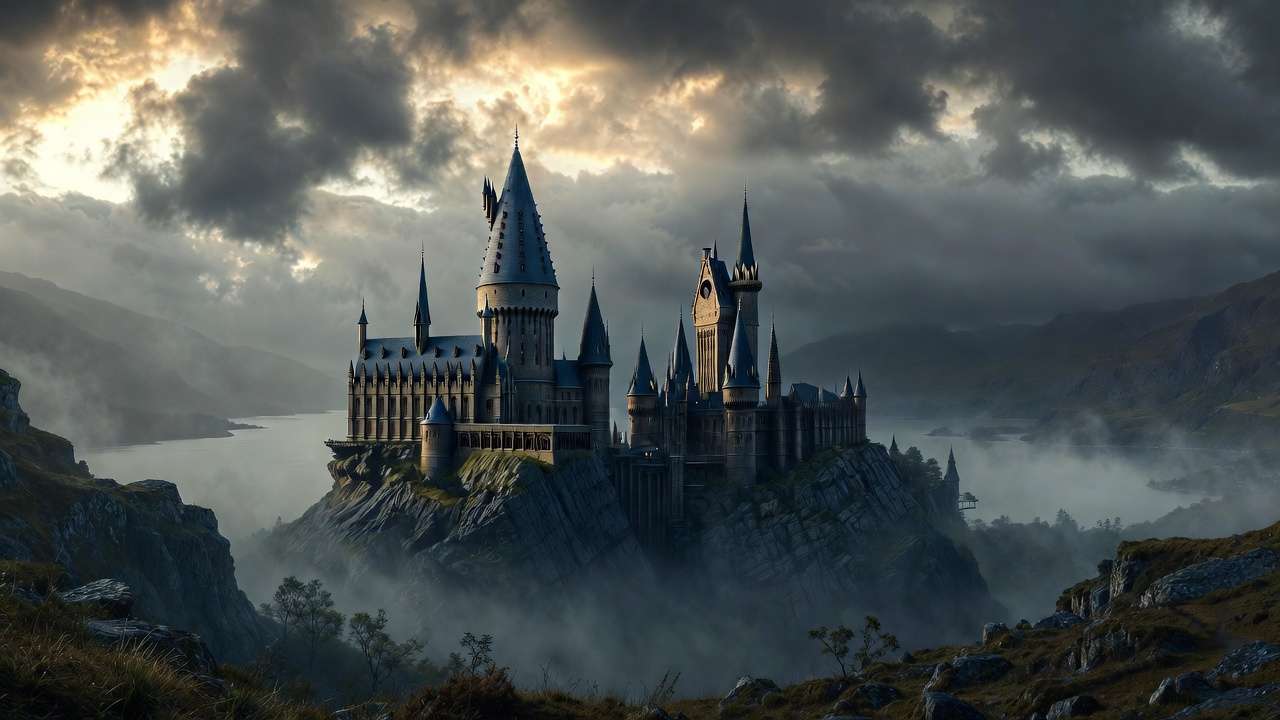
How to Experience Harry Potter Scenery Today
Bring the magic home or into real life with these practical tips.
Plan a Scotland Highlands itinerary: Start in Fort William for Glenfinnan, drive through Glencoe, and ride the Jacobite Steam Train (book early — it sells out). Visit in autumn for golden hues or winter for snowy drama.
For England: Combine Alnwick Castle, Gloucester Cathedral, and Lacock Abbey in a multi-day trip. Oxford adds academic charm.
Photographers: Shoot Glenfinnan at sunrise or sunset for golden light; use wide lenses for viaduct curves. Apps like “Harry Potter Filming Locations” help spot sites.
Digital options abound: 4K scene compilations on YouTube, high-res wallpapers from official sources, or ambience videos with loch sounds and train whistles.
Don’t miss the Warner Bros. Studio Tour London — walk the Great Hall set, see Forbidden Forest backdrops, and explore massive scenic paintings up to 600 feet long.
Why These Landscapes Still Captivate Us – Fan Perspectives
On forums and Pinterest, fans rave about the escapism: misty highlands offer refuge from daily life, while castle views inspire wonder. Cinematography evolved from warm, inviting shots to moody, epic vistas, mirroring the story’s maturation.
As someone immersed in the fandom for years, I see these landscapes as reminders that magic exists in the natural world — a bridge between fiction and reality.
FAQs
What is the most beautiful Harry Potter scenery location?
Many fans crown Glenfinnan Viaduct for its iconic train crossing and loch views, though Glencoe’s dramatic valleys run a close second.
Where was Hogwarts filmed in real life?
No single place — it’s a composite: Scottish Highlands for exteriors, Alnwick Castle for grounds, Gloucester Cathedral for corridors, and studio sets for interiors.
Can you visit the Glenfinnan Viaduct?
Yes! Accessible via car or train; the Jacobite Steam Train passes daily in season. A short hike offers the best vantage point.
What Harry Potter scenes have the best landscapes?
Standouts include the Hogwarts arrival by boat (Philosopher’s Stone), rainy Express journey (Prisoner of Azkaban), and highland sweeps in later films.
The stunning Harry Potter scenery — from misty viaducts to towering castle silhouettes — transforms simple stories into profound experiences. These landscapes evoke childhood awe, invite exploration, and prove that true magic lies in the beauty around us.
Revisit the films with fresh eyes, plan that trip to Scotland, or simply lose yourself in a favorite view. The wizarding world endures because its scenery feels real enough to touch. Where’s your favorite Harry Potter landscape? Share in the comments — let’s keep the magic alive.