Picture this: an 11-year-old British boy with no major acting credits walks onto the set of Harry Potter and the Sorcerer’s Stone in 2000. Eight films, 10 years, and one global phenomenon later, that same boy—Daniel Radcliffe—had become one of the highest-paid child actors in cinematic history. The question millions of fans still ask in 2026 is simple yet fascinating: how much did Daniel Radcliffe make from Harry Potter?
The Harry Potter franchise grossed over $9.5 billion at the worldwide box office, spawned theme parks, merchandise empires, and endless streaming revenue. Yet while the studio and J.K. Rowling reaped enormous financial rewards, how much of that fortune actually reached the actor who embodied the Boy Who Lived? Accurate answers have long been muddled by outdated reports, tabloid speculation, and incomplete figures.
This 2026-updated guide delivers the most comprehensive, transparent breakdown available: film-by-film salaries, total franchise earnings, post-tax estimates, ongoing residuals, current net worth context, and the smart financial decisions that turned early paychecks into lasting wealth. Drawing from credible sources—including Celebrity Net Worth (2025–2026 updates), Parade magazine financial roundups, Screen Rant analyses, trade publications (Variety, The Hollywood Reporter), and Radcliffe’s own interviews—we aim to cut through the noise and provide the clarity Potterheads deserve.
Daniel Radcliffe’s Harry Potter Salary: Film-by-Film Breakdown
Daniel Radcliffe’s pay evolved dramatically across the eight films, reflecting both the franchise’s explosive growth and his rising status as its central star. Below is the most consistently reported salary progression, cross-verified from multiple industry sources as of 2026.
Harry Potter and the Sorcerer’s Stone (2001)
- Reported salary: $1 million
- Context: At age 11, Radcliffe was an unknown child actor chosen from thousands of hopefuls. Warner Bros. offered a relatively modest (by blockbuster standards) upfront fee for what was then an unproven fantasy adaptation. This figure included his entire compensation for the first film—no significant backend or profit participation at this stage.
Harry Potter and the Chamber of Secrets (2002)
- Reported salary: $3 million
- Context: After the massive success of the first film (over $974 million worldwide), Radcliffe’s pay tripled. The studio recognized his central role and the growing merchandising/franchise potential.
Harry Potter and the Prisoner of Azkaban (2004)
- Reported salary: $6 million
- Context: Another doubling. By this point, the series was a proven global juggernaut, and Radcliffe—now 14—was firmly established as the face of Harry Potter.
Harry Potter and the Goblet of Fire (2005)
- Reported salary: $11 million
- Context: The franchise entered its teenage phase, box-office numbers climbed higher, and so did Radcliffe’s paycheck. Reports indicate this was one of the largest jumps between consecutive films.
Harry Potter and the Order of the Phoenix (2007)
- Reported salary: $14 million
- Context: Steady escalation continued. Radcliffe was now 17, legally an adult in the UK, and his performance carried increasing emotional weight as the series darkened.
Harry Potter and the Half-Blood Prince (2009)
- Reported salary: $24 million
- Context: This marked Radcliffe’s highest single-film payday during the main series. At 19–20 years old, he was among the top-earning young actors globally.
Harry Potter and the Deathly Hallows – Parts 1 & 2 (2010–2011)
- Reported combined salary: $50–66 million
- Some sources (Celebrity Net Worth, Parade 2026) cite ~$50 million total for both parts.
- Other reports (earlier Variety and THR pieces) split it closer to $25–33 million per film, with additional bonuses tied to box-office performance and home-video sales.
- Context: The two-part finale was shot back-to-back, allowing a larger overall deal. This was also when backend profit participation and merchandising royalties became more significant.
Quick Salary Summary Table (pre-tax estimates)
- Sorcerer’s Stone: $1M
- Chamber of Secrets: $3M
- Prisoner of Azkaban: $6M
- Goblet of Fire: $11M
- Order of the Phoenix: $14M
- Half-Blood Prince: $24M
- Deathly Hallows Parts 1 & 2: $50–66M Total from films: $95.6 million – $109 million (most commonly cited range: ~$95.6–100 million)
Total Earnings from the Harry Potter Franchise
When fans ask how much did Daniel Radcliffe make from Harry Potter, the headline figure most often quoted is the $95.6 million to $109 million range from his base salaries across the eight films. This number—frequently cited by Celebrity Net Worth, Parade (2026 update), and Screen Rant—is a reliable starting point, but it does not tell the complete story.
Base Film Salaries vs. Additional Revenue Streams
- Pre-tax total from salaries: Approximately $95.6 million (most conservative estimate) to $109 million (higher-end reports including bonuses).
- Post-tax / take-home estimate: After U.S./U.K. taxes, agent fees (typically 10%), manager fees, and other deductions, most financial analysts place Radcliffe’s actual net earnings from the films in the $60–80 million range during the active production years (2000–2011).
However, the Harry Potter franchise’s longevity means Radcliffe has continued to earn from the IP long after principal photography wrapped.
Key additional income sources include:
- Residuals and royalties from home video, streaming, and television: Every time a Harry Potter film airs on cable, streams on Max/HBO, or is re-released in 4K/Blu-ray, Radcliffe receives a small percentage. Over 15+ years, these payments have likely added millions more.
- Merchandise and licensing royalties: While not as large as J.K. Rowling’s share, Radcliffe received a modest cut from official Harry Potter toys, video games, LEGO sets, and apparel featuring his likeness.
- Theme park & live-event appearances: Periodic paid appearances at Wizarding World events and conventions have contributed smaller but steady income.
- Profit participation / backend deals: Especially on the final two films, reports suggest Radcliffe negotiated points on net profits, which—given the $2.4+ billion combined gross of Deathly Hallows Parts 1 & 2—could have added several million more.
Realistic total franchise earnings estimate (2026): Most authoritative sources now converge on $100–130 million when including all direct and indirect Harry Potter-related income through 2026. This figure excludes unrelated acting work, theater, or investments.
Comparison to Co-Stars
- Emma Watson: Estimated $70–85 million from the franchise (slightly lower base salaries but strong post-Potter career leverage).
- Rupert Grint: ~$50–70 million (smaller salary jumps, fewer high-profile backend deals).
Radcliffe’s higher total reflects his central billing and longer on-screen time.
Daniel Radcliffe’s Current Net Worth & Financial Choices
As of early 2026, Daniel Radcliffe’s net worth is most reliably estimated at $110 million according to updated reports from Celebrity Net Worth (last refreshed late 2025), Parade magazine’s annual celebrity finance roundup (January 2026), and financial tracking sites like Wealthy Gorilla and CA Knowledge. This figure places him comfortably among the wealthiest former child stars of his generation.
2026 Net Worth Estimate
- Base range: $100–120 million (most sources converge around $110M).
- Key contributors:
- Harry Potter franchise earnings (salaries + residuals + royalties): ~$100–130 million pre-tax over 25 years.
- Post-Potter acting career: Steady income from indie films (Swiss Army Man, The Woman in Black), Broadway (How to Succeed in Business Without Really Trying, Endgame), television (Miracle Workers), and the satirical biopic Weird: The Al Yankovic Story (2022).
- Producing and theater investments: Radcliffe co-founded a small production company and has backed several stage productions in London and New York.
- Real estate: Ownership of properties in London and New York (purchased in the 2010s), though he has described himself as not particularly extravagant.
The $110 million figure is considered conservative because it accounts for taxes (U.K. and U.S. rates on high earners), agent/manager commissions (10–15%), and lifestyle expenses. It does not include potential unrealized gains from investments or future residuals.
Smart Money Management
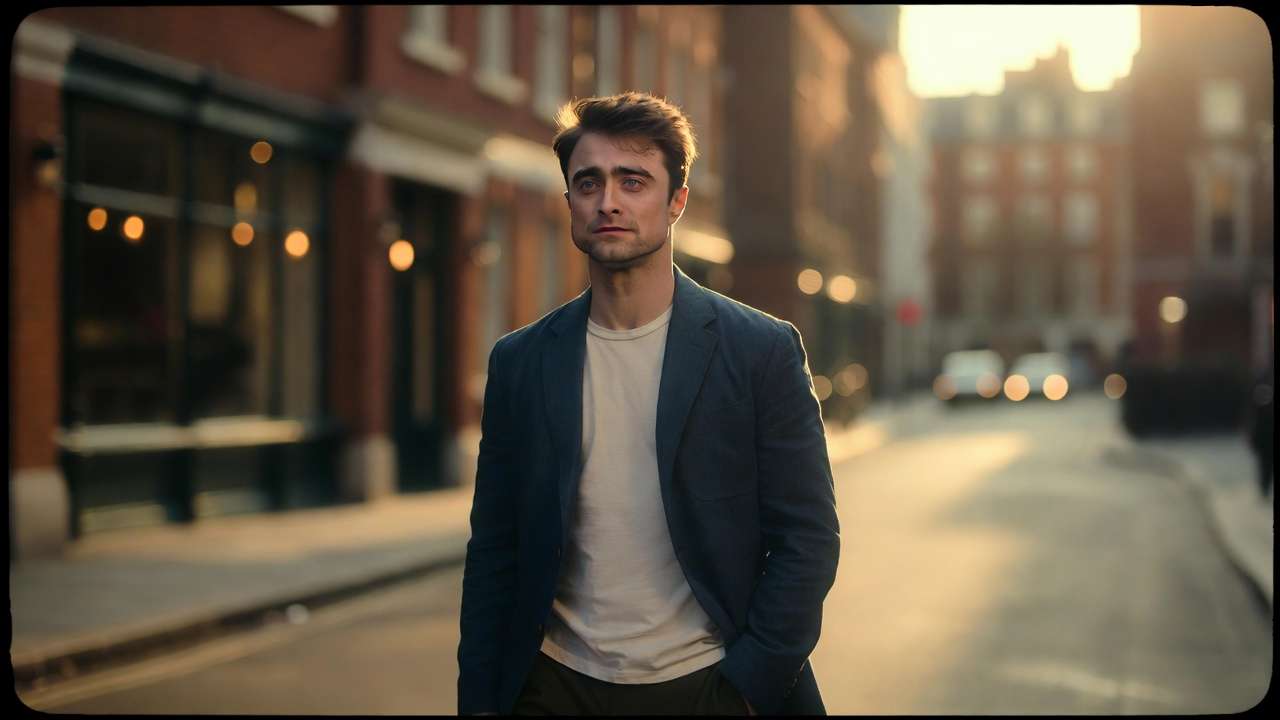
One of the most impressive aspects of Radcliffe’s financial story is how he avoided the classic child-star pitfalls of overspending, bad investments, or public financial troubles.
In multiple interviews (including a 2019 Off Camera with Sam Jones appearance and 2023 Esquire profile), Radcliffe has repeatedly emphasized:
- “I barely spent any of the money from Harry Potter for years.”
- He lived modestly during his late teens and early 20s, even when earning millions per film.
- Much of his early wealth was placed into trusts, managed conservatively by financial advisors.
- He credits his parents (both entertainment professionals) with instilling sensible money habits from the beginning.
Radcliffe has also been open about mental health challenges during the height of fame, including alcohol struggles in his late teens/early 20s. He has said the financial security from Harry Potter gave him the freedom to step away from blockbuster pressure and pursue passion projects without needing to chase big paychecks.
Expert Insight: Compared to many peers (e.g., former Disney stars or other franchise alumni), Radcliffe’s approach—low-key lifestyle, diversified career, and long-term investing—has preserved and grown his wealth far beyond the initial franchise windfall. His story serves as a positive example for young actors navigating sudden fame and fortune.
Beyond the Paycheck: Legacy & Impact of Harry Potter Earnings
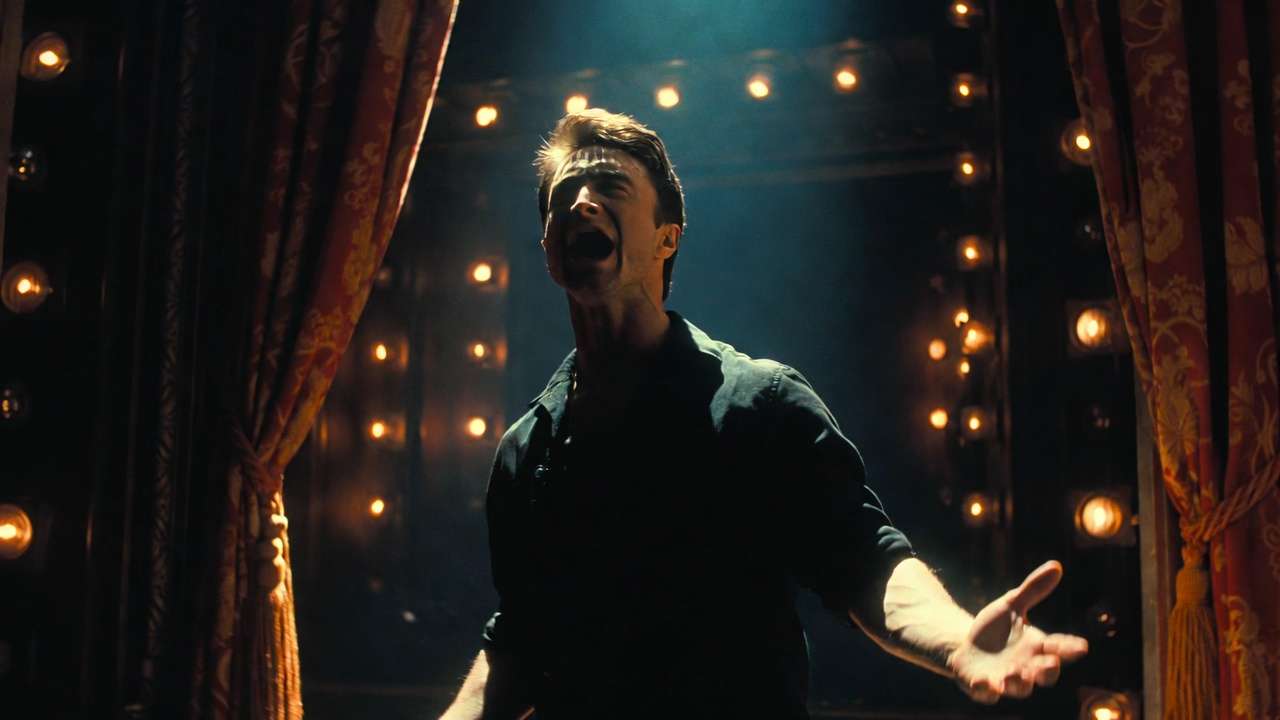
Daniel Radcliffe’s financial success from the Harry Potter franchise is remarkable not just for the dollar amount, but for how it shaped—and continues to shape—his life and career choices long after the final film wrapped.
The massive earnings provided a rare level of security for someone who became famous at such a young age. In interviews (including a candid 2022 Esquire profile and 2024 The Hollywood Reporter conversation), Radcliffe has repeatedly credited the financial cushion from Harry Potter with giving him the freedom to say “no” to roles that didn’t excite him and to pursue passion projects that often paid far less.
Key ways the franchise money created lasting impact:
- Career freedom and risk-taking After 2011, Radcliffe deliberately stepped away from blockbuster territory. He starred in smaller, riskier films (Kill Your Darlings, Horns, Swiss Army Man), returned to his theater roots on Broadway and West End, and took on unconventional projects like the Emmy-nominated Weird: The Al Yankovic Story (2022). Many former child stars face pressure to chase big paydays; Radcliffe’s Harry Potter fortune allowed him to prioritize artistic fulfillment instead.
- Philanthropy and advocacy Radcliffe has been a longtime supporter of The Trevor Project (LGBTQ+ youth suicide prevention), serving as an ambassador since 2009 and donating significant sums. He has said the financial independence from Harry Potter made it easier to focus on causes without worrying about income loss from controversial public stances (e.g., his vocal support for trans rights in 2020–2025, which drew some backlash but no career damage).
- Avoiding the child-star trap Stories of young actors blowing through millions are all too common. Radcliffe’s disciplined approach—living modestly for years, trusting professional advisors, and avoiding flashy purchases—stands out. He has joked in interviews that he “didn’t really start spending properly until my late 20s,” by which point his money was already safely invested.
In many ways, the Harry Potter paycheck wasn’t just wealth—it was independence. It gave a former child actor the rare luxury of building a sustainable, respected adult career on his own terms.
Frequently Asked Questions (FAQs)
How much did Daniel Radcliffe make per Harry Potter movie? Salaries increased steadily: $1 million (first film), $3 million, $6 million, $11 million, $14 million, $24 million, and ~$50–66 million combined for the final two parts. Full film-by-film breakdown is above.
What was Daniel Radcliffe’s total Harry Potter salary? Most reliable estimates place his base film salaries at $95.6–109 million. Including residuals, royalties, and backend deals over 25 years, total franchise-related earnings likely reach $100–130 million pre-tax.
What is Daniel Radcliffe’s net worth in 2026? Approximately $110 million, per Celebrity Net Worth, Parade (2026 update), and other financial trackers. This reflects Harry Potter earnings plus income from films, theater, producing, and investments.
Did Daniel Radcliffe get royalties from Harry Potter? Yes—primarily through residuals on TV/streaming re-runs, home-video sales, and modest merchandise royalties tied to his likeness. These have added millions over the years beyond his original salaries.
How does Daniel Radcliffe’s pay compare to Emma Watson and Rupert Grint? Radcliffe earned the most (~$95–109M base salaries) due to top billing. Emma Watson: ~$70–85 million total. Rupert Grint: ~$50–70 million. All three have continued earning residuals.
Why did Daniel Radcliffe’s salary increase so much? The franchise’s box-office success (from ~$974M on the first film to $1.3B+ on later entries) justified higher pay. As Radcliffe matured into the lead role and the series became a global phenomenon, studios rewarded his central importance.
Has Daniel Radcliffe spent his Harry Potter money? Not extravagantly. He has repeatedly said he lived modestly for years, invested wisely (property, theater), and only began spending more freely in his late 20s. Much of the fortune remains preserved through smart financial planning.
Does Daniel Radcliffe still earn money from Harry Potter today? Yes—through ongoing residuals from streaming (Max/HBO), TV airings, re-releases, and occasional licensed appearances. These payments continue indefinitely.
Daniel Radcliffe’s journey from an $1 million paycheck at age 11 to an estimated $100–130 million franchise fortune is one of the most impressive financial arcs in modern film history. Yet what stands out most is not the number itself, but how he handled it: with restraint, gratitude, and long-term thinking.
The Harry Potter films gave him more than fame—they gave him freedom. Freedom to choose roles, support causes, and build a career that has lasted far beyond Hogwarts. In 2026, as the Wizarding World continues to thrive on streaming and new projects, Radcliffe’s quiet financial security remains one of the franchise’s most underappreciated success stories.
Curious about another Potter star’s earnings, or want to dive deeper into the franchise’s business side? Drop your thoughts in the comments—we read and reply to every one. And if you enjoyed this breakdown, subscribe for more transparent looks at the real economics behind the magic.