
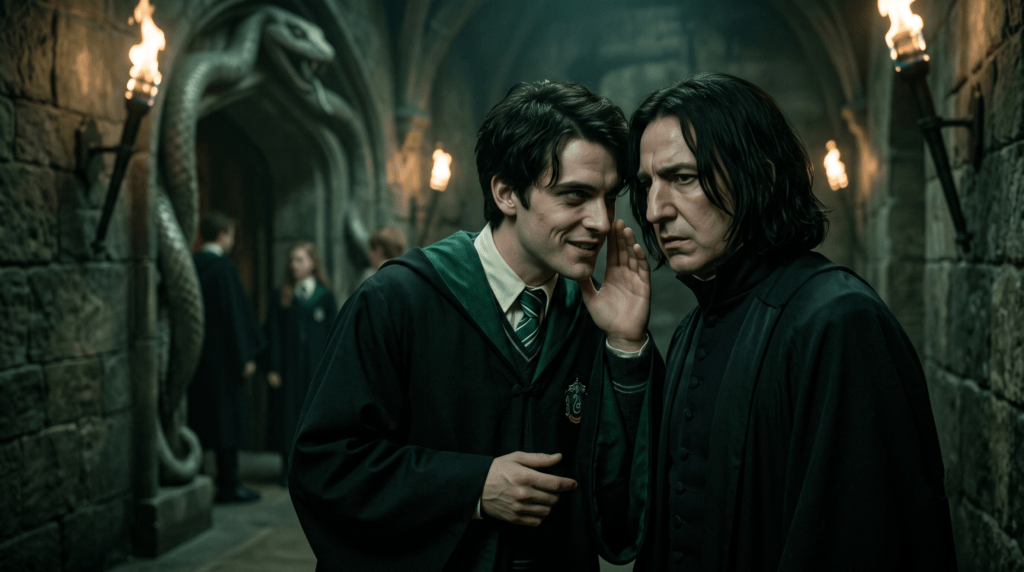
If you want to understand the tragic trajectory of Severus Snape, you have to look closely at Mulciber from Harry Potter. While movie-only fans might barely recognize the name, readers of the original books know that Snape’s downfall was not solely caused by James Potter’s relentless bullying. Snape’s path into the Dark Arts was actively fueled by the toxic company he kept in the Slytherin dungeons. Enter Mulciber: a character who barely speaks a single line in the entire series, yet serves as the ultimate catalyst for the destruction of Snape and Lily Evans’s friendship.
For die-hard fans of the Harry Potter lore, bridging the knowledge gap regarding these minor but heavily influential characters is crucial. Mulciber represents the quiet, insidious rot within Slytherin House during the 1970s. He is the physical embodiment of the dark temptations that ultimately lured Snape toward Lord Voldemort.
In this comprehensive deep dive, we will uncover Mulciber’s dark history, his terrifying specialization in the Unforgivable Curses, his mythological name origins, and exactly how he pushed the Half-Blood Prince toward the Death Eaters.
Who is Mulciber in Harry Potter Canon?
To fully understand the gravity of this character, we must first look at the Mulciber bloodline. In the established Harry Potter canon, there are actually two individuals bearing the surname Mulciber, and both of them are heavily entrenched in Lord Voldemort’s inner circle. J.K. Rowling uses the generational repetition of names among the Death Eaters (like Crabbe, Goyle, Lestrange, and Avery) to highlight the deep-rooted, systemic nature of pure-blood supremacy.
 The Proto-Death Eater: Mulciber I
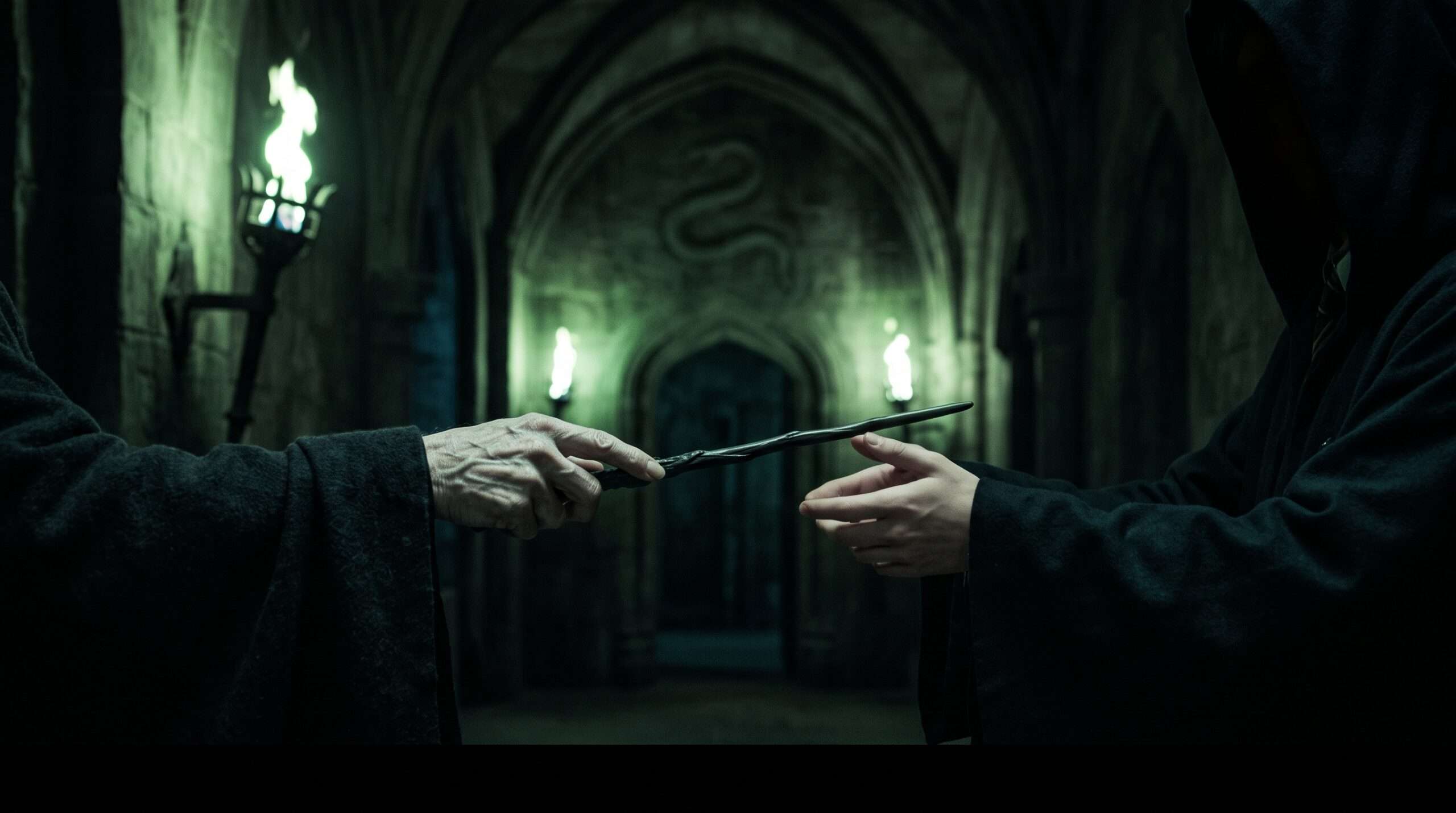
The first Mulciber mentioned in the timeline is one of Tom Riddle’s original followers. Often referred to by fans as the “Proto-Death Eaters,” this group of Slytherins attended Hogwarts alongside Voldemort in the 1940s.
We catch a glimpse of this older Mulciber in Harry Potter and the Half-Blood Prince. When a heavily disfigured Lord Voldemort returns to Hogwarts years later to ask Albus Dumbledore for the Defense Against the Dark Arts teaching post, Dumbledore notes that Voldemort did not travel alone. He specifically names Mulciber, Nott, Rosier, and Dolohov as the “friends” waiting for Voldemort down in Hogsmeade. This establishes the Mulciber family as legacy dark wizards, fundamentally loyal to the Dark Lord from the very inception of his rise to power.
The Slytherin Student: Mulciber II
The primary focus of our analysis, however, is Mulciber II. This is the Slytherin student who attended Hogwarts School of Witchcraft and Wizardry during the famous “Marauders Era” (the 1970s). He shared the halls with Severus Snape, Lily Evans, James Potter, Sirius Black, and Remus Lupin.
Coming from a family already deeply devoted to Voldemort’s cause, the younger Mulciber arrived at Hogwarts fully indoctrinated into pure-blood supremacy. While some Slytherins of that era were merely ambitious or cunning, Mulciber was distinctly malicious. Lily Evans, a character noted for her profound empathy and ability to see the good in people, provides the most damning description of him. She explicitly describes Mulciber as “creepy,” pointing out his “evil” and “sadistic” sense of humor. For a character as forgiving as Lily to express such profound revulsion, Mulciber’s actions must have been genuinely disturbing, far beyond the standard schoolyard pranks of the Marauders.
Expert Insight: Mulciber was one of the first students to proudly embrace the “Death Eater” ideology before the First Wizarding War had even fully broken out in the open. He was not corrupted by the war; he was one of the students actively begging for it to begin.
The Hogwarts Years: Snape’s Descent into the Dark Arts
To understand how a brilliant, albeit troubled, half-blood wizard like Severus Snape ended up wearing a Death Eater mask, we must examine the ecosystem of his Hogwarts years. When Snape was sorted into Slytherin, he was immediately immersed in a viper’s nest of wealthy, highly prejudiced pure-bloods.
The Slytherin Gang
Snape’s immediate friend group consisted of Avery, Wilkes, Evan Rosier, and Mulciber. Sirius Black later notes to Harry in Goblet of Fire that this specific gang of Slytherins nearly all went on to become Death Eaters. Within this group, Mulciber stood out as a ringleader in cruelty.
While James Potter and Sirius Black were arrogant bullies who primarily targeted Snape out of rivalry and boredom, Mulciber and his gang operated on a different frequency. Their cruelty was ideological. They targeted Muggle-borns and those they deemed blood traitors, practicing dark hexes and jinxes not for laughs, but to inflict genuine pain and establish dominance.
 The Magnetism of Power
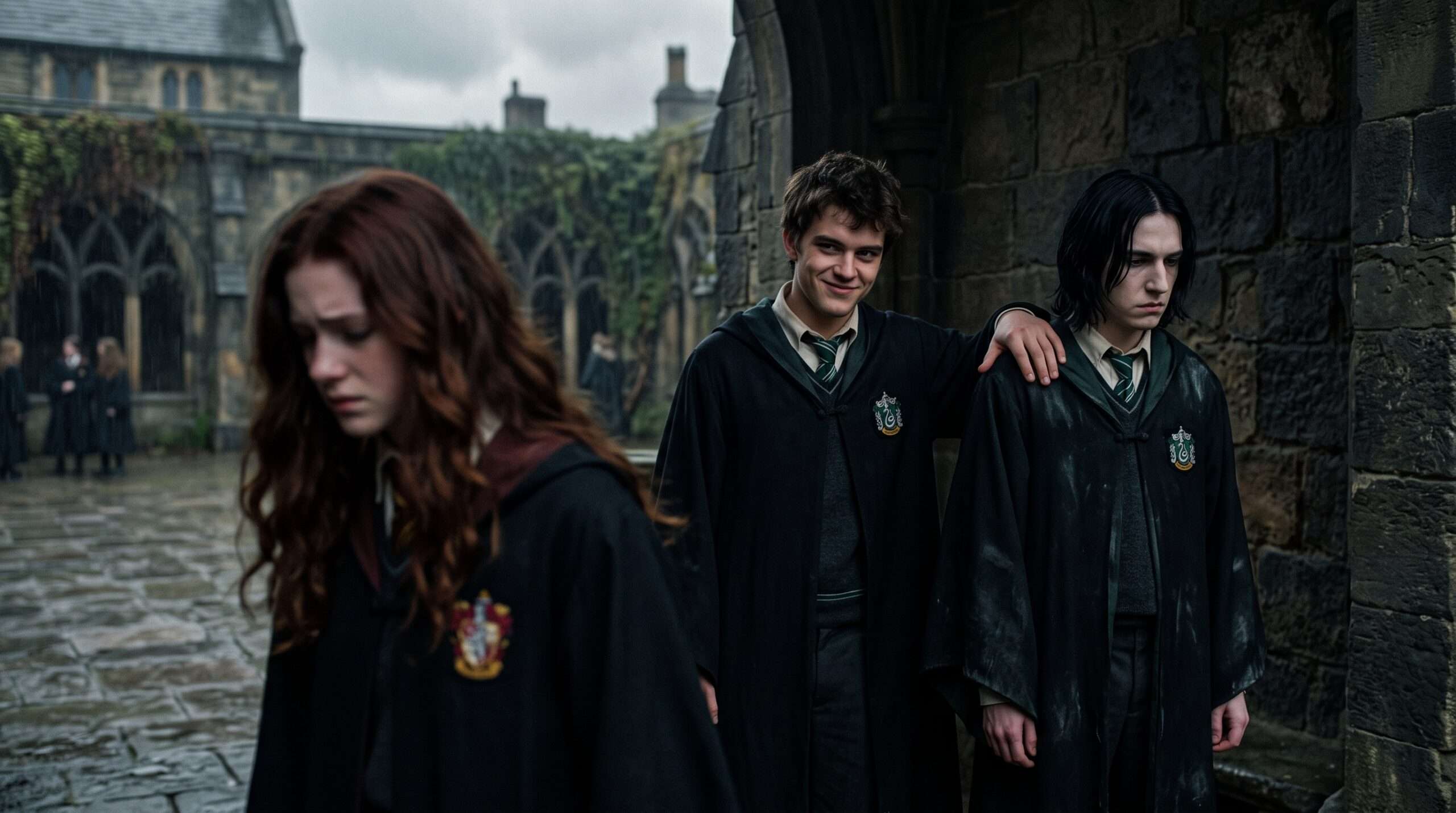
Why did Snape gravitate toward a pure-blood supremacist like Mulciber? The answer lies in Snape’s profound insecurities. Growing up in Spinner’s End with an abusive Muggle father (Tobias Snape) and a neglected witch mother (Eileen Prince), Snape arrived at Hogwarts wearing ill-fitting clothes and carrying a deep sense of powerlessness.
Mulciber offered Snape exactly what he lacked: prestige, protection, and power. Because Mulciber belonged to the sacred pure-blood elite, his acceptance of the half-blood Snape was intoxicating. Furthermore, Mulciber validated Snape’s immense talent for the Dark Arts. While Lily urged Snape to focus on his studies and traditional magic, Mulciber encouraged Snape to invent and experiment with dangerous spells like Sectumsempra. Mulciber provided a safe haven where Snape’s darkest impulses were not just tolerated, but applauded.
Lily’s Desperate Warnings
The ideological divide between Snape and Lily Evans was not a sudden fracture; it was a slow, agonizing tear, primarily worsened by Mulciber’s presence. In the “Prince’s Tale” chapter of Harry Potter and the Deathly Hallows, J.K. Rowling gives us a pivotal canon conversation. Lily confronts Snape by the Hogwarts lake, expressing her disgust for his friends.
She challenges Snape, asking him directly how he can stand to be around people like Mulciber. When Snape attempts to deflect by bringing up James Potter’s arrogance, Lily expertly cuts through his argument. She points out that while James is an arrogant “toe-rag,” he does not use Dark Magic. Mulciber, on the other hand, is fundamentally dark. Snape’s refusal to abandon Mulciber is the exact wedge that ultimately destroys his relationship with the only person who ever truly loved him.
The Mary Macdonald Incident: A Turning Point in Canon
If there is one specific lore event that Harry Potter fans search for regarding this character, it is the infamous Mary Macdonald incident. Taking place likely during their fifth year (the 1975-1976 school term), this event is a massive turning point in the lore, serving as the point of no return for Snape’s soul.
What Did Mulciber Do?
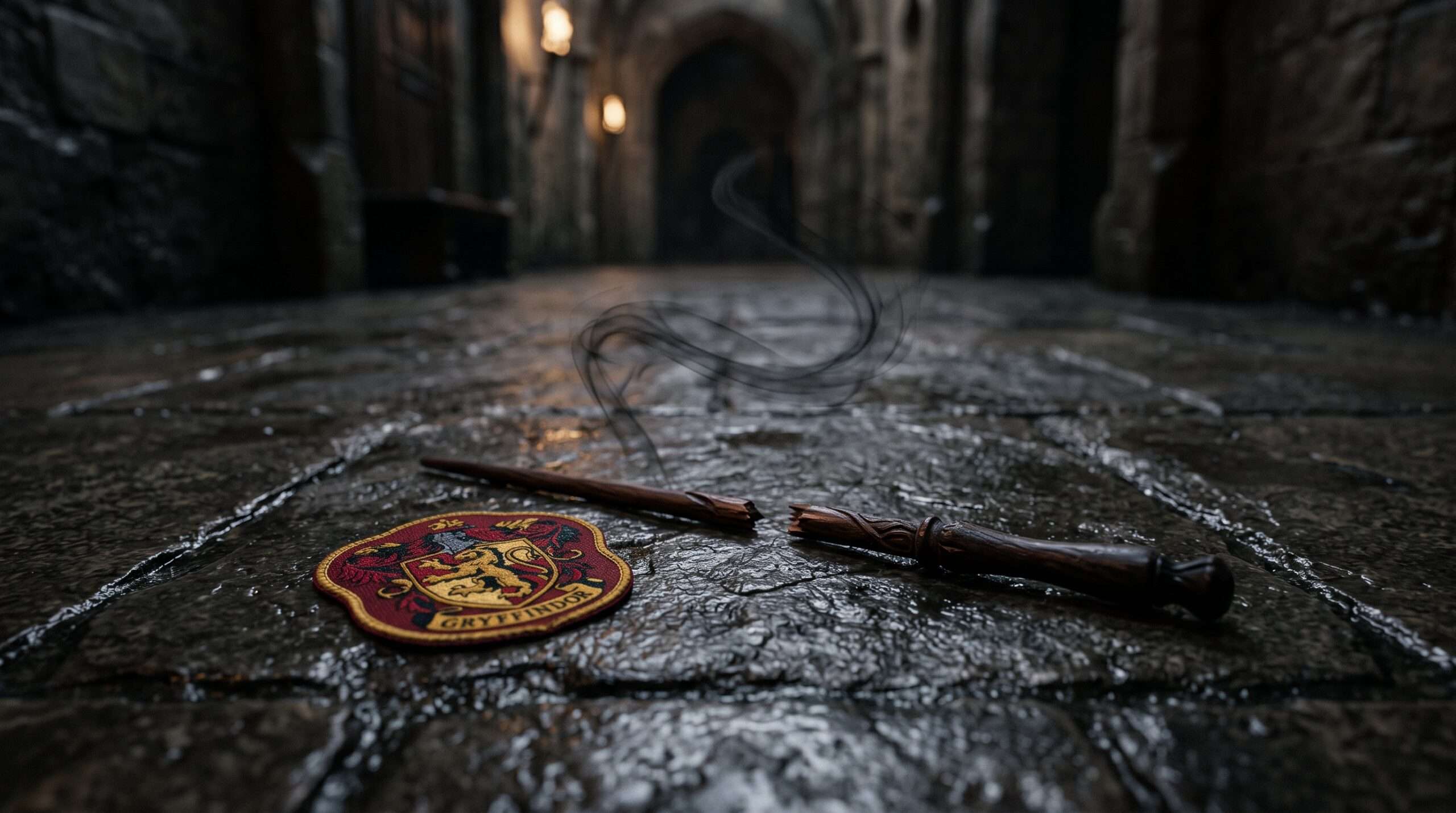
While J.K. Rowling leaves the exact mechanical details of the spellwork vague, the emotional and physical impact is clear. Mary Macdonald was a Gryffindor student, a Muggle-born, and a close friend of Lily Evans. During a confrontation, Mulciber attempted to use Dark Magic on Mary.
The text implies that this was not a simple jinx or a temporary hex (like the Levicorpus spell James used on Snape). Lily is absolutely horrified by what happened, describing it as genuinely twisted and sadistic. Many lore experts and fan theorists believe that given Mulciber’s later affinity for mind control, he may have attempted a rudimentary, localized version of the Imperius Curse on Mary, stripping her of her autonomy to humiliate or harm her.
 The Contrast in Reactions
The aftermath of the Mary Macdonald incident perfectly highlights how deeply indoctrinated Snape had become:
-
Snape’s Reaction: When Lily confronts him, Snape aggressively dismisses the attack. He calls it “just a laugh” and tells Lily that she is overreacting to a “joke.” He attempts to minimize the psychological trauma inflicted upon a Muggle-born student to protect his standing with his Slytherin gang.
-
Lily’s Reaction: Lily is appalled. She recognizes the attack for what it is: targeted, blood-purist violence. She tells Snape that if he thinks what Mulciber did was funny, he has a warped sense of reality.
Why This Event Matters
This incident is crucial because it proves that Snape was already heavily radicalized long before he officially took the Dark Mark. It foreshadows the tragic moment, mere days or weeks later, when Snape calls Lily a “Mudblood” outside the Gryffindor common room. Snape had already normalized violence and slurs against Muggle-borns by laughing at Mulciber’s cruelty. He believed he could compartmentalize his hatred—despising Muggle-borns in general while making an exception for Lily. The Mary Macdonald incident proves that Mulciber had successfully poisoned Snape’s worldview beyond repair.
Mulciber’s Role in the Wizarding Wars (First & Second)
Upon graduating from Hogwarts in the late 1970s, Mulciber did exactly what was expected of him: he officially became a Death Eater, receiving the Dark Mark and joining Voldemort’s terrifying First Wizarding War.
The First Wizarding War & The Imperius Curse
During the First War, Mulciber distinguished himself not just as a foot soldier, but as a specialist in psychological terror. We learn the horrifying extent of his crimes during Igor Karkaroff’s pensieve trial testimony in Harry Potter and the Goblet of Fire.
Desperate to avoid a lifetime in Azkaban, Karkaroff names names. He explicitly states that Mulciber’s specialty was the Imperius Curse. According to Karkaroff, Mulciber used this Unforgivable Curse to force countless innocent witches, wizards, and Muggles to do “frightening things.” This makes Mulciber one of the most dangerous types of Death Eaters. While Bellatrix Lestrange preferred the overt agony of the Cruciatus Curse, Mulciber preferred stripping victims of their free will, turning them into unwilling assassins, spies, or saboteurs against their own families.
Following Voldemort’s downfall at the hands of baby Harry in 1981, Mulciber was finally captured by the Ministry of Magic. Unlike Lucius Malfoy, who lied and claimed he was under the Imperius Curse to avoid jail time, or Snape, who defected to Dumbledore, Mulciber was sent straight to Azkaban maximum security.
 Azkaban Imprisonment and the 1996 Breakout
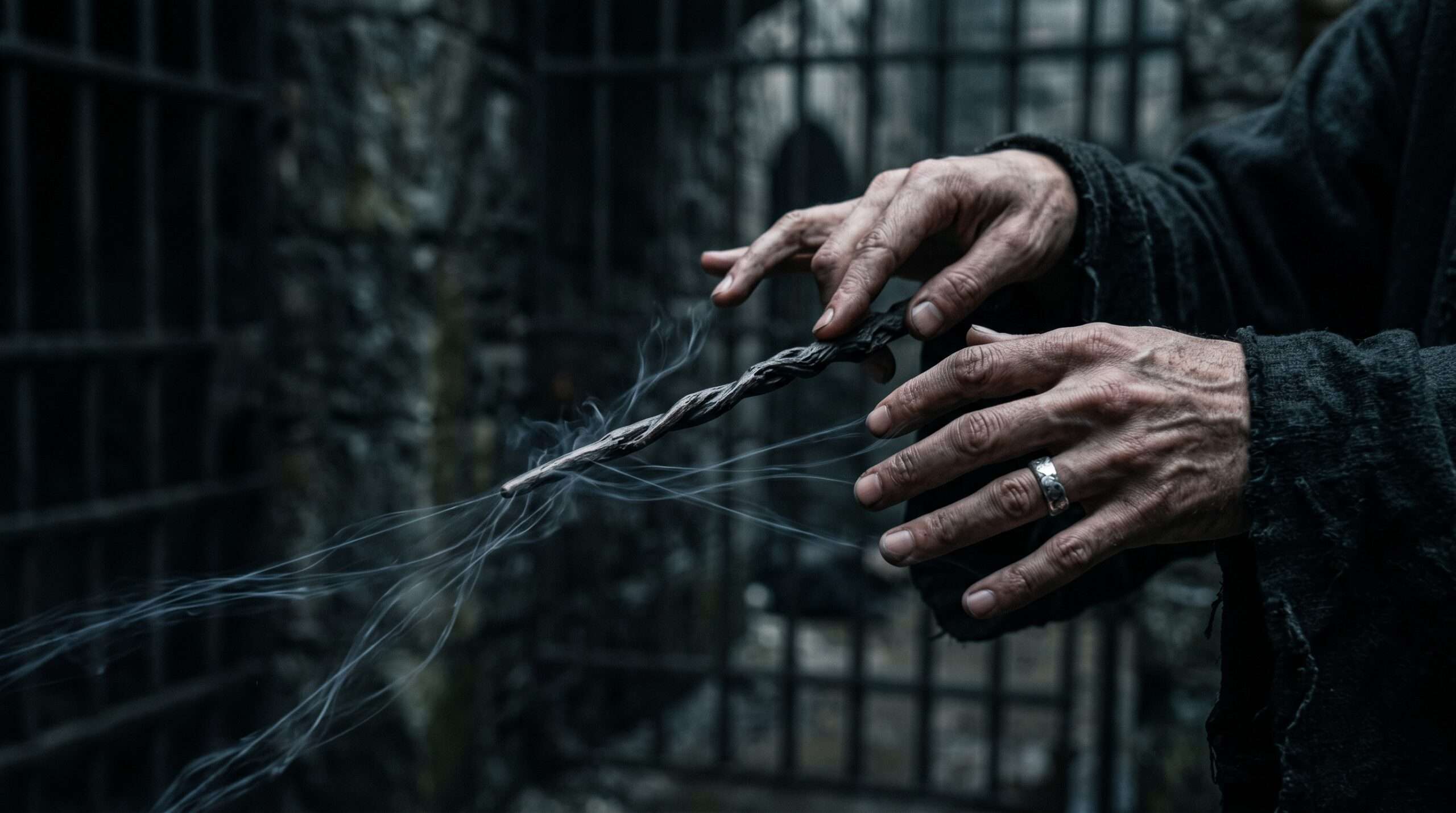
Mulciber spent nearly fifteen years rotting in the island fortress of Azkaban, guarded by Dementors. However, his loyalty to the Dark Lord paid off. In early 1996, during the events of Harry Potter and the Order of the Phoenix, Voldemort orchestrated a mass breakout. The Dementors abandoned their posts, and Mulciber, alongside Bellatrix, Rodolphus, and Rabastan Lestrange, broke free to rejoin the Second Wizarding War.
The Battle of the Department of Mysteries
Mulciber immediately returned to active duty. He was part of the elite squad of twelve Death Eaters sent to the Ministry of Magic to retrieve the prophecy regarding Harry and Voldemort. During the battle in the Hall of Prophecy, Mulciber partnered with Lucius Malfoy to corner Harry and his friends. However, thanks to the intervention of the Order of the Phoenix, the Death Eaters were routed. Mulciber was ultimately subdued and recaptured, sent back to Azkaban temporarily before Voldemort’s complete takeover of the Ministry in 1997 freed him once again to fight in the final Battle of Hogwarts.
The Hidden Mythology: What Does the Name “Mulciber” Mean?
To elevate our understanding of J.K. Rowling’s world-building, we must look at her use of etymology. Rowling is famous for using classical mythology and literature to heavily foreshadow a character’s role in the story (e.g., Remus Lupin, Sirius Black). The name “Mulciber” is no exception and holds profound thematic weight.
Roman Mythology
In classical Roman mythology, Mulciber is an alternate epithet for Vulcan (the Greek equivalent of Hephaestus), the god of fire, metalworking, and the forge. The name translates roughly to “he who softens” or “the smelter” of metals. On a surface level, this hints at a tough, unyielding character who works in the fiery depths (much like the Slytherin dungeons).
 Milton’s Paradise Lost: The True Inspiration
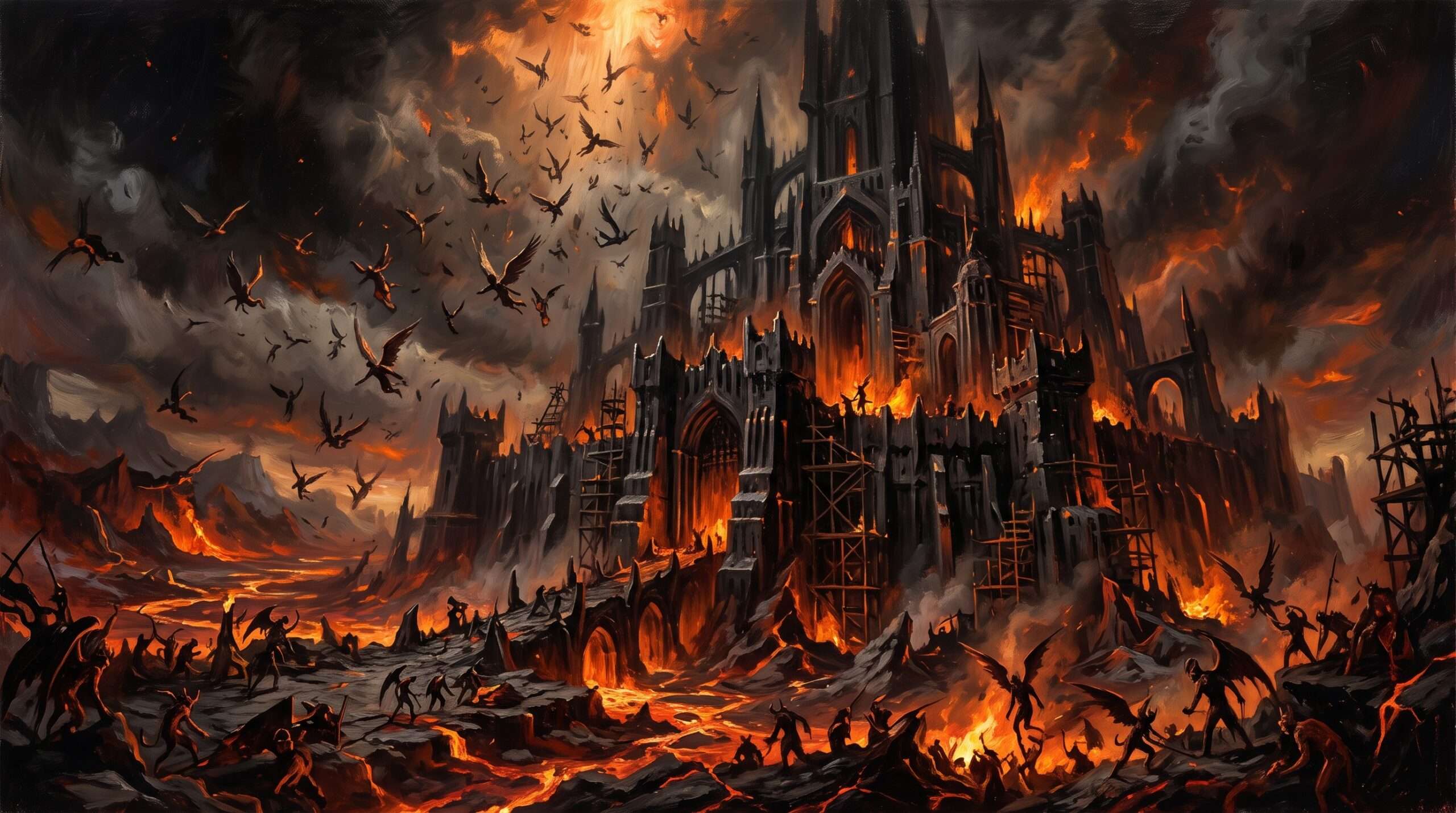
However, the most striking connection lies in English literature. In John Milton’s epic 17th-century poem Paradise Lost, Mulciber is the name of a prominent fallen angel. When Lucifer is cast out of Heaven, Mulciber falls with him.
Crucially, in Milton’s text, Mulciber is the architect who literally designs and builds Pandemonium, the capital city of Hell. This literary parallel is stunning when applied to Harry Potter. The Hogwarts student Mulciber acted as an architect of Voldemort’s dark army. By radicalizing brilliant students like Severus Snape and normalizing the use of the Imperius Curse, Mulciber helped lay the foundational bricks for Voldemort’s hellish vision of the wizarding world. He is a literal builder of the Dark Lord’s “Pandemonium.”
Frequently Asked Questions (FAQ)
To further clarify the lore for fans, here are quick answers to some of the most common questions regarding this dark wizard.
-
Is Mulciber in the Harry Potter movies?
He is never explicitly named on-screen. However, during the Battle of the Department of Mysteries in the Order of the Phoenix film, an unnamed Death Eater is shown fighting alongside Lucius Malfoy before being defeated by Mad-Eye Moody. Given the book’s roster for that battle, many fans accept this figure as Mulciber.
-
Who was Snape’s worst friend?
Lily Evans explicitly names Mulciber and Avery as the friends she despises the most. She specifically cites Mulciber’s cruelty, sadistic humor, and dangerous fascination with the Dark Arts as the reasons Snape should abandon him.
-
What spell did Mulciber use on Mary Macdonald?
The exact spell is left unconfirmed in canon text. However, because Igor Karkaroff later testified to the Wizengamot that Mulciber specialized in the Imperius Curse, the prevailing theory is that he used a form of dark mind control to humiliate Mary.
-
Did Mulciber survive the Battle of Hogwarts?
His ultimate fate is unknown. He fought in the Battle of Hogwarts in 1998, but the text does not specify if he was killed in action or survived to be sent back to Azkaban. Given the aggressive clean-up of Death Eaters by Aurors like Harry Potter and Ron Weasley post-war, it is certain he spent the rest of his life incarcerated.
When we look back at the overarching narrative of the Harry Potter series, the character of Mulciber serves a vital, chilling purpose. He is not a flamboyant villain like Voldemort, nor a dramatically unhinged fanatic like Bellatrix Lestrange. Instead, he represents the banality of evil—the quiet, institutional cruelty that was allowed to fester in the Hogwarts dungeons, disguised as “jokes” and schoolyard rivalries.
Mulciber’s dark history is a cautionary tale about the company we keep. He recognized the vulnerability, anger, and immense magical potential in a young Severus Snape, and he exploited it perfectly. By validating Snape’s darkest impulses and blinding him to the horrors of blood purity, Mulciber permanently altered wizarding history. Without Mulciber’s toxic influence dragging him down, the tragic story of the Half-Blood Prince, and his relationship with Lily Evans, might have ended very differently.