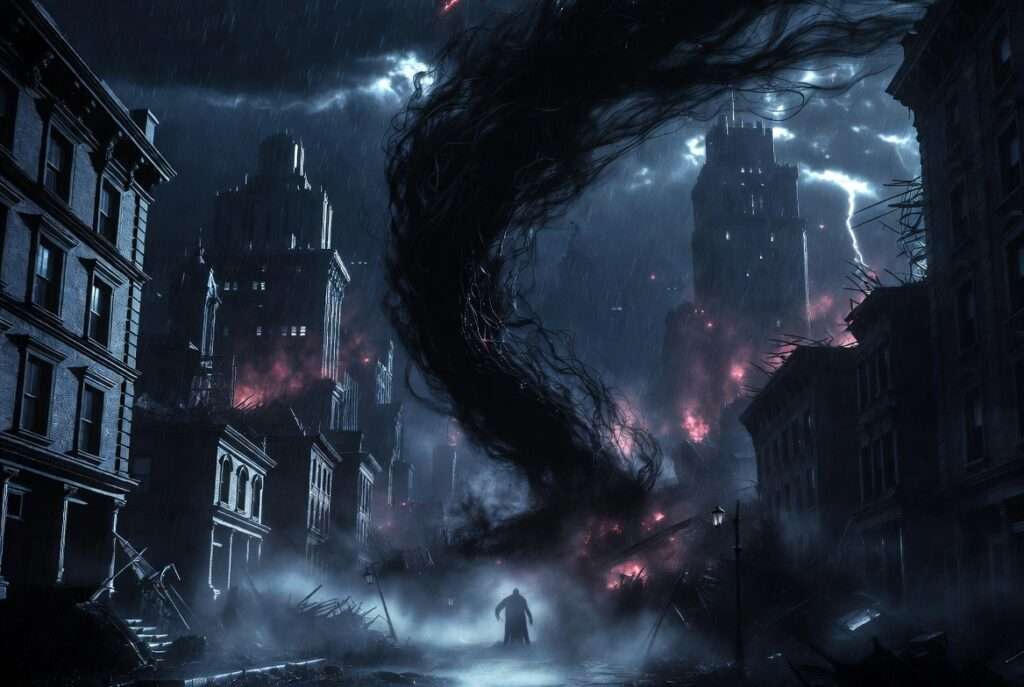
In the shadowy streets of 1920s New York, a swirling vortex of black, destructive energy tears through buildings, shattering glass and sending Muggles fleeing in terror. This isn’t a random storm or a rogue spell gone wrong—it’s an Obscurus, one of the most tragic and terrifying forces in the wizarding world. For Harry Potter fans diving into the Fantastic Beasts films, the question often arises: What exactly is this dark parasitic force, and how does it connect to the original series?
If you’ve searched for obscurus harry potter, you’re likely seeking a clear, in-depth explanation of this concept that bridges the main books and the prequel films. An Obscurus represents repressed magic turned inward, born from trauma, shame, and suppression. It embodies the dangers of hiding one’s true self in a world that fears magic. In this comprehensive guide, we’ll explore its origins, formation, devastating effects, and the real stories of those who carried it—most notably Credence Barebone and Ariana Dumbledore.
Drawing from J.K. Rowling’s canon, the Wizarding World encyclopedia, film screenplays, and official lore, this article provides more depth than typical summaries. Whether you’re confused about the books-versus-movies differences, curious why Harry never developed one, or seeking thematic insights, you’ll find clear answers here. By the end, you’ll understand not just what an Obscurus is, but why it enriches the Harry Potter universe’s messages about acceptance, trauma, and the power of love.
Defining the Obscurus – The Parasitic Dark Force
At its core, an Obscurus is a dark and parasitic magical force that manifests when a young witch or wizard represses their innate magic. The official Wizarding World encyclopedia describes it as a powerful parasite formed from “internalised hatred of one’s own magic.” This energy builds inside the host—known as an Obscurial—and eventually bursts forth as an unstable, uncontrollable dark entity capable of immense destruction.
The distinction between terms is crucial for clarity:
- Obscurus: The parasitic force itself—the swirling, shadowy manifestation of repressed magic.
- Obscurial: The young wizard or witch hosting (and often consumed by) the Obscurus.
According to canon explanations in Fantastic Beasts and Where to Find Them, Newt Scamander describes it as “an unstable, uncontrollable dark force that busts out and attacks, and then vanishes.” It is not ordinary accidental magic or a simple burst of power seen in untrained children like young Harry. Instead, it arises under very specific conditions: trauma linked to magic use, combined with a conscious or forced attempt to suppress it.
 Historical Context in the Wizarding World
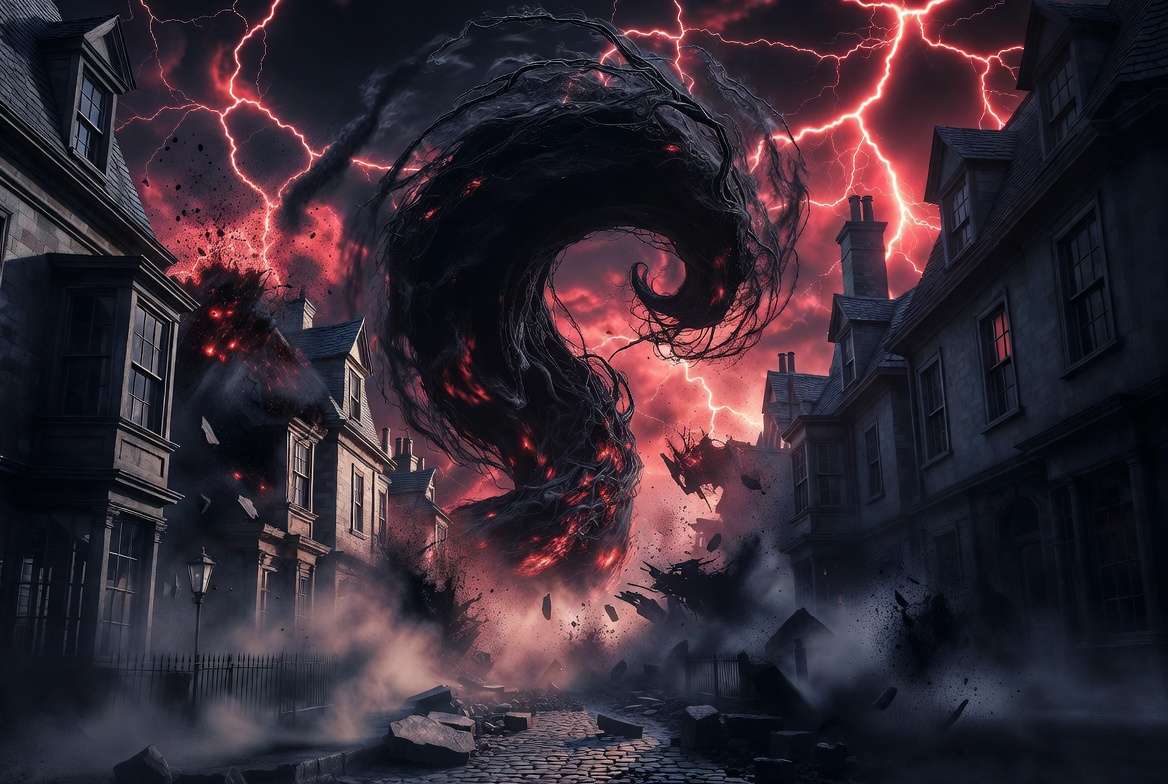
Obscurials were more common before the International Statute of Secrecy in 1689, when wizards and witches lived openly but faced brutal persecution from Muggles. Children, terrified of being hunted or killed, would deliberately hide their abilities—sometimes encouraged or forced by frightened families. Rather than learning to control their magic through education at places like Hogwarts, their power turned inward, festering into something dangerous.
Newt explains this history to Jacob Kowalski: “Before wizards went underground, when we were still being hunted by Muggles, young wizards and witches sometimes tried to suppress their magic to avoid persecution. So instead of learning to harness or to control their powers, they developed what was called an Obscurus.”
In modern times (post-Statute), Obscurials are rare because most magical children receive proper training and acceptance. However, they can still emerge in isolated or abusive environments, such as strict Muggle households or anti-magic cults like the Second Salemers. This rarity makes the known cases all the more significant and tragic.
The Magic (and Psychology) Behind Its Formation
An Obscurus doesn’t form from mere fear of magic—it requires deep internalization. J.K. Rowling has clarified the exact conditions in her FAQ: “An Obscurus is developed under very specific conditions: trauma associated with the use of magic, internalised hatred of one’s own magic and a conscious attempt to suppress it.”
The process resembles a psychological wound that manifests magically. The child’s magic, instead of flowing outward in controlled spells, turns parasitic, feeding on the host’s shame and fear. Over time, this creates a symbiotic yet destructive relationship: the Obscurus gains strength from the repression, while weakening and eventually threatening to destroy the host.
Unlike typical young wizards who might accidentally levitate objects or cause bursts of power (as Harry did with his aunt or the glass at the zoo), an Obscurial actively fights against their own nature. This internal conflict is what transforms raw magical energy into something dark and volatile.
Why and How an Obscurus Develops – The Tragic Process
Understanding formation helps explain why Obscurials are so rare and usually short-lived.
The Key Conditions
Three intertwined elements are typically required:
- Trauma associated with magic — Physical attacks, emotional abuse, or witnessing violence tied to magical outbursts.
- Internalized hatred or shame — The child learns to view their own powers as evil, dangerous, or sinful.
- Conscious suppression — Active attempts to hide or deny magic, often reinforced by external pressure.
Without the conscious suppression element, even severe abuse doesn’t automatically create an Obscurus. This is why Harry Potter, despite living with the Dursleys’ cruelty and denial of magic, never became an Obscurial. As Rowling notes, the Dursleys feared magic but never taught Harry to be ashamed of it in a way that made him suppress it consciously. He used accidental magic without guilt, viewing it as something that simply “happened.”
Common Triggers
- Muggle persecution or anti-magic upbringing: Like the Second Salemers in 1920s America, who beat and shamed children for any sign of magic.
- Family or societal rejection: Fear of breaking the Statute of Secrecy or bringing shame to a pure-blood line.
- Personal loss or attack: Violent incidents where magic is blamed or punished.
Most Obscurials do not survive past age 10 because the parasite and host cannot coexist indefinitely. The Obscurus eventually overwhelms the body, leading to death. Rare survivors, like Credence, demonstrate exceptional magical power or unique circumstances.
Expert Insight: Normal Young Wizard Magic vs. Obscurial Development
| Aspect | Typical Young Wizard (e.g., Harry) | Obscurial Development |
|---|---|---|
| Response to Magic | Accidental bursts, curiosity | Active suppression, shame |
| Environment | Acceptance or ignorance | Abuse, persecution |
| Outcome | Control learned at Hogwarts | Parasitic force forms |
| Longevity | Thrives into adulthood | Usually dies young |
This comparison highlights how environment and mindset determine the path.
Real Examples of Obscurials – Credence and Ariana Explained
The most prominent cases bring the Obscurus concept to life and tie directly into the broader Harry Potter timeline.
Credence Barebone (Aurelius Dumbledore?) – The Most Powerful Known Obscurial
Credence Barebone, introduced in Fantastic Beasts and Where to Find Them, is a rare adult Obscurial. Adopted by Mary Lou Barebone, leader of the Second Salemers, he endured relentless physical and emotional abuse for any hint of magic. This repression caused his Obscurus to develop and grow exceptionally strong.
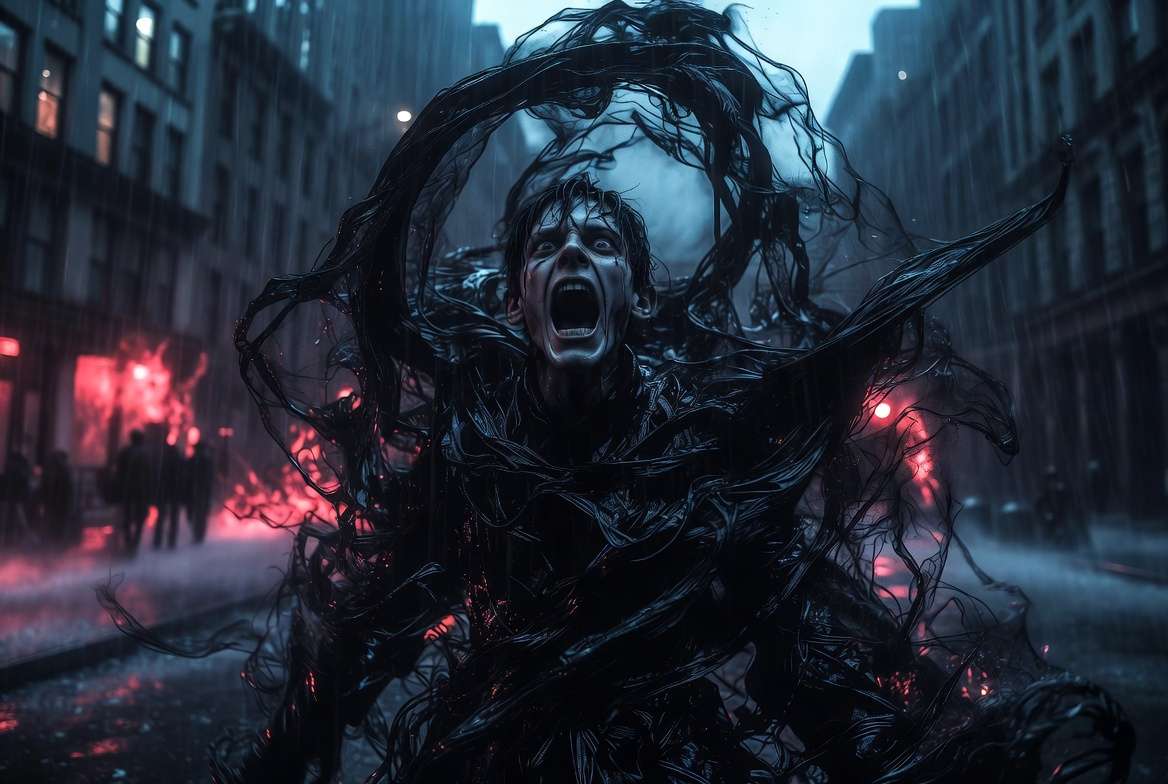
In the films, Credence’s Obscurus manifests dramatically—destroying parts of New York City in a rampage that nearly exposes the wizarding world. Unlike most Obscurials, he survives into adulthood and even learns to channel the force somewhat, thanks to his immense latent power and later manipulations by Gellert Grindelwald.
Key moments include:
- His transformation into a swirling black mass during moments of extreme distress.
- Survival after being seemingly destroyed by MACUSA Aurors.
- The family twist revealing him as potentially linked to the Dumbledores (Aurelius), adding layers of tragedy and manipulation.
Credence’s case shows that while rare, an Obscurial can persist longer with exceptional magic or external intervention. His story explores themes of identity, abuse, and exploitation, as Grindelwald seeks to weaponize the Obscurus.
 Ariana Dumbledore – The Hidden Obscurial in the Original Series
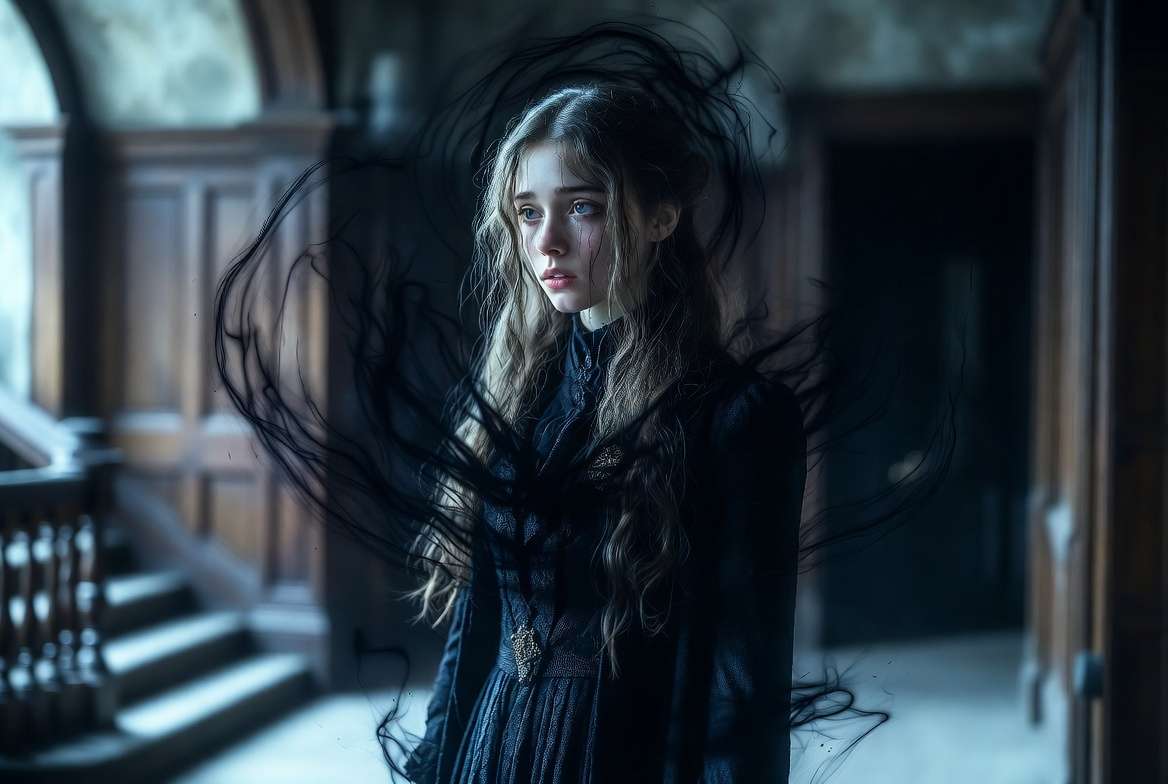
Ariana Dumbledore’s “illness” in Harry Potter and the Deathly Hallows retrospectively aligns perfectly with Obscurial symptoms. Attacked by Muggle boys at age six for using magic, she was left traumatized. Her father, Percival, attacked the boys and was imprisoned in Azkaban. Ariana suppressed her magic afterward, leading to unstable outbursts that killed her mother, Kendra.
In Fantastic Beasts: The Secrets of Dumbledore, Albus explicitly confirms that his sister was an Obscurial, stating she “never learned to express her magic” and that it “began to poison her.” This revelation deepens the Dumbledore family tragedy: the three brothers’ duel that caused her death at age 14 involved her unstable power, and the guilt shaped Albus’s life profoundly.
Ariana lived longer than typical Obscurials (past age 10), possibly due to the timing of suppression or family attempts to protect her. Her portrait in the Hog’s Head and references to her “fits” now read as classic Obscurus manifestations.
 Other Possible or Mentioned Cases
Newt references a young Sudanese girl whose Obscurus he separated and studied (kept safely in his case). Historical cases predate the Statute. No confirmed others appear in the main series, reinforcing their rarity.
Comparison: Credence vs. Ariana
- Trauma Onset: Ariana at 6 (Muggle attack); Credence throughout childhood (ongoing abuse).
- Outcome: Ariana died at 14 in a family duel; Credence survived longer, manipulated in adulthood.
- Power Level: Both exceptionally strong; Credence’s destroyed city blocks.
- Family Impact: Ariana’s death fractured the Dumbledores; Credence’s ties raise questions about legacy.
What Does an Obscurus Look Like and What Can It Do?
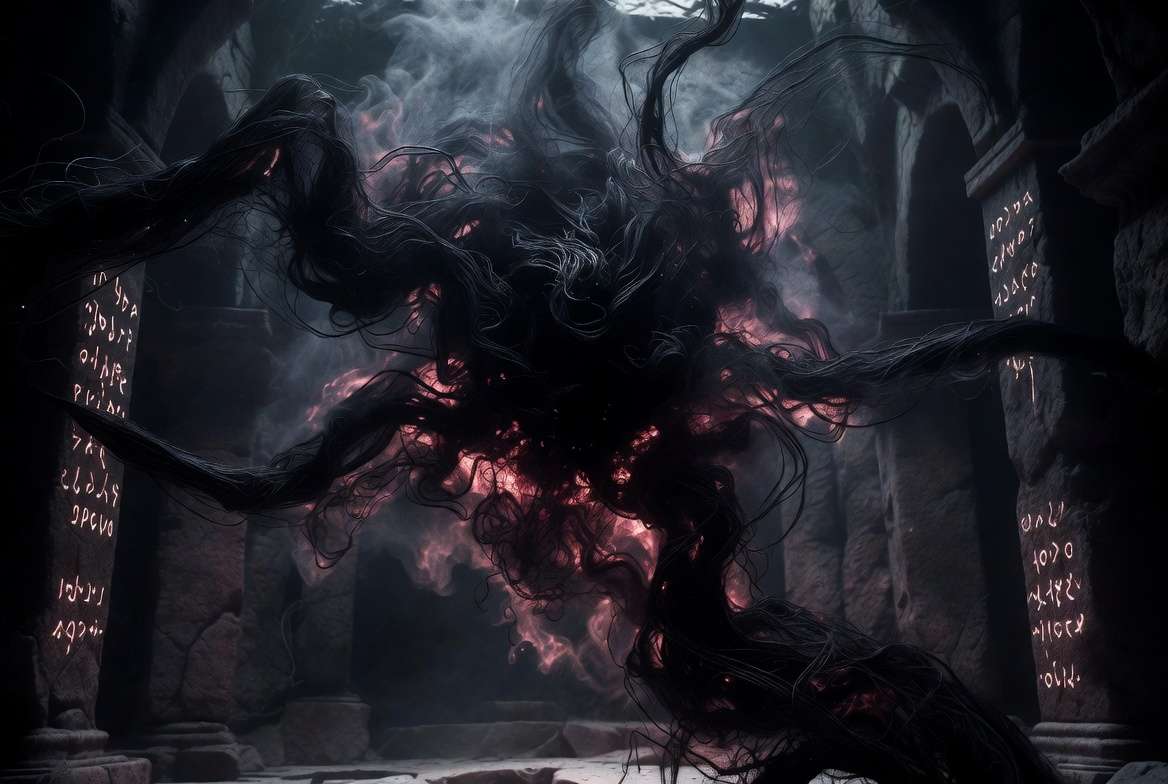
Visually, an Obscurus appears as a chaotic, swirling cloud of dark smoke or energy—black, tendril-like, and violently destructive. It can tear through structures, create shockwaves, and kill indiscriminately when unleashed.
Symptoms in the Host:
- Emotional instability and outbursts.
- Physical weakness or “illness” (as with Ariana).
- Uncontrolled magical explosions tied to distress.
- Gradual consumption by the parasite, leading to decline.
Its destructive scale threatens the Statute of Secrecy, as seen in New York’s near-exposure. When fully manifested, the host may transform into the Obscurus form, becoming a vessel for raw, uncontrolled power.
 Treatment, Survival, and Rare Exceptions
Can an Obscurus be cured? Canon suggests it’s extremely difficult. Newt’s research shows an Obscurus can be separated from a host (as with the Sudanese girl), but it cannot survive long independently without causing harm.
Albus Dumbledore theorized that healing comes from acceptance and belonging—replacing alienation with love and community. Credence’s partial control hints at possibilities through training or external aid, but risks remain high. Most cases end in the host’s death, underscoring the tragedy.
Obscurus in Canon: Books vs. Movies and Fan Theories
The Obscurus is never explicitly named in the seven main Harry Potter books, though Ariana’s symptoms strongly suggest it (confirmed later). The concept expands the lore in Fantastic Beasts without contradiction.
The word “Obscurus” appears in the companion book Fantastic Beasts and Where to Find Them as a publisher name (Obscurus Books), a subtle nod by Rowling.
Fan Theories:
- Ariana’s Obscurus transferring to Credence (intriguing but unconfirmed; films treat them separately).
- Links to the Philosopher’s Stone or other artifacts (speculative).
- Grindelwald’s obsession stemming from witnessing Ariana.
Balanced analysis shows these enrich discussion but stick to confirmed canon for accuracy: repression breeds darkness, while acceptance fosters growth.
Why the Obscurus Matters – Themes of Repression and Acceptance
Beyond plot, the Obscurus serves as a powerful metaphor for mental health, suppressed identity, childhood trauma, and the dangers of shame. It parallels real-world struggles with hiding one’s true self—whether due to cultural, familial, or societal pressure.
In Dumbledore’s arc, understanding Obscurials reinforced his belief in love over fear. The creature warns: Repressing who you are invites destruction, while embracing magic (or identity) brings light.
For modern fans, it resonates with discussions on trauma recovery, LGBTQ+ experiences, and breaking cycles of abuse—adding emotional depth to the wizarding world’s magic.
 Obscurus FAQ – Your Most Common Questions Answered
Is the Obscurus mentioned in the original Harry Potter books? Not by name, but Ariana’s backstory fits the description, later confirmed in Fantastic Beasts.
Can an adult become an Obscurial? Extremely rare; most die young. Credence is the notable exception due to his power.
Did Ariana Dumbledore definitely have an Obscurus? Yes—explicitly confirmed by Albus in The Secrets of Dumbledore.
What happened to Credence’s Obscurus? It persists but is influenced by his choices and relationships; outcomes evolve across films.
Could Harry have become an Obscurial under the Dursleys? No—Rowling explains he never internalized shame or consciously suppressed his magic.
Are there any other known Obscurials? Primarily the Sudanese girl (studied by Newt) and historical cases.
Can an Obscurus be used as a weapon? Grindelwald attempted this with Credence, highlighting its destructive potential.
The Obscurus in Harry Potter is far more than a cinematic spectacle—it’s a profound exploration of repression’s cost and acceptance’s healing power. From its parasitic origins to the tragic stories of Credence and Ariana, this dark force deepens the wizarding world’s emotional core.
By understanding the obscurus harry potter lore, fans gain fresh appreciation for themes that make the series timeless. The ultimate lesson? Magic, like identity, flourishes when embraced, not hidden.
If this guide helped clarify the Obscurus for you, share your thoughts in the comments: Which character’s story resonates most? Explore more on our blog with guides to the Dumbledore family, dark magic explained, or Fantastic Beasts lore breakdowns.