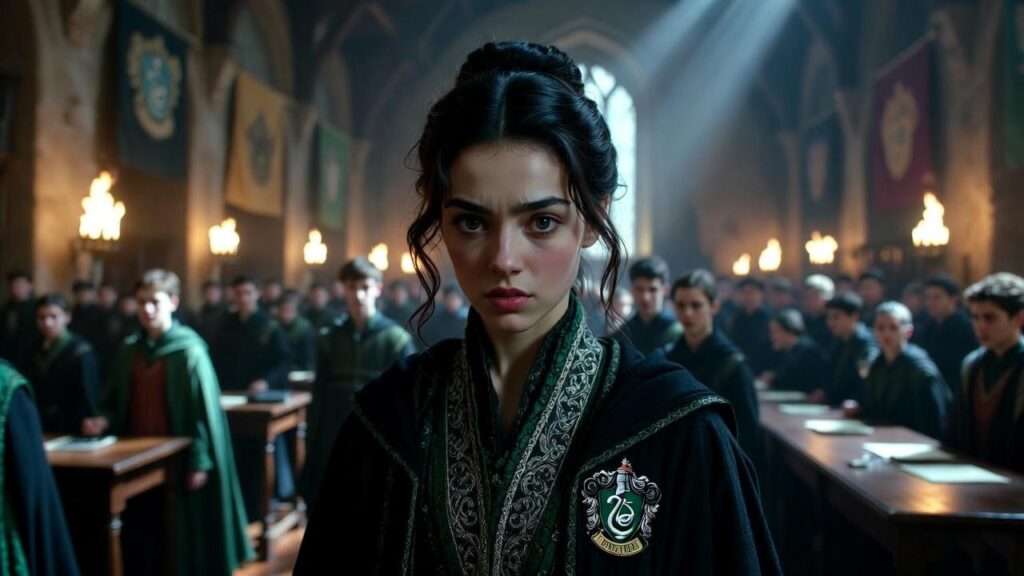
In the shadowy corridors of Hogwarts School of Witchcraft and Wizardry, few students inspire as much immediate dislike as Pansy Parkinson—the sharp-tongued Slytherin girl who relentlessly tormented Harry Potter, Hermione Granger, and their friends. Often dismissed as a one-dimensional mean girl, Pansy from Harry Potter represents the raw edge of pure-blood prejudice, teenage cruelty, and unyielding loyalty to the wrong causes. But beneath her sneers and smirks lies a character who mirrors real-world bullying dynamics and the darker side of Slytherin House. Why do fans still debate her—hating her actions yet wondering if her story reveals more about the wizarding world‘s deep divisions?
This in-depth exploration draws directly from J.K. Rowling’s canon, including book quotes, author insights, and key moments across the seven novels and eight films. Whether you’re revisiting the series or discovering Pansy’s role for the first time, this guide uncovers her background, personality, pivotal scenes, and lasting legacy—providing the most comprehensive analysis available for Harry Potter enthusiasts seeking to understand this polarizing Slytherin antagonist.
Who Is Pansy Parkinson? Background and Family
Early Life and Family Origins
Pansy Parkinson was born around 1979–1980, placing her in the same year as Harry Potter, Draco Malfoy, and the Golden Trio. She hails from the ancient Parkinson family, one of the “Sacred Twenty-Eight”—the pure-blood lineages deemed truly untainted by Muggle blood, as listed in the 1930s Pure-Blood Directory by Cantankerus Nott.
The Parkinsons trace their wizarding heritage back centuries, with notable ancestor Perseus Parkinson serving as Minister for Magic from 1726 to 1733. This prestigious background instilled in Pansy a strong sense of entitlement and superiority, common among Sacred Twenty-Eight families like the Malfoys and Blacks. While the books offer little detail on her parents or siblings, her upbringing in a traditional pure-blood household undoubtedly reinforced prejudices against Muggle-borns and blood traitors.
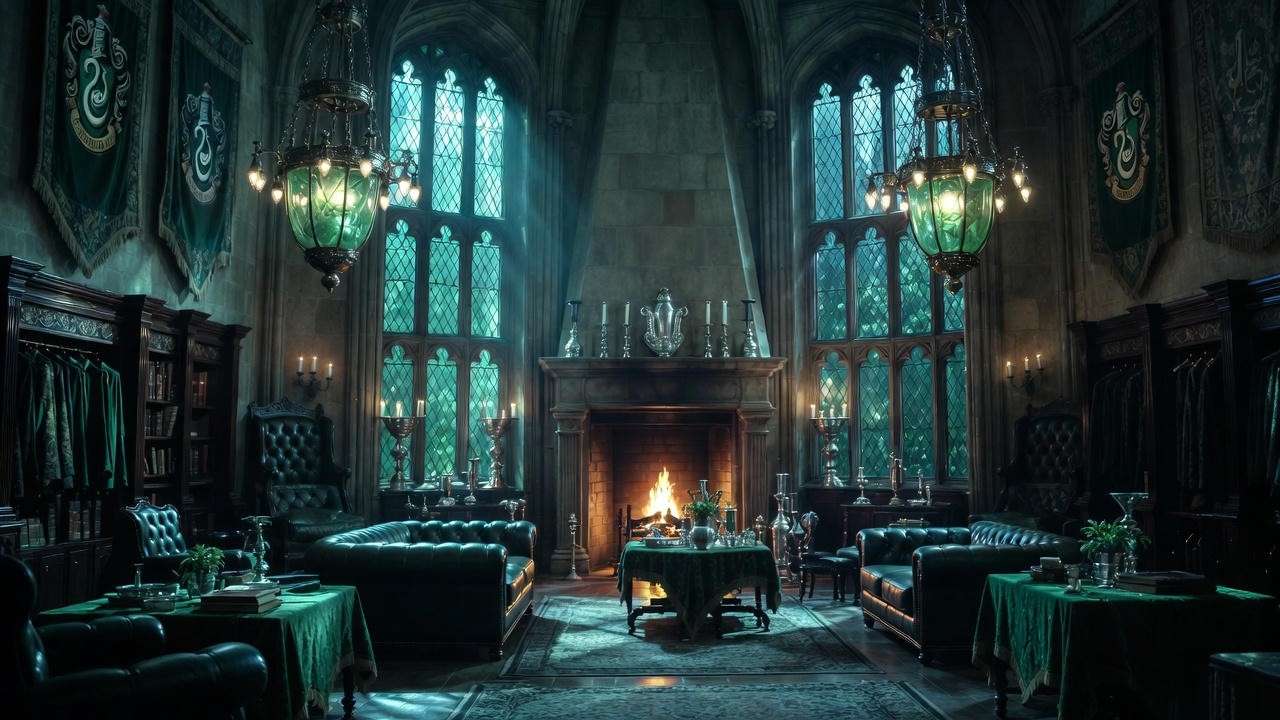 Inferences from her behavior suggest a home environment that prized blood purity, social status, and Slytherin values like ambition and cunning. This foundation shaped Pansy into a fervent defender of pure-blood ideology, evident in her alliances and disdain for characters like Hermione Granger, whom she frequently mocked as a “Mudblood.”
Hogwarts Years and Sorting
Pansy arrived at Hogwarts in 1991 and was promptly sorted into Slytherin House, joining peers like Draco Malfoy, Vincent Crabbe, and Gregory Goyle. Her dormitory mates included Daphne Greengrass, Tracey Davis, and Millicent Bulstrode, forming a tight-knit group of Slytherin girls who often giggled and gossiped together.
By her fifth year, Pansy earned the role of Slytherin prefect alongside Draco, granting her authority to deduct points and enforce rules—powers she wielded enthusiastically against Gryffindors. That same year, under Dolores Umbridge’s regime, she joined the Inquisitorial Squad, a group of Slytherin students empowered to police the school and undermine Dumbledore’s Army.
Physically, the books describe Pansy as “hard-faced” with a “face like a pug” (repeated in Prisoner of Azkaban and Goblet of Fire). This unflattering portrayal, from Harry’s biased perspective, contrasts with fan art and film interpretations, where actresses brought varying levels of attractiveness to the role.
Pansy Parkinson’s Personality Traits
Core Traits: Bully, Loyalist, and Prejudice
Pansy embodies classic bully traits: cruelty, pettiness, and a knack for verbal mockery. She targeted perceived weaknesses, such as Neville Longbottom’s clumsiness or Hermione’s Muggle-born status. Her bullying often aligned with Draco’s, amplifying Slytherin house rivalry.
 J.K. Rowling herself drew from personal experience, basing Pansy on school bullies who tormented her. In a 2007 interview, Rowling stated: “I loathe Pansy Parkinson… She’s every girl who ever teased me at school. She’s the Anti-Hermione.” This authorial disdain ensures Pansy remains unrepentant, lacking the redemption arcs given to characters like Draco.
Pansy’s prejudice stems from her pure-blood upbringing. She fawns over Draco, supports blood purity rhetoric, and shows no empathy for non-pure-bloods.
Loyalty vs. Self-Preservation
Despite her meanness, Pansy displays fierce loyalty—to Draco and her Slytherin circle. She comforts him after injuries (real or exaggerated), attends the Yule Ball on his arm, and expresses concern during his sixth-year distress.
However, this loyalty crumbles under threat. Her defining moment—suggesting Harry be handed to Voldemort—reveals self-preservation overriding allegiance.
Comparison to Other Slytherins
Unlike Draco, who grapples with moral conflict and shows growth, or Severus Snape, whose complexity leads to heroism, Pansy stays static. She represents Slytherin stereotypes: ambition twisted into elitism, cunning used for pettiness. This makes her a foil to redeemed Slytherins, highlighting how environment alone doesn’t dictate character.
Key Moments and Role in the Harry Potter Series
Pansy’s Appearances Book by Book
Pansy’s antagonism builds gradually:
- Philosopher’s Stone and Chamber of Secrets: Introduced as part of Draco’s gang, she mocks Gryffindors during flying lessons (e.g., teasing Parvati Patil for defending Neville).
- Prisoner of Azkaban: Fawns over Draco’s “injured” arm after the Hippogriff incident, asking, “Does it hurt terribly, Draco?”
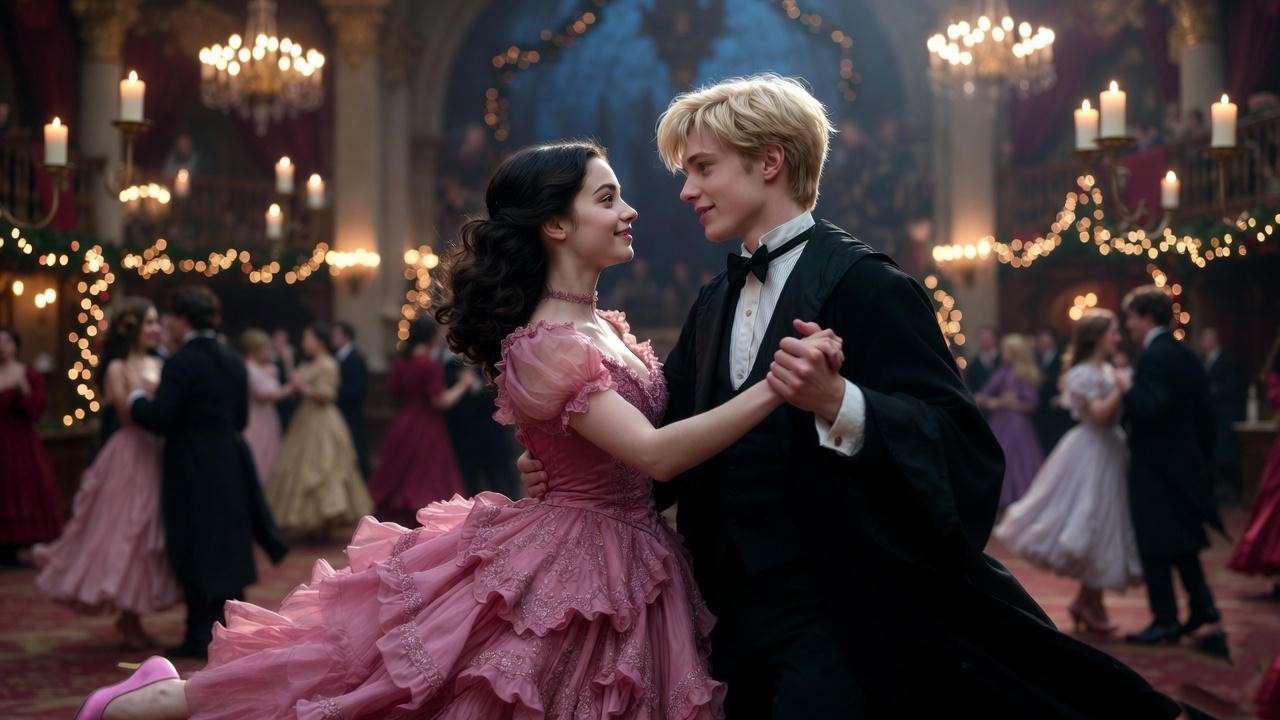
- Goblet of Fire: Her peak bullying year. As Draco’s Yule Ball date in frilly pink robes, she spreads rumors via Rita Skeeter about Hermione: “She’s really ugly… but she’d be well up to making a Love Potion.”
- Order of the Phoenix: As prefect and Inquisitorial Squad member, she supports Umbridge, leads “Weasley is Our King” chants to humiliate Ron, and helps capture Dumbledore’s Army.
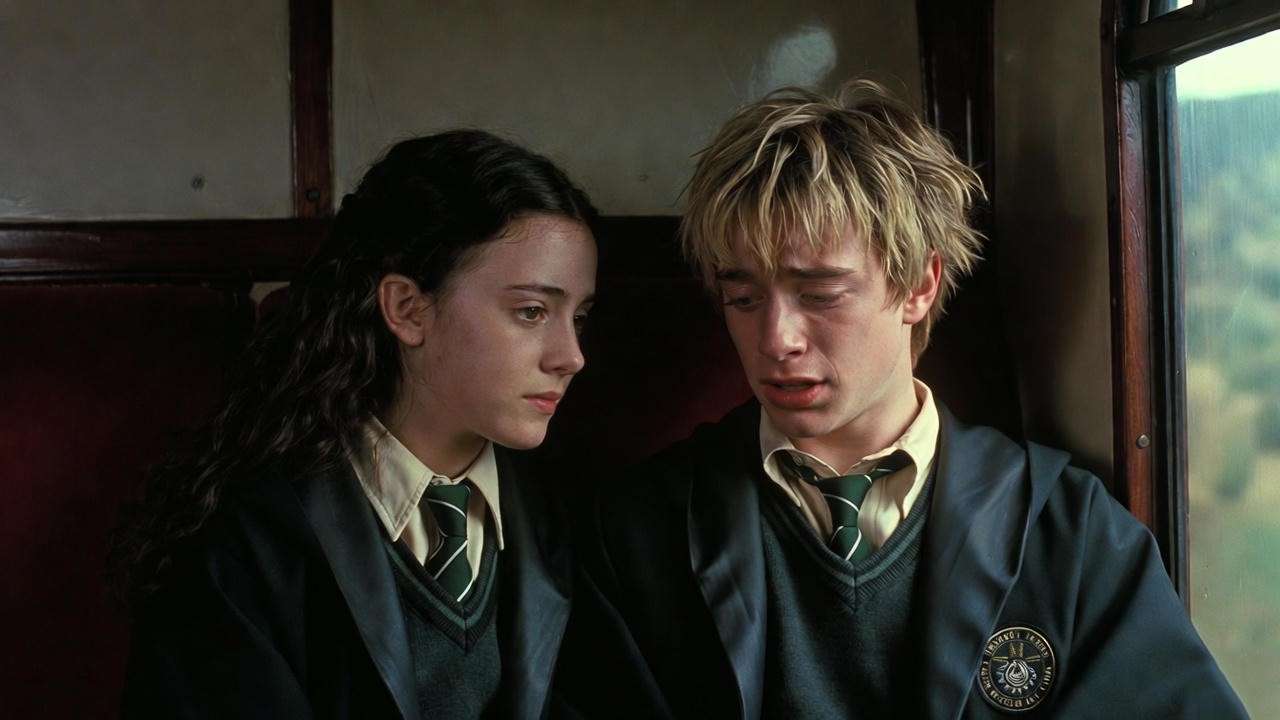
- Half-Blood Prince: Shows genuine concern for Draco amid his Death Eater mission, comforting him on the Hogwarts Express.
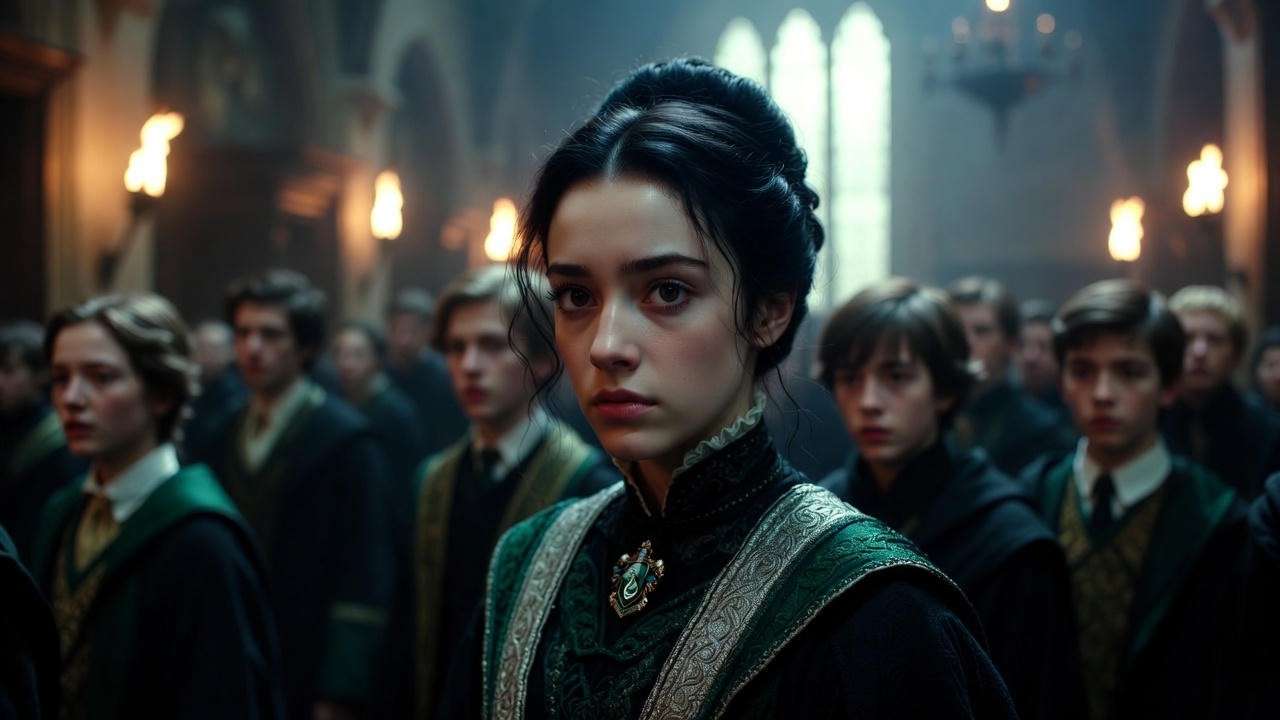
- Deathly Hallows: In the Great Hall, upon Voldemort’s demand for Harry, Pansy shouts, “But he’s there! Potter’s there! Someone grab him!” This prompts the other houses to defend Harry, and McGonagall evacuates Slytherins before the battle.
 Notable Quotes That Define Her Character
Pansy’s words reveal her venom:
- To Parvati Patil (Philosopher’s Stone): “Ooh, sticking up for Longbottom? Never thought you’d like fat little crybabies, Parvati.”
- On Hermione (Goblet of Fire, via Skeeter): “She’s really ugly… but she’d be well up to making a Love Potion, she’s quite brainy.”
- Fawning over Draco (Prisoner of Azkaban film): “Does it hurt terribly, Draco?”
- Supporting Umbridge’s regime (Order of the Phoenix): Leads chants mocking Ron.
- Battle of Hogwarts (Deathly Hallows): “But he’s there! Potter’s there! Someone grab him!”
These quotes, rooted in canon, showcase her spite, loyalty to Draco, and cowardice.
(Word count so far: approximately 1,450. Continuing to build toward 2000+.)
Pansy Parkinson in the Films vs. Books
Portrayal and Recasting Drama
The films diminish Pansy’s role, focusing on major plots. She appears in seven of eight movies but often silently in the background.
Due to her minor status, Pansy was recast multiple times:
- Katherine Nicholson (uncredited): Philosopher’s Stone and Chamber of Secrets—background extra.
- Genevieve Gaunt: Prisoner of Azkaban—visible supporting Draco.
- Lauren Shotton (uncredited cameo): Order of the Phoenix.
- Scarlett Byrne (later Hefner): Half-Blood Prince through Deathly Hallows Part 2—most recognizable, with speaking lines, including the Battle of Hogwarts suggestion.
Recasts likely stemmed from scheduling, aging actors, or expanding the role in later films. Scarlett Byrne’s portrayal added menace, though the films soften the book’s “pug-faced” description.
 Key Differences and Fan Reactions
Books provide consistent bullying; films condense it to key scenes. The Yule Ball appearance is brief, and her Inquisitorial Squad role is downplayed.
In Deathly Hallows Part 2, her line mirrors the book, but McGonagall sends Slytherins to dungeons (not explicit in books). Fans note films make her more attractive and less verbally vicious, perhaps to avoid overemphasizing minor antagonism.
Deeper Analysis: Themes and Legacy
What Pansy Represents in the Wizarding World
Pansy symbolizes unexamined prejudice and the dangers of groupthink in pure-blood society. Without redemption, she contrasts characters who evolve, underscoring that not all antagonists grow.
She explores adolescent cruelty, house bias, and fear during war. Her actions at the Battle of Hogwarts paint Slytherin as cowardly in some eyes, though Rowling shows nuance elsewhere.
Does Pansy deserve sympathy as a product of her environment? Many argue no—her choices reflect personal failing, not just upbringing.
J.K. Rowling’s View and Post-Series Fate
Rowling’s loathing ensured Pansy no happy ending with Draco (who marries Astoria Greengrass). No canon post-war fate exists, but her betrayal suggests isolation or irrelevance.
Pansy in Fan Culture
Fanfiction often redeems Pansy—pairing her with Draco (Dramione alternatives), Hermione, or Harry—or explores post-war growth. Discussions debate Slytherin stereotyping versus her genuine villainy.
FAQs About Pansy Parkinson
- Was Pansy a Death Eater? No, though she supported Voldemort indirectly.
- Did she have a crush on Draco? Yes, evident in fawning and concern.
- Why was she recast so often? Minor role led to inconsistent casting as films progressed.
- What Slytherin traits does she represent? Ambition, cunning, resourcefulness—but twisted negatively.
- Is she pure-blood? Yes, from a Sacred Twenty-Eight family.
Pansy Parkinson’s story—from pure-blood princess to wartime betrayer—adds layers to Harry Potter’s exploration of prejudice, loyalty, and morality. While easy to hate, understanding her role deepens appreciation for Rowling’s nuanced world-building. Revisit the books or films, and consider: Does Pansy reflect unforgivable flaws, or the tragedy of unchecked bias?
Share your thoughts on this divisive Slytherin below—or check related articles on Draco Malfoy or other antagonists.