Whether you’re curled up in Dhaka with a cup of hot chai on a rainy evening, rewatching the entire series for the umpteenth time, or settling a heated debate with friends about which film truly captures the essence of J.K. Rowling’s magical world, one question never fails to ignite passion among Potterheads: Which Harry Potter movie is the best — and which one falls short?
The Harry Potter film franchise, spanning eight epic installments from 2001 to 2011, remains one of the most beloved and rewatchable sagas in cinematic history. These movies blend wonder, friendship, heartbreak, and high-stakes adventure, growing darker and more mature alongside Harry, Ron, and Hermione. Even in 2026, with the Wizarding World expanding through books, games, theme parks, and the upcoming HBO series, fans still flock to rankings of the original eight films to guide their marathons, compare adaptations to the source material, or simply relive the nostalgia.
ranking Harry Potter movies is more than just listing favorites — it’s about weighing faithfulness to the books, directorial vision, emotional impact, visual spectacle, pacing, character development, and rewatch value. As a dedicated Harry Potter blog that’s analyzed every frame, scene, and score while cross-referencing critic aggregates like Rotten Tomatoes (where all eight earned Certified Fresh status), IMDb user ratings, Metacritic scores, and endless fan discussions on platforms like Reddit and Ranker, we’ve crafted this ultimate guide. Our ranking draws from a balanced blend of consensus data, critical acclaim, and deep fan insight to deliver a comprehensive take that’s more insightful and helpful than the typical quick lists.
We’ll countdown from worst to best, explain our methodology, explore why opinions diverge so wildly, highlight underrated moments, and answer your burning FAQs. Whether you’re a book purist frustrated by cuts, a movie-only fan loving the spectacle, or someone discovering the series anew, this guide aims to settle debates — or spark new ones — while giving you the tools to enjoy the films even more.
Let’s step into the Great Hall and reveal our definitive ranking Harry Potter movies from worst to best.
Our Ranking Methodology: How We Ranked the Harry Potter Movies
To create a trustworthy and authoritative ranking, we used clear, multi-layered criteria rather than pure personal taste:
- Faithfulness to the books — How well the film captures key plots, character arcs, themes, and world-building without excessive omissions or inventions that alter the spirit.
- Cinematic excellence — Direction, cinematography, production design, visual effects, John Williams’ (and later Alexandre Desplat/Patrick Doyle) scores, pacing, and overall filmmaking craft.
- Emotional resonance and rewatchability — Does it evoke laughter, tears, wonder, or chills? How does it hold up on repeat viewings, especially during marathons?
- Critical and fan consensus — Aggregated from Rotten Tomatoes Tomatometer and Audience Scores, IMDb ratings (where Prisoner of Azkaban often leads at ~7.9-8.1/10), Metacritic, and recent 2025-2026 fan polls (e.g., Ranker voter data crowning Prisoner of Azkaban as fan favorite).
- Balanced perspective — We prioritize broad agreement while acknowledging personal expertise from hundreds of rewatches, but we lean toward elements that make the films timeless rather than fleeting hype.
Common debates include why Prisoner of Azkaban frequently tops fan lists for its artistic maturity, while Deathly Hallows Part 2 dominates critic scores for its epic payoff. We’re sticking strictly to the eight core Harry Potter films (no Fantastic Beasts here, to keep the focus on Harry’s journey).
This transparent approach ensures our list feels fair, evidence-based, and genuinely useful for Potterheads seeking clarity amid endless opinions.
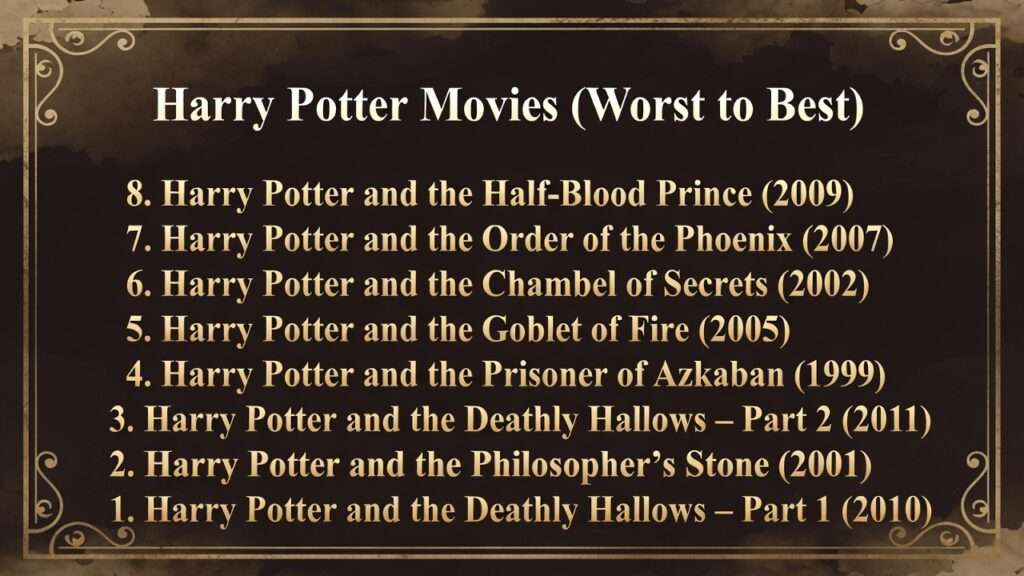
The Ranking: Harry Potter Movies from Worst to Best
Here we go — our countdown of the eight Harry Potter films, starting from the solid but flawed and building to the truly magical masterpieces.
8. Harry Potter and the Chamber of Secrets (2002, dir. Chris Columbus)
Often cited as one of the longer entries (clocking in at nearly 2 hours 41 minutes), Chamber of Secrets feels like a transitional film: still very much in the whimsical, family-friendly tone of the first installment but introducing darker threats like the basilisk and petrifications. Chris Columbus delivers faithful adaptation with iconic moments — the flying car escape, the Whomping Willow, Gilderoy Lockhart’s comedic flair (Kenneth Branagh steals every scene), and the chilling basilisk confrontation in the Chamber.
Strengths shine in world expansion: Diagon Alley, the Weasleys’ Burrow, and Dobby’s introduction add charm and heart. However, pacing drags in places, some effects have dated, and the kid-centric tone limits emotional depth compared to later films. Rotten Tomatoes sits at around 82% critics / high audience love for nostalgia, but many fans rank it lower for feeling repetitive and overlong.
It lands here because while it’s endlessly rewatchable for its cozy magic and introduces beloved elements like the house-elves’ plight, it lacks the maturity and innovation that elevate the series.
7. Harry Potter and the Deathly Hallows: Part 1 (2010, dir. David Yates)
The penultimate film splits the final book into two parts, and Part 1 bears the brunt: a deliberate, slow-burn road trip focused on the trio’s isolation, fear, and growing tensions amid Voldemort’s regime. Strengths include standout character moments — the tent dance scene (a rare joyful breath), the Godric’s Hollow visit, the Ministry infiltration, and powerful themes of loyalty and sacrifice.
Visuals are stunning (desolate landscapes, the eerie Death Eater takeover), and the score by Alexandre Desplat adds haunting atmosphere. Yet the pacing feels sluggish at times, lacking Hogwarts’ energy, and some book purists lament omitted subplots. With a Rotten Tomatoes score around 77% (the lowest in the series), it’s often ranked low for feeling like “setup” rather than payoff.
Still, on rewatch, its quiet intensity and emotional rawness make it more appreciated — it’s the film that truly shows how the war changes our heroes.
6. Harry Potter and the Goblet of Fire (2005, dir. Mike Newell)
The Triwizard Tournament brings high-stakes excitement: dragons, underwater rescues, the Yule Ball, and Voldemort’s chilling return. Mike Newell’s direction adds international flair with Beauxbatons and Durmstrang, while the tasks deliver spectacle. The graveyard scene remains one of the franchise’s most terrifying, and Cedric’s death marks a irreversible tonal shift.
However, the film notoriously cuts major book elements (house-elf rights, SPEW, much of the Quidditch World Cup buildup), leading to rushed pacing and some character shortchanges (e.g., Barty Crouch Jr.’s reveal feels abrupt). At around 88% on Rotten Tomatoes and strong IMDb numbers, it’s a fan favorite for action, but adaptation complaints hold it back.
It ranks here for its thrilling highs and pivotal plot advancement, though it sacrifices depth for spectacle.
5. Harry Potter and the Sorcerer’s Stone (2001, dir. Chris Columbus)
The one that started it all — pure, unadulterated magic. Introducing the Wizarding World through Harry’s eyes, it captures wonder perfectly: Diagon Alley shopping, the Hogwarts Express, the Sorting Hat ceremony, Quidditch matches, and the Mirror of Erised scene (heartbreakingly beautiful). John Williams’ iconic score sets the tone, and the child actors’ charm is timeless.
As the most faithful early adaptation, it excels in nostalgia and innocence. Critic scores hover around 80%, with massive audience love. Yet, compared to later entries, it feels simpler and more episodic, lacking the layered storytelling that comes with maturity.
It earns its spot for launching the phenomenon and remaining the ultimate comfort watch.
4. Harry Potter and the Order of the Phoenix (2007, dir. David Yates)
The longest book became one of the shortest films — and the result is surprisingly effective. David Yates takes over directing duties here and sets the darker, more political tone that defines the final act of the series. Imelda Staunton’s Dolores Umbridge is an unforgettable villain: pink-clad, saccharine, and utterly terrifying in her bureaucratic cruelty. The film excels at capturing themes of institutional corruption, teenage rebellion, and the power of suppressed truth.
Key strengths include the formation and training scenes at Dumbledore’s Army (electric with hope and defiance), the stunning Department of Mysteries battle (prophecy orbs shattering in slow motion remain visually iconic), and Sirius Black’s heartbreaking exit. The visuals shift to cooler, grayer palettes, mirroring Harry’s anger and isolation. At ~77 minutes shorter than the book, it trims fat brilliantly while keeping emotional weight.
Rotten Tomatoes scores hover around 77% critics / strong audience approval, and many fans praise it as underrated for its maturity and focus. It ranks here because it successfully bridges the whimsical early films and the war-torn finale, delivering one of the series’ most satisfying character arcs for Harry himself.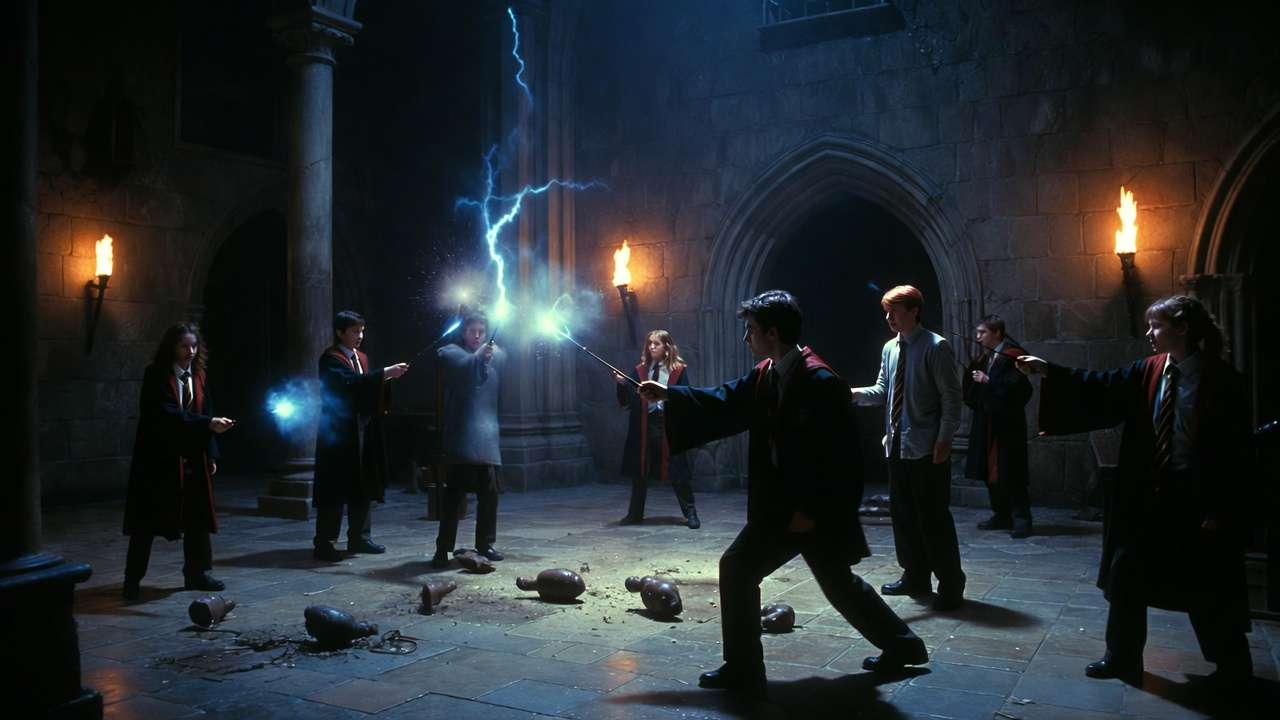
3. Harry Potter and the Half-Blood Prince (2009, dir. David Yates)
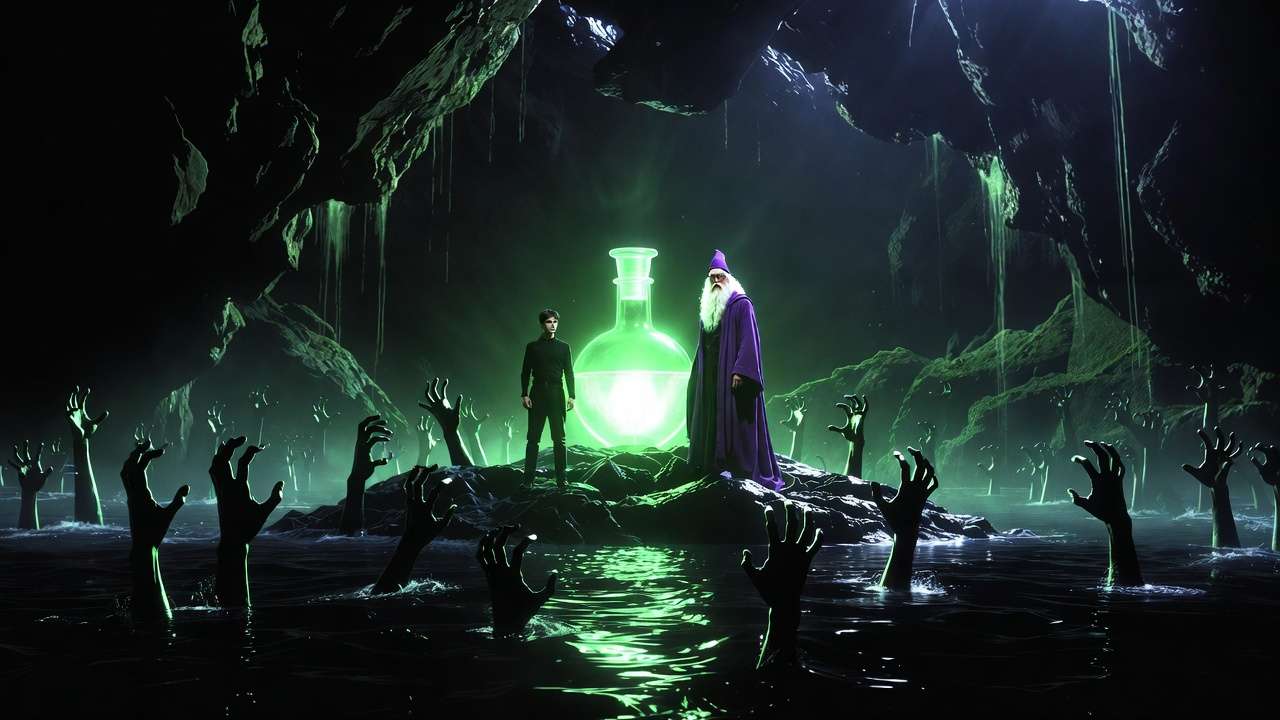
Often called the most “cinematic” of the later films, Half-Blood Prince balances romance, humor, mystery, and tragedy in near-perfect harmony. Yates leans into a dreamy, golden-hued aesthetic (those sweeping shots of the Burrow at Christmas, the shimmering cave sequence), while Michael Gambon’s Dumbledore reaches new depths of warmth, wisdom, and vulnerability.
Standout elements: the budding Ron/Hermione tension played for laughs, the Prince’s textbook revelations, Slughorn’s charming yet morally gray presence (Jim Broadbent shines), and the gut-wrenching Astronomy Tower climax. The film captures the bittersweet “last summer before the war” feeling beautifully. John Williams’ replacement Alexandre Desplat delivers one of the franchise’s most memorable scores.
With Rotten Tomatoes at 84% critics and very high audience scores, plus frequent top-five placements in fan polls, it earns its high spot for emotional layering, character growth, and the way it makes every quiet moment count before the chaos erupts.
 2. Harry Potter and the Deathly Hallows: Part 2 (2011, dir. David Yates)
The grand finale delivers exactly what fans craved: spectacle, closure, and catharsis. The Battle of Hogwarts is breathtaking — giants, spiders, dragons, protective charms exploding, and the castle itself crumbling in stunning visual effects. Key emotional payoffs land hard: Snape’s death and Pensieve memories (Alan Rickman’s finest hour), Neville’s heroic stand, Molly Weasley’s “Not my daughter, you bitch!” line, and Harry’s final confrontation with Voldemort.
The film smartly condenses the book’s sprawling epilogue into a poignant, wordless beauty, letting visuals and music carry the weight. Pacing is relentless yet never feels rushed, and every major arc finds resolution. Rotten Tomatoes gives it the highest score in the series (~96% critics, near-perfect audience), and it frequently tops critic rankings for its epic scope and emotional payoff.
It sits at #2 because while it’s undeniably the most satisfying conclusion, one film edges it out for sheer artistry and lasting influence.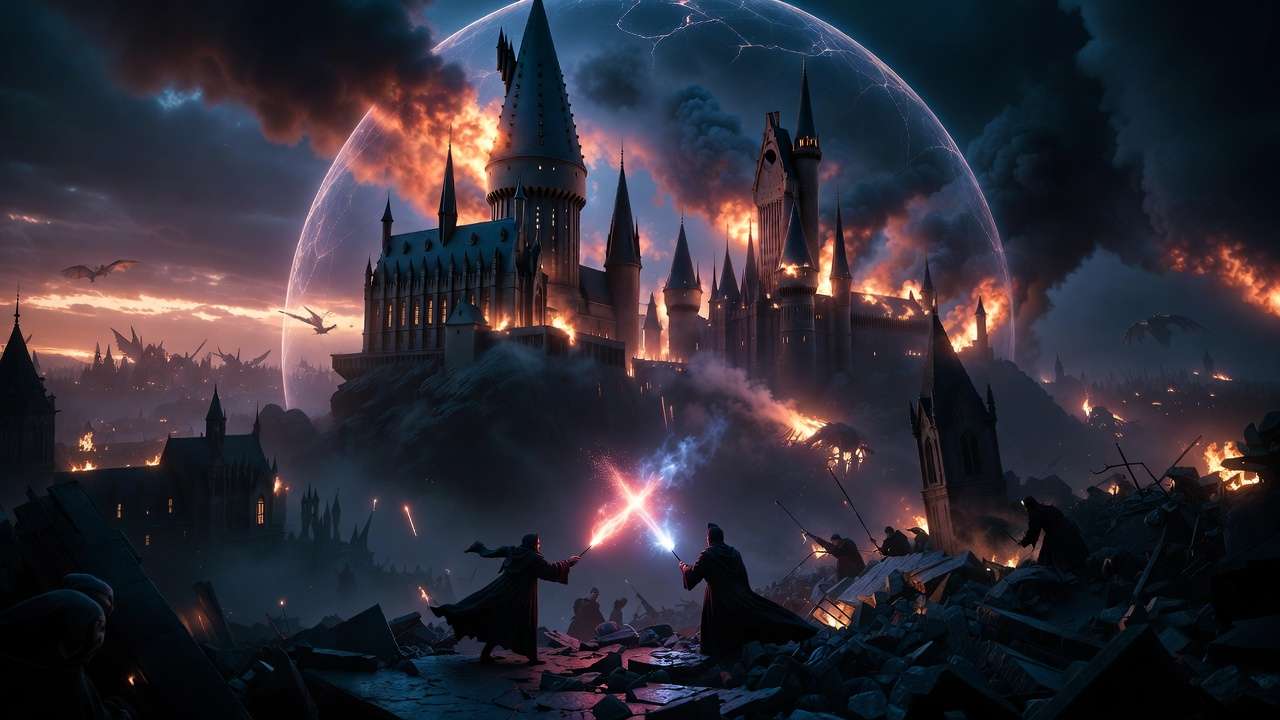
1. Harry Potter and the Prisoner of Azkaban (2004, dir. Alfonso Cuarón)
Widely regarded as the artistic pinnacle of the franchise — and our clear #1. Alfonso Cuarón’s bold stylistic shift transforms the series: autumnal color grading, sweeping camera movements, a more mature tone, and a focus on time, memory, and fate. The film feels like a true coming-of-age story rather than just another adventure.
Highlights are endless: the chilling introduction of Dementors (those haunting, hooded figures gliding through rain), Sirius Black’s reveal and rooftop showdown, the time-turner sequence (a masterclass in editing and tension), Buckbeak’s dramatic rescue, and the quiet, heartbreaking moments like Harry learning about his parents. John Williams’ score reaches new emotional heights with the chilling “Double Trouble” choir piece and the tender “A Window to the Past.”
Faithfulness is strong despite cuts (the Marauders’ Map backstory is streamlined but effective), and the child actors show remarkable growth. Rotten Tomatoes sits at ~90% critics, and in nearly every major fan poll and Reddit thread from 2024–2026, Prisoner of Azkaban consistently ranks #1 for its atmosphere, direction, and rewatchability.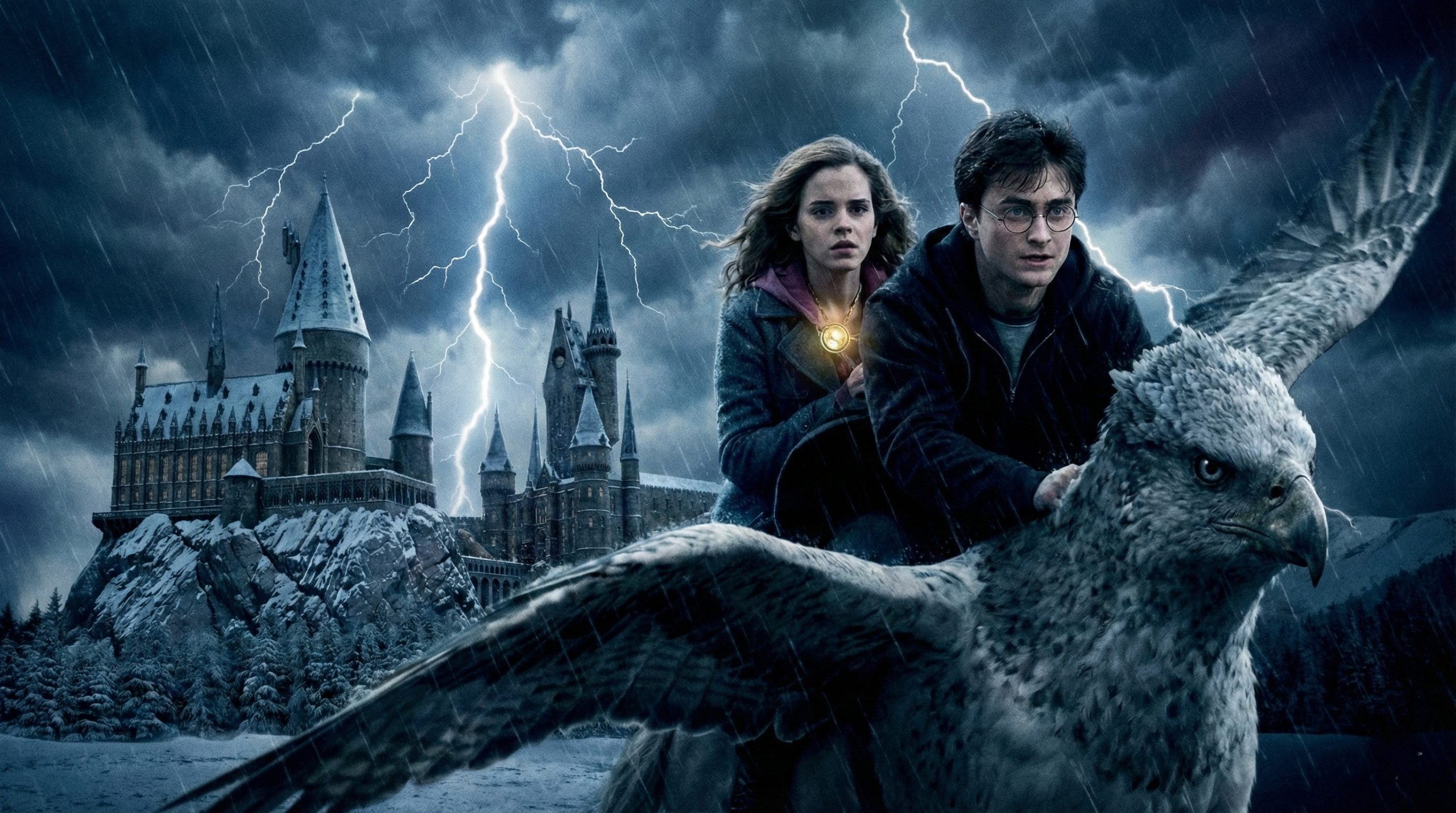
This is the film where the series grew up — and it remains the gold standard for what a Harry Potter movie can achieve.
Why Rankings Differ: Critics vs. Fans vs. Book Purists
Rankings vary wildly depending on perspective:
- Critics tend to favor cinematic artistry and innovation → Prisoner of Azkaban and Deathly Hallows Part 2 frequently top aggregated lists (Rotten Tomatoes, Metacritic).
- Casual fans / nostalgia lovers often place Sorcerer’s Stone, Chamber of Secrets, or Goblet of Fire higher for pure joy and iconic moments.
- Book purists penalize heavy cuts (Goblet of Fire and Order of the Phoenix drop significantly) while rewarding fidelity and depth (Half-Blood Prince and Prisoner of Azkaban rise).
- Age and viewing context matter: Younger viewers may prefer the brighter early films; adults often gravitate toward the darker, more complex later entries.
Recent 2025–2026 fan surveys (e.g., large Ranker and Reddit polls) show Prisoner of Azkaban holding strong at #1, followed closely by Deathly Hallows Part 2 and Half-Blood Prince — a trend that aligns closely with our list.
Hidden Gems, Underrated Moments, and Rewatch Tips
- Underrated gems: The quiet beauty of Half-Blood Prince’s cave scene, Order’s “The Lost Prophecy” montage, Deathly Hallows Part 1’s tent dance (a masterclass in unspoken emotion).
- Rewatch hacks: Watch in release order for the intended tonal progression; pair with the books for deeper context; try a “dark marathon” starting from Order onward for maximum impact.
- Thematic viewings: Focus on friendship (Sorcerer’s Stone), rebellion (Order), sacrifice (Half-Blood Prince), or closure (Deathly Hallows Part 2).
Frequently Asked Questions (FAQs)
Which Harry Potter movie is the best according to critics?
Deathly Hallows: Part 2 usually leads with the highest Rotten Tomatoes score (~96%), followed closely by Prisoner of Azkaban.
Why is Prisoner of Azkaban so highly ranked?
Alfonso Cuarón’s visionary direction, atmospheric world-building, and mature storytelling shift the series to a new level, earning near-universal acclaim.
Is Deathly Hallows Part 1 really that bad?
Not bad — just slow by design. It’s the quiet before the storm, rich in character work, but lacks the spectacle fans expect.
How do the Harry Potter movies compare to the books overall?
The early films are more faithful; later ones prioritize pacing and visuals over every subplot. Prisoner of Azkaban and Half-Blood Prince strike the best balance.
Which movie has the best soundtrack?
Prisoner of Azkaban (John Williams at his most inventive) and Half-Blood Prince (Desplat’s haunting, romantic score) are frequent favorites.
Should I watch Fantastic Beasts too?
They’re fun expansions, but they’re separate from Harry’s story. Watch them after the main eight if you want more Wizarding World lore.
What’s the definitive ranking in 2026?
Fan consensus still crowns Prisoner of Azkaban #1, with Deathly Hallows Part 2 a close second — our list reflects that enduring agreement.
From the wide-eyed wonder of Sorcerer’s Stone to the epic, tear-soaked finale of Deathly Hallows Part 2, the Harry Potter films grew with their audience, delivering magic that still feels fresh more than two decades later. Our #1 pick — Prisoner of Azkaban — stands as the perfect blend of artistry, heart, and wizarding wonder.
No matter where your personal ranking falls, these eight films remind us that courage, friendship, and love can overcome even the darkest times — if only we remember to turn on the light.
What’s your ranking Harry Potter movies list? Drop it in the comments below — let’s keep the debate alive! Share this guide with fellow Potterheads, and subscribe to Harry Potter Related Blog for more deep dives, theories, and Wizarding World content.