Picture this: a Slytherin student in Harry Potter’s exact year at Hogwarts—sharing classes, the Great Hall, even the same common room with Draco Malfoy’s infamous crew—yet he remains almost invisible. No dramatic confrontations, no memorable quips, not a single line of spoken dialogue across seven books. But this same quiet, weedy boy can see the ghostly Thestrals that pull the school carriages, a rare ability signaling he has witnessed death and truly understood its weight long before most of his peers. Who is this shadowy figure fans now call Theo Harry Potter? Why has Theodore Nott, with his handful of fleeting mentions, exploded into one of the most beloved and heavily featured minor characters in modern Harry Potter fandom?
The answer is simple yet profound: scarcity breeds imagination. J.K. Rowling intentionally left Theodore Nott as a near-blank slate—intelligent, detached, and marked by personal tragedy—giving readers and creators endless room to explore themes of grief, moral ambiguity, quiet rebellion, and Slytherin nuance. This in-depth guide compiles every piece of verifiable canon information from the original novels, Rowling’s archived website extras, official Wizarding World statements, and trusted resources like the Harry Potter Lexicon. We’ll dissect his backstory, the symbolism of his Thestrals ability, his family’s dark legacy, his sparse but telling appearances, and the explosive rise of his popularity in fanfiction, TikTok trends, and online communities. If you’re searching for a clear, comprehensive explanation of who Theo really is—or why “Theodore Nott” dominates AO3 tags and Slytherin aesthetics—this article goes deeper than any wiki summary or short explainer.
Who Is Theo in Harry Potter? Canon Basics
Theodore Nott (born circa 1979–1980) is a pure-blood wizard sorted into Slytherin House during the 1991 Sorting Ceremony, as noted briefly in Harry Potter and the Philosopher’s Stone: “Moon… Nott… Parkinson…” This places him in the same Hogwarts year as Harry Potter, Hermione Granger, Ron Weasley, and the rest of the famous cohort.
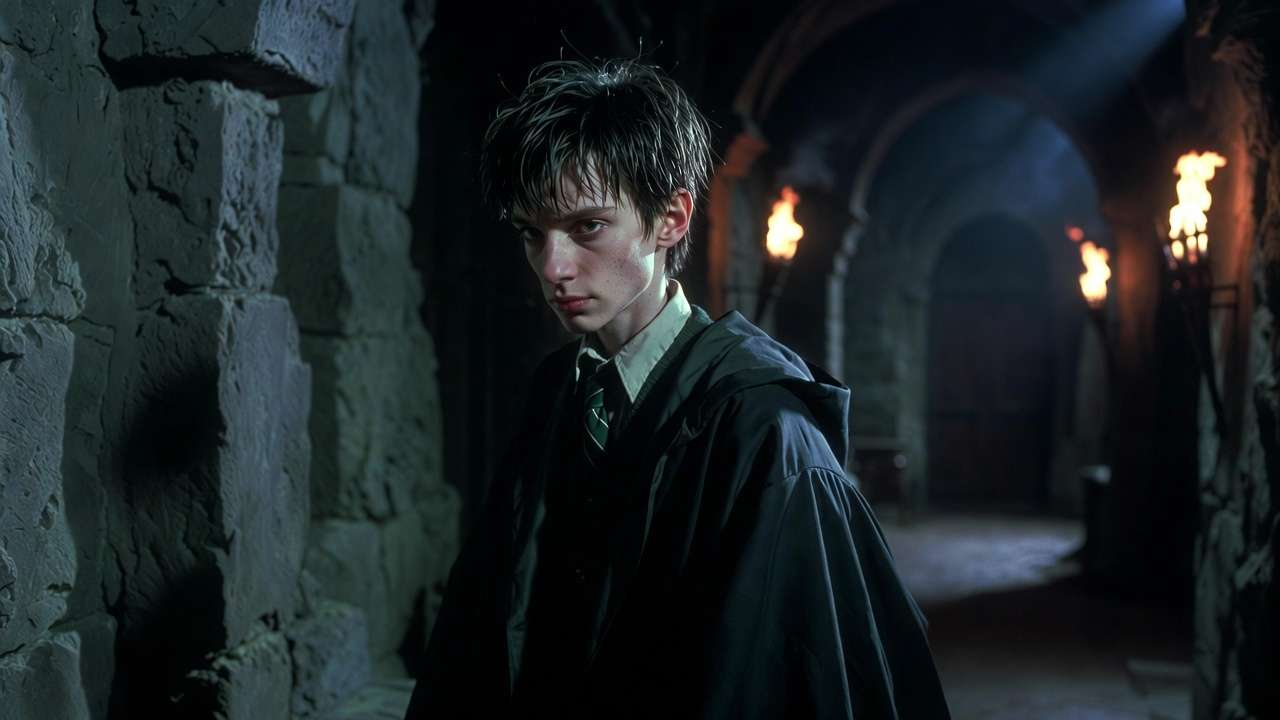
Rowling describes him as “weedy-looking” and “stringy,” a physical contrast to the more physically imposing or charismatic Slytherins. In extra material originally published on her official website (later archived), she labels him “a clever loner who does not feel the need to join gangs, including Malfoy’s.” This independence is one of his few explicit character traits—he avoids the sycophantic loyalty that defines Draco’s circle of Vincent Crabbe, Gregory Goyle, and Pansy Parkinson.
His lineage is firmly rooted in pure-blood supremacy: the Nott family is part of the Sacred Twenty-Eight, the historic list of “truly pure” wizarding bloodlines. His father, simply called Mr. Nott in canon, is a confirmed Death Eater—one of Voldemort’s earliest followers—who participated in the Battle of the Department of Mysteries in Order of the Phoenix, was injured, and subsequently imprisoned in Azkaban. This leaves Theo raised by an elderly widower father steeped in Dark ideology.
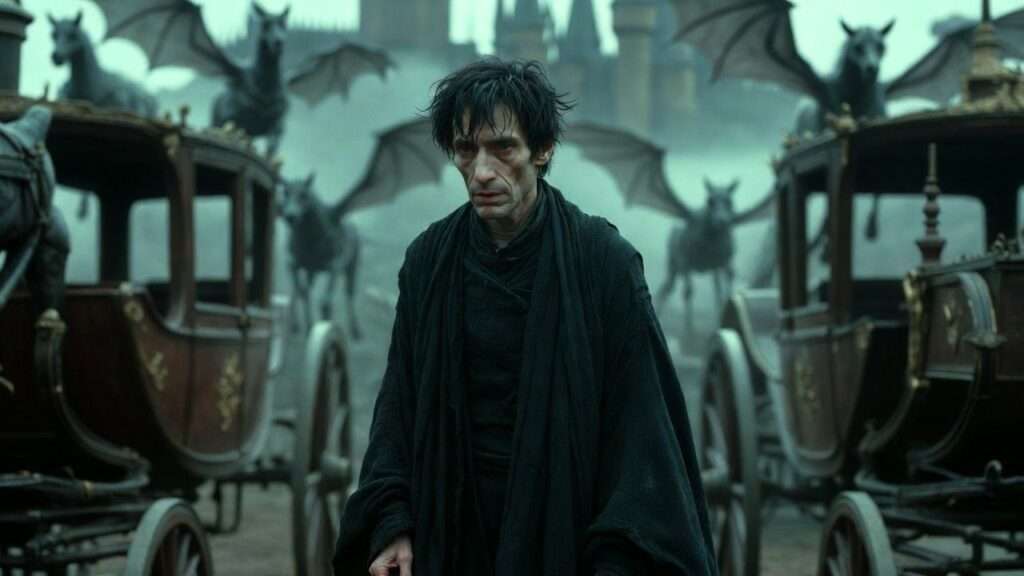
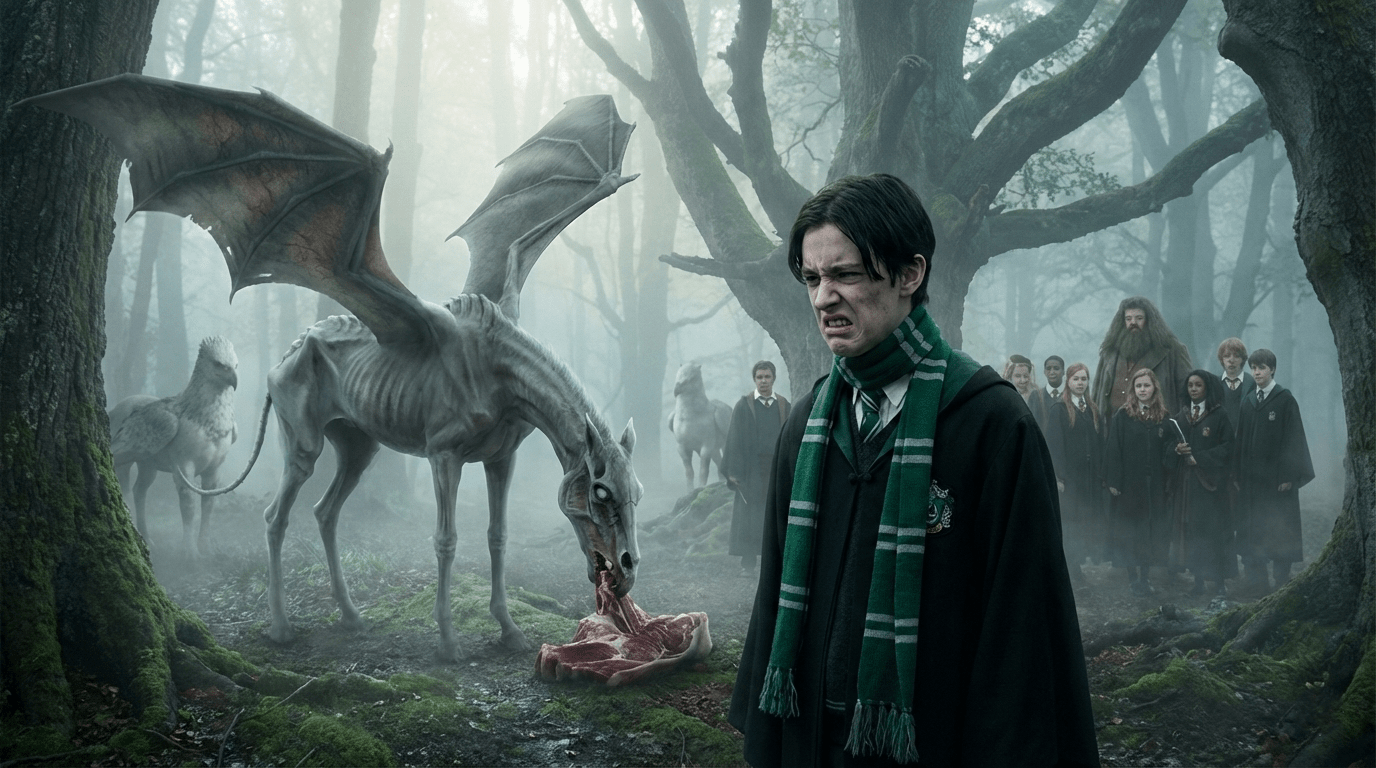
The most defining canon detail arrives in Order of the Phoenix: during a fifth-year Care of Magical Creatures lesson, Theo is one of only a few students able to see Thestrals. Rowling confirmed in 2004 (responding to fan inquiries via Mugglenet and the Harry Potter Lexicon) that the “stringy Slytherin boy” observing the creatures with distaste was indeed Theodore Nott.
 Theodore Nott’s Backstory and Family Ties
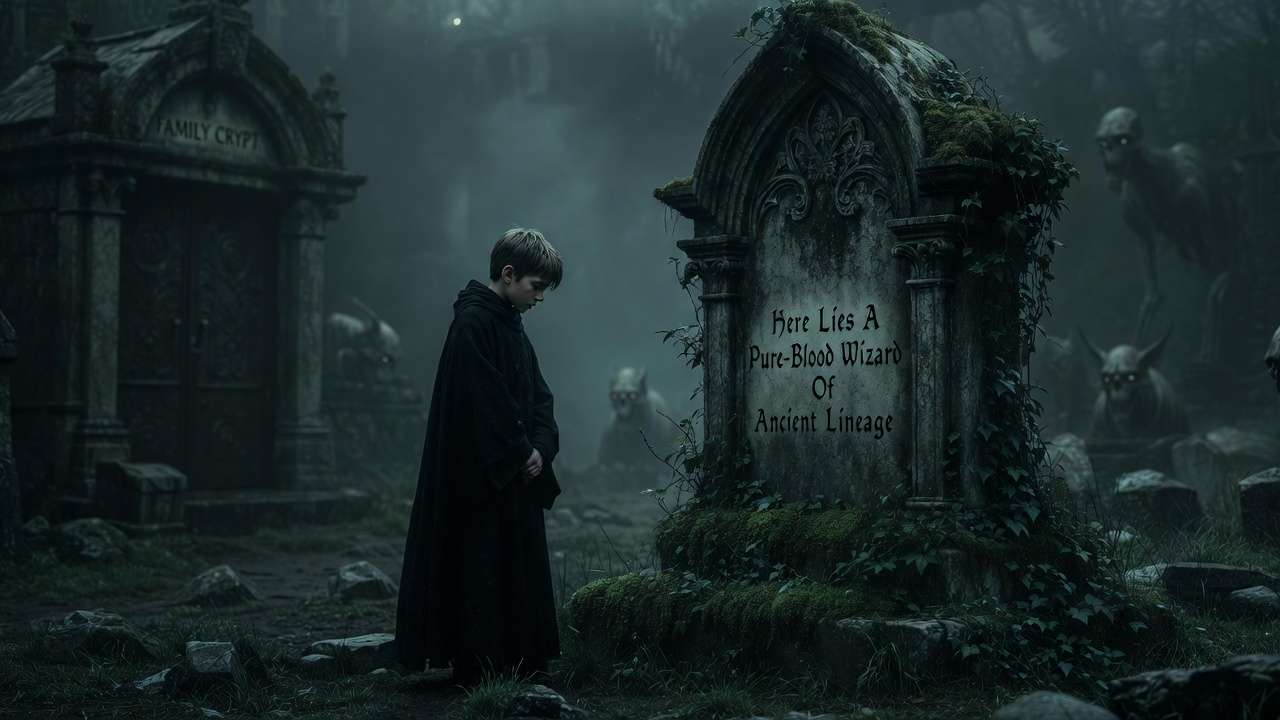
At the emotional core of Theo’s character lies profound loss. Canon establishes his father as “an elderly widower,” meaning Theo’s mother died sometime before he arrived at Hogwarts. While the exact cause remains unspecified, the implication is clear: Theo witnessed her death at a young enough age to develop the emotional comprehension required to see Thestrals.
Hagrid teaches that Thestrals appear only to those who have “seen death and gained an emotional understanding of what death means.” This rare ability connects Theo to Harry (who saw Cedric Diggory’s murder), Luna Lovegood (whose mother died in a magical accident), and Neville Longbottom (who saw his parents tortured into insanity). The parallel to Harry is especially poignant—both are shaped by early parental loss, yet while Harry builds chosen family, Theo remains isolated within Slytherin.
Rowling has hinted at even greater depth. In a deleted scene she wrote (intended for Chamber of Secrets or Goblet of Fire but ultimately cut), Mr. Nott visits Lucius Malfoy to discuss Voldemort-related affairs. Draco and Theodore are left alone in the garden, conversing as near-equals. Rowling notes that Draco treats Theo as such because he is “just as pure-blooded” and “somewhat cleverer.” She added, “I know much more about Theodore Nott than has ever appeared in the books,” confirming she envisioned him with significant untapped complexity.
Raised in a household of aging Death Eater ideology, Theo emerges not as a fervent follower but as an observant outsider—perhaps quietly questioning the legacy he’s inherited, or simply enduring it.
 Key Canon Moments and What They Reveal
Theo’s appearances are deliberately sparse, yet each adds meaningful texture:
- First Year (Philosopher’s Stone): Sorted into Slytherin, establishing his house without drama.
- Fifth Year (Order of the Phoenix): The Care of Magical Creatures Thestrals lesson—Harry notices a “stringy Slytherin boy” watching one eat with “great distaste.” Rowling later confirmed this as Theo, directly tying the moment to his mother’s death.
- Fifth Year (continued): Seen whispering with Draco, Crabbe, and Goyle after Harry exposes their fathers as Death Eaters—yet he stays on the periphery.
- Sixth Year (Half-Blood Prince): Brief moments in the Slytherin common room and during Amortentia discussions, sharing quiet laughs with Draco. His father’s imprisonment excludes him from Slughorn’s Slug Club.
These glimpses show a pattern: presence without participation. Theo doesn’t bully openly like Draco, doesn’t fade completely like Crabbe and Goyle, and doesn’t seek attention. His cleverness is suggested through observation and detachment rather than overt displays.
In Harry Potter and the Cursed Child, Theo receives a minor mention (handling illegal magical goods post-war), adding a layer of ambiguity to his adult life without contradicting his canon reserve.
 Why Fans Can’t Get Enough: The Rise of Theo Nott’s Popularity
Theo’s fandom explosion is fueled by his status as the ultimate blank slate. With almost no spoken lines or definitive personality, fans project nuance: the sarcastic intellectual, the trauma survivor rejecting blood purity, the quiet moral compass in Slytherin dynamics.
Early 2000s fanfiction used him as a supporting character in Dramione (Draco/Hermione) stories or Slytherin ensemble pieces. The 2020s brought a massive resurgence via TikTok—moody edits, “Slytherin boys react” POV videos, aesthetic montages featuring actors like Lorenzo Zurzolo as fan-cast Theo. Communities on Reddit, Tumblr, and Wattpad debate his depth, while AO3 tags for Theodore Nott show thousands of works, often in rarepairs (NottPott/Theodore x Harry, Theo x Luna) or queer interpretations.
Why Theo over other minor Slytherins? He offers contrast to toxic masculinity (Draco) with quiet strength and intelligence. Fans seek nuanced Slytherins—characters capable of growth, redemption, or moral grayness without villainy. In an era craving escapism and representation of trauma recovery, Theo fills that niche perfectly.
 Popular Headcanons and Fan Theories
Common fan expansions include:
- Rebellious intellect: Secretly studies Muggle subjects or ancient magic to defy his father.
- Healer path: Potions talent leads to ambitions outside the war.
- Moral conflict: Questions pure-blood ideology privately but fears consequences.
- Trauma depth: Mother’s death (illness, curse, or darker cause) fuels cynicism or protectiveness.
Slytherin group dynamics often cast him as the detached observer—friends with Blaise Zabini or Pansy, distant from Draco’s toxicity. Theories explore redemption during the Battle of Hogwarts or post-war independence.
These thrive because canon supplies tragedy and intellect without locking in specifics.
 Theo Nott in Fanfiction and Modern Fandom
Theo anchors many Slytherin-centric fics: slow-burn romances, found-family stories, trauma-healing arcs. TikTok trends include “Slytherin boys” ensembles (Mattheo Riddle, Lorenzo Berkshire, Blaise, Draco), with Theo frequently highlighted for his brooding intelligence. Aesthetic boards, fan-casts, and Cursed Child continuations keep him relevant.
He satisfies the demand for complex anti-heroes—guarded yet capable of empathy and change.
Conclusion: Why Theodore Nott Matters in the Harry Potter Universe
Theodore Nott proves that minor characters can resonate deeply when given just enough mystery. From a name on the sorting list to a fandom icon, his story of grief, independence, and untapped potential mirrors real experiences of quiet survival amid darkness. In a series celebrating bold heroes, Theo reminds us the shadows hold stories too.
He invites imagination: what becomes of someone shaped by loss and ideology but not defined by it? Whether future adaptations expand him or not, his legacy endures through fan creativity.
What’s your favorite Theo headcanon or fic? Drop it in the comments!
FAQs
Who is Theo Harry Potter? Theodore “Theo” Nott is a Slytherin pure-blood in Harry’s year, known for seeing Thestrals due to his mother’s death and his loner personality in a Death Eater family.
Is Theodore Nott in the Harry Potter movies? No—he appears only in background scenes with no named credit or dialogue.
Why can Theo Nott see Thestrals? He witnessed his mother’s death young, gaining the emotional understanding needed.
Is Theodore Nott a Death Eater? No canon evidence; his father was, but Theo’s own allegiance remains ambiguous.
What house is Theo Nott in? Slytherin House.
Why is Theodore Nott so popular in fanfiction? His minimal canon details make him an ideal blank slate for depth, romance, Slytherin nuance, and trauma arcs—boosted by TikTok and AO3 trends.