Few series capture the harsh reality of war and loss quite like J.K. Rowling’s Harry Potter. From the opening pages of Philosopher’s Stone, where we learn of the tragic murder of Harry’s parents, death is not just a plot device—it’s a central theme that underscores sacrifice, love, and the irreversibility of loss in even a magical world. As the story progresses through escalating conflict, the body count rises, reminding readers that no one is truly safe. If you’re searching for who died in Harry Potter series, you’re likely looking for a clear, comprehensive breakdown of the major character deaths—how they happened, why they mattered, and the lasting emotional impact they left on Harry and the wizarding world.
This guide serves as the definitive resource for Potter fans revisiting the series or settling debates about the most heartbreaking moments. We’ll focus primarily on book canon (the most authoritative source), highlighting notable movie differences where they alter the tone or details. Spoiler warning: This article reveals key plot points across all seven books. Whether you’re grieving a favorite character’s fate or seeking to understand how these losses shaped Harry’s journey, we’ve got you covered with chronological lists, analysis, and more.
As dedicated Harry Potter enthusiasts who have analyzed the texts, Wizarding World lore, and J.K. Rowling’s own insights for years, we aim to provide deeper context than typical summaries. Death in this series isn’t gratuitous—it’s purposeful, reflecting real-world grief and the idea that “the last enemy that shall be destroyed is death” (a biblical quote Rowling weaves into the narrative).
Understanding Death in the Harry Potter Universe
Why So Many Deaths? The Themes of Sacrifice, War, and Mortality
J.K. Rowling has often spoken about how death forms a core pillar of the series. In interviews, she emphasized that magic cannot truly reverse death—once someone is gone, they’re gone, though echoes may linger through memories, portraits, or the Resurrection Stone. This rule grounds the fantasy in emotional realism. Early books introduce loss gently (Harry’s orphan status), but by the later installments, the Second Wizarding War turns Hogwarts and beyond into battlegrounds, mirroring the senseless toll of conflict.
Rowling drew inspiration from personal experiences, including the death of her mother, which influenced themes of grief and moving forward. Deaths highlight contrasting philosophies: Voldemort fears and seeks to conquer death through Horcruxes, while characters like Dumbledore view it as “the next great adventure.” Sacrificial deaths (Lily Potter’s protection charm, Harry’s walk into the forest) demonstrate that love triumphs over death’s finality.
Key Differences Between Books and Movies
The films, while faithful overall, condense subplots and sometimes soften or dramatize deaths for visual impact and runtime. Books offer more off-page backstory and emotional aftermath, while movies prioritize spectacle.
For example:
- In the books, Voldemort’s death leaves his body intact—he collapses like any mortal. The films show him disintegrating dramatically.
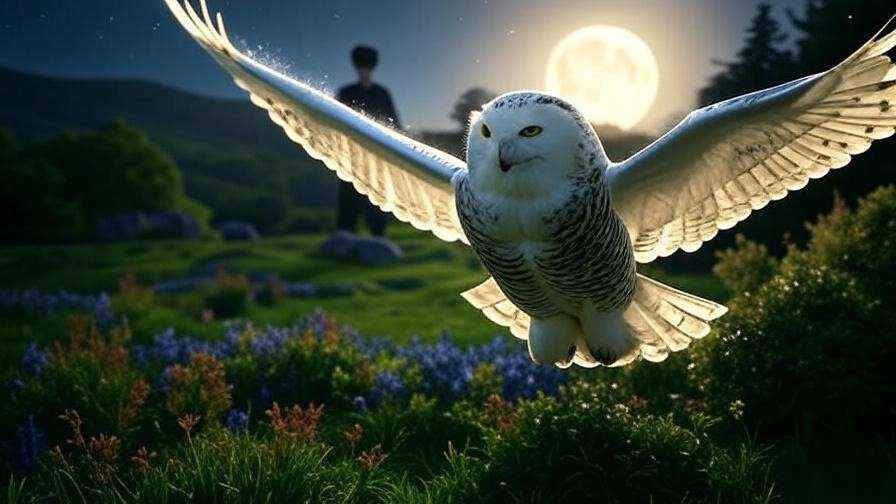
- Hedwig’s death in the book is accidental (hit during the Seven Potters escape), but the movie makes it heroic—she shields Harry from a curse.
- Fred Weasley’s death is sudden and chaotic in the book; the film focuses on the family’s mourning in the Great Hall without showing the exact moment.
- Snape’s final scene shifts from the Shrieking Shack to the Boathouse in the films, but the emotional core (his memories and redemption) remains.
These changes affect pacing and tone—books feel rawer, movies more cinematic. Here’s a quick comparison table of notable altered deaths:
| Character | Book Cause/Scene | Movie Change | Impact Difference |
|---|---|---|---|
| Hedwig | Accidental casualty in escape | Sacrificial protection | More heroic in film |
| Voldemort | Rebounded curse; body remains | Disintegrates dramatically | Less human in film |
| Fred Weasley | Explosion during battle | Shown post-death in Great Hall | Less immediate shock in film |
| Severus Snape | Nagini in Shrieking Shack | Nagini in Boathouse | Similar emotion, different setting |
| Sirius Black | Falls through veil (no explicit curse) | Hit by Avada Kedavra | Clearer visual in film |
These adaptations make the films accessible but often leave book readers wanting the fuller context.
Chronological List of Major Deaths in the Harry Potter Series
Here we break down the most significant deaths by book, focusing on those with plot or emotional weight. Dates are approximate based on canon timelines (e.g., Harry’s parents in 1981). We include killer, cause, key quote/last words, and impact.
Pre-Series & Backstory Deaths
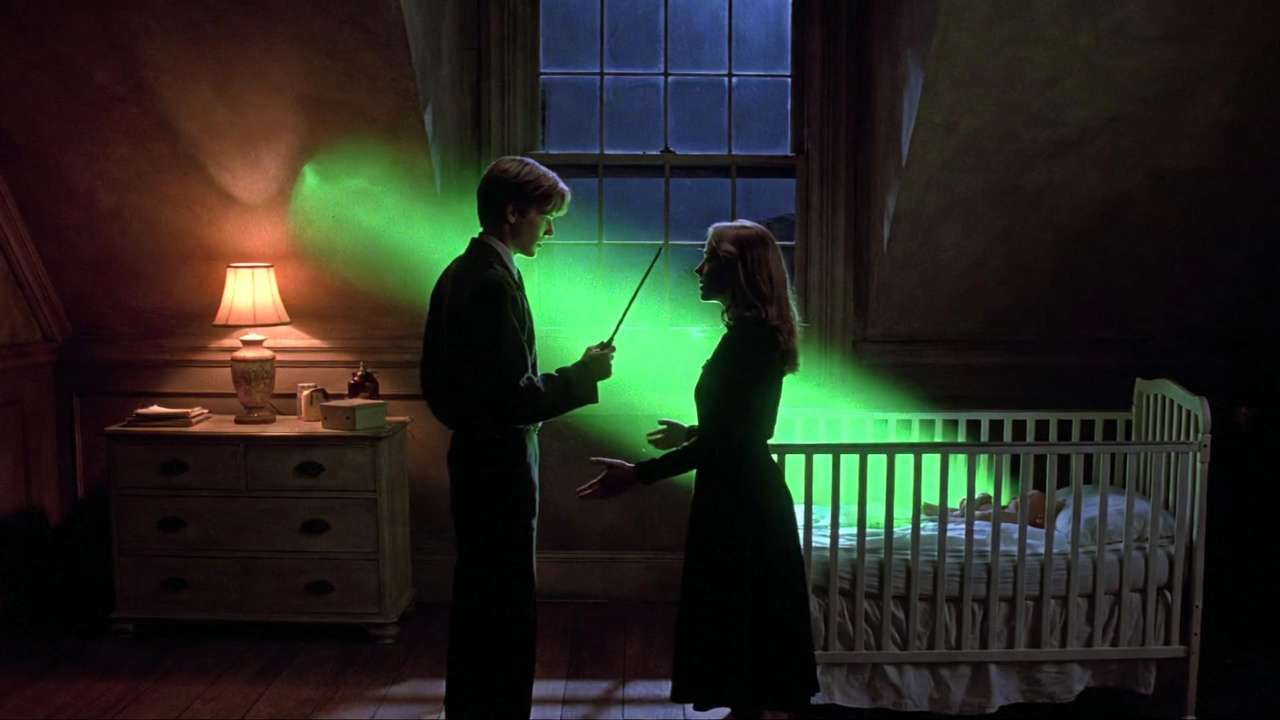 These foundational losses set the tone for Harry’s life:
- James and Lily Potter (October 31, 1981) — Killed by Lord Voldemort with Avada Kedavra. Lily’s sacrifice created ancient magic protecting Harry. Impact: Harry’s orphanhood; the “Boy Who Lived” legend begins. Quote: “Not Harry, not Harry, please not Harry!”
- Ariana Dumbledore (childhood, ~1890s) — Accidental magic duel involving Aberforth, Albus, and Grindelwald. Impact: Shaped Dumbledore’s guilt and anti-Dark Arts stance.
Harry Potter and the Philosopher’s Stone / Sorcerer’s Stone
- Professor Quirrell — Voldemort’s possession burns him when Harry touches him (protection charm). Impact: First direct confrontation; shows Voldemort’s weakness to love.
Harry Potter and the Chamber of Secrets
- Moaning Myrtle (backstory, 1943) — Basilisk petrified/killed by Tom Riddle. Impact: Ghost witness; highlights Riddle’s early evil.
Harry Potter and the Goblet of Fire
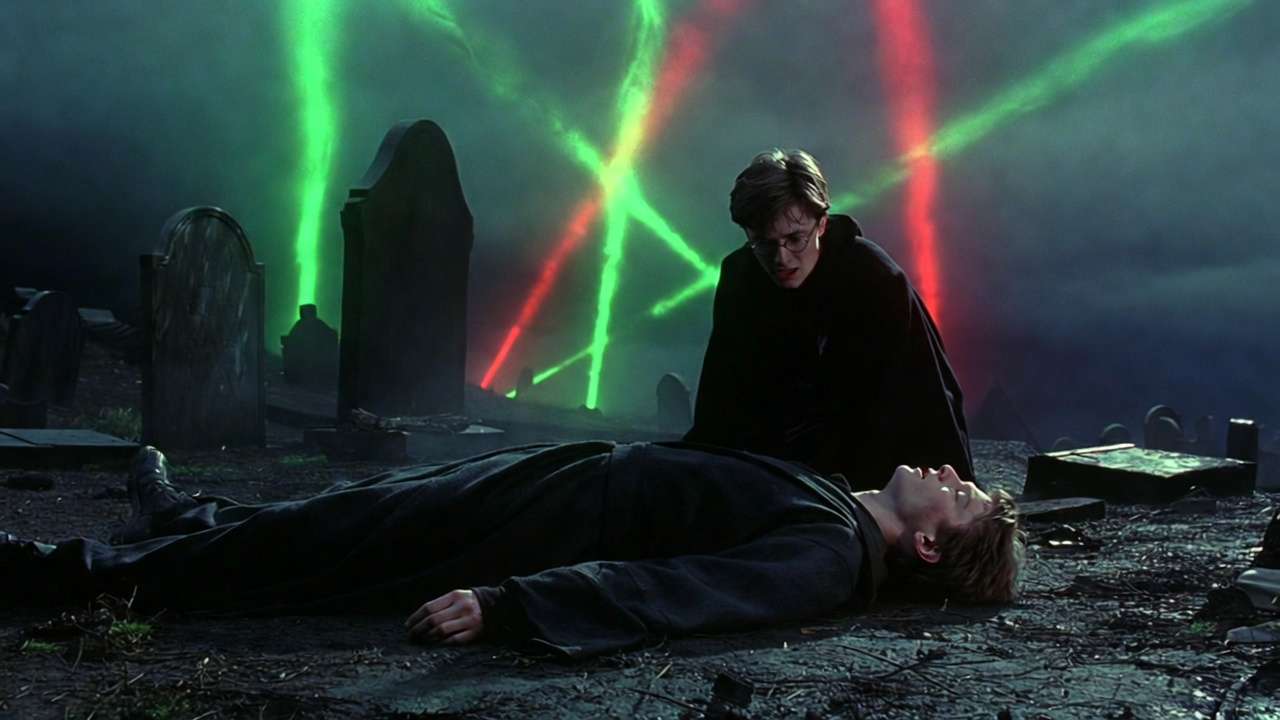
- Cedric Diggory — Killed by Peter Pettigrew on Voldemort’s order (Avada Kedavra). Impact: Shocks the wizarding world; ends innocence, sparks Ministry denial.
- Frank Bryce and Bertha Jorkins (preceding) — Killed by Voldemort/Pettigrew. Impact: Establishes Voldemort’s return.
Harry Potter and the Order of the Phoenix
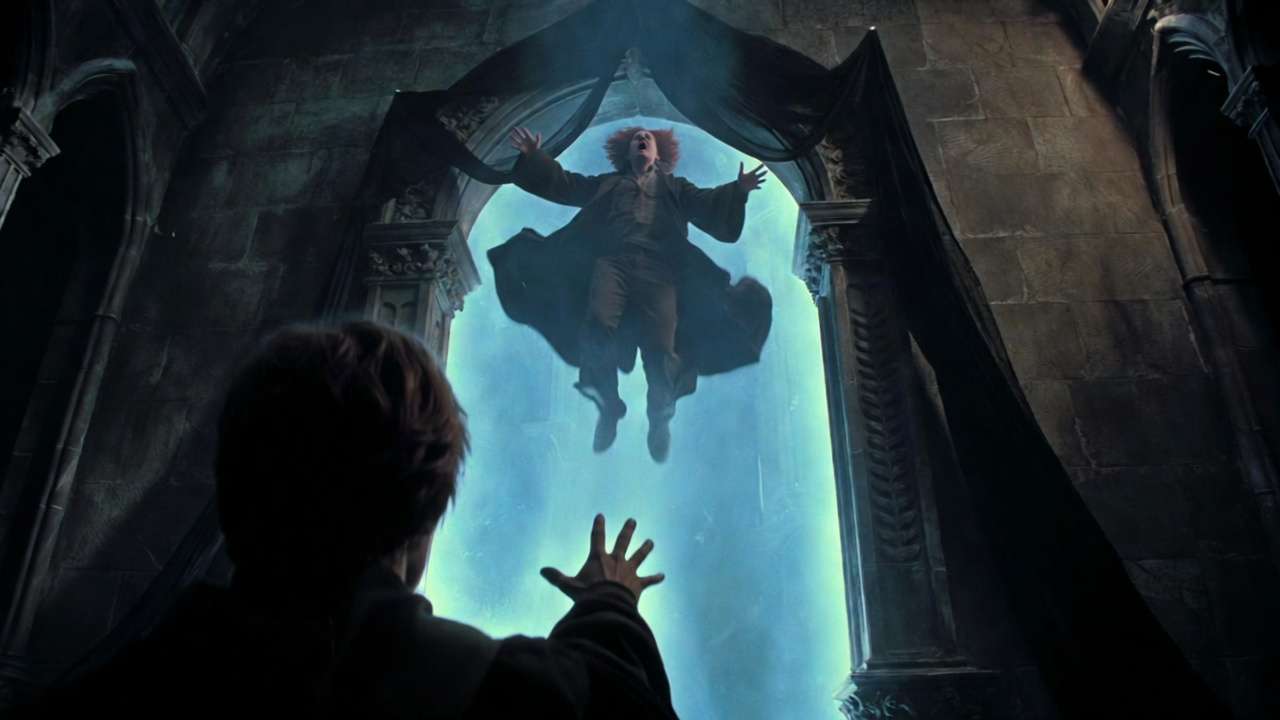
- Sirius Black — Falls through the Death Veil after Bellatrix’s curse (or taunt). Impact: Devastating for Harry—loses godfather and last family link. Quote: Sirius laughs before falling.
Harry Potter and the Half-Blood Prince
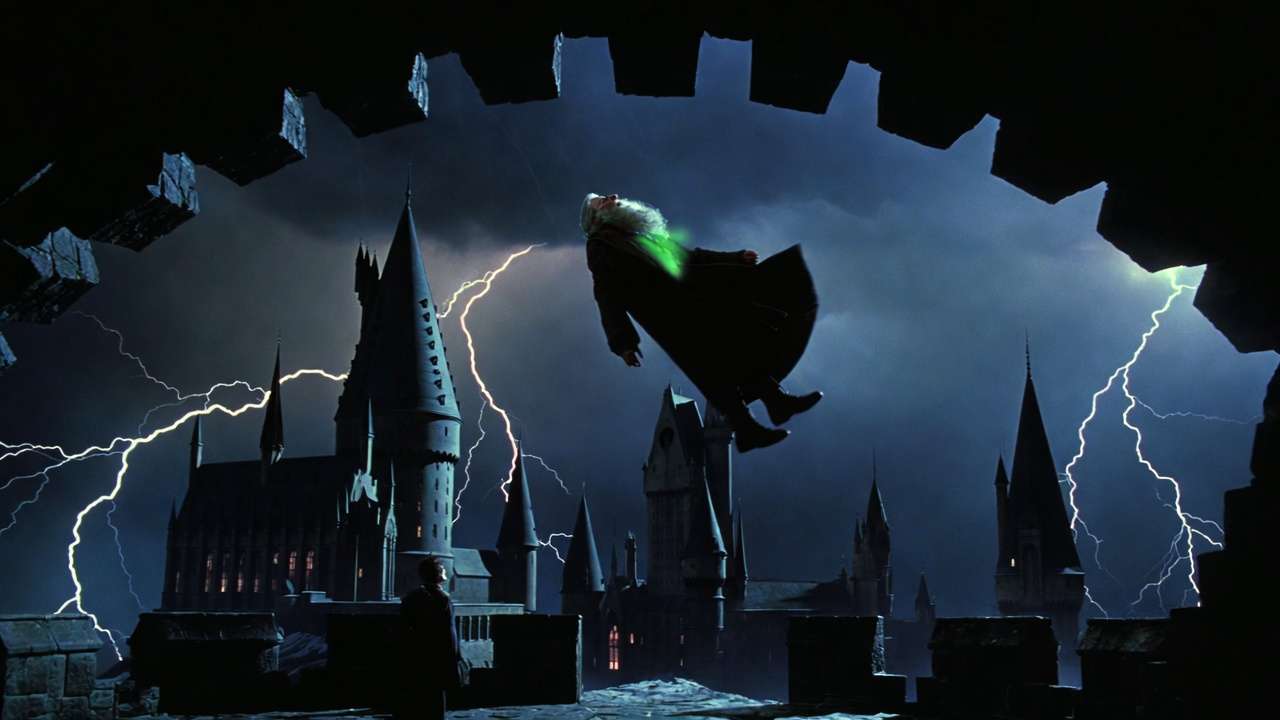
- Albus Dumbledore — Killed by Severus Snape (Avada Kedavra, per Dumbledore’s plan). Impact: Turns the war; Harry must face Voldemort alone. Iconic tower scene.
Harry Potter and the Deathly Hallows
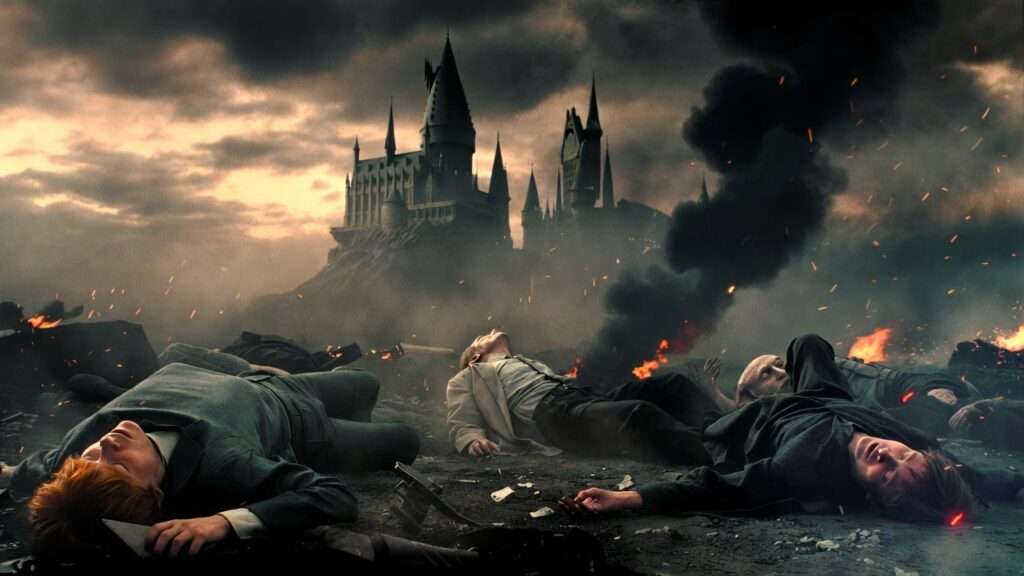
The bloodiest book, with the Battle of Hogwarts claiming many:
- Hedwig — Hit by stray curse during escape.
- Alastor “Mad-Eye” Moody — Avada Kedavra by Voldemort.
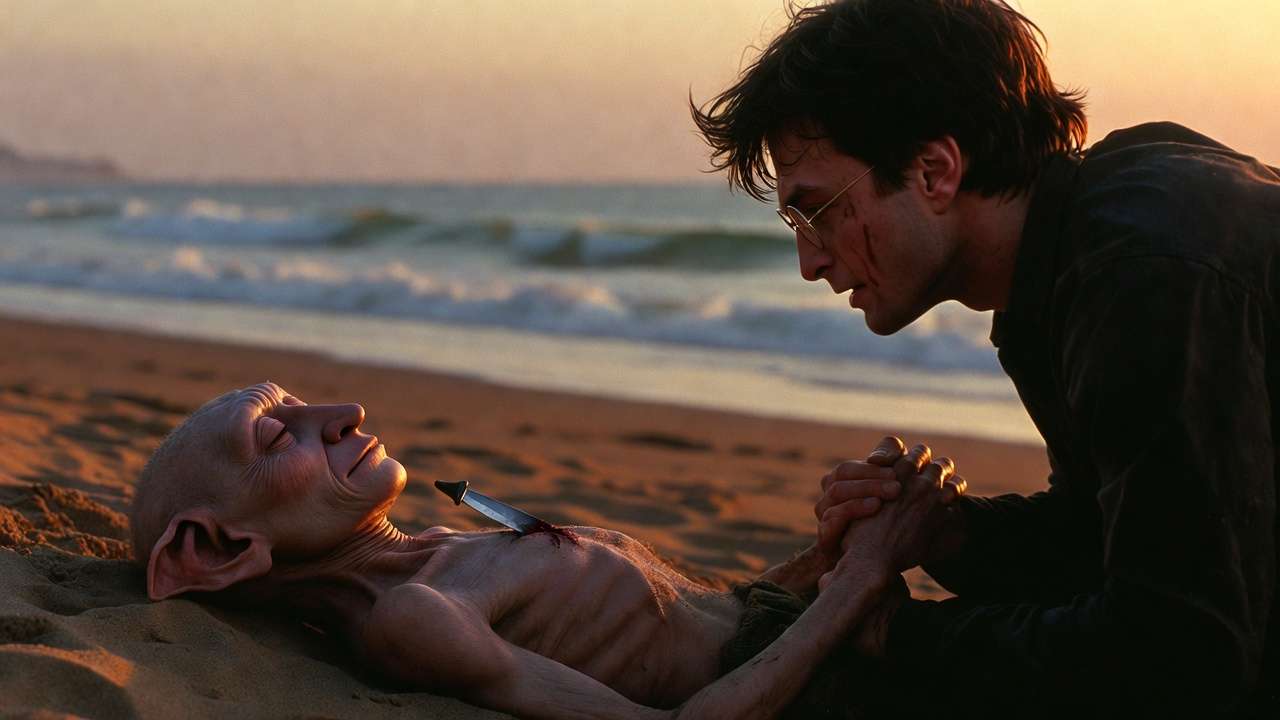
- Dobby — Stabbed by Bellatrix’s knife while saving Harry. Quote: “Such a beautiful place, to be with friends… Dobby is happy to be with his friend Harry Potter.”
- Fred Weasley — Explosion during battle.
- Remus Lupin and Nymphadora Tonks — Killed in battle (by Dolohov and Bellatrix, respectively). Impact: Orphan Teddy Lupin, mirroring Harry.
- Severus Snape — Nagini attack on Voldemort’s orders. Impact: Redemption via memories.
- Bellatrix Lestrange — Killed by Molly Weasley.
- Lord Voldemort — Rebounded Killing Curse due to Elder Wand allegiance.
- Others: Colin Creevey, Lavender Brown (implied), Fenrir Greyback, etc.
Quick Reference Table: Major Deaths Overview
| Character | Book | Killed By | Impact Level (1-10) |
|---|---|---|---|
| James & Lily Potter | Pre-series | Voldemort | 10 |
| Cedric Diggory | Goblet of Fire | Pettigrew/Voldemort | 9 |
| Sirius Black | Order of the Phoenix | Veil/Bellatrix | 10 |
| Albus Dumbledore | Half-Blood Prince | Snape (planned) | 10 |
| Hedwig | Deathly Hallows | Stray curse | 8 |
| Dobby | Deathly Hallows | Bellatrix | 9 |
| Fred Weasley | Deathly Hallows | Explosion | 10 |
| Lupin & Tonks | Deathly Hallows | Battle | 9 |
| Severus Snape | Deathly Hallows | Voldemort/Nagini | 9 |
| Voldemort | Deathly Hallows | Rebound curse | 7 (triumphant) |
The Most Heartbreaking Deaths – Ranked & Analyzed
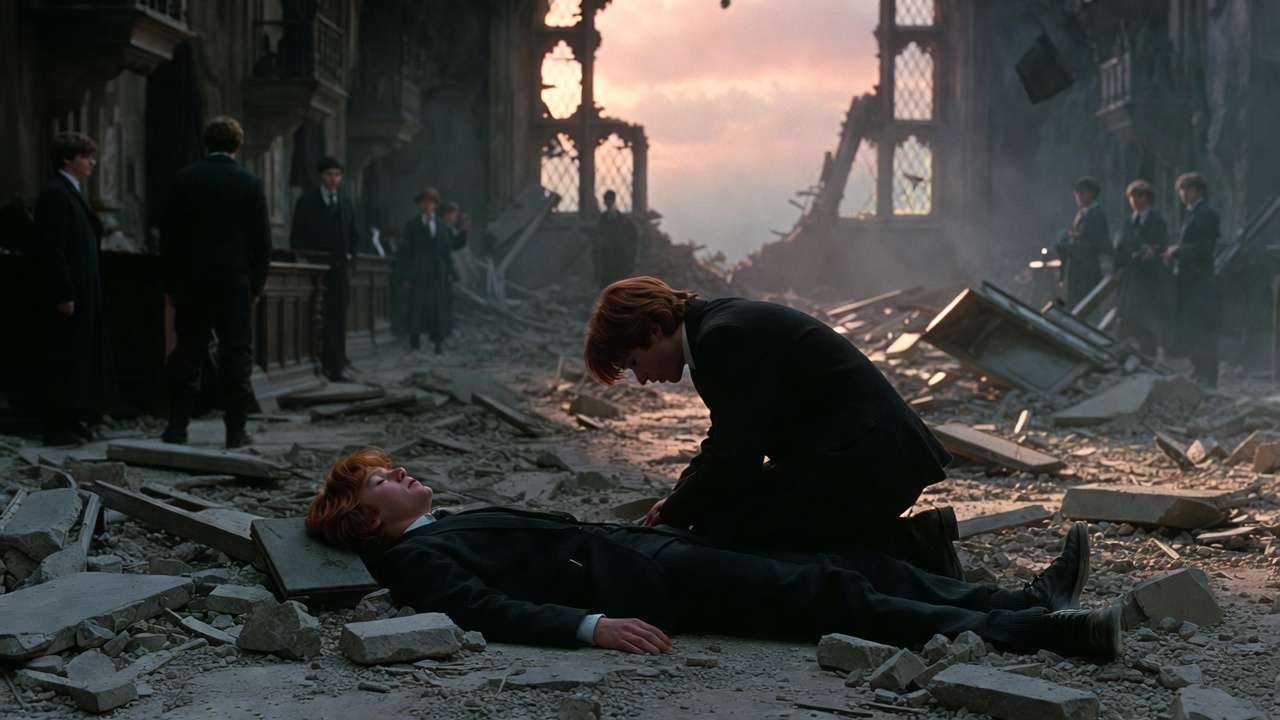 Ranking the saddest deaths in the Harry Potter series is inherently subjective, yet certain moments consistently rise to the top in fan discussions, re-reads, and emotional impact analyses. The following list draws from widespread reader and viewer consensus (forums, Wizarding World polls, and long-time fandom sentiment), combined with narrative weight: how deeply the loss affects Harry personally, how it shatters families or innocence, and how it underscores the series’ central message about love and sacrifice.
Here are the most heartbreaking deaths, ranked from most devastating to still deeply painful:
- Fred Weasley The sudden, senseless explosion that claims Fred during the Battle of Hogwarts remains one of the most gut-wrenching moments in the entire series. For the Weasley family—already stretched thin by war—this loss is catastrophic. George losing his twin, his literal other half, is described in devastating terms: the remaining twin can never be whole again. Harry’s own guilt (he was fighting nearby) compounds the tragedy. The line “When I get married,” said Fred earlier in life, now hangs tragically unfinished. Many fans consider this the single saddest death because it robs the story of one of its brightest sources of humor and warmth.
- Sirius Black Harry’s godfather and closest link to his parents falls through the mysterious veil in the Department of Mysteries. The ambiguity—no body, no closure—makes the grief linger. Sirius represented freedom, family, and the possibility of a real home for Harry. Losing him shatters that dream in an instant. The moment Harry screams “SIRIUS!” still brings tears to re-readers years later. It’s the first truly personal, irreplaceable loss Harry experiences as a teenager.
- Dobby The loyal house-elf dies in Harry’s arms after Apparating everyone to safety from Malfoy Manor. His final words—“Such a beautiful place, to be with friends… Dobby is happy to be with his friend Harry Potter”—are among the most quoted and tear-jerking lines in the series. Dobby’s death symbolizes pure, selfless love and the cost of freedom. For many readers, this small creature’s sacrifice hits harder than some human losses because of his unwavering devotion.
- Remus Lupin and Nymphadora Tonks The married couple dies within hours of each other during the Battle of Hogwarts, leaving their infant son Teddy an orphan—just as Harry once was. The parallel is deliberate and devastating. Lupin, who had finally found happiness after years of suffering, and Tonks, vibrant and fierce, are both gone. Their deaths emphasize the generational cost of war: children left behind to carry on without parents.
- Severus Snape After years of being misunderstood, Snape’s death reveals the full truth of his love for Lily and his double-agent role. The “Look… at… me” moment—wanting to see Lily’s eyes one last time in Harry’s face—is quietly shattering. His redemption arc culminates in sacrifice, making his earlier cruelty even more tragic in hindsight.
- Albus Dumbledore The fall from the Astronomy Tower, orchestrated yet still heartbreaking, marks the moment the wizarding world loses its greatest protector. For Harry, it’s the loss of his mentor, guide, and almost-father figure. The quiet dignity of Dumbledore’s final moments contrasts sharply with the chaos that follows.
- Hedwig Harry’s first and most loyal companion dies early in Deathly Hallows, hit by a stray Killing Curse during the escape from Privet Drive. She represents Harry’s childhood innocence and the last living connection to his pre-Hogwarts life. Many fans still feel a special pang for this non-human death.
- Cedric Diggory The first major on-page death of a young, innocent character. Cedric’s murder in the graveyard forces the wizarding world (and Harry) to confront Voldemort’s return. His fairness, kindness, and potential cut short make the loss feel especially cruel.
- James and Lily Potter Though they died before the series begins, their sacrifice remains the emotional foundation of the entire story. Lily’s choice to die for Harry created the ancient protective magic that saved her son and ultimately defeated Voldemort. Their deaths are revisited constantly, making them eternally poignant.
- Nymphadora Tonks (solo reflection) While paired with Lupin above, Tonks’s individual loss—leaving behind a baby and a grieving family—adds another layer of sorrow to the battle’s toll.
These rankings reflect not just shock value, but lasting emotional resonance. Each death forces characters (and readers) to confront grief, resilience, and the cost of standing against evil.
Lesser-Known or Minor Deaths Worth Mentioning
While the series spotlights certain losses, many other characters meet tragic ends, often mentioned only briefly or off-page. These deaths enrich the world-building and illustrate the widespread devastation of the Second Wizarding War:
- Alastor “Mad-Eye” Moody — Killed by Voldemort during the Seven Potters escape. The grizzled Auror’s death removes one of the Order’s strongest fighters.
- Rufus Scrimgeour — Tortured and murdered by Death Eaters after refusing to betray Harry.
- Ted Tonks — Killed while on the run from Snatchers.
- Charity Burbage — Muggle Studies professor, murdered and fed to Nagini at Malfoy Manor.
- Lavender Brown — Fatally injured by Fenrir Greyback; her fate is left ambiguous in the books but confirmed dead in supplementary material.
- Colin Creevey — The enthusiastic young Gryffindor dies during the Battle of Hogwarts.
- Vincent Crabbe — Killed by his own Fiendfyre in the Room of Requirement.
- Regulus Black — Died retrieving a Horcrux years earlier; his bravery is revealed posthumously.
These quieter deaths remind us that the war claimed countless lives beyond the main cast—ordinary people, students, and resistance members who never received the spotlight.
Expert Insights & Fan Reflections
J.K. Rowling has said in multiple interviews that she wanted death to feel real and permanent in her world. “My books are about death,” she once told an interviewer. “They’re about what it means to face mortality.” The loss of her own mother at a young age deeply influenced the portrayal of grief, particularly Harry’s ongoing mourning.
The series evolves from isolated, shocking deaths (Cedric) to the grim, cumulative toll of total war (Battle of Hogwarts). This progression mirrors real historical conflicts and forces readers to grapple with the idea that victory often comes at an unbearable price.
Which death still affects you the most years later? Which moment makes you pause during a re-read? Share in the comments below—we’d love to hear your thoughts and memories.
Death in the Harry Potter series is never easy, never glorified, and never without meaning. From James and Lily’s protective sacrifice to Fred Weasley’s abrupt end, each loss deepens the story’s exploration of love, courage, loyalty, and the human (and wizarding) capacity to endure grief. Yet the series ultimately offers hope: memories endure, love outlasts death, and those who are gone continue to shape the living.
“The last enemy that shall be destroyed is death.” Those words, inscribed on the Potter family tombstone, serve as both a promise and a comfort. While we cannot bring anyone back, we can honor them by continuing the fight they began—and by remembering.
Thank you for reading this in-depth guide. If you’d like to explore more—perhaps the best Harry Potter quotes about loss, character analyses, or hidden details in Deathly Hallows—check out our other articles. And if you’re planning a re-read, keep tissues close.
FAQs
Who dies in the Battle of Hogwarts? Major confirmed deaths include Fred Weasley, Remus Lupin, Nymphadora Tonks, Colin Creevey, Lavender Brown (implied), and many others on both sides.
Does anyone important die in every book? No. Prisoner of Azkaban and Chamber of Secrets have no major contemporary deaths (only backstory ones), but the later books escalate dramatically.
Book vs movie: Who dies differently? Hedwig’s death is more heroic in the films; Voldemort disintegrates rather than collapsing; Sirius is explicitly hit by a curse rather than simply falling.
Who is the saddest death in Harry Potter? This is subjective, but Fred Weasley, Sirius Black, and Dobby top most fan lists due to personal connection, suddenness, and emotional final words.
Does Harry die permanently? No. Harry “dies” briefly in the Forbidden Forest but returns due to the blood protection and the Elder Wand’s allegiance. He survives to the epilogue.