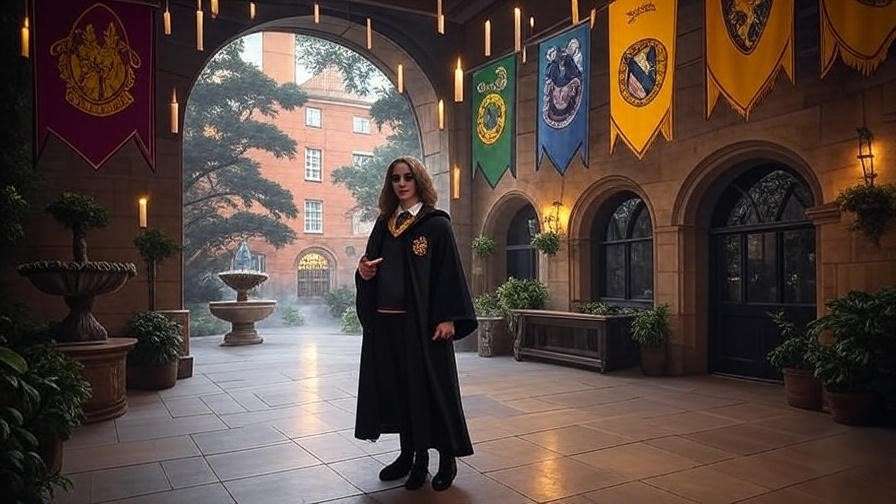
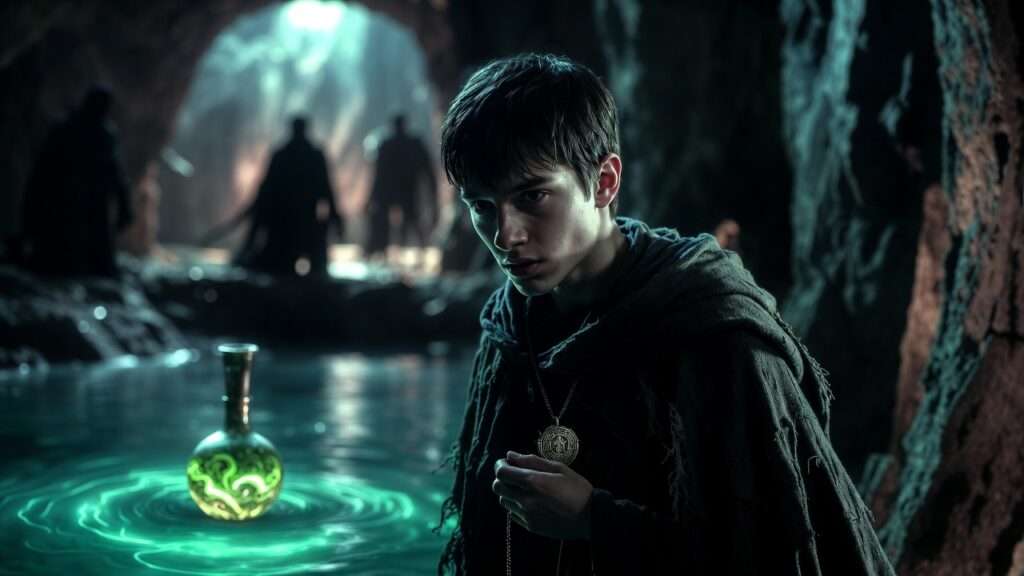
In the shadowy depths of a seaside cave, protected by dark magic and Inferi, Albus Dumbledore and Harry Potter finally reach the basin holding what they believe to be one of Lord Voldemort’s Horcruxes. But when Harry opens the locket, a note flutters out: “To the Dark Lord… I know I will be dead long before you read this, but I want you to know that it was I who discovered your secret. I have stolen the real Horcrux and intend to destroy it as soon as I can. I face death in the hope that when you meet your match, you will be mortal once more. R.A.B.”
Who’s R.A.B. in Harry Potter? This question has haunted fans since Harry Potter and the Half-Blood Prince first revealed the mysterious initials in 2005. The discovery that the Horcrux was fake—and that someone had beaten Dumbledore and Harry to it—added layers of intrigue to Voldemort’s seemingly unbreakable plan for immortality. The answer lies with Regulus Arcturus Black, Sirius Black’s younger brother, a seemingly minor Slytherin who turned out to be one of the wizarding world’s most profound unsung heroes.
Regulus’s story is one of quiet redemption, family loyalty, and moral awakening in the face of evil. While characters like Harry, Hermione, and Ron receive the spotlight for their bravery, Regulus acted alone, years earlier, sacrificing everything to strike at Voldemort’s greatest weakness. This comprehensive guide explores his full backstory, the pivotal events leading to his sacrifice, his lasting legacy, and why he remains one of the most beloved and discussed characters in the Harry Potter series. Whether you’re a first-time reader puzzled by the initials or a longtime fan revisiting the books, understanding Regulus Black deepens appreciation for J.K. Rowling’s themes of choice, redemption, and the power of individual courage.
Who Is Regulus Black? The Basics of a Mysterious Character
 Regulus Arcturus Black (1961–1979) was born into one of the oldest and most prestigious pure-blood families in the wizarding world: the House of Black. The family motto, “Toujours Pur” (Always Pure), reflected their obsession with blood purity, disdain for Muggles and Muggle-borns, and alignment with dark magic traditions.
As the younger son of Orion and Walburga Black, Regulus grew up in the oppressive atmosphere of 12 Grimmauld Place, surrounded by portraits that screamed slurs and a house-elf indoctrinated to serve fanatically. His older brother, Sirius, rebelled against these values, earning disownment and becoming a “blood traitor” in the family’s eyes. Regulus, by contrast, was the favored son—obedient, ambitious, and eager to uphold the Black legacy.
At Hogwarts, Regulus was sorted into Slytherin House in 1972, where he excelled academically and athletically. He became the Slytherin Quidditch Seeker, showcasing skill and determination on the pitch. Newspaper clippings found in his bedroom later revealed his early admiration for Lord Voldemort, whom he viewed as a champion of pure-blood supremacy during the First Wizarding War.
Shortly after leaving Hogwarts around 1979, Regulus joined the Death Eaters, tattooing the Dark Mark on his arm. At first glance, he appeared to follow the path expected of him: loyal to family ideology and Voldemort’s cause. But beneath the surface, cracks were forming.
The First Clue – R.A.B. in Harry Potter and the Half-Blood Prince
 The mystery of R.A.B. begins in Harry Potter and the Half-Blood Prince, during one of the series’ most harrowing sequences. Dumbledore, weakened by a cursed ring Horcrux, leads Harry to a hidden cave on a remote island. There, they navigate a treacherous underground lake filled with Inferi—reanimated corpses—and reach a stone basin filled with a glowing green potion.
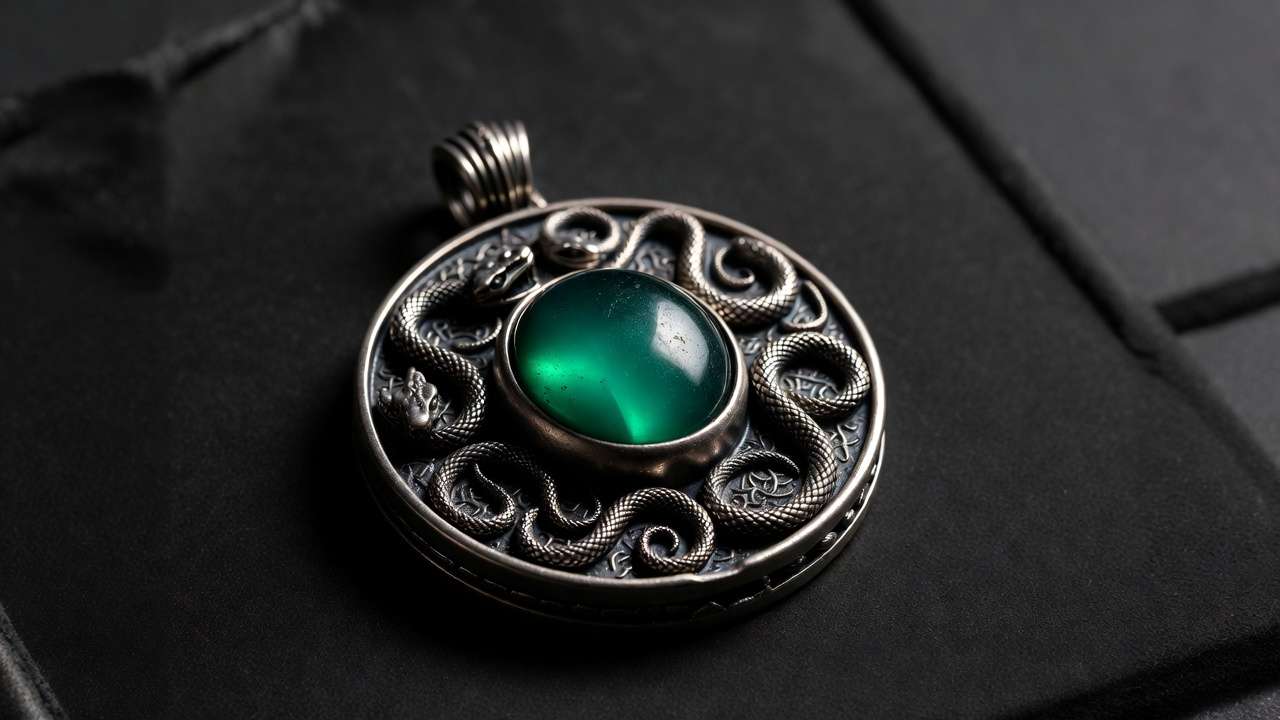
To retrieve the supposed Slytherin’s locket Horcrux, Dumbledore drinks the potion, enduring agonizing hallucinations and torment. When Harry finally retrieves the locket, it’s empty except for the note signed “R.A.B.” The message reveals that the real Horcrux had been stolen, replaced with a fake, and the thief intended to destroy it—making Voldemort mortal again.
This discovery devastates Harry and Dumbledore. Their painful journey was for nothing; someone else had already targeted Voldemort’s immortality. Initial fan theories swirled: Could R.A.B. be Regulus? Aberforth Dumbledore? A disgruntled Death Eater? The initials didn’t immediately point to anyone obvious, heightening the suspense and tying directly into the overarching Horcrux hunt that would dominate Deathly Hallows.
The Shocking Revelation in Harry Potter and the Deathly Hallows
Kreacher’s Tale – The Truth Unveiled
 The full truth emerges in Harry Potter and the Deathly Hallows, Chapter 10: “Kreacher’s Tale.” After fleeing the Ministry’s takeover, Harry, Ron, and Hermione take refuge at 12 Grimmauld Place. Harry notices a bedroom door marked “Do Not Enter Without the Express Permission of Regulus Arcturus Black”—the initials click.
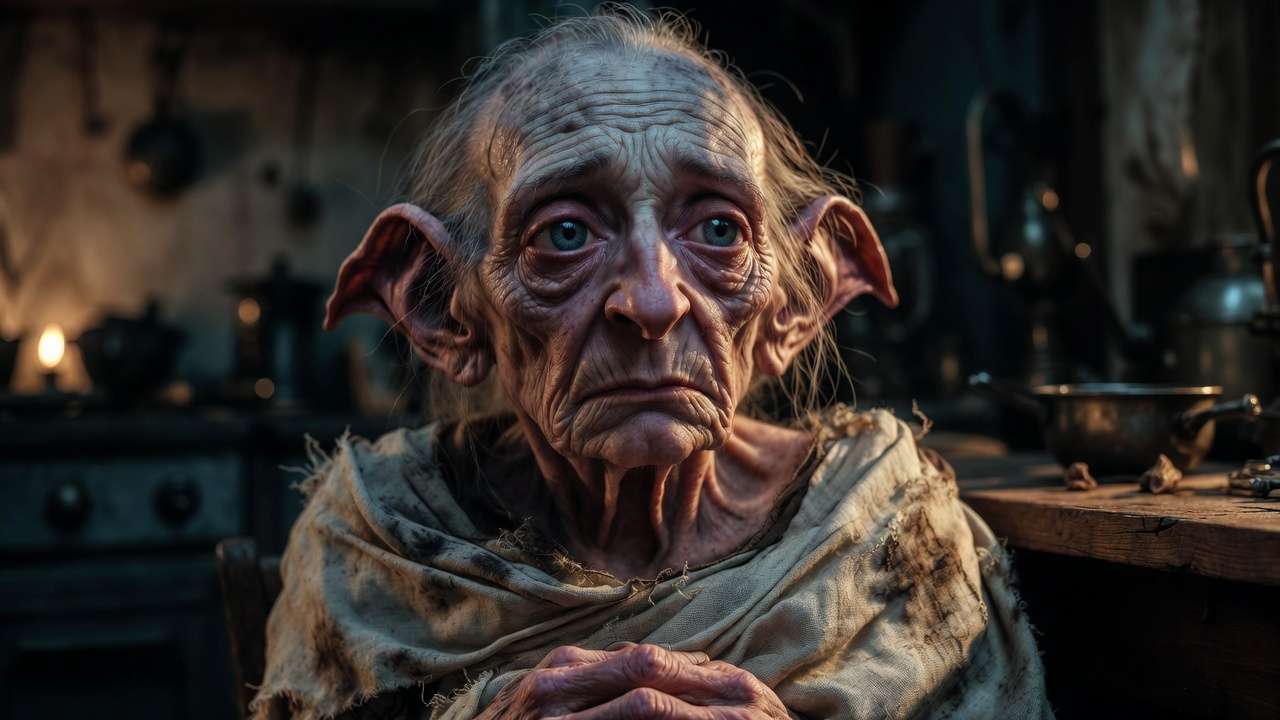
Summoning the house-elf Kreacher, they learn the heartbreaking story. In 1979, Voldemort requested a house-elf to test the cave’s protections for his locket Horcrux. Regulus volunteered Kreacher, whom he treated with unusual kindness compared to the rest of the family.
Voldemort took Kreacher to the cave, forced him to drink the emerald potion (experiencing visions of his worst fears and unbearable thirst), placed the locket in the basin, and left Kreacher to die among the Inferi. But Kreacher, bound by Regulus’s earlier command to return home, Disapparated back to Grimmauld Place.
When Kreacher recounted the horror, Regulus was horrified—not just by Voldemort’s cruelty to a loyal elf, but by the revelation of Horcruxes. Through subtle hints from Voldemort (and possibly Black family dark magic books), Regulus deduced that the Dark Lord had split his soul for immortality, a perversion of magic that disgusted him.
Regulus defected. Ordering Kreacher to accompany him back to the cave, he planned to steal and destroy the Horcrux.
The Heroic Sacrifice
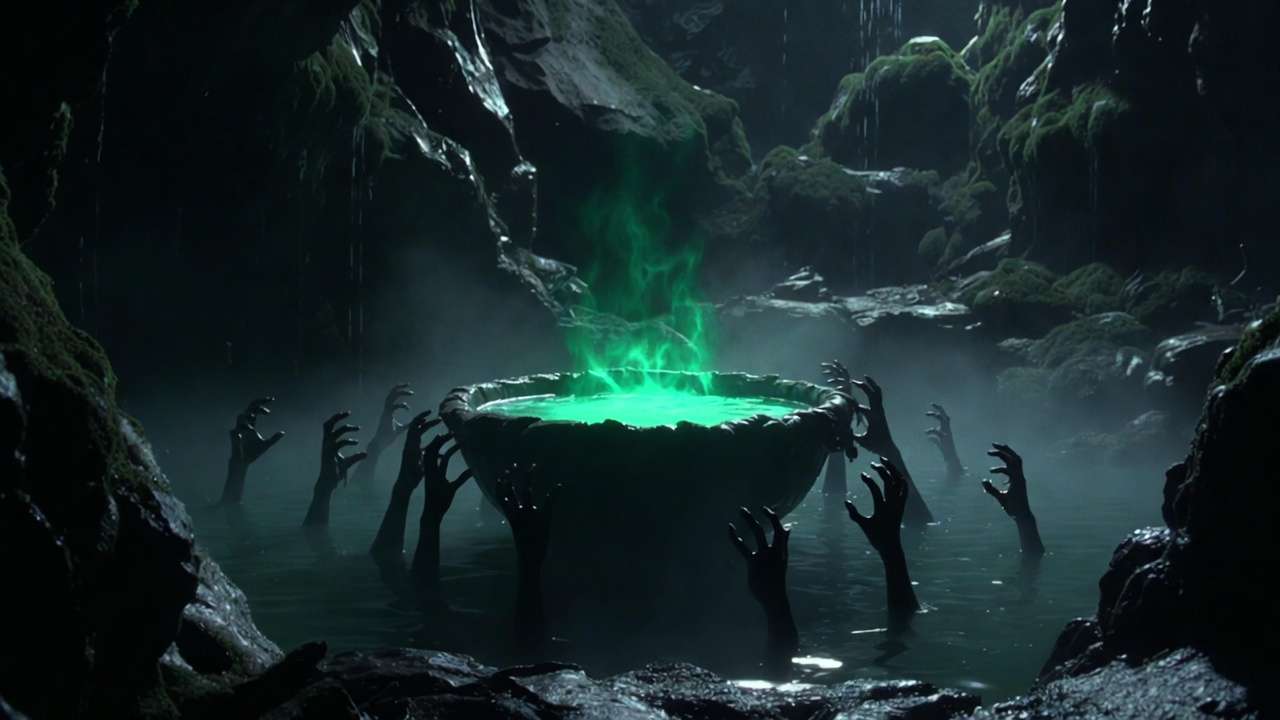 In the cave, Regulus drank the potion himself to spare Kreacher further suffering. As the Inferi rose from the lake, he commanded Kreacher to swap the real locket for a fake Black family heirloom and destroy the genuine one. He forbade Kreacher from telling anyone what happened—to protect the family from Voldemort’s wrath.
Regulus was dragged beneath the water by the Inferi, drowning while Kreacher watched helplessly. His final act was one of pure self-sacrifice: protecting an elf society often abused, striking at Voldemort’s immortality, and ensuring the theft remained secret.
This made Regulus one of the earliest known individuals to attempt destroying a Horcrux—long before Harry, Dumbledore, or anyone else understood their significance.
Why Regulus Turned Against Voldemort – Motivations and Themes
 Regulus’s defection stemmed from disillusionment. Raised on pure-blood supremacy, he joined Voldemort expecting a noble cause. Witnessing the Dark Lord’s casual cruelty to Kreacher shattered that illusion. House-elves were tools in the Black household, but Regulus showed genuine affection for Kreacher, treating him more like family.
This compassion, combined with horror at soul-splitting magic, sparked his moral awakening. Unlike Severus Snape (driven by personal love) or Igor Karkaroff (self-preservation), Regulus’s betrayal was selfless—he knew success was unlikely and death certain.
His story echoes J.K. Rowling’s core message: “It is our choices, Harry, that show what we truly are, far more than our abilities.” Regulus chose redemption over loyalty to a toxic ideology.
Regulus Black’s Legacy in the Harry Potter Series
Regulus’s sacrifice did not go unnoticed in the grand scheme of Voldemort’s downfall. By removing the real Slytherin’s locket from the cave and replacing it with a fake, he created the first real crack in Voldemort’s seven-part soul. When Harry, Ron, and Hermione later located the locket—hidden inside the locket Harry had taken from Mundungus Fletcher—they discovered Regulus’s note and understood the magnitude of what he had done.
The most direct consequence came during the trio’s hunt for Horcruxes. In the Forest of Dean, when Ron destroyed the locket using the Sword of Gryffindor (impregnated with basilisk venom), he was unknowingly finishing the work Regulus had begun years earlier. Without Regulus’s theft, the trio might never have obtained the real locket so relatively easily; Voldemort’s protections would have remained intact far longer.
Harry’s personal response to Regulus’s story is one of the series’ quietest but most powerful moments of respect. After learning the truth from Kreacher, Harry presents the fake locket—the Black family heirloom Regulus used as a decoy—to the house-elf as a token of gratitude. This gesture transforms Kreacher’s loyalty, turning him from a bitter, bigoted servant into a devoted ally who fights alongside the Order of the Phoenix at the Battle of Hogwarts. In a subtle but profound way, Regulus’s compassion toward Kreacher helped shift the entire house-elf dynamic at Grimmauld Place and, by extension, contributed to the broader fight for equality in the wizarding world.
Sirius Black, tragically, never fully understood his brother’s true nature. In Order of the Phoenix, Sirius dismisses Regulus as “a bit of a prat” and “a stupid idiot” who died for the wrong cause. Sirius died believing his brother remained loyal to Voldemort until the end. The revelation in Deathly Hallows adds heartbreaking irony: the brothers, estranged by ideology, were actually aligned in their opposition to the Dark Lord—Sirius openly, Regulus in secret.
Wizarding World (the official J.K. Rowling–approved site) describes Regulus as “one of the unsung heroes of the Second Wizarding War.” His story exemplifies that heroism does not always require fame, wands raised in battle, or public acclaim. Sometimes it happens in darkness, alone, with no witnesses except a frightened house-elf.
Regulus Black in the Movies vs. Books – Why He Was Largely Omitted
The Harry Potter films, while faithful in spirit, made significant cuts to streamline eight movies into a cohesive narrative. Regulus Black is one of the most notable casualties.
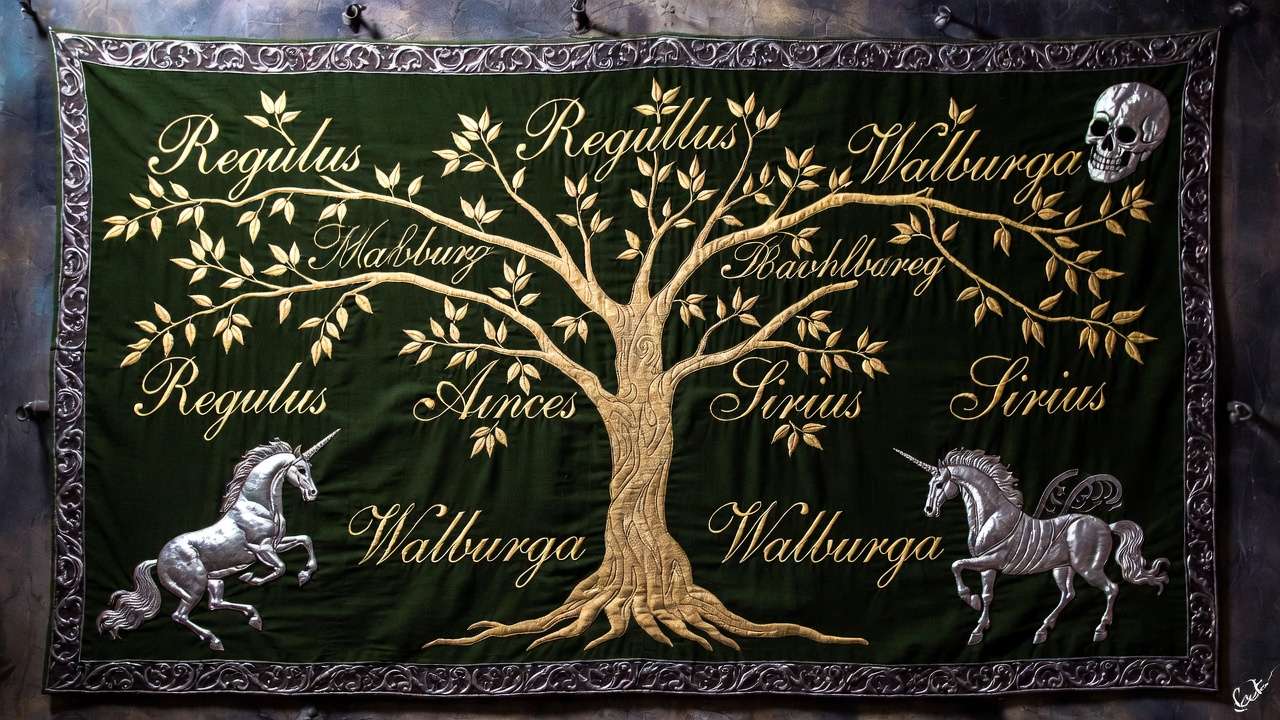
In the books, his story receives a full emotional chapter through Kreacher’s retelling. In the films, he is reduced to a name on the Black family tapestry in Harry Potter and the Deathly Hallows – Part 1. Viewers see Sirius point out the burned patch where his own face was scorched off, and a brief mention of Regulus as “my idiot brother.” The cave sequence in Half-Blood Prince shows the fake locket and note, but the identity of R.A.B. is never explicitly revealed on screen.
This omission disappointed many fans. The emotional weight of Regulus’s sacrifice—his choice to drink the potion, his final command to Kreacher, his quiet defiance—loses impact without context. The films prioritize the trio’s journey, Dumbledore’s past, and the large-scale battles, leaving little room for a secondary character’s redemption arc.
Some argue this was a necessary sacrifice for pacing. Others feel it diminished one of Rowling’s most nuanced portrayals of how ordinary people (or in this case, a privileged pure-blood) can choose to resist evil even when raised in its midst.
Why Fans Love Regulus Black Today – Modern Appreciation
Since the books’ conclusion in 2007, Regulus has grown into a cult favorite among Harry Potter fans. On platforms like TikTok, Tumblr, Reddit, and AO3, he appears in countless “underrated character” lists, fan edits set to dramatic music, and thousands of fanfiction stories exploring alternate timelines where he survives or defects earlier.
Several factors explain his enduring appeal:
- Redemption in a single, tragic act — Unlike Snape, whose redemption spans seven books and is complicated by personal motives, Regulus’s turnaround is swift, selfless, and final. There is no ambiguity: he dies knowing he has hurt Voldemort without ever seeking forgiveness or recognition.
- Breaking toxic family cycles — Many readers relate to the struggle of rejecting harmful beliefs inherited from parents or upbringing. Regulus represents the possibility of change even when it seems impossible.
- Compassion toward the marginalized — His kindness to Kreacher stands out in a series where house-elves are frequently abused or dismissed. This small act of humanity resonates in discussions about power dynamics and privilege.
- The “quiet hero” archetype — In an era of larger-than-life protagonists, Regulus proves that courage can be silent and solitary. As one popular Reddit thread puts it: “Harry had friends, Dumbledore had power, but Regulus had nothing except a house-elf and a moral compass—and he still chose to fight.”
Fan communities frequently rank him among the top characters for moral complexity, with many arguing he deserves more recognition than he receives in official canon summaries.
FAQs About R.A.B. and Regulus Black
Was Regulus ever mentioned before Half-Blood Prince? Yes—briefly. In Order of the Phoenix, Sirius mentions his brother Regulus in passing while showing Harry the Black family tree, describing him as someone who “got in too deep” with Voldemort and died young.
Did Voldemort ever discover the theft? No. Voldemort’s arrogance was his downfall in many ways. He never checked the cave after placing the Horcrux, assuming no one would find it—let alone steal it. He died believing all his Horcruxes remained safe until the final battle.
Could Regulus have survived the cave? Unlikely. The potion induced unbearable pain and hallucinations, and the Inferi were relentless. Even if he had escaped the water, Voldemort’s protections and his own weakened state made survival improbable. His death is canonically confirmed.
How does Regulus compare to other Black family members? Unlike Sirius (rebel turned hero), Andromeda (disowned for marrying a Muggle-born), Narcissa (loyal but ultimately protective of her son), or Bellatrix (fanatical), Regulus occupies a unique middle ground: raised in darkness, briefly embraced it, then rejected it at the cost of his life.
What happened to the real locket after Regulus stole it? Kreacher was ordered to destroy it but failed (house-elf magic couldn’t break the Horcrux). He kept it hidden at Grimmauld Place until Mundungus Fletcher stole it years later, setting the chain of events that brought it back into Harry’s hands.
Regulus Arcturus Black began as the obedient son of a prejudiced family, joined the ranks of Death Eaters, and could easily have lived and died as just another faceless follower. Instead, witnessing cruelty to a creature he cared about—and learning the grotesque truth of Horcruxes—ignited a change of heart that cost him everything.
His single, solitary act of defiance removed one of Voldemort’s seven anchors to life years before the prophecy child even entered the picture. In doing so, he helped ensure the Dark Lord’s eventual mortality and contributed—quietly, invisibly—to the victory at Hogwarts.
In a series filled with chosen ones, loud battles, and celebrated sacrifices, Regulus Black reminds us that some of the most important heroism happens out of sight. No crowds cheered him. No one wrote songs about him. Yet his choice echoed through the rest of the story.
If you haven’t revisited Deathly Hallows lately, turn to Chapter 10, “Kreacher’s Tale,” and experience the full emotional weight of Regulus’s story. It remains one of the most moving passages in the entire series.
Who is your favorite unsung hero in Harry Potter? Do you think Regulus deserves more screen time in a potential reboot? Share your thoughts in the comments—I’d love to hear from fellow fans.