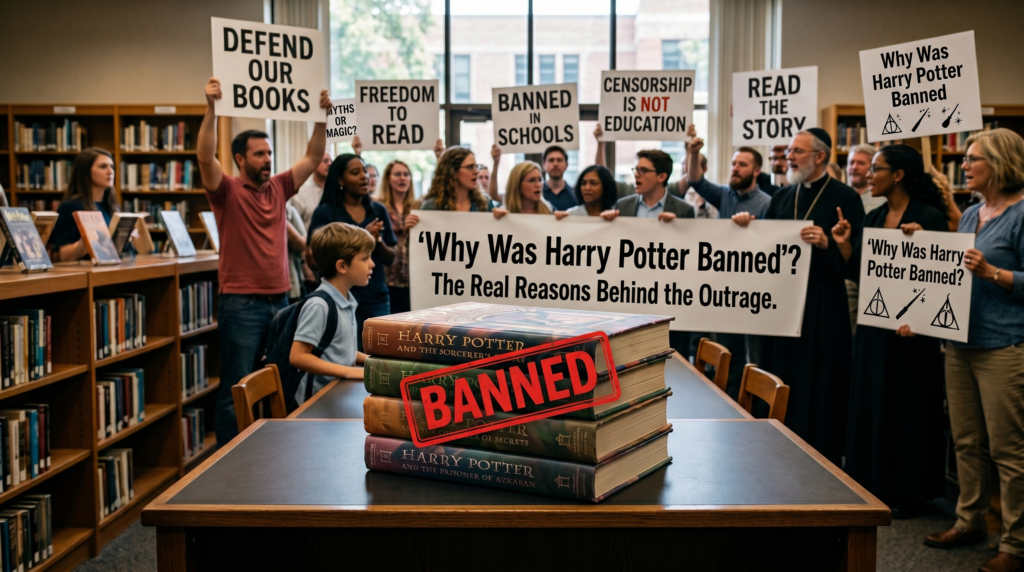
Between 1990 and 2009, J.K. Rowling’s literary masterpiece was not just a global publishing phenomenon; it was the single most challenged book series in the United States, according to the American Library Association (ALA). For a generation that grew up viewing Hogwarts as a safe haven, the intense moral panic and literal book burnings of the early 2000s seem utterly baffling today. Yet, to truly understand why was Harry Potter banned, we have to look past the magic wands and examine the cultural, religious, and psychological anxieties of the time.
The movement to censor the Harry Potter books was not a fringe, overnight occurrence. It was a highly organized, deeply passionate crusade driven by parents, religious leaders, and educators who genuinely believed they were protecting children from spiritual and psychological harm. This comprehensive guide explores the dark history of Harry Potter censorship, the real reasons behind the outrage, and how a children’s fantasy series became the ultimate battleground for modern intellectual freedom.
The Core Controversy: Unpacking the Panic
Before diving into the historical timeline of school board meetings and legal battles, it is crucial to understand the fundamental arguments used by those who sought to remove the books from library shelves. The pushback generally fell into three distinct categories: religious fears of the occult, concerns over anti-authoritarian themes, and alarm over the series’ progressively dark tone.
| At a Glance: The Primary Reasons for Censorship | Description of the Grievance |
| Witchcraft & The Occult | Accusations that the books contained real spells and served as a gateway to Wicca and Satanism. |
| Anti-Authority Themes | Concerns that the protagonists frequently broke rules, lied to adults, and faced zero consequences. |
| Dark & Mature Imagery | Alarm over the inclusion of murder, torture, psychological trauma, and demonic-like creatures. |
 1. The Fear of Witchcraft and Occultism (The Primary Reason)
The most vocal and widespread argument for banning Harry Potter was rooted in religious apprehension. Throughout the late 1990s and early 2000s, many conservative and evangelical groups argued that the series was a thinly veiled recruitment tool for Wicca and the occult. Unlike fairy tales where magic is an abstract plot device, the magic in Harry Potter was presented as a learned skill. Characters attended a school, studied from textbooks, and practiced specific incantations.
Critics argued that this normalized witchcraft, desensitizing vulnerable children to the dangers of the occult. The fear was that a child reading about “Wingardium Leviosa” would eventually graduate to summoning spirits or experimenting with actual dark magic. Some opponents went so far as to claim that J.K. Rowling was a registered witch and that the spells in the book were genuine curses drawn from historical occult texts—a claim the author repeatedly and vehemently denied.
 2. Anti-Authority Themes and Rule-Breaking
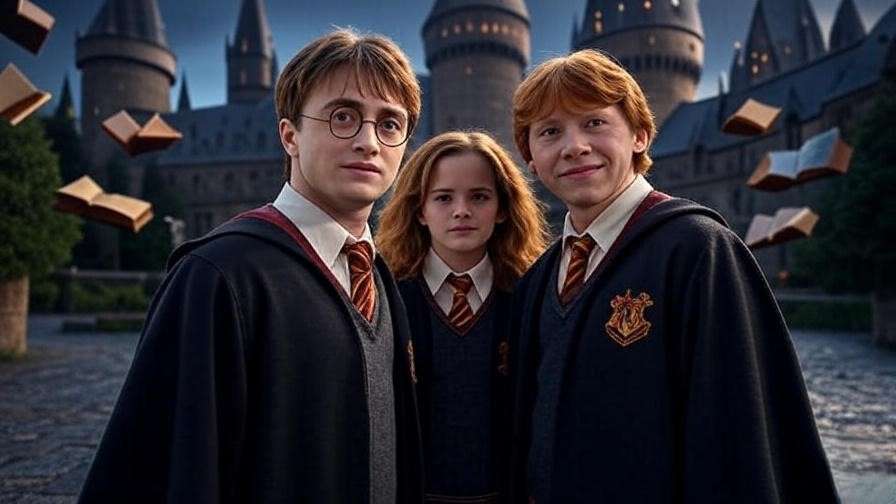
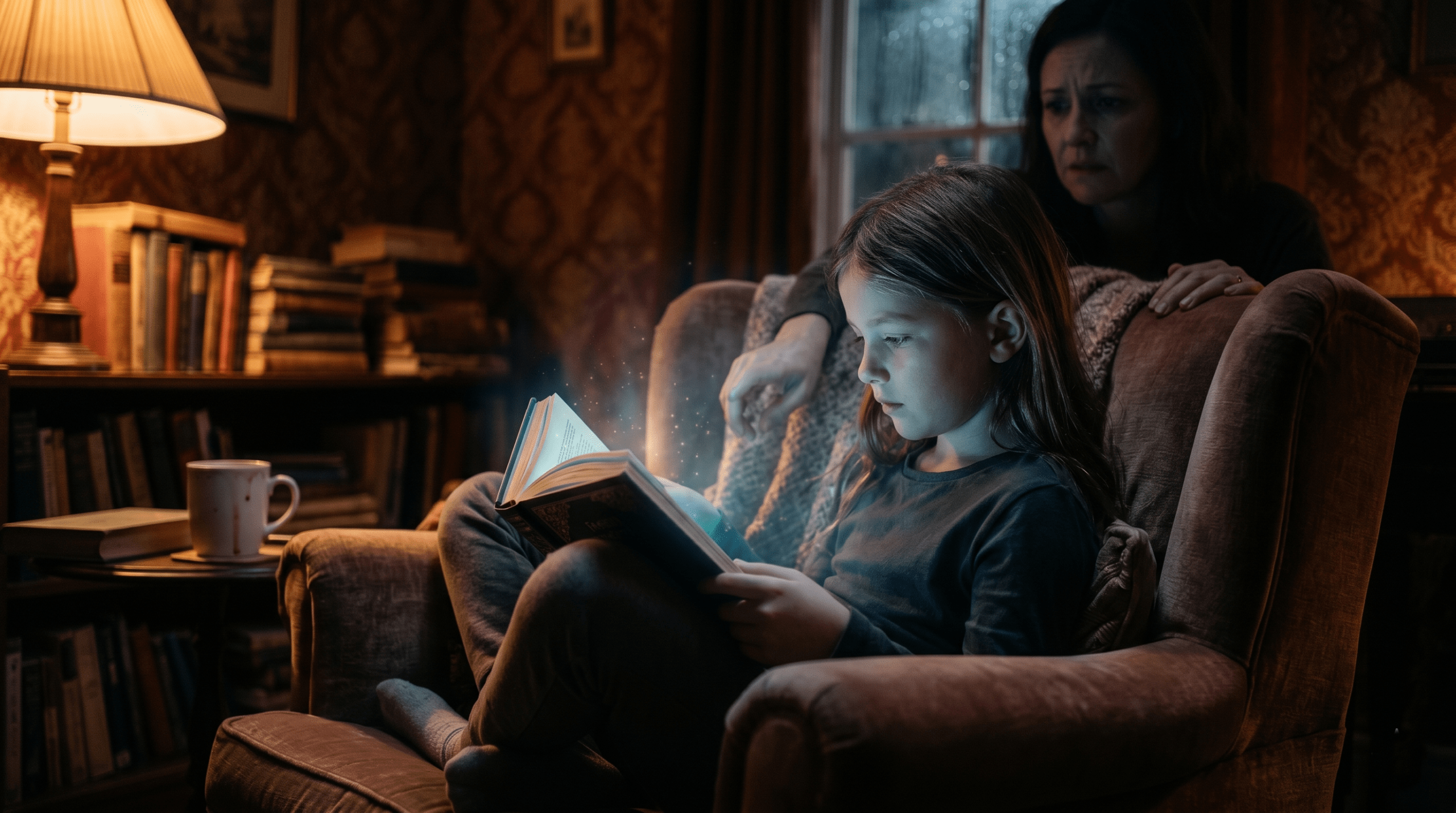
While the witchcraft controversy grabbed the most headlines, many parents objected to the books for purely behavioral reasons. Harry, Ron, and Hermione are undoubtedly heroes, but they are also chronic rule-breakers. Throughout the seven-book series, the trio lies to teachers, sneaks out of bed after curfew, steals potion ingredients, enters forbidden forests, and directly defies the Ministry of Magic.
Furthermore, the adults in the series—from the abusive Dursleys to the incompetent Gilderoy Lockhart and the bureaucratic Cornelius Fudge—are frequently depicted as foolish, malicious, or oblivious. For parents concerned with instilling discipline and respect for authority, the books were viewed as subversive. They feared the series sent a dangerous message to children: that lying and breaking the rules is perfectly acceptable as long as you believe your cause is just.
3. Dark Imagery and Mature Themes
Harry Potter and the Sorcerer’s Stone begins as a whimsical children’s tale, but the series famously ages alongside its protagonist. By the time readers reach The Goblet of Fire and The Order of the Phoenix, the narrative takes a sharp turn into young adult territory. The books introduce harrowing concepts that caught many parents and elementary school educators completely off guard.
The introduction of the “Unforgivable Curses” (which allow characters to control, torture, and murder others), the soul-sucking Dementors representing clinical depression, the use of blood magic, and the on-page deaths of beloved characters sparked intense debate. Many challengers argued that even if the magic was fictional, the psychological terror, violence, and mature themes were wholly inappropriate for the middle-school and elementary libraries where the books were heavily stocked.
A Timeline of the Outrage: Key Bans and Book Burnings
To understand the ferocity of the Harry Potter book bans, one must look at the cultural climate of the era. The release of the early books coincided with a period of intense societal anxiety in the United States.
The Post-Columbine Cultural Climate
The late 1990s were marked by an increasing hyper-vigilance regarding youth media consumption. Following the tragic Columbine High School massacre in 1999, the media, politicians, and parents heavily scrutinized what children were playing, watching, and reading. Video games, heavy metal music, and “dark” literature were placed under a microscope. When Harry Potter exploded in popularity, its themes of witchcraft and rebellion made it an easy target for a society desperate to assert control over youth culture.
High-Profile School District Bans
The transition from grumbling disapproval to organized legal action happened quickly.
-
Zeeland, Michigan (1999): One of the earliest and most publicized bans occurred in Zeeland, Michigan. The local school superintendent restricted access to the books, pulling them from elementary school libraries and requiring middle schoolers to obtain a signed parental permission slip before checking them out. The district cited the books’ focus on magic and witchcraft as the primary reason for the restriction.
-
Gwinnett County, Georgia (2006): In a highly publicized legal battle, a parent named Laura Mallory petitioned the Gwinnett County Board of Education to completely remove the series from school library shelves, arguing the books promoted the “religion of Wicca.” When the board refused, Mallory took the case to court. The legal battle dragged on for months before a judge finally ruled against her, defending the books’ place in the library under First Amendment protections.
The Literal Book Burnings
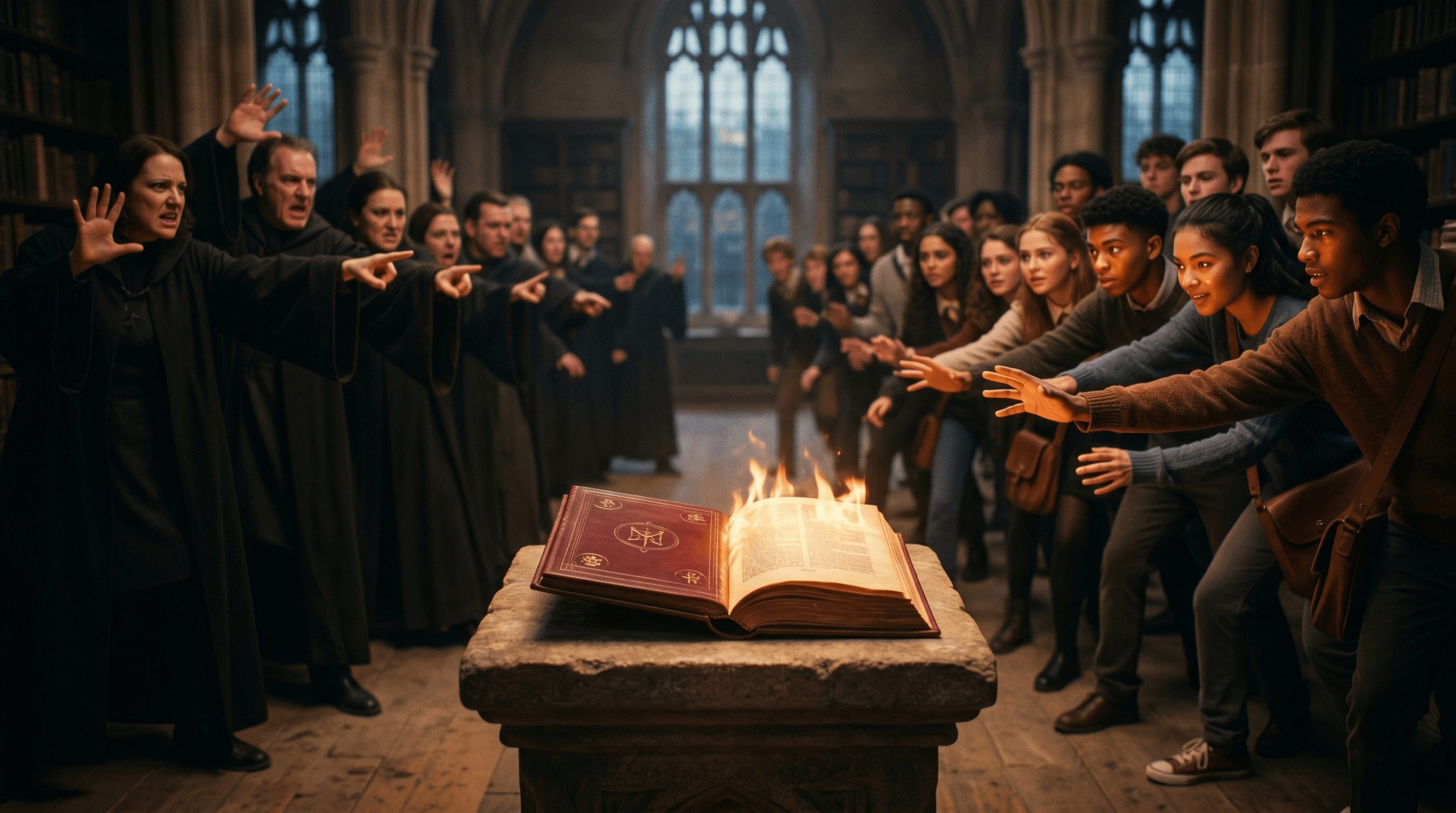
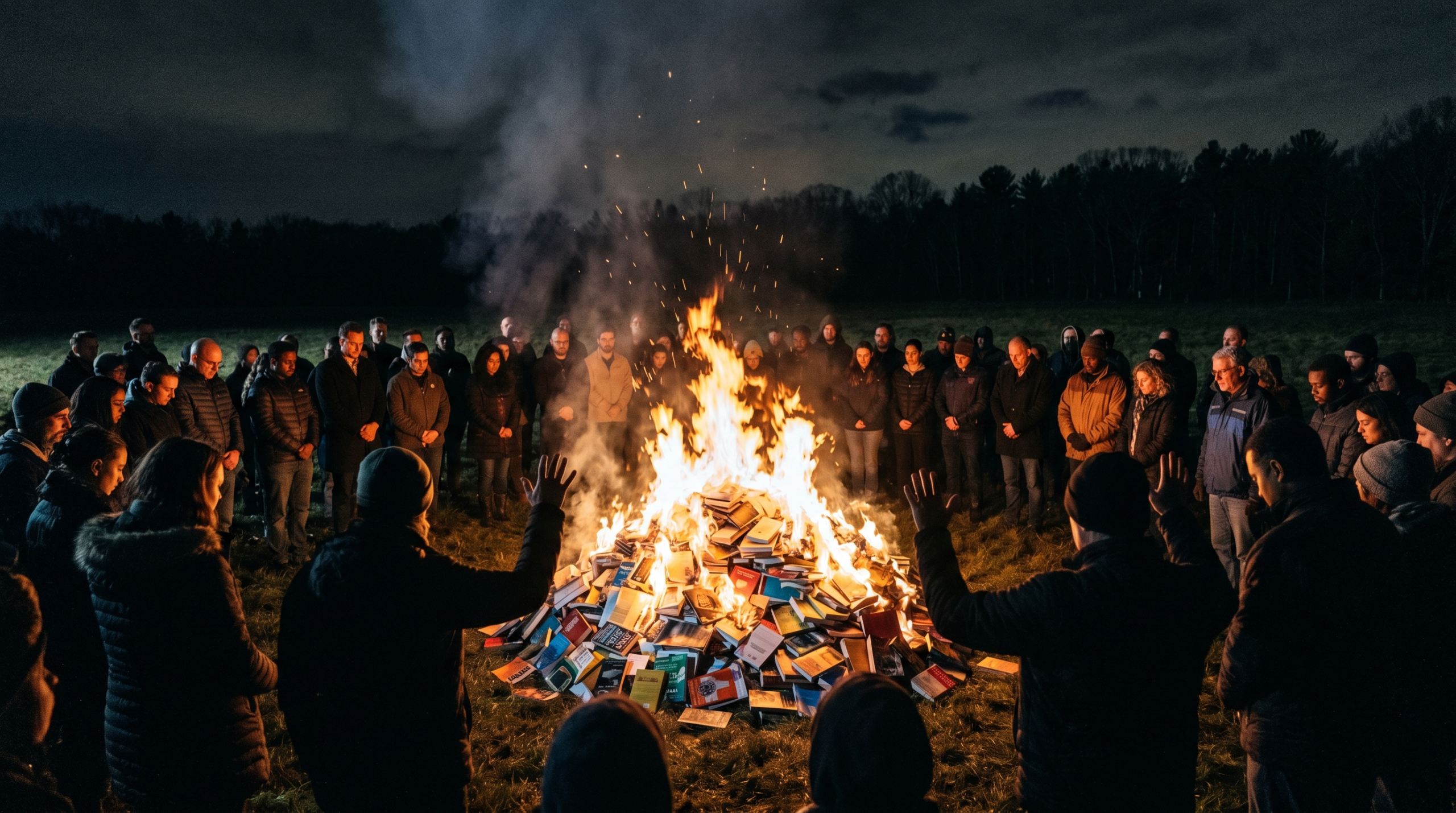
The controversy reached its most extreme peak in the form of organized book burnings. In December 2001, the Christ Community Church in Alamogordo, New Mexico, made international news when its pastor, Jack Brock, organized a “holy bonfire.”
Declaring the books to be an “abomination to God,” the congregation gathered to burn copies of Harry Potter alongside Stephen King novels, Ouija boards, and AC/DC albums. Similar burnings occurred in Maine, Pennsylvania, and Iowa. While these events were widely condemned by mainstream media and free speech advocates, they highlighted the intense emotional and spiritual stakes the books had created.
Expert Insight: “The reaction to Harry Potter in the early 2000s was largely a hangover from the ‘Satanic Panic’ of the 1980s. You had a generation of parents who had been primed by media and religious leaders to look for hidden demonic influences in pop culture. When a book series explicitly featuring witches and wizards became the most popular thing on the planet, it triggered those exact same deeply ingrained anxieties.” — Cultural Historian Perspective
 The Religious Debate: Christianity vs. Hogwarts
The narrative surrounding the Harry Potter censorship is often overly simplified as a straightforward battle between conservative Christians and secular readers. However, the religious debate was incredibly nuanced, causing deep divisions even within the Church itself.
Evangelical Critics and the Theological Argument
Prominent evangelical critics, such as author Richard Abanes (who wrote Harry Potter and the Bible), drew strict theological lines between Rowling’s work and the accepted Christian fantasy works of J.R.R. Tolkien (The Lord of the Rings) and C.S. Lewis (The Chronicles of Narnia).
The argument posited that the magic in Tolkien and Lewis was “incantational”—set in alternative universes and clearly allegorical. In contrast, they argued Rowling’s magic was “invocational”—set in the real world (London, Scotland) and portrayed as something humans could access without divine intervention. Critics viewed this as a violation of biblical warnings against divination and sorcery.
The Vatican’s Divided Stance
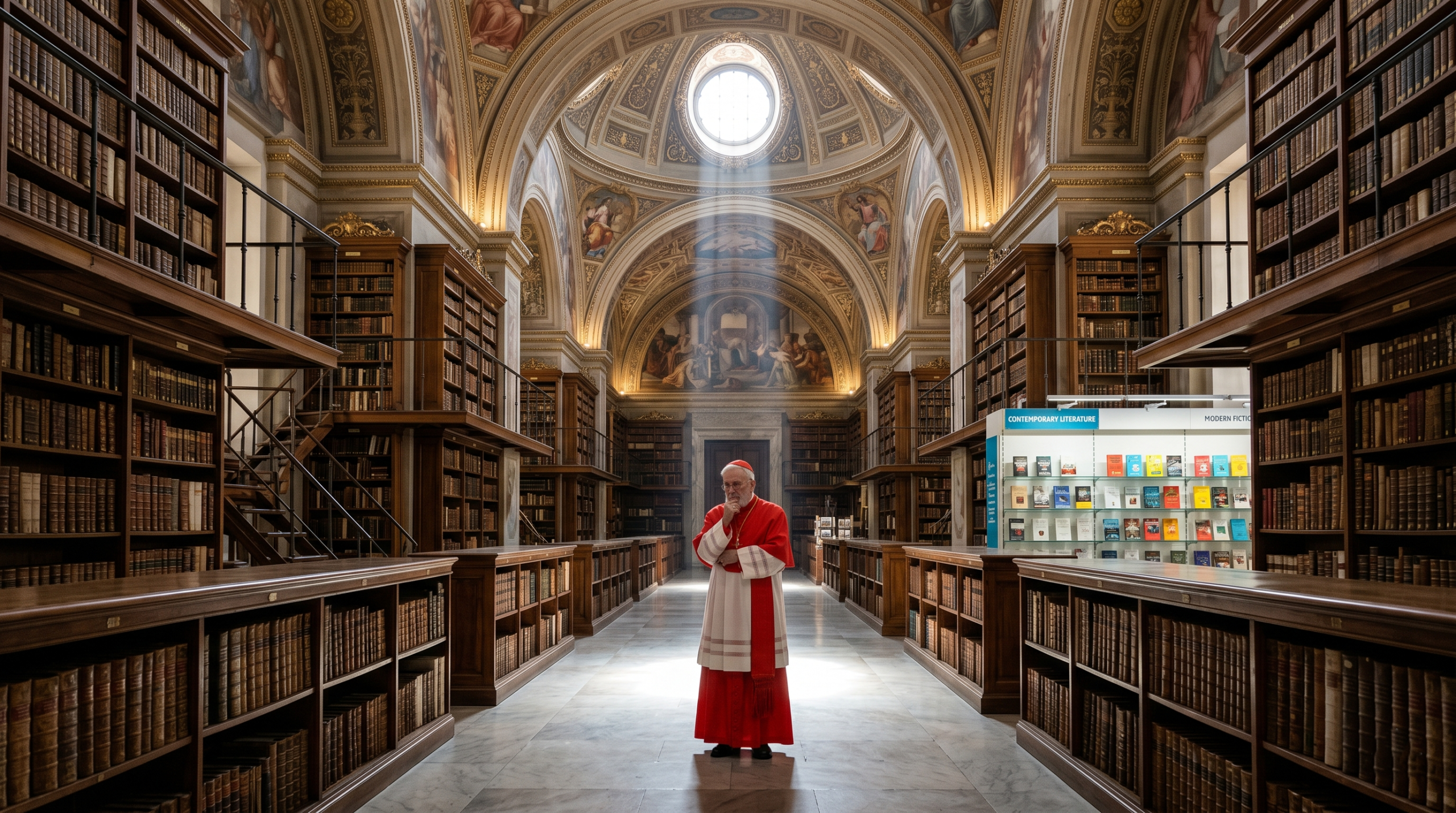
The Catholic Church’s response to the boy wizard was notably conflicted. In 2003, the Vatican’s Rev. Don Peter Fleetwood publicly defended the series, stating that they were written in the classic tradition of English literature and successfully helped children see the clear distinction between good and evil.
However, just two years later, letters written in 2003 by Cardinal Joseph Ratzinger (shortly before he became Pope Benedict XVI) were made public. In his letters, Ratzinger criticized the series, warning that they contained “subtle seductions” that could corrupt the Christian soul of a child before it had fully developed.
 Christian Defenders of the Series
Despite the vocal backlash, Harry Potter had many fierce defenders within the Christian community. Theologians and authors like John Granger (dubbed the “Dean of Harry Potter Scholars”) pointed out that the series is fundamentally a Christian allegory.
Defenders highlighted the books’ core themes: the rejection of blood purity (racism), the importance of free will, the willingness to lay down one’s life for one’s friends, and the ultimate triumph of love over death. In the final book, Rowling even utilizes two direct Bible verses on tombstones in Godric’s Hollow, cementing the story’s underlying message of resurrection and eternal life.
The Backlash to the Backlash: How Libraries Fought Back
As the calls for censorship grew louder, the literary community mobilized to protect intellectual freedom. The defense of Harry Potter became a defining moment for modern librarianship.
The ALA and Intellectual Freedom
The American Library Association’s Office for Intellectual Freedom took center stage during the controversy. The ALA meticulously tracked challenges and bans, providing local librarians with talking points, legal resources, and emotional support. They championed the idea that parents have the right to dictate what their child reads, but they do not have the right to dictate what other people’s children read. The Harry Potter series became the poster child for Banned Books Week, a national event celebrating the freedom to read.
 The “Streisand Effect” in Publishing
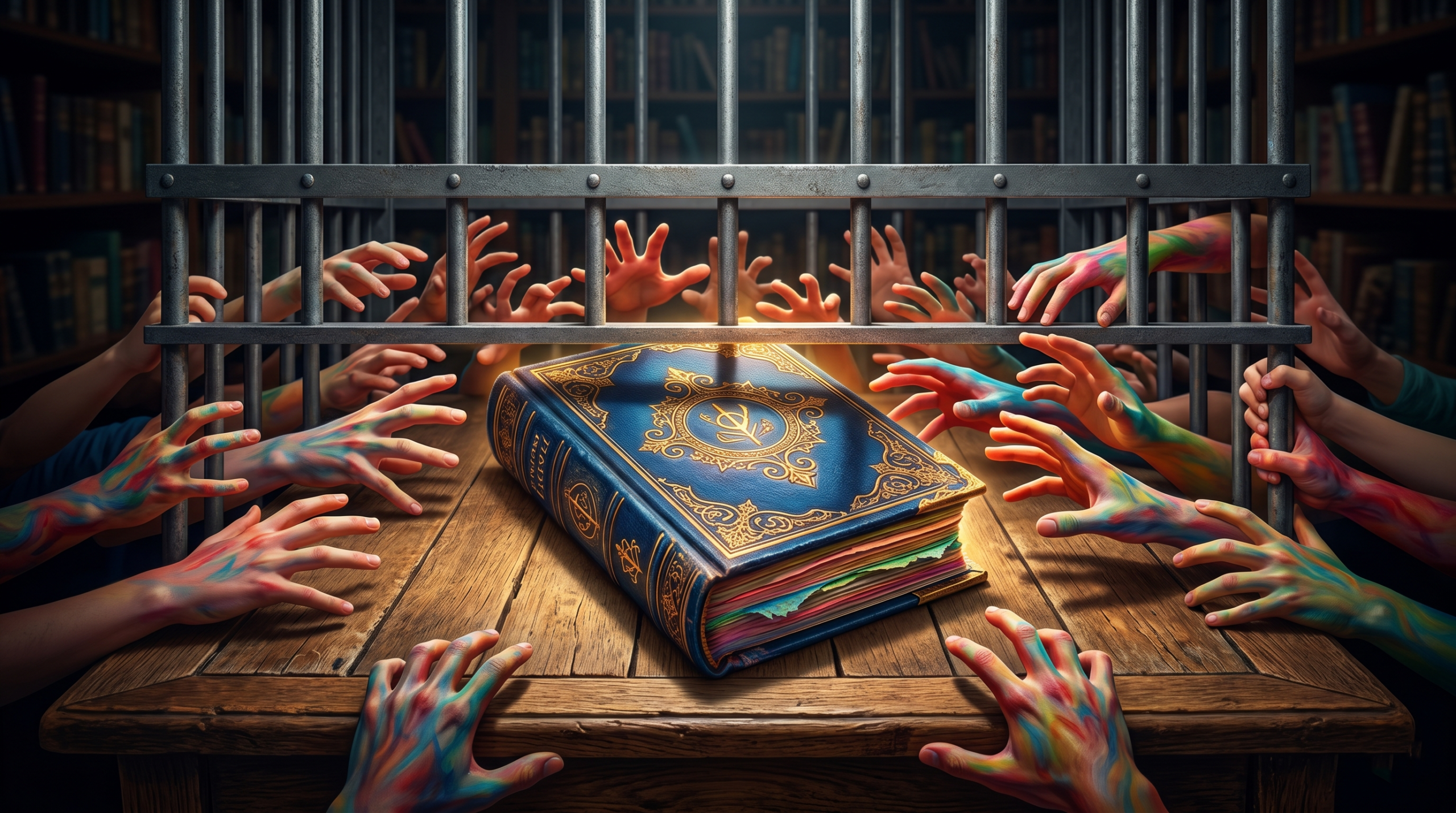
Ultimately, the attempts to ban Harry Potter backfired spectacularly. The censorship efforts triggered the “Streisand Effect”—a phenomenon where attempting to hide or suppress information only brings more attention to it.
Every time a school board banned the books, or a church organized a bonfire, it dominated the evening news. This free publicity fueled massive curiosity among children and teenagers. Kids who had no prior interest in reading suddenly wanted to get their hands on the “forbidden” books. The controversy practically guaranteed that Harry Potter would transcend literature and become a permanent fixture of the global cultural zeitgeist.
Modern Challenges: Is Harry Potter Still Banned Today?
While the mass hysteria of the early 2000s has largely faded, the Harry Potter series is not entirely free from the censor’s crosshairs. However, the nature of the challenges has evolved.
From Occult Fears to Modern Culture Wars
Fears of witchcraft still occasionally result in localized bans. In 2019, a pastor at St. Edward Catholic School in Nashville, Tennessee, removed the Harry Potter books from the school library. The reverend claimed he had consulted with exorcists in the U.S. and Rome, concluding that the curses and spells used in the books were “actual curses and spells” that risked conjuring evil spirits when read by a human being.
More recently, the cultural conversation surrounding the books has shifted entirely. While religious conservatives led the charge in the 2000s, modern controversy often stems from debates surrounding J.K. Rowling’s personal, highly publicized comments on gender identity. Although this has led to some independent bookstores refusing to stock her work or consumers boycotting the franchise, it represents a distinctly different type of cultural pushback than the government and school-sanctioned bans of the early millennium. Regardless of the era, the series remains a lightning rod for cultural debate.
Frequently Asked Questions (FAQs)
Are the spells in Harry Potter real?
No. J.K. Rowling has repeatedly explained that she invented the spells using an amalgamation of Latin roots, French vocabulary, and historical mythology. For example, “Expelliarmus” is derived from the Latin expellere (to drive out) and arma (weapon). They hold no actual occult or Wiccan significance.
Is Harry Potter banned in any countries?
There is no democratic country in the world that has a federal or nationwide ban on the Harry Potter series. However, the books have faced localized restrictions in certain private schools globally, including past controversies in private schools in the United Arab Emirates over themes of magic.
What was the most challenged Harry Potter book?
While the series as a whole was frequently challenged, complaints usually spiked around the release of Harry Potter and the Goblet of Fire and Harry Potter and the Order of the Phoenix. These specific installments featured a darker tonal shift, character deaths, and explicit anti-authority themes, prompting a renewed wave of parental concern.
The movement to censor the Harry Potter series serves as a fascinating time capsule of millennial anxieties. The fear of witchcraft, the rejection of anti-authority narratives, and the deep theological divides all contributed to the immense outrage that surrounded the boy wizard. Yet, the failure of these bans highlights a crucial truth about literature: censorship rarely succeeds in silencing a compelling story. Instead of protecting children from dark themes, the controversy inadvertently introduced millions of young readers to the concepts of intellectual freedom and the First Amendment. The fact that a children’s fantasy series caused such global uproar is the ultimate testament to the profound, enduring power of the written word.