
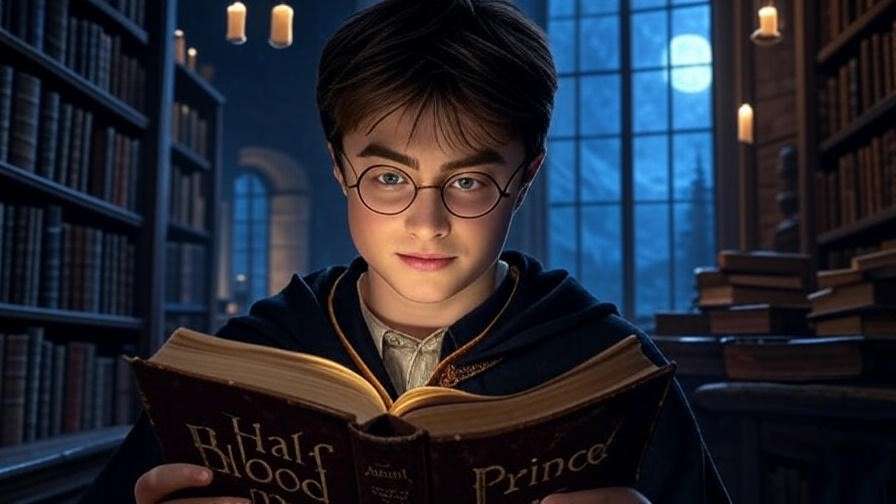
Imagine standing at the edge of a storm, where shadows deepen, alliances falter, and secrets unravel. Harry Potter and the Half-Blood Prince, the sixth book in J.K. Rowling’s iconic series, is exactly that—a pivotal turning point that plunges readers into the heart of the wizarding world’s darkest hour. For fans searching for a detailed exploration of the chapters in Half-Blood Prince, this guide uncovers the key moments, hidden details, and intricate storytelling that make this book unforgettable. Whether you’re a lifelong Potterhead or a new reader, understanding each chapter’s significance deepens your appreciation of Rowling’s craft. Drawing on extensive research, insights from the Harry Potter fan community, and Rowling’s own commentary, this article offers a comprehensive, spoiler-filled journey through the book’s 30 chapters, revealing plot twists, character arcs, and subtle foreshadowing that set the stage for the final battle against Voldemort.
Why Half-Blood Prince Is a Turning Point in the Harry Potter Series
Setting the Stage for the Final Battle
Half-Blood Prince shifts the Harry Potter series into a darker, more mature narrative. Unlike the youthful adventures of Sorcerer’s Stone or the political intrigue of Order of the Phoenix, this book confronts the grim reality of Voldemort’s return. The wizarding world is fracturing—Death Eaters wreak havoc, the Ministry struggles, and Hogwarts is no longer a safe haven. Key moments, like the introduction of Horcruxes in Chapter 10 (The House of Gaunt), redefine Harry’s mission, transforming him from a student into the Chosen One tasked with defeating the Dark Lord. This shift sets the stage for Deathly Hallows, making Half-Blood Prince a narrative bridge that balances hope and despair.
Key Themes and Motifs
The book explores complex themes: love, sacrifice, trust, and the blurred line between good and evil. These themes weave through the chapters, shaping character arcs and plot developments. For instance, love manifests in Harry and Ginny’s budding romance (Chapter 16, A Very Frosty Christmas), while sacrifice defines Dumbledore’s choices in the climactic Chapter 27 (The Lightning-Struck Tower). Rowling herself has described Half-Blood Prince as a story about “trust and betrayal” (J.K. Rowling, 2005 interview), emphasizing Snape’s ambiguous role and Draco’s moral struggle. These motifs anchor the chapter-by-chapter analysis below, offering readers a lens to uncover deeper meanings.
Chapter-by-Chapter Breakdown of Half-Blood Prince
Chapters 1–5: Setting the Stage
Overview: The opening chapters (The Other Minister to An Excess of Phlegm) establish the escalating war against Voldemort. Chapter 1 introduces the Muggle Prime Minister’s confusion as the wizarding world’s chaos spills over, while Chapter 2 (Spinner’s End) reveals Snape’s Unbreakable Vow with Narcissa Malfoy, hinting at his divided loyalties. By Chapter 5, Harry arrives at the Burrow, reuniting with Ron, Hermione, and a lovesick Fleur.
Key Moments:
- The Other Minister: The Ministry’s desperation underscores Voldemort’s growing power.
- Spinner’s End: Snape’s vow to protect Draco raises questions about his true allegiance.
- An Excess of Phlegm: Harry’s arrival at the Burrow introduces domestic warmth amid rising tension.
Hidden Details: Rowling plants subtle clues, like the mention of a “mysterious object” in Borgin and Burkes (Chapter 2), later revealed as the Vanishing Cabinet. Snape’s conversation with Bellatrix foreshadows his complex role, a detail fans debated fiercely before the series’ end.
Analysis: These chapters balance world-building with character development, setting up the political and personal stakes. The Unbreakable Vow, for example, binds Snape to a dangerous promise, amplifying suspense about his loyalty.
Chapters 6–10: Hogwarts and New Dynamics
Overview: From Draco’s Detour to Felix Felicis, these chapters shift focus to Hogwarts, introducing new dynamics. Harry, Ron, and Hermione navigate sixth year under Professor Slughorn’s Potions classes, while Draco’s secretive behavior in Chapter 6 hints at his Death Eater mission. Chapter 9 (The Half-Blood Prince) introduces the mysterious annotated Potions book, sparking Harry’s curiosity.
Key Moments:
- Draco’s Detour: Draco’s visit to Borgin and Burkes confirms his involvement with dark forces.
- The Half-Blood Prince: Harry discovers the annotated book, excelling in Potions but raising ethical questions.
- Felix Felicis: Harry wins a vial of Liquid Luck, a pivotal plot device.
Hidden Details: The Vanishing Cabinet’s brief mention in Chapter 6 foreshadows its role in the climax. Slughorn’s favoritism toward “talented” students (Chapter 7, The Slug Club) mirrors Tom Riddle’s manipulation, a subtle parallel Rowling crafts expertly.
Tip: Pay attention to Harry and Ginny’s interactions in Chapter 7—small moments, like Ginny’s witty banter, hint at their growing connection.
Chapters 11–15: Deepening Mysteries
Overview: Spanning Hermione’s Helping Hand to The Unbreakable Vow, these chapters deepen the central mysteries. Harry’s private lessons with Dumbledore (Chapter 13, The Secret Riddle) reveal Voldemort’s past, while Draco’s actions grow increasingly suspicious. Chapter 15’s Christmas party highlights romantic tensions, like Ron’s jealousy over Hermione.
Key Moments:
- The Secret Riddle: Dumbledore shares memories of young Tom Riddle, introducing Horcruxes.
- The Unbreakable Vow: Harry overhears Snape and Draco, fueling his distrust.
- Hermione’s Helping Hand: The trio’s friendship faces strain amid romantic subplots.
Hidden Details: The Pensieve scenes contain clues about Horcruxes, like the mention of a ring in Chapter 13. Draco’s use of the Room of Requirement (Chapter 12, Silver and Opals) is subtly hinted at, rewarding attentive readers.
Expert Insight: Before the book’s release, fan forums like MuggleNet speculated wildly about the Half-Blood Prince’s identity, with some correctly guessing Snape based on these chapters’ clues.
Chapters 16–20: Unraveling Secrets
Overview: From A Very Frosty Christmas to Lord Voldemort’s Request, these chapters deepen the exploration of Voldemort’s past and Harry’s role as the Chosen One. Chapter 16 shows Harry spending Christmas at the Burrow, where romantic and familial tensions simmer. By Chapter 20, Dumbledore’s Pensieve lessons reveal critical details about Voldemort’s Horcruxes, setting the stage for the book’s climax.
Key Moments:
- A Very Frosty Christmas: Harry discusses his suspicions about Snape and Draco with Lupin and Mr. Weasley, while his feelings for Ginny grow.
- After the Burial: Harry uses Felix Felicis to extract a crucial memory from Slughorn, confirming the Horcrux theory.
- Lord Voldemort’s Request: Dumbledore shares the memory of Voldemort’s visit to Hogwarts, revealing the creation of Horcruxes like the locket and cup.
Hidden Details: Rowling weaves subtle foreshadowing, such as the locket in Chapter 20, which becomes central in Deathly Hallows. The Christmas scene in Chapter 16 includes a brief mention of Scrimgeour’s visit, hinting at the Ministry’s desperation. Draco’s increasing isolation, seen in Chapter 19 (Elf Tails), underscores his internal conflict.
Example: The memory of Voldemort meeting Hepzibah Smith (Chapter 20) showcases Rowling’s skill in planting clues—attentive readers might notice the locket’s description matches one from Order of the Phoenix.
Chapters 21–25: Rising Tension
Overview: From The Unknowable Room to Sectumsempra, these chapters escalate the tension as Harry uncovers Draco’s plan and grapples with the Half-Blood Prince’s spells. Chapter 21 reveals Draco’s use of the Room of Requirement, while Chapter 24 (Sectumsempra) marks a turning point as Harry uses a dangerous spell against Draco.
Key Moments:
- The Unknowable Room: Harry discovers Draco’s activities in the Room of Requirement, heightening his suspicions.
- Sectumsempra: Harry’s use of the Half-Blood Prince’s spell leaves Draco gravely injured, forcing Harry to confront the book’s darker influence.
- Horcruxes: Dumbledore confirms the Horcruxes’ significance, preparing Harry for his mission.

Hidden Details: The Room of Requirement’s adaptability (Chapter 21) mirrors its use in Order of the Phoenix, a nod to continuity. The Sectumsempra spell’s devastating effect hints at Snape’s complex history, as it’s later revealed as his creation.
Tip: Re-read Chapter 24 to appreciate Harry’s moral dilemma—his guilt over harming Draco reflects his growth as a hero who values compassion.
Chapters 26–30: Climax and Aftermath
Overview: From The Cave to The Phoenix Lament, these chapters deliver the book’s emotional and narrative climax. Chapter 26 follows Harry and Dumbledore’s perilous mission to retrieve a Horcrux, while Chapter 27 (The Lightning-Struck Tower) shocks readers with Dumbledore’s death at Snape’s hands. The final chapters reveal Snape as the Half-Blood Prince and set Harry on his path for Deathly Hallows.
Key Moments:
- The Cave: Harry and Dumbledore face Inferi to retrieve a locket, showcasing Dumbledore’s sacrifice and Harry’s loyalty.
- The Lightning-Struck Tower: Snape kills Dumbledore, a moment that redefines the series’ moral landscape.
- The Phoenix Lament: Hogwarts mourns, and Harry vows to hunt the Horcruxes.

Hidden Details: The locket retrieved in Chapter 26 is a fake, a twist foreshadowed by earlier mentions of R.A.B. (Regulus Black). Fawkes’ lament in Chapter 29 symbolizes hope amid grief, a recurring motif in Rowling’s work.
Expert Insight: Rowling has shared that Dumbledore’s death was one of the hardest scenes to write (J.K. Rowling, 2007 interview), emphasizing its emotional weight and its role in pushing Harry toward independence.
Major Themes and Symbolism in Half-Blood Prince
The Complexity of Good and Evil
Half-Blood Prince challenges readers with morally ambiguous characters. Snape’s actions—protecting Harry while serving Voldemort—blur the line between hero and villain. Draco’s struggle, especially in Chapter 24, reveals a young man torn between duty and fear, humanizing a character often seen as a bully. These complexities resonate with fans, sparking debates about loyalty and redemption.

Example: Snape’s Unbreakable Vow (Chapter 2) and his final act in Chapter 27 create a paradox that only resolves in Deathly Hallows, showcasing Rowling’s nuanced storytelling.
Love and Sacrifice
Love drives key plot points, from Harry and Ginny’s romance to Dumbledore’s ultimate sacrifice. Chapter 16’s quiet moments at the Burrow highlight Harry’s growing feelings for Ginny, grounding the story in hope. Meanwhile, Dumbledore’s choice to drink the potion in Chapter 26 reflects his willingness to die for the greater good, a theme echoed in Harry’s arc in Deathly Hallows.
The Power of Memory
The Pensieve scenes (Chapters 10, 13, 17, and 20) are more than exposition—they underscore the power of memory in shaping identity and choices. By exploring Voldemort’s past, Rowling shows how understanding history can guide the future, a lesson Harry carries into his Horcrux hunt.
Hidden Details and Easter Eggs Fans Might Miss
Foreshadowing the Final Book
Half-Blood Prince is rich with clues about Deathly Hallows. The fake locket in Chapter 26 points to R.A.B., while Dumbledore’s mention of “objects of significance” (Chapter 23) hints at the Deathly Hallows. Snape’s annotated Potions book (Chapter 9) foreshadows his backstory, revealed in Deathly Hallows’s The Prince’s Tale.

Example: The locket’s description in Chapter 20 matches the one found in Grimmauld Place (Order of the Phoenix), a detail eagle-eyed fans connect across books.
Rowling’s Writing Craft
Rowling’s use of red herrings and parallels enhances the narrative. For instance, Harry’s suspicion of Snape mirrors his mistrust in Sorcerer’s Stone, but with higher stakes. Draco and Harry’s parallel struggles—both grappling with destiny—add depth, especially in Chapters 21 and 24.
Tip: Revisit Chapter 12 (Silver and Opals) to spot early mentions of the Vanishing Cabinet, a testament to Rowling’s meticulous plotting.
How Half-Blood Prince Fits into the Harry Potter Universe
Connections to Previous Books
Half-Blood Prince builds on earlier plot points, like the prophecy from Order of the Phoenix (referenced in Chapter 23). The return of characters like Slughorn ties to Chamber of Secrets, where his name is briefly mentioned, showcasing Rowling’s long-term planning.
Setting Up Deathly Hallows
The book’s events—Dumbledore’s death, the Horcrux mission, and Snape’s betrayal—directly lead to Deathly Hallows. Harry’s decision in Chapter 30 to forgo his final year at Hogwarts marks his transition to a proactive hero, setting the stage for the Horcrux hunt.
Expert Insight: Fan discussions on platforms like X often highlight how Chapter 27’s twist reshaped perceptions of Snape, a topic that trended heavily post-release (Wizarding World archives, 2005).
Practical Tips for Fans Revisiting Half-Blood Prince
Reading Strategies for Deeper Understanding
To fully appreciate Half-Blood Prince, focus on specific characters or themes during a re-read. Track Snape’s actions across chapters to unravel his motives, or note Horcrux clues in Pensieve scenes. Annotating passages, like Dumbledore’s lessons, can reveal Rowling’s layered storytelling.
Tip: Use a notebook to jot down foreshadowing, such as mentions of the Vanishing Cabinet or R.A.B.
Discussion Points for Book Clubs or Fan Groups
Engage with fellow fans using these questions:
- Was Snape justified in his actions in Chapter 27?
- How does Draco’s arc in Half-Blood Prince compare to Harry’s?
- What role does love play in shaping the story’s outcome?
Example: A sample discussion guide could include prompts like, “Discuss how Chapter 26’s cave scene reflects Harry and Dumbledore’s bond.”
FAQs About Half-Blood Prince Chapters
What is the most important chapter in Half-Blood Prince?
The Lightning-Struck Tower (Chapter 27) is pivotal, as Dumbledore’s death shifts the series’ trajectory and forces Harry to confront his destiny alone.
Why is the Half-Blood Prince’s identity significant?
Snape’s reveal as the Half-Blood Prince (Chapter 28) ties to his mixed-blood heritage and complex loyalty, adding emotional depth to his character.
How do the chapters set up Deathly Hallows?
Chapters like 23 (Horcruxes) and 26 (The Cave) introduce the Horcrux hunt, while Dumbledore’s death empowers Harry to lead.
Are there any chapters fans can skip?
Every chapter contributes to the narrative, but casual readers might prioritize action-heavy chapters like 26–27 for major plot points.
What chapter best showcases Rowling’s writing?
Chapter 20 (Lord Voldemort’s Request) blends suspense, backstory, and foreshadowing, highlighting Rowling’s skill.
Harry Potter and the Half-Blood Prince is a masterclass in storytelling, with its 30 chapters weaving a tapestry of mystery, emotion, and foreshadowing. This guide has unpacked the key moments and hidden details, from Snape’s Unbreakable Vow to Dumbledore’s sacrifice, offering fans a deeper appreciation of the book’s role in the Harry Potter saga. Revisit these chapters with fresh eyes, noting clues about Horcruxes, Snape’s loyalty, and the looming war. Share your favorite moments in the comments, join a Harry Potter fan community, or explore related articles on our blog to keep the magic alive.