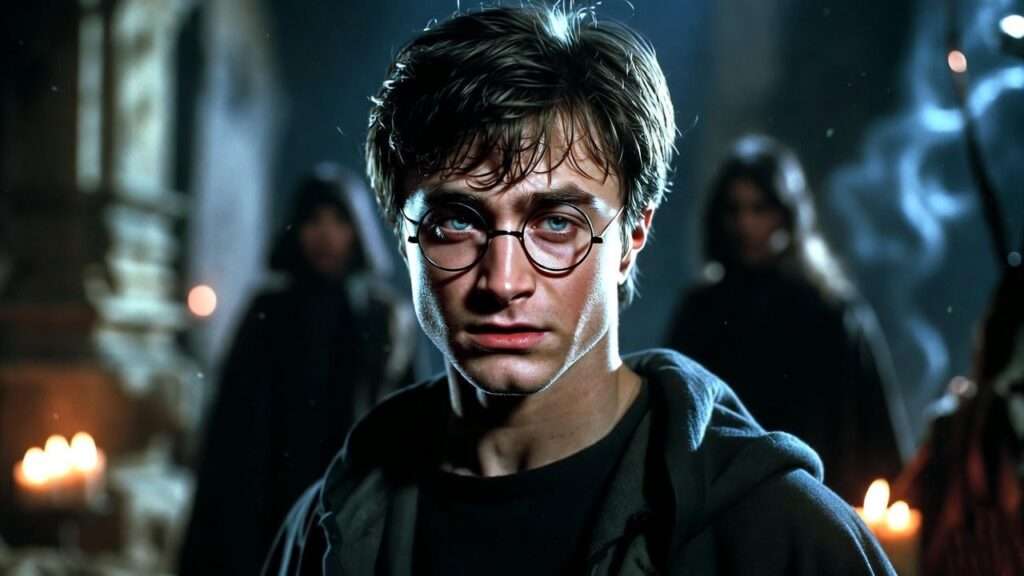
What if the hero we’ve cheered for through seven books and eight movies was never truly the hero at all? Imagine re-reading the Harry Potter series and realizing that the Boy Who Lived exhibits traits of impulsiveness, moral ambiguity, and even outright villainy. The fan theory positing Harry Potter as bad guy has captivated readers for years, challenging us to question the black-and-white narrative J.K. Rowling crafted. This perspective doesn’t dismiss Harry’s ultimate triumph over Voldemort but invites a deeper examination of his actions, decisions, and darker impulses—ones that mirror those of classic antagonists.
In this comprehensive exploration, we’ll dive into textual evidence from the books, psychological insights, and popular fan discussions to unpack why some see Harry Potter as bad guy rather than the unambiguous savior. Drawing directly from Rowling’s canon with quotes and specific examples, we’ll balance the theory with counterarguments while highlighting how it enriches our appreciation of the series’ moral complexity. Whether you’re a longtime fan revisiting the books or someone intrigued by alternative interpretations, this analysis offers fresh insights into one of literature’s most iconic characters.
Why This Fan Theory Exists: The Appeal of Flipping the Hero
Fan theories thrive in richly layered worlds like the Wizarding World, where characters are rarely purely good or evil. The idea of Harry Potter as bad guy emerged prominently in online communities, particularly on platforms like Reddit and fan forums, as readers conducted multiple re-reads and noticed patterns in Harry’s behavior that echo villain archetypes.
This theory appeals because it subverts expectations. Heroes in fantasy often have flaws, but Harry’s go beyond typical teenage angst—they include recklessness that endangers lives, use of dark magic, and moments of cruelty. Literary tropes support this flip: think of Anakin Skywalker’s fall in Star Wars or the anti-hero journeys in modern series like Breaking Bad. Rowling herself has emphasized moral grayness, stating in interviews that her stories feature “shades of gray” rather than absolute good versus evil.
Harry’s Perspective as a Limited (Potentially Unreliable) Narrator
The books are written in third-person limited narration, closely tied to Harry’s viewpoint. This means we see events primarily through his eyes, which can skew perceptions. For instance, other characters like Snape or Draco are often painted negatively because Harry dislikes them, potentially making Harry an unreliable lens. Fans argue this bias hides his own flaws while amplifying others’. While not fully unreliable like in some postmodern novels, Harry’s youth, trauma, and emotions color the story, opening room for reinterpretation.
Parallels Between Harry and Classic Villain Archetypes
Harry shares backstory elements with Tom Riddle (Voldemort): both orphans raised in neglect, both Parselmouths, both placed in houses symbolizing ambition or bravery that can tip into darkness. Yet Harry chooses good—mostly. The theory posits that without key influences like Dumbledore or friends, Harry could have followed Riddle’s path. This “what if” intrigue fuels the appeal, reminding us that villainy often stems from similar origins as heroism, differing only in choices.
Key Evidence from the Books: Times Harry Acted Like a Villain
The strongest support for viewing Harry Potter as bad guy comes from specific incidents across the series. These aren’t isolated mistakes but patterns of rule-breaking, aggression, and moral crossings that rival Death Eater behavior.
Impulsiveness and Recklessness Endangering Others
Harry’s hot-headed decisions repeatedly put lives at risk. In Order of the Phoenix, his vision of Sirius being tortured leads him to charge into the Department of Mysteries without verification. This results in Sirius’s death and injuries to friends. As Hermione warns, “You… this isn’t a criticism, Harry! But you do… sort of… I mean—don’t you think you’ve got a bit of a—a—saving-people thing?” Harry’s heroism borders on selfish recklessness, prioritizing his feelings over safety.
 Use of Unforgivable Curses
Harry crosses a definitive moral line by employing Unforgivable Curses, spells requiring genuine malice. In Order of the Phoenix, he attempts Cruciatus on Bellatrix Lestrange after Sirius’s death, screaming “Crucio!” though it fails due to insufficient hate. He succeeds in Deathly Hallows against Amycus Carrow for spitting at McGonagall: “You shouldn’t have done that… Crucio!” This mirrors Bellatrix’s enjoyment of torture, blurring the hero-villain divide.
 Sectumsempra on Draco: Attempted Dark Magic
In Half-Blood Prince, Harry uses the unknown spell “Sectumsempra—for enemies” from Snape’s old textbook on Draco Malfoy during a bathroom duel. It slashes Draco severely, nearly killing him. Snape later heals him, but Harry’s casual experimentation with dark magic—without knowing consequences—evokes villainous curiosity, akin to young Tom Riddle testing powers.
 Bullying and Prejudice
Harry isn’t above cruelty. He mocks others, inherits his father’s arrogance (seen in Snape’s Pensieve memories), and shuns friends during conflicts. In Prisoner of Azkaban, he sides with Ron against Hermione over the Firebolt and Scabbers, ignoring her isolation. He also finds twisted amusement in Marietta Edgecombe’s jinxed scars in Half-Blood Prince.
Rule-Breaking and Manipulation
Constant rule-breaking defines Harry: Polyjuice Potion theft, sneaking out, using the Invisibility Cloak for personal gain. In Chamber of Secrets, he and Ron drug Crabbe and Goyle with sleeping potions to impersonate them—ethically dubious. Cheating in Potions via the Half-Blood Prince’s book further shows entitlement.
The Horcrux Influence: Was Harry’s Anger Amplified?
Some argue the soul fragment amplified Harry’s dark traits, explaining volatility. Yet Harry exhibits anger pre-Horcrux awareness, suggesting innate tendencies exacerbated by trauma.
These examples, backed by direct book quotes, illustrate actions that, in another character, would label them villainous. Context (war, youth) mitigates but doesn’t erase them.
Harry’s Dark Traits: A Psychological Breakdown
Psychologically, Harry’s traits align with potential villainy profiles: effects of childhood abuse, fame’s corruption, and unresolved trauma.
Parallels to Tom Riddle/Voldemort
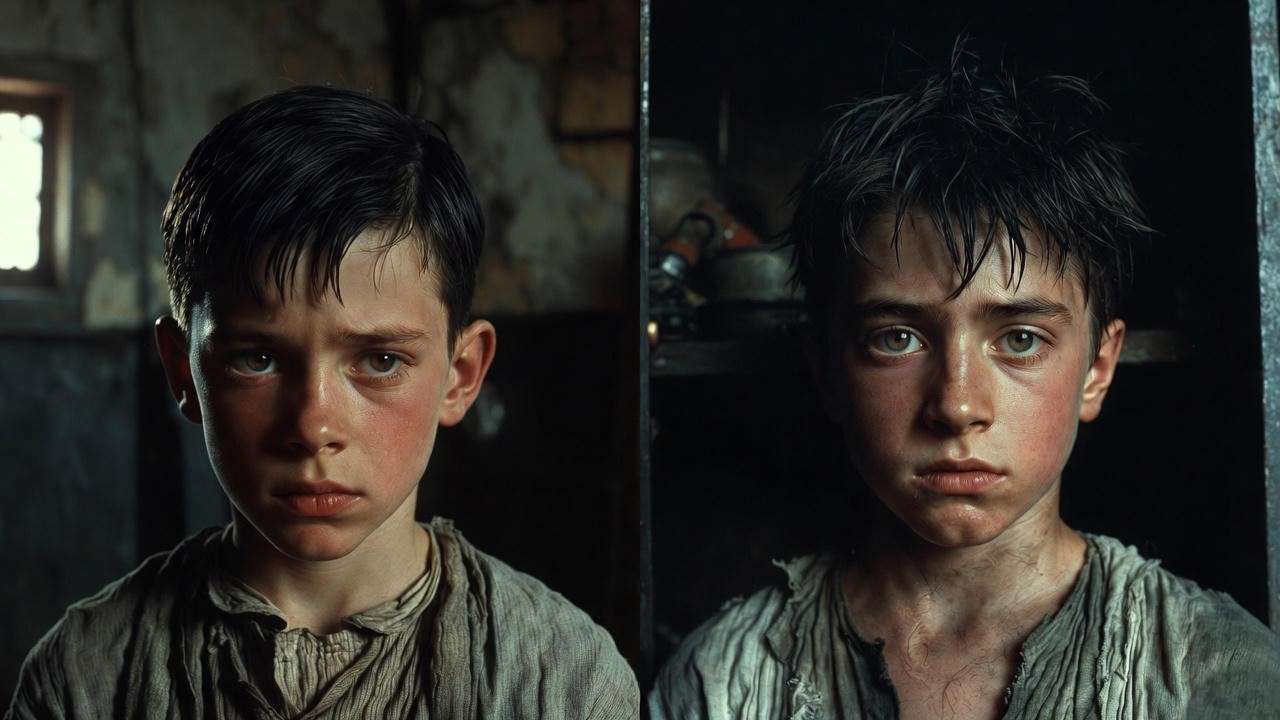
Both orphans face neglect—Harry with Dursleys, Riddle in an orphanage. Both discover magical power as escape. Rowling highlights this in Half-Blood Prince: Dumbledore notes similarities but stresses choices. Harry’s rage outbursts mirror Riddle’s controlled cruelty.
 Arrogance and Entitlement
Fame breeds entitlement. Harry expects special treatment (e.g., breaking rules without severe consequence) and seeks glory in Quidditch or adventures.
Emotional Volatility
CAPS LOCK HARRY in Order of the Phoenix showcases explosive anger from PTSD-like symptoms post-Cedric’s death. This volatility drives reckless actions.
Trauma from abuse fosters distrust and isolation, traits villains exploit. Yet Harry’s capacity for love counters this—psychologically, he’s a traumatized teen with dark potential, redeemed by choices.
 Counterarguments: Why Harry Remains the Hero
Balance is key for trustworthiness. Canonically, Harry is the moral center.
Harry’s Choices Define Him as Good
Rowling emphasizes choices: “It is our choices, Harry, that show what we truly are, far more than our abilities” (Chamber of Secrets). Harry rejects power (e.g., Sorting Hat’s Slytherin suggestion), values friendship, and sacrifices himself.
Context Matters: Actions in War vs. Peacetime Villainy
Many “villainous” acts occur during war against genocide. Using Cruciatus pales beside Death Eaters’ routine torture.
Rowling’s Intent
In interviews, Rowling confirms Harry as heroic, with flaws making him relatable. The theory enhances nuance without overturning canon.
Popular Fan Discussions and Related Theories
This theory flourishes on Reddit (e.g., threads like “Times Harry Acted Like a Villain”) and sites like ScreenRant listing “10 Times Harry Acted Like a Villain.”
Harry as Unreliable Narrator
His bias downplays flaws while vilifying rivals.
What If Harry Turned Dark?
Fanfiction explores Dark Harry AUs.
Comparisons to Dumbledore’s Manipulations
Some link to theories of Dumbledore as greater manipulator.
Expert Insights and Community Reactions
Literary analysts praise Rowling’s gray morality. Fans react variably—some embrace for depth, others defend Harry’s heroism. Re-reading tips: Note Harry’s internal justifications for dark acts.
FAQs
Is there evidence Harry Potter is a villain? Yes, through actions like using Unforgivable Curses and recklessness endangering lives, though mitigated by context and choices.
Did Harry use Unforgivable Curses? Yes—attempted Cruciatus twice, succeeded once; also Imperius in Deathly Hallows.
Why do fans think Harry is like Voldemort? Shared orphan backgrounds, Parseltongue, anger issues—but differing choices.
Is Harry an unreliable narrator? Partially; third-person limited ties to his biased view.
What are the darkest things Harry did in the books? Sectumsempra on Draco, successful Cruciatus, drugging Crabbe/Goyle.
Could Harry have become a Dark Wizard? The Sorting Hat saw Slytherin potential; without friends/Dumbledore, possibly.
Does Rowling support this theory? No directly, but she acknowledges characters’ complexities.
How does the Horcrux affect Harry’s darkness? It amplified anger, but core traits predate it.
Is this theory canon? No—it’s interpretive, adding layers.
Why re-read with this lens? It reveals moral ambiguities, deepening appreciation.
The Harry Potter as bad guy theory compellingly highlights flaws without diminishing his heroism. It underscores Rowling’s theme: good and evil reside in choices amid grayness. Re-read the series questioning Harry’s actions—you’ll discover richer magic in moral complexity. What do you think—hero with dark edges or hidden villain? Share below!