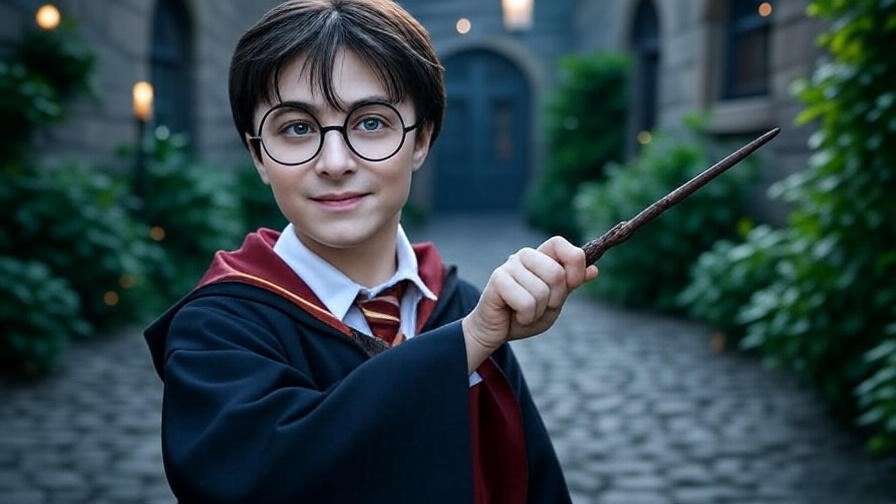
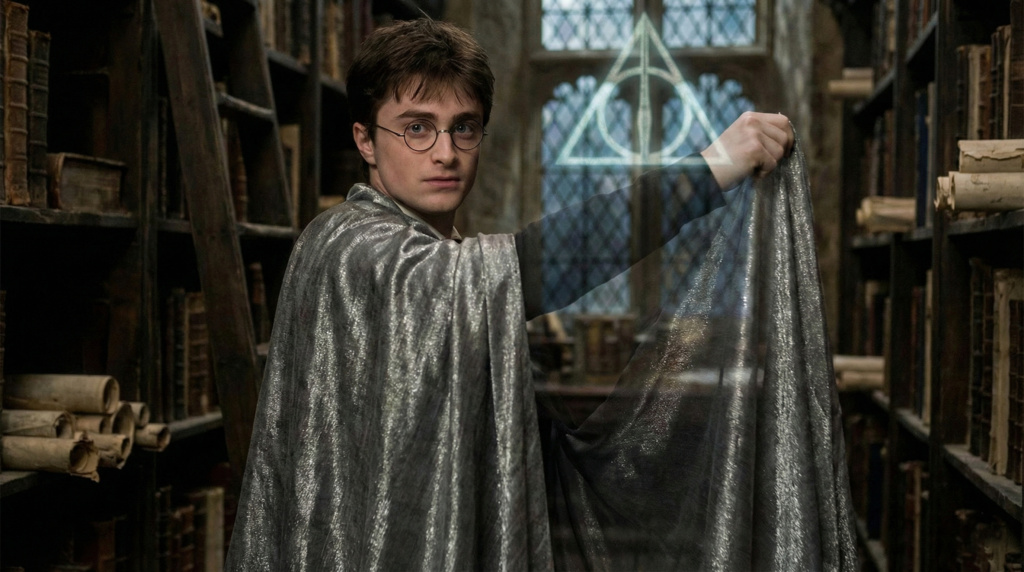
Imagine unwrapping a mysterious Christmas gift at Hogwarts during your first year, only to discover a shimmering, silvery cloak that makes your entire body vanish from sight. For Harry Potter, that moment in Harry Potter and the Philosopher’s Stone wasn’t just a fun discovery—it was the beginning of one of the most enduring mysteries in the wizarding world. Harry Potter’s Cloak of Invisibility quickly became his most trusted ally, helping him navigate danger, uncover secrets, and ultimately play a pivotal role in defeating Lord Voldemort.
But what sets this particular cloak apart from the dozens of invisibility cloaks mentioned across the series? Why does J.K. Rowling describe it as one of the legendary Deathly Hallows? And how does it differ from charmed garments woven from Demiguise hair or enchanted with Disillusionment Charms? Fans often search for answers to these questions, puzzled by its eternal durability, occasional “failures” like Mad-Eye Moody seeing through it, and its deeper symbolic meaning.
This in-depth guide explores every facet of Harry Potter’s Cloak of Invisibility—its ancient origins, unparalleled powers, real limitations, iconic moments in the books, popular fan theories, and profound themes. Whether you’re rereading the series, debating lore with friends, or simply curious why this humble artifact stands above all others, you’ll find the comprehensive answers here. Let’s dive into the legend that has captivated millions.
The Legend of the Deathly Hallows – Where the Cloak Begins
The story of Harry Potter’s Cloak of Invisibility cannot be told without first understanding the Deathly Hallows, the three most powerful magical objects in wizarding history. These artifacts are introduced through “The Tale of the Three Brothers,” a children’s story in The Tales of Beedle the Bard that Harry, Ron, and Hermione encounter in Harry Potter and the Deathly Hallows.
 The Tale of the Three Brothers – Canon Story Recap
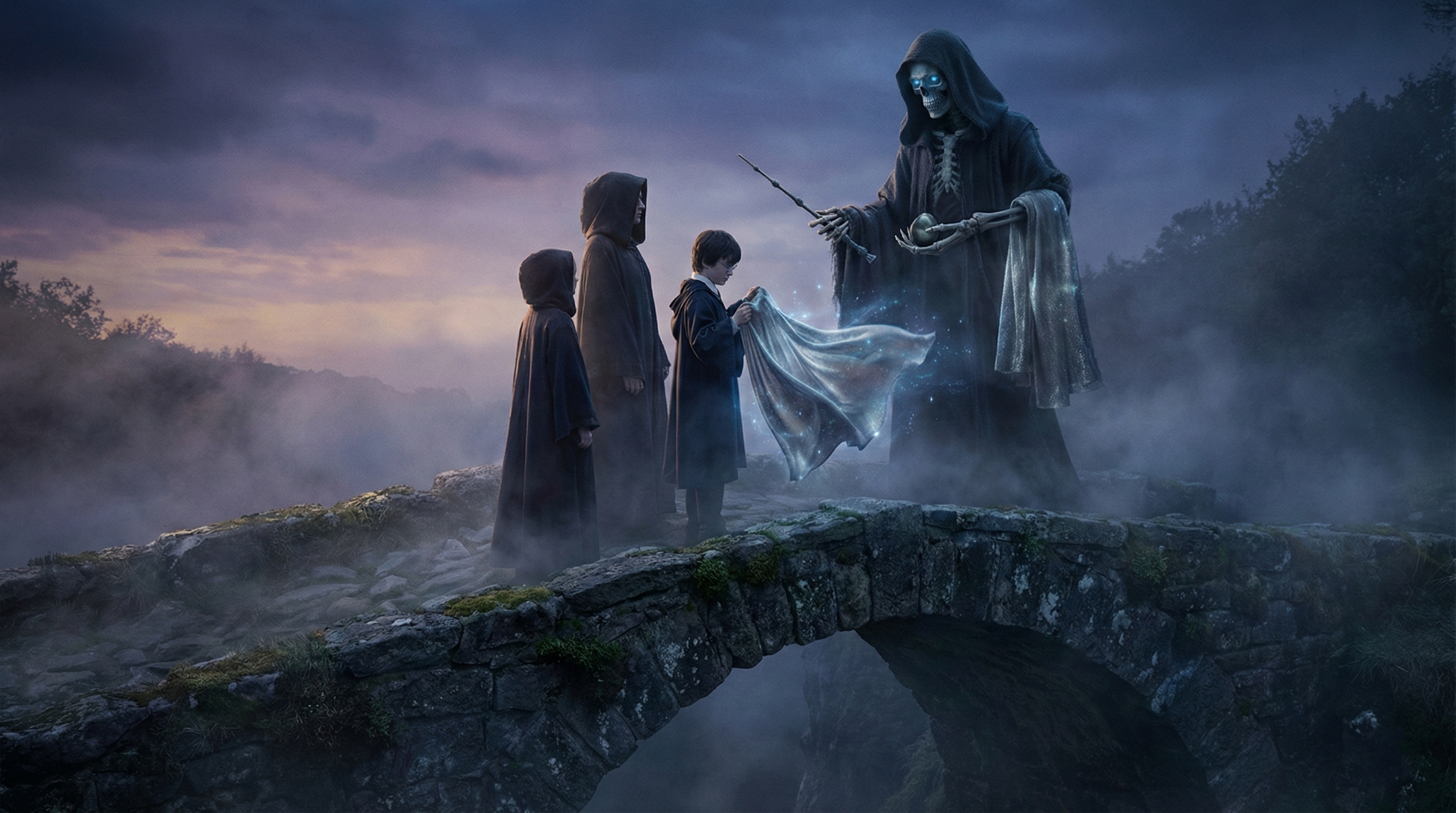
In the tale, three brothers encounter Death on a lonely road after cleverly crossing a treacherous river with magic. Death, feeling cheated, offers each a prize. The eldest asks for a wand more powerful than any other—the Elder Wand. The middle brother requests the power to recall the dead—the Resurrection Stone. The youngest, wiser and more humble, asks for something to hide him from Death: the Cloak of Invisibility.
Death reluctantly hands over his own cloak, which allows the youngest brother, Ignotus Peverell, to evade Death until old age. Unlike his siblings, who meet tragic ends chasing power and reunion with the lost, Ignotus lives a full life, passes the cloak to his son, and greets Death as an old friend.
This story isn’t mere folklore—it’s the key to understanding the Hallows. The cloak represents humility, acceptance of mortality, and clever evasion rather than domination over death.
Myth vs. Reality – Did Death Really Create It?
Albus Dumbledore offers the most authoritative perspective in Deathly Hallows. He tells Harry that the tale is likely embellished legend: the Peverell brothers were exceptionally gifted wizards who crafted these extraordinary items themselves. The “Death” element probably arose as myth around such powerful creations.
Evidence supports this. The cloak’s age—centuries old by Harry’s time—yet perfect condition aligns with a masterful enchantment rather than supernatural origin. Xenophilius Lovegood passionately defends the legend, but even he relies on the story’s description rather than proof. The reality? The cloak is a pinnacle of wizarding craftsmanship, passed down through the Peverell line.
The True History and Lineage of Harry Potter’s Cloak
The cloak’s journey traces directly to Harry’s ancestry, making its arrival in his hands no coincidence.
From Ignotus Peverell to the Potter Family
Ignotus Peverell, the youngest brother, hailed from Godric’s Hollow. The cloak passed father to son (or occasionally mother to daughter when no male heir existed) through generations. By the 20th century, it reached James Potter, Harry’s father.
James used the cloak during his Hogwarts years for mischief—often with the Marauders. He lent it to Dumbledore for study, but after James’s death, Dumbledore held it temporarily. On Harry’s first Christmas at Hogwarts, Dumbledore anonymously returned it with a note: “Use it well.”
This lineage explains why Harry became the cloak’s “true owner.” Like the Elder Wand’s allegiance, the cloak responds best to its rightful heir through the Peverell bloodline.
How Dumbledore Came to Possess It (Temporarily)
Dumbledore’s possession was brief and respectful. In Deathly Hallows, he admits taking it “out of vain curiosity” but notes it “could never have worked for me as it works for you, its true owner.” This humility contrasts with those who sought the Hallows for power.
What Makes Harry Potter’s Cloak of Invisibility Truly Unique? (Core Differences from Other Cloaks)
Ordinary invisibility cloaks exist in the wizarding world, but Harry’s stands unmatched.
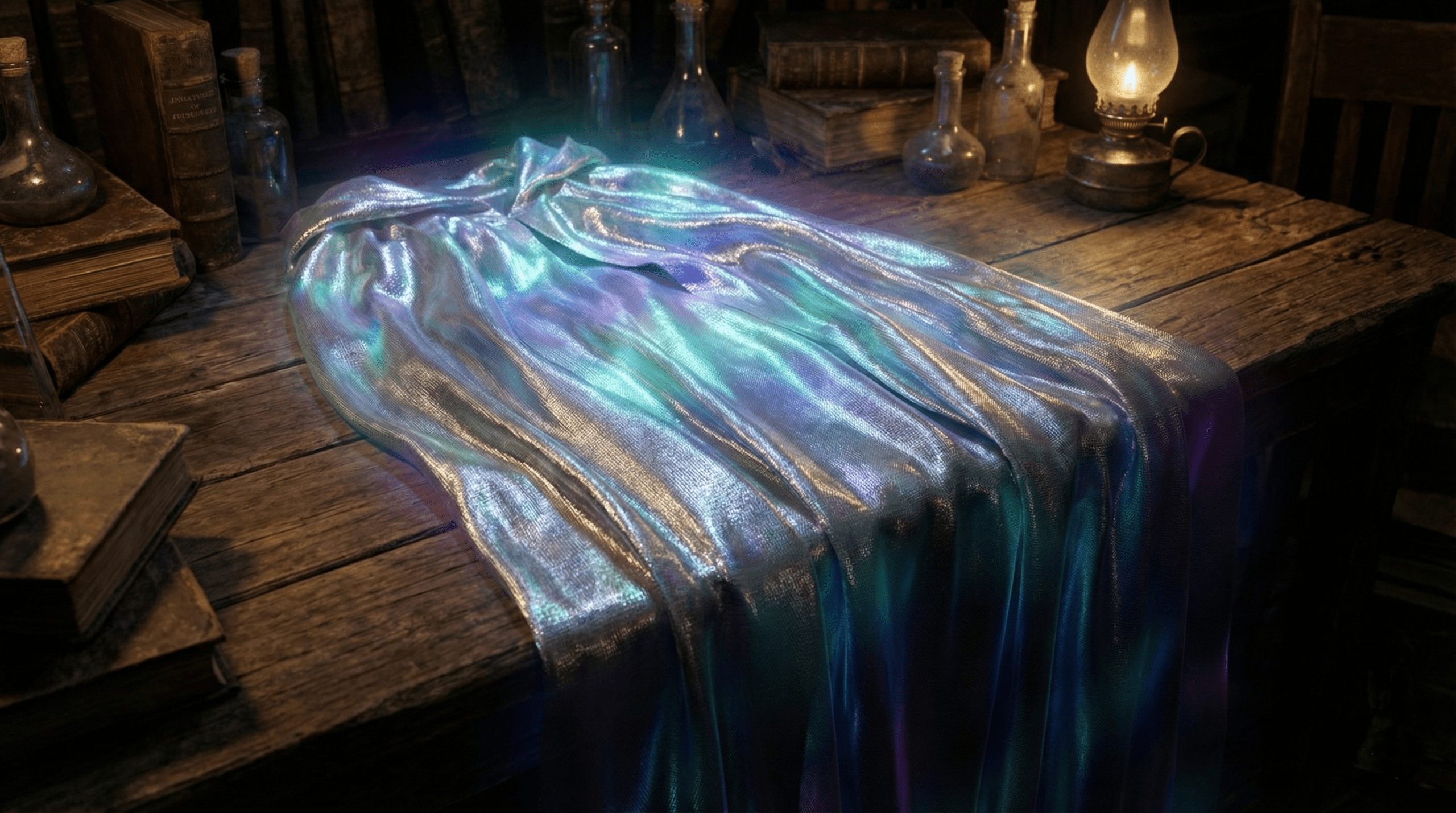
Eternal Durability – It Never Fades
Xenophilius Lovegood explains it best: “We are talking about a cloak that really and truly renders the wearer completely invisible, and endures eternally, giving constant and impenetrable concealment, no matter what spells are cast at it.”
Unlike Demiguise-hair cloaks or those with Bedazzling Hexes, which fade, turn opaque, or wear out, Harry’s cloak remains flawless after centuries.
 Perfect, Impenetrable Invisibility
It provides total concealment from normal sight—superior to Disillusionment Charms (which can shimmer or be countered) or Polyjuice disguises.
Spell Resistance – Protection Beyond Simple Concealment
The cloak resists many spells that would reveal or damage lesser versions. However, it’s not invincible.
Limitations Clarified
- Mad-Eye Moody’s magical eye sees through it because the eye perceives magically, not optically.
- Spells can still hit the wearer (e.g., Draco Malfoy’s curse in Half-Blood Prince).
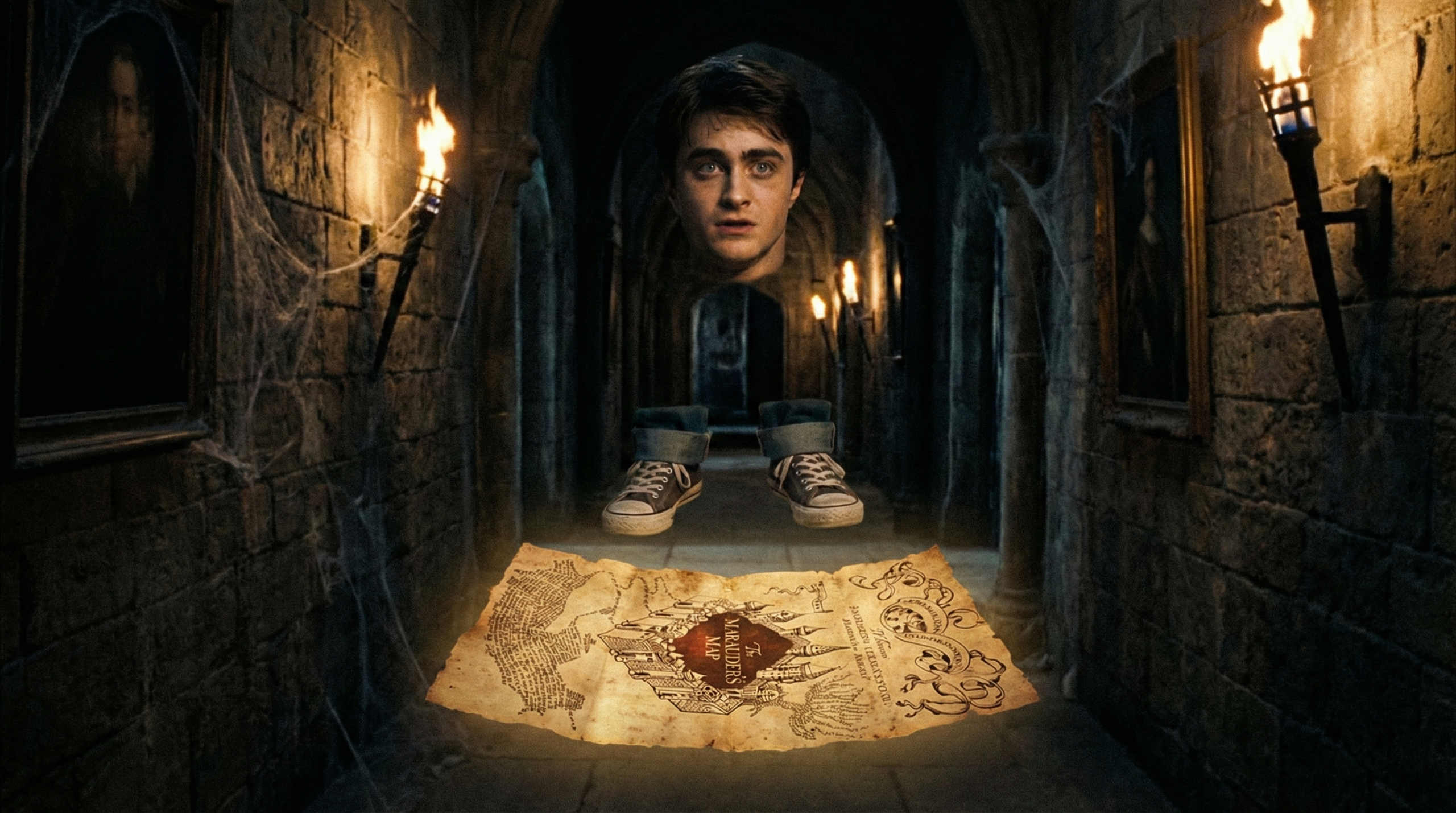
- It doesn’t block non-visual detection: Marauder’s Map shows names, Mrs. Norris smells Harry, Dementors sense emotion, Sneakoscopes react to mischief.
The cloak excels at optical invisibility and durability, not total undetectability.
The Cloak’s Powers and How It Works in Canon
At its core, Harry Potter’s Cloak of Invisibility delivers exactly what its name promises: flawless optical invisibility. When draped over someone, it renders them—and anything fully covered—invisible to the naked eye. The fabric flows like liquid moonlight, light passing through and around it without reflection or shadow.
Core Power – True Invisibility
Unlike charmed ordinary cloaks that might shimmer under bright light or lose potency over time, this one provides constant, complete concealment. As Xenophilius Lovegood describes in Deathly Hallows, it “really and truly renders the wearer completely invisible, and endures eternally, giving constant and impenetrable concealment, no matter what spells are cast at it.” This permanence sets it apart as the third Deathly Hallow.
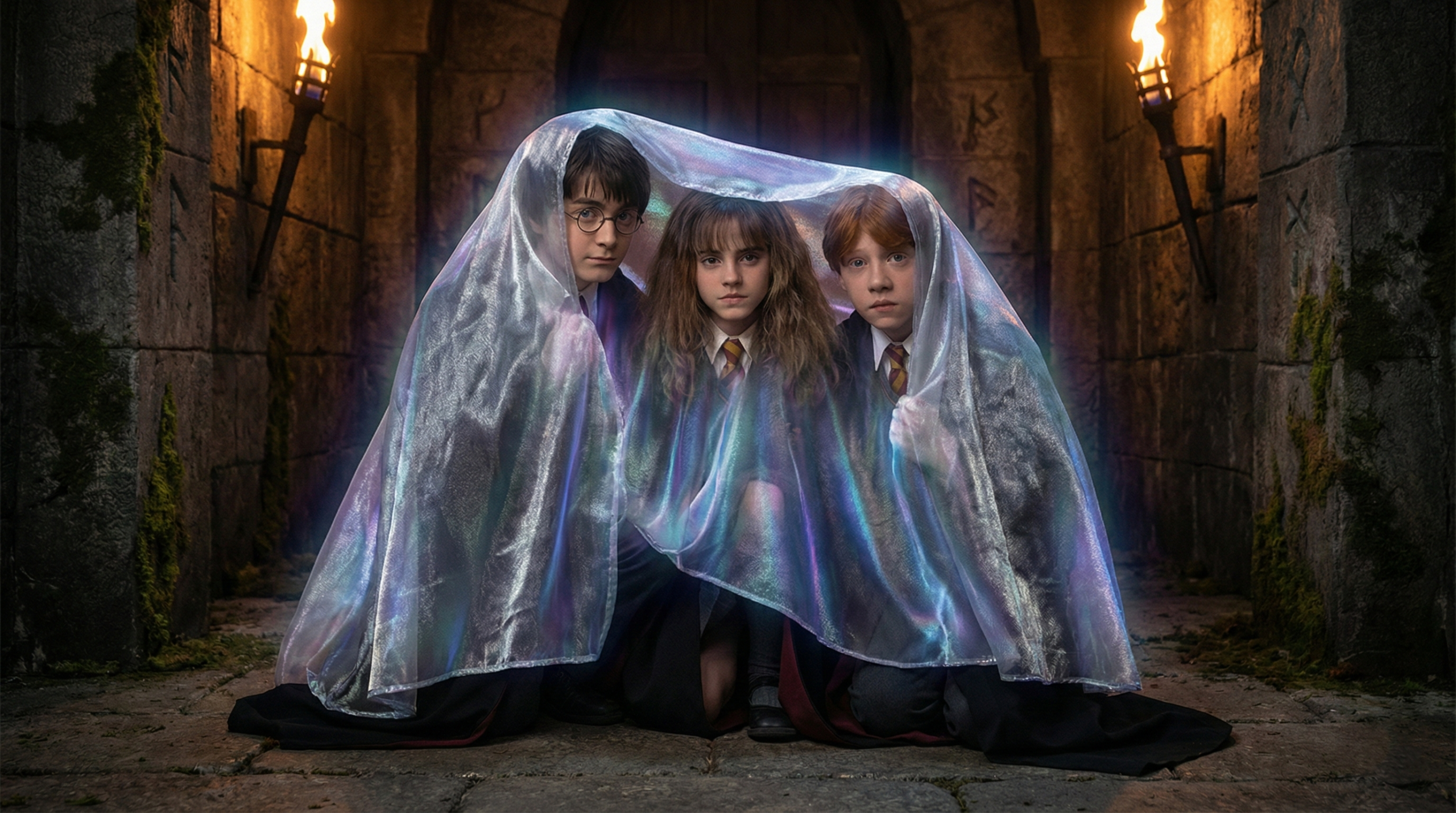
The cloak covers whatever fits beneath it, though it doesn’t magically expand. Harry often notes the awkwardness of huddling with friends—Ron and Hermione squeezed in tight during tense moments—or tucking in stray limbs to avoid exposure.
Hidden Abilities – Protection and Shielding
Albus Dumbledore reveals one of its most profound qualities: the cloak’s magic extends beyond mere hiding. “It really and truly renders the wearer completely invisible,” he explains, but its deeper power lies in protection. It can shield others under its folds as effectively as its owner, fostering shared safety.
This protective aspect shines in group escapades. Harry frequently conceals friends during risky ventures, from sneaking into the Restricted Section to navigating the Battle of Hogwarts. The cloak doesn’t just conceal—it enables collective evasion and survival, aligning with its origin story of wise humility.
 Connection to Mastery of Death
The Deathly Hallows together allow one to “master death,” but not through conquest. The Elder Wand offers unbeatable power, the Resurrection Stone tempts reunion with the departed, and the Cloak enables evasion. Harry achieves mastery by willingly facing death in the Forbidden Forest, using the cloak to walk calmly toward Voldemort. He accepts mortality rather than fleeing it forever, fulfilling the youngest brother’s path: living humbly until greeting Death as an equal.
This philosophical depth elevates the cloak from a tool to a symbol of wisdom.
Iconic Moments – How the Cloak Shaped Harry’s Journey
The cloak appears in nearly every book, proving indispensable to Harry’s survival and growth.
Early Discoveries (Books 1–3)
Harry first uses it in Philosopher’s Stone to explore the Restricted Section, searching for Nicolas Flamel. The silvery fabric lets him slip past Filch and Mrs. Norris, though the cat’s keen sense of smell nearly gives him away.
In Chamber of Secrets, he and Ron sneak to Hagrid’s hut to follow the trail of spiders into the Forbidden Forest. The cloak hides them from prying eyes while they uncover the basilisk mystery.
Prisoner of Azkaban sees Harry using it alongside the Time-Turner for daring rescues, including saving Buckbeak and Sirius. The cloak becomes synonymous with his mischief-making heritage from James Potter.
 Pivotal Uses in Later Books
During the Triwizard Tournament in Goblet of Fire, Harry hides under the cloak to observe the dragons, gathering crucial intel for the First Task. Later, it conceals him during tense confrontations, like eavesdropping in the Hogwarts corridors.
In Order of the Phoenix, the cloak aids covert meetings with Sirius via Umbridge’s office and escapes from Dolores’s watchful regime.
Half-Blood Prince features memorable moments: Harry sneaks into the Room of Requirement and endures a Sectumsempra curse from Draco—proof that the cloak doesn’t block physical or magical attacks aimed blindly.
Climax in Deathly Hallows
The cloak reaches its narrative peak during the final book. Harry uses it for the Gringotts break-in (disguising the trio as they navigate the high-security vault), during the Battle of Hogwarts (moving unseen through chaos to reach the Ravenclaw common room), and most poignantly, when he walks to his “death” in the Forbidden Forest.
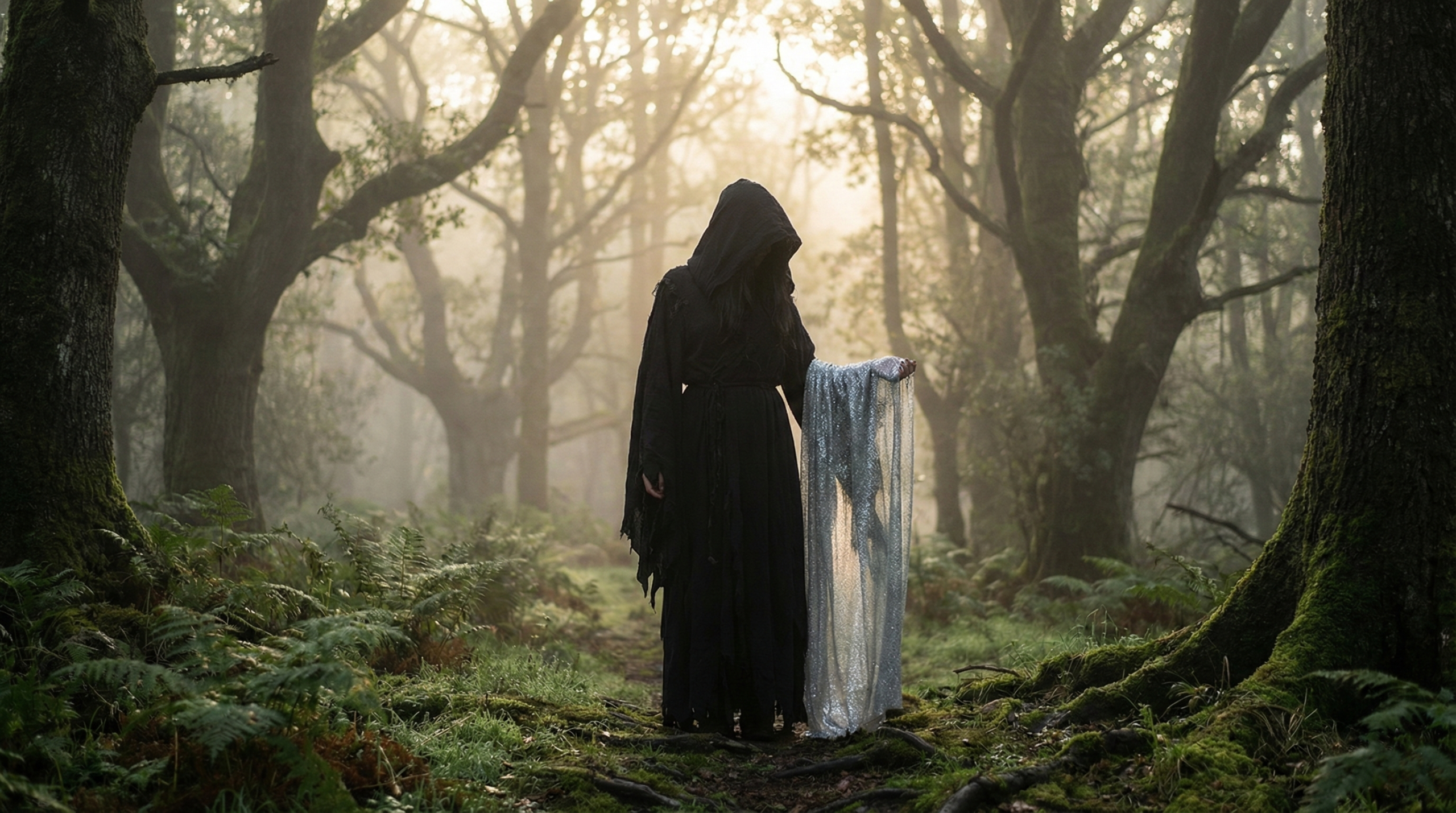
In that forest scene, Harry drapes the cloak over himself one last time before dropping it to face Voldemort unarmed. After surviving, he chooses to keep only the cloak—discarding the other Hallows—proving his alignment with humility and protection over domination.
These moments illustrate why the cloak feels essential: it empowers Harry’s cleverness, loyalty, and moral choices.
Popular Fan Theories and Debates About the Cloak
The cloak inspires endless discussion among Potterheads.
The “Veil Between Life and Death” Theory
One compelling fan theory posits that the cloak doesn’t merely bend light—it shifts the wearer into a liminal space between life and death, akin to a portable version of the Veil in the Department of Mysteries. This would explain its eternal nature: it’s not charmed fabric but a boundary-crossing artifact. Proponents point to Thestrals (visible only to those who’ve seen death) and suggest possible Thestral-hide origins for enhanced invisibility tied to death magic.
While intriguing, canon doesn’t confirm this—Dumbledore calls the Hallows likely human creations. Still, the idea adds poetic depth to why the cloak “hides from Death” itself.
Does It Truly Make You “Unfindable”?
Debates rage over detection “failures.” Moody’s magical eye sees Harry in Goblet of Fire, Mrs. Norris smells him, the Marauder’s Map reveals his name, and Dementors sense emotion. Some fans argue these aren’t flaws but features: the cloak excels at optical invisibility, not erasing all traces. Others theorize early books (pre-Hallows reveal) treated invisibility more generically, creating minor inconsistencies Rowling later refined.
A popular counter-theory claims the cloak’s true power is “protection”—failures occur when detection bypasses sight entirely, reinforcing its humble design.
Why It Worked Best for Harry
Many believe the cloak bonds with “worthy” owners. Harry’s humility mirrors Ignotus Peverell’s, allowing full potential. Unlike greedy seekers of the other Hallows, Harry uses it to protect friends, never for personal gain.
Symbolism and Deeper Meaning in the Harry Potter Series
The cloak embodies core series themes.
Humility vs. Power – The Lesson of the Youngest Brother
The Elder Wand symbolizes destructive ambition, the Resurrection Stone denial of loss, and the Cloak wise acceptance. Ignotus lives longest and happiest by evading rather than challenging death. Harry echoes this: he survives by choosing love, friendship, and sacrifice over power.
Themes of Protection, Friendship, and Sacrifice
The cloak’s ability to shield multiple people underscores friendship’s strength. Harry rarely uses it alone—he shares it, symbolizing trust and collective resistance against darkness. Its final retention by Harry (passed eventually to his children) represents enduring hope and humility in the wizarding world.
 FAQs About Harry Potter’s Cloak of Invisibility
Why could Moody see through it?
Moody’s magical eye perceives magically, not optically. The cloak defeats normal sight but not all supernatural detection.
Is it indestructible?
It resists jinxes, hexes, and aging, remaining pristine for centuries. No canon damage occurs, but it’s not explicitly indestructible.
Could it protect against the Killing Curse?
No. It doesn’t block spells hitting the wearer—only conceals. Avada Kedavra would strike normally.
What happened to it after the series?
Harry keeps it. In Cursed Child, Albus Potter uses it for mischief, suggesting it passes down the family line.
Are there real-world invisibility cloaks inspired by it?
Yes—scientists have developed metamaterial “cloaks” bending light, though far from perfect like Harry’s.
How does it compare to a Disillusionment Charm?
Disillusionment mimics surroundings but can fail under scrutiny or wear off. The cloak offers superior, permanent optical invisibility.
Does it hide sounds or smells?
No. Harry must stay quiet, and animals like Mrs. Norris detect scent.
Why didn’t they use it more in the final battle?
Its size limits group coverage in chaos, and Harry prioritizes direct confrontation.
Is it the most useful Hallow?
Many fans argue yes—practical, shareable, and aligned with Harry’s values.
Harry Potter’s Cloak of Invisibility stands as the most special of the Deathly Hallows because it prioritizes wisdom over conquest. Its eternal durability, flawless concealment, and protective qualities make it unmatched among wizarding invisibility methods—whether Demiguise-hair garments, fading charmed cloaks, or temporary spells.
Yet its true magic lies in what it represents: humility, protection of others, and graceful acceptance of life’s limits. In a series full of powerful artifacts tempting domination, the cloak teaches that real strength comes from cleverness, friendship, and choosing when to hide—and when to stand revealed.
Harry’s journey with the cloak—from Christmas surprise to final Forest walk—mirrors his growth from orphaned boy to Master of Death. What’s your favorite moment with the cloak? Share in the comments below, and explore more deep dives into Harry Potter lore on the blog!