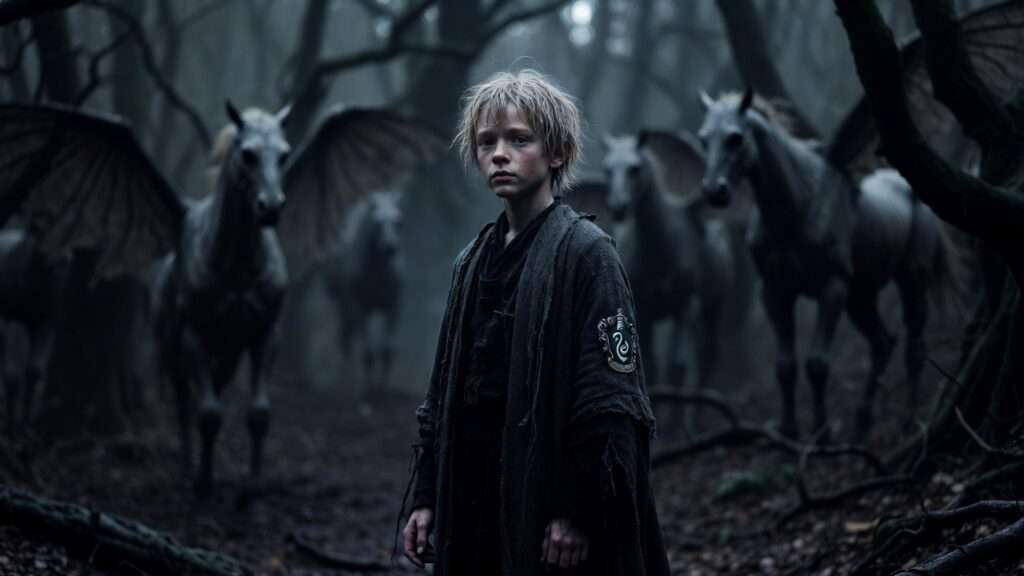
In the vast, intricate world of J.K. Rowling’s Harry Potter series, some characters linger in the shadows, mentioned only in passing yet carrying an aura of untapped depth. Theodore Nott—often simply “Nott” in early references—is one such enigma. A Slytherin student in Harry Potter’s year, he appears fleetingly across the books, yet his sparse details have sparked endless fascination among fans. Harry Potter Nott stands out as the mysterious Slytherin who could see Thestrals (indicating he had witnessed death) and deliberately distanced himself from Draco Malfoy’s bullying entourage.
Why does a character with no spoken dialogue and minimal screen time captivate so many? The answer lies in his tragic undertones, intellectual reputation, and status as a near-blank slate—perfect for exploration in fan theories, headcanons, and fiction. This comprehensive guide dives deep into Theodore Nott’s canon presence, J.K. Rowling’s extra revelations, inferred personality traits, and his explosive rise in the fandom. Whether you’re revisiting the books, preparing for the upcoming HBO series, or simply curious about overlooked Slytherins, this article compiles everything worth knowing—and more—into one authoritative resource.
Who Is Theodore Nott? The Basics from Canon
Theodore Nott first appears unnamed during the Sorting Ceremony in Harry Potter and the Philosopher’s Stone (also known as Sorcerer’s Stone). As the Hat calls out names, “Nott” is sorted into Slytherin alongside familiar figures like Draco Malfoy. This brief mention establishes him as part of Harry’s year group, but he vanishes from the narrative for several books.
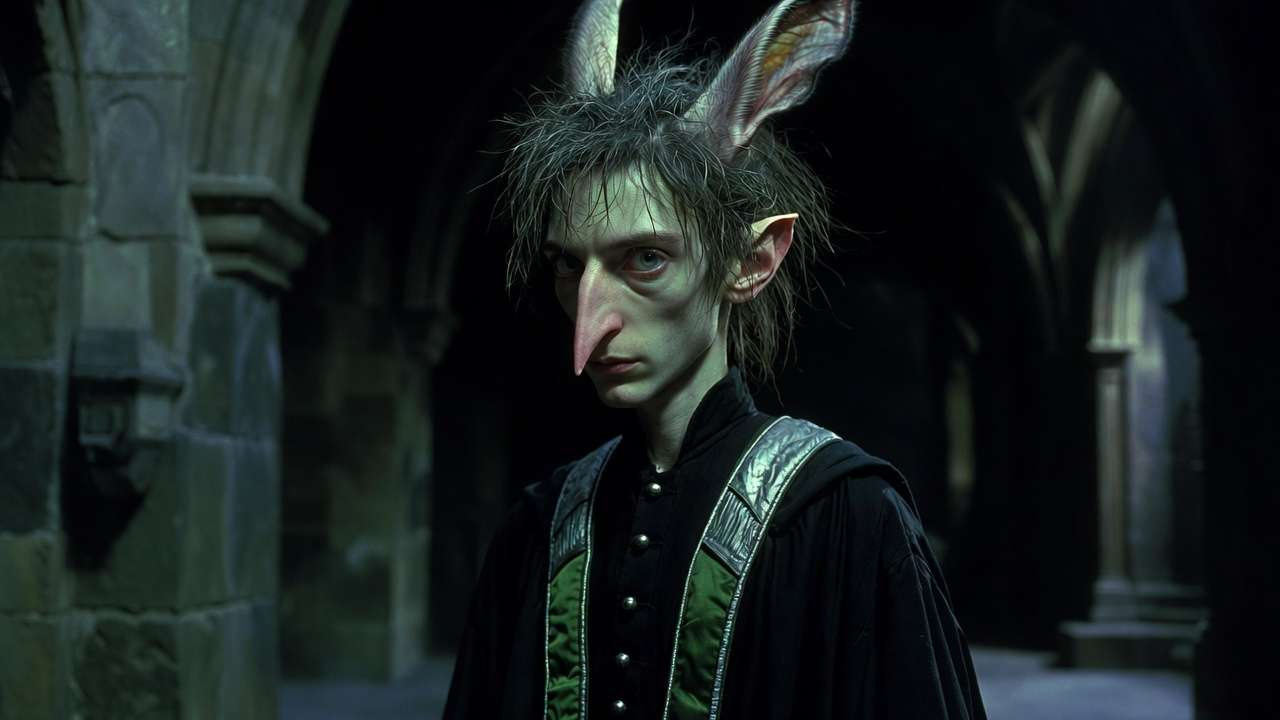
His full identity emerges in Harry Potter and the Order of the Phoenix. Hermione identifies a “weedy-looking boy” as Theodore Nott during a library scene where he huddles with Draco, Crabbe, and Goyle after Harry’s Quibbler interview exposes their fathers as Death Eaters. Descriptions paint him as tall, thin, and somewhat rabbity—traits that align with the “stringy Slytherin boy” noted elsewhere.
Theodore hails from the ancient Nott family, listed among the Sacred Twenty-Eight pure-blood lines. His father, an elderly Death Eater (arrested following the Battle of the Department of Mysteries), raised him alone after his mother’s death. This widower status and pure-blood heritage tie the family to Voldemort’s ideology of supremacy, though Theodore’s personal involvement remains ambiguous.
The Key Canon Moments That Define Theodore Nott
Witnessing Death – Why Theodore Nott Can See Thestrals
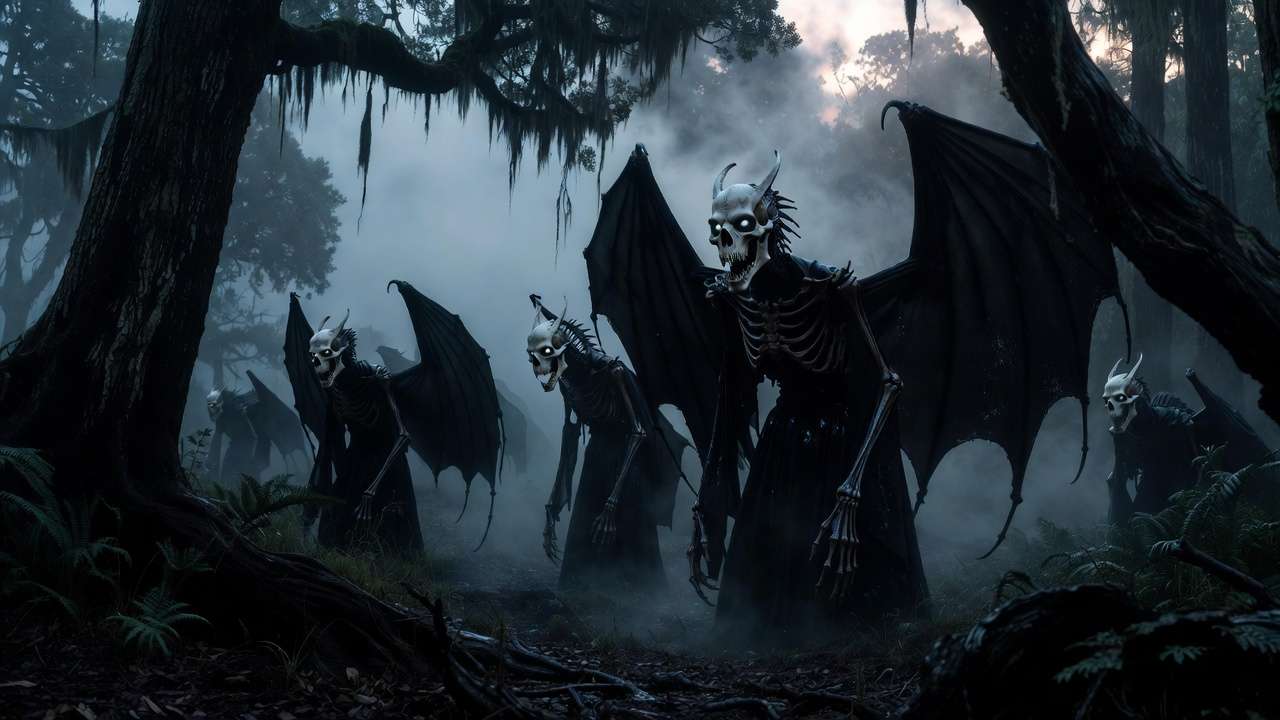
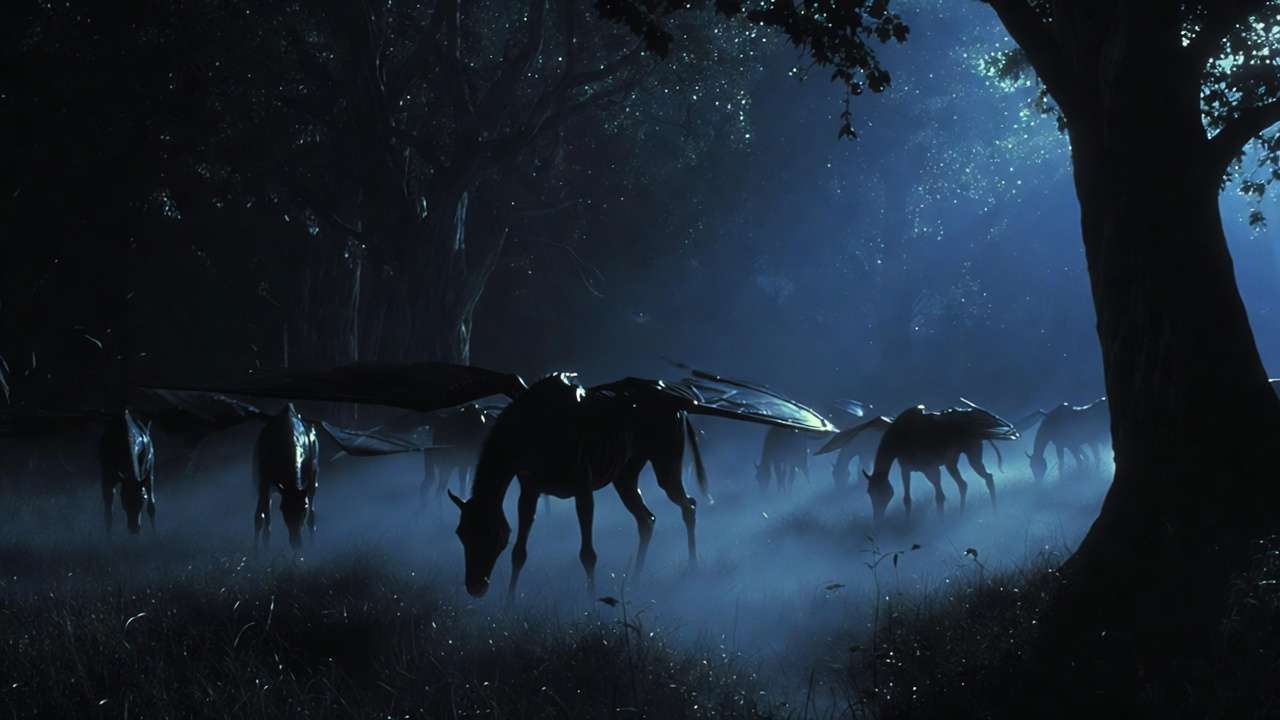
One of the most poignant details about Theodore comes during a fifth-year Care of Magical Creatures lesson in Order of the Phoenix. Hagrid introduces Thestrals—skeletal, winged horses visible only to those who have witnessed and comprehended death. While most students see nothing, a few—including Harry (after Cedric Diggory’s death), Luna Lovegood, Neville Longbottom (after his parents’ torture), and a “stringy Slytherin boy”—can perceive them.
Rowling confirmed in 2004 (responding to fan inquiries via Mugglenet and The Harry Potter Lexicon) that this stringy boy is Theodore Nott. His distasteful expression while watching the creatures eat underscores the emotional weight. Given his mother’s death and his father’s status as a widower, it’s widely inferred that Theodore witnessed her passing—possibly firsthand—granting him this grim ability. This shared experience with Harry creates an unspoken parallel: two boys from opposing houses, both marked by early loss.
The “Clever Loner” Who Avoided Malfoy’s Gang
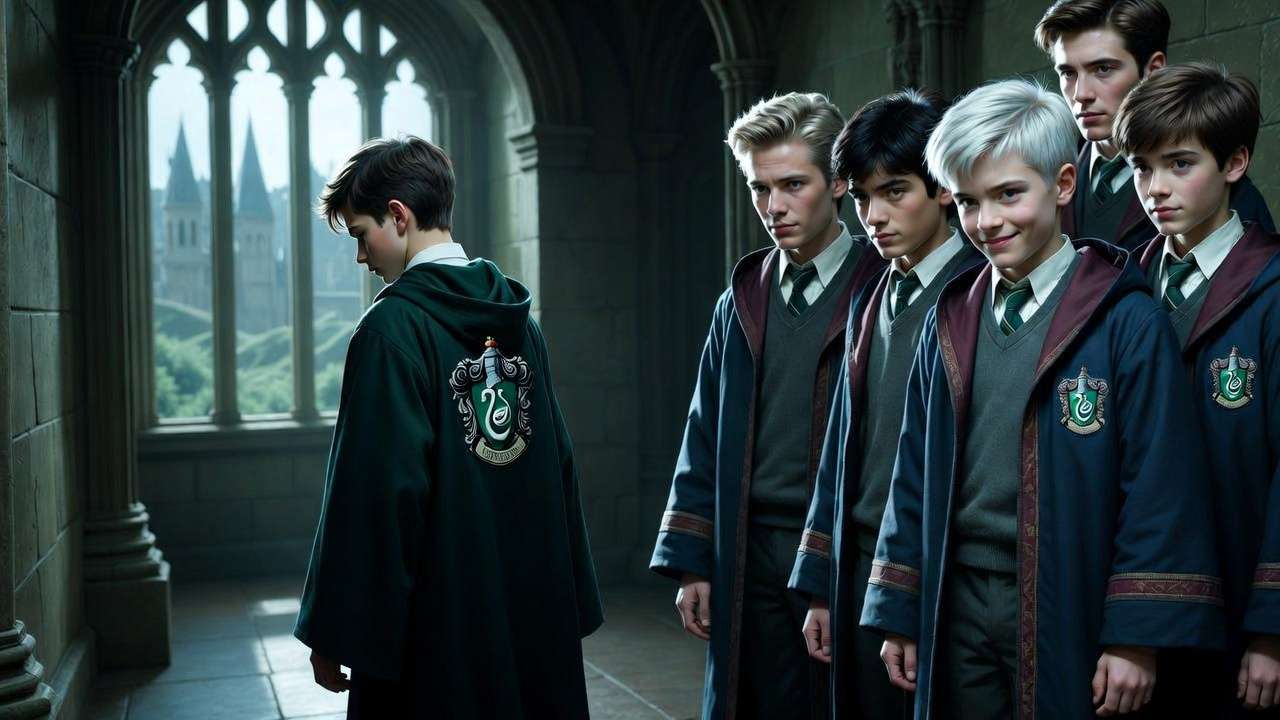
J.K. Rowling provided crucial insight on her old official website (archived extras from around 2004-2005). She described Theodore as a “clever loner who does not feel the need to join gangs, including Malfoy’s.” Raised by an elderly Death Eater father, he is portrayed as independent and intellectually sharp—qualities that set him apart from Draco’s sycophantic followers.
Rowling mentioned cutting a scene twice (intended for Chamber of Secrets and Goblet of Fire) where Theodore visits Malfoy Manor with his father. In it, Draco and Theodore converse as equals in the garden—discussing Dumbledore’s Hogwarts, Harry Potter’s survival, and Death Eater gossip. Draco, rarely viewing anyone as a peer, recognizes Theodore’s pure-blood status and superior cleverness. Though unpublished, this glimpse highlights Theodore’s detachment from toxic group dynamics.
Other moments include brief associations: whispering with Draco’s group post-interview and appearing in Potions class references in Half-Blood Prince. Yet he never fully aligns with the bullies, reinforcing his loner archetype.
Theodore Nott’s Personality and Traits – What We Know and Infer
Intelligence and Inventiveness

Rowling repeatedly calls Theodore “particularly clever.” While canon shows no direct feats, his avoidance of Malfoy’s antics suggests strategic thinking—cunning without cruelty, a purer expression of Slytherin values like ambition and resourcefulness.
In extended lore (such as Harry Potter and the Cursed Child, where an older Theodore crafts illegal Time-Turners), fans extrapolate inventiveness. Though Cursed Child expands his role minimally, it aligns with Rowling’s hints of untapped potential.
Solitude, Cynicism, and Potential for Nuance
Theodore’s independence may stem from trauma: losing his mother young, growing up under a Death Eater father’s influence, yet rejecting gang mentality. This could indicate cynicism toward pure-blood dogma or a quiet superiority complex—believing himself above petty bullying.
His traits embody nuanced Slytherin: protective of self-preservation, intellectually driven, and morally gray rather than overtly villainous. Unlike Draco’s performative cruelty, Theodore’s silence suggests observation over action.
Theodore Nott in the Wider Wizarding World
Role During the Second Wizarding War
Theodore’s father is imprisoned after the Department of Mysteries battle. Theodore himself is excluded from Slughorn’s Slug Club (likely due to family stigma) and shows no confirmed Death Eater activity—unlike many Slytherins. His post-Hogwarts fate remains open-ended in canon, leaving room for speculation: did he fight, flee, or quietly reject Voldemort?
Why He’s Absent from the Films
The movies omit Theodore entirely—no casting, no lines. His minor role and lack of dramatic scenes made him expendable in adaptations focused on core plots. This absence fuels fan desire for deeper exploration in future projects.
The Fan Phenomenon – Why Theodore Nott Exploded in Popularity
The Ultimate Blank Slate Character
With minimal canon details—no dialogue, limited actions— Theodore is a perfect canvas. Fans fill gaps with rich backstories: trauma from his mother’s death shaping his cynicism, hidden talents in advanced magic, or moral redemption arcs.
Prominence in Fanfiction and Fandom
On Archive of Our Own (AO3), Theodore Nott features in over 28,000 works (as of recent stats), with popular ships like Theomione (Theo/Hermione), NottPott (Theo/Harry), and pairings with Draco or original characters. He’s a staple in Slytherin friend-group fics, Dramione extensions, and “good Slytherin” tropes. His loner status allows portrayals as brooding intellectuals or anti-heroes.
Common tropes include Thestrals-linked trauma leading to healer paths, secret alliances, or quiet resistance during the war. AO3 stats show consistent growth, especially post-2010s TikTok and Tumblr revivals.
Headcanons and Theories That Fans Love
- Trauma from witnessing his mother’s death fosters empathy or detachment.
- Intellectual rivalry with Draco, hidden talents in potions or charms.
- Comparisons to Blaise Zabini (aloof pure-blood) or other overlooked Slytherins.
Theodore Nott vs. Other Slytherins – A Comparison
- Vs. Draco Malfoy: Draco leads with bravado and seeks validation; Theodore rejects gangs, prioritizing intellect over popularity.
- Vs. Blaise Zabini: Both aloof and pure-blood, but Blaise is more socially smooth; Theodore is stringy, solitary, and trauma-marked.
- Vs. Pansy Parkinson: Pansy embraces clique toxicity; Theodore avoids it entirely.
This contrast highlights Theodore’s unique position: Slytherin ambition without malice.
What the HBO Harry Potter Series Could Do with Theodore Nott
The upcoming HBO adaptation promises faithful yet expanded storytelling. Minor characters like Theodore could gain depth—perhaps scenes showing his Thestrals vision, family dynamics, or wartime choices. With fresh casting, his enigmatic presence might resonate with new generations.
FAQs About Theodore Nott
Is Theodore Nott a Death Eater? No, there is no canonical evidence that Theodore Nott ever became a Death Eater. His father was a confirmed Death Eater who was arrested and imprisoned in Azkaban following the Battle of the Department of Mysteries in Order of the Phoenix. Theodore himself is never shown taking the Dark Mark, participating in Death Eater activities, or fighting for Voldemort during the Battle of Hogwarts. Many fans interpret his deliberate distance from Draco Malfoy’s gang and his loner personality as signs that he rejected (or at least did not embrace) his father’s ideology.
Why can Theodore Nott see Thestrals? Theodore can see Thestrals because he has witnessed and comprehended death—specifically, the death of his mother. J.K. Rowling explicitly confirmed this connection in response to fan questions in the mid-2000s (via old website extras and interviews archived by sites like The Harry Potter Lexicon). His mother died when he was young, and it is strongly implied that he was present or directly aware of the circumstances, leaving him with the ability to see the skeletal winged horses.
Is Theodore Nott in the Harry Potter movies? No. Theodore Nott does not appear in any of the eight Harry Potter films. His role is so minor in the books—limited to background mentions and one descriptive scene—that the filmmakers omitted him entirely. No actor was ever cast in the part, and he has no dialogue or named scenes in the adaptations.
What house is Theodore Nott in? Theodore Nott is a Slytherin. He was sorted into Slytherin during the Sorting Ceremony in Harry Potter and the Philosopher’s Stone, alongside Draco Malfoy, Vincent Crabbe, Gregory Goyle, Pansy Parkinson, and others from Harry’s year.
Did Theodore Nott fight in the Battle of Hogwarts? Canon does not specify. Theodore is not mentioned among the students who stayed to fight, nor is he listed among those who fled or joined the Death Eaters. His absence from major battle scenes leaves his allegiance and actions during the final confrontation open to interpretation. Some fans headcanon that he quietly left Hogwarts or chose neutrality, consistent with his loner nature.
What is Theodore Nott’s full name and blood status? His full name is Theodore Nott. He is a pure-blood wizard, born into the Nott family—one of the Sacred Twenty-Eight ancient pure-blood lines recognized in the wizarding world. His father’s status as a Death Eater and his mother’s early death complete the known family picture.
Expert Insights: Theodore Nott Through J.K. Rowling’s Own Words
J.K. Rowling has spoken about Theodore several times over the years, mostly in now-archived website notes, interviews, and responses to fan mail:
- “Theodore Nott was a clever loner who does not feel the need to join gangs, including Malfoy’s.” (Old Pottermore/website extra, circa 2005)
- She described him physically as “tall, thin, stringy, with a slightly rabbity look.”
- When asked why he could see Thestrals, she confirmed it was due to witnessing his mother’s death.
- She once noted that she had written (but cut) scenes of Theodore visiting Malfoy Manor with his father, where he and Draco spoke as near-equals—something rare for Draco, who usually looked down on almost everyone.
These small crumbs of information from the author herself are the primary reason Theodore has become such a popular character despite his minimal page time.
Theodore Nott’s Legacy: Why Minor Characters Matter
The Harry Potter series is filled with richly imagined minor characters who add texture to the wizarding world. Theodore Nott exemplifies this perfectly: a boy shaped by loss, raised in a toxic ideology, yet choosing solitude and intellect over cruelty. His story—however brief—mirrors larger themes of the books: the impact of early trauma, the possibility of moral complexity within “dark” houses, and the idea that not every Slytherin is irredeemable.
In many ways, Theodore represents the road not taken. He could have become another Draco—arrogant, vicious, loyal to Voldemort—or he could have quietly rebelled. The fact that canon leaves both possibilities open is what makes him endlessly fascinating.
For readers and writers alike, Theodore Nott is proof that even the quietest names on the class list can carry entire untold stories.
Whether you’re a long-time Potterhead revisiting the books, a fanfiction reader diving into Slytherin-centric stories, or someone excited about the HBO series potentially expanding minor roles, Theodore Nott offers one of the franchise’s most intriguing blank canvases.
He saw death before most of his classmates understood it. He walked away from the easiest path to power and belonging. He carried his secrets in silence.
In a world full of loud heroes and louder villains, Theodore Nott reminds us that some of the most compelling characters never speak at all.
What do you think happened to Theodore after the war? Do you have a favorite fanfiction or headcanon about him? Drop your thoughts in the comments—I’d love to hear them. And if you enjoyed this deep dive, check out our other guides on underrated Slytherins, the symbolism of Thestrals, and the Sacred Twenty-Eight families.
Theodore Nott remains one of Harry Potter’s most intriguing mysteries: a Slytherin who saw death early, shunned toxic alliances, and carried quiet intelligence amid chaos. From sparse canon mentions to Rowling’s affectionate notes about his untapped backstory, he symbolizes the series’ depth—minor figures with profound potential.
In a fandom craving nuance beyond heroes and villains, Theodore endures as a symbol of complexity. What are your thoughts on this overlooked character? Share favorite headcanons below, and explore more on underrated Slytherins or Thestrals’ symbolism in our other articles.