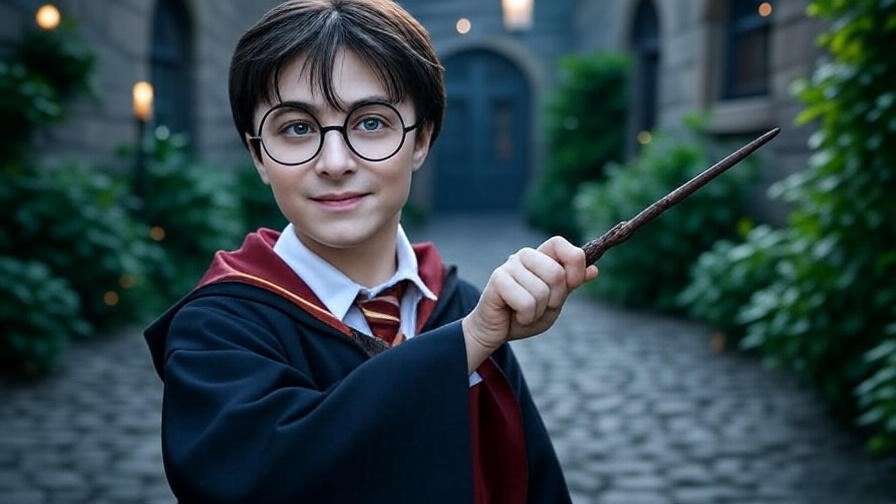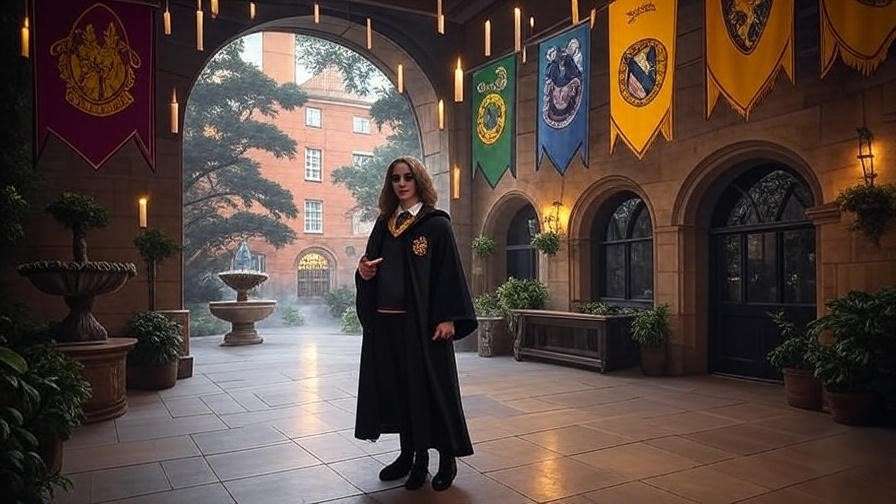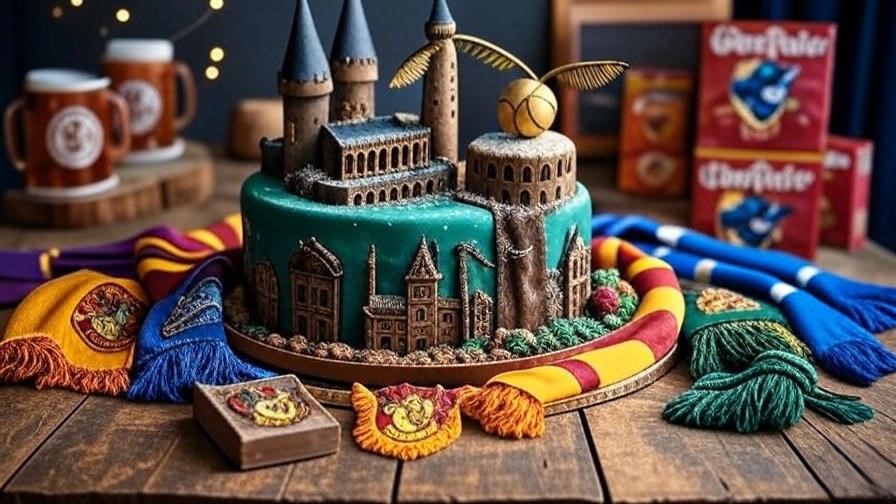

Imagine stepping off the Hogwarts Express for the first time, the Great Hall looming ahead, candles floating overhead, and the ancient Sorting Hat about to declare your place in one of the four legendary Harry Potter groups—the Hogwarts Houses. In that single moment, your friends, rivals, values, and even your path through the wizarding world are shaped forever. Whether you’re a first-time reader discovering J.K. Rowling’s magical universe or a lifelong fan revisiting the lore, understanding these houses unlocks deeper layers of the story, characters, and themes that make Harry Potter timeless.
The Hogwarts Houses—Gryffindor, Hufflepuff, Ravenclaw, and Slytherin—are far more than dormitories or sports teams. They represent core human qualities: courage, loyalty, intellect, and ambition. Millions search for “Harry Potter groups” to learn exactly what each house stands for, why characters end up where they do, and how these divisions drive the narrative’s conflicts and triumphs. This comprehensive guide draws from the original books, films, official Wizarding World insights (formerly Pottermore), J.K. Rowling’s writings, and canonical details to provide the most in-depth exploration available. We’ll cover history, symbolism, traits (including often-overlooked nuances), famous members, misconceptions, inter-house relationships, real-world applications, and self-reflection tools—going beyond surface-level lists to reveal why no house is superior, and how they together embody the full spectrum of wizarding (and human) excellence.
The Origins of Hogwarts Houses: A Brief History
Hogwarts School of Witchcraft and Wizardry was founded over a thousand years ago, around the 10th century, by four of the greatest witches and wizards of the age: Godric Gryffindor, Helga Hufflepuff, Rowena Ravenclaw, and Salazar Slytherin. United by a shared vision to educate young magical folk safely and nurture their talents, they built the castle together in the Scottish Highlands.
Each founder valued different qualities in students. Gryffindor prized bravery and chivalry; Ravenclaw sought intelligence and creativity; Hufflepuff embraced hard work, patience, and fairness for all; Slytherin emphasized ambition, cunning, and resourcefulness—particularly favoring those of pure-blood heritage. This last preference sparked tension. Slytherin, fearing Muggle-born witches and wizards would endanger the magical community, argued for excluding them. The other three founders rejected this, leading to Slytherin’s dramatic departure. Despite the rift, his house endured.
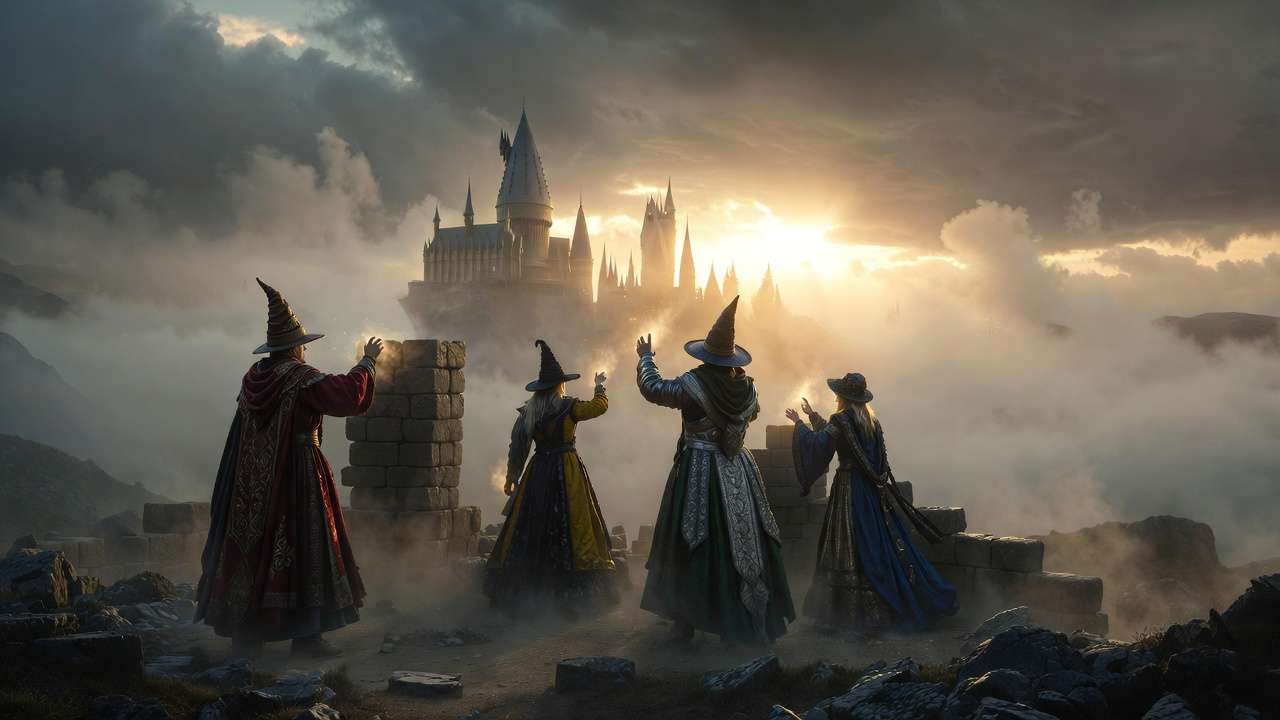 To ensure fair sorting after their deaths, the founders enchanted Godric Gryffindor’s hat. Infused with their combined wisdom, the Sorting Hat became a living relic—able to peer into minds, sing prophetic songs, and assign students based on their deepest values and potential, not just traits they already exhibited.
Over centuries, the houses evolved while staying true to their founders’ ideals. The Sorting Hat’s annual songs often warn of unity or division, reminding students that the houses’ strengths complement each other—especially in times of crisis, as seen during Voldemort’s rise.
How Sorting Works: Beyond the Hat’s Song
The Sorting Ceremony remains one of Hogwarts’ most anticipated traditions. First-years sit on a stool as the tattered Sorting Hat is placed on their head. It delves into their thoughts, weighing what they value most: do they prize daring above all, or do they seek knowledge for its own sake? The Hat considers not just innate qualities but choices and potential growth.
The Hat sorts based on the house the student would thrive in and contribute to most. This explains “Hatstalls”—rare cases where the Hat debates between two houses (Hermione Granger was nearly Ravenclaw before Gryffindor; Peter Pettigrew might have fit elsewhere). Character development can also influence perception: Neville Longbottom starts timid but grows into quintessential Gryffindor courage.
The official Wizarding World Sorting Quiz (created with J.K. Rowling’s input) mirrors this psychology, asking questions about preferences and reactions under pressure. It reveals that sorting often aligns with self-perception and aspirations more than surface personality.
In-Depth Breakdown of Each Hogwarts House
Gryffindor: The House of Courage and Daring
Founded by Godric Gryffindor, this house embodies bravery, nerve, chivalry, and a willingness to stand against injustice. Its symbol is the lion—fierce and protective—while scarlet and gold colors evoke fire, passion, and energy. The house relic is the Sword of Gryffindor, goblin-made and appearing only to true Gryffindors in need.
Gryffindors excel in leadership during crises, heroism, and defending the vulnerable. Strengths include bold action and moral conviction. However, common weaknesses involve recklessness, impulsiveness, and occasional glory-seeking—traits that can lead to unnecessary risks.
 Famous members include Harry Potter (the Boy Who Lived), Hermione Granger (brilliant but daring), Ron Weasley (loyal friend), Albus Dumbledore (strategic courage), Minerva McGonagall (fierce protector), Sirius Black (rebellious spirit), and Neville Longbottom (whose growth from insecurity to destroying a Horcrux epitomizes Gryffindor evolution). James and Lily Potter also belonged here, highlighting inherited bravery.
Iconic moments: Gryffindors led charges in the Battle of Hogwarts, dominated Quidditch with daring plays, and consistently produced Order of the Phoenix members.
Hufflepuff: The House of Loyalty and Hard Work
Helga Hufflepuff founded this house on inclusivity—welcoming all backgrounds—and values hard work, patience, justice, loyalty, dedication, and kindness. The badger symbolizes tenacity and groundedness; yellow and black represent earth (wheat fields and soil), emphasizing humility and fertility.
Hufflepuffs shine in reliability, teamwork, and quiet integrity. They avoid the spotlight but deliver consistent excellence. Misconceptions label them as the “leftover” house, but they’re often the most decent and morally steadfast—Cedric Diggory’s fairness in the Triwizard Tournament exemplifies this.
 Notable members: Cedric Diggory (champion and tragic hero), Newt Scamander (dedicated Magizoologist), Nymphadora Tonks (loyal Auror), Pomona Sprout (Herbology expert), and Teddy Lupin. Many Hufflepuffs stayed to fight in the Battle of Hogwarts despite no obligation.
Their strength lies in endurance and fairness—qualities essential for any community.
Ravenclaw: The House of Wit and Wisdom
Rowena Ravenclaw established her house around the pursuit of knowledge, creativity, wit, learning, and individuality. The eagle symbol soars high, representing sharp vision and lofty thought, while the house colors—blue and bronze—evoke the air element, clarity of mind, and the open sky. The lost diadem of Ravenclaw, said to grant enhanced wisdom to its wearer, serves as the house relic (though tragically corrupted in the series).
Ravenclaws are defined by curiosity, originality, and a genuine love of learning for its own sake. They excel at complex problem-solving, innovative thinking, and seeing connections others miss. Their independence and intellectual honesty often make them eccentric or unconventional—qualities celebrated rather than criticized within the house.
 Strengths include deep analytical ability, academic excellence, and creative solutions to magical challenges. Potential weaknesses involve overthinking, emotional detachment, perfectionism, or a tendency to prioritize theory over practical action.
Prominent Ravenclaws include Luna Lovegood (whose unique perspective proves invaluable), Cho Chang (emotional yet intelligent Quidditch captain), Filius Flitwick (charms master and dueling champion), Gilderoy Lockhart (a cautionary tale of intelligence twisted by vanity), and Rowena’s own daughter Helena (the Grey Lady, whose tragic story ties into the diadem’s fate).
Ravenclaw’s emphasis on wisdom shines in moments like the house’s contributions to defensive spells during the Battle of Hogwarts and their appreciation for obscure magical theory.
Slytherin: The House of Ambition and Cunning
Salazar Slytherin created his house with a focus on ambition, resourcefulness, leadership, cunning, and a strong sense of self-preservation. The serpent represents transformation, rebirth, and shrewdness, while green and silver colors suggest water—fluid, adaptable, and deep. The locket (later one of Voldemort’s Horcruxes) was Slytherin’s house relic.
Slytherins value achievement, strategic thinking, determination, and loyalty to their chosen circle. They are often highly driven and capable of long-term planning—qualities that produce excellent leaders, innovators, and survivors.
 The house carries heavy stigma due to its association with pure-blood supremacy and Voldemort’s followers. However, canon repeatedly shows nuance: not all Slytherins are evil, and many exhibit heroic qualities. Severus Snape’s ultimate sacrifice and redemption arc, Andromeda Tonks’s defiance of family tradition to marry a Muggle-born, and Regulus Black’s secret rebellion against Voldemort demonstrate that Slytherin traits—cunning, ambition, loyalty—can serve the greater good.
Famous members include Severus Snape (the most complex character in the series), Draco Malfoy (shaped by upbringing but capable of change), Tom Riddle/Lord Voldemort (the ultimate cautionary tale of corrupted ambition), Horace Slughorn (resourceful but morally flexible), and—according to Wizarding World lore—Merlin himself, widely accepted as a Slytherin.
Slytherin’s positive legacy lies in resilience, strategic brilliance, and the understanding that self-preservation and ambition are not inherently negative when guided by principle.
Inter-House Dynamics and Rivalries
The most famous rivalry is Gryffindor vs. Slytherin—rooted in the founders’ disagreement and amplified by centuries of competition for the House Cup, Quidditch dominance, and ideological clashes. Points deductions, pranks, and Quidditch matches often intensify this tension.
Yet the books show meaningful cross-house alliances: Harry’s core friendship group spans Gryffindor, but includes Luna (Ravenclaw) and Cedric (Hufflepuff). Dumbledore’s Army draws members from every house. In the final Battle of Hogwarts, students from all houses (even many Slytherins who return to fight) unite against Voldemort.
The House Cup system rewards behavior aligned with each house’s values—daring deeds for Gryffindor, academic success for Ravenclaw, consistent effort for Hufflepuff, and clever achievements for Slytherin—creating healthy competition while underscoring that every house contributes uniquely to Hogwarts’ success.
Beyond the Books: Houses in Real Life and Pop Culture
The Hogwarts Houses have transcended fiction to become powerful personality archetypes. Fans frequently correlate them with Myers-Briggs types (Gryffindor ≈ ENFP/ESFP, Hufflepuff ≈ ISFJ/ESFJ, Ravenclaw ≈ INTP/INTJ, Slytherin ≈ ENTJ/ESTP), career paths, and leadership styles.
House pride manifests in real-world ways: themed merchandise, Common Room recreations, house-specific playlists, debates on forums, and even workplace “sorting” discussions. The 2023 Hogwarts Legacy video game expanded house choice mechanics, allowing players to experience unique house-specific quests and aesthetics.
The houses offer life lessons: Gryffindor teaches courage in the face of fear, Hufflepuff the value of quiet consistency, Ravenclaw the joy of lifelong learning, and Slytherin the power of ambition tempered by ethics.
Which House Are You? Self-Reflection Guide
While the official Wizarding World quiz is excellent, deeper self-reflection can reveal your true fit. Ask yourself:
- What do you value most in a crisis: charging in to help (Gryffindor), supporting others steadily (Hufflepuff), analyzing the situation deeply (Ravenclaw), or planning the smartest path forward (Slytherin)?
- Which trait do you admire and wish to cultivate?
- How do you handle failure or competition?
- What makes you feel most at home: bold action, loyal friendship, intellectual discovery, or personal achievement?
Many people feel they exhibit traits from multiple houses—this is normal. Your “primary” house often reflects the values you hold dearest, even if you display other qualities.
Sorting can evolve with self-awareness; the Hat chooses based on potential and aspiration, not just current behavior.
FAQs About Harry Potter Groups (Hogwarts Houses)
What is the rarest Hogwarts house?
Canon never provides official percentages, but fan consensus and Pottermore-era data suggest Ravenclaw and Slytherin are slightly less common than Gryffindor and Hufflepuff.
Can someone be sorted into multiple houses?
Yes—Hatstalls occur when the Hat seriously debates (e.g., Hermione between Gryffindor and Ravenclaw). The final choice reflects what the student values most.
Why is Slytherin often seen negatively?
The house produced Voldemort and many Death Eaters, and Slytherin’s emphasis on pure-blood ideology historically fueled prejudice. However, the books show many exceptions and complex characters.
Which house produces the most Dark wizards—and why is it nuanced?
Slytherin has the highest association due to cultural and historical factors (pure-blood focus, ambition without moral boundaries). Yet individuals choose their path—Snape and Regulus prove redemption is possible.
How do houses relate to the four classical elements?
Gryffindor = Fire (passion, energy), Hufflepuff = Earth (stability, growth), Ravenclaw = Air (intellect, freedom), Slytherin = Water (adaptability, depth).
The four Hogwarts Houses are not rivals in a zero-sum game—they are complementary pieces of a greater whole. Gryffindor’s courage needs Hufflepuff’s loyalty, Ravenclaw’s wisdom, and Slytherin’s ambition to flourish fully. The wizarding world’s greatest triumphs occur when all houses work together.
Whether you proudly wear scarlet and gold, cheer for yellow and black, treasure blue and bronze, or admire green and silver, your house reflects beautiful aspects of humanity. The true magic of J.K. Rowling’s creation lies in showing that every trait has value when used with heart and integrity.
Which house calls to you? Share in the comments below, take the official Wizarding World quiz if you haven’t already, and explore more of the rich Harry Potter lore right here on the blog.