You can watch the full breakdown of the article in this YouTube video:
The boy who lived is back, but not in the way you remember. For nearly two decades, the eight-film franchise starring Daniel Radcliffe defined the visual language of the Wizarding World, but the release of the first Harry Potter HBO series trailer for Season 1, titled Harry Potter and the Philosopher’s Stone, signals a bold new direction. This isn’t just a rehash of the movies; it is a calculated reimagining designed to capture the depth of J.K. Rowling’s original novels in a way a two-hour film never could. From the surprising casting of an American legend as Albus Dumbledore to the long-awaited focus on age-accurate characters, the series is already generating intense discussion among “Potterheads” globally.
Reclaiming the Source Material: Why the “Philosopher” Title Matters
One of the most immediate and satisfying details for book purists in the first Harry Potter HBO series trailer is the use of the original British title: The Philosopher’s Stone. For decades, the American market has known the first entry as The Sorcerer’s Stone, a change made by publishers who feared American children wouldn’t engage with the word “philosopher.”
By reverting to the original title, HBO is making a clear statement of intent: this series is for the readers. The term “Philosopher’s Stone” isn’t just a naming quirk; it is a reference to real-world alchemical legends, grounding the series in a deeper, more historical sense of magic that the “Sorcerer” label lacks. It suggests a commitment to the text that signals this will be the definitive adaptation of the source material.
A Grounded Aesthetic: The “Muggle-First” Perspective
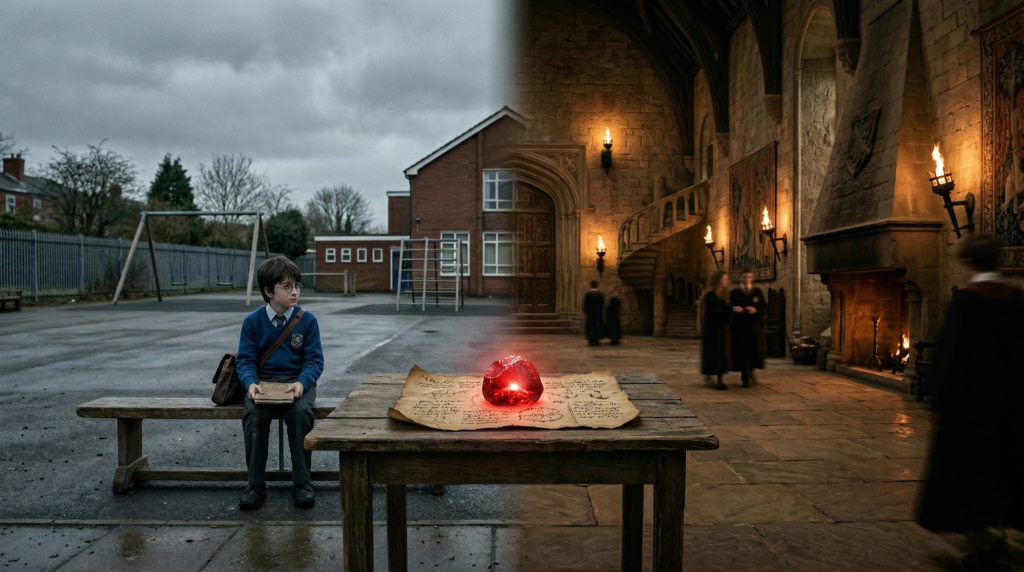
One of the most striking differences between this new series and the 2001 film adaptation is the visual tone and vibe. While the original movies felt overtly magical from the opening frame, the new trailer leans into a “muggle movie” aesthetic that slowly transitions into a magical one.
This is a brilliant narrative choice because it aligns perfectly with Harry’s own experience. In the books, Harry doesn’t live in a world of wonder; he lives in the drab, oppressive reality of 4 Privet Drive. By establishing a grounded, almost mundane visual style for Harry’s life before Hogwarts, the eventual reveal of magic becomes far more impactful. The trailer shows Harry in a “basic” school setting—likely a Muggle primary school—dealing with a bully problem. This highlights his status as an underdog, making his journey to Hogwarts feel like a genuine escape rather than just a transition to a different kind of school.
The Bully Problem: Building a Connection to the Future
The inclusion of Harry’s life at a Muggle school before he receives his letter is a detail that was largely glossed over in the films. However, the sources suggest that seeing Harry as a victim of bullying serves a much larger purpose in the long-form storytelling of a television series.
In The Half-Blood Prince, Harry enters the Pensieve and witnesses his father, James Potter, bullying a young Severus Snape. By establishing Harry’s own experience with bullies early in the first season, the series creates a powerful emotional mirror for later years. When Harry eventually realizes his father was “a swine” to Snape, the audience will have a visceral memory of Harry being in those same shoes, creating a deeper, more complex connection between the protagonist and his eventual antagonist. It moves away from the “Dumbledore’s favorite” narrative and re-establishes Harry as the underdog he was always meant to be.
Breaking the “British Only” Rule: John Lithgow as Dumbledore
Perhaps the most shocking revelation in the Harry Potter HBO series trailer is the casting of John Lithgow as Albus Dumbledore. For years, there has been an “unspoken rule” that the live-action Harry Potter universe must remain strictly British. Lithgow, an American actor, represents a significant break from this tradition.
However, the early reactions to his appearance in the trailer have been overwhelmingly positive. Lithgow brings a certain gravitas and warmth that is essential for the Headmaster of Hogwarts. His casting suggests that HBO is prioritizing performance and “vibe” over strict nationality, seeking to find the absolute best fit for these legendary roles. Lithgow’s Dumbledore looks the part—wise, slightly eccentric, and formidable—proving that the “American choice” might just be the right one for this new era of the Wizarding World.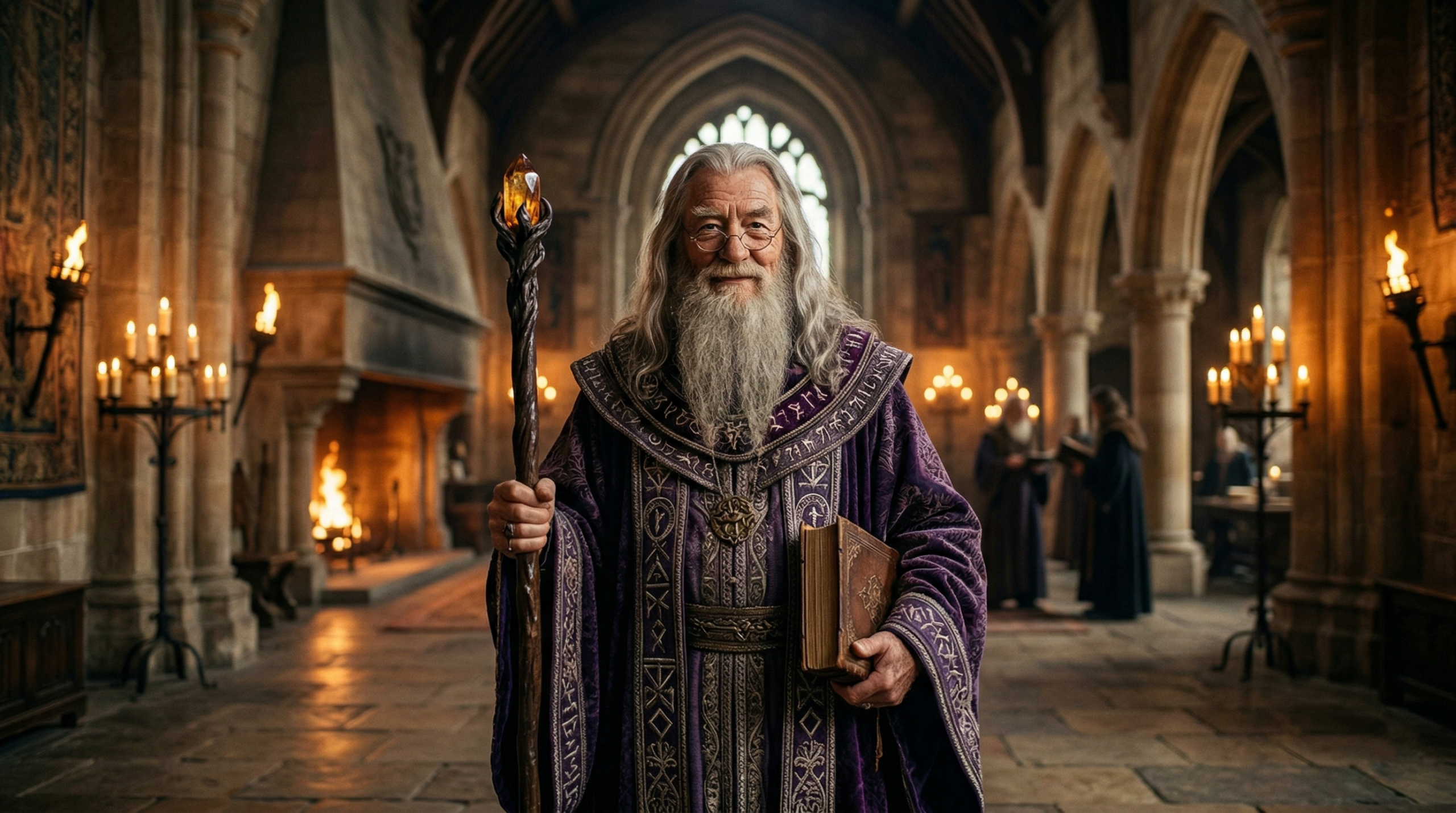
The Importance of Age-Accurate Casting
One of the most persistent criticisms of the original film franchise was the age of the adult actors. While Alan Rickman’s performance as Snape is iconic, he was significantly older than the character in the books. When Harry first arrives at Hogwarts, Severus Snape is supposed to be only 31 years old.
The new series is finally correcting this discrepancy. Seeing an actor who actually looks 31 playing Snape is vital for the narrative. At 31, Snape is not a distant, grandfatherly figure; he is a man who is only a decade and a half removed from his own school days and the trauma of losing Lily Potter.
The sources emphasize that the age gap between the adults and the students should feel like a single generation, not two. This “feeling” of age accuracy changes the dynamic of every interaction. It makes the tragedy of the Potters’ deaths feel more immediate and the bitterness of the teachers feel more grounded in recent, rather than ancient, history.
Redefining Severus Snape: The Race-Swap and the “Nick Fury” Effect
The casting of a Black actor for the role of Severus Snape has been a major point of discussion. While the character was historically portrayed as “the whitest character ever” in previous media, the shift in the HBO series is being compared to the evolution of Nick Fury in the Marvel Universe.
Decades ago, Nick Fury was white, but after Samuel L. Jackson took on the role—modeled after a reimagined version of the character—he became synonymous with the name. The expectation for the new Snape isn’t about matching a specific skin tone, but about capturing the essence of the character: a “tormented introvert” who can transition from a character the audience hates to one that eventually makes them cry. If the actor can deliver that emotional range, the physical changes will likely become secondary to the performance, much like Jackson’s Fury.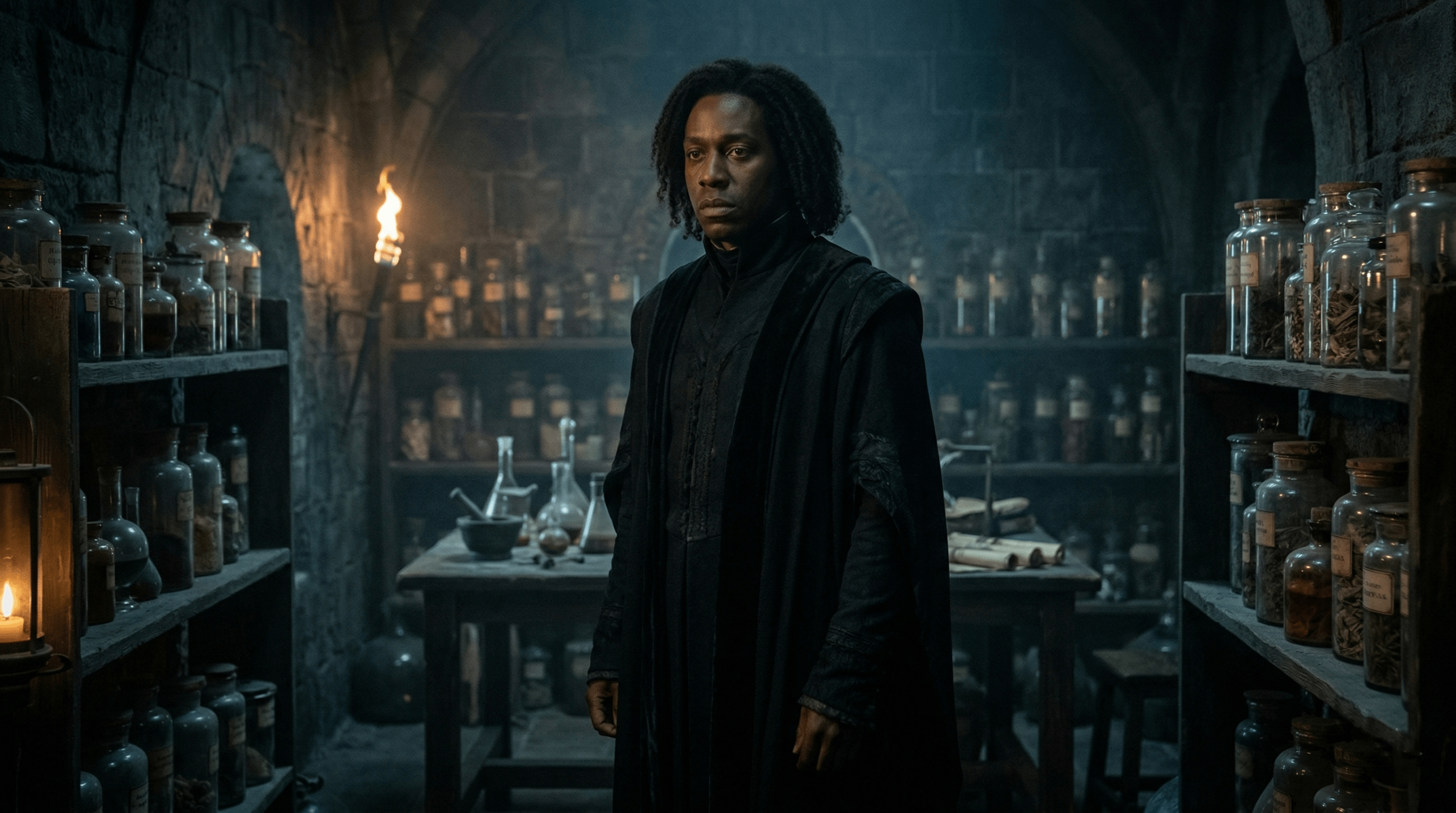
Why the TV Format Wins: Depth Over Brevity
The decision to adapt Harry Potter and the Philosopher’s Stone into a full television season rather than a single feature film is perhaps the most significant advantage of this reboot. In a two-hour movie, narrative economy often forces filmmakers to cut the “connective tissue” of the story—those quiet, character-building moments that make the Wizarding World feel lived-in.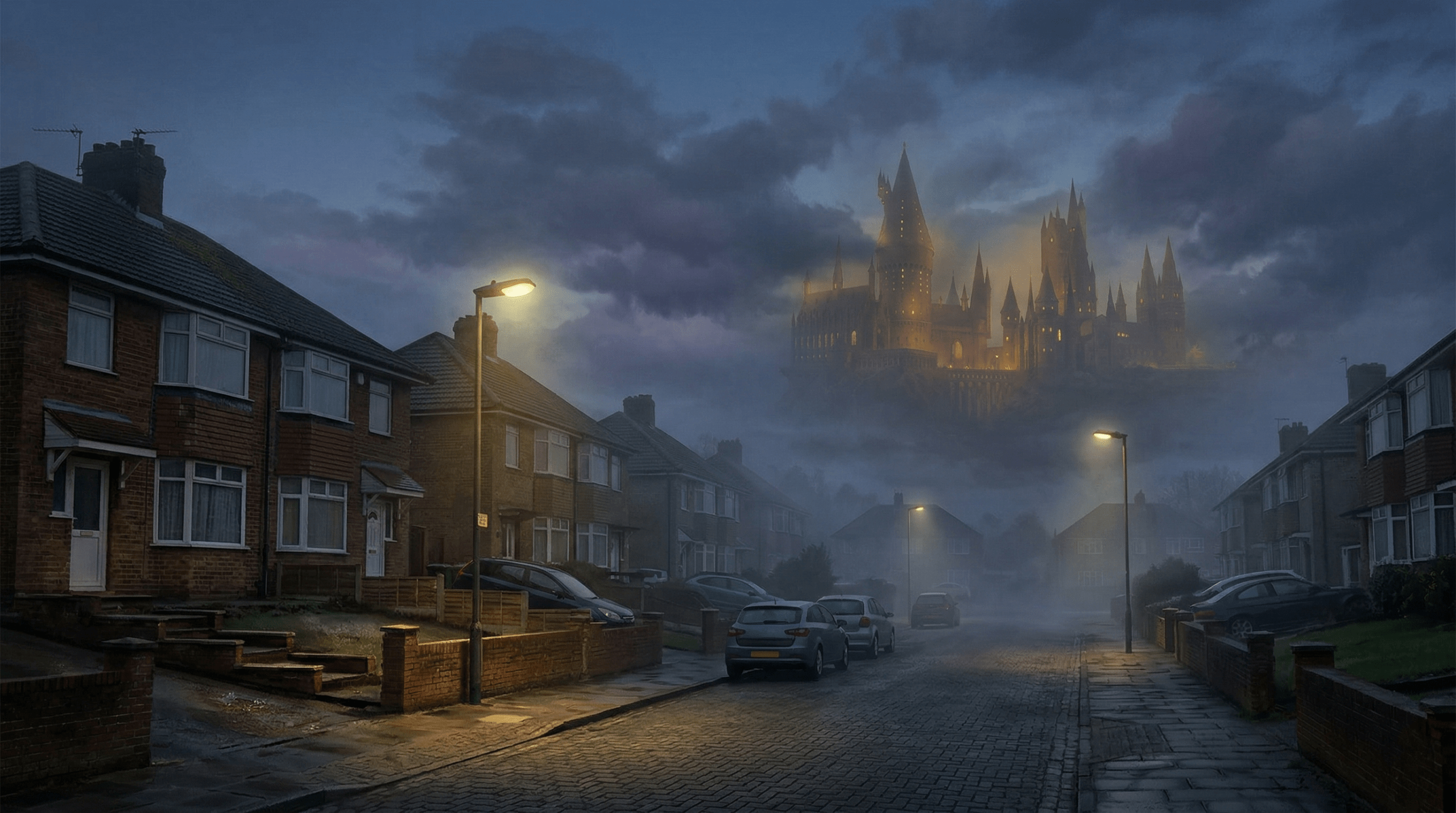
Exploring the “Unfilmable” Chapters
The Harry Potter HBO series trailer reveals scenes that many fans may not immediately recognize from the previous films, specifically Harry in a mundane, non-magical school setting. This “basic as hell” environment is crucial for establishing Harry’s life before the letter. By spending more time in the Muggle world, the series can fully explore Harry’s status as an underdog who is “getting picked on” rather than immediately being “Dumbledore’s favorite”.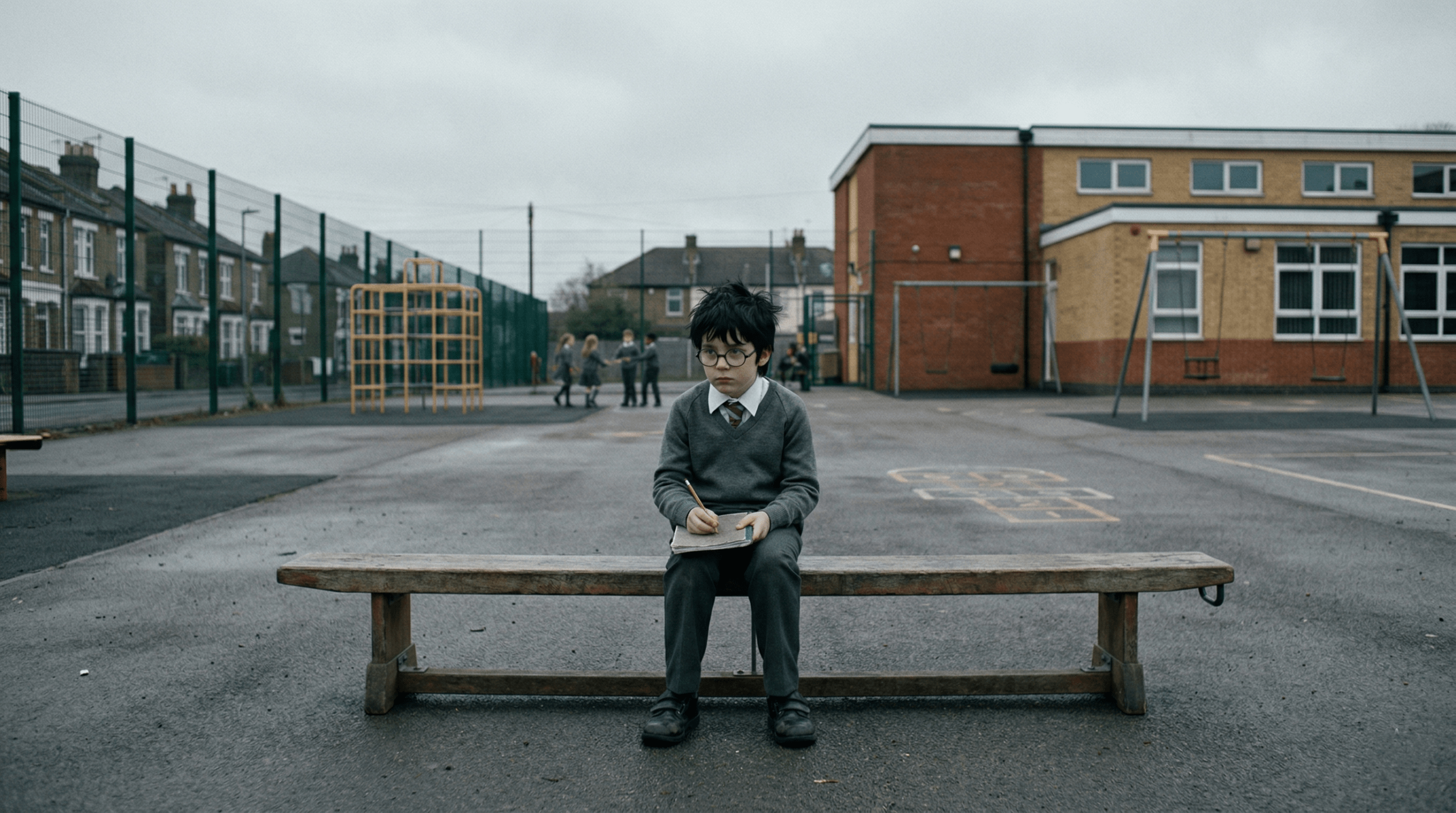
Addressing “Absolute Favoritism”
A common critique of the original films—and even the books to some extent—is the perceived “absolute favoritism” shown toward Harry by the Hogwarts faculty. A long-form series has the luxury of time to balance this. We can see more of the “extra points to Gryffindor” dynamic from the perspective of other students, making the school’s internal politics feel more nuanced and less like a scripted victory for the protagonist.
The Power of the “Tormented Introvert”: A New Snape
While the physical appearance of Severus Snape has changed in this adaptation, the core requirements of the role remains the same. The sources emphasize that the actor playing Snape is tasked with portraying a “tormented introvert”.
The Emotional Arc: From Hate to Tears
The success of the new Snape will not be measured by how closely he resembles the illustrations in the book, but by his ability to navigate the character’s complex emotional journey. The audience must be “made to hate” him initially, only for the series to eventually “make us cry” once his true motivations and history are revealed. This requires a “great actor” who can handle the subtleties of a man trapped between his past mistakes and his current responsibilities.
Lessons from the “Race-Swap” History
The comparison to Samuel L. Jackson’s Nick Fury is particularly apt here. Initially, some fans may have doubted the casting because it diverged from the established visual history of the character. However, when a performance is iconic enough, it becomes the new standard. The sources suggest that we are entering an era where the performance of the “tormented introvert” will redefine Snape for a generation that might not even remember a time when the character was portrayed differently.
Expert Tips for Fans Following the Production
As we move closer to the premiere of the Harry Potter HBO series, here are a few things expert observers recommend keeping an eye on:
- Watch for Age Consistency: The sources highlight that the age gap between Harry and the adults should be exactly the same as the gap between the actors playing them. If the series maintains this, expect the rest of the faculty (like McGonagall or Flitwick) to be cast with a similar philosophy in mind.
- The “Muggle-to-Magic” Transition: Pay attention to how the cinematography changes as Harry moves from his “basic” primary school to the halls of Hogwarts. The “muggle movie” vibe should slowly give way to the “magical world” vibe to mirror Harry’s own awakening.
- Dumbledore’s Presence: Monitor how John Lithgow balances the character’s legendary status with the more intimate, “human” moments often missing from the films.
FAQ: Everything You Need to Know
Why is it called The Philosopher’s Stone instead of The Sorcerer’s Stone?
The HBO series is using the original British title of the first book. While the American title was changed decades ago because publishers didn’t think “philosopher” sounded exciting enough for kids, the new series is leaning into the book’s authentic roots.
Who is playing Dumbledore?
In a surprising move, American actor John Lithgow has been cast as Albus Dumbledore. Despite the “unspoken rule” about casting British actors, his appearance in the trailer has been described as “really good,” capturing the look and feel of the iconic Headmaster.
Why is age-accurate casting so important for this version?
The original films featured actors who were often decades older than their characters were supposed to be. By casting a 31-year-old Snape, the series can better illustrate the actual age gap between the students and their teachers, making the history of the characters feel more immediate and less like a story from a previous century.
Is the new Snape casting faithful to the character?
While the character’s race has changed, the focus is on the actor’s ability to play a “tormented introvert”. The goal is to find an actor who can deliver the same emotional weight as the book character, moving from a villainous figure to a tragic hero.
The first trailer for the Harry Potter HBO series suggests that the answer is a resounding yes—but it’s a different kind of magic. By stepping away from the “greatest hits” feel of the films and embracing a more grounded, book-accurate, and age-consistent approach, HBO is attempting something far more difficult than a simple remake.
They are building a world that feels as real to us as it does to Harry. Whether it’s the surprising gravity of John Lithgow’s Dumbledore or the gut-punch of seeing a young, tormented Snape, this series is clearly designed to make us feel the weight of the Wizarding World’s history in a way we never have before. If the series can maintain the “tone and vibe” established in this first look, we are in for a journey that will satisfy both the purists who remember the “ass-kicking” days of reading comics in public and the new generation just now discovering the Boy Who Lived.
The Harry Potter HBO series trailer has done its job: it has proven that there is still plenty of room in the Pensieve for new memories.