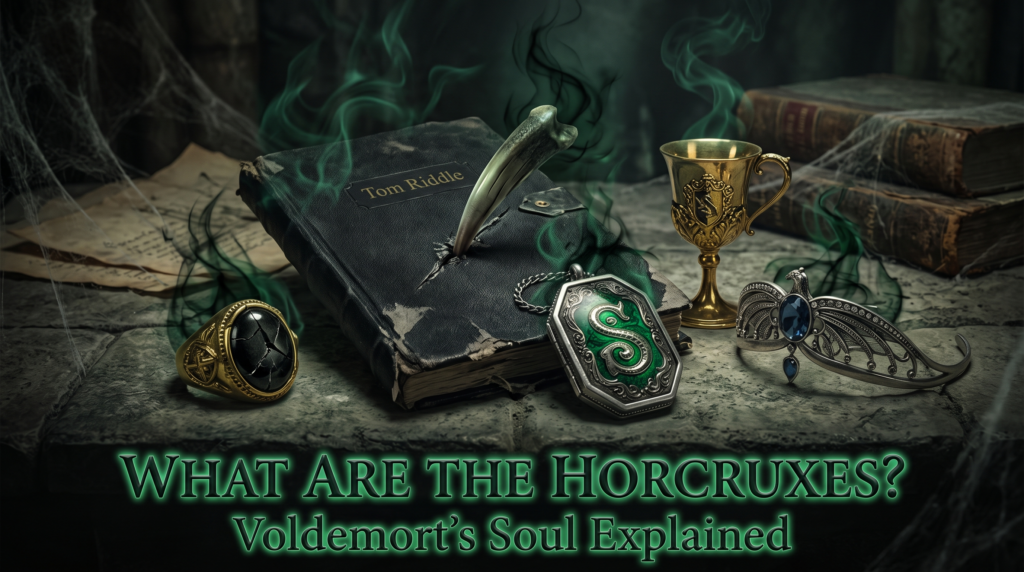
When the Killing Curse rebounded in the ruins of Godric’s Hollow, Lord Voldemort did not die. He was ripped from his physical body, reduced to a fleeting, spectral shadow, yet he remained stubbornly tethered to the mortal realm. He survived not by luck, nor by conventional defensive charms, but through the darkest, most abhorrent magic ever conceived in the wizarding world. For those exploring the foundational lore of Harry Potter, what are the Horcruxes is the most critical question to answer. Simply put, a Horcrux is a dark magical receptacle in which a wizard has hidden a fractured fragment of their soul to achieve immortality.
In this comprehensive guide, we will delve deep into the mechanics of this terrible magic, explore the psychological background of Tom Riddle’s obsession with immortality, and provide a complete breakdown of all seven of Voldemort’s Horcruxes—including how they were made, where they were hidden, and exactly how they were destroyed.
What Exactly is a Horcrux? (The Mechanics of the Dark Arts)
To understand the overarching narrative of the series, one must first understand the mechanics of the soul within J.K. Rowling’s universe. Etymologically, the word “Horcrux” is often theorized by fans and linguists to be a portmanteau of the French word dehors (meaning “outside”) and the Latin crux (meaning “cross,” “burden,” or “core/soul”). Literally, it is a soul placed on the outside.
The Process of Creation
The creation of a Horcrux is a vile, multi-step process that violates the most sacred laws of nature. As Professor Horace Slughorn reluctantly explained to a young Tom Riddle, the soul is meant to remain intact and whole. To split it, a wizard must commit the ultimate act of evil: cold-blooded murder.
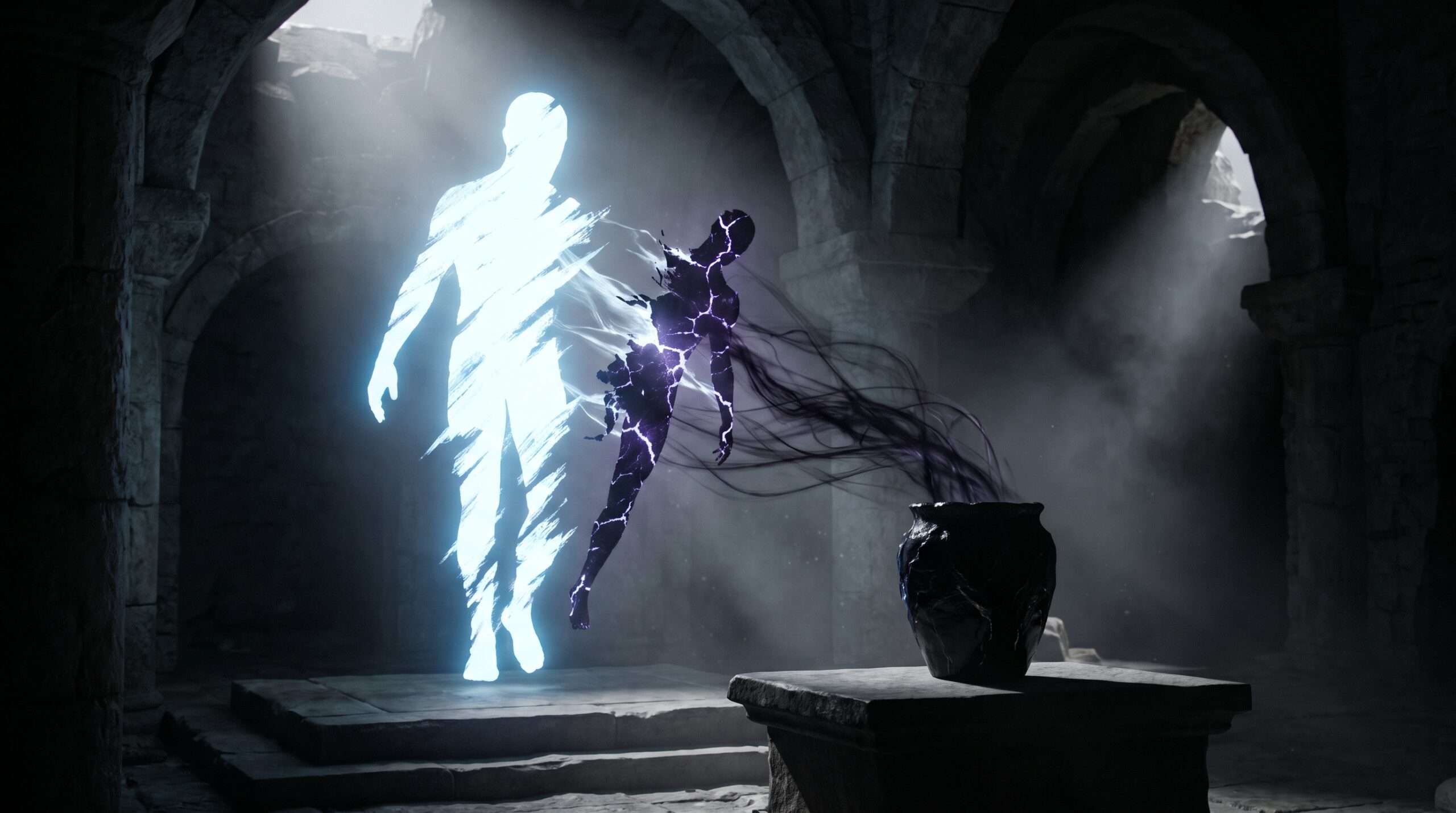
Killing rips the soul apart. Once the soul is fractured, the dark wizard must immediately use a specific, highly guarded incantation to encase that torn fragment into a chosen object (or, in rare cases, a living creature). This object becomes the Horcrux.
 The Master Soul vs. The Fragment
As long as a Horcrux remains intact on earth, the creator’s “master soul”—the portion remaining in their physical body—cannot pass into the afterlife, even if their physical body is destroyed. They are anchored to life. However, this immortality comes at a devastating cost. The creator is forced to exist in a sub-human, spectral form, reliant on the darkest of potions and the mercy of followers to regain a physical shape, just as Voldemort did before his resurrection in The Goblet of Fire.
Why Did Voldemort Choose the Number Seven?
Most dark wizards who dared to tread this path—such as Herpo the Foul, the ancient Greek wizard who created the first known Horcrux—stopped at one. The physical and mental toll of tearing the soul even once is catastrophic. Tom Riddle, however, pushed the boundaries of dark magic further than anyone in history.
The Most Magical Number
During his time at Hogwarts, Riddle became obsessed with Arithmancy and the innate magical properties of numbers. He viewed the number seven as the most powerfully magical number in existence. His goal was not merely to create one anchor, but a seven-part soul: six Horcruxes, plus the piece remaining inside himself.
The Fatal Flaw of Arrogance
Voldemort’s choices of receptacles provide a fascinating look into his psychological profile. A more practical wizard might have used a mundane object—a pebble, an old tin can, or a piece of driftwood—and dropped it into the Mariana Trench.
But Voldemort’s fatal flaw was his unparalleled arrogance and grandiosity. He viewed himself as royalty within the wizarding world. Therefore, he demanded receptacles worthy of his fractured soul. He sought out objects of immense historical value, specifically targeting relics belonging to the founders of Hogwarts School of Witchcraft and Wizardry. This arrogance left a trail of historical breadcrumbs that Albus Dumbledore and Harry Potter were ultimately able to follow.
The Complete List: What Are the 7 Horcruxes?
Voldemort successfully created six intentional Horcruxes over his lifetime, and one entirely by accident. Here is the definitive, skyscraper-level breakdown of Voldemort’s anchors, tracking their bloody origins to their eventual destruction.
1. Tom Riddle’s Diary
-
The Receptacle: A seemingly ordinary Muggle diary purchased in a stationery shop on Vauxhall Road in London.
-
The Creation: Created in 1943 when a sixteen-year-old Tom Riddle opened the Chamber of Secrets and ordered the Basilisk to kill a fellow student, Myrtle Warren (better known as Moaning Myrtle).
-
The Hiding Place: Riddle eventually entrusted the diary to his loyal Death Eater, Lucius Malfoy. Unaware that it was an actual piece of his master’s soul (Malfoy believed it was merely a dark artifact designed to open the Chamber), Lucius planted it in Ginny Weasley’s cauldron at Flourish and Blotts.
-
The Destruction: In Harry Potter and the Chamber of Secrets, Harry Potter destroyed the diary by plunging a venomous Basilisk fang directly into its pages. The diary bled black ink as the soul fragment screamed and died, permanently eliminating Voldemort’s first anchor.
2. Marvolo Gaunt’s Ring
-
The Receptacle: A heavy, gold ring bearing the Peverell coat of arms. It was a cherished heirloom of the Gaunt family (descendants of Salazar Slytherin), though they were unaware that the black stone set into it was actually the Resurrection Stone, one of the three legendary Deathly Hallows.
-
The Creation: Created in 1943. Riddle traveled to Little Hangleton, murdered his Muggle father (Tom Riddle Sr.) and his grandparents, and framed his uncle Morfin Gaunt for the crime. He used his father’s murder to turn the stolen ring into a Horcrux.
-
The Hiding Place: Voldemort hid the ring beneath the rotting floorboards of the abandoned Gaunt shack, protecting it with powerful, withering curses.
-
The Destruction: Albus Dumbledore tracked down the ring prior to the events of The Half-Blood Prince. Recognizing the Resurrection Stone and desperately wishing to see his deceased sister, Ariana, Dumbledore made the fatal mistake of putting the ring on. The curse withered his hand and secured his eventual death. Despite his injury, Dumbledore used the Sword of Gryffindor to crack the stone and destroy the Horcrux.
3. Salazar Slytherin’s Locket
-
The Receptacle: A heavy gold locket bearing Salazar Slytherin’s serpentine ‘S’ in glittering green jewels. It was sold by Voldemort’s destitute mother, Merope Gaunt, to Borgin and Burkes, and eventually purchased by an eccentric collector named Hepzibah Smith.
-
The Creation: After poisoning Hepzibah Smith to steal the locket (and Hufflepuff’s Cup), Voldemort used the murder of an unidentified Muggle tramp to turn the locket into his third Horcrux.
-
The Hiding Place: Voldemort hid the locket in a treacherous seaside cave, the site of a childhood incident. It was protected by a blood-tribute door, a lake of Inferi (zombies), and a basin filled with the agonizing Emerald Potion. However, the Death Eater Regulus Black defected, navigated the traps with his house-elf Kreacher, and swapped the locket with a fake.
-
The Destruction: After being stolen by Mundungus Fletcher and subsequently extorted by Dolores Umbridge, Harry, Ron, and Hermione recovered the locket. The locket preyed on the trio’s fears and insecurities, specifically targeting Ron. Ultimately, Ron Weasley faced his deepest demons and destroyed the locket using the Sword of Gryffindor in the Forest of Dean.
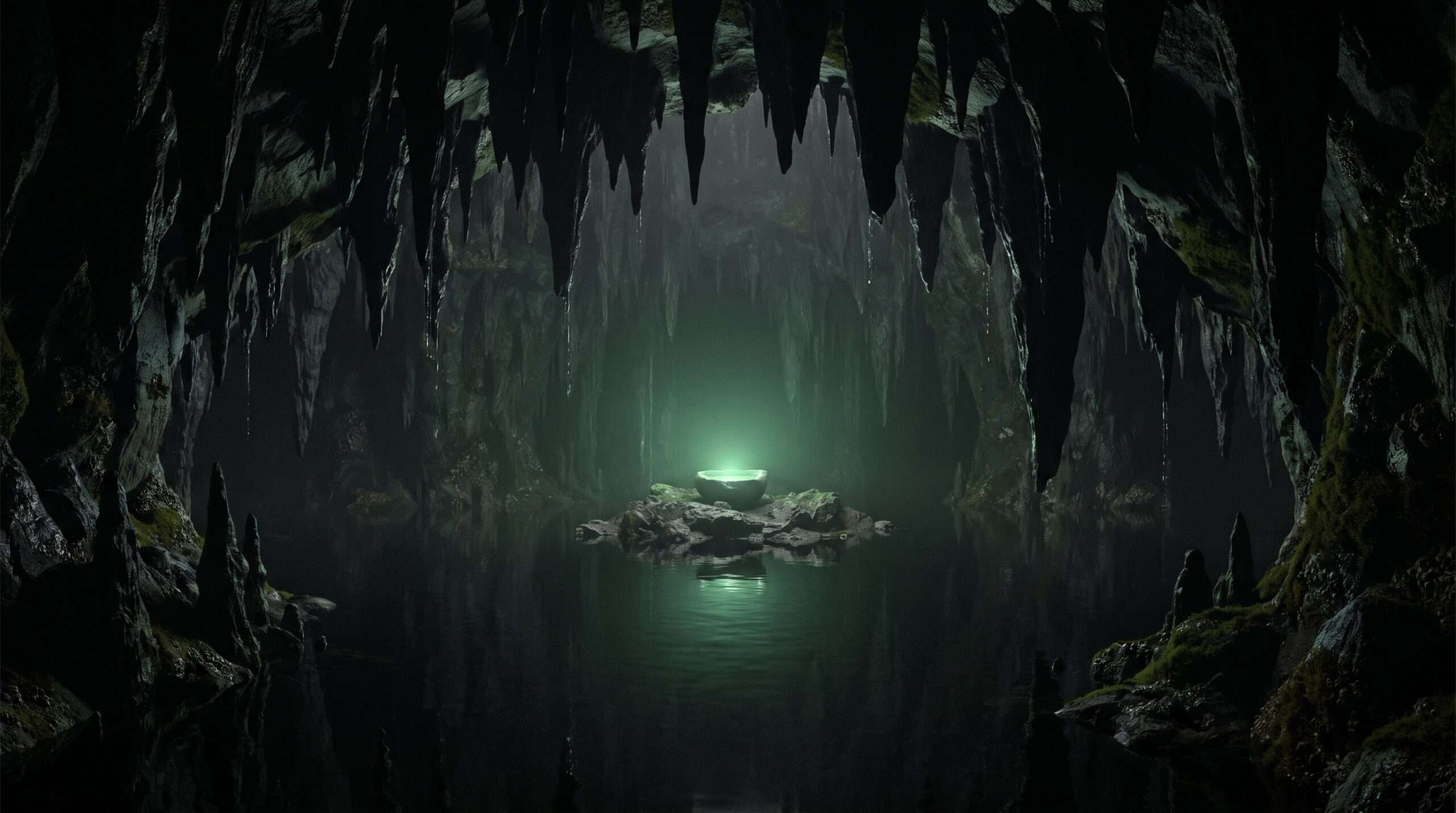 4. Helga Hufflepuff’s Cup
-
The Receptacle: A finely wrought, small golden cup with two handles, bearing the engraved badger crest of Hufflepuff House. Like the locket, it was in the possession of Hepzibah Smith.
-
The Creation: After stealing the cup, Voldemort used the murder of its rightful owner, Hepzibah Smith, to tear his soul once more. He framed her house-elf, Hokey, by modifying the creature’s memory.
-
The Hiding Place: Recognizing that Gringotts Wizarding Bank was widely considered the safest place in the world, Voldemort entrusted the cup to his most fanatical follower, Bellatrix Lestrange. It was stored deep underground in the Lestrange family vault, protected by a dragon and severe enchantments, including the Geminio (multiplying) and Flagrante (burning) curses.
-
The Destruction: In a daring heist during The Deathly Hallows, Harry, Ron, and Hermione infiltrated Gringotts using Polyjuice Potion. After escaping on the back of a blind dragon, they brought the cup back to Hogwarts. Hermione Granger ultimately destroyed it in the Chamber of Secrets, using a venomous Basilisk fang scavenged from the skeleton of the beast Harry had slain years prior.
5. Rowena Ravenclaw’s Diadem
-
The Receptacle: A delicate, jeweled tiara rumored to grant wisdom to the wearer. It was said to have been lost for centuries.
-
The Creation: A young Tom Riddle used his immense charm to manipulate the ghost of Helena Ravenclaw (the Grey Lady) into revealing the diadem’s secret location in an Albanian forest. Upon retrieving it, he murdered an Albanian peasant to fracture his soul and turn the relic into his fifth Horcrux.
-
The Hiding Place: Voldemort’s arrogance struck again. He believed he was the only student in the history of Hogwarts to fully understand the castle’s secrets. He hid the diadem in the Room of Requirement (specifically, the version of the room where things are hidden), surrounded by centuries of discarded student contraband.
-
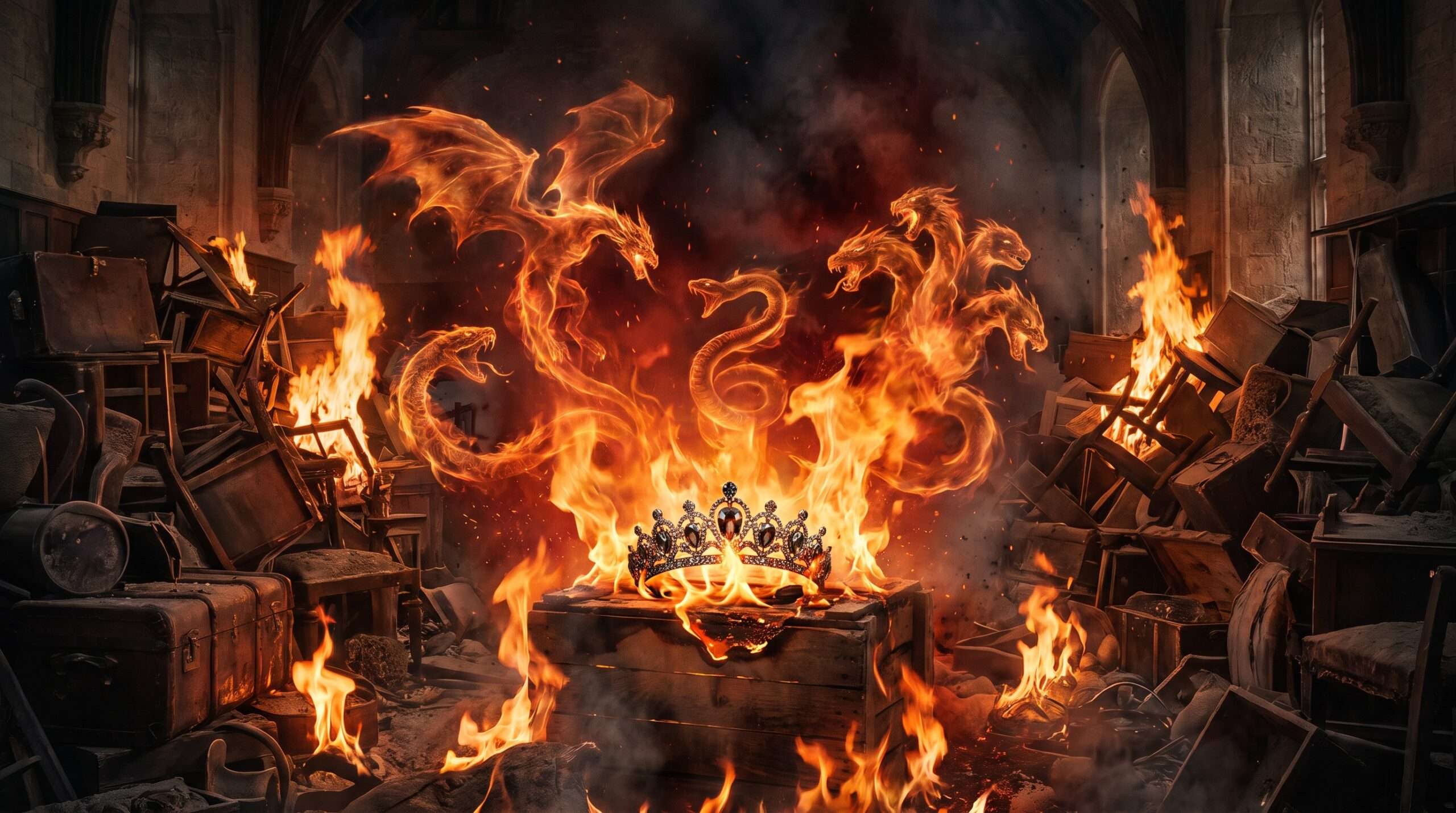
The Destruction: During the Battle of Hogwarts, Harry tracked the diadem to the Room of Requirement. However, he was ambushed by Draco Malfoy, Vincent Crabbe, and Gregory Goyle. Crabbe foolishly unleashed Fiendfyre—a cursed, dark, and uncontrollable magical fire. Crabbe was consumed by his own spell, and the diadem was incidentally destroyed by the incredibly destructive flames.
 6. Nagini the Snake
-
The Receptacle: A massive, deeply venomous serpent. (Later canonical expansions in the Fantastic Beasts franchise revealed Nagini was originally a Maledictus—a human woman carrying a blood curse that eventually trapped her permanently in snake form).
-
The Creation: Created during Voldemort’s exile in Albania. He used the murder of Ministry of Magic employee Bertha Jorkins to turn his familiar into his sixth intentional Horcrux.
-
The Hiding Place: Unlike the static artifacts, Nagini was kept close by Voldemort’s side at all times. Realizing his other Horcruxes were being hunted down, Voldemort eventually encased her in a protective, magical sphere during the final battle to ensure her survival.
-
The Destruction: Before marching to his supposed death in the Forbidden Forest, Harry instructed Neville Longbottom to kill the snake at all costs. Breaking free of a Full Body-Bind Curse, Neville pulled the Sword of Gryffindor from the Sorting Hat and severed Nagini’s head in one clean stroke, stripping Voldemort of his final intentional anchor.
7. Harry Potter (The Accidental Horcrux)
-
The Receptacle: The infant Harry Potter.
-
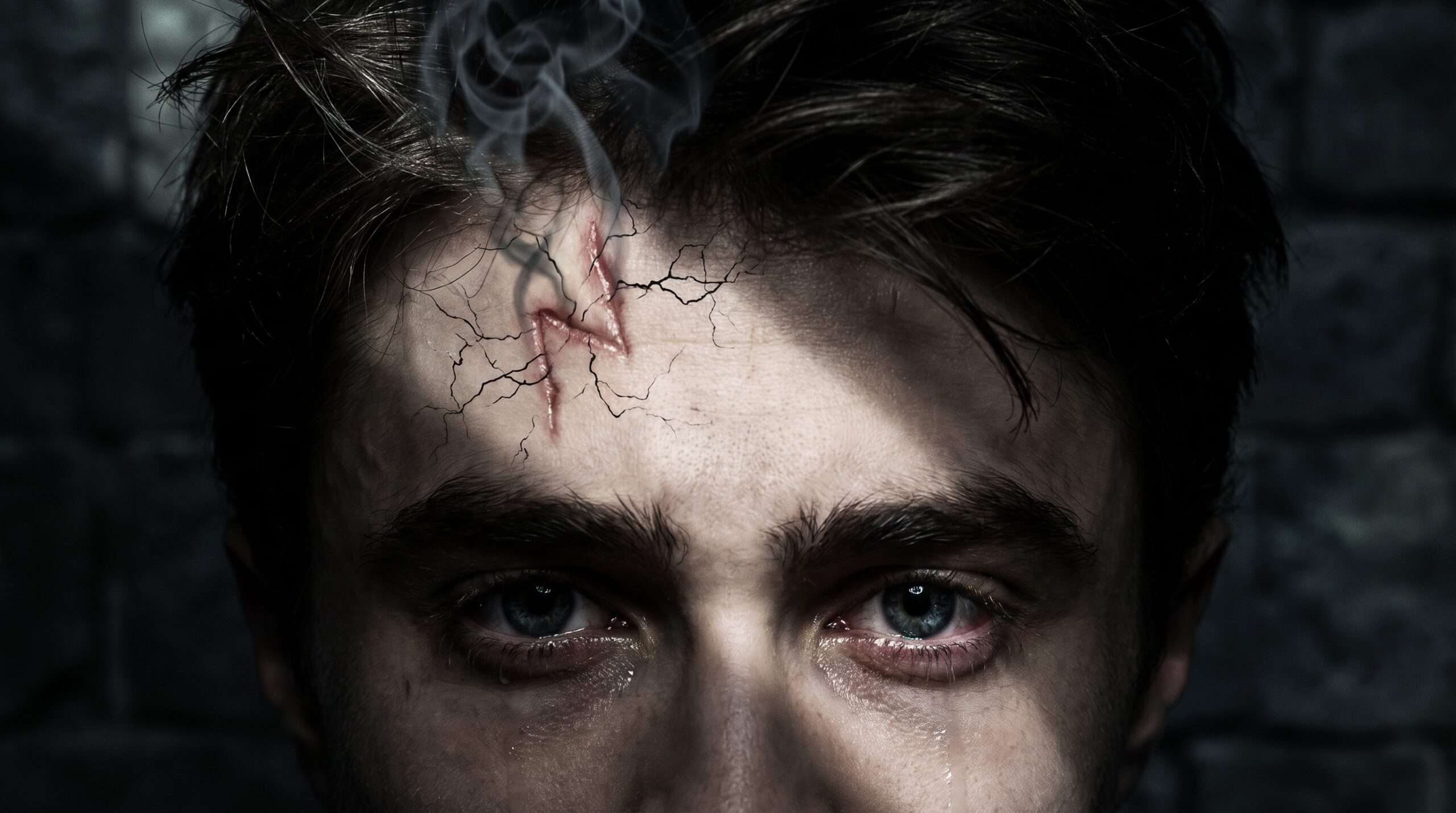
The Creation: Created on Halloween night, 1981, at Godric’s Hollow. When Lily Potter sacrificed herself to save Harry, she inadvertently cast an ancient magical protection over him. Voldemort’s Killing Curse rebounded off the infant. At this point, Voldemort’s soul was so unstable, mutilated, and fragile from repeated tearings that a fragment simply broke off on its own. It sought out the only living thing remaining in the collapsing house and latched onto Harry, leaving the iconic lightning-bolt scar.
-
The Hiding Place: Hidden in plain sight. Harry grew up entirely unaware that he harbored a piece of the Dark Lord’s soul, which granted him unique abilities like speaking Parseltongue and a dangerous telepathic link into Voldemort’s mind.
-
The Destruction: A Horcrux cannot be destroyed unless its vessel is damaged beyond repair. Harry willingly walked into the Forbidden Forest and allowed Voldemort to strike him with the Killing Curse. Because Voldemort had used Harry’s blood to resurrect himself in The Goblet of Fire, he tethered Harry to life. The curse only succeeded in killing the soul fragment hidden inside Harry.
 How to Destroy a Horcrux: The Only Known Methods
A common question among readers exploring Harry Potter lore is why wizards don’t simply smash these dark artifacts with a hammer or a standard Reducto curse.
The magic required to forge a Horcrux makes the receptacle virtually indestructible to mundane force and standard magical damage. The fundamental rule of destroying a Horcrux is that the vessel must be damaged completely beyond physical and magical repair. The known methods are incredibly rare and exceptionally dangerous.
1. Basilisk Venom
The venom of a Basilisk is one of the most toxic substances in the wizarding world. It is so utterly destructive that it leaves the vessel beyond any magical restoration. The only known cure for Basilisk venom is Phoenix tears, which are exceptionally rare. Both Tom Riddle’s Diary and Hufflepuff’s Cup were destroyed directly via Basilisk fangs.
2. The Sword of Gryffindor
Goblin-wrought silver possesses a unique magical property: it repels dirt and imbibes only that which makes it stronger. When Harry used the sword to slay the Basilisk in the Chamber of Secrets, the blade absorbed the monster’s venom. Therefore, the sword did not destroy Horcruxes because it was a legendary weapon; it destroyed them because it was essentially a conduit for Basilisk venom. It was used to destroy the Ring, the Locket, and Nagini.
3. Fiendfyre
Fiendfyre is cursed, dark magic fire that manifests as mutated monsters (serpents, chimaeras, and dragons). It seeks out living targets and consumes magical energy. It is one of the few spells potent enough to utterly incinerate a Horcrux, though it is incredibly difficult to control. It destroyed Ravenclaw’s Diadem.
4. The Killing Curse (Avada Kedavra)
This method is only applicable if the Horcrux receptacle is a living creature. When a living vessel dies, the soul fragment housed within it is destroyed. Voldemort unwittingly used this method to destroy the fragment inside Harry Potter.
The Psychological and Physical Toll of Splitting a Soul
The process of creating these dark anchors exacts a devastating toll on the creator, reflecting a core thematic element in J.K. Rowling’s universe: the fear of death strips away one’s humanity.
Physical Deformation
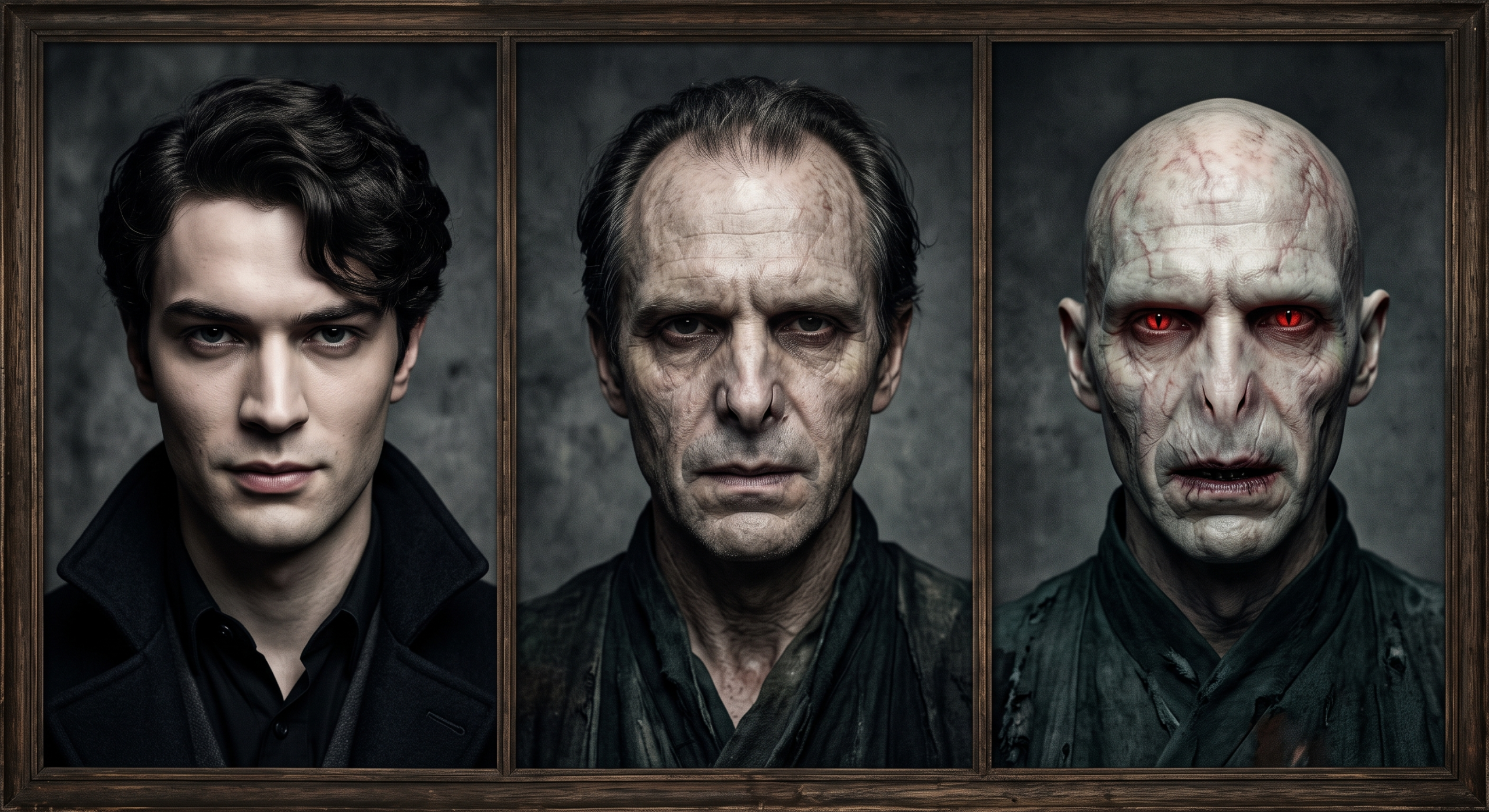
Every time Tom Riddle tore his soul, his physical appearance mutated further away from the handsome, charismatic Head Boy he once was. His features blurred, his skin turned stark white, and his eyes grew scarlet and cat-like. By the time he was resurrected, he possessed snake-like slits for a nose and lacked any discernible human warmth. His exterior became a direct reflection of his mutilated, monstrous interior.
Emotional Mutilation
Beyond the physical changes, splitting his soul repeatedly stripped Voldemort of his capacity to understand, feel, or process basic human emotions. He lost any semblance of empathy, remorse, and most importantly, love. This emotional blindness became his ultimate tactical weakness. He could not comprehend why Lily Potter would sacrifice herself, he could not anticipate Severus Snape’s true loyalties, and he fundamentally underestimated the power of Harry’s whole, unblemished soul.
 Frequently Asked Questions (FAQ)
To fully master the lore surrounding Voldemort’s darkest magic, it helps to address some of the most common debates within the fandom.
Can a Horcrux creation be reversed?
Yes, but the process is excruciating and potentially fatal. According to the ancient textbook Secrets of the Darkest Art (which Hermione summoned from Dumbledore’s office), the only way to mend a torn soul is through true, deeply felt remorse for the murders committed. The sheer weight of the guilt and the agonizing process of the soul fusing back together can physically destroy the wizard. Voldemort, utterly devoid of empathy, was incapable of such remorse.
Why didn’t the Basilisk venom destroy the Horcrux in Harry during the Chamber of Secrets?
When the Basilisk bit Harry in his second year, Basilisk venom entered his bloodstream. However, the Horcrux inside him was not destroyed because Harry did not die. Fawkes the Phoenix arrived and cried into the wound, healing Harry before he was damaged beyond repair. Since the vessel (Harry) survived, the soul fragment survived with him.
Did Gellert Grindelwald have a Horcrux?
No. While Gellert Grindelwald was a terrifying dark wizard, his ideology differed drastically from Voldemort’s. Grindelwald sought dominance and a twisted vision of the “greater good.” His quest to master death involved uniting the three Deathly Hallows (the Elder Wand, the Resurrection Stone, and the Cloak of Invisibility), not mutilating his own soul.
The irony of Lord Voldemort’s desperate quest for immortality is that it ultimately made him incredibly fragile. By tearing his soul into seven pieces, he tied himself to objects that could be stolen, lost, or destroyed. He abandoned his humanity out of a primal fear of the unknown, transforming himself into a miserable, spectral entity that ultimately faced an eternity trapped in limbo, unable to move on and unable to return.
The dark magic of the Horcruxes stands as the ultimate thematic contrast to Harry Potter himself. Where Voldemort sought to conquer death through violence and self-mutilation, Harry conquered death through acceptance, love, and the willingness to sacrifice himself for others.
Now we turn it over to you, the fans: Which of Voldemort’s hiding places do you think was the most clever, and which do you think was his most arrogant mistake? Let us know your thoughts and theories in the comments below!