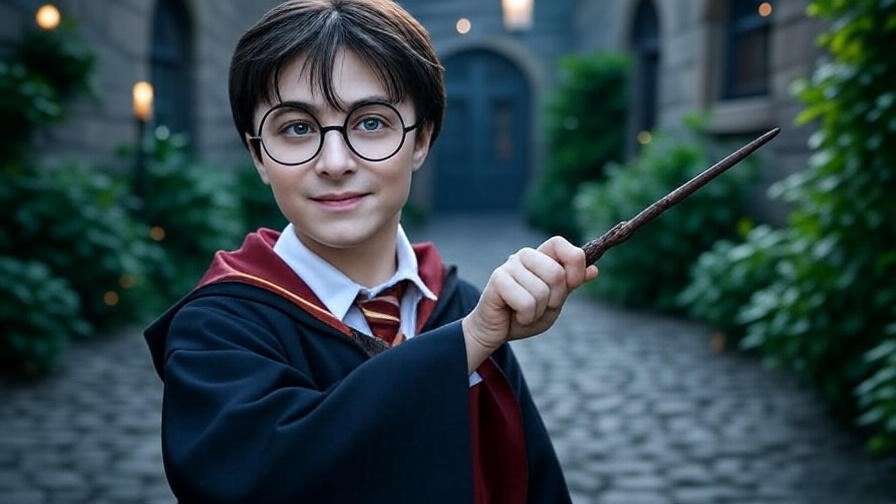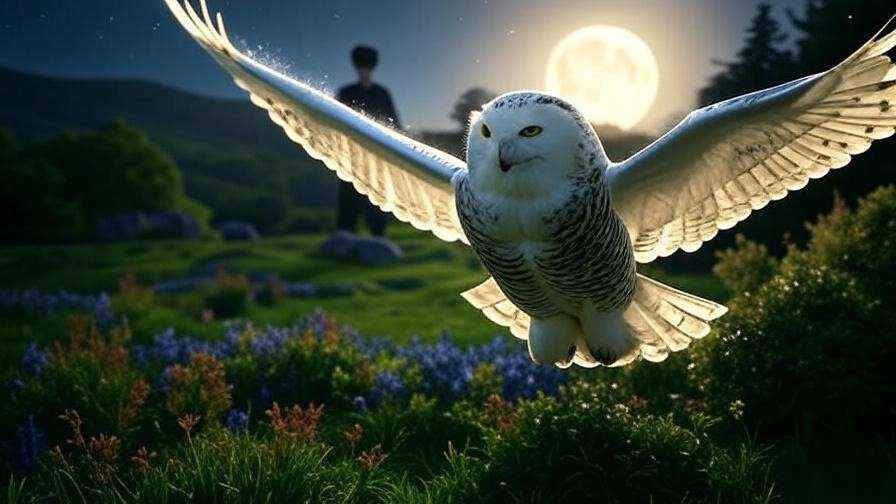
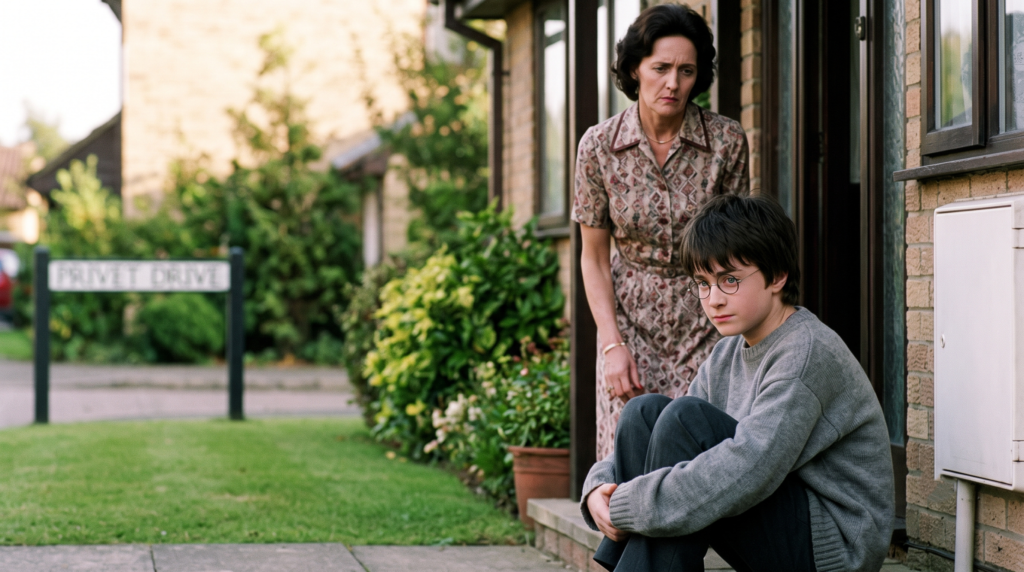
Picture a freezing November night in 1981. A tiny, orphaned baby is left on a suburban doorstep, unknowingly condemned to spend his formative years locked away in a dusty cupboard under the stairs. For decades, readers and viewers of the wizarding world have written off Harry’s aunt as a one-dimensional, cartoonish villain. But when we look beneath the surface, the sheer cruelty of Petunia Dursley to Harry Potter is far more complex than simple malice.
Why was a suburban mother capable of such profound neglect and psychological abuse toward her own flesh and blood? The answer lies not in pure evil, but in a tragic cocktail of childhood jealousy, a crushing rejection from Albus Dumbledore, and a silent, forced sacrifice that fundamentally altered the course of her life.
In this comprehensive deep dive into the lore of the Harry Potter universe, we will explore the untold history of the Evans sisters, the psychology of unspoken grief, and the ancient blood magic that tied Petunia and Harry together forever. By understanding her motivations, we uncover one of the most tragic and misunderstood character dynamics in modern fantasy.
A Tale of Two Sisters: The Root of the Resentment
To understand how a woman could starve and belittle an orphaned child, we must first travel back decades before Harry was even born. The relationship between Petunia and Harry is a direct continuation of the fractured relationship between Petunia and her younger sister, Lily Evans.
 The Childhood Bond Before Hogwarts
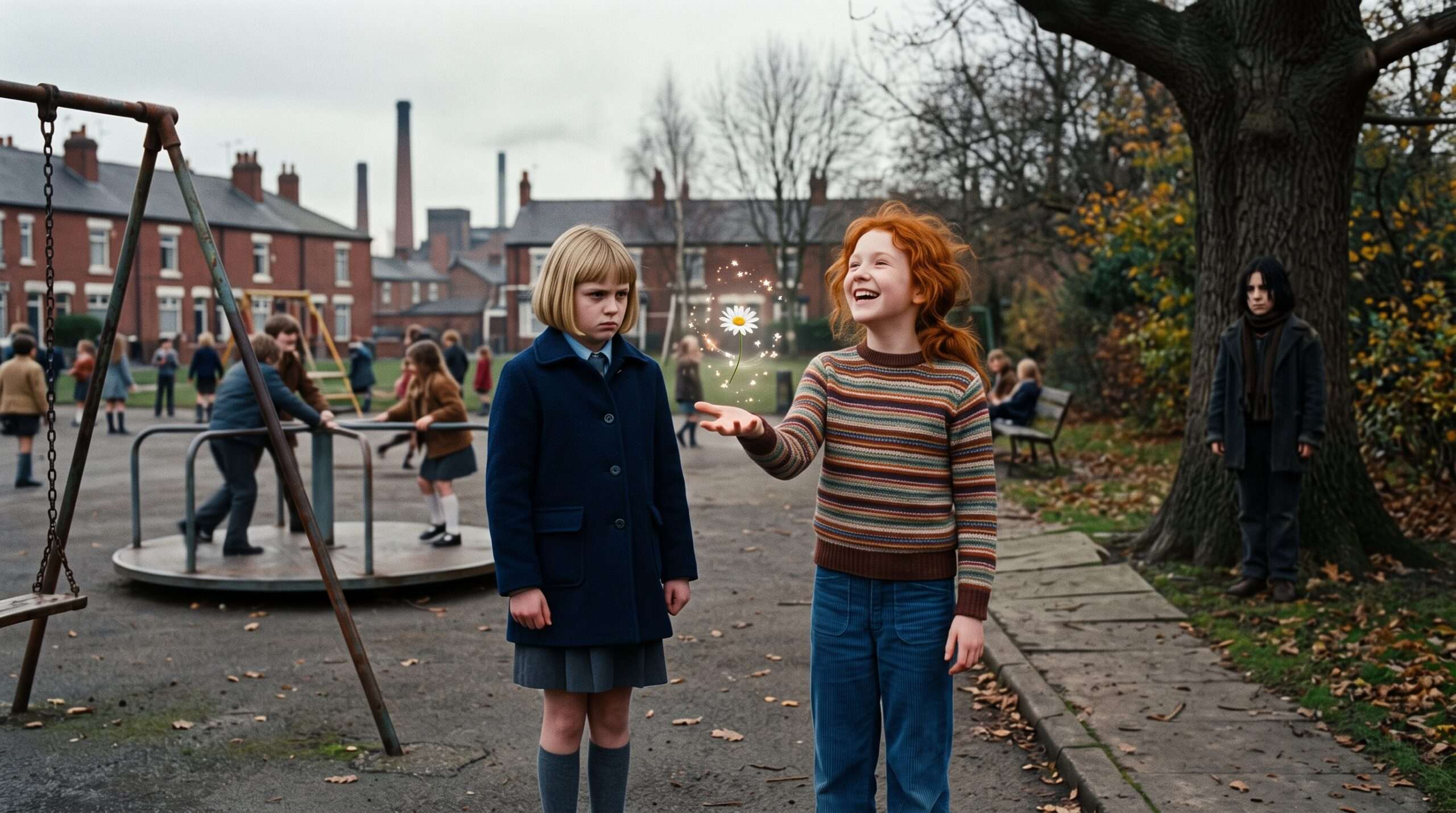
Long before letters arrived from Hogwarts School of Witchcraft and Wizardry, the Evans sisters lived in the Muggle town of Cokeworth. Expanded wizarding canon reveals that Petunia and Lily were initially very close. As the older sister, Petunia was fiercely protective of Lily. However, their dynamic shifted permanently when Lily began exhibiting unexplainable abilities—making flowers open and close, or jumping off swings and floating gently to the ground.
The true wedge in their relationship, however, was a young Severus Snape. Snape, who lived in the impoverished Spinner’s End nearby, recognized Lily’s abilities and eagerly introduced her to the concept of the wizarding world. Petunia, entirely devoid of magical talent, was suddenly cast out of her sister’s inner world. The intense jealousy that would eventually define her entire adult life began right there, on a playground in Cokeworth.
The Heartbreak of Dumbledore’s Rejection Letter
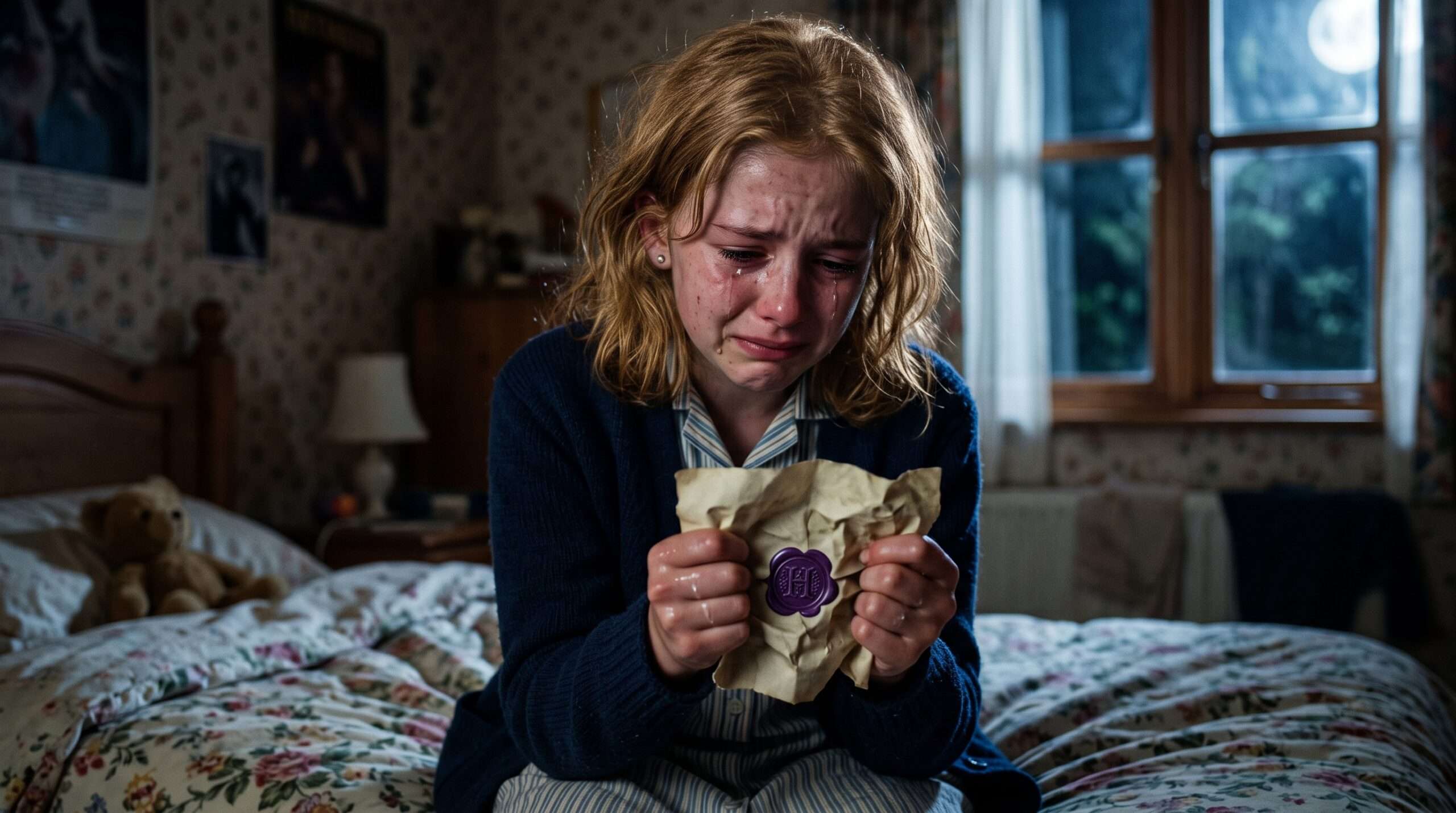
One of the most defining moments of Petunia’s life is often overlooked by casual fans. When Lily received her Hogwarts acceptance letter, eleven-year-old Petunia did not just scoff—she desperately wanted to go, too. In a moment of deep vulnerability, Petunia secretly wrote a letter directly to Headmaster Albus Dumbledore, begging to be admitted into Hogwarts alongside her sister.
Dumbledore replied with a kind, gentle, but firm rejection, explaining that the school was strictly for those with magical abilities. While Dumbledore meant no harm, this letter shattered Petunia. To make matters worse, Lily and Snape discovered the letter, resulting in a humiliating confrontation on Platform 9 ¾. That single moment of rejection cemented a permanent inferiority complex. Petunia learned that no matter how hard she tried, she would never be “special” in the eyes of the wizarding world.
 The “Freak” Defense Mechanism
Psychologically, cognitive dissonance is a powerful force. Because Petunia could not have magic, her mind had to find a way to devalue it to protect her fragile ego. She adopted a brutal defense mechanism: if magic was exclusive, then magic must be unnatural, dangerous, and wrong.
She began labeling Lily a “freak.” This was not just teenage name-calling; it was the foundation of the worldview she would later force upon Harry. By convincing herself that normalcy was the ultimate virtue, she transformed her greatest insecurity into a twisted sense of superiority. When she later locked Harry in his cupboard, she wasn’t just punishing a child—she was punishing the magical world that had rejected her.
The James Potter Factor: How Vernon Fueled the Fire
While Petunia’s childhood trauma planted the seeds of bitterness, her marriage to Vernon Dursley provided the perfect soil for it to grow. Vernon did not just tolerate Petunia’s hatred for magic; he actively encouraged and amplified it.
The Disastrous First Meeting
J.K. Rowling’s expanded writings reveal that the rift between the sisters became irreparable during a disastrous double date. Petunia, desperate to show off her new, proudly “normal” fiancé, arranged a dinner with Lily and her boyfriend, James Potter. The evening was a catastrophe from the start.
James, accustomed to the wealth and privilege of the wizarding world, found Vernon’s obsession with ordinary things—like drills and company cars—amusing. When Vernon patronizingly asked James what kind of car he drove, James described his racing broom. Vernon, assuming he was being made a fool of, grew furious. James’s arrogance and failure to respect Muggle customs alienated Vernon entirely. The date ended with Vernon and Petunia storming out of the restaurant, and Lily in tears. James promised to apologize, but the damage was permanent. Harry was not just a reminder of magic; he was a living clone of the man who had humiliated Vernon Dursley.
An Echo Chamber of Prejudice
Inside Number 4, Privet Drive, Petunia and Vernon created a toxic echo chamber. Vernon’s extreme desire to conform to suburban normalcy validated Petunia’s deep-seated insecurities. Together, they established a household where anything extraordinary was not just discouraged, but severely punished.
Vernon’s hatred for Harry was largely driven by a fear of the unknown and a lingering grudge against James Potter. Petunia, on the other hand, hated Harry because he represented the sister she lost—first to the wizarding world, and ultimately to death. Together, they justified their abuse under the guise of “squashing the magic out of him,” fully convincing themselves that they were the victims of a magical burden they never asked for.
The Night in Godric’s Hollow: A Burden, Not a Choice
To fully comprehend the dynamic at Number 4, Privet Drive, we must examine the mechanics of the wizarding world’s ancient magic. The events of October 31, 1981, did not just leave Harry an orphan; they placed an unimaginable and non-negotiable burden squarely onto Petunia Dursley’s shoulders.
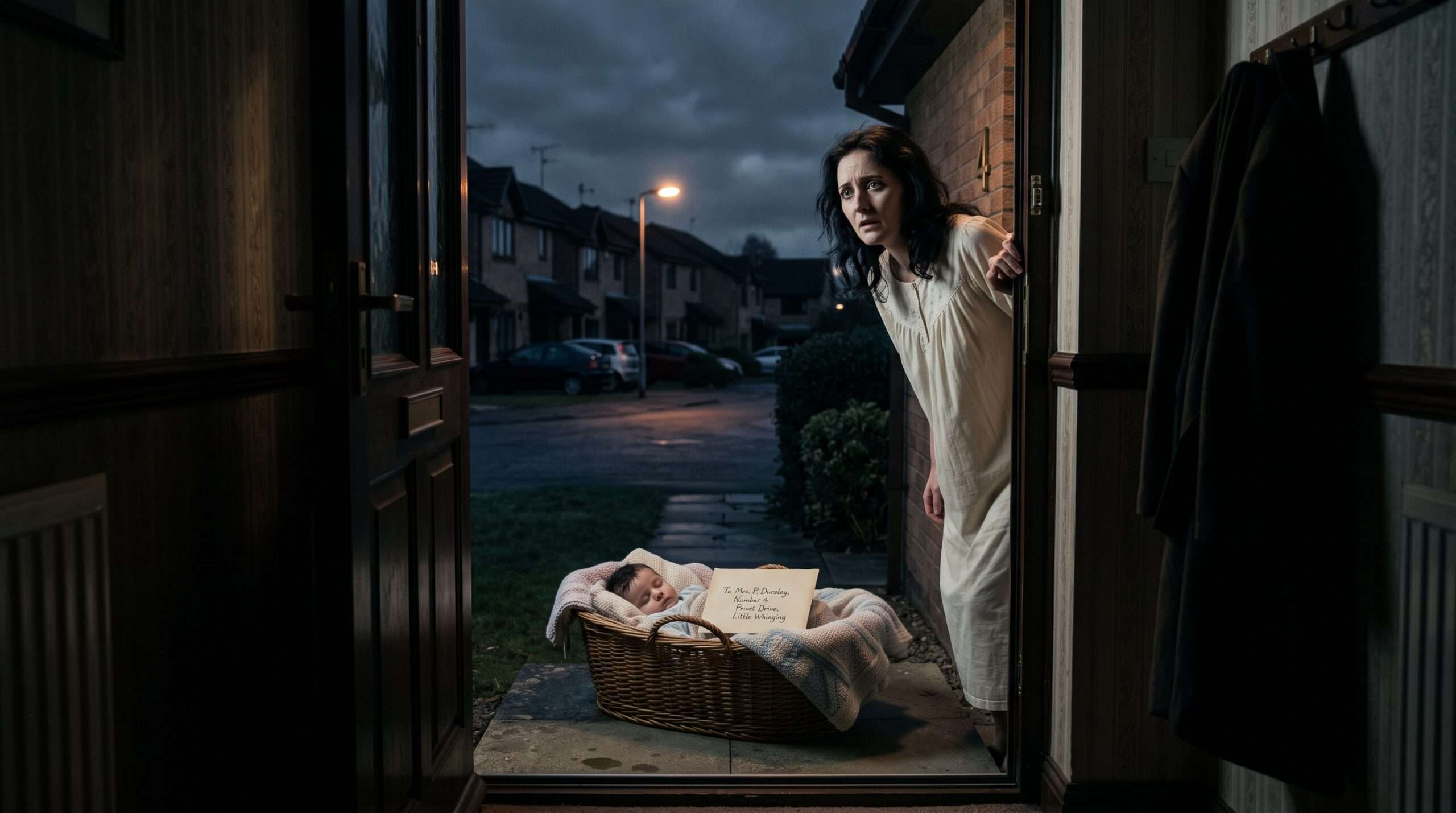 What Dumbledore’s Letter on the Doorstep Actually Said
When Albus Dumbledore, Minerva McGonagall, and Rubeus Hagrid left infant Harry on the Dursleys’ doorstep, they left behind a single letter. For years, fans assumed this letter merely broke the news of Lily and James’s murder and asked the Dursleys to raise their nephew. However, the truth is far more demanding.
Dumbledore’s letter explained that Lily had sacrificed herself to save Harry from Lord Voldemort. But more importantly, it outlined a magical ultimatum. Dumbledore did not ask Petunia to take Harry out of the goodness of her heart; he presented her with the reality that her home was the only place on earth that could keep the boy alive. He laid the weight of the wizarding world’s survival onto a Muggle woman who despised magic.
The Ancient Magic: Sealing the “Bond of Blood” Charm
The core of Harry’s survival rests on a branch of ancient magic that predates modern spellcasting. When Lily Potter died to protect her son, her sacrifice created a lingering magical protection. However, to ensure that this protection shielded Harry from Voldemort and his Death Eaters permanently, Dumbledore had to cast a blood ward—the Bond of Blood charm.
This charm had one strict requirement: it could only be anchored by someone who shared Lily’s blood. Petunia was the only living person who fit the criteria. By bringing Harry across the threshold of Privet Drive and begrudgingly agreeing to give him houseroom, Petunia activated and sealed the charm.
Expert Insight: This is a crucial element that distinguishes Petunia from a standard literary villain. Despite her intense hatred and decades of built-up resentment, she chose to take him in. She knew that doing so would invite danger into her perfectly normal life, yet she sealed the blood pact anyway. She harbored the physical reminder of her greatest jealousy and sorrow simply to keep him from being murdered.
Harry as a Living Mirror: The Psychology of Petunia
Raising a child is difficult under the best of circumstances. For Petunia, raising Harry was a daily, inescapable psychological torment. Harry was not just an unwanted guest; he was a living, breathing mirror reflecting every trauma she had desperately tried to bury.
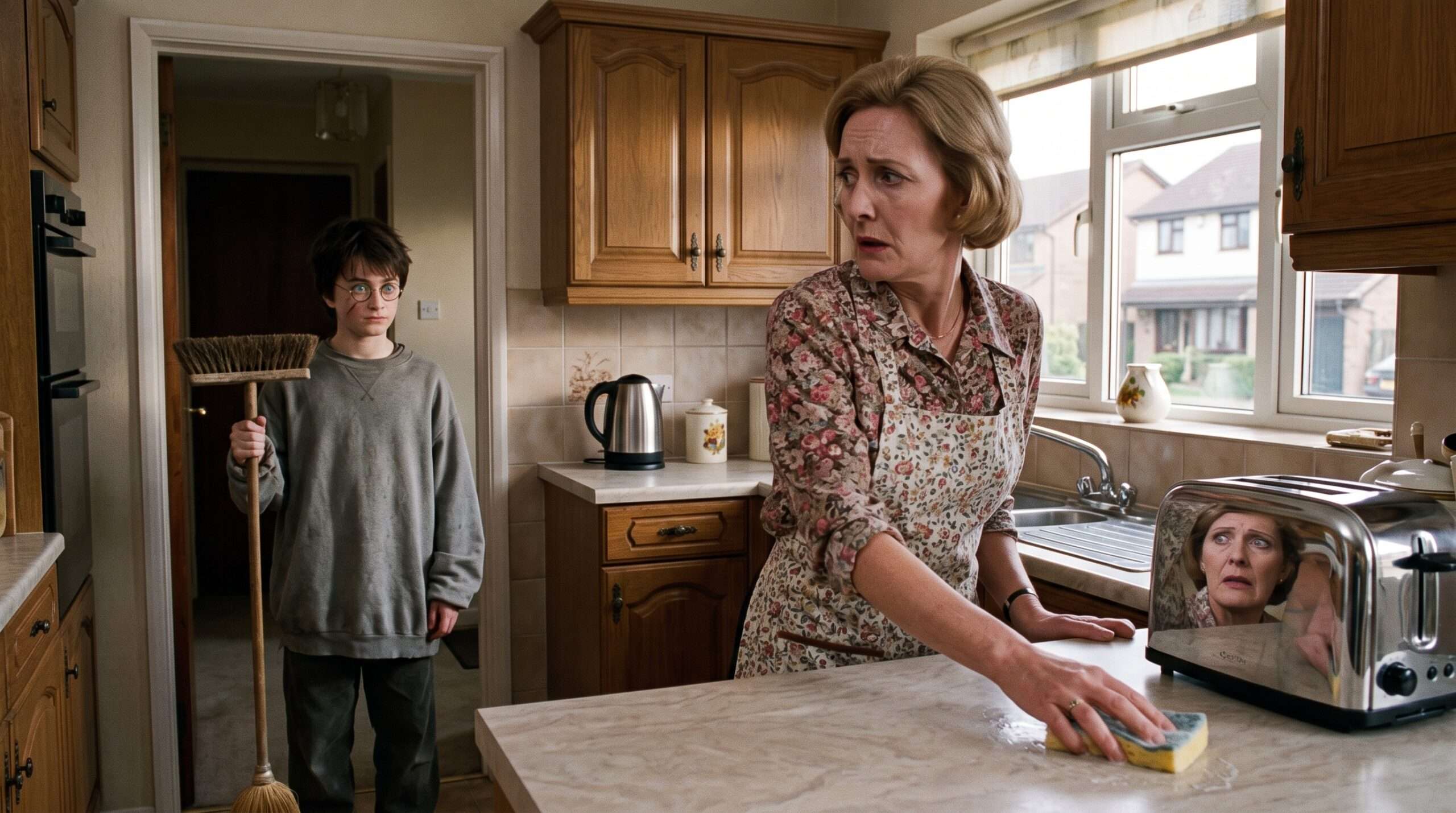 Lily’s Eyes in the Cupboard Under the Stairs
Throughout the series, it is constantly noted that Harry is the spitting image of his father, James, but possesses his mother’s almond-shaped, bright green eyes. For Petunia, looking at Harry was agonizing.
Seeing James’s messy black hair and defiant demeanor reminded her of the man who had mocked her husband and taken her sister away into an elitist, hidden world. But looking into Harry’s eyes was even worse. They were Lily’s eyes. Every time she looked at the boy in the oversized, hand-me-down clothes, she was forced to remember the sister she once loved, the sister she betrayed, and the undeniable reality that Lily had been murdered by a dark wizard. Punishing Harry by locking him in the cupboard under the stairs was a psychological coping mechanism—an attempt to lock away her own grief and guilt out of sight.
The Fear of Losing Control
The Dursleys’ mistreatment of Harry was not just fueled by spite; it was heavily driven by genuine terror. Petunia knew exactly what magic was capable of. She knew about Azkaban, she knew about Dementors (as she accidentally revealed in Order of the Phoenix), and she knew that a dark wizard had blown her sister’s house apart.
Her pristine, spotless home in Little Whinging was her fortress of control. When Harry began exhibiting accidental magic—vanishing glass at the zoo, turning a teacher’s wig blue, or ending up on the school roof—it threatened the only thing Petunia valued: her safety and normalcy. The strictness, the starvation, and the emotional abuse were horrific, desperate attempts to “squash the magic out of him” before that very magic could destroy her family the way it had destroyed Lily’s.
The Final Goodbye: J.K. Rowling’s Hidden Meaning
The culmination of Petunia and Harry’s relationship occurs in the beginning of Harry Potter and the Deathly Hallows. As the blood protection is set to break on Harry’s seventeenth birthday, the Dursleys are forced into hiding to escape Voldemort’s impending wrath.
The Unspoken Words in The Deathly Hallows
In their final moments at Privet Drive, a deeply poignant scene unfolds. Dudley shakes Harry’s hand, offering a surprising moment of reconciliation. Vernon grunts and marches out. But Petunia hesitates.
The text describes her stopping at the door, looking back at Harry. For a fleeting second, it seems she is teetering on the edge of saying something meaningful. She opens her mouth, but ultimately, the words die in her throat. She gives a jerky nod and walks out of Harry’s life forever.
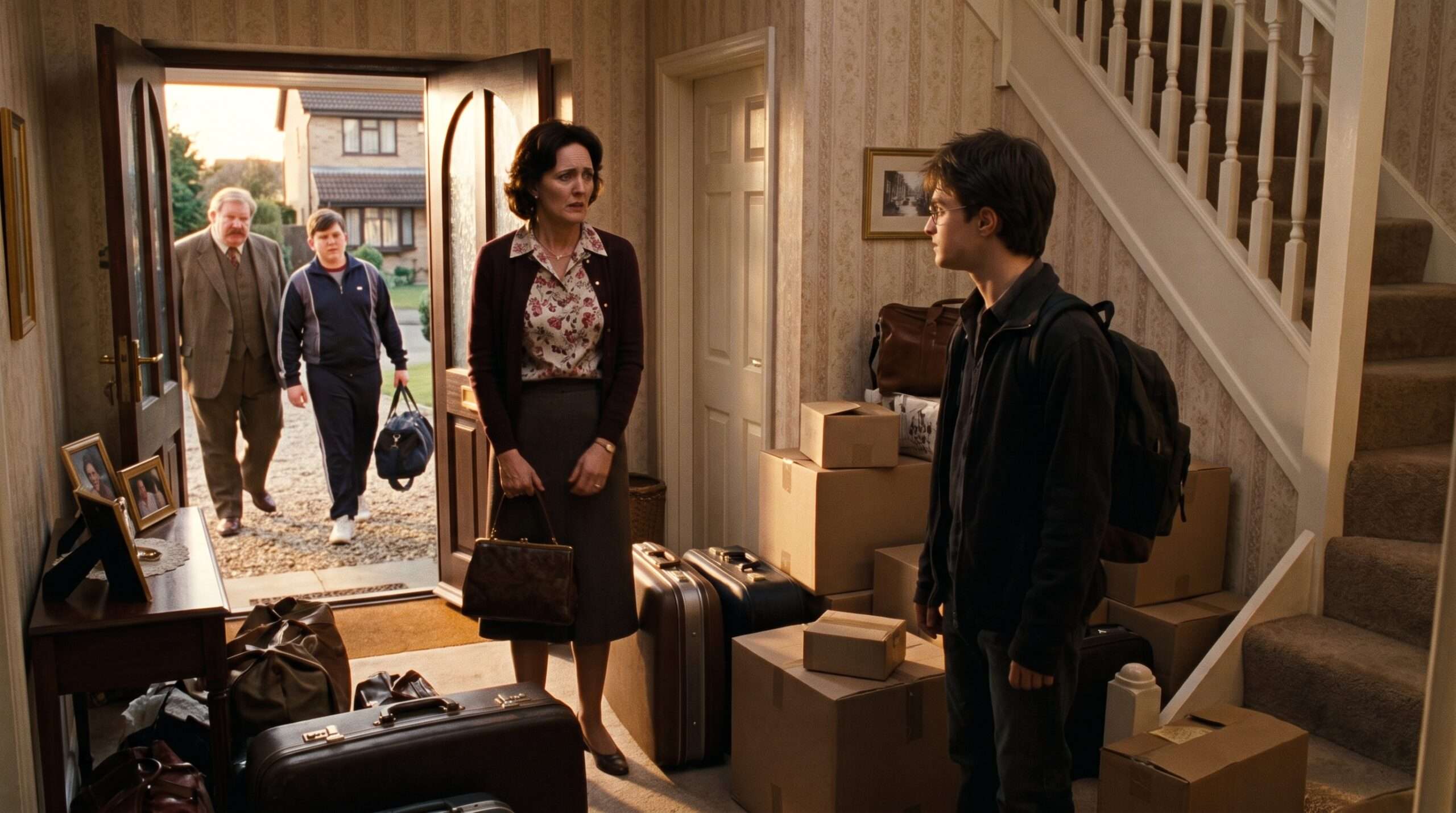 Why Petunia Couldn’t Redeem Herself
Many readers were frustrated by this lack of closure, wishing for a tearful apology. However, J.K. Rowling later explained the profound tragedy of this moment. Petunia wanted to acknowledge the gravity of the situation. She wanted to tell Harry that she knew he was facing unimaginable danger, and to remind him that they shared the same blood. She almost said, “You didn’t just lose a mother that night in Godric’s Hollow. I lost a sister.”
But she couldn’t. Years of entrenched bigotry, pride, and an agonizing wall of emotional distance literally choked the words back. The tragedy of Petunia Dursley is that her capacity for love and vulnerability was entirely suffocated by her own bitterness. She walked away, leaving her final chance at redemption unspoken.
Expert Insight: Was Petunia Dursley a Villain, a Victim, or Both?
When analyzing the expansive lore of the Harry Potter universe, it is tempting to categorize characters into neat boxes of “good” and “evil.” However, J.K. Rowling’s world is defined by its gray areas, and Petunia is arguably one of the grayest characters in the series. So, does her traumatic backstory make her a victim, or do her actions solidify her as a villain?
From a psychological standpoint, trauma shapes individuals in drastically different ways. Lily Evans experienced the trauma of a wizarding war and used her immense gifts to fight for good, ultimately laying down her life for her son. Petunia, stripped of power and feeling chronically inadequate, allowed her trauma to fester. She became a victim of her own envy, completely consumed by the shadow cast by her extraordinary sister.
However, being a victim of circumstance and emotional neglect does not absolve a person of their choices. Petunia was a fully grown adult who chose to lock a traumatized, malnourished child in a dark cupboard. She watched her husband verbally abuse him and allowed her son, Dudley, to physically bully him. Her tragic backstory flawlessly explains her actions, giving readers a profound understanding of her psychological state, but it absolutely does not excuse her abuse of a defenseless child. Ultimately, Petunia is a tragic figure—a woman who could have chosen healing and love, but instead chose bitterness and resentment.
Frequently Asked Questions (FAQ)
To further clarify the complex dynamic between these two characters, here are answers to some of the most common questions fans search for regarding the Dursley household.
Did Petunia Dursley actually love Harry Potter?
No, Petunia did not love Harry in the traditional sense. She viewed him as a burden and a terrifying reminder of a world she despised. However, she did feel a profound, albeit conflicted, obligation to her late sister’s memory. Her willingness to harbor Harry and maintain the blood protection for sixteen years proves that familial duty outweighed her hatred, even if love was entirely absent from their relationship.
Why didn’t Dumbledore give Harry to a wizarding family?
Many fans wonder why Harry wasn’t placed with a loving magical family, like the Weasleys or Remus Lupin. The answer lies strictly in the ancient magic of the blood ward. For Lily’s sacrificial protection to keep Harry hidden from Voldemort and his Death Eaters, Harry had to call a place home where his mother’s blood resided. Petunia was Lily’s only living blood relative. Dumbledore knew Harry would have a miserable childhood, but he prioritized Harry’s physical survival over his emotional well-being.
Did Petunia ever apologize to Harry?
No, Petunia never formally apologized to Harry. In Harry Potter and the Cursed Child (the canonical stage play), it is revealed that Petunia passed away years after the events of the Second Wizarding War. Harry kept the blanket she had wrapped him in as a baby, but there is no canonical record of them ever reconciling or of Petunia expressing explicit remorse for her years of cruelty. Her silent hesitation in The Deathly Hallows is the closest she ever came to an apology.
When we look past the cartoonish image of the long-necked, nosy neighbor peering over the garden fence, the truth is deeply unsettling. The cruelty of Petunia Dursley to Harry Potter was never just about a wicked aunt hating her nephew. It was a toxic, decades-long brew of unprocessed grief, vicious childhood jealousy, and a paralyzing fear of the unknown.
Petunia was a woman trapped by her own insecurities, forced by Albus Dumbledore to raise the living embodiment of the magic she was desperately denied. While we can deeply despise how she treated Harry—and rightfully condemn the abuse he suffered in that house—we must also acknowledge a difficult truth: without Petunia’s reluctant, bitter sacrifice to take him in, the Boy Who Lived would not have survived to defeat Lord Voldemort.
She may not have been a hero, but in her own tragic, twisted way, she was the shield that kept the wizarding world’s greatest hope alive.
What are your thoughts on Petunia Dursley? Was she irredeemable, or do you sympathize with the burden Dumbledore placed upon her? Let us know your thoughts in the comments below, and be sure to check out our other deep dives into wizarding lore, such as our psychological breakdown of Severus Snape’s ultimate allegiance!