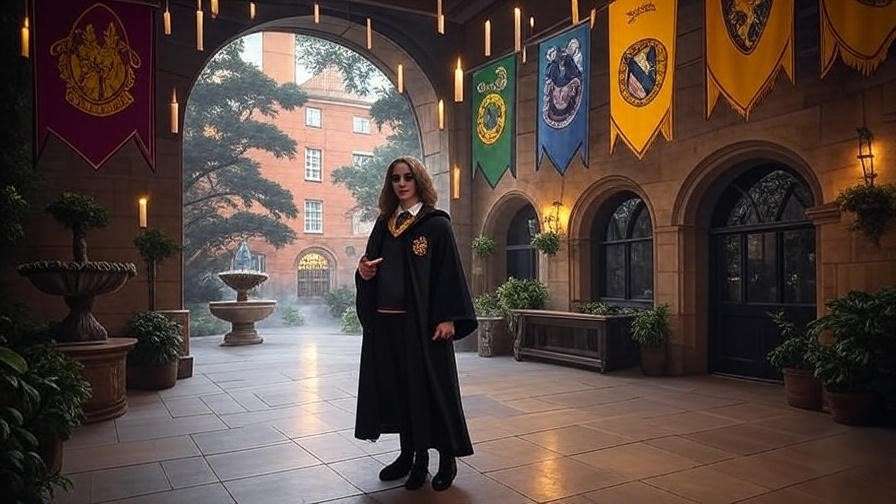
When tracing the shadows of Lord Voldemort’s dark ascent, few names echo as persistently and ominously as “Avery.” Present from the earliest, whispered meetings in the damp Hogwarts dungeons to the chilling rebirth in the Little Hangleton graveyard, the Avery Family in Harry Potter represents a fascinating, if sinister, thread in Wizarding World lore. They are woven into the very fabric of the Dark Lord’s rise to power, serving as a prime example of aristocratic corruption.
Yet, for many fans, navigating their history is a notoriously confusing endeavor. The core problem lies in a generational overlap: J.K. Rowling’s canon actually features two distinct Death Eaters who simply go by the surname Avery. One is a father who walked the school grounds alongside a young Tom Marvolo Riddle, while the other is his son, a contemporary of Severus Snape and the Marauders. This shared name often blurs the lines between two very different eras of dark magic.
This comprehensive guide is designed to untangle the notoriously confusing Avery family tree. By exploring their deeply rooted pure-blood status, distinguishing the father’s founding role from the son’s cowardly survival tactics, and analyzing their shifting allegiances, we will uncover how this single bloodline perfectly encapsulates the cowardly, self-serving nature of Lord Voldemort’s inner circle.
The Sacred Twenty-Eight: The Avery Family’s Pure-Blood Roots
To truly understand the motivations of the Avery men, one must first look at the foundation of their identity: their bloodline. Long before Tom Riddle ever stepped foot in Hogwarts, the Averys were deeply entrenched in the wizarding aristocracy of Great Britain.
The Pure-Blood Directory
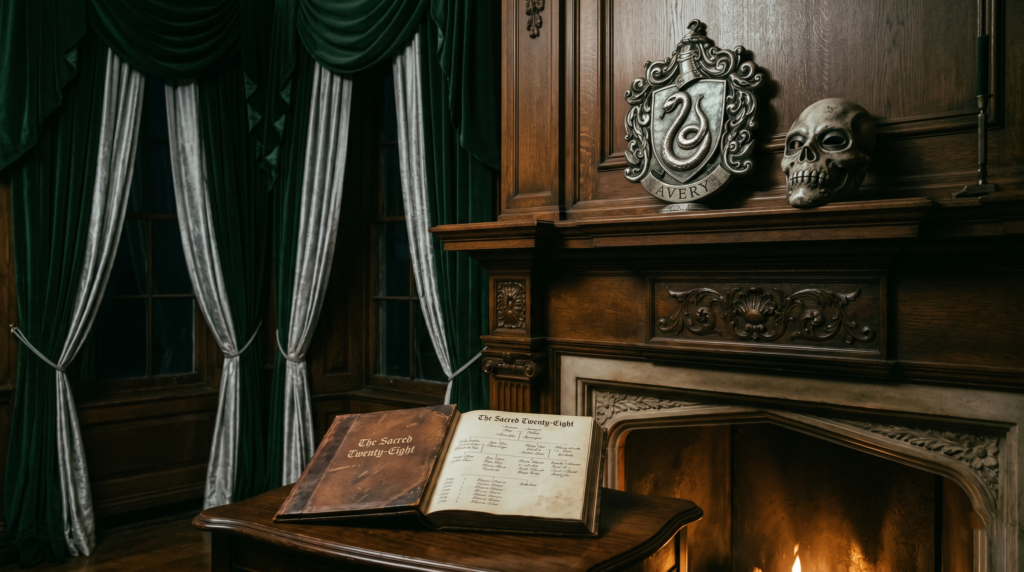
In the 1930s, an anonymous author—widely believed by wizarding historians to be Cantankerus Nott—published the Pure-Blood Directory. This highly controversial text listed the “Sacred Twenty-Eight,” a collection of British wizarding families who remained “truly pure” by the author’s strict, prejudiced standards. The Avery family was prominently featured on this list, cementing their social standing alongside ancient, wealthy houses like the Malfoys, the Blacks, and the Lestranges.
 Ideology and Blood Supremacy
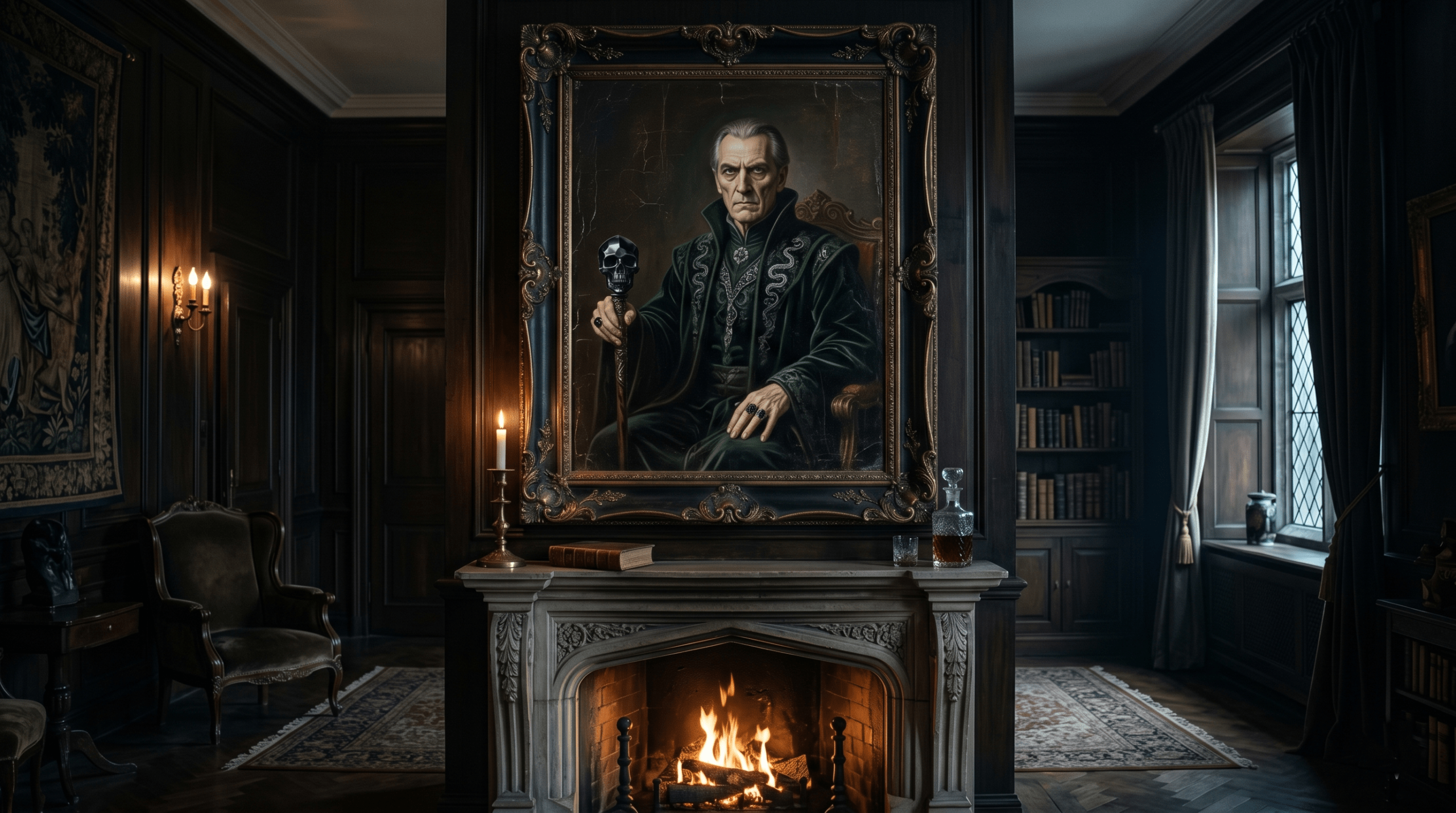
Inclusion in the Sacred Twenty-Eight was not merely a matter of genealogy; it was a badge of ideological honor. The Avery family harbored a deep-seated, systemic prejudice against Muggle-born witches and wizards, whom they derogatory referred to as “Mudbloods.” They believed that magical ability was a divine right reserved only for those with untainted wizarding heritage. This generational indoctrination made the Avery household a fertile breeding ground for dark ideology. When a charismatic, powerful heir of Slytherin eventually emerged, the Averys were already philosophically primed to follow him.
Social Standing Within Slytherin
Unsurprisingly, the Avery family was sorted overwhelmingly into Slytherin House. Within the silver-and-green common room, their wealth, pure-blood status, and social influence granted them immediate authority. However, unlike the Malfoys—who historically preferred to operate in the political spotlight—the Averys operated in the shadows, using their elite connections to quietly further their exclusionary agendas.
Avery Senior: The Architect of Voldemort’s Inner Circle
The first Avery we encounter in the chronological timeline of the Wizarding World is Avery Senior, a wizard whose Hogwarts years spanned the late 1930s to the mid-1940s. He is arguably one of the most critical, yet under-discussed, figures in the formation of the First Wizarding War.
The Proto-Death Eaters
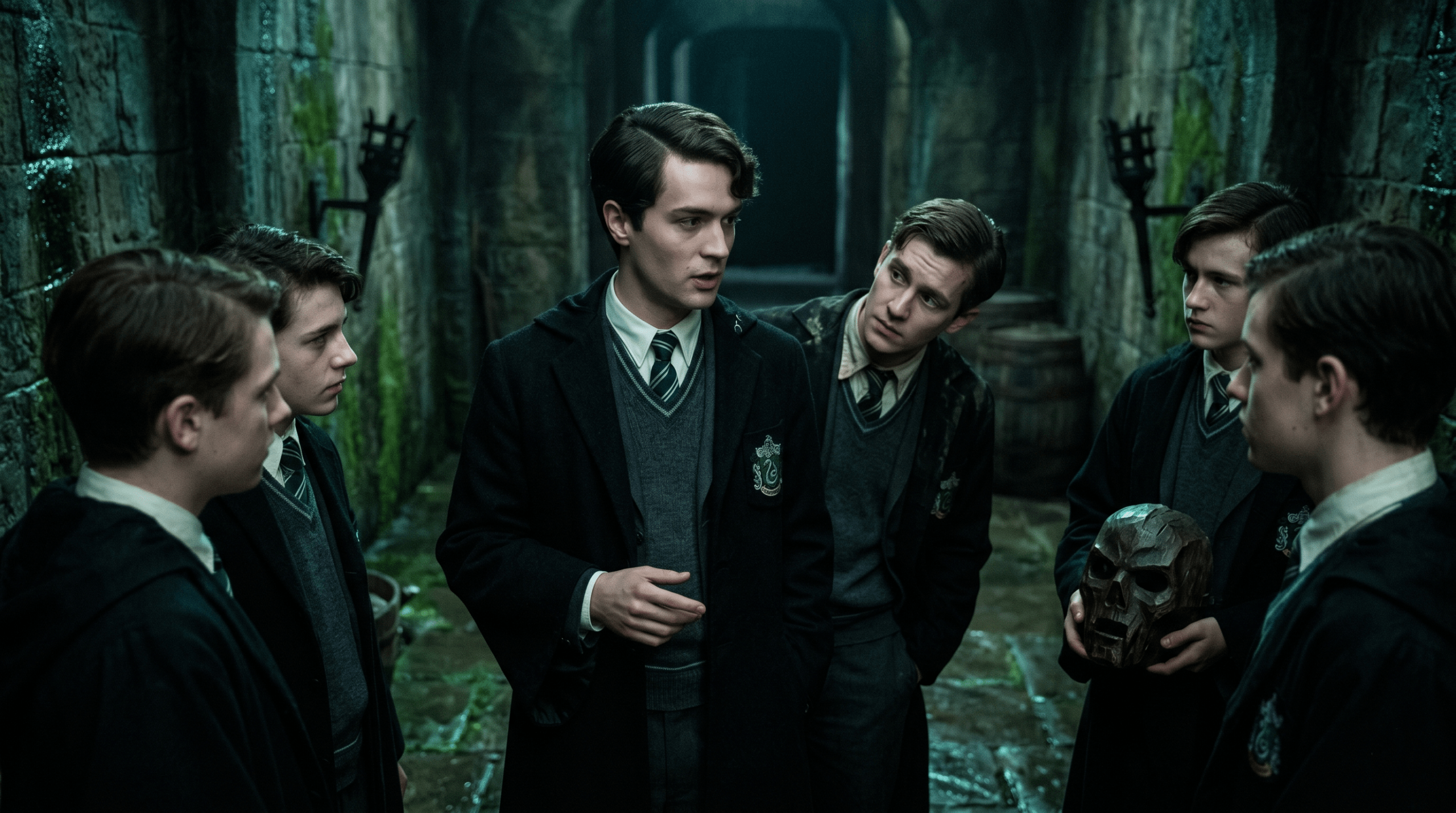
During his time at Hogwarts, Avery Sr. was a direct peer of Tom Marvolo Riddle. He was part of Riddle’s exclusive schoolyard gang, a precursor to the Death Eaters known to some as the Knights of Walpurgis. In Harry Potter and the Half-Blood Prince, Albus Dumbledore describes this early group with piercing clarity. They were not friends in the traditional sense; rather, they were a dangerous mix of “the weak seeking protection” and “the ambitious seeking some shared glory.”
Avery Sr. firmly belonged to the latter category. He recognized Riddle’s unparalleled magical talent and ruthlessness, aligning himself with the future Dark Lord to secure his own future power. He was an architect of the inner circle, helping to establish the hierarchy and pure-blood supremacy that would define Voldemort’s reign for decades.
 The Slug Club Connection
Like many of Riddle’s carefully curated followers, Avery Sr. used academic and social connections to mask his dark ambitions. He was noted to have interacted with Horace Slughorn, the opportunistic Potions Master. By participating in the “Slug Club,” the Averys and their pure-blood peers maintained a veneer of respectability. They networked with influential Ministry officials and prominent figures, all while secretly plotting the subjugation of the Muggle and Muggle-born populations.
Dumbledore’s Pensieve Memories
Avery Sr.’s canonical significance is heavily cemented in Dumbledore’s Pensieve. In the memories viewed by Harry Potter, Avery is explicitly named as one of the boys waiting for Riddle after Slughorn’s infamous dinner party—the very same night Riddle inquired about Horcruxes. Furthermore, when Voldemort returns to Hogwarts years later under the guise of applying for the Defense Against the Dark Arts post, Dumbledore explicitly names Avery among the “friends” waiting for Voldemort down in the Hog’s Head inn. This proves that Avery Sr.’s loyalty extended far beyond their school days, officially making him one of the original, founding Death Eaters who helped plunge the wizarding world into its first era of terror.
Avery Junior: The Sycophant, The Coward, and The Survivor
While Avery Senior helped lay the ideological groundwork for Voldemort’s army, his son—Avery Junior—would come to define the cowardly, sycophantic underbelly of the Death Eaters. Attending Hogwarts a full generation later, Avery Jr. represents the devastating consequences of generational prejudice.
The Marauders’ Era and the Slytherin Gang (1970s)
Avery Jr. attended Hogwarts during the 1970s, placing him directly in the era of the Marauders (James Potter, Sirius Black, Remus Lupin, and Peter Pettigrew) as well as Lily Evans and Severus Snape. Within Slytherin, Avery Jr. ran with a notorious gang of future Death Eaters, including Mulciber, Evan Rosier, and Wilkes.
Unlike his father, who operated with a quiet, calculating ambition, Avery Jr. and his gang were known for their blatant cruelty. They viewed dark magic not just as a tool for power, but as a weapon for schoolyard torment.
 The Dark Magic Attack on Mary Macdonald
One of the most pivotal canonical events involving Avery Jr. occurred during his Hogwarts years and centered around a Gryffindor student named Mary Macdonald. Avery and Mulciber used dark magic against Macdonald in an incident that deeply disturbed the student body.
When Severus Snape attempted to downplay the attack as “just a laugh,” Lily Evans fiercely condemned it, explicitly naming Avery and Mulciber as evil. This seemingly minor schoolyard conflict was actually a massive turning point in Harry Potter lore: it marked the beginning of the irreparable fracture between Lily and Snape. Avery’s cruelty directly contributed to driving away the only person who tethered Snape to the light.
The First Wizarding War and Escaping Azkaban (1978–1981)
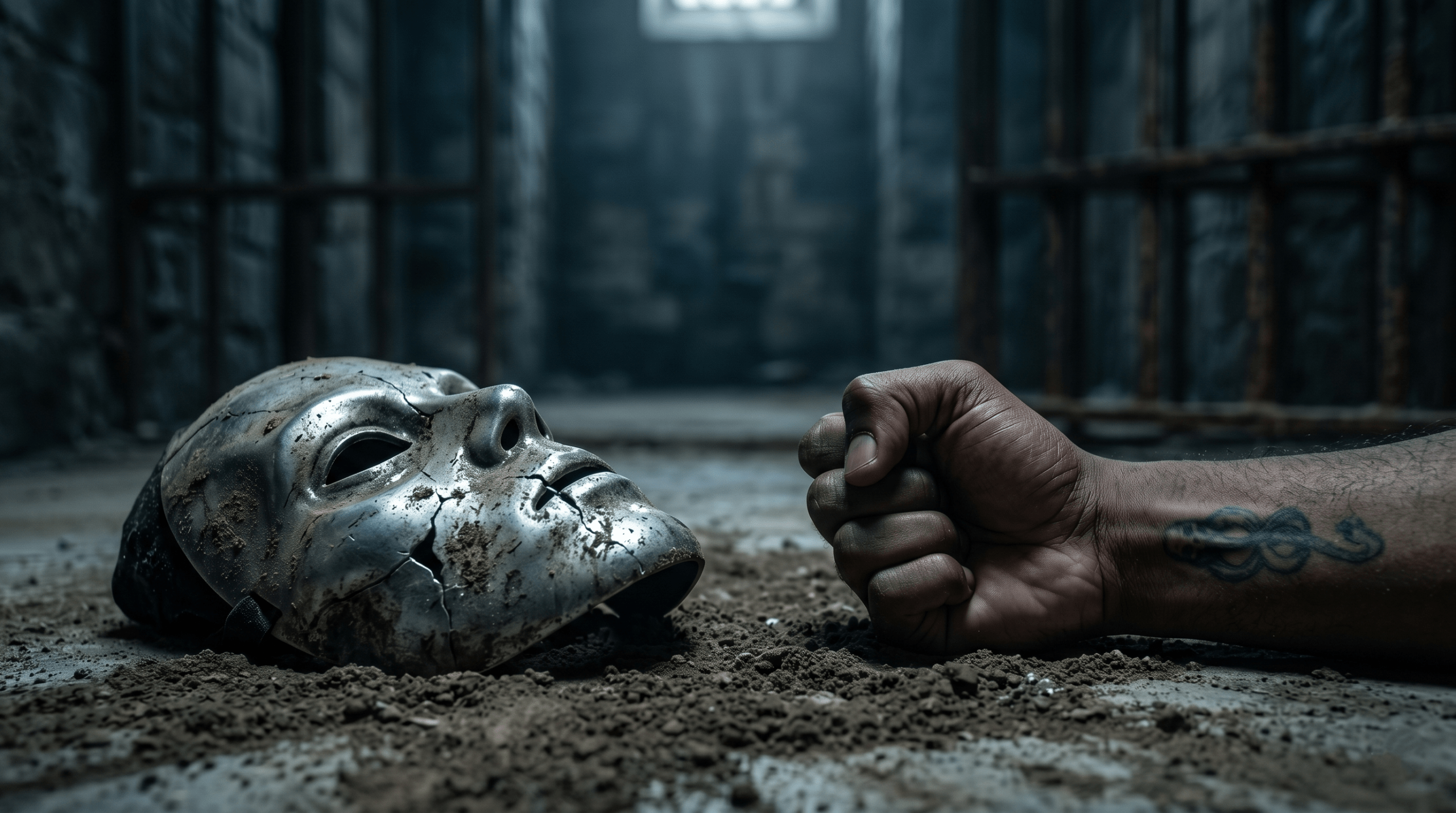
Upon leaving Hogwarts, Avery Jr. took the Dark Mark and became a fully initiated Death Eater, participating in the atrocities of the First Wizarding War. However, it was his actions after Lord Voldemort’s downfall in 1981 at Godric’s Hollow that truly defined his character.
When the Ministry of Magic began rounding up Death Eaters, fanatics like Bellatrix Lestrange proudly stood by their master and accepted life sentences in Azkaban. Avery Jr., however, demonstrated immense cowardice. He successfully utilized the “Imperius Curse defense,” convincing the Council of Magical Law that he had not acted of his own free will, but had been magically forced to commit his crimes. Using his family’s wealth, pure-blood status, and influence, he evaded justice entirely, returning to his comfortable life in high society.
The Graveyard Reunion (1995)
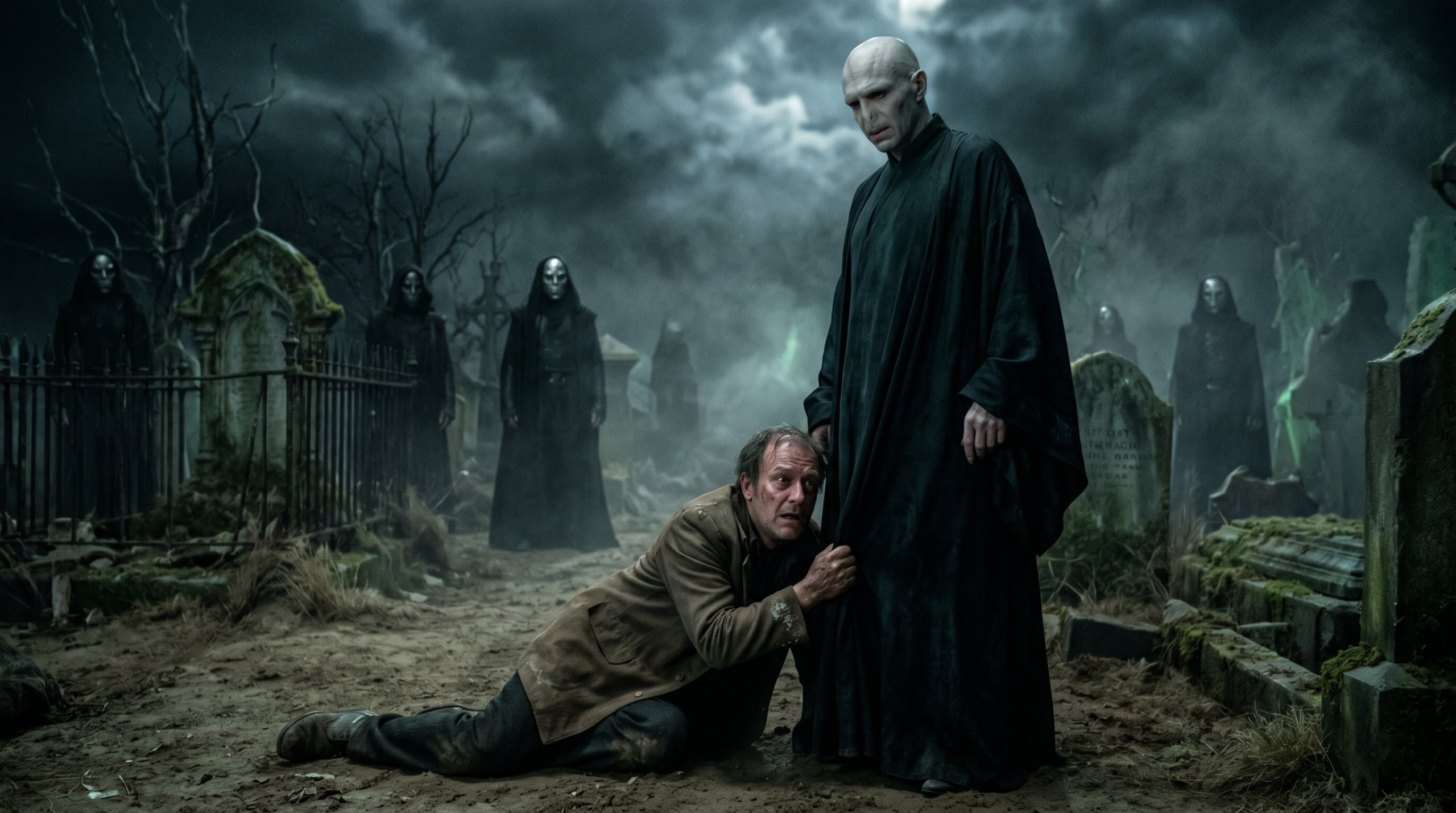
The consequences of Avery’s cowardice came back to haunt him in Harry Potter and the Goblet of Fire. When Voldemort regained his body in the Little Hangleton graveyard, he summoned his Death Eaters. Avery Jr. was among the first to arrive, but his reception was far from warm.
Avery threw himself at Voldemort’s feet, begging for forgiveness and claiming they would have helped had they known he was alive. Voldemort, disgusted by this groveling, immediately punished Avery with the Cruciatus Curse. This brutal scene masterfully contrasts the two Avery generations: the father stood as an equal and architect in Voldemort’s early days, while the son was reduced to a pathetic, tortured servant.
The Department of Mysteries (1996)
Avery Jr.’s final major canonical appearance occurs in Harry Potter and the Order of the Phoenix. He is part of the strike force sent by Voldemort to infiltrate the Ministry of Magic and secure the prophecy concerning Harry Potter and the Dark Lord.
Once again, Avery proves ineffective. During the Battle of the Department of Mysteries, he is easily stunned and defeated by the Order of the Phoenix. Following the battle, the Ministry can no longer ignore the truth. Avery Jr.’s lies are exposed, and he is finally stripped of his aristocratic comforts and sent to Azkaban prison.
Untangling the Timeline: Avery Sr. vs. Avery Jr.
For fans diving deep into wizarding genealogy, separating the two Averys is a common hurdle. To clarify the timeline and search intent behind the Avery Family in Harry Potter, here is a definitive breakdown of the father and son:
| Feature | Avery Senior | Avery Junior |
| Hogwarts Era | 1930s–1940s (Tom Riddle’s era) | 1970s (Marauders/Snape’s era) |
| Key Associates | Tom Riddle, Lestrange Sr., Horace Slughorn | Severus Snape, Mulciber, Evan Rosier |
| Defining Action | Founding member of the proto-Death Eaters | Used the Imperius defense to avoid Azkaban |
| Relationship to Voldemort | Early peer, confidant, and follower | Subservient, cowardly, punished in 1995 |
| Ultimate Fate | Unknown (likely died before the Second War) | Imprisoned in Azkaban in 1996 |
Why the Averys Matter: A Study in Slytherin Cowardice
From a literary and world-building perspective, J.K. Rowling uses the Avery family to communicate profound themes about power, corruption, and the inherent cowardice of supremacy movements.
The Contrast of Loyalty
The Wizarding World is filled with complex depictions of loyalty. You have the fanatical, terrifying devotion of the Lestranges; the tragic, brainwashed trajectory of Barty Crouch Jr.; and the reluctant, fear-driven servitude of Peter Pettigrew. The Averys represent self-serving loyalty. They followed Voldemort not because they possessed an unbreakable faith in him as a leader, but because he was the strongest wizard in the room who validated their pure-blood bigotry. The moment he fell, their loyalty vanished.
 The Imperius Loophole and Systemic Corruption
Avery Jr.’s ability to escape prison in 1981 highlights the severe systemic corruption within the Ministry of Magic. The Ministry’s willingness to believe wealthy, influential pure-bloods allowed the seeds of the Second Wizarding War to remain planted. Men like Avery Jr. and Lucius Malfoy were allowed to maintain their positions of power, directly leading to the Ministry’s eventual infiltration and collapse in 1997.
The Fall of the House of Avery
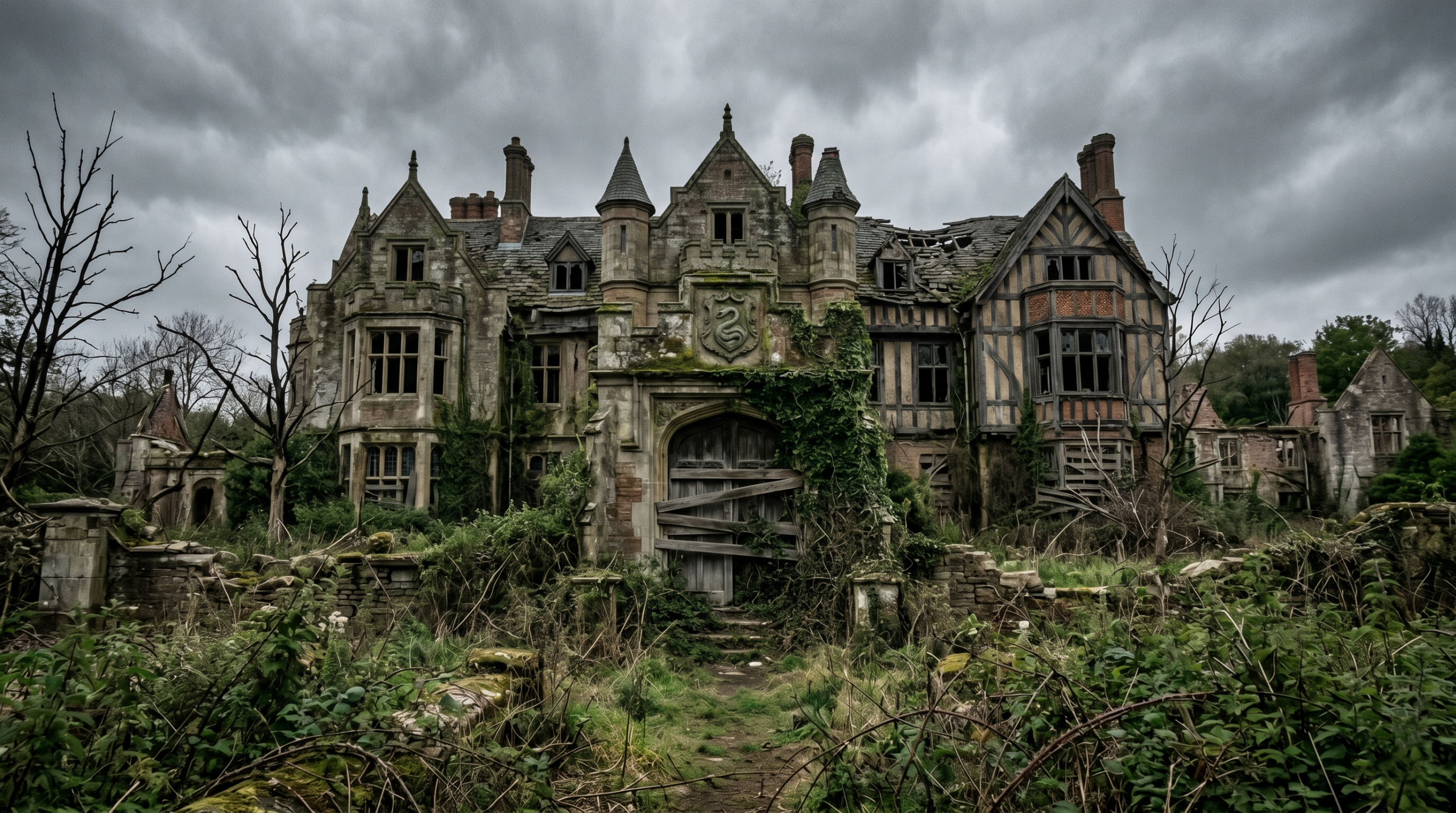
The narrative arc of the Avery family is ultimately one of degradation. They began as proud, untouchable members of the Sacred Twenty-Eight. Yet, by clinging to Voldemort out of fear and malice rather than genuine strength, they stripped themselves of their aristocratic dignity. The last time we hear of the Avery bloodline, its heir is rotting in a cell in Azkaban, entirely forgotten by the master he claimed to serve.
 Frequently Asked Questions (FAQs) About the Avery Family
Is the Avery from Tom Riddle’s era the same as the one in the graveyard?
No, they are two different people. The Avery who went to school with Tom Riddle in the 1940s is the father of the Avery who attended the graveyard rebirth in 1995.
What happened to Avery after the Battle of the Department of Mysteries?
Following his capture at the Ministry of Magic in 1996, Avery Jr. was sent to Azkaban. Because of his repeated failures and cowardice, he had fallen completely out of Voldemort’s favor, and it is highly likely he remained imprisoned or was entirely marginalized during the remainder of the Second Wizarding War.
Did the Avery family survive the Second Wizarding War?
There is no canonical evidence to suggest Avery Jr. had a wife or children. Given his imprisonment and the heavy casualties among Voldemort’s ranks at the Battle of Hogwarts, it is entirely possible that the Avery family line died out or faded into complete obscurity.
Why did Lily Potter hate Avery?
During their time at Hogwarts, Lily Evans despised Avery Jr. because he and his friend Mulciber practiced dark magic and bullied other students. Specifically, they committed a severe act of dark magic against her friend, Mary Macdonald, which Lily viewed as unforgivable.
The legacy of the Avery Family in Harry Potter serves as a stark reminder of the corrosive nature of dark magic and prejudice. Through Avery Senior, we witness the insidious, quiet beginnings of Lord Voldemort’s rise—a time when pure-blood ambition blinded wealthy families to the monster they were helping create. Through Avery Junior, we see the pathetic reality of that ambition: a life spent groveling, lying, and cowering in the shadow of a tyrant.
By untangling their timeline, fans gain a much deeper appreciation for J.K. Rowling’s intricate world-building. The Averys traded their autonomy for the illusion of power, proving that those who build their legacy on fear ultimately engineer their own destruction.