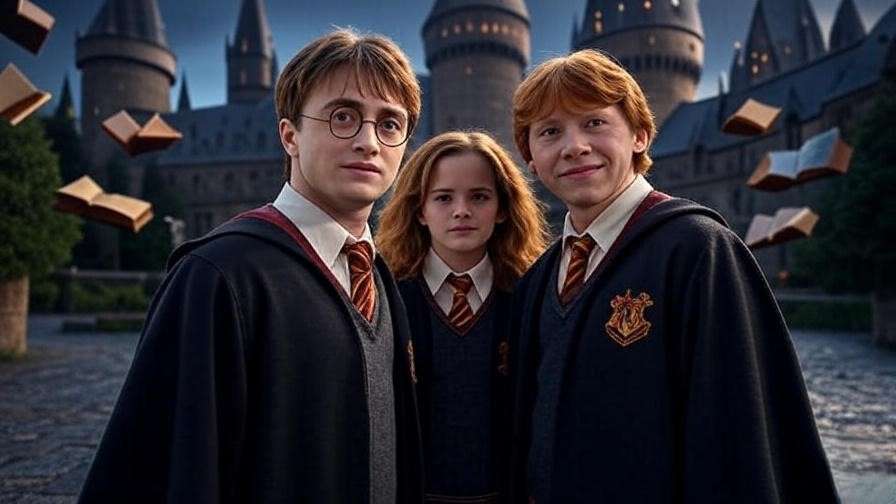
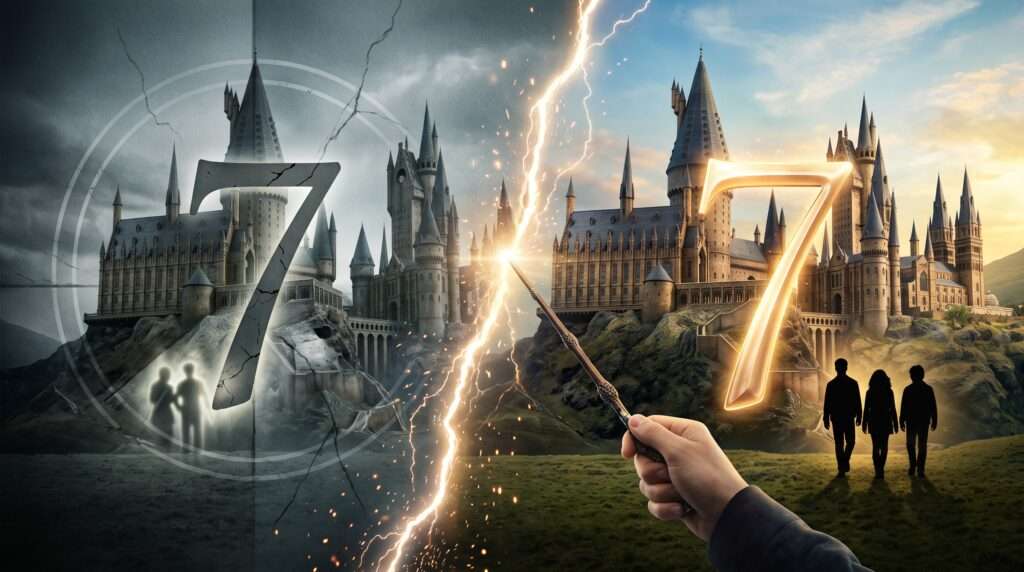
For an entire generation, the eight original films were pure cinematic magic. They brought the Wizarding World to life, defined childhoods, and created a visual language for Hogwarts that remains iconic to this day. However, for die-hard fans of J.K. Rowling’s sprawling novels, the theatrical adaptations were a double-edged sword. While visually stunning, they left a trail of frustrating omissions, altered character arcs, and abandoned subplots. Now, with the highly anticipated HBO Max television series premiering on December 25, 2026, the creators have a monumental opportunity. This new adaptation is, quite literally, Harry Potter: Another Chance to get the beloved source material exactly right.
As we inch closer to our return to Platform 9¾, the conversation among Potterheads has shifted from casting rumors to narrative redemption. Fans don’t just want a re-tread of the movies; they want the definitive, unabridged story. The serialized television format finally offers the runtime necessary to fix the structural flaws of the past.
If this upcoming reboot hopes to win over the fiercely loyal fanbase and justify its existence, showrunner Francesca Gardiner and her writing team must address the sins of the previous adaptations. Here is a definitive deep dive into the seven most egregious movie mistakes the new HBO series must fix.
Why the HBO Reboot is “Another Chance” for the Franchise
To understand why this reboot is so critical, we must first look at the inherent limitations of cinema. Adapting a 300-page novel like Harry Potter and the Sorcerer’s Stone into a two-and-a-half-hour film is challenging but manageable. However, attempting to cram the dense, 700-plus pages of Harry Potter and the Goblet of Fire or Harry Potter and the Order of the Phoenix into that exact same timeframe is an impossible task.
The original filmmakers, including recurring screenwriter Steve Kloves, were forced to butcher intricate subplots, streamline character development, and prioritize high-octane action sequences over crucial world-building. Entire families were erased, pivotal backstory chapters were condensed into brief lines of dialogue, and the everyday, lived-in magic of attending classes at Hogwarts was frequently sacrificed on the altar of pacing.
HBO’s promise of a “faithful adaptation”—dedicating roughly one full season of television to each book—changes the formula entirely. An eight-to-ten-hour season provides the breathing room necessary to let the narrative marinate. It allows for a tonal shift, moving away from Hollywood blockbuster pacing and leaning into the rich, serialized mystery and coming-of-age drama that made the books unputdownable. Replacing iconic actors like Daniel Radcliffe, Emma Watson, Rupert Grint, and the late Alan Rickman is undeniably a massive risk. The only way to justify stepping into those legendary robes is by offering an undeniably superior narrative experience.
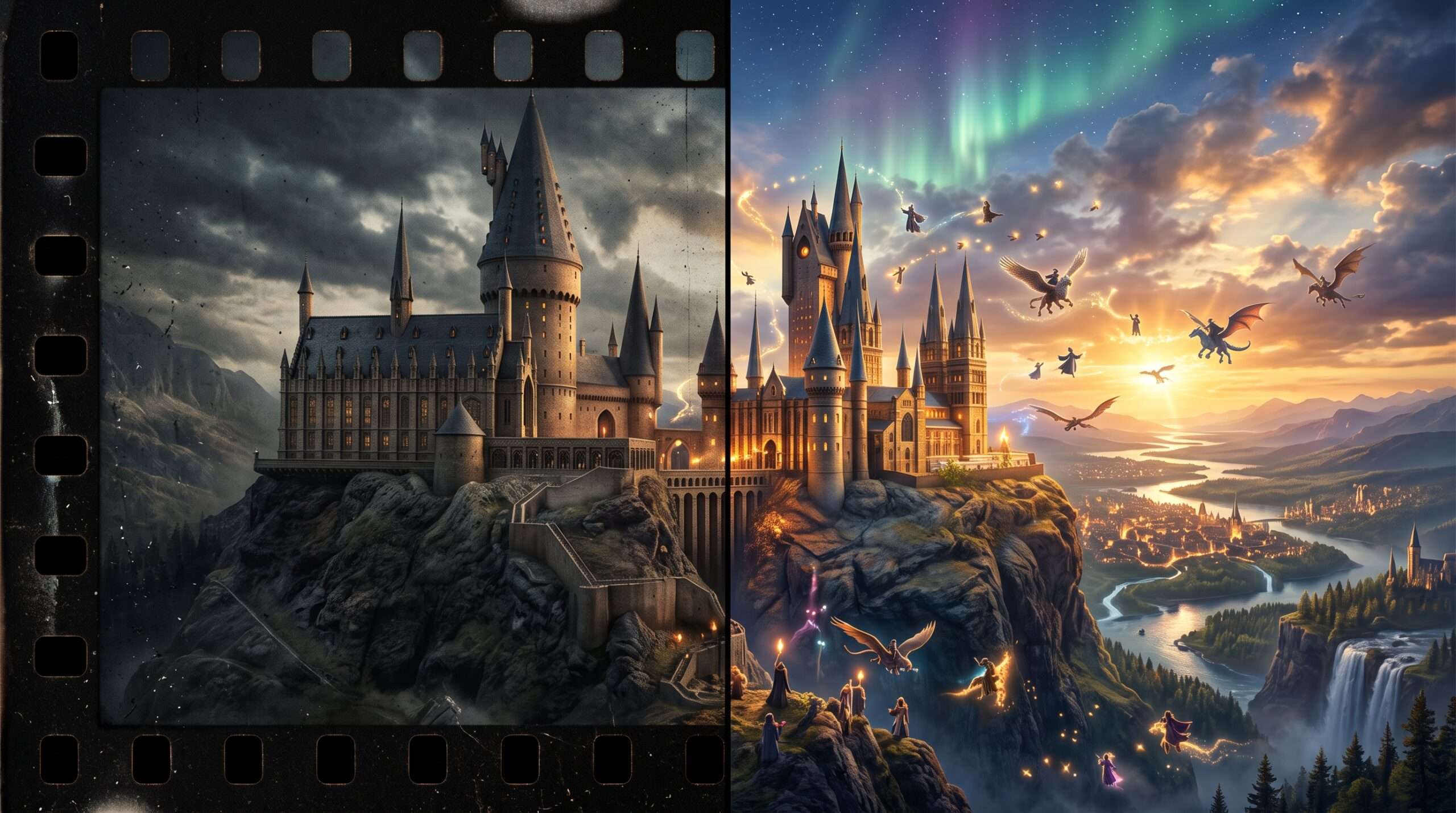 7 Movie Mistakes the New Reboot Must Fix
1. The Character Assassination of Ron Weasley
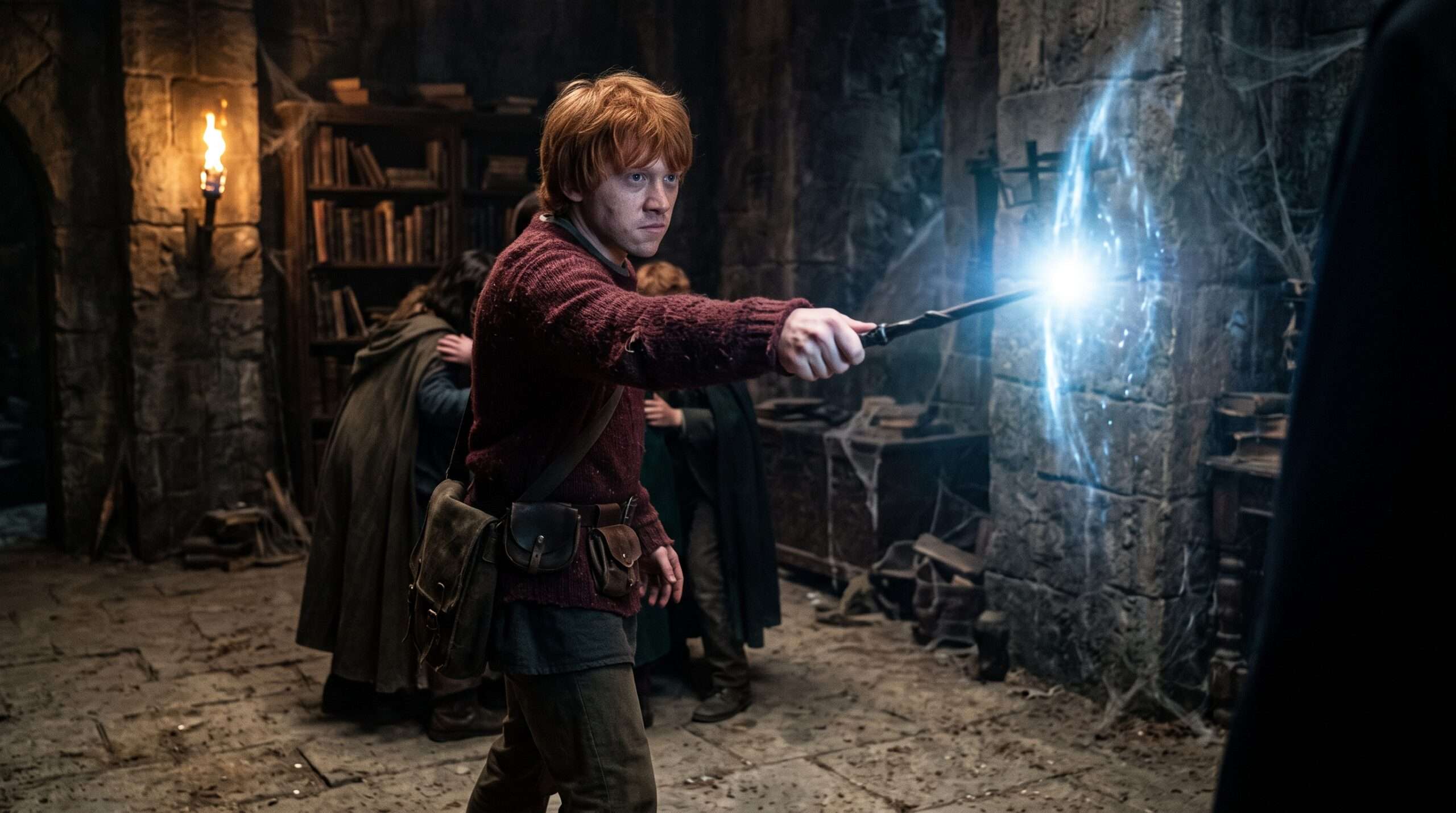
Of all the casualties of the film adaptations, Ron Weasley suffered the most. The movies notoriously stripped Ron of his best qualities, reducing him to a bumbling, perpetually terrified sidekick who existed primarily for comic relief. The films routinely took Ron’s most courageous moments and profound insights into the Wizarding World and handed them to Hermione Granger.
Consider the climax of The Prisoner of Azkaban. In the novel, a severely injured Ron stands on a broken leg, positions himself between Harry and a man he believes to be a mass murderer (Sirius Black), and declares, “If you want to kill Harry, you’ll have to kill us too!” In the film, a terrified Ron cowers on a bed while Hermione delivers that exact line. Furthermore, Ron’s strategic brilliance—established during the wizard chess match in the first book—is rarely utilized again on screen.
The Fix:
The new reboot must let Alastair Stout, the newly cast Ron Weasley, portray the character as he was originally written. Ron is the emotional anchor of the Golden Trio. He is the one who explains wizarding customs, pure-blood prejudices, and magical lore to Harry and Hermione, who were both raised in the Muggle world. The series must restore his fierce loyalty, his tactical mind, and his grounded bravery.
 2. Omitting the Marauders’ Backstory
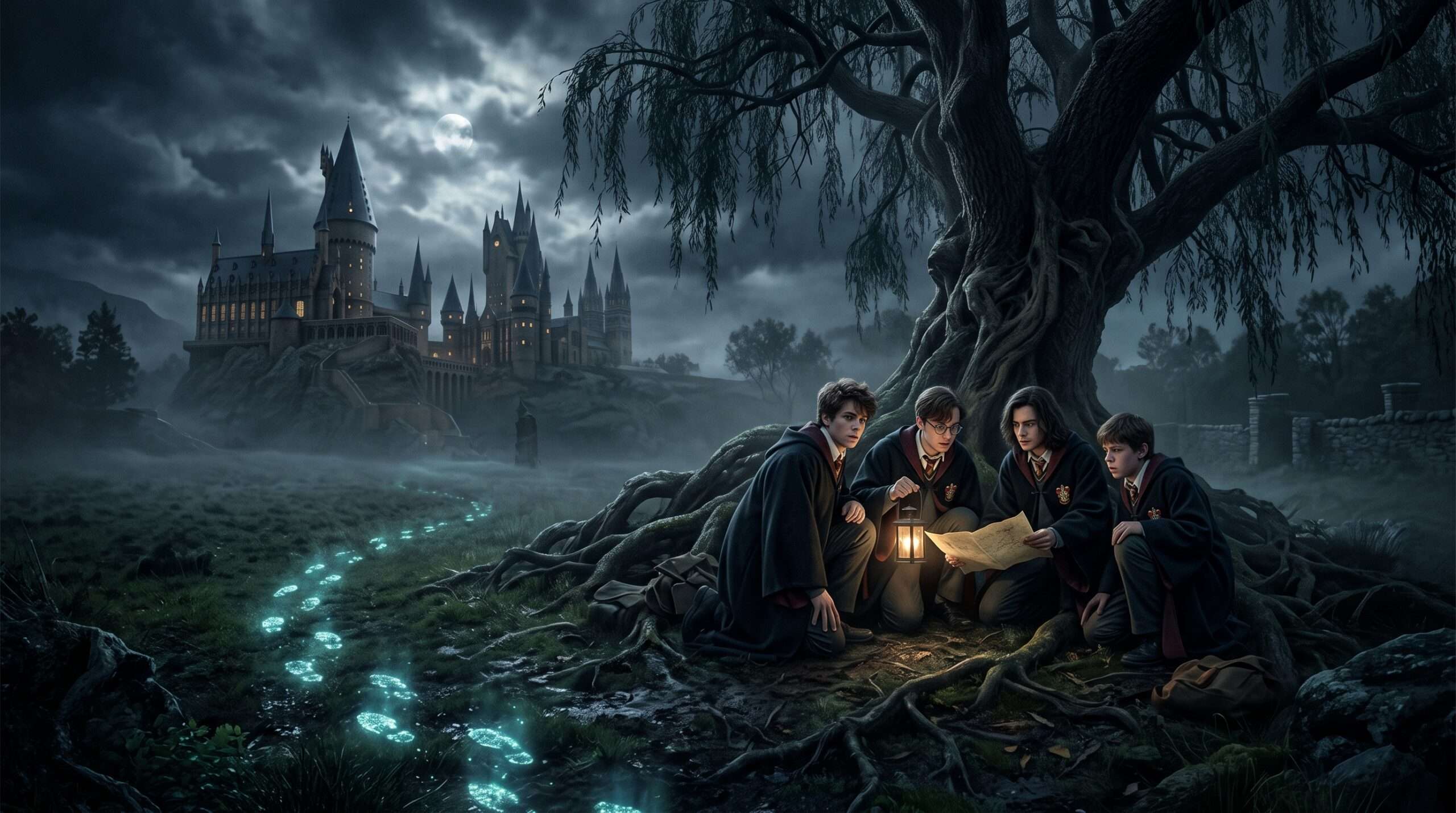
Alfonso Cuarón’s Harry Potter and the Prisoner of Azkaban is widely regarded as a cinematic masterpiece, but narratively, it drops the ball on one of the most vital pieces of wizarding lore: the true story of the Marauders. Astoundingly, the film never explicitly explains to the audience that Moony, Wormtail, Padfoot, and Prongs are, in fact, Remus Lupin, Peter Pettigrew, Sirius Black, and James Potter.
Because the movie skips this crucial exposition, viewers who haven’t read the books are left confused about how Sirius knew how to use the Marauder’s Map, why Peter Pettigrew is an Animagus, and the deep, tragic bond that tied these four men to Harry’s father.
The Fix:
When Season 3 arrives, the HBO series needs a dedicated, extended flashback sequence—perhaps even a full episode—exploring the Marauders’ time at Hogwarts. Viewers need to see the grueling process they underwent to become illegal Animagi to support Lupin during his werewolf transformations, as well as their complicated, often cruel dynamic with a young Severus Snape.
 3. The Erasure of Winky and S.P.E.W.
Harry Potter and the Goblet of Fire is where the wizarding world expands beyond the walls of Hogwarts, introducing international wizarding schools, the Ministry of Magic’s bureaucracy, and deeper political themes. Yet, the film adaptation completely excised a massive subplot: the plight of the House-Elves, specifically Winky (the Crouch family’s disgraced elf), and Hermione’s subsequent creation of S.P.E.W. (the Society for the Promotion of Elfish Welfare).
While cutting S.P.E.W. might have streamlined the movie’s runtime, it erased a vital layer of Hermione’s character development. Her activism highlights the systemic inequalities and deeply ingrained prejudices within magical society—themes that become central to the war against Voldemort. Winky’s storyline is also strictly tied to the Barty Crouch Jr. mystery, and without her, his escape from Azkaban makes far less sense in the film.
The Fix:
The TV series must reintroduce the moral complexities of the Wizarding World. S.P.E.W. shouldn’t just be a passing joke; it should be portrayed as Hermione’s awakening to civil rights, setting the stage for her future career at the Ministry of Magic where she dismantles pro-pureblood laws. Winky must be included to give the Crouch family tragedy its full, devastating weight.
4. The Infamous “DID YOU PUT YOUR NAME IN THE GOBLET OF FIRE?!” Scene
It is arguably the most memed moment in the entire film franchise. In the book, when Harry is unexpectedly chosen as a Triwizard Champion, Dumbledore approaches him and asks, “calmly,” if he put his name in the goblet. In the film, actor Michael Gambon charges at Harry, grabs him by the collar, and violently shouts the question, looking completely unhinged.
While this might seem like a minor acting choice, it points to a larger problem with the cinematic portrayal of Albus Dumbledore post-Richard Harris. Gambon’s Dumbledore was frequently loud, aggressive, and visibly panicked. The true power of book Dumbledore lies in his unshakeable serenity, his eccentric warmth, and the quiet, calculating mind operating beneath a veneer of grandfatherly charm. When Dumbledore finally does show anger in the books, it is a terrifying, earth-shattering event precisely because he is usually so composed.
The Fix:
With the legendary John Lithgow stepping into the role of the Hogwarts Headmaster, the series must maintain Dumbledore’s quiet authority. Lithgow has the gravitas to perfectly capture the twinkle in Dumbledore’s eye, as well as the quiet sorrow of a man burdened by his own strategic machinations.
5. Sidelining Dobby Until His Death
Dobby the House-Elf is a massive fan favorite, introduced in The Chamber of Secrets. However, due to CGI budget constraints and runtime issues, Dobby vanished from the movie franchise entirely, only returning in The Deathly Hallows Part 1 just in time to be killed off.
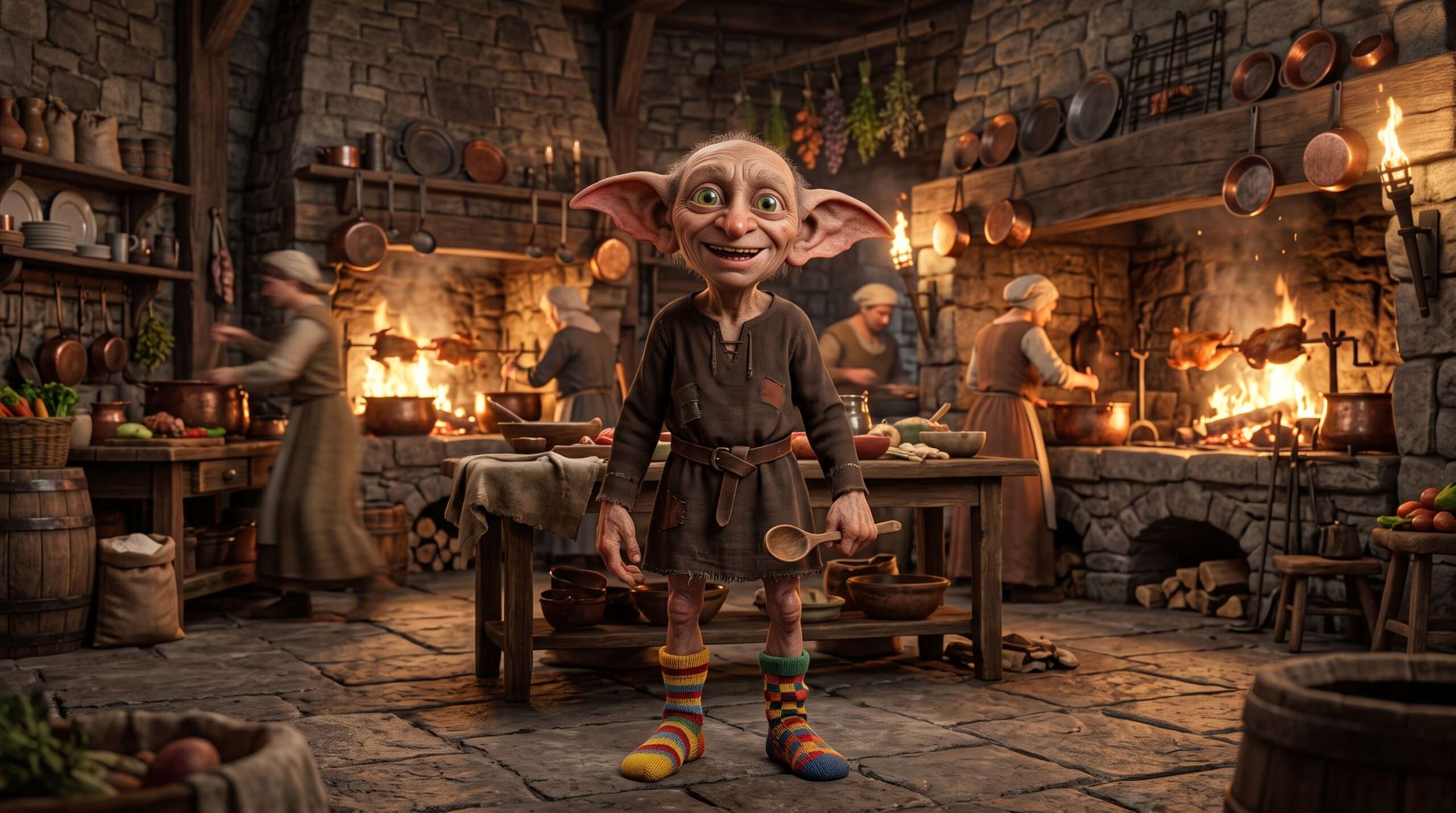
In the books, Dobby is a recurring, deeply loyal ally. He gets a job in the Hogwarts kitchens. He is the one who steals Gillyweed for Harry during the Triwizard Tournament (a role given to Neville Longbottom in the movie). He is the one who tells Harry about the Room of Requirement for Dumbledore’s Army. He even tails Draco Malfoy for Harry in The Half-Blood Prince. Because the movies cut all of this, his death in the seventh film, while sad, lacked the profound, gut-wrenching impact it had on the page.
The Fix:
With modern television budgets allowing for seamless, high-quality CGI, Dobby must be a continuous presence throughout the seasons. The audience needs to see him enjoying his freedom, getting paid in galleons, and wearing ridiculous assortments of mismatched socks. Only by building this relationship over multiple seasons will his ultimate sacrifice at Malfoy Manor carry its true emotional weight.
 6. Skipping Voldemort’s Family History (The Gaunts)
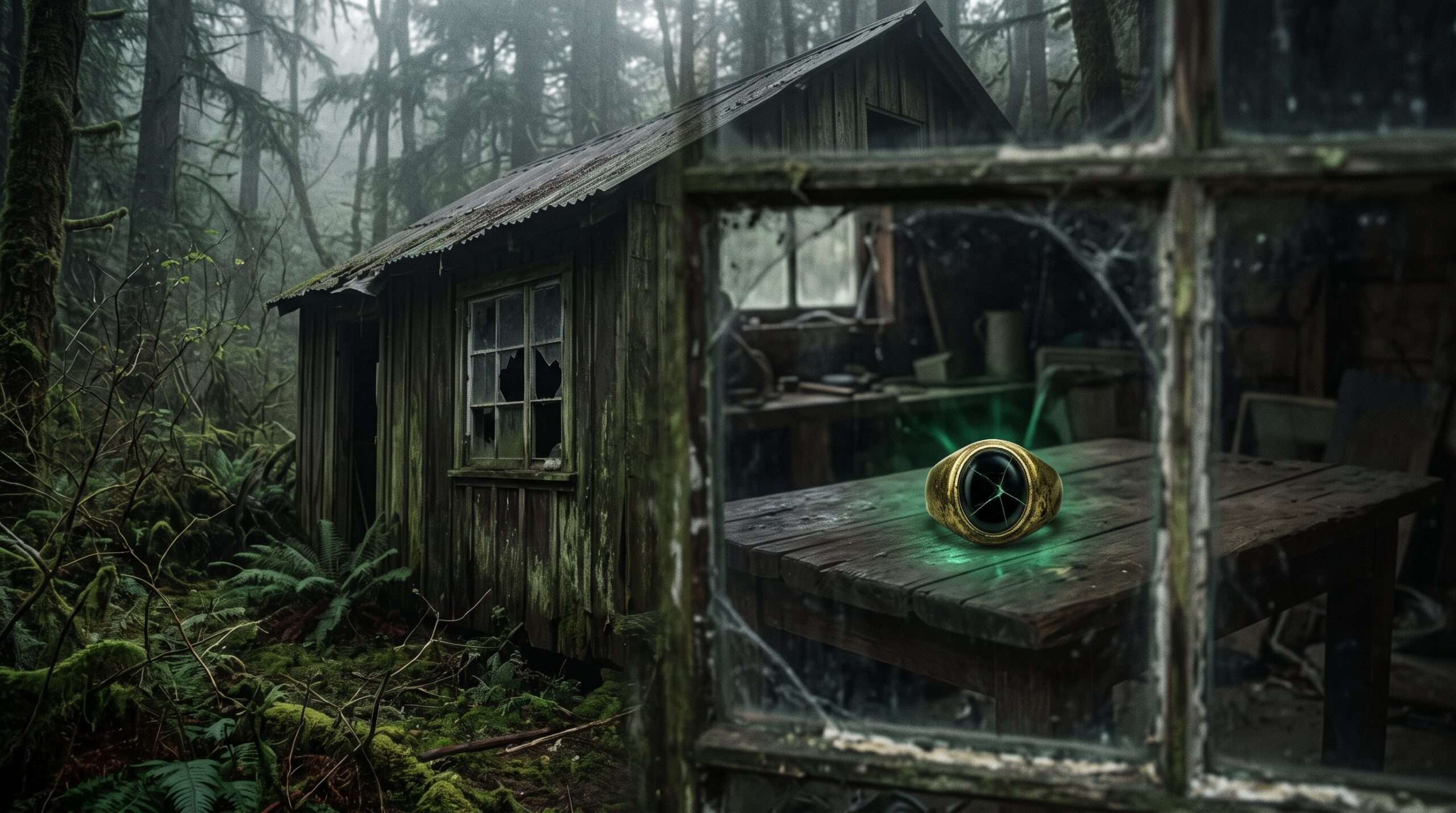
Perhaps the most frustrating adaptation choice occurred in The Half-Blood Prince. The sixth book is a psychological thriller, with Harry and Dumbledore taking deep dives into the Pensieve to study Tom Riddle’s past. We learn about the Gaunt family (Voldemort’s inbred, pure-blood supremacist ancestors), how his mother Merope used a love potion on a Muggle, and how Riddle manipulated people to acquire the artifacts he would turn into Horcruxes.
The film adaptation stripped away almost all of this vital backstory, choosing instead to focus heavily on teenage romances and a made-up attack on the Burrow. As a result, movie-only fans never truly understand Voldemort’s psychology, his obsession with Hogwarts founders’ artifacts, or the tragic irony of his half-blood status.
The Fix:
Season 6 must fully embrace the true-crime, investigative nature of the book. The HBO series needs to cast the Gaunt family (Marvolo, Morfin, and Merope) and dedicate significant screen time to these memories. Understanding generational trauma, the effects of a loveless conception, and the exact origins of Voldemort’s psychopathy elevates the story from a standard fantasy battle to a complex psychological study.
 7. The Absence of Peeves the Poltergeist
Hogwarts in the books is a chaotic, vibrant, and unpredictable place, and much of that atmosphere is provided by Peeves the Poltergeist. Peeves spends his days dropping water balloons on students, writing rude limericks, and causing absolute mayhem. Despite the late comedian Rik Mayall filming scenes as Peeves for the first film, the character was entirely cut from the franchise.
Peeves isn’t just background dressing; he plays a role in the narrative. He smashes the vanishing cabinet that Draco Malfoy later fixes, and his relentless torment of Dolores Umbridge in Order of the Phoenix (including being saluted by Fred and George Weasley) is one of the most satisfying subplots in the series.
The Fix:
The newly announced casting of Peter Serafinowicz as Peeves for the HBO reboot is a massive step in the right direction. His chaotic neutrality and distinct brand of physical comedy are essential to making the castle feel genuinely haunted, alive, and distinctly magical.
What We Know About the 2026 Harry Potter HBO Series
As we sit here in late 2026, the hype for the new series has reached a fever pitch. HBO has carefully curated a production timeline designed to prioritize quality over speed, aiming to create a television event that rivals the cultural impact of Game of Thrones.
The Release Date and Format
Warner Bros. Discovery has officially confirmed that the series will premiere on December 25, 2026, exclusively on HBO and the Max streaming platform. The format is a monumental 10-year commitment, with each season roughly adapting one book in J.K. Rowling’s original series, though executives have hinted that longer books like Order of the Phoenix might be split or expanded.
The New Cast Stepping into Hogwarts
Following an exhaustive, worldwide casting call, the new Golden Trio has been found. Dominic McLaughlin will take on the heavy mantle of Harry Potter, joined by Alastair Stout as Ron Weasley and Arabella Stanton as Hermione Granger. Flanking these newcomers is a powerhouse adult cast, anchored by the legendary John Lithgow as Albus Dumbledore. The blend of fresh, unknown talent for the students and heavyweight, award-winning actors for the professors mirrors the successful casting strategy of the original films.
Frequently Asked Questions (FAQs)
Is the new Harry Potter series a continuation or a total reboot?
The HBO series is a complete, ground-up reboot. It does not exist in the same continuity as the 2001-2011 films or the Fantastic Beasts movies. It is starting fresh from Harry Potter and the Sorcerer’s Stone with an entirely new cast.
Will J.K. Rowling be involved in the HBO series?
Yes, J.K. Rowling serves as an executive producer on the project. HBO executives have stated her involvement is primarily to ensure the series remains deeply faithful to the lore and narrative arcs established in her original text.
How many seasons will the Harry Potter TV show have?
The show has been pitched as a “decade-long series.” While there are seven books, the density of the later novels suggests the show could run anywhere from 7 to 9 seasons, depending on how the showrunners decide to pace the final installments.
The original Harry Potter films are undisputed cinematic classics, boasting iconic scores, brilliant casting, and groundbreaking visual effects. However, the constraints of the silver screen meant that much of the nuance, world-building, and character depth from the books was left on the cutting room floor.
The upcoming 2026 HBO series represents something incredibly rare in modern pop culture: a second chance. It is Harry Potter: Another Chance to finally see the pages translated to the screen without compromise. By fixing the characterization of Ron Weasley, restoring missing backstories, and leaning into the darker, more complex themes of the later books, this reboot has the potential to be the definitive adaptation of the beloved saga.
Which movie mistake are you most hoping the HBO series fixes? Do you agree with our list? Let us know in the comments below, and don’t forget to share this with your fellow Potterheads!