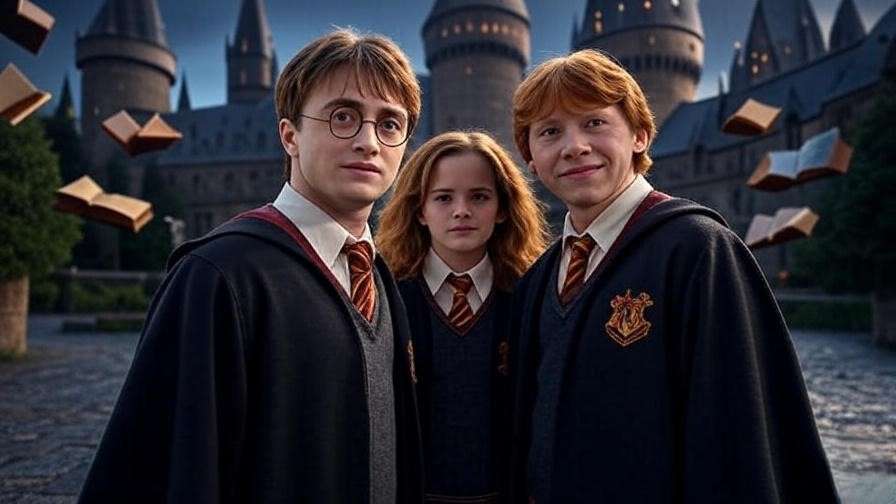
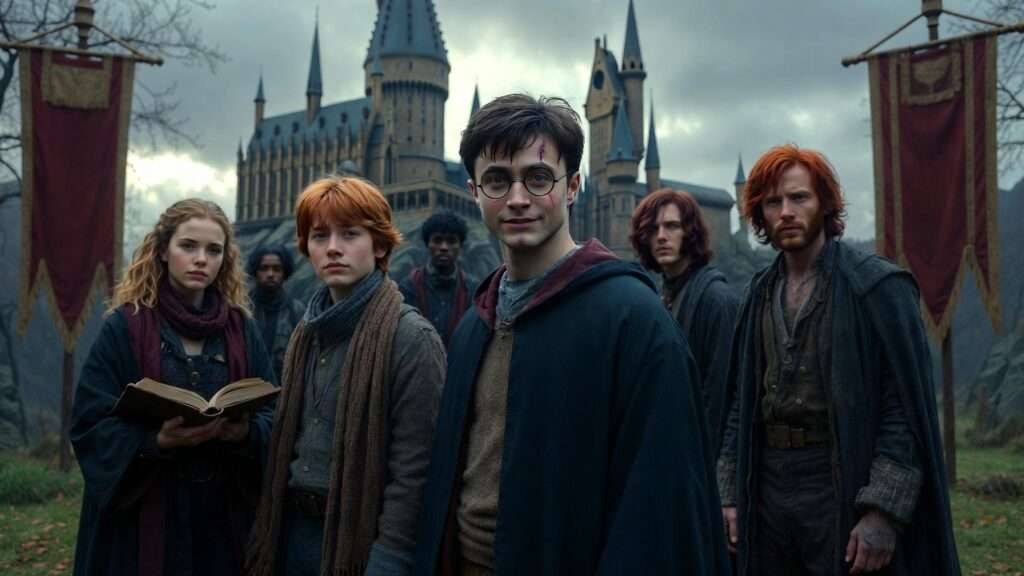
If you’ve ever found yourself in a heated debate with fellow Potterheads about which Harry Potter book reigns supreme, you’re not alone. Whether it’s late-night discussions on Reddit, passionate arguments in comment sections, or quiet reflections during a reread, the question persists: What is the best book of the Harry Potter series? After more than two decades, millions of reader votes, critical acclaim, and endless fan polls, one title consistently rises to the top—Harry Potter and the Prisoner of Azkaban.
As someone who has reread the entire series more than a dozen times, tracked rankings across platforms like Goodreads, Reddit, and various fan communities, and analyzed the books through literary lenses of plot, character, and theme, I can confidently say Prisoner of Azkaban isn’t just a fan favorite—it’s the pinnacle of J.K. Rowling’s storytelling craft. With its masterful blend of mystery, emotional depth, magical innovation, and perfect tonal balance, it stands head and shoulders above the rest. In this comprehensive guide, we’ll explore the data behind the rankings, break down the criteria for greatness, dive deep into why Prisoner of Azkaban excels, compare it directly to other contenders, and hear from the wider wizarding community. By the end, you’ll have the tools to settle the debate for yourself—or at least appreciate why so many call it the undisputed champion.
The Harry Potter Books Ranked: Consensus from Fans and Critics
To determine the best book of the Harry Potter series, we must look beyond personal taste to aggregated data from fans and critics alike. Goodreads, with its millions of ratings, provides one of the most reliable snapshots. Harry Potter and the Prisoner of Azkaban holds an impressive average rating of 4.58 out of 5 from over 4.8 million ratings—one of the highest for any book in the series and among the top-rated fantasy novels overall on the platform.
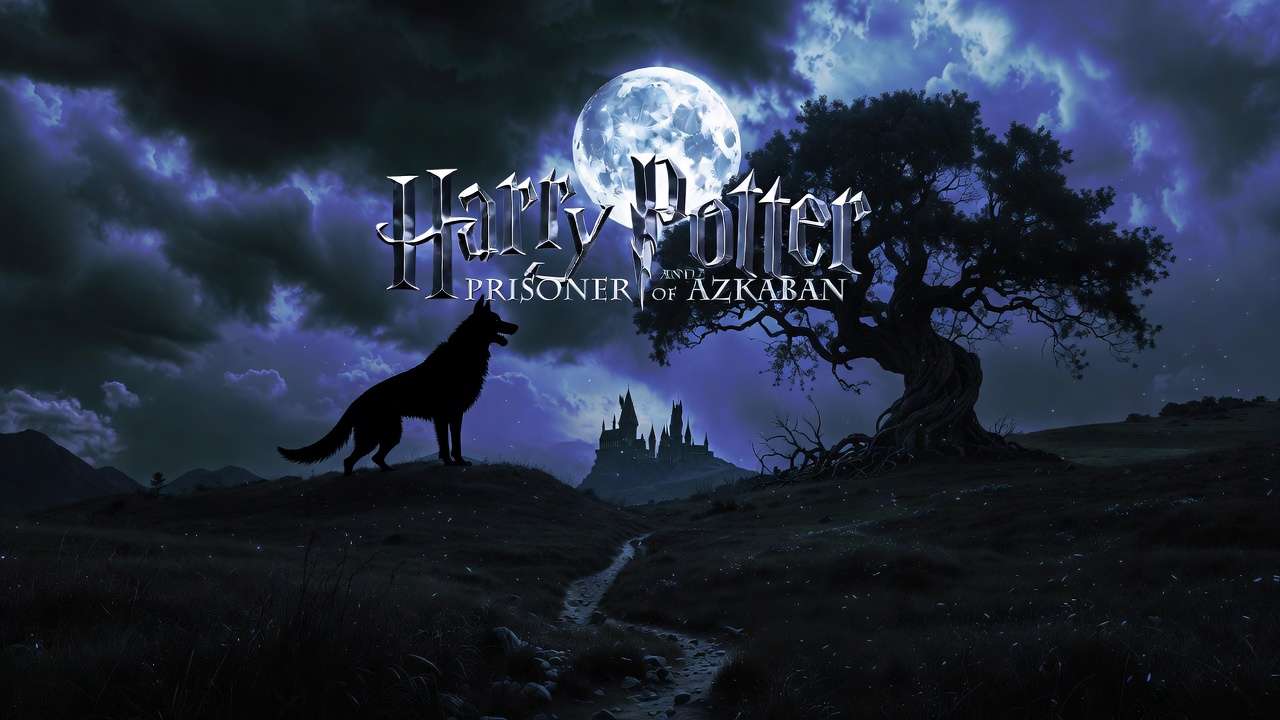 Fan polls on Reddit, Quora, and various book blogs frequently place it at number one. Recent 2025–2026 rankings from sites like HarryPotterInsider, FandomWire, and Collider often rank it in the top spot or very close, citing its re-readability and emotional resonance. Even older polls from Goodreads and fan forums show Prisoner of Azkaban winning or placing highly time and again.
Here’s a consensus ranking of the seven core Harry Potter books (from least to most favored, based on broad fan and critic agreement):
- Harry Potter and the Prisoner of Azkaban — The clear leader in most aggregated lists.
- Harry Potter and the Half-Blood Prince — A close second for its emotional intensity and revelations about Voldemort.
- Harry Potter and the Goblet of Fire — Epic scope and tournament excitement, though some find it bloated.
- Harry Potter and the Order of the Phoenix — Deep character work and political themes, but criticized for length and angst.
- Harry Potter and the Deathly Hallows — Satisfying finale with high stakes, though the pacing divides readers.
- Harry Potter and the Philosopher’s Stone (Sorcerer’s Stone) — Magical introduction that sparks wonder, but simpler in structure.
- Harry Potter and the Chamber of Secrets — Solid mystery, but often seen as the most formulaic and transitional.
This ranking isn’t universal—personal favorites vary wildly—but Prisoner of Azkaban’s consistent top placement across sources speaks volumes.
Why Data Backs Prisoner of Azkaban as the Fan Favorite
Beyond raw ratings, Prisoner of Azkaban dominates re-read polls and “comfort read” discussions. Fans return to it most often because it captures the series at its most balanced: the whimsy of the early books meets the darker maturity of the later ones without tipping too far in either direction. In Goodreads lists titled “Best Harry Potter Books,” it frequently claims the #1 spot with hundreds of thousands of votes. Reddit threads debating favorites often see it winning, with users praising its tight plotting and lack of filler. Even in 2026, as the HBO series revival reignites interest, new readers and longtime fans alike cite it as their top pick for its timeless appeal.
What Makes a ‘Best’ Harry Potter Book? Our Expert Ranking Criteria
To fairly crown the best book of the Harry Potter series, we need objective criteria rather than pure subjectivity. Here’s the framework I use, drawn from literary analysis and years of fandom study:
- Plot complexity and mystery resolution — How well does the story build suspense, plant clues, and deliver satisfying payoffs?
- Character development and emotional depth — Do characters grow meaningfully, and do their arcs resonate?
- World-building and magical innovation — How creatively does Rowling expand the wizarding world?
- Pacing, tone balance — Does it maintain wonder while introducing darkness?
- Themes — Exploration of friendship, family, loss, prejudice, and justice.
- Re-read value and cultural impact — Does it hold up on multiple reads, and does it influence broader discussions?
Prisoner of Azkaban scores exceptionally high across all these areas, often outperforming others in efficiency and emotional payoff.
Deep Dive: Why Harry Potter and the Prisoner of Azkaban Stands Above the Rest
Prisoner of Azkaban represents Rowling at the height of her powers. Published in 1999, it marked a pivotal shift: the series matured without losing its heart. Here’s a detailed breakdown of what makes it exceptional.
Masterful Balance of Magic, Mystery, and Maturity
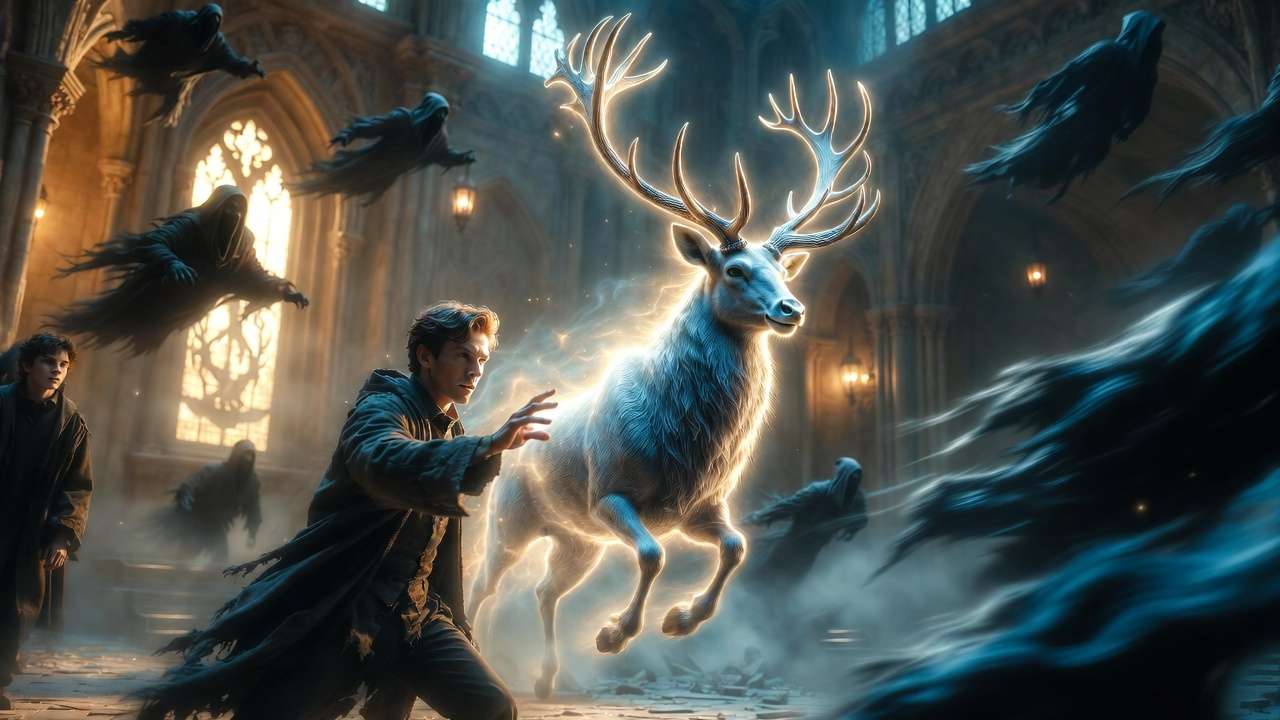
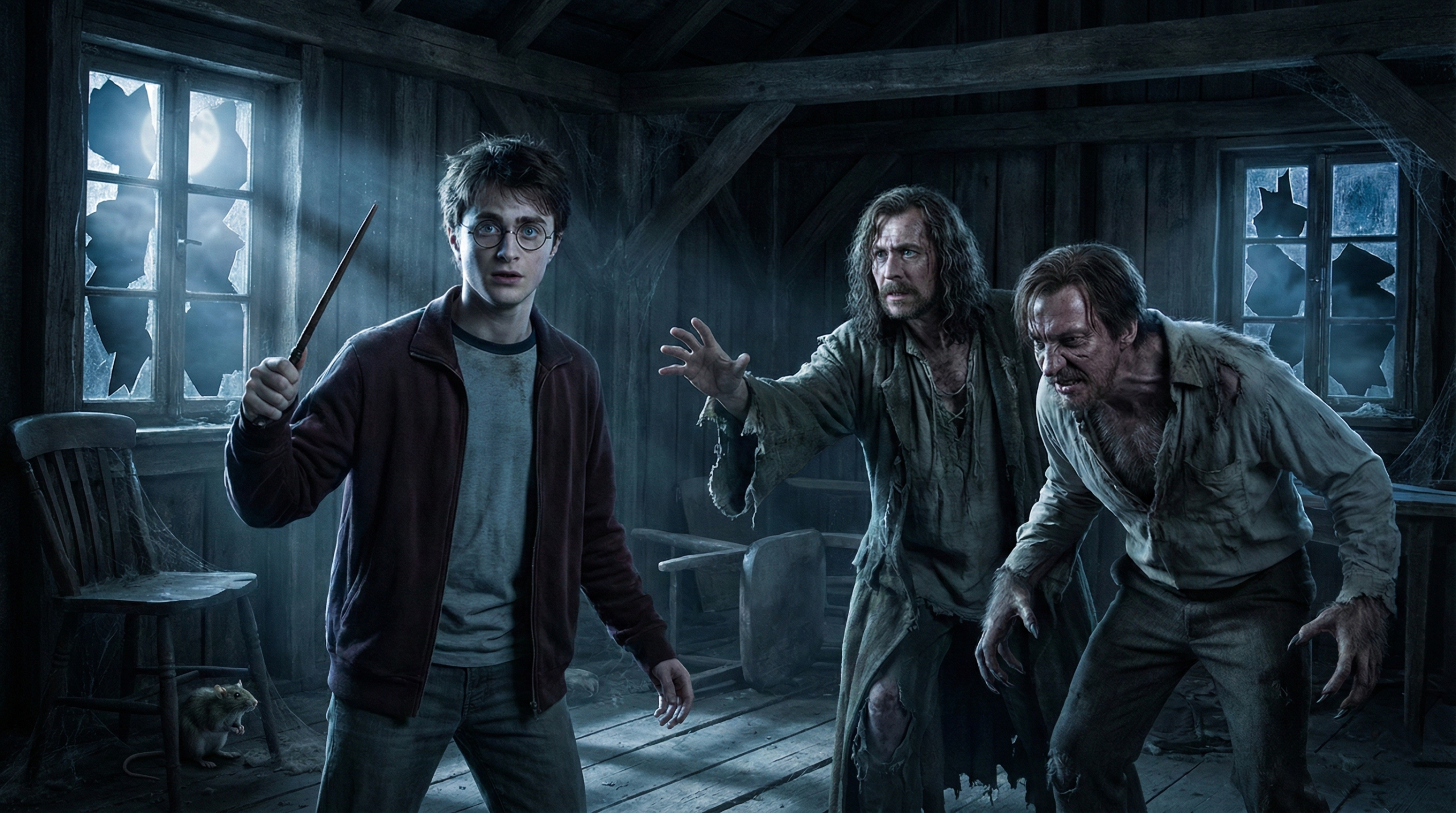
The book introduces a darker tone through Dementors—soul-sucking creatures that embody depression and fear—yet it never becomes bleak. The Patronus Charm counters this with pure joy and hope, creating a perfect yin-yang dynamic. The central mystery (Sirius Black’s escape and motives) unfolds with brilliant red herrings and clues: the Marauder’s Map, Scabbers’ odd behavior, Trelawney’s prophecy, and the Time-Turner reveal. Every loose thread ties up logically in the Shrieking Shack confrontation, delivering one of the series’ most shocking and rewarding twists: Sirius as godfather, Peter Pettigrew as the true betrayer.
Unlike later books that can feel sprawling, Prisoner of Azkaban maintains tight pacing—every chapter advances the plot while building emotional stakes.
 Iconic Character Introductions and Growth
This book shines brightest in character work. Remus Lupin emerges as one of the most beloved professors: kind, intelligent, and tragic, his werewolf condition serves as a powerful metaphor for illness, prejudice, and hidden shame. Sirius Black transforms from terrifying escaped convict to loyal, flawed family figure—his reunion with Harry is heartbreakingly joyful. Harry’s growth accelerates: he masters the Patronus (a corporeal stag echoing his father’s), confronts his parents’ past, and learns forgiveness.
Hermione’s arc is equally compelling—her overachieving nature leads to ethical dilemmas with the Time-Turner, showing vulnerability beneath her brilliance. Ron’s loyalty is tested but unbreakable. These developments feel organic, not forced.
 Groundbreaking Magical Elements and World-Building
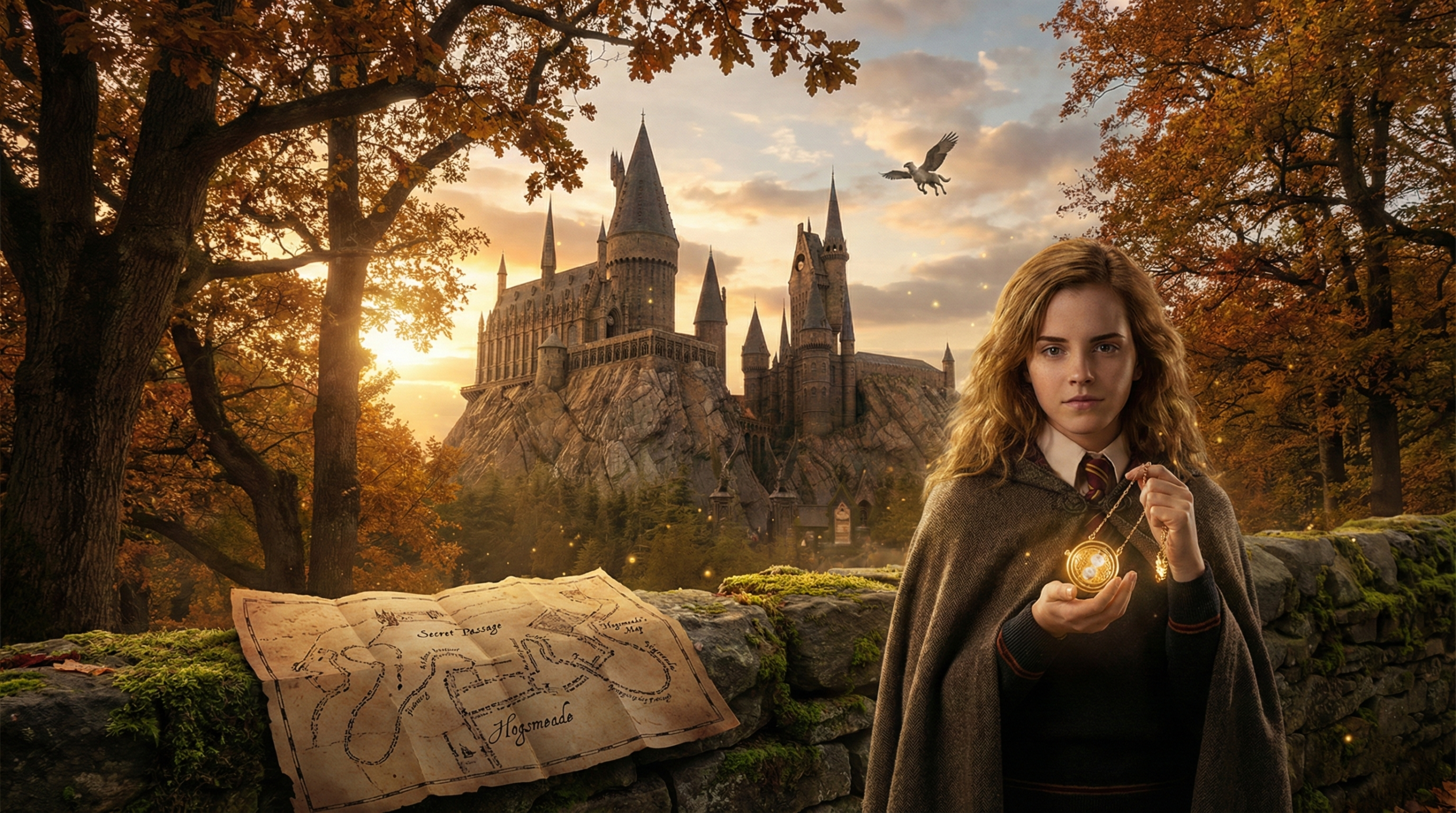
Rowling expands the wizarding world masterfully: Azkaban prison’s horrors, the Knight Bus, Boggarts, Divination’s ambiguity, Care of Magical Creatures with Buckbeak, and the Time-Turner—a device handled with rare logical consistency (no paradoxes, clever rules). The Marauder’s Map adds playful backstory, revealing the mischief of James, Sirius, Remus, and Peter. These elements enrich the universe without overwhelming the story.
Emotional Depth and Themes That Resonate
At its core, Prisoner of Azkaban explores loss, betrayal, family (found vs. blood), and redemption. Harry’s discovery that his parents’ death stemmed from a friend’s treachery adds profound tragedy. Themes of prejudice (against werewolves, hippogriffs) and mental health (Dementors as depression) give it lasting relevance. In 2026, amid ongoing global challenges, these messages of hope, resilience, and chosen family feel more powerful than ever.
The book bridges childhood innocence and adult complexity—perfect as the series’ emotional midpoint.
Comparisons: Why It Outshines the Other Contenders
- Vs. Goblet of Fire: Epic and action-packed, but longer with subplots that drag; Prisoner feels more focused.
- Vs. Half-Blood Prince: Deeply emotional with major reveals, but heavily setup for the finale; Prisoner stands alone better.
- Vs. Order of the Phoenix: Rich character depth and world politics, but its length and Harry’s prolonged anger can frustrate; Prisoner balances angst with joy.
- Vs. Deathly Hallows: Climactic and satisfying, but war-heavy; Prisoner retains more magic and wonder.
- Vs. early books: They charm with discovery, but lack the maturity Prisoner introduces.
Prisoner of Azkaban achieves efficiency—nothing feels wasted—while delivering maximum emotional and intellectual impact.
Fan Voices: Real Opinions from the Wizarding Community
The numbers and analysis tell one story, but the heart of any fandom lies in its people. Across platforms, Potterheads consistently voice why Prisoner of Azkaban holds a special place.
On Reddit’s r/harrypotter subreddit, threads asking “What’s your favorite book and why?” almost always see Prisoner of Azkaban leading the pack. Common sentiments include:
- “PoA is peak Harry Potter. It has the perfect mix of cozy magic school vibes and real stakes. The Time-Turner scene still gives me chills every reread.”
- “Lupin and Sirius are introduced so perfectly. It’s the book where the series stops being ‘kids’ books’ and starts getting deep without losing the wonder.”
- “Everything just clicks. No unnecessary tournament filler, no 800 pages of teenage angst—just tight storytelling and emotional payoff.”
Goodreads reviews frequently echo this. One highly upvoted review reads: “This is where Rowling hits her stride. The mystery is airtight, the characters break your heart in the best way, and the ending feels earned. It’s the one I reread most often.”
Even on X (formerly Twitter), recent 2025–2026 posts celebrating the upcoming HBO series often name Prisoner of Azkaban as the book fans are most excited to see adapted faithfully. One viral thread summed it up: “If they nail the Shrieking Shack scene and the Patronus reveal, the rest will fall into place. PoA is the emotional core of the whole story.”
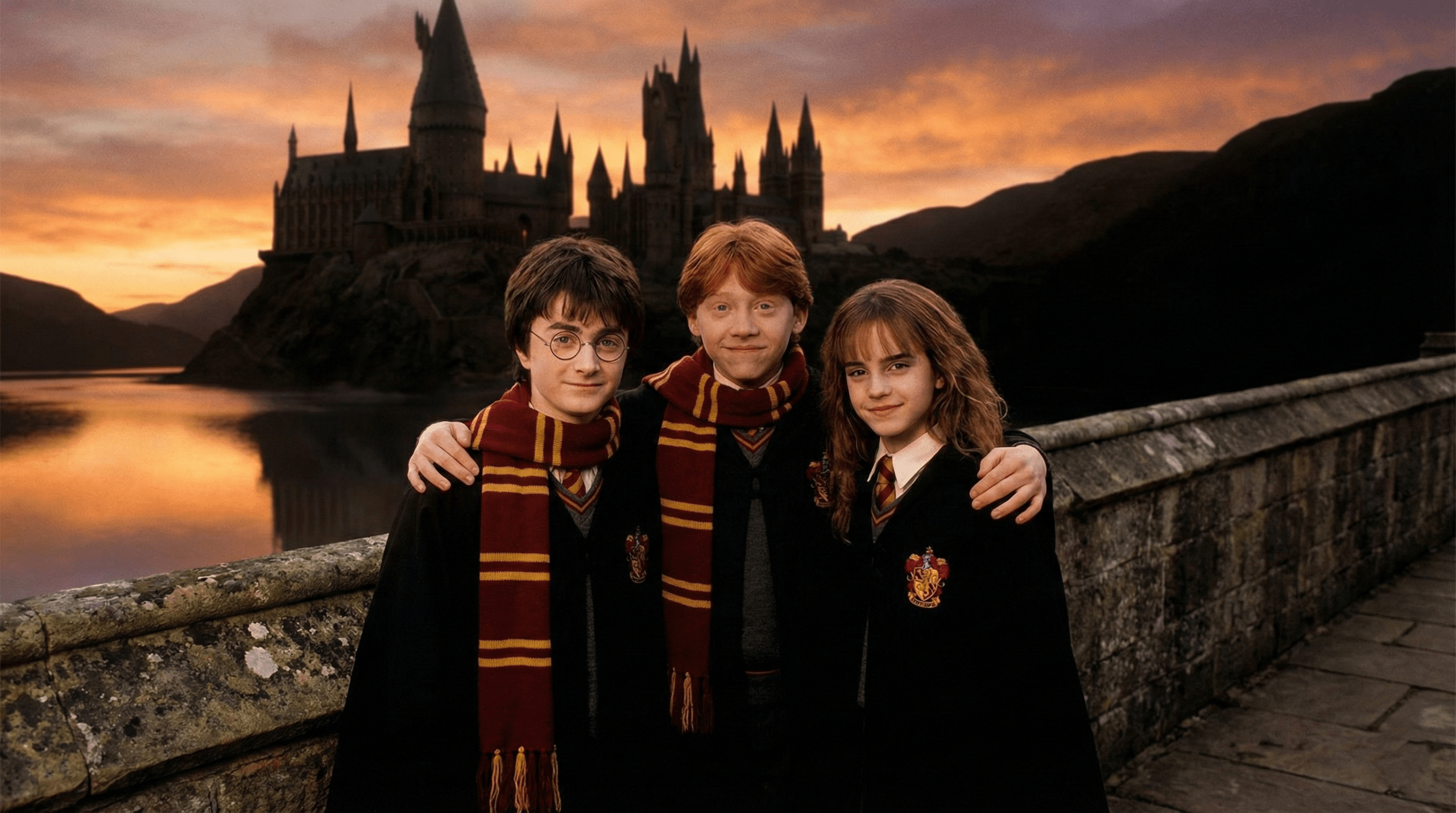 Of course, not everyone agrees. A vocal minority prefers Half-Blood Prince for its romantic tension and Voldemort backstory, or Order of the Phoenix for its political depth and character growth. These dissenting voices actually strengthen the case: even when fans rank differently, they often admit Prisoner of Azkaban is “objectively” the most well-crafted or re-readable. The debate itself proves how central the book is to the fandom’s identity.
Expert Insights: Lessons from Prisoner of Azkaban for Modern Readers
Nearly thirty years after its publication, Harry Potter and the Prisoner of Azkaban remains strikingly relevant in 2026.
The Dementors continue to serve as one of literature’s most accurate metaphors for depression and anxiety—draining joy, forcing people to relive their worst memories, and leaving lasting psychological scars. Lupin’s quiet strength in teaching Harry the Patronus Charm offers a timeless lesson: the antidote to despair is often found in memories of love, hope, and happiness. In an era when mental health conversations are more open than ever, this message lands with renewed power.
The book’s exploration of found family—Sirius stepping into the godfather role Harry never had, Lupin becoming a mentor figure—resonates deeply in a time when many people build their support networks beyond biological ties. Themes of prejudice (Lupin’s werewolf status, Buckbeak’s trial) and forgiveness (Harry’s ultimate decision regarding Pettigrew) challenge readers to examine justice, empathy, and second chances.
For younger readers discovering the series today, Prisoner of Azkaban provides an accessible entry point into more mature topics while still delivering the magic, friendship, and adventure that made Harry Potter a global phenomenon. For longtime fans, it remains a comfort read that reminds us why we fell in love with the wizarding world in the first place.
Frequently Asked Questions
Is Prisoner of Azkaban really the best Harry Potter book? According to the majority of fan polls, Goodreads ratings, and critical rankings over the past two decades—yes. It consistently places at or near the top for its balance of magic, mystery, character work, and emotional depth.
Which Harry Potter book has the highest Goodreads rating? Harry Potter and the Prisoner of Azkaban holds one of the highest average ratings in the series (typically 4.57–4.58 from millions of votes), frequently outranking even the finale.
Should I read the Harry Potter books in order? Absolutely. The series is sequential—each book builds on the previous one in terms of plot, character arcs, and world lore. Starting with Philosopher’s Stone gives you the full experience.
Is Prisoner of Azkaban better than Goblet of Fire? Most fans say yes. While Goblet is thrilling and expansive, Prisoner of Azkaban is more focused, emotionally resonant, and tightly plotted with fewer pacing issues.
Why do so many people say Prisoner of Azkaban is the best on re-reads? It has almost no filler, layers of foreshadowing that reward attention, and emotional beats that hit harder each time—especially the Sirius and Lupin reveals.
Which Harry Potter book is the darkest? While later books grow darker overall, Prisoner of Azkaban introduces the first truly mature themes (depression via Dementors, betrayal, loss of family) while still retaining a sense of wonder.
Is the Time-Turner overpowered? In the context of the book, no—it’s used sparingly, with strict rules, and only for a single afternoon. Rowling later limited its appearances to avoid breaking future plots.
After examining the data, literary merits, fan sentiment, and enduring relevance, the verdict is clear: Harry Potter and the Prisoner of Azkaban stands as the best book of the Harry Potter series.
It achieves an almost impossible balance—dark yet hopeful, complex yet accessible, emotionally devastating yet deeply satisfying. It expands the world without losing focus, deepens characters without melodrama, and delivers one of the most perfectly constructed mysteries in modern fantasy.
Whether you’re a first-time reader deciding which book to savor next, a longtime fan planning a reread, or someone settling a friendly (or not-so-friendly) debate, Prisoner of Azkaban deserves its crown.
What do you think? Is Prisoner of Azkaban your number one, or does another book hold that spot in your heart? Drop your ranking and favorite moments in the comments—I’d love to hear from fellow Potterheads. And if you enjoyed this deep dive, subscribe for more breakdowns, rankings, and wizarding world analysis as we count down to the HBO series.
Thank you for reading, and may your Patronus always be strong.