
Dumbledore is one of the most important characters in the Harry Potter series. He has played a massive role in Harry Potter’s journey from the beginning to the end. There are many theories about Dumbledore’s true intentions. Some are known as good intentions and are praised by many though some theories and Dumbledore’s actions bring up some questions. Was Dumbledore really good or evil? He was unquestionably one of the greatest wizards in history. He was the one who saved Harry from many dangers and also kept him and Hogwarts safe from the Dark Lord Voldemort. Many believe Dumbledore was a mentor and guide to Harry who has helped him throughout his adventurous journey. J.K. Rowling has expertly built a character that has created a huge mysterious aura surrounding him. Dumbledore is mostly known as a mentor of Harry. From the beginning, he protected Harry from all the harm, especially from Voldemort’s wrath.
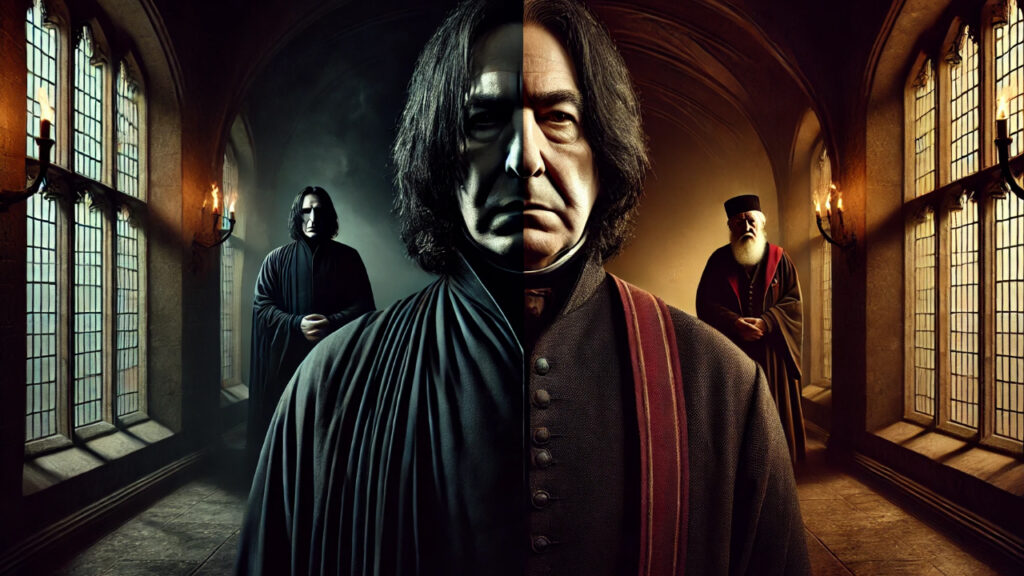
Dumbledore’s choices often reflect immense wisdom and compassion, yet they’re also marked by secrecy, emotional distance, and morally gray decisions. This duality invites readers to explore the deeper philosophical questions of leadership, sacrifice, and the burdens of power. Was he right to withhold key information? Or did his manipulation cross ethical lines? It’s a debate that continues to shape how we understand his legacy.
Dumbledore as the Wise Mentor:
Dumbledore has played the role of a mentor from the beginning of the Harry Potter series. He is known as the wise one. His extensive knowledge of magic and the wizarding world has always been a great help in Harry’s journey.
His Guidance and Knowledge:
Dumbledore always has a vast knowledge of the magical world. Hogwarts professors often take advice from him not only because of him being the headmaster but also because of his intelligence. Throughout the Harry Potter series, he has guided Harry and others in crucial moments. He even kept many secrets hidden from Harry that may cause him harm. He hides some information for Harry to become old enough to understand their gravity. Dumbledore shares the wisdom that he has gained from his long life experiences, helping Harry navigate complex situations and understand the broader implications of his actions. From the very beginning, he provides Harry with just enough information to grow, make his own decisions, and learn through experience. His gentle humor, cryptic advice, and deep empathy for others establish him as a beacon of wisdom and compassion.
Moral Compass of Dumbledore:
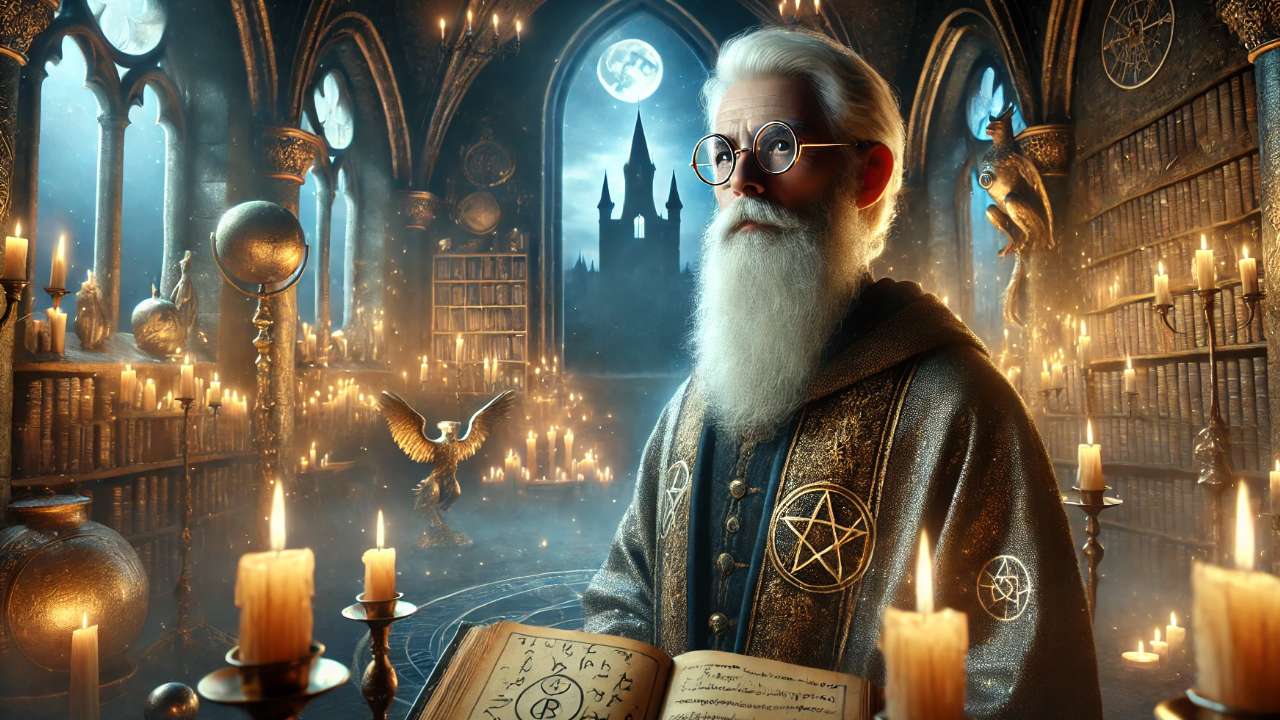
Dumbledore’s morality has always been a guide for himself and as well for Harry. He has always encouraged Harry to do the right thing even though Harry himself may feel less confident or hesitant. Dumbledore has always been the light for Harry, and there is no doubt without his handling situations, we wouldn’t be able to see Harry coming out as a strong and confident person. He has always boosted Harry’s confidence and instructed him to learn from his past mistakes and overcome them. He believes in love, loyalty, , and mercy, even when they seem impractical or dangerous. He believes in second chances, as seen in his trust in Snape and willingness to forgive past mistakes.
Respect for Individual Growth:
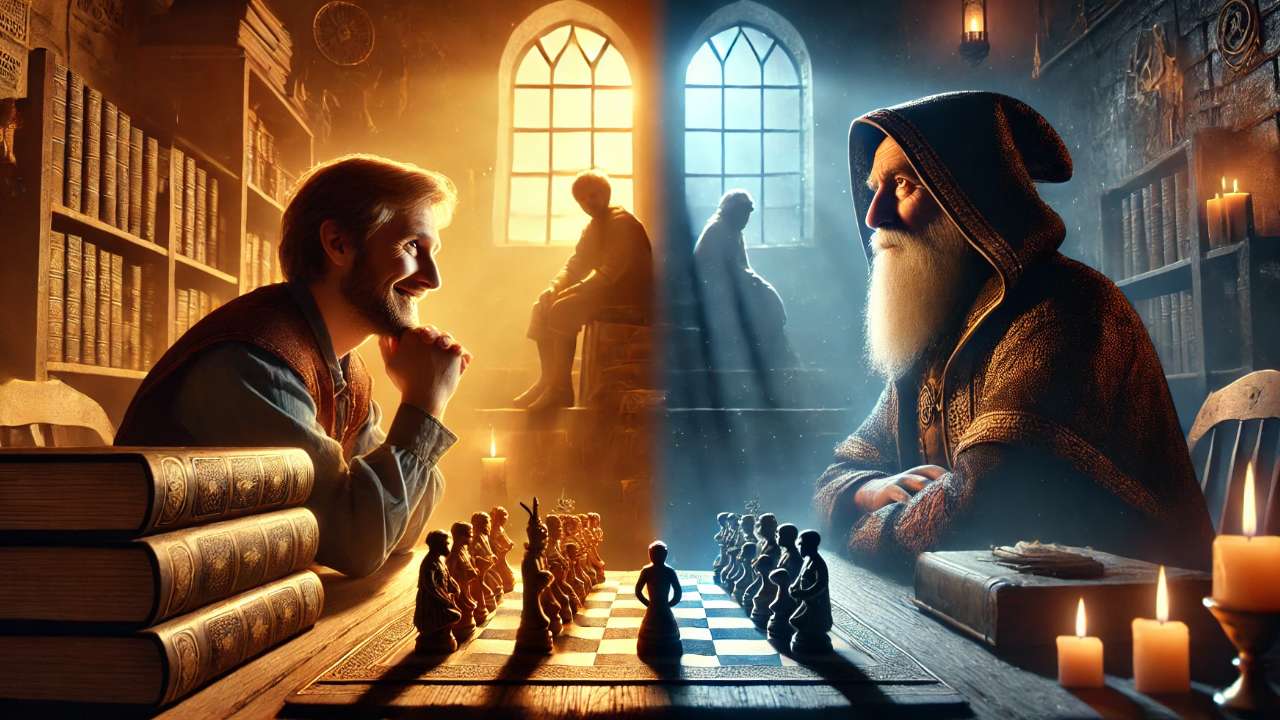
Dumbledore has always been a person who would respect others’ opinions and independence. He would provide a shadow of protection alongside the independence of making one’s own decisions. This characteristic has helped Harry to grow up as an individual person who can make the right decision even if he does not have anyone alongside him.
Despite Dumbledore’s flaws, this portrayal of him highlights the best aspects of a mentor: someone who prepares others to face the world on their own terms, even if it means stepping aside when the time comes. His presence reassures readers that wisdom isn’t about having all the answers, it’s about guiding others to find their own path, the reason for their whole existence.
The Manipulative Mastermind
Dumbledore is, without a doubt, the most wise one in the Harry Potter series. He has done so many things to protect Hogwarts and Harry. His actions may seem sometimes rational and questionable, but in the end, all of them have been proven as calculated steps. He was never disappointed as a result until he was in the scene where each reader believed that everything would turn out to be fine. Alongside his reliability, Dumbledore was a manipulative person. He has hidden many important pieces of information and raised questions about his actions. He could use people as his plan and bring out the wanted result. Some of his manipulative mastermind activities are:
Hiding Truth ( Harry Being a Horcrux):
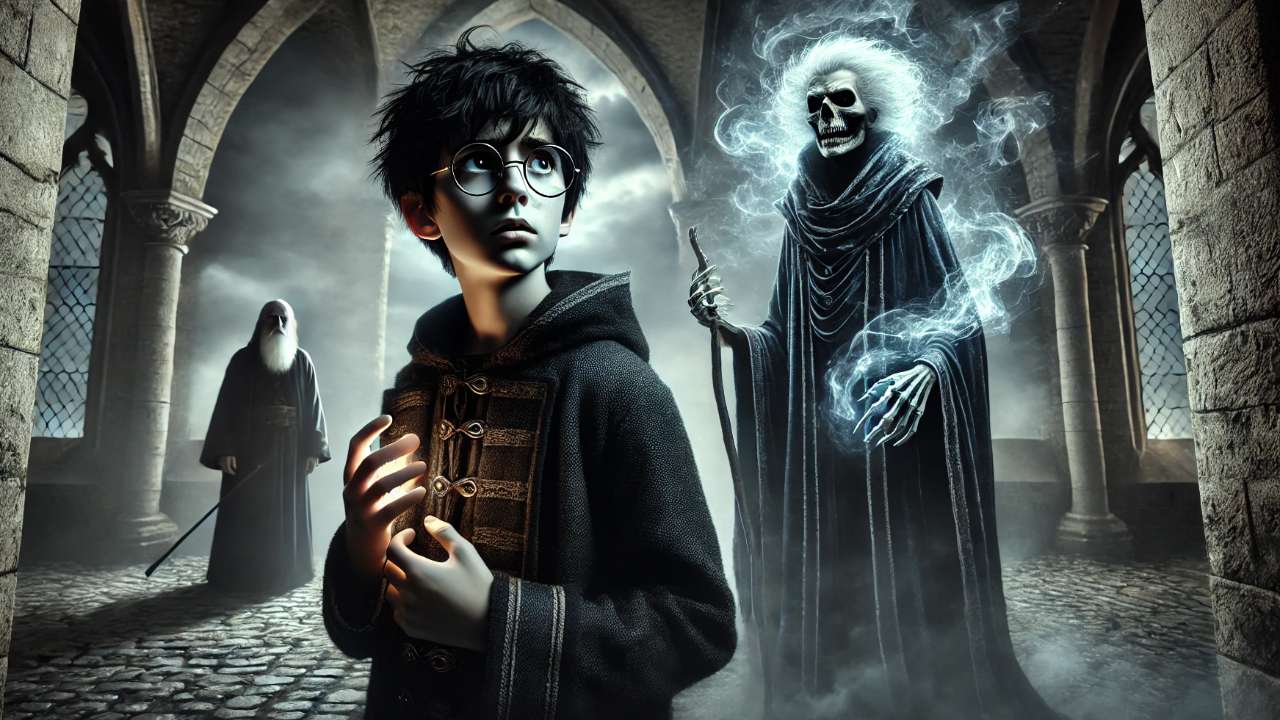
Dumbledore, as the manipulative mastermind, presents a more complex version of the beloved headmaster. Beneath the twinkle in his eye lies a web of carefully laid plans, calculated risks, and withheld truths, all serving for a better outcome. His decision to withhold the full truth about Harry being a Horcrux was one of the great decisions he has taken for the “Greater Good.” If he exposed Harry being a Horcrux of Voldemort, it might make Harry a different person than he had turned out to be. Rather than burdening Harry too early from his young age, he has waited for the right time for Harry himself to find out the truth. He has successfully guided Harry towards the sacrifice, knowing the young boy must die at the right moment to defeat Voldemort.
Strategic use of people:
Dumbledore also uses people like a chess piece. Snape, driven by guilt and love, becomes a double agent at great personal cost, manipulated by Dumbledore’s promises and secrets. Even Draco Malfoy is pulled into his strategy. Dumbledore is willing to let the boy attempt murder if it will save him from Voldemort’s clutches and lead to Snape’s eventual rise in power. Each step has proven to be correct, and to place everything accurately, he even didn’t hesitate to sacrifice himself in the end.
His willingness to make hard choices and carry unbearable burdens sets him apart from other characters. But it also invites readers to question the cost of “the greater good,” and whether noble ends really justify morally gray means. These actions of Dumbledore do not make him evil; they show how his wisdom and decision-making have saved the entire wizarding world from the evil power.
Fan Perspectives and Criticism
The Harry Potter fan community has long debated Dumbledore’s role. Some believe him to be a selfless hero, others as a morally ambiguous puppet master. On one side, fans praise his wisdom, his strategic brilliance, and his lifelong fight against dark forces. They argue that Dumbledore made impossible choices so that others wouldn’t have to, acting with the burden of knowledge and responsibility that no one else could carry.
But criticism runs deep, especially regarding his treatment of Harry. Many fans question the ethics of grooming a child for death. They believe Dumbledore’s mentorship borders on manipulation. He withheld crucial truths such as the prophecy, Harry’s link to Voldemort, and even his parents’ history until the very end. Was he protecting Harry, or ensuring he stayed on the path Dumbledore had chosen?
In the end, fan interpretations vary, but nearly all agree that Dumbledore is one of the most complex and compelling characters in the series, and if not for Dumbledore, then no one could have helped Harry to reach his destiny and defeat Voldemort.
FAQs :
1. Was Dumbledore good or evil in the Harry Potter series?
Albus Dumbledore is neither purely good nor evil; he is a morally complex character who makes difficult decisions for the greater good. While he serves as Harry’s wise mentor, guiding him with compassion and protecting the wizarding world from Voldemort, his secrecy and manipulative actions—such as withholding information about Harry’s role as a Horcrux—raise ethical questions. Ultimately, his intentions are benevolent, but his methods often involve calculated risks and sacrifices.
2. Why did Dumbledore withhold the truth about Harry being a Horcrux?
Dumbledore delayed revealing that Harry was an accidental Horcrux to protect him emotionally and allow him to grow into the person capable of making the necessary sacrifice. Telling a young Harry too early could have broken his spirit or altered his path. Instead, Dumbledore guided him gradually, believing the timing was crucial for Harry to understand and accept his destiny willingly.
3. Was Dumbledore manipulative towards Snape?
Yes, Dumbledore used emotional leverage—particularly Snape’s love for Lily—to recruit and direct him as a double agent. He appealed to Snape’s guilt and remorse to secure his loyalty, including arranging his own death to maintain Snape’s cover. While manipulative, this was strategic in the war against Voldemort, turning Snape’s skills toward defeating evil rather than personal gain.
4. Did Dumbledore raise Harry like a pig for slaughter?
Dumbledore knowingly prepared Harry for a potential sacrifice to destroy the Horcrux within him, but he did so with regret and hope that Harry could survive. He protected Harry from early knowledge to let him experience love, friendship, and growth first. Critics see this as grooming a child for death, but defenders argue it was necessary to defeat Voldemort and save countless lives.
5. What are the main criticisms of Dumbledore’s actions as a mentor?
Critics argue Dumbledore was secretive and distant, withholding vital information (like the prophecy and Horcruxes) that endangered Harry and others, and using people like chess pieces. His emotional detachment in Harry’s fifth year and reliance on manipulation border on unethical. However, these choices stemmed from the burdens of leadership in wartime, not malice.
6. How does Dumbledore embody the “greater good” philosophy?
Originally shared with Grindelwald in youth (advocating wizard supremacy), Dumbledore later redefined “for the greater good” as sacrificing for the many, including hard choices like guiding Harry toward possible death. This utilitarian approach saved the wizarding world but involved morally gray decisions, such as using Snape and accepting collateral risks.
7. What do fans debate most about Dumbledore’s morality?
Fans are divided: some view him as a selfless hero burdened by impossible choices, praising his wisdom and redemption from past mistakes. Others criticize him as a manipulative puppet master who groomed Harry for sacrifice and treated lives callously. Most agree he’s compellingly complex, neither hero nor villain, sparking ongoing debate about ends justifying means.
8. Why is Dumbledore considered one of the most complex characters in Harry Potter?
Dumbledore blends profound wisdom, compassion, and strategic brilliance with flaws like secrecy, manipulation, and a past flirtation with dark ideals. His duality—protecting Harry while preparing him for sacrifice, redeeming mistakes through lifelong good—invites philosophical questions about power, leadership, and morality, making his legacy endlessly debated.

Dumbledore may be right or may he be wrong but his decisions have always been for the greater good. Harry was raised as a final sacrifice. Snape lived a double life, torn between guilt and duty. The Order of the Phoenix fought a war built on Dumbledore’s plans. The characters often move according to Dumbledore’s command without knowing the full scope of what they are part of. Even his own death was calculated, ensuring the Elder Wand would not fall into Voldemort’s hands. Dumbledore carried the burden of foresight, but foresight alone cannot absolve consequence. His legacy is layered: a man of wisdom, compassion, and hope but also of manipulation, secrecy, and tragic choices. His intentions were undeniably grand. The cost? Still debated by readers to this day.