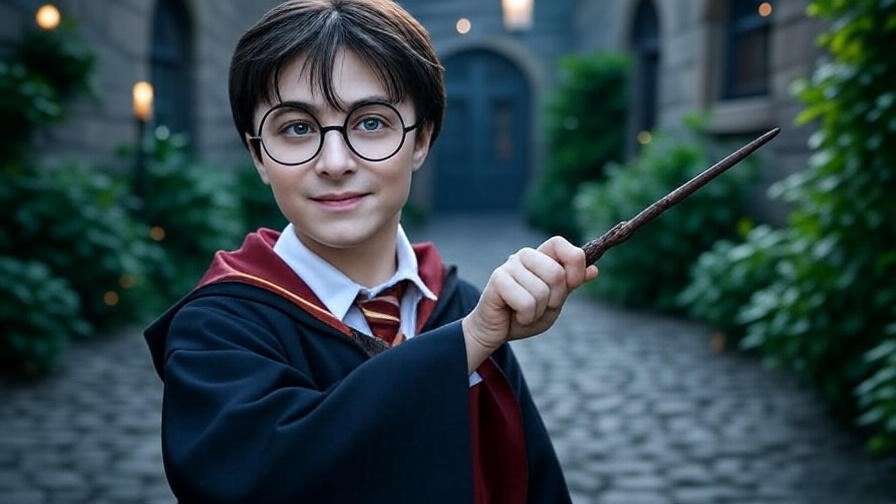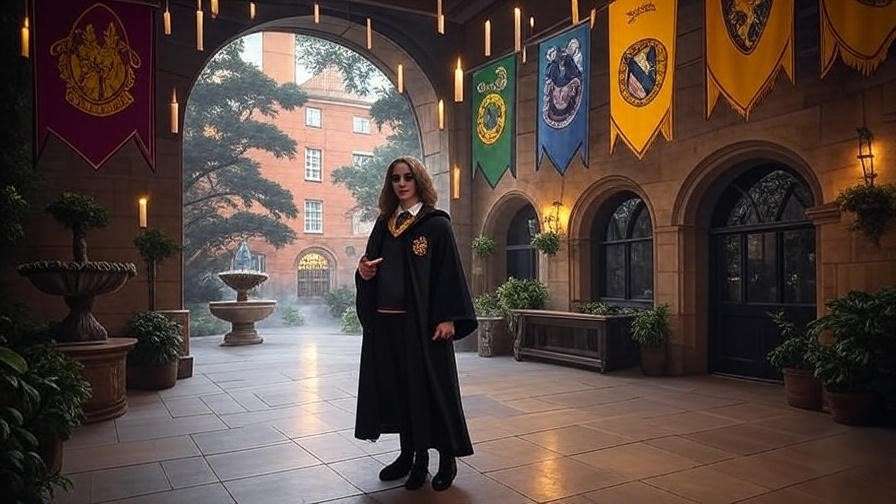
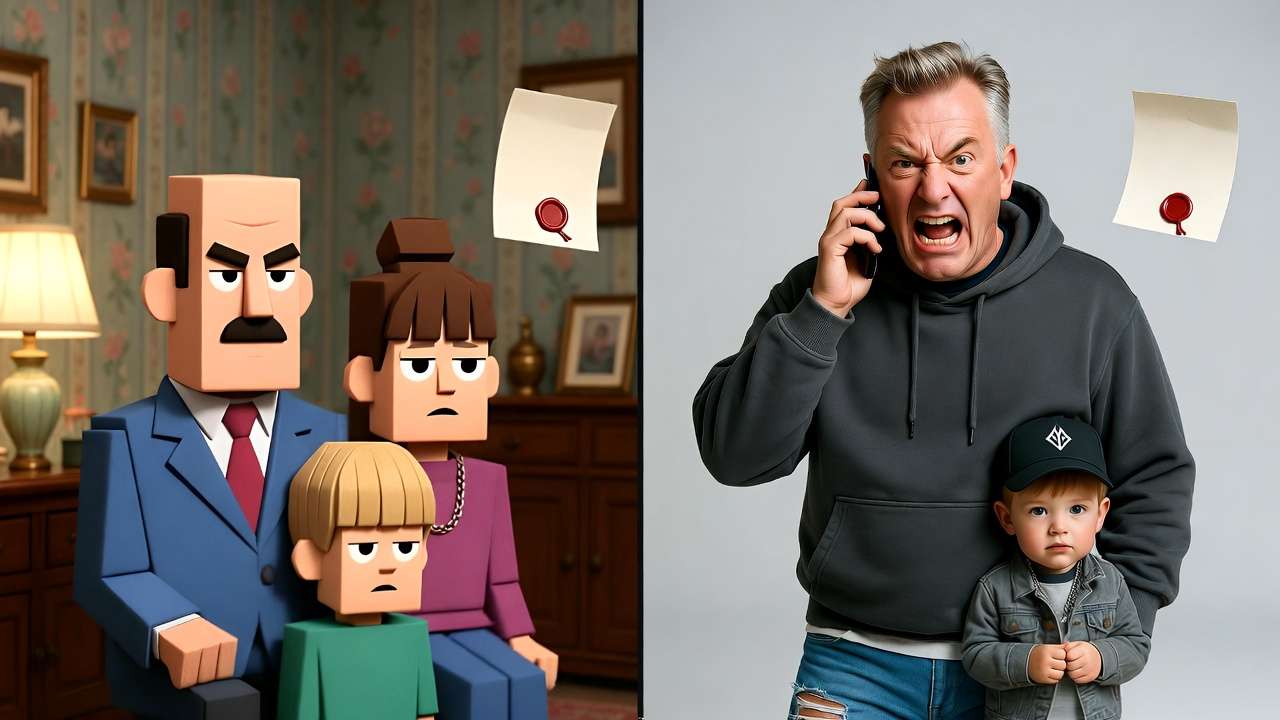
Mr. Dursley was adulting at a firm called Grunnings, which made drills. He was a dummy thiccc man with hardly any neck, although he had a massive mustache that somehow compensated. Mrs. Dursley was a Karen with hella neck, always spying on the neighbors like it was her full-time job.
If you’ve scrolled through TikTok, Reddit, or Twitter/X lately and stumbled upon these lines—or something like “Harry Potter – the boy who wasn’t unalived”—you’re not alone. Gen Z Harry Potter has exploded online as fans remix J.K. Rowling’s classic series into modern internet slang, memes, and chaotic vibes. What started as a viral Reddit post about “accidentally buying the Gen Z version” has grown into collaborative projects, full-chapter rewrites, and endless laughs.
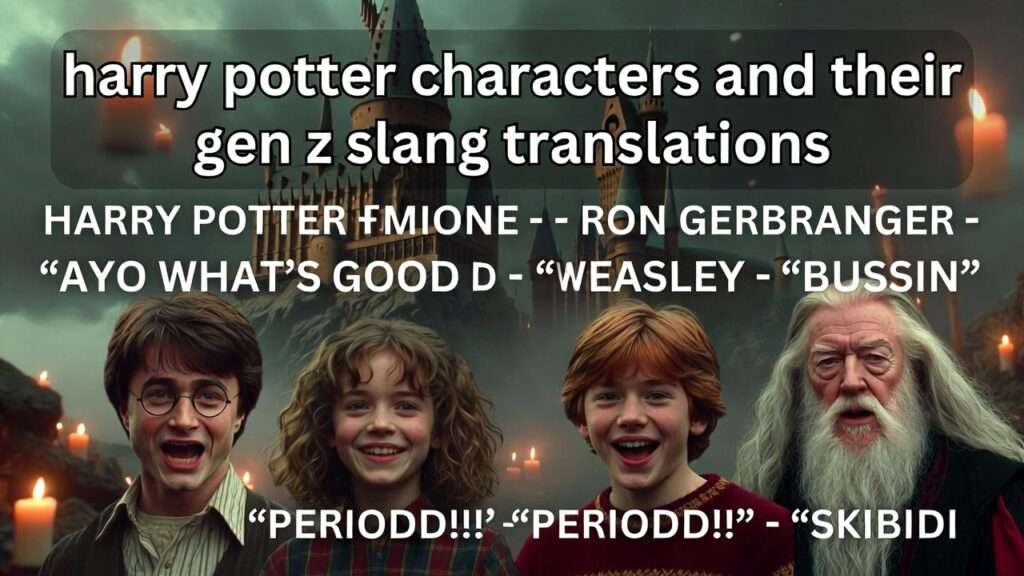
These translations aren’t just random jokes; they’re a fresh way for younger fans to engage with the wizarding world. They turn the Dursleys into ultimate Karens, Dumbledore into a wise but chaotic bestie dropping “fr” and “shook,” and Voldemort into the ultimate canceled villain. In this deep dive, we’ll explore why Gen Z is rewriting Harry Potter, share the funniest examples straight from viral sources, decode the slang, and look at what this means for the fandom in 2026. Whether you’re a millennial Potterhead feeling out of the loop or a Gen Z reader discovering the magic, you’ll leave with a full collection of highlights, explanations, and ideas to join the fun.
Why Gen Z Is Obsessed with Rewriting Harry Potter in Their Own Language
Harry Potter has always been generational. Millennials grew up with midnight book launches, film premieres, and house debates that defined their teen years. Many got tattoos, argued over Snape’s morality, and saw the series as a moral compass. Gen Z, however, often encounters the books later—through streaming marathons, TikTok edits, or family hand-me-downs—and approaches them with a different lens: irony, detachment, and heavy meme culture.
This shift isn’t rejection; it’s remixing. Gen Z appreciates the core magic—friendship, bravery, found family—but layers on contemporary humor to make it relatable. The wizarding world feels timeless, yet elements like the Dursleys’ suburban conformity scream “millennial cringe” to zoomers. Translating it into slang like “unalived” (a TikTok-safe way to say killed, born from content moderation) or “dummy thiccc” pokes fun while keeping the story intact.
The internet fuels this. Platforms like TikTok amplify short, shareable clips; Reddit threads spark collaborative writing; GitHub hosts open-source projects where anyone can contribute. One major spark was a 2021 Reddit post joking about buying the “Gen Z / how do you do fellow kids” edition, which blew up and inspired the ongoing harry-potter-gen-z GitHub repo by typoes. What began as fan play has chapters online, with contributors adding lines that capture 2020s energy.
In 2026, with the HBO Harry Potter series reboot on the horizon, these translations add extra relevance. Gen Z engages through mental health discussions (e.g., Harry’s trauma vibes), queer readings of characters, and anti-authority takes on institutions like the Ministry. The humor bridges nostalgia and critique, making classics accessible in a fast-scrolling world.
 The Best Gen Z Harry Potter Translations and Memes – Iconic Examples
The phenomenon shines brightest in rewritten openings and key scenes. Here’s a curated roundup of the most viral, laugh-out-loud moments, drawn from community projects and social shares.
Opening Page Rewrites That Broke the Internet
The first page of Philosopher’s Stone (or Sorcerer’s Stone) is the ultimate test. Original: Mr. and Mrs. Dursley, of number four, Privet Drive, were proud to say that they were perfectly normal, thank you very much.
Gen Z edition (popular versions):
- Mr. Dursley was adulting at Grunnings, making drills. Dummy thiccc man, no neck, massive ‘stache.
- Mrs. Dursley had hella neck and was always lowkey spying.
- They had a lil son named Dudley who they thought was the main character.
These lines went mega-viral on Facebook, Instagram, and CinemaBlend articles, with thousands sharing for the absurdity.
Another fave: “The Potters, that’s right, that’s what I heard — bet, their boi Harry —” turning neighborhood gossip into Twitter drama.
 Full Chapter Highlights from Fan Projects
The GitHub harry-potter-gen-z project is the gold standard—open collab with chapters up to book 4 in places. Standouts:
- Dumbledore to McGonagall: “The birbs are nothing next to this tea they be sipping. Legit what they say has me shook.”
- On Voldemort: “He unalived Lily and James Potter!” … “He tried to unalive their son, Harry Potter, but he took an L and his power broke.”
- Harry as “the boy who wasn’t unalived” (euphemism for survived the killing curse).
- McGonagall: “Fr, Dumbledore, you think you can explain all this in a letter? These people will never understand him!”
Chapter 2’s “The Unappearing Glass”: Harry talks to the boa constrictor—”Damn was it gucci there?”—and the snake calls him a “nope rope” jab.
These keep the plot but infuse Gen Z energy: chaotic neutral Harry, activist Hermione vibes, and Snape as peak “touch grass” energy in memes.
TikTok, YouTube, and Meme Standouts
TikTok dominates with skits: “If Gen Z Went to Hogwarts” lives feature duels on Live, Hufflepuffs begging for rizz tips, Snape told to touch grass, and Sorting Hat as chaotic streamer.
Viral examples:
- Sorting Hat memes assigning houses based on modern traits (e.g., Slytherin for “mogging,” Gryffindor for “ate and left no crumbs”).
- POV videos of Gen Z at Hogwarts: “Why is your gamer tag in the Chug Jug, Harry?”
- Snape trying Gen Z slang: awkward “slay queen” attempts.
YouTube explainers like “Why Gen Z Harry Potter Translation Exists” break down the humor, noting how it makes the series relatable while roasting millennial over-seriousness.
Funniest Character Reimaginings
- Harry: Chaotic zoomer with scar trauma, lowkey famous but over it.
- Hermione: Ultimate slay queen activist, always fact-checking.
- Dumbledore: Drops “bestie” and “shook” wisdom.
- Voldemort: Canceled dark lord, “He Who Must Not Be Named” for drama.
- Dursleys: Peak Karens in suburbia.
These twists keep characters fresh while honoring originals.
Decoding the Slang – A Gen Z Harry Potter Glossary
To fully appreciate these translations, you need to understand the slang that powers them. Gen Z language evolves rapidly on TikTok, Twitter/X, Discord, and Instagram Reels, often pulling from AAVE (African American Vernacular English), gaming culture, mental-health communities, and content-moderation workarounds. Below is a comprehensive glossary of the most common terms appearing in Gen Z Harry Potter rewrites, with explanations, origins, and exact examples from fan translations.
- Adulting — Handling grown-up responsibilities (even poorly). Example: “Mr. Dursley was adulting at a firm called Grunnings.”
- Ate (and left no crumbs) — Absolutely crushed something, did it perfectly. Example: “Hermione ate that Transfiguration essay and left no crumbs.”
- Bestie — Close friend, often used ironically or affectionately. Example: “Dumbledore, my bestie, why are you dropping this lore in a letter?”
- Bussin’ — Extremely good, delicious, or impressive. Example: “The Hogwarts feast was bussin’ fr.”
- Canceled — Permanently rejected or called out for bad behavior. Example: “Voldemort got canceled after trying to off a baby.”
- Chaotic neutral — Acting unpredictably without regard for good/evil. Example: “Harry is giving chaotic neutral energy this whole year.”
- Dummy thiccc — Exaggeratedly thick (usually thighs or body), used humorously. Example: “Mr. Dursley was a dummy thiccc man with hardly any neck.”
- Fr / For real — Seriously, honestly (used for emphasis). Example: “Fr, Dumbledore, you think they’ll understand this letter?”
- Hella — Very, a lot (West Coast slang). Example: “Mrs. Dursley had hella neck from all that spying.”
- Lowkey — Secretly, subtly, or kind of. Example: “Harry lowkey famous but he’s over it.”
- Main character — Someone who thinks they’re the center of the story. Example: “Dudley thinks he’s the main character every summer.”
- Mogging — Outshining someone in appearance or vibe (from “AMOG” incel slang, reclaimed ironically). Example: “Draco keeps trying to mog Harry in the corridors.”
- No cap — No lie, truthfully. Example: “Harry survived the Killing Curse, no cap.”
- Nope rope — Snake (playful, non-threatening term). Example: “The nope rope in the zoo was Harry’s first bestie.”
- Rizz — Charisma, especially romantic/sexual appeal. Example: “Harry has negative rizz until Cho Chang shows up.”
- Shook — Shocked, surprised, emotionally rattled. Example: “The whole Great Hall was shook when Harry’s name came out the Goblet.”
- Slay / Slay queen — Succeed fabulously, look amazing, dominate. Example: “Hermione slayed that potion essay, queen behavior.”
- Tea — Gossip, juicy information. Example: “Dumbledore spilling the tea about the prophecy.”
- Touch grass — Go outside and stop being terminally online. Example: “Snape needs to touch grass and stop being so pressed about James Potter.”
- Unalived — Killed (TikTok euphemism to avoid demonetization). Example: “Voldemort tried to unalive baby Harry but took an L.”
- Vibes — Overall mood or energy. Example: “Hogwarts giving dark academia but chaotic good vibes.”
- W / L — Win / Loss. Example: “Harry took a massive L at the Dursleys every summer.”
This glossary isn’t exhaustive—slang shifts monthly—but these terms appear consistently across the most popular Gen Z Harry Potter translations and memes. For older readers, the humor often comes from the contrast: the lofty, British formality of Rowling’s prose clashing with deliberately casual, exaggerated zoomer speak.
 How Gen Z Is Redefining Harry Potter Fandom
From Nostalgia to Irony – A New Wave of Appreciation
Millennial fandom leaned heavily into earnestness: debating canon, writing 100k-word fix-it fics, crying over “Always.” Gen Z still feels those emotions but expresses them through irony, self-deprecation, and layers of memes. They love the series because they can laugh at its dated parts—the 90s British boarding-school setting, the occasionally clunky prose, the adult characters’ questionable choices—while still cherishing the heart.
This ironic appreciation doesn’t dilute love; it protects it. By calling the Dursleys “Karens” or Voldemort “canceled,” Gen Z claims ownership of the story on their terms.
 Memes, Fan Art, and Collaborative Creativity
The GitHub project is the clearest example of collaborative fandom. Anyone with a GitHub account can submit pull requests to add slang to chapters. Similar energy appears on TikTok (duet reactions to translations), Tumblr (aesthetic moodboards pairing Gen Z slang with HP quotes), and Discord servers dedicated to “Gen Z-ifying” other classics.
Fan art has followed: Sorting Hat TikTok filters, Draco in 2025 streetwear mogging everyone, Hermione as a “Twitter activist” with a Gryffindor pride flag. The creativity is bottom-up and decentralized—exactly how Gen Z prefers community.
Broader Impact – Is This the Future of Classic Literature Remixes?
Gen Z Harry Potter translations fit a larger trend: remixing public-domain or culturally dominant works (Pride and Prejudice TikToks, Shakespeare in modern AAVE, Percy Jackson as “Gen Z’s Harry Potter”). The approach makes dense classics digestible and shareable.
Positives:
- Keeps books culturally alive for younger readers.
- Encourages close reading (you must know the original to get the joke).
- Normalizes playful critique of beloved media.
Concerns:
- Some fans worry it mocks rather than honors the source.
- Overuse of euphemisms like “unalived” can feel distancing.
- Risk of reducing complex themes to one-liners.
Overall, the phenomenon shows literature’s adaptability: Harry Potter survives because each generation finds new ways to make it speak to them.
Tips for Enjoying (or Creating) Your Own Gen Z Harry Potter Content
Now that you’ve seen the phenomenon up close, here’s how to dive deeper—whether you just want to consume more of these hilarious translations or feel inspired to contribute your own. These practical steps will help you stay connected to the trend without feeling overwhelmed.
1. Where to Find the Best Gen Z Harry Potter Content
- GitHub Repo (Primary Source): Head to the open-source project “harry-potter-gen-z” by typoes (search GitHub directly). It’s the most comprehensive collaborative translation effort, with chapters from all seven books in various stages of completion. Read the README for contribution guidelines if you want to join.
- TikTok Hashtags: Search #GenZHarryPotter, #HarryPotterGenZ, #GenZEdition, #HarryPotterSlang, and #UnalivedVoldemort. These tags surface skits, reaction videos, voiceovers of translated scenes, and “POV: you’re reading the Gen Z version” content. Sort by “Most Liked” for the viral hits.
- Reddit Communities: r/GenZHarryPotter (small but dedicated), r/harrypottermemes, r/HPfanfiction (occasional threads), and r/traaaaaaannnnnnnnnns (for queer/trans readings layered with Gen Z slang). Search “Gen Z edition” or “Gen Z translation” within these subs for the latest drops.
- Twitter/X & Threads: Follow accounts that regularly post excerpts (@hpgenzmemes or similar fan handles). Use search terms like “Harry Potter unalived” or “Dumbledore shook” with filter:media to see images and short clips.
- YouTube & Instagram Reels: Look for compilation videos titled “Funniest Gen Z Harry Potter Translations” or “If Gen Z Wrote Harry Potter.” Channels like Screen Culture and meme pages frequently repost the best ones.
2. How to Create Your Own Gen Z Harry Potter Translation
Creating your own version is surprisingly easy and a great way to engage with the text more deeply.
Step-by-step mini-guide:
- Pick a favorite scene (20–50 lines works best for sharing).
- Read the original aloud to get the tone.
- Replace formal/British phrasing with current slang (use the glossary above as your cheat sheet).
- Turn “killed” → “unalived”
- Turn “shocked” → “shook”
- Turn “very attractive” → “mogging everyone”
- Add filler like “fr,” “lowkey,” “no cap,” “vibes check failed”
- Keep the plot and character actions 100% intact—only the dialogue/narration changes.
- Read it back: Does it still make sense? Does it make you laugh?
- Post it! Share on TikTok (voiceover the text), Twitter/X thread, Reddit, or contribute to the GitHub repo via pull request.
Pro tip: Start with short, iconic moments like the Sorting Hat song, Harry’s first trip to Diagon Alley, or Snape’s “Always” speech. Those pack the biggest punch in translation.
3. Engagement Ideas to Join the Conversation
- Comment your favorite translated line below this article.
- Create a poll: “Which house has the most rizz?” or “Who’s the biggest Karen in the series?”
- Host a TikTok Live reading your translation of a chapter.
- Compare generations: Ask older fans what they think of “dummy thiccc Dursley.”
These small actions keep the trend alive and connect you with other fans who love both the original magic and the modern remix.
FAQs
What is the “Gen Z Harry Potter” everyone talks about?
It refers to fan-made, humorous rewrites of J.K. Rowling’s Harry Potter books using modern Gen Z/internet slang, memes, and cultural references. The most popular versions turn characters into “Karens,” use euphemisms like “unalived,” and infuse scenes with TikTok energy.
Is there an official Gen Z version of the books?
No. All existing versions are unofficial fan projects, the largest being the collaborative GitTok/GitHub translation effort. J.K. Rowling and her publishers have not endorsed or released any slang editions.
Why do Gen Z translations use words like “unalived”?
“Unalived” (and similar terms like “sicide” or “kll”) emerged on TikTok to bypass strict content moderation and demonetization rules. It became a meme shorthand that stuck because it’s both absurdly polite and darkly funny in dramatic contexts like Voldemort’s attacks.
Where can I read the full Gen Z edition?
The most complete ongoing project lives on GitHub (search “harry-potter-gen-z”). Individual chapters and excerpts also circulate on TikTok, Reddit, Twitter/X, and fan sites. No single “finished” book exists yet—it’s a living, community-driven work.
How does Gen Z feel about J.K. Rowling’s controversies in this context?
Opinions vary widely. Some fans separate the art from the artist and enjoy the books/memes regardless; others critique Rowling’s views through the lens of the translations (e.g., calling out “Karen” behavior or amplifying queer readings of characters). The slang itself rarely directly addresses the controversies—it focuses more on humor and relatability.
Thank you for reading! If you enjoyed this deep dive into Gen Z Harry Potter, subscribe to the blog for more cultural breakdowns, character analyses, and fresh takes on the wizarding world.
Gen Z Harry Potter translations are more than a passing meme—they’re proof that a twenty-five-year-old book series can still feel urgent, funny, and culturally relevant in 2026. By layering internet slang, ironic detachment, and chaotic energy onto Rowling’s carefully crafted prose, younger fans aren’t destroying the wizarding world; they’re expanding it. They’re making Harry, Hermione, Ron, and even the most insufferable side characters speak their language, laugh at the absurdities, and reclaim the story for a new era.
The beauty lies in the contrast: the epic stakes of a boy wizard versus the Dark Lord meet “no cap, he took an L,” and somehow it works. The magic doesn’t fade—it just gets a glow-up with extra rizz, tea, and unalived references.
Whether you’re giggling at the Dursleys as peak suburban Karens or quietly appreciating how these remixes keep the books in circulation among teenagers who weren’t even born when Philosopher’s Stone hit shelves, one thing is clear: the wizarding world is big enough for every generation’s vibe.
Gen Z just chose chaos, slay, and a whole lot of “fr.”
What’s your favorite Gen Z Harry Potter line so far? Drop it in the comments—I’d love to see which translations hit hardest for our readers. And if you create your own scene, tag the blog or share the link. Let’s keep the remix going.