Imagine a wizarding world no longer in denial: the Ministry of Magic has finally acknowledged Lord Voldemort’s return, disappearances are rampant, security at Hogwarts feels oppressive with curfews and constant vigilance, and even the teenage years are shadowed by first loves, jealousies, and the weight of impending war. In the midst of this, Harry Potter discovers an old Potions textbook that catapults him to unexpected success, while private lessons with Albus Dumbledore peel back the layers of Voldemort’s tragic, horrifying past. Harry Potter and the Half-Blood Prince (2005), the sixth book in J.K. Rowling’s iconic series, stands as the darkest and most pivotal turning point. It transitions the story from youthful school adventures into a full preparation for all-out conflict, introducing game-changing concepts like Horcruxes, deepening moral ambiguities around characters like Severus Snape, and delivering one of the most heartbreaking losses in the entire saga.
As someone who has reread the Harry Potter series countless times, analyzed its themes, character arcs, and literary techniques, and followed fan discussions across forums, Reddit threads, and critical reviews, I can confidently say this installment elevates the narrative in ways that make it essential. It bridges the lighter early books with the grim final confrontation, forcing readers to confront grief, betrayal, and the cost of power. In this comprehensive guide, we’ll explore why Harry Potter and the Half-Blood Prince earns its reputation as the darkest turning point—through its evolving tone, major plot revelations, profound themes, character growth, and lasting impact. Whether you’re revisiting the book, comparing it to the film, or preparing for the finale, this deep dive uncovers hidden details and insights often overlooked in shorter summaries.
The Evolving Tone: From Magical School Life to Looming War
The first five books balance wonder, friendship, and danger with a sense of adventure—Hogwarts feels like a magical escape even amid threats. By Harry Potter and the Half-Blood Prince, that innocence shatters. The wizarding world is openly at war: the cover of the Daily Prophet screams of attacks, bridges collapse under Death Eater influence, and even the Muggle Prime Minister is briefed on the chaos.
Rowling masterfully amplifies dread through subtle, pervasive details. Hogwarts imposes new rules—Apparition lessons for safety, but also heightened paranoia with the Inquisitorial Squad gone and Death Eaters infiltrating society. Inferi (reanimated corpses) lurk in a chilling cave sequence, and the Unbreakable Vow binds characters in unbreakable darkness. Unlike the more episodic dangers of earlier books, the peril here feels inescapable and adult: loss is permanent, trust is fragile, and no one is truly safe.
 Critics and fans often note Rowling’s personal influences—her experiences with grief and loss infuse the tone with maturity. The humor remains (Slughorn’s Slug Club antics, Ron’s awkward romances), but it’s bittersweet relief amid growing shadows. This tonal shift makes Half-Blood Prince feel like the moment the series “grows up,” preparing readers for the unrelenting stakes of Deathly Hallows.
Major Plot Elements That Make It the Turning Point
The Horcrux Revelation and Voldemort’s Backstory
The book’s core revelation—Horcruxes—changes everything. A Horcrux is an object in which a wizard hides a fragment of their soul to achieve immortality, created through murder. Voldemort has split his soul into seven pieces, making him nearly impossible to kill unless all are destroyed.
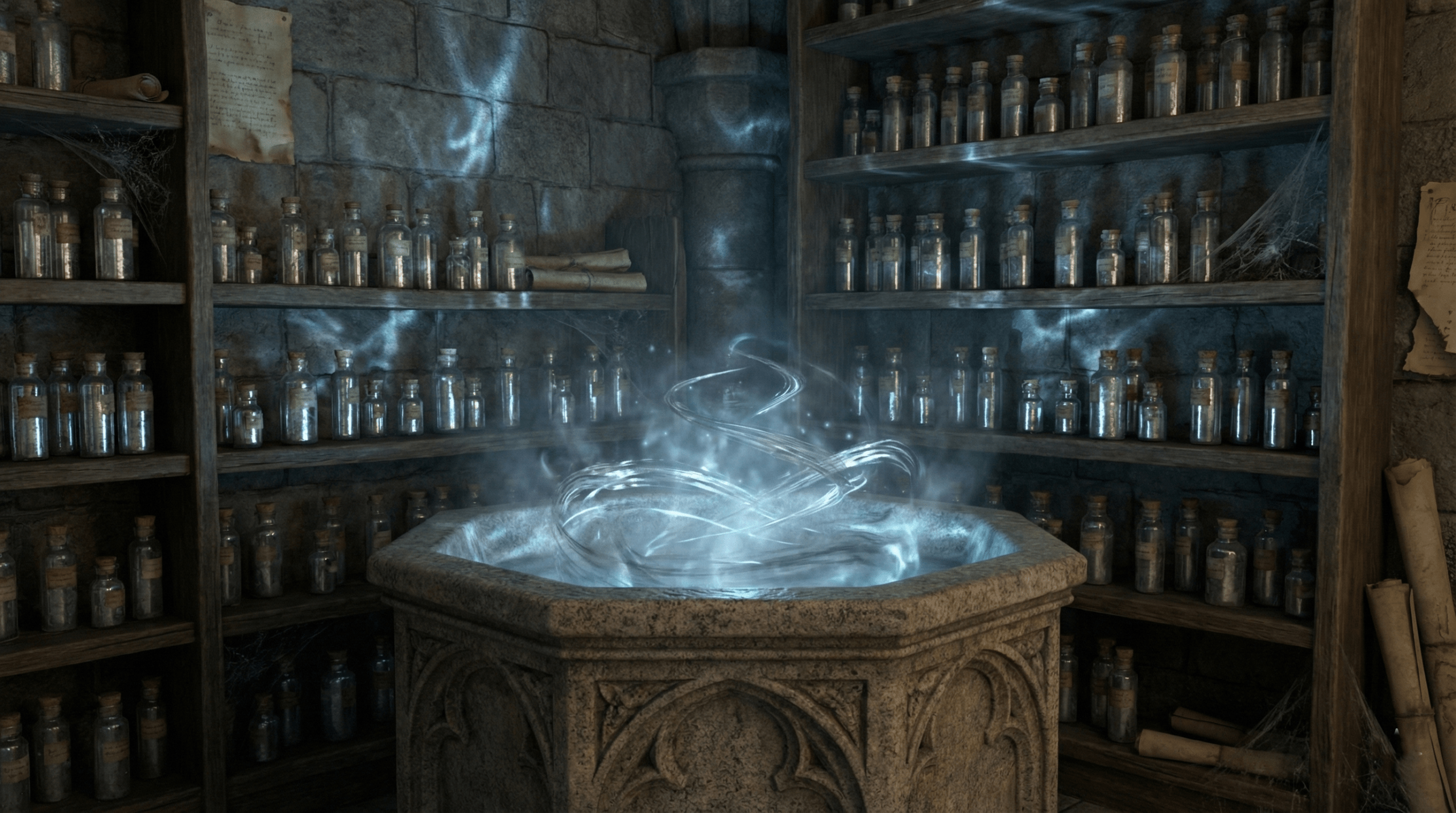
Dumbledore’s private lessons with Harry use the Pensieve to explore Voldemort’s past: the Gaunt family ring, Merope’s tragic love potion on Tom Riddle Sr., young Tom’s orphanage cruelty, and Slughorn’s tampered memory about multiple Horcruxes. These memories humanize Voldemort—not as a cartoonish villain, but a product of abandonment, manipulation, and twisted ambition. His mother died in childbirth after the potion wore off; his father abandoned them; he grew up unloved and power-hungry.
This backstory darkens the narrative profoundly: evil isn’t innate but born from corrupted love and neglect. It raises stakes—Harry must hunt these soul fragments—while foreshadowing the moral complexities ahead.
The Mystery of the Half-Blood Prince
Harry’s Potions prowess skyrockets thanks to an annotated textbook from “the Half-Blood Prince,” with superior instructions and invented spells like Sectumsempra. Clues abound: Harry’s suspicions shift from Malfoy to others, but the reveal ties into betrayal themes. (No spoilers here for new readers, but the identity reshapes perceptions of loyalty.)
 The Climax: Dumbledore’s Death and Its Aftermath
The cave retrieval is harrowing—Dumbledore drinks a torturous potion reliving regrets, weakened by Inferi. Back at Hogwarts, Draco’s mission culminates on the Astronomy Tower. The Unbreakable Vow, Snape’s arrival, and the killing curse deliver shock and grief. Dumbledore’s funeral, Harry’s devastation, and his resolve to hunt Horcruxes instead of returning to school mark irreversible change. Hogwarts without Dumbledore feels vulnerable, propelling the series into its endgame.
 Deep Dive into Themes: What Makes It Uniquely Dark
Love vs. Power permeates: Lily’s sacrificial love protected Harry; Merope’s corrupted love birthed Voldemort. Romantic subplots—Harry/Ginny’s genuine connection, Ron/Hermione tensions via Lavender—contrast with war’s chaos, showing love as both strength and vulnerability.
Sacrifice and loss dominate: Dumbledore’s planned vulnerability, foreshadowing greater tragedies. Trust and betrayal peak—Harry’s Malfoy obsession, Snape’s ambiguity. Coming-of-age elements blend teen drama (jealousy, first kisses) with moral gray areas, making characters feel real and flawed.
Redemption arcs add depth: Snape’s layers, Slughorn’s shame over his memory, Malfoy’s torment show no one is purely evil or good. These themes make Half-Blood Prince emotionally resonant, exploring how darkness arises from human failings.
Character Development: Growth and Darkness
Harry matures—proactive, obsessive about Malfoy, emotionally open with Ginny. Dumbledore reveals vulnerability, his mentor role peaking in trust-building lessons. Snape reaches ambiguity’s height, his actions forcing reevaluation. Supporting characters shine: Ron/Hermione’s romance tension, Ginny’s confidence, Malfoy’s internal conflict humanize the war.
Why Fans and Critics Call It the Best (or Most Pivotal) Book
Many fans rank Harry Potter and the Half-Blood Prince as their favorite for balancing humor, romance, mystery, and tragedy. Reddit discussions praise its re-readability, emotional depth, and perfect pacing. Critics highlight character maturity and eloquent storytelling. It serves as the ultimate bridge to Deathly Hallows, setting up the Horcrux quest and Snape’s allegiance twist.
Book vs. Movie: What the Film Missed That Heightens the Darkness
The 2009 film emphasizes romance and comedy, omitting detailed Voldemort memories, Dumbledore’s full funeral, and the Half-Blood Prince book’s impact. The cave and tower sequences lose foreboding depth. The book explores grief, politics, and moral grays more fully, making its darkness more profound.
 Hidden Details and Easter Eggs for Deeper Appreciation
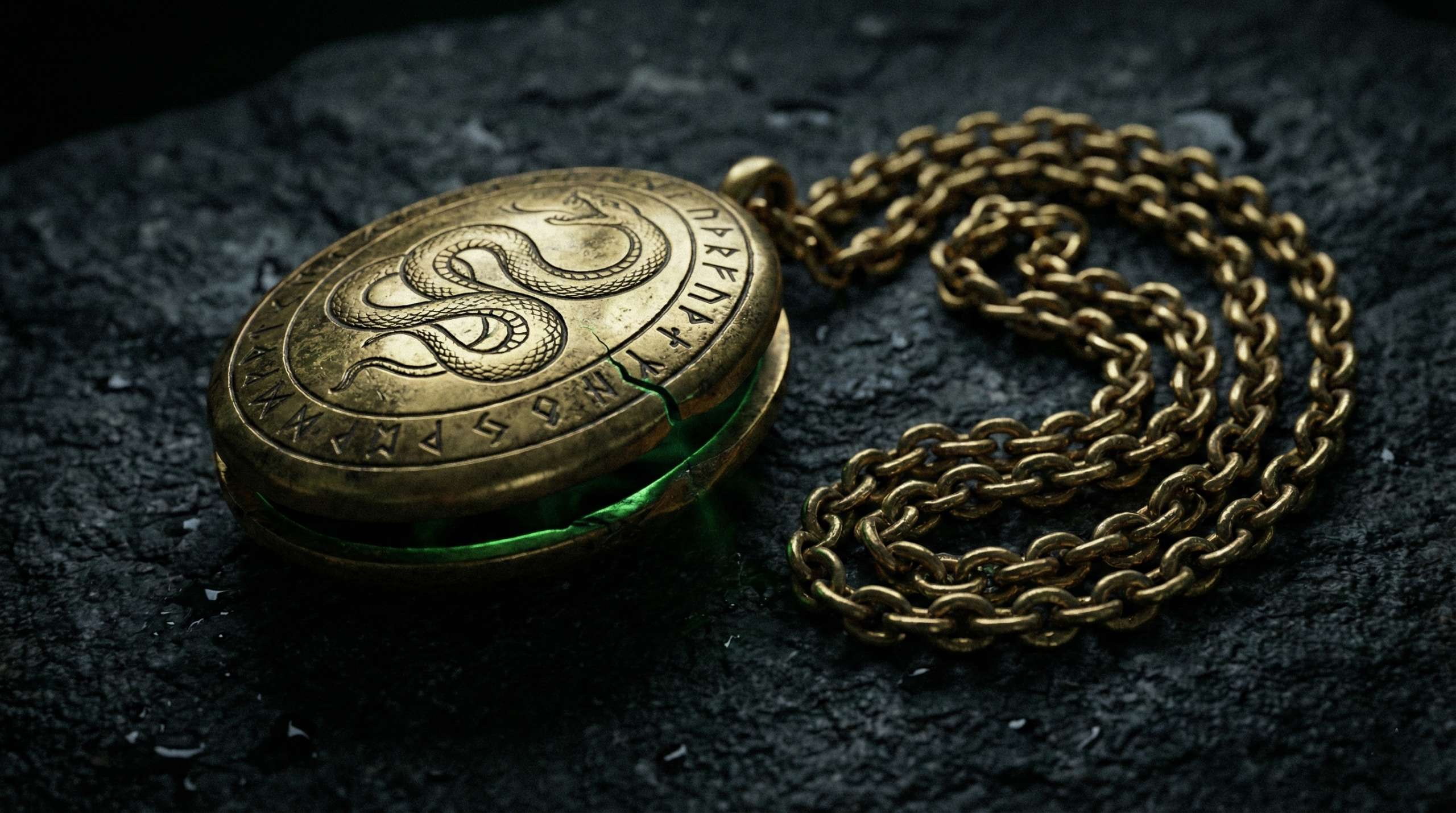
Foreshadowing abounds: Sectumsempra’s danger, the locket’s symbolism, Pensieve connections to earlier books. These reward rereads.
Final Thoughts: Why You Should Re-Read It Today
Harry Potter and the Half-Blood Prince remains timeless—its themes of loss, loyalty, and fighting darkness resonate. Revisit it to appreciate the series’ emotional core and prepare for the finale.
FAQs
Is Half-Blood Prince darker than Order of the Phoenix? Yes—while Order has Umbridge’s oppression, Half-Blood Prince’s war acknowledgment, personal losses, and moral ambiguity feel more pervasive and adult.
Who is the Half-Blood Prince really? (Spoiler warning) Severus Snape—his mother’s maiden name was Prince, explaining his alias and spell inventions.
Why is Dumbledore’s death so impactful? It removes the series’ protector, forcing Harry to lead alone and shattering illusions of safety.
How does it set up Deathly Hallows? It reveals Horcrux mechanics, Snape’s complexity, and Harry’s quest, launching the final hunt.
 In a world that still grapples with loss, loyalty, moral complexity, and the cost of fighting darkness, Harry Potter and the Half-Blood Prince feels more relevant than ever. It is the book where childhood illusions die—where heroes are fallible, villains have tragic backstories, and victory demands real sacrifice. The romance, humor, and mystery keep it endlessly re-readable, while the deepening shadows and irreversible turning points make it emotionally unforgettable.
If you’ve only watched the films, the book offers a far richer, more heartbreaking experience. If you’ve read it before but not recently, returning to it now will reveal new layers—especially in light of the series’ conclusion. It’s the perfect bridge between the wonder of the early books and the unrelenting stakes of the finale.
So grab your battered copy (or your pristine collector’s edition), settle in with a butterbeer (or your favorite hot drink), and experience once again why so many readers consider Harry Potter and the Half-Blood Prince the darkest, most pivotal, and arguably the finest installment in the entire series.