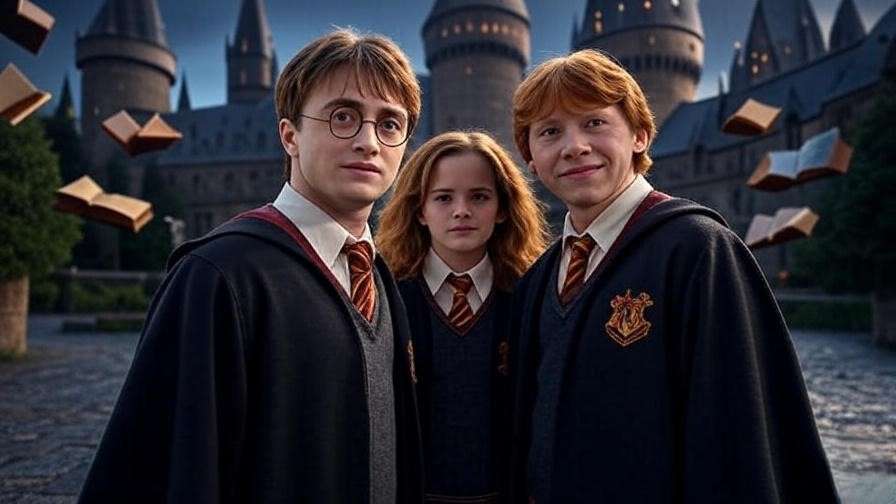
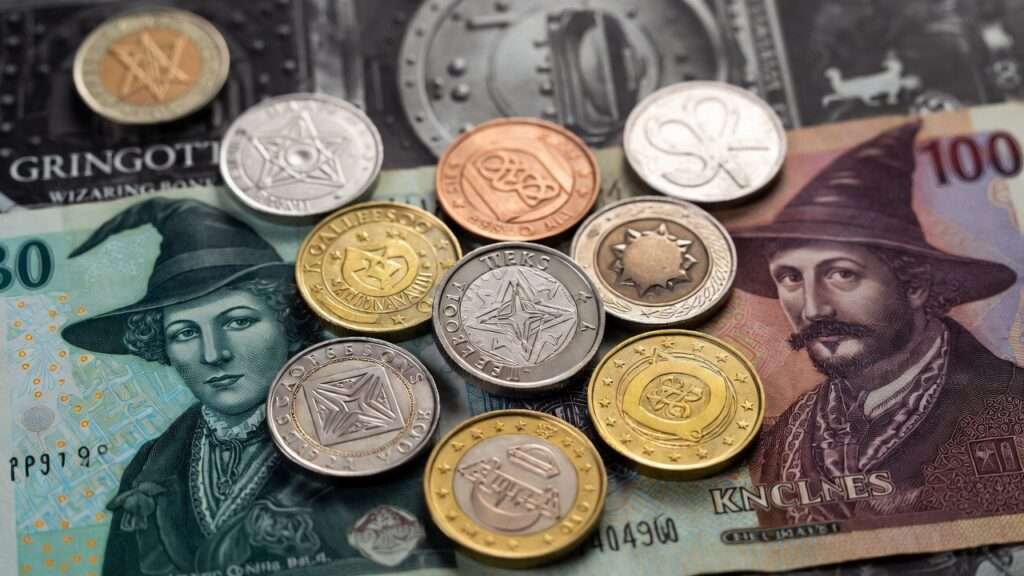
Imagine this: an eleven-year-old boy, fresh from a cupboard under the stairs, steps into the echoing marble hall of Gringotts Wizarding Bank for the very first time. Towering piles of gold coins glint under goblin eyes, silver pieces clink in heavy sacks, and tiny bronze Knuts scatter across the floor like forgotten change. Harry Potter has just discovered he’s not just a wizard—he’s also extraordinarily wealthy.
Yet for millions of readers and fans worldwide, one question lingers long after the books are closed: What on earth is a Galleon actually worth?
The Harry Potter currency system—Galleons, Sickles, and Knuts—is one of the most enchanting yet frustratingly cryptic elements of J.K. Rowling’s wizarding world. With its non-decimal exchange rates, magical forgery tricks, and wildly inconsistent real-world pricing hints, it leaves even dedicated Potterheads scratching their heads.
Whether you’re trying to figure out how rich Harry really was, calculating the Muggle cost of a Firebolt broomstick, wondering why a Sickle buys so much more than a Knut, or simply curious about the economics behind Diagon Alley, this comprehensive guide is for you.
In the pages ahead, we’ll break down every official detail from the books, Pottermore/Wizarding World archives, J.K. Rowling’s own statements, and reliable canon sources. We’ll crunch updated 2026 real-world equivalents, debunk popular myths, analyze famous purchases, and even estimate the modern-day value of Harry’s vault. By the end, the wizarding economy will finally make sense.
Let’s open the vault.
The Basics of Wizarding Currency – What Are Galleons, Sickles, and Knuts?
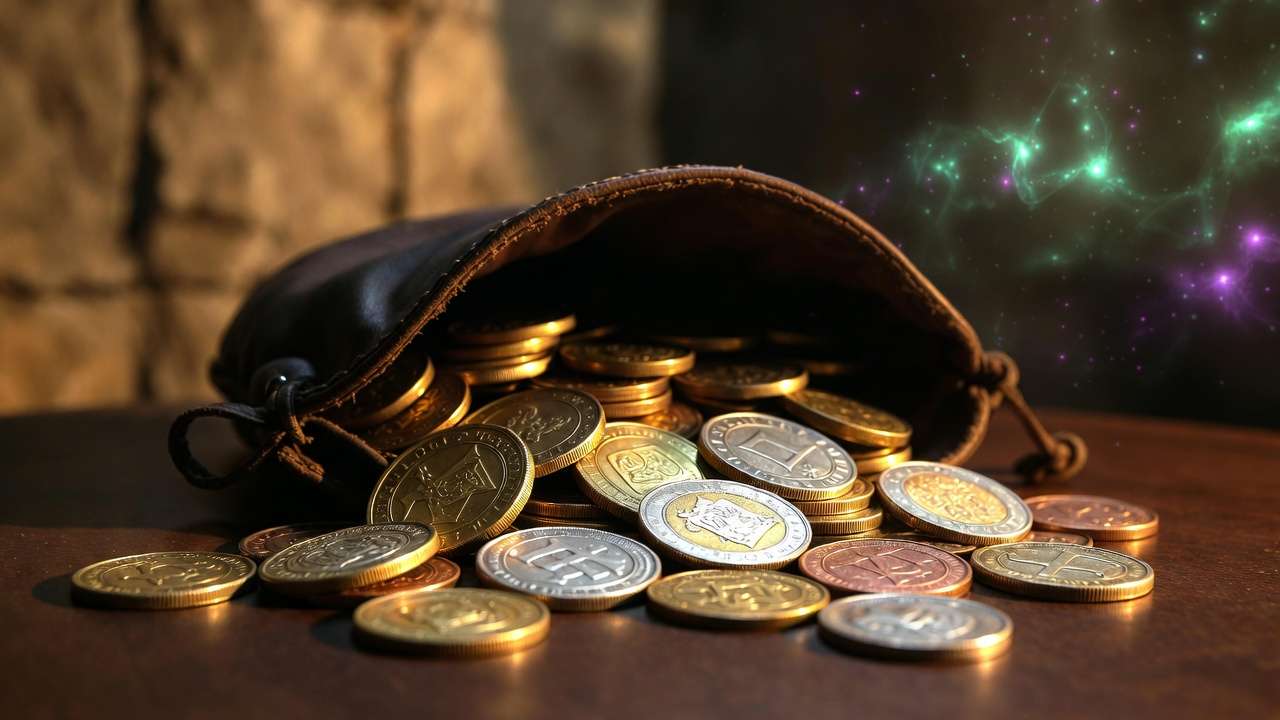
The wizarding world operates on a tri-metal coinage system that feels both ancient and delightfully eccentric.
The Three Coins Explained
- Galleons — Large, heavy gold coins, the primary unit of wealth in the wizarding economy. Every genuine Galleon bears a unique serial number engraved around its edge, a security measure enforced by the goblins of Gringotts.
- Sickles — Medium-sized silver coins, used for everyday mid-range purchases.
- Knuts — The smallest bronze denomination, roughly equivalent to pocket change.
These names aren’t random. “Galleon” evokes the treasure-laden Spanish galleons of the 16th and 17th centuries. “Sickle” recalls the ancient Mesopotamian shekel, while “Knut” is a playful nod to King Canute (or Cnut) the Great, the 11th-century Danish ruler famous for commanding the tides.
Official Exchange Rates (Canon from the Books)
J.K. Rowling provided the definitive exchange rates in Fantastic Beasts and Where to Find Them (the original 2001 charity book edition) and later confirmed them across multiple interviews:
- 1 Galleon = 17 Sickles
- 1 Sickle = 29 Knuts
- Therefore: 1 Galleon = 493 Knuts (17 × 29 = 493)
Unlike modern decimal currencies (100 pence = £1), the wizarding system is deliberately non-decimal—a charming anachronism that mirrors pre-1971 British pounds, shillings, and pence (the old “£sd” system: 20 shillings = £1, 12 pence = 1 shilling).
Hagrid famously brushes off the complexity: “It’s easy enough,” he tells Harry in Philosopher’s Stone. For wizards raised with magic, mental arithmetic (or perhaps a quick charm) makes the system effortless.
Here’s a quick reference table for at-a-glance conversions:
- 1 Galleon = 17 Sickles = 493 Knuts
- 5 Sickles = 145 Knuts
- 10 Sickles = 290 Knuts
- 1 Sickle = 29 Knuts
Why Such Odd Numbers?
The peculiar ratios serve several narrative and world-building purposes:
- Historical flavor — They echo the irregularities of pre-decimal British currency, reinforcing the wizarding world’s stubborn resistance to Muggle modernity.
- Magical convenience — Wizards can presumably use simple spells or enchanted abacuses for calculations.
- Storytelling flexibility — The awkward numbers allow Rowling to create memorable price points (e.g., 7 Galleons for a wand feels substantial but not outrageous).
This system is one of the many ways the wizarding world feels simultaneously ancient and timeless.
How the Currency System Works in the Wizarding World
Minting and Security Features
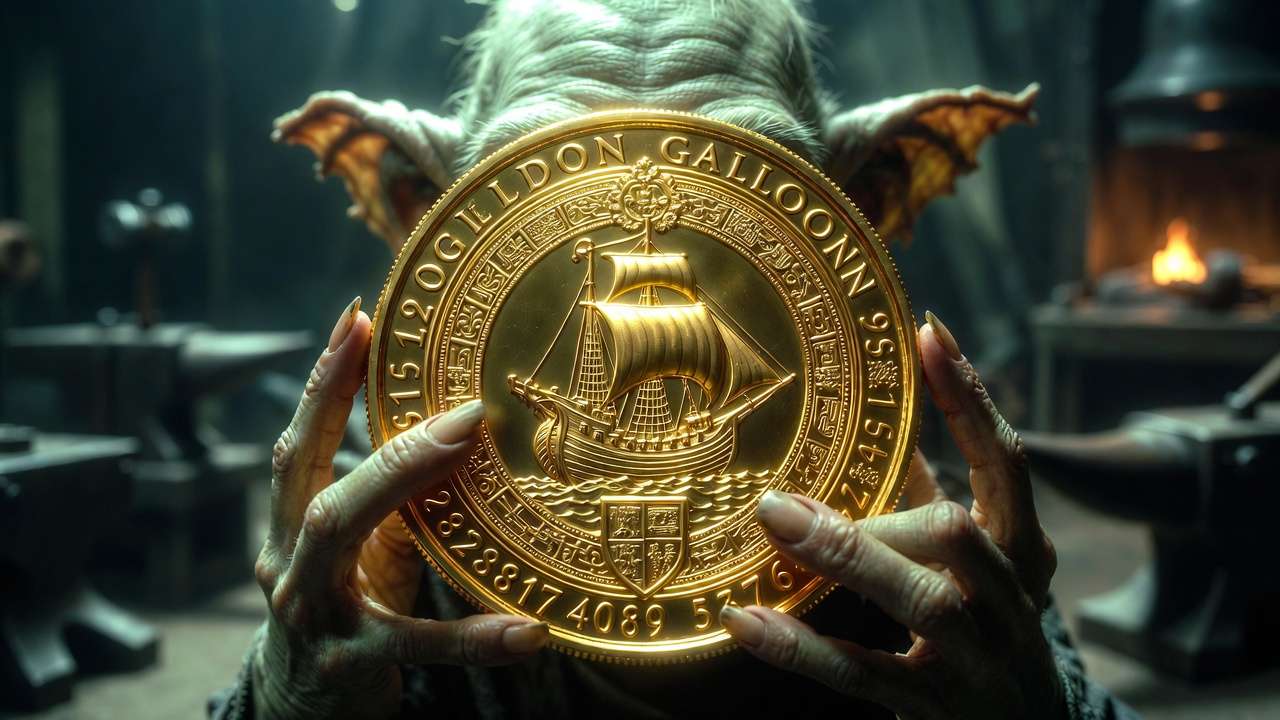
All legitimate British wizarding coins are minted deep beneath Gringotts by goblin craftsmen. The process remains a closely guarded secret, but we know the coins are:
- Made with goblin magic
- Individually serial-numbered (visible under close inspection)
- Extremely difficult to counterfeit successfully
Goblin metallurgists are so skilled that even the Ministry of Magic relies entirely on Gringotts for currency production and regulation.
Fake Currency and Leprechaun Gold
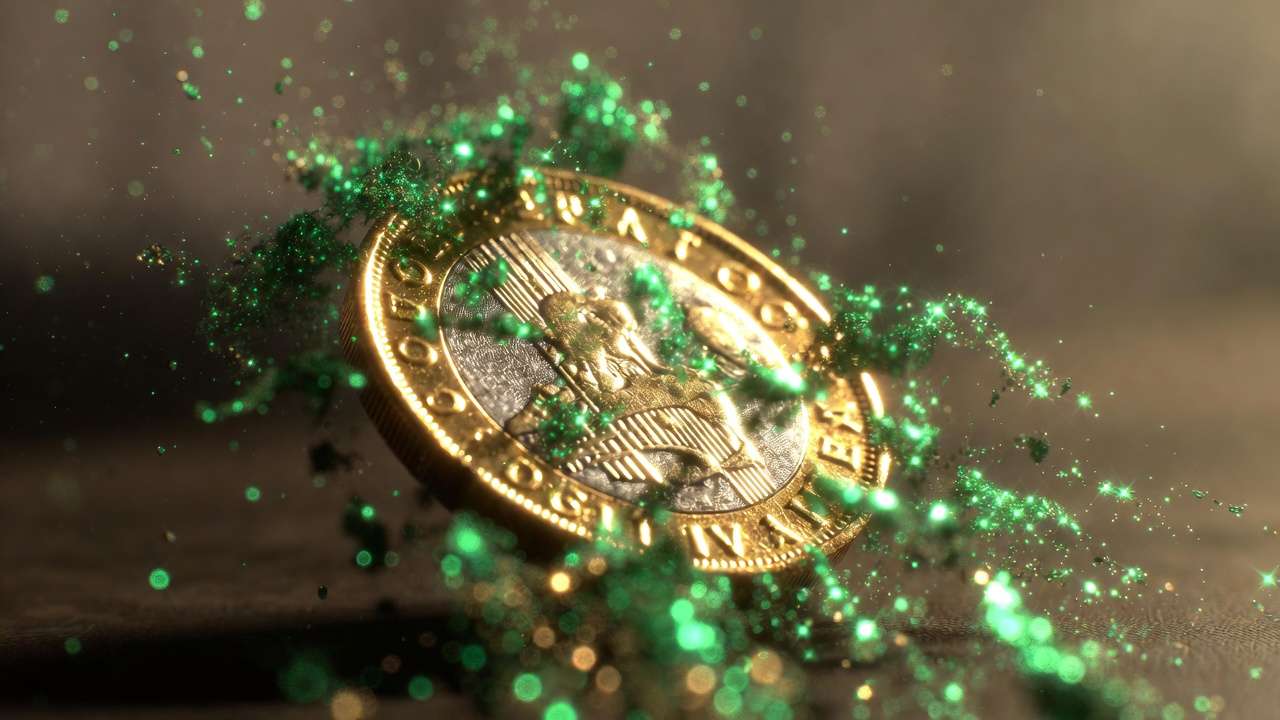
The series features several memorable instances of fake money:
- Leprechaun gold — During the 1994 Quidditch World Cup, leprechauns shower the stadium with counterfeit Galleons that look and feel real—until they vanish hours later. Ludo Bagman pays Ron with this vanishing gold, leaving him furious when it disappears.
- Hermione’s DA coins — In Order of the Phoenix, Hermione enchants fake Galleons that heat up and display changing serial numbers to communicate meeting times to Dumbledore’s Army members. These are never intended to fool Gringotts, only to serve as secret signals.
- Weasley twins’ accidental counterfeiting — In Chamber of Secrets, Fred and George attempt to pay Tom the barman with a fake Galleon (actually a piece of Troll bogey chocolate), highlighting how difficult successful counterfeiting truly is.
These examples underscore an important rule: while temporary fakes are possible through powerful magic, permanent counterfeiting is virtually impossible thanks to goblin detection methods.
International Wizarding Currencies
The British wizarding economy isn’t isolated. Other nations use their own currencies:
- United States: Dragots
- France: Bezants
- Germany: (implied to have its own system)
- Bulgaria, Egypt, and others: Presumably unique coinage
Gringotts operates international branches and currency exchange services, though exchange rates between wizarding currencies are never detailed in canon.
Famous Prices and Purchases in the Harry Potter Books

One of the best ways to understand the wizarding economy is through the actual prices mentioned across the seven books. These examples reveal how everyday items, luxuries, and even fines fit into the system—and highlight the vast differences in wealth among characters.
Everyday Items and School Supplies
Many small purchases use Sickles and Knuts, reflecting a practical, modest economy for most wizards.
- Daily Prophet newspaper — Delivered by owl: 1 Knut (as paid by Hermione throughout Order of the Phoenix).
- Butterbeer — A popular pub drink: around 2 Sickles (implied in multiple scenes at the Three Broomsticks and Hog’s Head).
- Hogwarts Express trolley sweets — Harry’s famous first-year haul (Chocolate Frogs, Pumpkin Pasties, Cauldron Cakes, Bertie Bott’s Every Flavour Beans, etc.): 11 Sickles and 7 Knuts total for a massive selection shared with Ron.
- Knight Bus ride — From the Leaky Cauldron to the Dursleys’: 11 Sickles (including hot chocolate and a toothbrush).
- Owl postage — 5 Knuts for Harry’s first Prophet delivery in Philosopher’s Stone.
These prices suggest the wizarding world has relatively affordable daily comforts compared to the value of larger items.
Big-Ticket Items
Luxury purchases quickly climb into the hundreds of Galleons, emphasizing class divides.
- Harry’s wand — 7 Galleons (a standard Ollivander price, as mentioned in Philosopher’s Stone).
- School textbooks and supplies — A full Hogwarts shopping list (robes, books, cauldron, etc.) costs a noticeable sum; Harry notes some advanced books are “expensive,” with individual texts likely in the 5–10 Galleon range.
- Omnioculars — High-end Quidditch viewing devices: 10 Galleons each (Ron borrows from Harry at the World Cup).
- Firebolt broom — The ultimate racing broom: implied to cost “hundreds of Galleons” (Harry’s description in Prisoner of Azkaban), with fan estimates often placing it at 300–1,000+ Galleons due to its rarity and performance.
Wages, Wealth, and Poverty
The series contrasts extreme wealth with struggle.
- Dobby’s wages — Initially unpaid, then negotiated to 1 Galleon per week plus one day off per month (in Goblet of Fire and beyond).
- Weasley family finances — The Weasleys scrape by with a tiny vault containing mostly Sickles and a single Galleon. Mr. Weasley’s Ministry salary is modest; fines (e.g., 50 Galleons for the flying car incident) are burdensome.
- Malfoy wealth — Lucius Malfoy’s vault is described as overflowing, allowing Draco to buy entire teams’ worth of brooms.
- Harry’s inheritance — Vault 687 holds massive piles of Galleons (with Sickles and Knuts implied but not shown in detail), described as a “small fortune” that covers seven years of school and beyond without worry.
These examples show the wizarding economy isn’t purely merit-based—family legacy, inheritance, and goblin banking play huge roles.
Real-World Value – How Much Is a Galleon Worth Today?
This is the question most fans ask: how do these magical coins translate to Muggle money in 2026?
J.K. Rowling’s Official Statements
J.K. Rowling has consistently stated that 1 Galleon ≈ £5 GBP (British Pounds), with minor variations in early interviews and charity editions of Fantastic Beasts and Where to Find Them. This figure comes from direct author comments and is widely accepted as canon intent.
Other calculations (like charity book back-cover pricing) suggest slight adjustments (~£5.12), but £5 remains the standard benchmark.
Popular Conversion Methods and Debates
Fans debate this endlessly:
- Book evidence — Early books imply higher values (e.g., newspaper prices aligning with real-world costs), but later books and author statements settle around £5.
- Metal value theory — If coins were pure gold/silver/bronze, values would be astronomical (gold Galleons worth thousands per coin). Canon debunks this—goblins use magic, not market metal prices, so coins aren’t pure precious metals.
- Alternative fan theories — Some argue for higher values ($25+ per Galleon) based on purchasing power, but these contradict Rowling’s explicit £5 guideline.
We stick to the author’s intent for accuracy.
Updated 2026 Equivalents
As of January 2026, the GBP/USD exchange rate hovers around 1 GBP ≈ 1.34–1.35 USD (based on recent market data).
Using Rowling’s £5 per Galleon base:
- 1 Galleon ≈ £5 GBP ≈ $6.75–$6.80 USD
- 1 Sickle (1/17 Galleon) ≈ £0.29 GBP ≈ $0.39–$0.40 USD
- 1 Knut (1/493 Galleon) ≈ £0.01 GBP ≈ $0.013–$0.014 USD
Practical examples in 2026 terms:
- Butterbeer: ~2 Sickles ≈ £0.58 GBP ≈ $0.78 USD
- Harry’s wand: 7 Galleons ≈ £35 GBP ≈ $47 USD
- Firebolt broom (estimated 500 Galleons): £2,500 GBP ≈ $3,375 USD
- Daily Prophet: 1 Knut ≈ $0.014 USD (a bargain compared to modern newspapers!)
This makes wizarding daily life surprisingly affordable in Muggle terms, while luxuries remain elite.
How Rich Was Harry Potter? Breaking Down His Fortune
Harry Potter is repeatedly described as “rich” in the books, but just how wealthy was he in concrete terms?
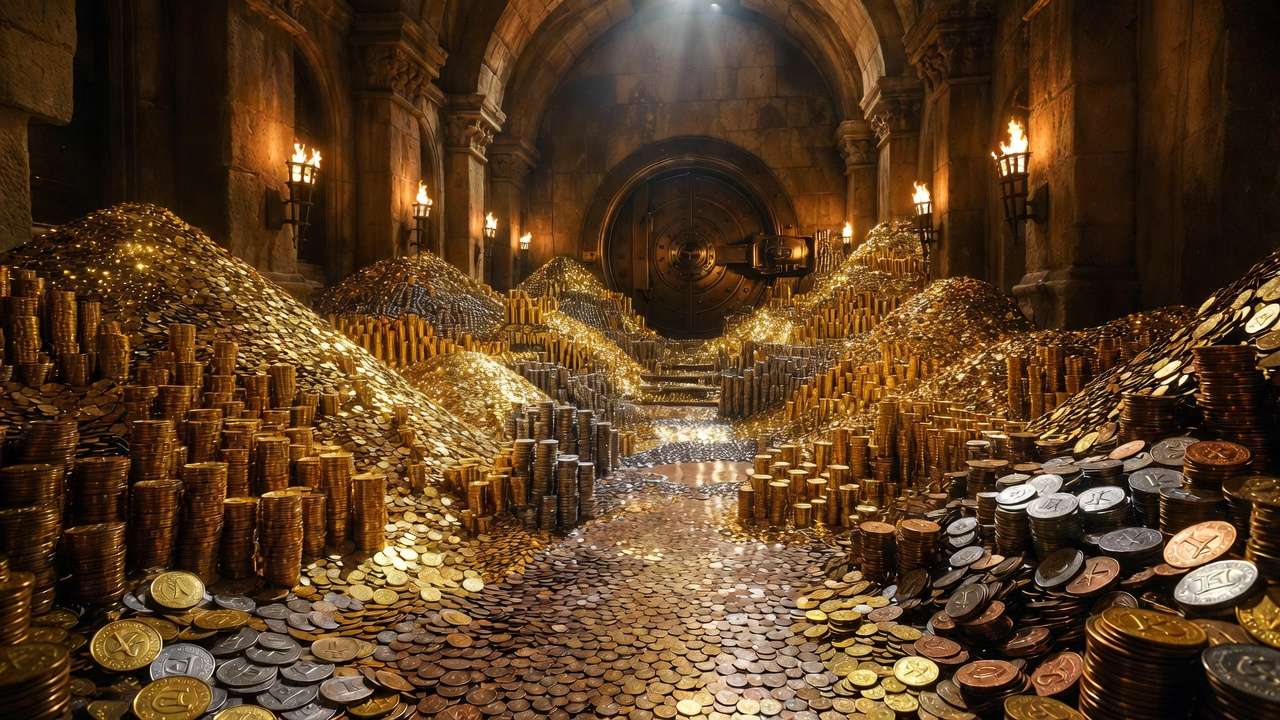
In Philosopher’s Stone, Hagrid opens Vault 687 to reveal “mounds of gold coins. Columns of silver. Heaps of little bronze Knuts.” The description is deliberately vague—no exact count is ever given—but several clues help us estimate:
- Canon hints
- Harry never worries about money during his Hogwarts years despite buying expensive items (Firebolt, Omnioculars, school supplies, frequent Butterbeer rounds, Christmas and birthday gifts).
- The Weasleys’ vault is described as containing “a single gold coin rolling around” alongside Sickles and Knuts, while Harry’s is overflowing.
- Sirius Black’s family vault (number 711) is also described as vast, suggesting old pure-blood families hold generational wealth in the hundreds of thousands or millions of Galleons.
- Popular fan estimates Most serious analyses (including those from Wizarding World archives discussions, Pottermore-era articles, and long-standing fan communities) place Harry’s inheritance in the range of 50,000 to 100,000+ Galleons at minimum, with many leaning toward the higher end when considering the sheer volume described.
Using our established 2026 conversion (£5 ≈ 1 Galleon):
- 50,000 Galleons ≈ £250,000 GBP ≈ $335,000–$340,000 USD
- 100,000 Galleons ≈ £500,000 GBP ≈ $670,000–$675,000 USD
- Upper-end estimates (200,000–500,000 Galleons, accounting for centuries of accumulated Potter family wealth) ≈ £1–2.5 million GBP ≈ $1.34–3.35 million USD
Even at the conservative end, Harry is a multi-hundred-thousand-pound trust-fund kid—extremely wealthy by Muggle standards, especially for a teenager. This explains why he could afford to be generous (paying for Ron’s Omnioculars, buying everyone sweets, gifting Firebolts indirectly through influence) without ever running low.
In short: Harry wasn’t just “comfortable”—he was richer than most Muggle upper-middle-class families, yet he never behaved like a stereotypical spoiled rich kid, a testament to his character.
Tips for Fans – Using Harry Potter Currency in Real Life
The wizarding economy isn’t just lore—it’s a fun framework you can bring into real-world activities.
Role-Playing, Fan Fiction, and Games
- Create realistic budgets for Harry Potter RPGs or LARP events:
- Daily allowance at Hogwarts ≈ 5–10 Galleons per term
- Extravagant shopping trip (new robes, broom upgrades) ≈ 50–100 Galleons
- In fan fiction, use the 17:29 ratio for authenticity when characters haggle or pay wages.
Theme Park and Merch Insights
At Universal Studios Wizarding World (both Hogsmeade and Diagon Alley), some interactive wands and souvenirs are priced in “Galleons” on signage for immersion, though actual payment is in Muggle currency. Fun fact: a single Butterbeer at the parks costs roughly the equivalent of 3–4 Sickles in Rowling’s system—still a bargain!
Fun Calculators and Tools
Several reliable online converters exist (search for “Harry Potter Galleon calculator”). Always cross-reference with Rowling’s £5 benchmark rather than pure metal-value theories for canon accuracy.
Common Myths and Misconceptions Debunked
Let’s clear up some of the most persistent misunderstandings:
- Myth: The coins are made of pure gold, silver, and bronze → Reality: If they were, a single Galleon would be worth thousands of pounds on the precious metals market alone. Canon confirms goblin magic creates value independent of metal content.
- Myth: There’s a fixed 1:1 exchange rate with Muggle money → Reality: No evidence exists for a stable exchange rate. Gringotts handles conversions, but the rate is never stated—likely floating like any currency exchange.
- Myth: Wizards are all poor because everyday items seem expensive → Reality: Many prices (Butterbeer, newspapers, sweets) are actually quite affordable in Muggle terms once converted.
- Myth: Harry spent almost none of his fortune → Reality: Between school supplies, gifts, and occasional splurges, he likely spent tens of thousands of Galleons over seven years—yet his vault still appeared bottomless.
FAQs About Harry Potter Currency
Q: How many Knuts are in a Galleon? A: Exactly 493 (17 Sickles × 29 Knuts).
Q: What’s the most expensive item mentioned in the series? A: The Firebolt broomstick, widely estimated at several hundred Galleons (possibly 300–1,000+).
Q: Can Muggle money be exchanged at Gringotts? A: Yes—Harry’s Muggle relatives could theoretically exchange pounds for Galleons, though no scene shows it happening.
Q: Why are the exchange rates so strange (17 and 29)? A: It’s a deliberate design choice to reflect the archaic, non-decimal feel of old British money while adding magical flavor.
Q: How much did Harry’s entire Hogwarts education cost? A: Likely 200–500 Galleons total (tuition is free, but books, robes, wands, supplies, and pocket money add up).
Q: Is there inflation in the wizarding world? A: Never directly addressed, but prices appear stable across the 1990s setting.
Q: What happened to Harry’s money after the series? A: Presumably still in Vault 687, now potentially shared with Ginny and their children.
The wizarding currency system—Galleons, Sickles, and Knuts—is far more than a quirky detail. It’s a window into the social structure, history, and magic of J.K. Rowling’s world: deliberately old-fashioned, goblin-controlled, and full of delightful irregularities that mirror the eccentric charm of wizard society itself.
Next time you reread the books, pay attention to those casual mentions of coins changing hands. You’ll start seeing the economy in a whole new light—Harry’s “handfuls” of Galleons aren’t just poetic description; they represent real, staggering wealth in both the wizarding and Muggle worlds.
Now it’s your turn: How many Galleons do you think Harry had in Vault 687? What’s the one purchase you’d make first if you had a Gringotts vault of your own? Drop your calculations, theories, and dream shopping lists in the comments below—I read and love every one.
Until next time, keep your wand drawn and your purse full of Galleons.