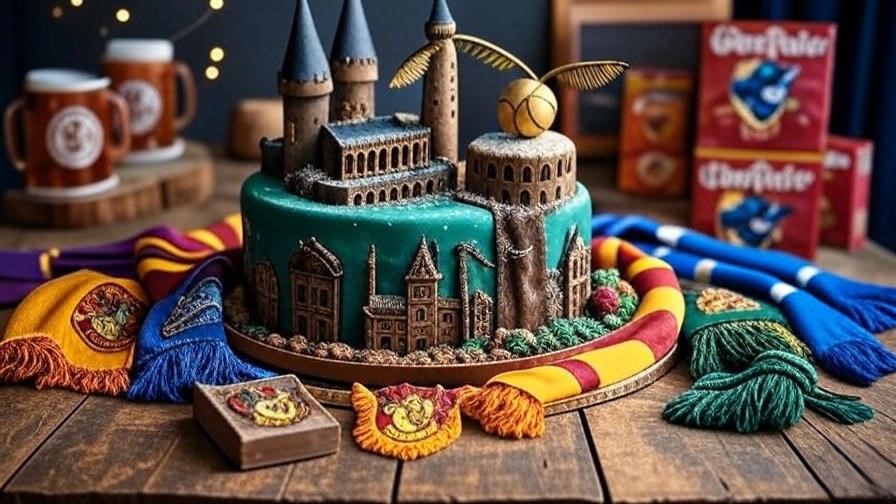
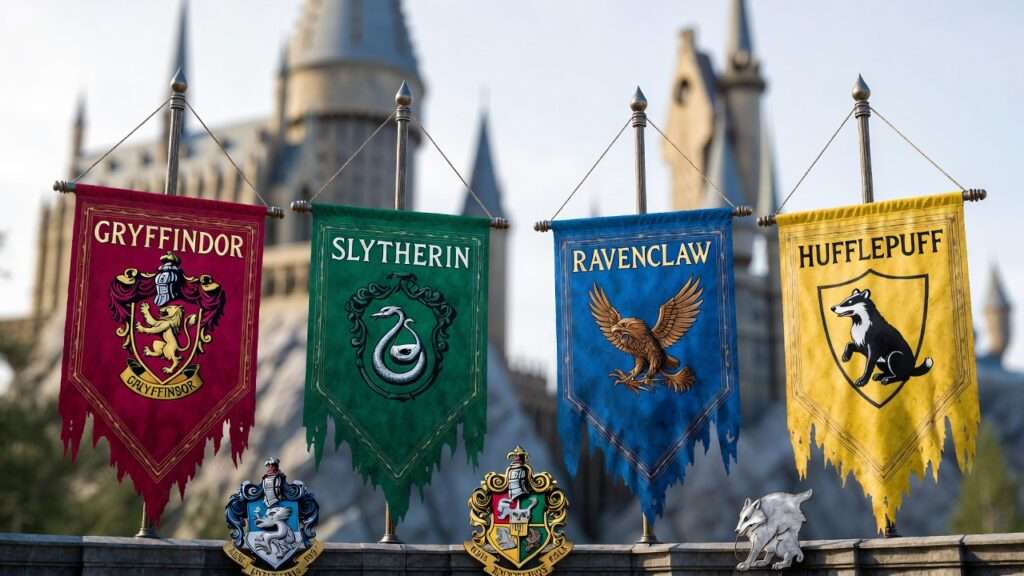
Imagine stepping into the Great Hall at Hogwarts for the first time: flickering candlelight illuminates towering banners in bold scarlet and gold, shimmering emerald and silver, serene blue and bronze, and warm yellow and black. These aren’t just decorative choices—the Harry Potter houses colors instantly signal the essence of each house, evoking bravery, ambition, intellect, and loyalty. For fans worldwide, these palettes spark house pride, inspire fan art, guide cosplay decisions, and even influence real-life decor and merchandise choices.
Whether you’re double-checking the official colors for a custom scarf, exploring the deeper symbolism for a fan theory discussion, or simply reliving the magic of your Sorting, this comprehensive guide delivers everything you need. Drawing directly from J.K. Rowling’s writings on Wizarding World (formerly Pottermore), book descriptions, film adaptations, and licensed sources, we’ll cover the complete official list, hex codes for practical use, elemental connections, alchemical and cultural symbolism, character reflections, and real-world applications. By the end, you’ll not only know the colors but understand why they matter in the Wizarding World—and how they continue to enchant fans today.
The Official Hogwarts Houses Colors: The Complete List
The Hogwarts houses colors are canonically established by J.K. Rowling herself. In her essay “Colours” on Wizarding World, she explains their deliberate design, tying them loosely to the classical four elements while reflecting each house’s core values. Here’s the definitive breakdown:
Gryffindor Colors – Scarlet Red and Gold
Gryffindor, the house of the brave, features scarlet (a vivid, fiery red) and gold. The scarlet banners wave proudly in the Great Hall, paired with the golden lion emblem that symbolizes courage and nobility.
- Primary: Scarlet Red — Often rendered as a deep, rich crimson in robes and ties.
- Secondary: Gold — A warm, metallic hue evoking sunlight, valor, and the lion’s mane.
- Common hex codes (based on film analysis, licensed merch, and fan consensus): Scarlet #740001 (dark) or #AE0001 (brighter); Gold #D3A625 or #EEBA30.
These colors appear consistently in the books (e.g., scarlet and gold scarves in Harry Potter and the Philosopher’s Stone) and official merchandise.
 Slytherin Colors – Emerald Green and Silver
Slytherin, home to the ambitious and cunning, uses emerald green and silver. The serpent emblem glints in silver against deep green, reflecting the house’s mysterious, watery depths in the dungeons.
- Primary: Emerald Green — A rich, forest-like green associated with growth, envy, and Dark magic ties.
- Secondary: Silver — Cool and reflective, suggesting adaptability and prestige.
- Common hex codes: Green #1A472A (deep emerald) or #2A623D; Silver #AAAAAA or #5D5D5D (muted metallic).
Rowling notes green’s link to water and its darker connotations in wizarding culture, like the Dark Mark.
 Ravenclaw Colors – Blue and Bronze
Ravenclaw, the house of wit and learning, proudly displays blue and bronze. The eagle soars against blue skies, with bronze evoking eagle feathers and enduring wisdom.
- Primary: Blue — A deep, intellectual navy or royal blue representing the sky and clarity.
- Secondary: Bronze — A warm metallic tone for feathers and ancient knowledge.
- Common hex codes: Blue #0E1A40 (navy) or #222F5B; Bronze #946B2D.
Important note: Books specify blue and bronze (confirmed by Rowling), but films switched to blue and silver for visual contrast and photography reasons. Canon prioritizes blue and bronze.
 Hufflepuff Colors – Yellow and Black
Hufflepuff, valuing hard work and loyalty, chooses yellow and black—representing wheat fields and rich soil, grounding the house near the kitchens.
- Primary: Yellow — Bright and sunny, like ripened wheat or cheerful sunflowers.
- Secondary: Black — Deep and earthy, symbolizing fertile soil and steadfastness.
- Common hex codes: Yellow #FFD800 or #F0C75E (warmer); Black #000000.
These evoke humility and nurturing, with no metallic secondary—emphasizing earthiness over flashiness.
For quick reference, many fans use these palettes in digital projects, as they closely match official products from the Wizarding World shop and Warner Bros. licensed items.
 The Hidden Meanings and Symbolism Behind Each House’s Colors
Beyond aesthetics, the houses colors carry profound layers of meaning, rooted in mythology, psychology, and Rowling’s intentional world-building.
Elemental Associations – How Colors Tie to Fire, Water, Earth, and Air
Rowling explicitly states the houses have a “loose association” with the classical four elements, with colors chosen accordingly:
- Gryffindor (Fire): Red evokes flames, passion, and energy; gold represents the sun’s transformative power. This mirrors Gryffindors’ bold, action-oriented nature—like Harry’s daring leaps into danger.
- Slytherin (Water): Green suggests deep waters, adaptability, and hidden currents; silver reflects like moonlight on a lake. It captures Slytherins’ cunning flow and resilience, as seen in Draco Malfoy’s calculated moves.
- Ravenclaw (Air): Blue symbolizes vast skies and clear thought; bronze nods to eagle feathers riding the wind. This aligns with Ravenclaws’ intellectual elevation and creative freedom, embodied by Luna Lovegood’s airy perspective.
- Hufflepuff (Earth): Yellow stands for wheat and sunlight on fields; black for nourishing soil. It reflects Hufflepuffs’ grounded reliability and nurturing spirit, like Cedric Diggory’s fair play.
These elemental ties add depth to house rivalries and unity in the series.
Deeper Symbolism – Alchemy, Heraldry, and Wizarding Lore
Rowling draws from alchemical traditions (as she notes in writings about Hagrid and Dumbledore’s names—red for passion, white for purity). Metallic accents (gold, silver, bronze) suggest stages of transformation, while primary colors carry heraldic weight:
- Red: Warrior courage, sacrifice (Gryffindor battles).
- Green: Growth but also envy/Dark arts (Slytherin’s ambition can turn sinister).
- Blue: Trust, wisdom, infinity (Ravenclaw clarity).
- Yellow/Black: Fertility, endurance (Hufflepuff steadfastness).
In wizarding culture, green links to Dark magic (e.g., the Dark Mark), adding tension to Slytherin’s palette.
How Colors Reflect House Traits and Key Characters
The colors mirror personalities: Harry’s fiery red courage, Hermione’s blue-tinged intellect (though Gryffindor), Luna’s sky-blue whimsy, Cedric’s earthy loyalty. Even antagonists like Voldemort embody Slytherin’s green in serpentine schemes.
Why House Colors Matter in the Wizarding World and Beyond
The Harry Potter houses colors are far more than cosmetic details—they actively shape storytelling, character identity, and the emotional landscape of the series. They also extend powerfully into fan culture, allowing millions to express their belonging long after the final book.
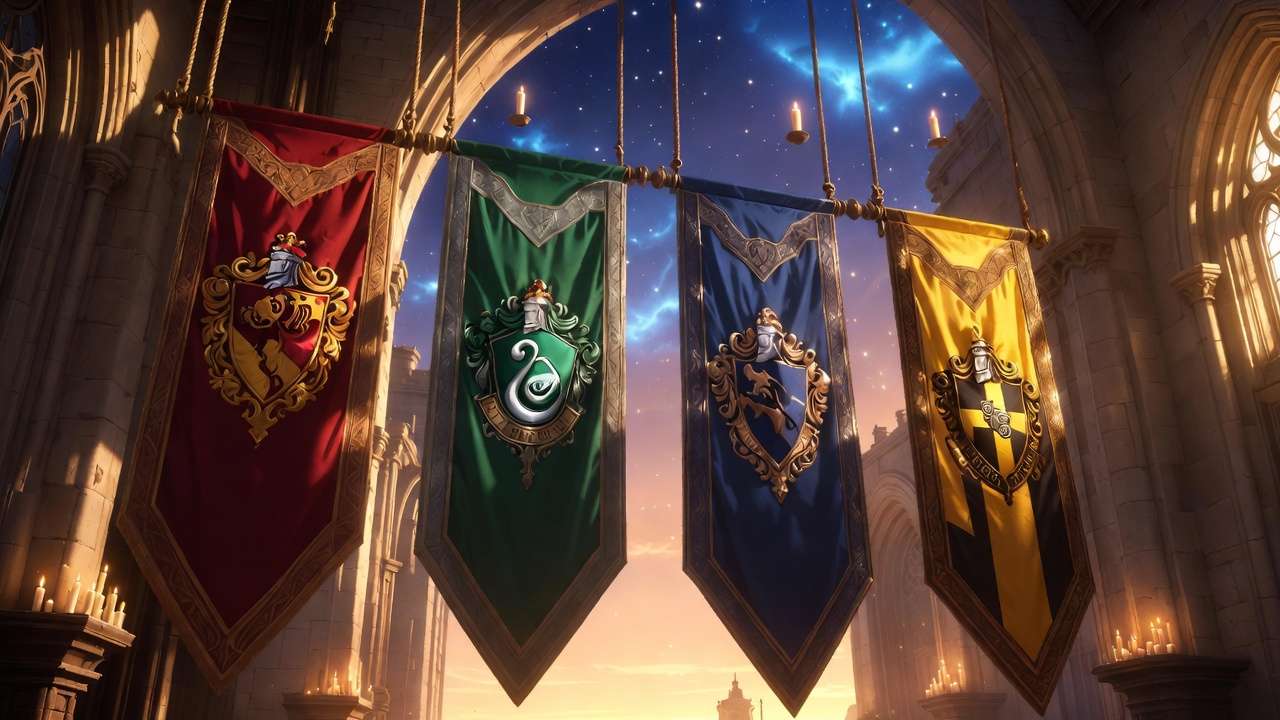 In the Books and Films – Visual Storytelling and Foreshadowing
J.K. Rowling uses color deliberately to reinforce atmosphere and hint at future events:
- Scarlet and gold flood the Gryffindor common room with warmth and energy, mirroring the house’s fiery spirit. During Quidditch matches, the Gryffindor team’s scarlet robes stand out against the sky, symbolizing their bold, courageous playstyle.
- Emerald and silver dominate the Slytherin dungeons, creating a cool, shadowy environment that underscores secrecy and cunning. The green-tinged lighting during scenes with Draco Malfoy or the Slytherin common room subtly foreshadows darker alliances.
- Blue and bronze in Ravenclaw Tower evoke open skies and intellectual clarity. The airy, high-ceilinged space reflects the house’s pursuit of knowledge without the claustrophobia of the dungeons or the coziness of the Gryffindor common room.
- Yellow and black near the Hogwarts kitchens radiate earthy warmth and inclusivity. The barrel entrance and sunflower-yellow accents signal Hufflepuff’s welcoming, hardworking nature—qualities that shine in moments like Cedric Diggory’s fairness during the Triwizard Tournament.
Color shifts also carry narrative weight. When the Slytherin banners dominate the Great Hall during Chamber of Secrets due to house points, the overwhelming green visually communicates the school’s growing division and fear.
In the films, production designer Stuart Craig amplified these palettes: Gryffindor’s reds glow warmly under candlelight, while Slytherin’s greens take on an almost sickly hue in low dungeon light—reinforcing thematic contrasts.
House Pride in Real Life – Merch, Cosplay, Decor, and Fan Communities
Today, the houses colors fuel an enormous ecosystem of official and fan-made products:
- Official merchandise from the Wizarding World shop, Universal Studios, and licensed partners faithfully reproduces the palettes—scarlet-and-gold scarves, emerald-and-silver ties, blue-and-bronze hoodies, yellow-and-black beanies.
- Cosplay and conventions rely on precise color matching. Many cosplayers reference film-accurate hex codes for accuracy, while book purists insist on bronze over silver for Ravenclaw.
- Home decor and parties see fans painting accent walls, stringing fairy lights, or creating house-themed wedding color schemes. Gryffindor weddings often feature bold red-and-gold centerpieces; Hufflepuff celebrations lean into sunny yellows and black for a grounded, joyful vibe.
- Fan art and digital creation thrive on these palettes. Artists on platforms like DeviantArt, Instagram, and TikTok frequently share house pride mood boards, character redesigns, and Sorting-themed aesthetics using the official colors.
Interestingly, some fans avoid certain combinations due to cultural associations—green is sometimes shied away from in decor because of its Dark Arts connotations in the books, even though Slytherin fans proudly reclaim it.
Practical Guide: Using Harry Potter House Colors Today
Whether you’re designing a fan project, updating your wardrobe, or planning a themed event, here’s how to work with the houses colors effectively.
Hex Codes and Color Palettes for Designers and Fans
Accurate hex codes ensure consistency across digital and print projects. Below are the most widely accepted values, cross-referenced from official merchandise scans, film color grading analysis, and Wizarding World branding guidelines:
- Gryffindor Scarlet: #740001 (primary dark), #C8102E (brighter film variant) Gold: #D3A625 (muted), #EEBA30 (richer metallic)
- Slytherin Emerald Green: #1A472A (deep), #006747 (brighter) Silver: #AAAAAA (light), #5D5D5D (darker metallic)
- Ravenclaw (book/canon) Blue: #0E1A40 (navy), #0066CC (brighter sky blue) Bronze: #946B2D (warm metallic), #CD7F32 (lighter variant)
- Hufflepuff Yellow: #FFD800 (bright), #F0C75E (softer wheat) Black: #000000 (true), #1C2526 (slightly warmer for print)
Pro tip: For metallic effects in design software, add a subtle gradient or texture overlay rather than flat silver/bronze/gold.
House Color Inspiration for Quizzes, Crafts, and More
- Custom Sorting quizzes: Use house colors in result screens to make the experience immersive—red/gold for Gryffindor congratulations, green/silver for Slytherin ambition revealed.
- DIY crafts: Paint wooden house crests, embroider scarves, or create candle jars layered in house palettes.
- Social media aesthetics: Build Instagram grids or TikTok filters around one dominant house color with accent pops from the secondary.
- Event planning: Match table settings, lighting gels, and favors to your house for Harry Potter parties—yellow-and-black sunflower centerpieces for Hufflepuff tables are especially charming.
Expert Insights and Lesser-Known Facts
Myths vs. Canon – Debunking Common Misconceptions
- Ravenclaw is blue and silver: This is a film invention. J.K. Rowling confirmed blue and bronze in multiple Wizarding World posts and the original books describe the eagle door knocker against bronze.
- Hufflepuff has no metal color: Unlike the other houses, Hufflepuff deliberately avoids a metallic secondary to emphasize humility and earthiness—no “shiny” prestige.
- Slytherin green means evil: While green is linked to Dark magic in-universe, Rowling has stated it also represents growth and ambition—Slytherin’s negative reputation comes from actions, not the color itself.
Evolution of House Colors in Adaptations and Merch
Early Harry Potter video games and merchandise sometimes deviated (e.g., brighter yellows for Hufflepuff), but post-2010s releases standardized to the palettes above. The Wizarding World website now serves as the definitive visual reference.
FAQs
What are the official Harry Potter house colors? Gryffindor: scarlet and gold; Slytherin: emerald green and silver; Ravenclaw: blue and bronze; Hufflepuff: yellow and black.
Why is Ravenclaw blue and bronze, not silver? Blue and bronze is the book canon and J.K. Rowling’s stated preference. The films changed it to blue and silver for visual and photographic reasons.
What do the Harry Potter house colors symbolize? They loosely tie to the four elements (fire, water, air, earth) and reflect core traits: courage (red/gold), ambition (green/silver), wisdom (blue/bronze), loyalty (yellow/black).
Which house color hex codes are most accurate for fan projects? Use the values listed above—they match official merchandise and film grading closely.
How do house colors connect to the four elements? Rowling designed them with elemental associations in mind: Gryffindor/fire, Slytherin/water, Ravenclaw/air, Hufflepuff/earth.
Can house colors appear in weddings or parties? Absolutely—many fans theme events around their house palette for a magical, personalized touch.
Does Slytherin green always mean “bad”? No. It represents growth and ambition first; darker connotations come from how some Slytherins use those traits.
Feel free to bookmark this guide or share it with fellow Potterheads. The magic lives on through every scarlet tie, emerald cloak, blue quill, and yellow sunflower.
The Harry Potter houses colors are a masterclass in subtle world-building—scarlet and gold igniting courage, emerald and silver whispering ambition, blue and bronze soaring with intellect, yellow and black rooting in loyalty. Far from arbitrary, they deepen character arcs, heighten rivalries, and create an instantly recognizable visual language that fans have carried into the real world for over two decades.
Next time you pull on your house scarf, hang a banner, or sort a friend online, remember: these colors aren’t just decoration. They’re symbols of who we aspire to be—brave, clever, loyal, or ambitious—and reminders that, in the Wizarding World and our own, a single hue can carry an entire story.
Which house colors speak to you most? Drop your house in the comments, share how you use these palettes in your life, or tell us your favorite color-inspired moment from the series. And if you haven’t taken the official Sorting quiz in a while, head to WizardingWorld.com—it’s the perfect way to reconnect with your house pride.