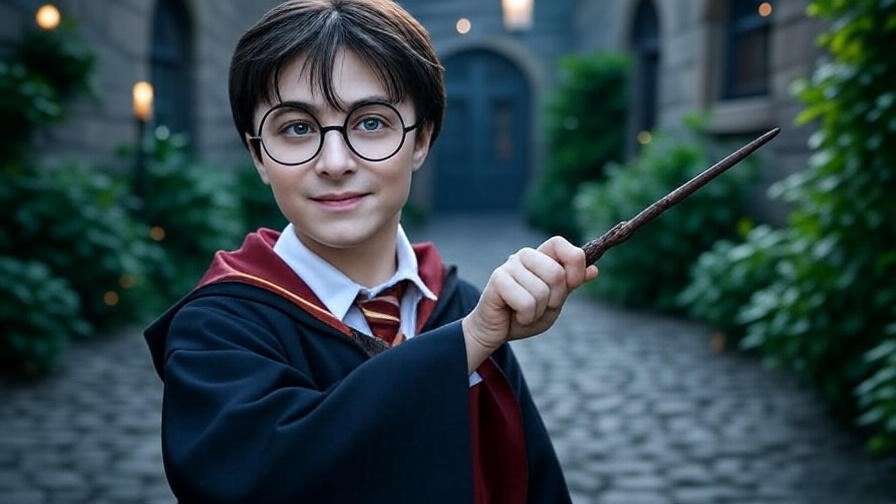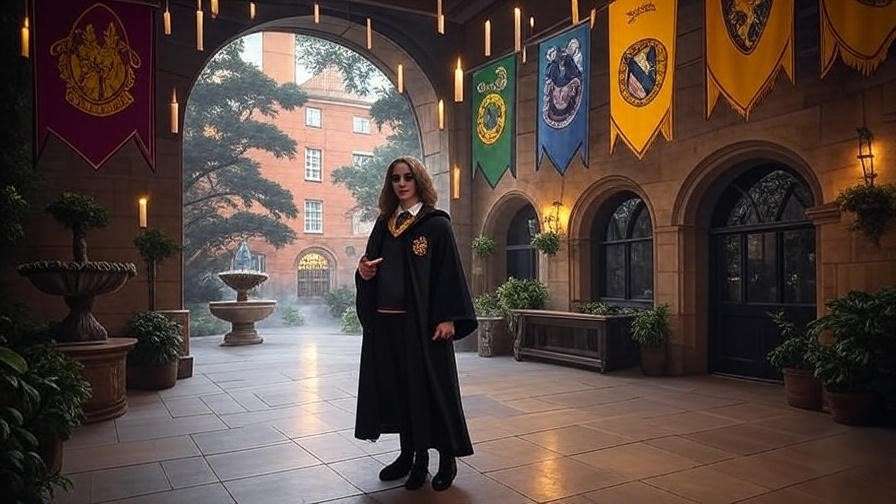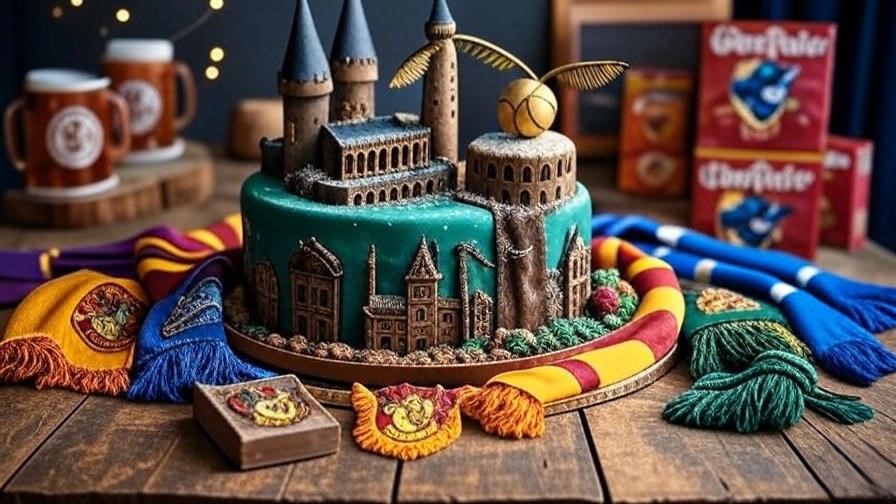
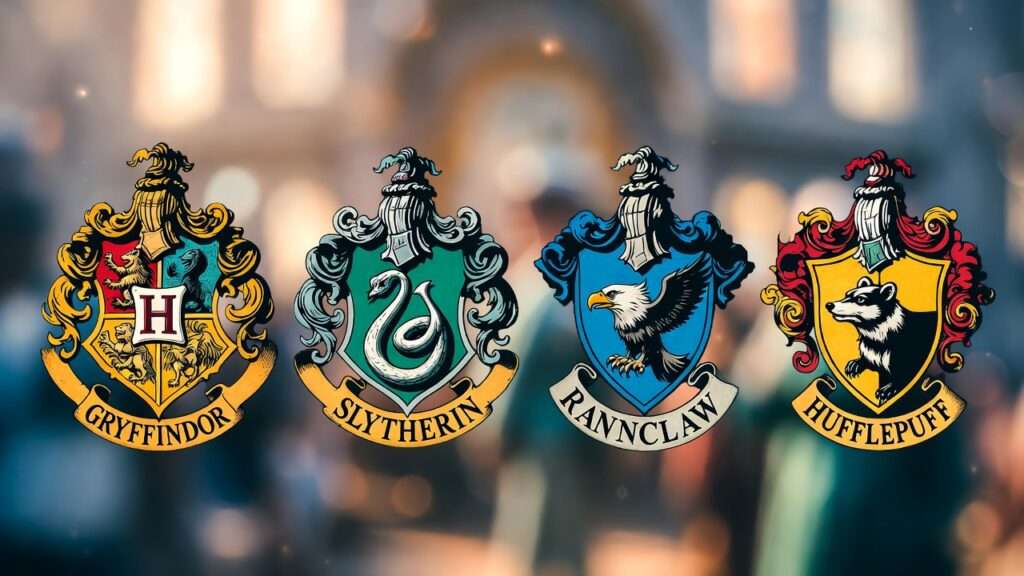
Imagine this: The Great Hall falls silent. A tattered, ancient hat is placed on your head, its brim drooping over your eyes. In a low, thoughtful voice, it probes your mind, weighing your fears, your desires, and the choices you’ve made—and the ones you might make. Then it calls out one word that will shape your Hogwarts experience, your friendships, and in many ways, how you see yourself for years to come.
That single word is your Hogwarts house. For millions of fans worldwide, discovering their house—whether through the official Wizarding World quiz, a late-night re-read, or endless online debates—feels like unlocking a piece of their own identity. But what does the Harry Potter houses meaning really go beyond the memes, the house pride flags, and the surface-level traits like “brave” or “smart”?
In this comprehensive guide, we’ll dive deep into the true essence of Gryffindor, Slytherin, Ravenclaw, and Hufflepuff. Drawing from J.K. Rowling’s original books, the Sorting Hat’s songs, official Wizarding World insights, and nuanced character arcs across the series, we’ll explore each house’s core values, symbols, misconceptions, and what being sorted into one (or showing traits from multiple) genuinely reveals about your personality, strengths, and potential in both the wizarding world and our own.
Whether you’ve just taken the Sorting quiz and are wondering why you landed where you did, or you’re a longtime Potterhead seeking a richer understanding of the lore, this article aims to move past stereotypes and deliver the depth you deserve. Let’s uncover what your Hogwarts house truly says about you.
The Origins and Purpose of the Hogwarts Houses
How the Founders Shaped House Values
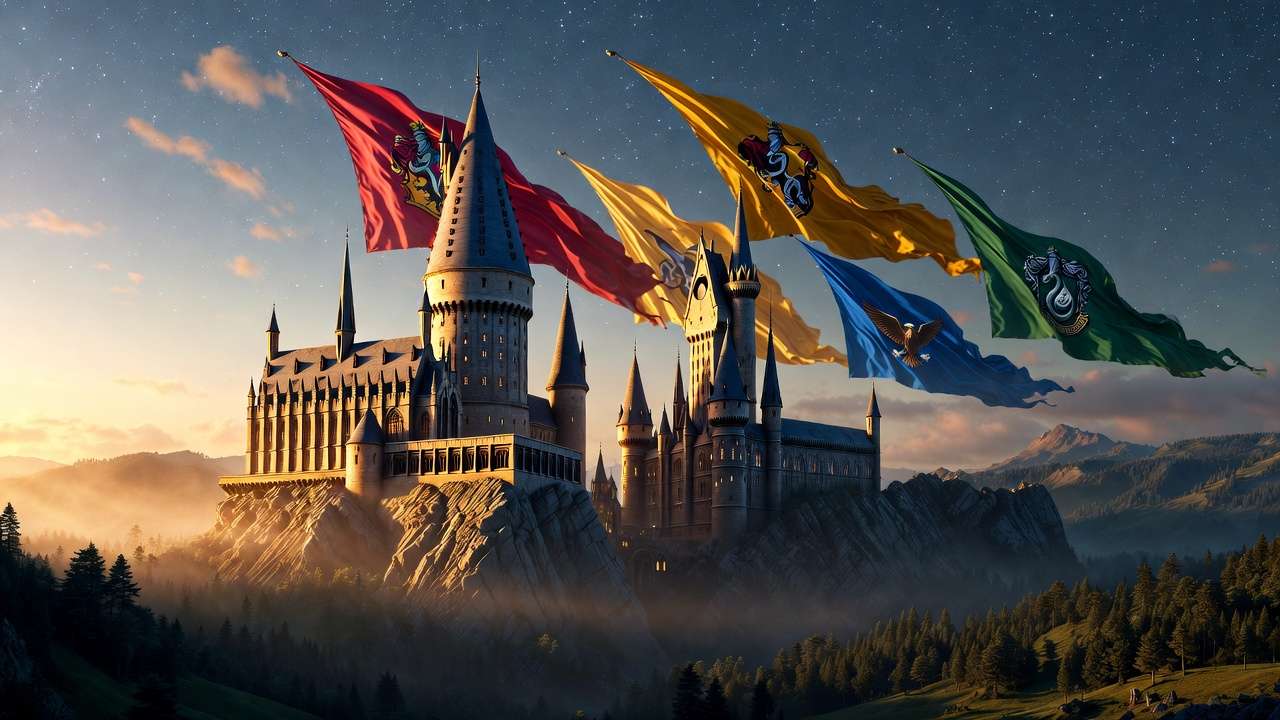
Hogwarts School of Witchcraft and Wizardry was founded over a thousand years ago by four of the greatest witches and wizards of the age: Godric Gryffindor, Helga Hufflepuff, Rowena Ravenclaw, and Salazar Slytherin. Each brought their own philosophy to the school, and those philosophies became the bedrock of the houses.
Godric Gryffindor prized bravery and chivalry above all, seeking students with daring hearts. Helga Hufflepuff valued hard work, loyalty, and fairness, welcoming anyone willing to learn regardless of background. Rowena Ravenclaw sought those with sharp minds, creativity, and a thirst for knowledge. Salazar Slytherin emphasized ambition, cunning, and resourcefulness, believing in pure-blood superiority (a view that later fueled division).
The Sorting Hat, enchanted by the founders before their deaths, was designed to read a student’s mind and place them where they would thrive and best embody these ideals. As the Hat sings in Harry Potter and the Sorcerer’s Stone: “Their daring, nerve, and chivalry set Gryffindors apart… Those patient Hufflepuffs are true and unafraid of toil… If you’ve a ready mind, where those of wit and learning will always find their kind… Perhaps in Slytherin you’ll make your real friends, those cunning folk use any means to achieve their ends.”
This system wasn’t arbitrary—it’s a reflection of how different strengths contribute to a balanced society.
The Four Classical Elements and Their Symbolic Ties
Each house aligns loosely with one of the classical elements, adding layers to their symbolism:
- Gryffindor → Fire: passion, energy, transformation
- Hufflepuff → Earth: stability, nurturing, endurance
- Ravenclaw → Air: intellect, freedom, perspective
- Slytherin → Water: adaptability, depth, flow
These connections appear in house colors, animals, and even the temperament of members.
Why Houses Matter Beyond School – Themes of Identity and Choice
Throughout the series, houses highlight a central theme: identity is shaped by both innate traits and deliberate choices. Dumbledore reminds us that “it is our choices, Harry, that show what we truly are, far more than our abilities.” Houses guide development, but they don’t define destiny—characters like Snape, Neville, and Andromeda Tonks prove that growth transcends initial sorting.
Gryffindor – The House of Bravery, Daring, and Chivalry
Core Traits and Values
Gryffindor values bravery, daring, nerve, and chivalry. Bravery here isn’t the absence of fear—it’s acting despite it. Chivalry means protecting the weak and standing for justice, even at personal cost.
Symbols, Colors, and Animal Meaning

The lion symbolizes raw courage and regal strength. Scarlet and gold evoke fire’s warmth and intensity. The common room’s roaring fire reinforces this passionate, action-oriented energy.
Famous Gryffindors and What They Reveal
Harry Potter embodies daring sacrifice. Hermione Granger shows intellectual bravery paired with moral courage. Albus Dumbledore demonstrates that true chivalry involves strategic wisdom. Neville Longbottom’s arc—from timid boy to defiant leader—illustrates that courage grows through trials. Sirius Black’s loyalty and recklessness highlight both the house’s strengths and potential flaws.
Common Misconceptions and Deeper Insights
Gryffindor is often stereotyped as reckless jocks or glory-seekers. In reality, many members (like Lupin or Lily Potter) are quiet, thoughtful heroes. Bravery includes moral stands, empathy, and self-sacrifice—not just charging into danger.
What Being Sorted into Gryffindor Says About You
If the Hat placed you here, you likely value doing what’s right over what’s easy. You might thrive in leadership, activism, or high-stakes environments. Your challenge: balancing courage with caution to avoid burnout.
Hufflepuff – The House of Loyalty, Hard Work, and Fair Play
Core Traits and Values
Hufflepuff is the house that values loyalty, hard work, patience, justice, and fair play above all else. Helga Hufflepuff believed that every witch and wizard deserved a chance to learn, regardless of blood status, talent, or background. This inclusivity is central to the house’s identity.
Hufflepuffs are not defined by flashy heroics or dazzling intellect, but by quiet, consistent dedication. They show up, day after day, putting in the effort without needing applause. They are the glue of any group—reliable, kind, and deeply committed to those they care about.
Symbols, Colors, and Animal Meaning

The badger is an underrated but powerful symbol: fierce when provoked, but primarily protective of its family and home. Yellow and black represent sunshine and earth—warmth combined with grounded strength. The common room, near the kitchens, radiates comfort, coziness, and a sense of belonging.
Famous Hufflepuffs and What They Reveal
- Cedric Diggory: The embodiment of fair play and modesty. He insisted on a rematch in the Triwizard Tournament when he believed Harry had been unfairly disadvantaged—showing integrity over glory.
- Nymphadora Tonks: Fiercely loyal, brave in her own quirky way, and willing to fight for what’s right even when it cost her everything.
- Pomona Sprout: A brilliant Herbology professor who nurtured both plants and students with patience and care.
- Newt Scamander: A quiet, determined wizard who changed the wizarding world through persistent, compassionate work rather than seeking fame.
These characters illustrate that Hufflepuff strength lies in endurance, empathy, and moral consistency.
Why Hufflepuff Is Often Underrated – Busting the “Boring” Myth
Hufflepuff frequently gets labeled as the “leftover” or “nice but boring” house—especially in online memes and house-ranking debates. This perception is unfair and inaccurate.
In Harry Potter and the Deathly Hallows, when the Battle of Hogwarts begins, Professor Sprout rallies her students with the line: “I’ve been training my Hufflepuffs for this moment.” Nearly every Hufflepuff of age stayed to fight—more than any other house chose to remain and defend the school. That is not boring. That is profound loyalty and courage born from duty rather than bravado.
Hufflepuff’s quiet power is exactly what the world needs most: people who do the unglamorous work, support others without keeping score, and stand firm when others run.
What Being Sorted into Hufflepuff Truly Means for Your Personality
If you’re a Hufflepuff, you likely value relationships, fairness, and reliability above personal spotlight. You might be the friend who remembers birthdays, the coworker who stays late to help, or the person who quietly makes sure everyone feels included.
Your challenge is learning to set boundaries and recognize your own worth—because your loyalty can sometimes lead you to give more than you receive. Your gift is building lasting communities and bringing out the best in others.
Ravenclaw – The House of Intelligence, Wit, and Wisdom
Core Traits and Values
Ravenclaw prizes intelligence, wit, learning, wisdom, creativity, and originality. Rowena Ravenclaw sought students with “a ready mind” and a genuine love of knowledge—not just for grades or status, but for its own sake.
Ravenclaws are often independent thinkers, unafraid to question authority or explore unconventional ideas. They value truth and insight over conformity.
Symbols, Colors, and Animal Meaning

The eagle soars high, seeing the world from a broader perspective—symbolizing vision, clarity, and intellectual freedom. Blue and bronze (or silver in some adaptations) evoke the sky and the mind’s limitless expanse. The common room’s starry ceiling and riddles at the door reinforce a culture of curiosity and cleverness.
Famous Ravenclaws and What They Reveal
- Luna Lovegood: Perhaps the most iconic Ravenclaw, she demonstrates that wisdom and intelligence come in many forms. Her unconventional thinking and emotional intelligence make her one of the series’ wisest characters.
- Filius Flitwick: A master of charms, brilliant yet kind and approachable.
- Cho Chang: Talented, sensitive, and deeply affected by loss—showing that Ravenclaws feel things intensely even if they process through logic.
- Gilderoy Lockhart: A cautionary tale of intelligence twisted by vanity and dishonesty.
- Rowena Ravenclaw herself: Her dying wish for her daughter to be wise rather than simply possess her diadem reveals the house’s true priority—genuine understanding over mere possession of knowledge.
Beyond Book Smarts – Creativity and Eccentricity in Ravenclaw
Ravenclaw is not just about academic excellence. It celebrates originality, artistic talent, lateral thinking, and the courage to be different. Many Ravenclaws are dreamers, inventors, poets, and visionaries who see connections others miss.
What Ravenclaw Says About Your Mind and Approach to Life
If you’re sorted into Ravenclaw, you likely crave understanding and dislike superficial answers. You might collect facts like treasures, love puzzles, debate ideas for fun, or feel most alive when learning something new.
Your strength is seeing the bigger picture and offering fresh perspectives. Your challenge is staying grounded and remembering that not every question needs an answer right away—sometimes feeling and connecting matter just as much as knowing.
Slytherin – The House of Ambition, Cunning, and Resourcefulness
Core Traits and Values
Slytherin values ambition, cunning, resourcefulness, leadership potential, and fraternity (a strong sense of loyalty to one’s own circle). Salazar Slytherin looked for students who would use any means necessary to achieve their ends—not out of inherent malice, but because he believed greatness required pragmatism, strategy, and self-preservation.
Modern readers often forget that “cunning” originally meant cleverness and ingenuity, not deceit. Slytherins excel at thinking several moves ahead, adapting to circumstances, and turning disadvantages into advantages.
Symbols, Colors, and Animal Meaning
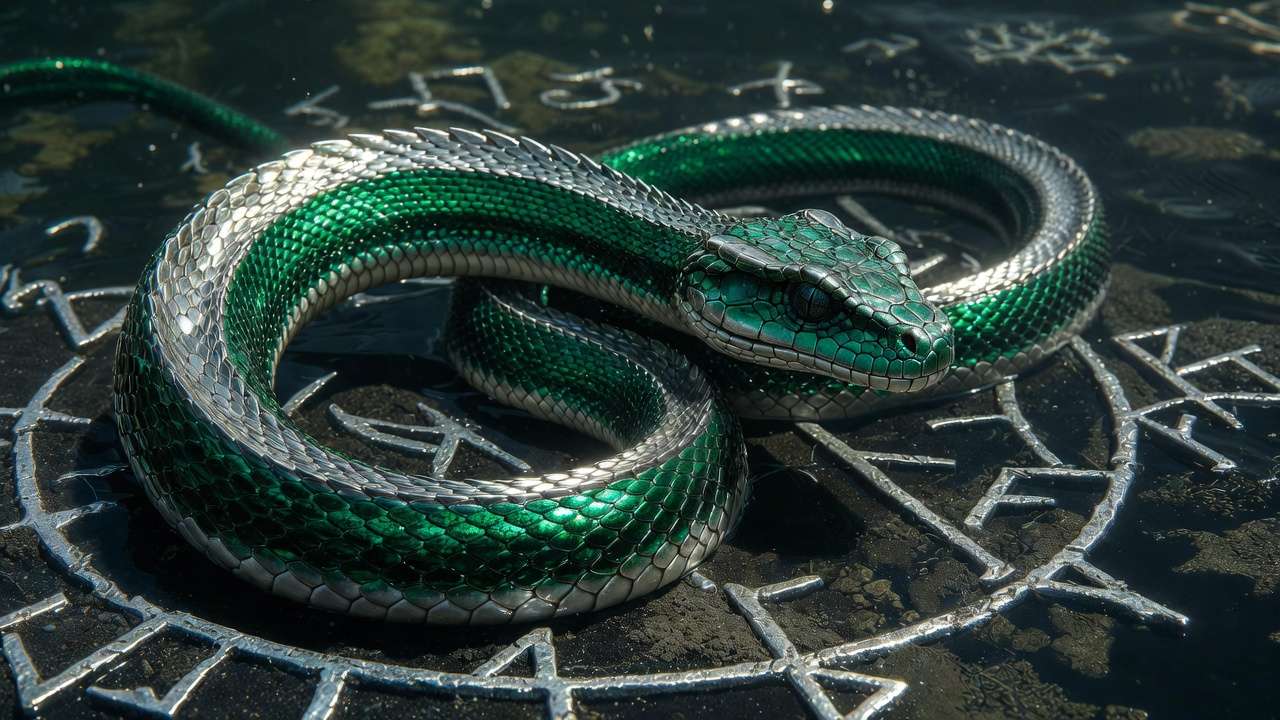
The serpent represents wisdom (ancient cultures often linked snakes to knowledge and rebirth), transformation, and subtle power. Green and silver suggest depth, mystery, and elegance—like deep water or moonlight on metal. The Slytherin common room, located beneath the Black Lake, reinforces themes of hidden strength, fluidity, and introspection.
Famous Slytherins and What They Reveal
- Severus Snape: The most complex Slytherin in the series. His ambition, resourcefulness, and cunning were channeled into double-agent work that ultimately saved the wizarding world. His story proves that loyalty can be fierce and sacrificial even when hidden behind a cold exterior.
- Draco Malfoy: Starts as an arrogant bully shaped by upbringing, but shows glimmers of growth and moral conflict—hinting at the house’s capacity for redemption when ambition is redirected.
- Andromeda Tonks: Defied her family’s pure-blood supremacy, married a Muggle-born, and raised Nymphadora. She demonstrates that Slytherin loyalty can extend to chosen family and principled stands.
- Horace Slughorn: Ambitious and socially strategic, yet capable of genuine affection and remorse.
- Merlin (canonically a Slytherin in Wizarding World lore): The greatest wizard of all time—proof that the house produces world-changing leaders when ambition serves a greater good.
Addressing the Stigma – Why Slytherin Isn’t “Evil”
Slytherin is the only house whose members are consistently portrayed as antagonists in popular culture—thanks largely to Voldemort, the Malfoys, and the Inquisitorial Squad. However, the books themselves push back against this stereotype.
- Nearly half of the wizarding population has Slytherin traits to some degree.
- Dumbledore explicitly states that “Voldemort was not the only dark wizard to come from Slytherin” but also that “Slytherin produced great witches and wizards.”
- In the final battle, several Slytherins (including Slughorn) return to fight for Hogwarts.
The house isn’t evil—its values are neutral tools. Ambition without ethics becomes destructive; ambition guided by purpose becomes transformative. Slytherin teaches that power is neither good nor bad—it depends entirely on how it is used.
What Being a Slytherin Reveals About Your Drive and Strategy
If the Sorting Hat placed you in Slytherin, you likely have a strong internal compass for achievement and are willing to plan, negotiate, and adapt to reach your goals. You value competence, protect your inner circle fiercely, and often see possibilities others overlook.
Your gift is strategic thinking and resilience under pressure. Your challenge is learning to trust others outside your immediate group and ensuring your ambition serves values bigger than personal gain.
Comparing the Houses – Similarities, Differences, and Compatibility
Trait Overlaps and Blurred Lines (Hatstalls, Multi-Trait Characters)

Very few characters are pure representatives of one house. Harry was a hatstall between Gryffindor and Slytherin. Hermione could have thrived in Ravenclaw. Neville showed Hufflepuff loyalty and Gryffindor courage. The Sorting Hat itself notes that “those cunning folk” and “brave at heart” can sometimes look alike in different lights.
Hatstalls and borderline cases remind us that people are multifaceted. Most real humans carry traits from at least two houses.
House Rivalries vs. Real-World Team Dynamics
The Gryffindor–Slytherin rivalry is dramatic in the books, but other tensions exist (Ravenclaw vs. Slytherin intellectual one-upmanship, Hufflepuff quietly resenting being overlooked). In real life, these dynamics mirror workplace or friend-group personalities: bold leaders (Gryffindor), steady supporters (Hufflepuff), innovative thinkers (Ravenclaw), and strategic planners (Slytherin). Healthy teams need all four.
Which Houses Pair Best in Friendship, Romance, or Work?
This is subjective and playful, but patterns emerge:
- Gryffindor + Hufflepuff: Loyal, supportive, balanced courage and steadiness
- Ravenclaw + Slytherin: Intellectual sparring partners, ambitious dreamers
- Gryffindor + Ravenclaw: Action meets strategy
- Hufflepuff + Slytherin: Trust and cunning complement each other beautifully when aligned
- Same-house pairs: Deep mutual understanding, but risk of echo chambers
The strongest relationships often form across houses—difference creates growth.
How the Sorting Hat Really Works – And What Your House Says About Your Choices
Dumbledore’s famous line—“It is our choices, Harry, that show what we truly are, far more than our abilities”—is the key to understanding sorting. The Hat reads your mind but also your deepest desires and values at that moment in time.
- Harry chose Gryffindor over Slytherin because he rejected Voldemort’s path.
- Peter Pettigrew was sorted into Gryffindor but later betrayed that bravery.
- Snape’s choices defined him more than his house ever could.
Your house reflects who you want to be and what you value most when forced to choose under pressure. It’s not a life sentence—it’s a starting point.
Modern Applications – What Your Hogwarts House Can Teach You Today
Understanding your house (or houses) can offer surprising self-insight:
- Gryffindors often excel in leadership, emergency services, activism, entrepreneurship—any field requiring bold decisions.
- Hufflepuffs shine in teaching, healthcare, community organizing, project management—roles that reward consistency and care.
- Ravenclaws thrive in research, writing, design, technology, academia—places where curiosity is currency.
- Slytherins frequently succeed in business, law, politics, strategy consulting—environments that value foresight and negotiation.
You can also use house traits intentionally: a Ravenclaw might practice Gryffindor courage by speaking up in meetings; a Slytherin might cultivate Hufflepuff patience in long-term projects.
FAQs About Harry Potter Houses Meaning
Here are answers to some of the most common questions fans ask when exploring the deeper meaning behind the Hogwarts houses.
1. Can you really be a hatstall or belong to more than one house? Yes—hatstalls are canon. The Sorting Hat can take more than five minutes (the record is five and a half minutes for Minerva McGonagall, between Gryffindor and Ravenclaw). Many characters display strong traits from multiple houses. The Hat ultimately places you where your dominant values and desires lie at age 11, but real people are rarely one-dimensional.
2. Which house is the rarest in real life? According to millions of Wizarding World quiz results shared publicly over the years, Slytherin tends to be the least common (often around 15–20% of respondents), while Hufflepuff is frequently the most common (25–30%). This may reflect self-reporting bias—people are sometimes reluctant to choose Slytherin due to stigma—but it’s consistent across large datasets.
3. Why do so many people hate Slytherin? The narrative spotlight falls heavily on Slytherin villains (Voldemort, Bellatrix, most Death Eaters), creating a lasting association. House points are also frequently awarded unfairly in the books (e.g., last-minute point deductions and additions in Philosopher’s Stone). In reality, Slytherin values are morally neutral; it’s the choices that matter.
4. How accurate is the official Wizarding World Sorting quiz? It’s surprisingly well-designed, drawing directly from J.K. Rowling’s input and the books’ themes. It weighs not just what you say you are, but what you value and how you’d act in tough situations. Still, no quiz is perfect—your result can shift depending on mood, life stage, or how honestly you answer.
5. Can your house change after you’re sorted? No, the Sorting is permanent in canon. However, people grow. Neville Longbottom became far braver than most Gryffindors; Draco Malfoy showed flickers of moral complexity. Your house is a foundation, not a cage.
6. Which house would do best in the real world today? All of them—different situations call for different strengths. Gryffindor courage suits crisis leadership; Hufflepuff reliability powers long-term projects; Ravenclaw innovation drives progress; Slytherin strategy wins negotiations and builds empires. The most successful people blend multiple house traits.
7. Are there any houses that are “better” than others? No. The books repeatedly show that every house produces heroes and villains. Dumbledore, a Gryffindor, made catastrophic mistakes; Snape, a Slytherin, performed the ultimate act of redemption. Greatness comes from character, not crest.
8. What if I don’t feel like my house at all? That’s normal. The Sorting reflects your values at eleven years old, under magical examination. You may have grown into different priorities—or you may have been sorted into a house that would help you develop traits you needed most. Many fans identify strongly with a “secondary” house.
The four Hogwarts houses are far more than dormitory assignments or Quidditch team colors. They are carefully crafted reflections of fundamental human strengths: the fire of courage, the earth of steadfastness, the air of curiosity, and the water of ambition. Together they form a complete picture of what it means to be human—flawed, multifaceted, capable of both greatness and terrible mistakes.
Gryffindor teaches us to act with heart even when we’re afraid. Hufflepuff reminds us that quiet loyalty and daily effort change the world more than dramatic gestures. Ravenclaw shows that asking better questions is often more valuable than having all the answers. Slytherin proves that drive, cleverness, and self-belief can be forces for good when guided by conscience.
Your house—or houses—doesn’t lock you into a single path. It illuminates your starting point: the values you hold dearest, the way you face challenges, the kind of legacy you want to build. Embrace it. Question it. Grow beyond it if you need to. But never dismiss it.
In the end, as Albus Dumbledore so wisely said, “It is our choices, Harry, that show what we truly are, far more than our abilities.” Your Hogwarts house simply helps reveal which choices will feel most like coming home.
Which house calls to you—and why? Drop your Sorting result and your thoughts in the comments below. And if you’re still exploring, head over to the official Wizarding World Sorting quiz and see where the Hat places you today.