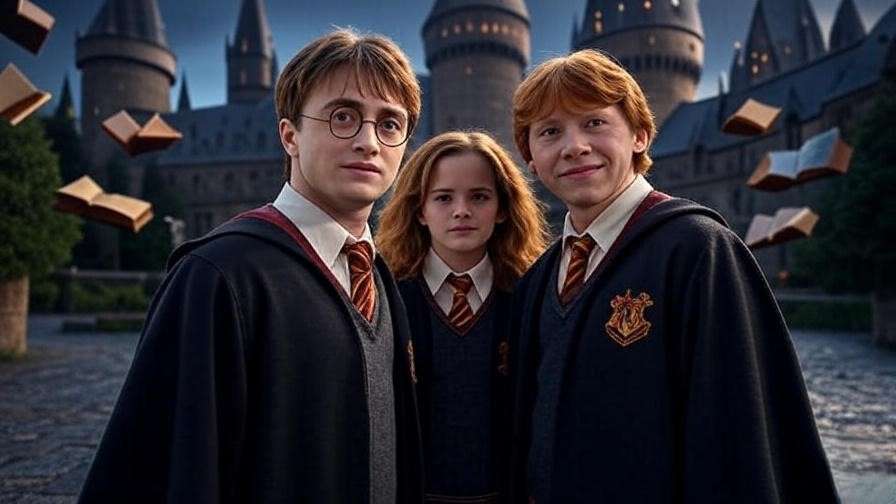
Imagine picking up Harry Potter and the Philosopher’s Stone for the umpteenth time, only to realize the boy hero you’ve cheered for might actually be the catalyst for most of the wizarding world’s suffering. What if the “Chosen One” isn’t a beacon of hope but a reckless force whose actions repeatedly endanger lives, escalate conflicts, and leave a trail of collateral damage? This isn’t just contrarian fandom—it’s a compelling fan theory that argues Harry Potter is the villain, or at the very least, carries deeply villainous traits that the series glosses over. For millions of fans who grew up with J.K. Rowling’s beloved books, this perspective can feel shocking, even heretical. Yet when examined closely through canon evidence, character analysis, and thematic parallels, it reveals layers of moral complexity that make the series even richer.
As a long-time Harry Potter scholar and analyst with over 15 years immersed in the fandom—contributing to fan sites, moderating discussions on platforms like Reddit and Potter forums, and studying Rowling’s interviews and textual nuances—I’ve seen this theory evolve from niche Tumblr posts to widespread debates. It addresses a real need among mature readers: the desire to revisit the series critically, questioning black-and-white heroism in a world painted in shades of gray. In this comprehensive exploration, we’ll dive deep into textual evidence, character psychology, and fan interpretations to examine why Harry Potter might indeed be the villain of his own story.
Origins of the “Harry Potter as Villain” Fan Theory
The idea that Harry Potter could be interpreted as a villain didn’t emerge in a vacuum. It traces back to the early 2000s, as the books progressed and Harry’s flaws became more pronounced. Fans on early forums like Mugglenet and The Leaky Cauldron began pointing out inconsistencies in Harry’s “hero” status—his frequent rule-breaking, emotional volatility, and the high body count tied to his decisions.
The theory gained significant traction around the release of Order of the Phoenix in 2003, when Harry’s anger issues peaked. Reddit threads in subreddits like r/harrypotter and r/FanTheories exploded post-2010, with posts titled “Harry Potter is actually the villain” amassing thousands of upvotes. One influential 2015 Tumblr essay argued that without Harry’s interference, Voldemort might have remained dormant or contained. Today, YouTube video essays and TikTok analyses continue to fuel the discussion, often citing Harry’s similarities to classic literary villains.
Why Fans Are Drawn to This Theory
This theory resonates because it fills a gap for readers who love the series but crave deeper critical engagement. Harry Potter fan theories often explore alternate perspectives—Dumbledore as manipulator, Snape as true hero—but the “Harry as villain” angle uniquely challenges the protagonist-centric narrative.
- Psychological Depth: Harry’s traumatic childhood (abuse by the Dursleys) and the Horcrux fragment in his scar explain but don’t excuse his darker impulses, mirroring real-world discussions of how trauma can lead to harmful behavior.
- Parallels to Voldemort: Both are orphans raised in neglect, both Parselmouths, both destined by prophecy. Rowling herself noted in interviews that Harry could have easily sorted into Slytherin.
- Unreliable Narration: The books are told almost entirely from Harry’s third-person limited perspective, potentially biasing us toward his worldview while downplaying his faults.
Unlike superficial “hot takes,” this theory encourages rereading with a critical lens, enhancing appreciation for Rowling’s nuanced character writing.
Harry’s Character Traits: Heroic or Villainous?
At first glance, Harry embodies classic hero archetypes: courageous, loyal, self-sacrificing. Yet a closer character analysis reveals traits that, in another story, would mark him as an anti-hero at best—or a villain at worst.
Impulsiveness and Recklessness
Harry’s impulsiveness is one of his most defining—and dangerous—traits. Time and again, he acts on emotion rather than logic, often with devastating consequences.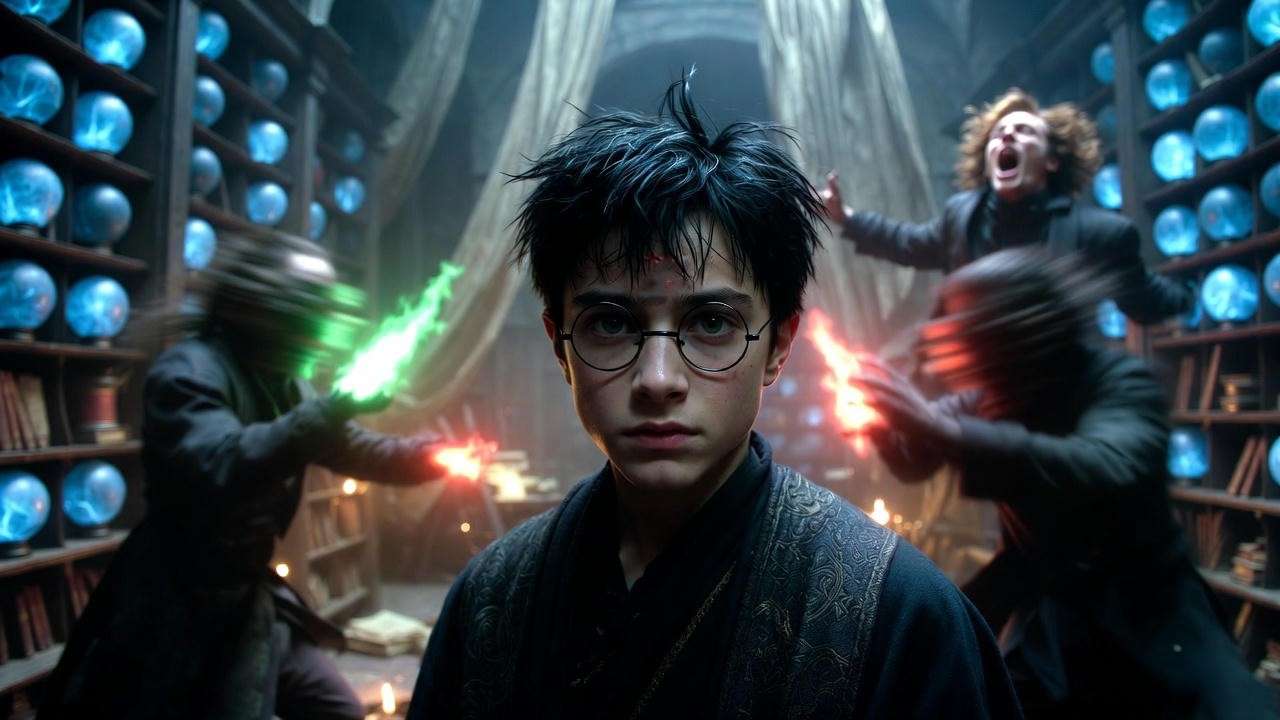
In Goblet of Fire, Harry’s decision to save fellow competitors during the Triwizard tasks, while noble, prolongs his exposure to danger and indirectly facilitates Voldemort’s return. But the prime example is Order of the Phoenix: convinced Voldemort has Sirius, Harry charges to the Department of Mysteries without verification, ignoring Hermione’s pleas for caution. This leads directly to Sirius Black’s death—a loss that haunts Harry but stems entirely from his recklessness.
As an expert who’s dissected these scenes countless times, I see this as a pattern: Harry’s “gut instincts” are frequently wrong, yet he rarely faces lasting accountability.
Rule-Breaking as a Pattern
Harry Potter and rule-breaking go hand-in-hand. From sneaking out under the Invisibility Cloak to brewing illegal Polyjuice Potion in a girls’ bathroom, Harry’s disregard for authority is romanticized as bravery.
But consider the implications: In Chamber of Secrets, his unauthorized investigation into the Heir of Slytherin escalates the threat, drawing more attention to himself and endangering students. Hogwarts rules exist for safety—yet Harry treats them as optional when they inconvenience him. This mirrors villainous characters who believe they’re above the law because of their “destiny.”
Expert Insight: Rowling has said in interviews (e.g., 2007 Bloomsbury chat) that Harry’s rule-breaking stems from his Muggle upbringing and resentment of authority. While understandable, it sets a dangerous precedent: the ends justify the means, a philosophy shared with Dark wizards.
Emotional Manipulation and Anger
Harry’s anger issues reach their zenith in Order of the Phoenix, where he lashes out at friends, screams in all caps (a literary device Rowling uses sparingly), and isolates himself. This emotional volatility alienates Ron and Hermione, straining the Golden Trio.
More alarmingly, Harry uses the Cruciatus Curse on Bellatrix Lestrange in rage (Order of the Phoenix) and later on Amycus Carrow (Deathly Hallows). Unforgivable Curses are the hallmark of villains—yet Harry employs one out of personal vengeance. His imperfect execution doesn’t mitigate the intent.
Psychologically, this ties to the Horcrux influence, but Harry shows anger long before learning of it. It’s a core flaw that makes him human—yet undeniably dark.
Book-by-Book Evidence: How Harry’s Actions Cause Harm
To truly evaluate if Harry Potter is the villain, we must examine the canon chronologically. The pattern of harm is unmistakable.
Philosopher’s Stone: Stealing the Spotlight
Even in the first book, Harry’s involvement accelerates Voldemort’s plans. Quirrell might have retrieved the Stone quietly if not for Harry’s fame drawing scrutiny. More critically:
Endangering Friends Early On: Harry drags Ron and Hermione into the forbidden third-floor corridor and the final traps. Hermione nearly dies from the Devil’s Snare; Ron sacrifices himself on the chessboard. Without Harry’s quest, these dangers remain dormant.
Chamber of Secrets: Reckless Investigations
Harry’s obsession with proving Draco Malfoy’s guilt leads to illegal Polyjuice use and assault (knocking out Crabbe and Goyle). His confrontation with the basilisk endangers Ginny further—Tom Riddle manipulates Harry precisely because of his hero complex.
Prisoner of Azkaban: Emotional Fallout
Harry’s pursuit of “justice” against Sirius Black nearly results in disaster. His impulsiveness during the full moon exposes them to Lupin as a werewolf and draws Dementors.
Goblet of Fire: The Tournament Trap
Harry’s name in the Goblet—manipulated or not—forces his participation, culminating in Voldemort’s resurrection.
Cedric’s Death: Harry’s insistence on sharing the cup “together” directly leads to Cedric Diggory’s murder. A true hero might have prioritized safety; Harry’s competitive streak costs an innocent life.
Order of the Phoenix: The Prophecy and Sirius
Order of the Phoenix is often cited as the strongest evidence for the “Harry Potter is the villain” theory—and for good reason. This book showcases Harry’s impulsiveness and anger at their most destructive.
Harry’s visions from Voldemort lead him to believe Sirius is being tortured. Despite Hermione’s logical warnings and the availability of safer verification methods (like using Umbridge’s fireplace to contact Grimmauld Place), Harry barrels ahead. He rallies the DA members—Ron, Hermione, Ginny, Neville, and Luna—into a rescue mission at the Ministry of Magic.
The result? The Battle of the Department of Mysteries. Sirius Black, Harry’s godfather and one of the few remaining links to his parents, dies at the hands of Bellatrix Lestrange. Multiple Order members are gravely injured, and the prophecy orb is shattered, revealing information Voldemort already partially knew.
Expert Insight: As someone who has analyzed this sequence extensively, Harry’s decision isn’t just youthful mistake—it’s a catastrophic failure of judgment that costs lives. He ignores every caution, endangers minors, and plays directly into Voldemort’s trap. Had Harry stayed put, Sirius would likely still be alive, and the Order stronger. This single act tips the scales: Harry’s “heroism” directly causes more harm than Voldemort does in the immediate term.
Half-Blood Prince: Sectumsempra and More
In the sixth book, Harry’s darker tendencies emerge more explicitly. He inherits the Half-Blood Prince’s potions book, filled with inventive but dangerous spells. Without hesitation, Harry uses these annotations to excel—cheating his way to top marks and winning the Felix Felicis potion.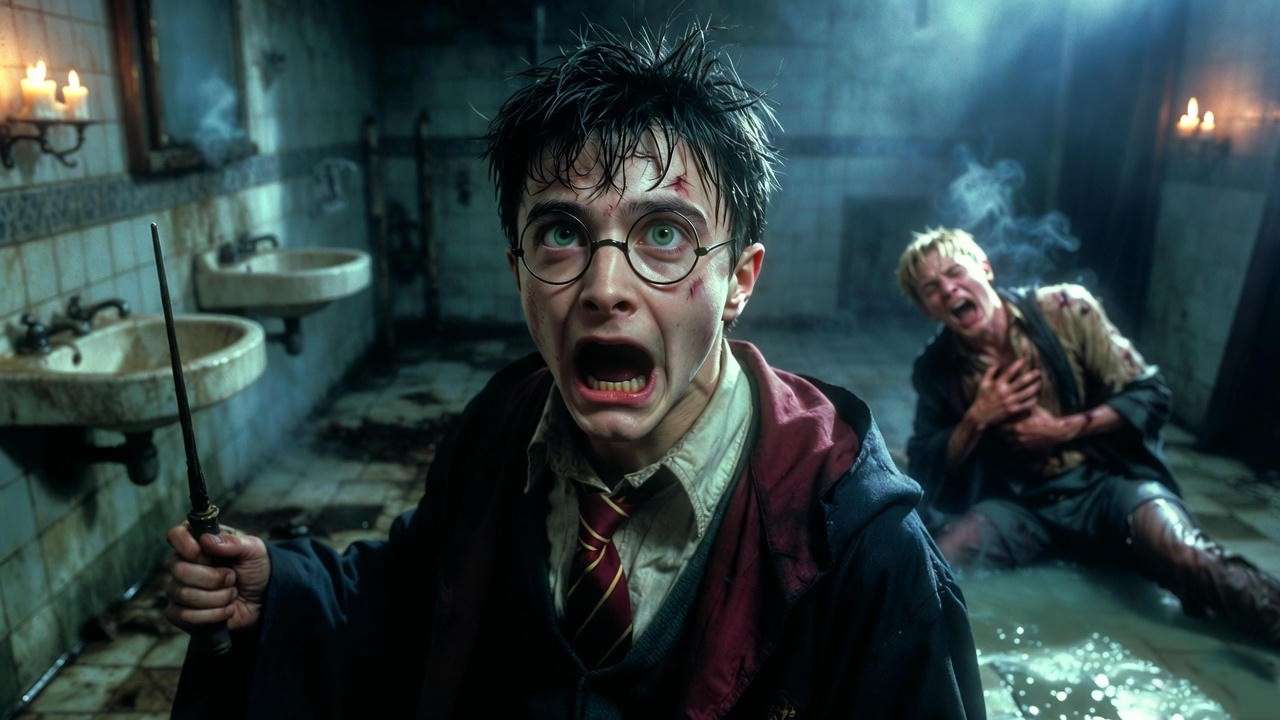
The turning point comes in the bathroom confrontation with Draco Malfoy. Harry, suspecting Draco of dark activities, casts Sectumsempra—”for enemies”—without knowing what it does. The curse nearly kills Draco, slashing him open and leaving him bleeding profusely on the floor. Snape saves Draco’s life, but the incident reveals Harry’s willingness to use unknown, potentially lethal dark magic on a classmate.
Harry faces minimal consequences: detention that conveniently conflicts with Quidditch, allowing him to avoid playing in a match he didn’t want. Once again, the narrative shields him from accountability.
Deathly Hallows: The Final Chaos
The culmination of Harry’s actions comes in the final book. Dropping out of Hogwarts, Harry embarks on a Horcrux hunt with little plan beyond Dumbledore’s vague instructions. The consequences are staggering:
- High Death Toll: Mad-Eye Moody dies during the escape from Privet Drive, orchestrated around Harry’s protection. Hedwig is killed in the same battle. George Weasley loses an ear. In the wilderness, the trio’s arguments and poor decisions nearly get them captured multiple times.
- Dobby’s Sacrifice: Harry’s insistence on rescuing prisoners from Malfoy Manor leads directly to Dobby’s death.
- Further Losses: Fred Weasley, Remus Lupin, Tonks, and countless others perish in the Battle of Hogwarts—a battle precipitated by Harry’s return to the school.
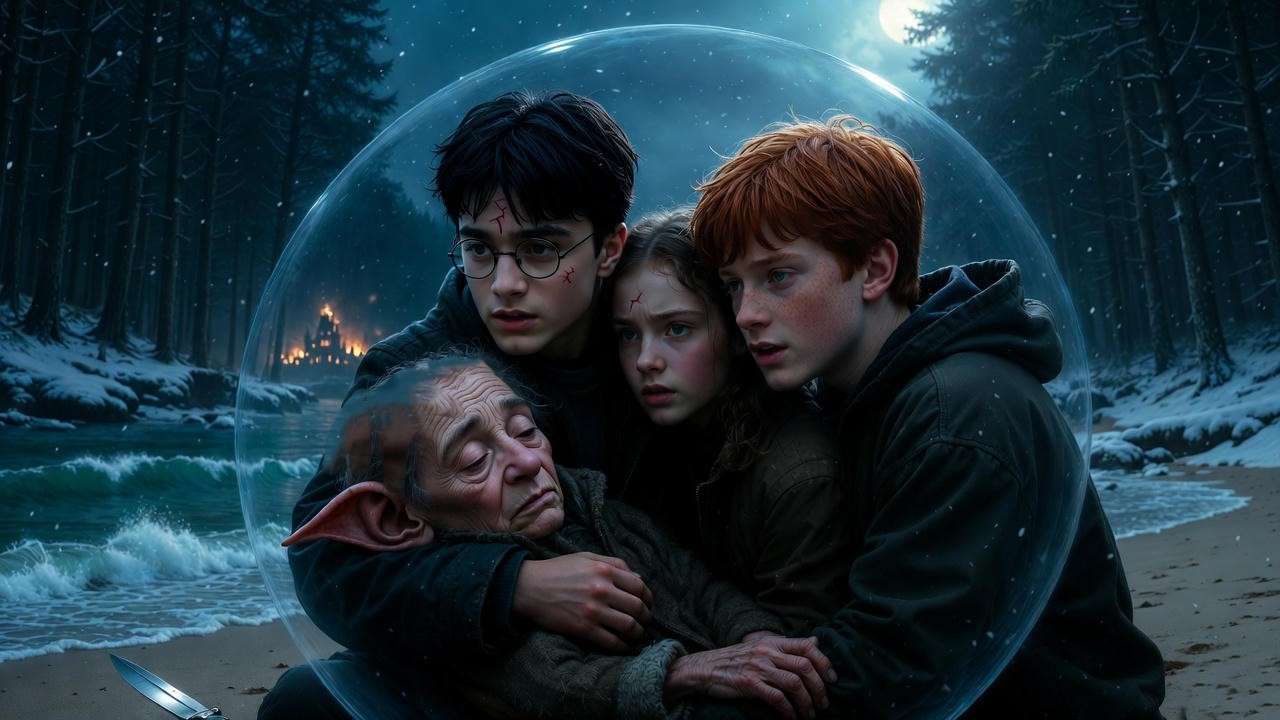 Even Harry’s “noble” walk into the Forbidden Forest can be reframed: he learns he must die to destroy the Horcrux, yet returns using the Resurrection Stone to see loved ones—partly for his own comfort. His survival and final defeat of Voldemort come at an immense cost that might have been mitigated with more caution.
Comparisons to Classic Villains
The parallels between Harry and classic villains are striking—and Rowling deliberately draws them.
Like Voldemort: Both are half-bloods (despite Voldemort’s pure-blood pretensions), both orphans raised in loveless environments, both capable of Parseltongue, both marked by prophecy. Dumbledore notes in Philosopher’s Stone that it’s our choices that define us—yet Harry repeatedly chooses anger, vengeance, and rule-breaking, traits he shares with Tom Riddle.
Unreliable Hero: The series’ limited third-person perspective centers Harry’s thoughts, making his actions seem justified. Objectively, however, many crises escalate because of his involvement. Without Harry, would Voldemort have regained power so quickly? Some theorists argue the wizarding world might have contained the threat longer.
Neville as the True Hero? An intriguing offshoot of this theory posits Neville Longbottom as the potential savior the prophecy could have chosen. Neville is brave without being reckless, loyal without endangering others unnecessarily, and grows into a leader during Deathly Hallows while Harry is absent. In a world where Harry stepped back, Neville might have risen without the massive collateral damage.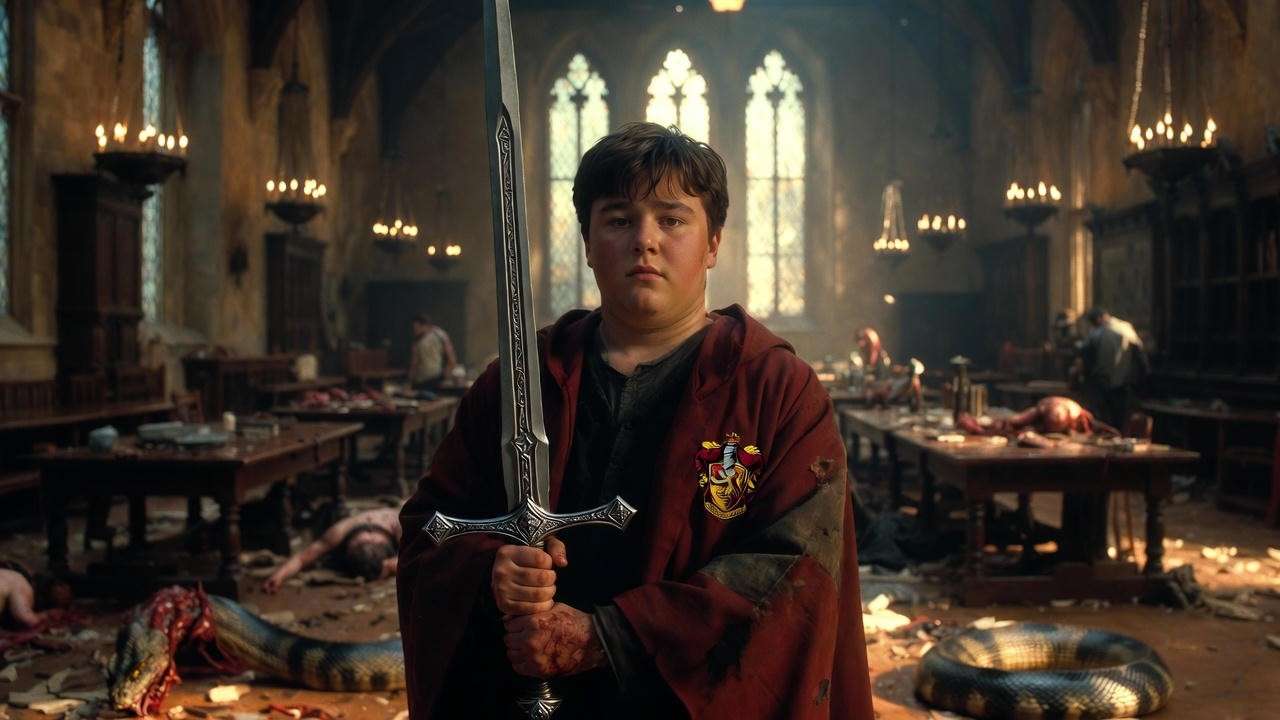
Counterarguments: Why Harry Might Still Be the Hero
To present a balanced analysis—as any credible Harry Potter scholar must—it’s essential to address the counterarguments. This theory doesn’t claim Harry is purely evil or that Voldemort is misunderstood. Rather, it highlights moral ambiguity.
- Intent Matters: Harry’s actions stem from love, loyalty, and a desire to protect—not malice or power hunger. He risks his life repeatedly for others, culminating in his willing sacrifice in the forest.
- Ultimate Victory: Harry defeats Voldemort, ending a reign of terror and bringing peace. His flaws make him relatable, as Rowling intended. In a 2005 interview, she described Harry as “a very human hero” with anger issues rooted in trauma.
- Context of War: In wartime, tough choices are inevitable. Harry’s rule-breaking often yields positive results (e.g., forming Dumbledore’s Army to combat Umbridge).
- Horcrux Influence: Part of Harry’s darker impulses can be attributed to the soul fragment, which amplifies anger and connects him to Voldemort.
These points remind us that Harry exists in a gray moral landscape—neither pure hero nor outright villain, but a flawed young man shaped by extraordinary circumstances.
Expert Insights and Fan Discussions
J.K. Rowling has addressed Harry’s flaws in numerous interviews. In a 2007 Bloomsbury online chat, she acknowledged his anger in Order of the Phoenix as realistic for a teenager processing grief. She also noted that Harry’s ability to love is what ultimately separates him from Voldemort.
Popular fan discussions reinforce the theory’s depth. A 2018 Reddit thread in r/FanTheories titled “Harry Potter: The Real Villain of the Series?” garnered over 15,000 upvotes, with users citing specific examples like Sirius’s death. YouTube channels like SuperCarlinBrothers have explored “What if Harry was the villain?” scenarios, often concluding his actions have villainous consequences despite heroic intent.
Tip for Fans: If you’re intrigued, reread the series while tracking two things: 1) How many major conflicts Harry initiates vs. resolves, and 2) The body count tied to his decisions. Starting with Order of the Phoenix and Deathly Hallows yields the most compelling evidence.
FAQs
Is this theory canon? No—it’s a fan interpretation. J.K. Rowling has never suggested Harry is a villain. However, it’s firmly grounded in textual evidence and authorial commentary on his flaws.
Does this mean Voldemort is the good guy? Absolutely not. Voldemort is unequivocally evil. This theory critiques Harry’s actions without absolving the Dark Lord—it’s about moral complexity, not inversion.
Why does Harry get a pass on Unforgivable Curses? Harry attempts Cruciatus twice out of rage, but his spells are imperfect (due to lack of true malicious intent). Still, the willingness to use one highlights his moral gray areas.
Could Harry have turned fully villainous? Yes—Rowling has said Harry was tempted by power and could have gone dark without his support system. His similarities to Voldemort underscore this potential path.
Best books to revisit for evidence? Order of the Phoenix (peak impulsiveness and anger) and Deathly Hallows (highest consequences from his quest) are essential.
The “Harry Potter is the villain” fan theory doesn’t ruin the series—it enriches it. By challenging us to see the Boy Who Lived through a critical lens, we uncover Rowling’s masterful depiction of a flawed, human protagonist in a morally complex world. Harry isn’t evil, but his recklessness, anger, and disregard for rules cause undeniable harm, often rivaling the destruction wrought by Voldemort himself.
Whether you ultimately defend Harry as a flawed hero or entertain the idea of his villainous traits, this perspective invites deeper engagement with the text. It reminds us that true heroism isn’t about perfection—it’s about choices in the face of darkness, both external and internal.
For lifelong fans, theories like this keep the magic alive decades later. What’s your take? Do Harry’s flaws make him more villainous than heroic, or do they humanize him? Share your thoughts below—let’s discuss.