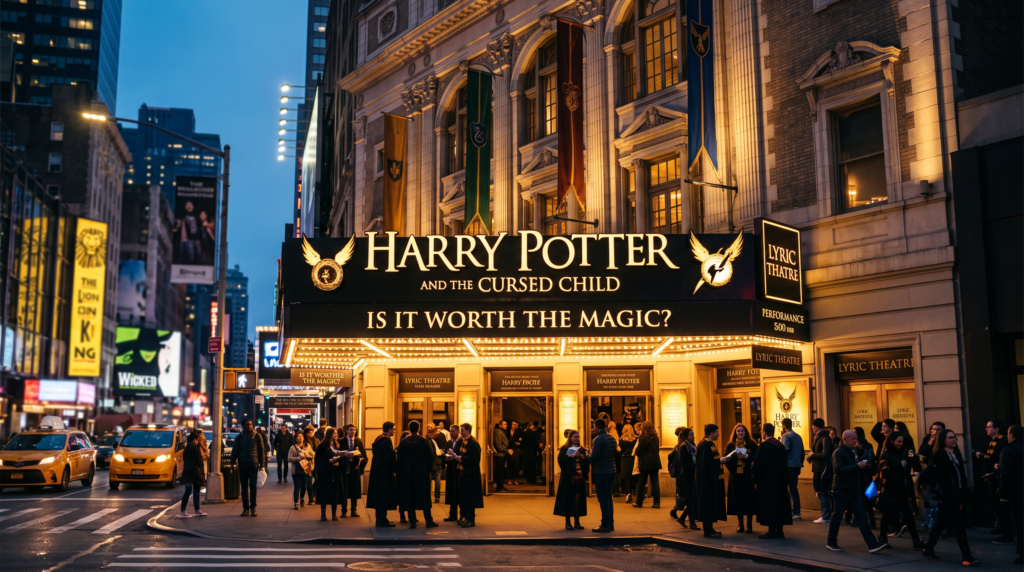
Stepping back into the wizarding world is an undeniable draw for millions, but when it comes to New York City theater, nostalgia comes with a hefty price tag. If you are debating whether to spend your hard-earned money on tickets, you need an honest Harry Potter on Broadway review that cuts through the promotional hype. At the Lyric Theatre, Harry Potter and the Cursed Child promises an unprecedented continuation of J.K. Rowling‘s legendary saga. However, with the production recently shifting from a grueling, all-day two-part marathon into a single, streamlined performance, many fans are left wondering: does the show still deliver the same awe-inspiring punch?
In this comprehensive guide, we will break down everything you need to know before you buy. From analyzing the jaw-dropping practical effects and dissecting the sometimes-controversial plot, to providing an insider’s seating guide that will save your view (and your wallet), here is the unfiltered truth about whether the magic on 43rd Street is actually worth the cost of admission.
The Lyric Theatre Experience: Immersive from the Moment You Enter
Broadway shows often rely entirely on what happens behind the proscenium arch. Harry Potter and the Cursed Child takes a radically different approach. Your ticket pays for an experience that begins the second you scan your barcode at the door.
A Million-Dollar Makeover
To house a production of this magnitude, the Ambassador Theatre Group completely gutted and renovated the historic Lyric Theatre. This was not a simple fresh coat of paint. The entire venue was custom-tailored to serve as an extension of Hogwarts itself.
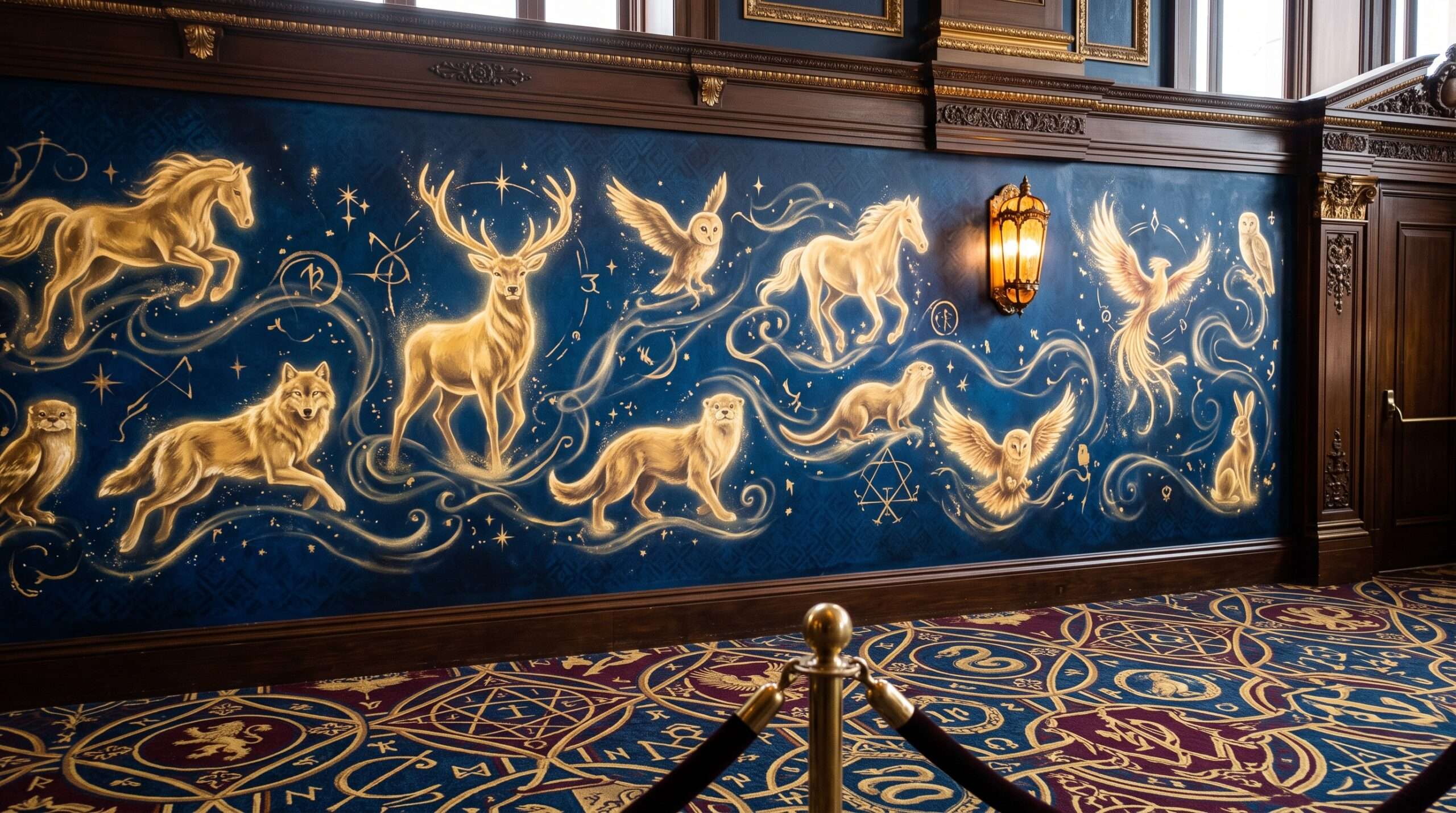
As you walk through the doors, the attention to detail is staggering. The walls are adorned with custom murals of Patronuses. The bespoke carpeting features subtle magical motifs. Even the architecture of the lobby feels less like a standard Broadway house and more like a hidden annex of the Ministry of Magic. For die-hard fans, this level of world-building is thrilling. You aren’t just attending a play; you are stepping inside the franchise. The lobby also functions as a sprawling merchandise hub, offering everything from exclusive house scarves to replica wands, ensuring that the thematic immersion—and the monetization—is ever-present.
 Pre-Show and Intermission Atmosphere
A significant part of the ticket’s value lies in the atmosphere. Unlike standard productions where patrons cram into narrow aisles waiting for the bell, the Lyric encourages exploration.
Arriving at least 45 minutes early is highly recommended. You can order specialty themed drinks and concessions, mingle with fellow fans (many of whom arrive in full Hogwarts house robes), and take advantage of the numerous photo ops strategically placed throughout the venue. The energy in the building is palpable, fueled by a collective, buzzing anticipation that elevates the baseline theater-going experience into a genuine event.
The Real Star of the Show: The Special Effects and Theatrical Magic
Let’s address the Basilisk in the room: the script of The Cursed Child has always been a point of fierce contention among the fandom. But reading the rehearsal script at home and watching the story unfold live on stage are two wildly different experiences.
How Do They Do It? (No Spoilers)
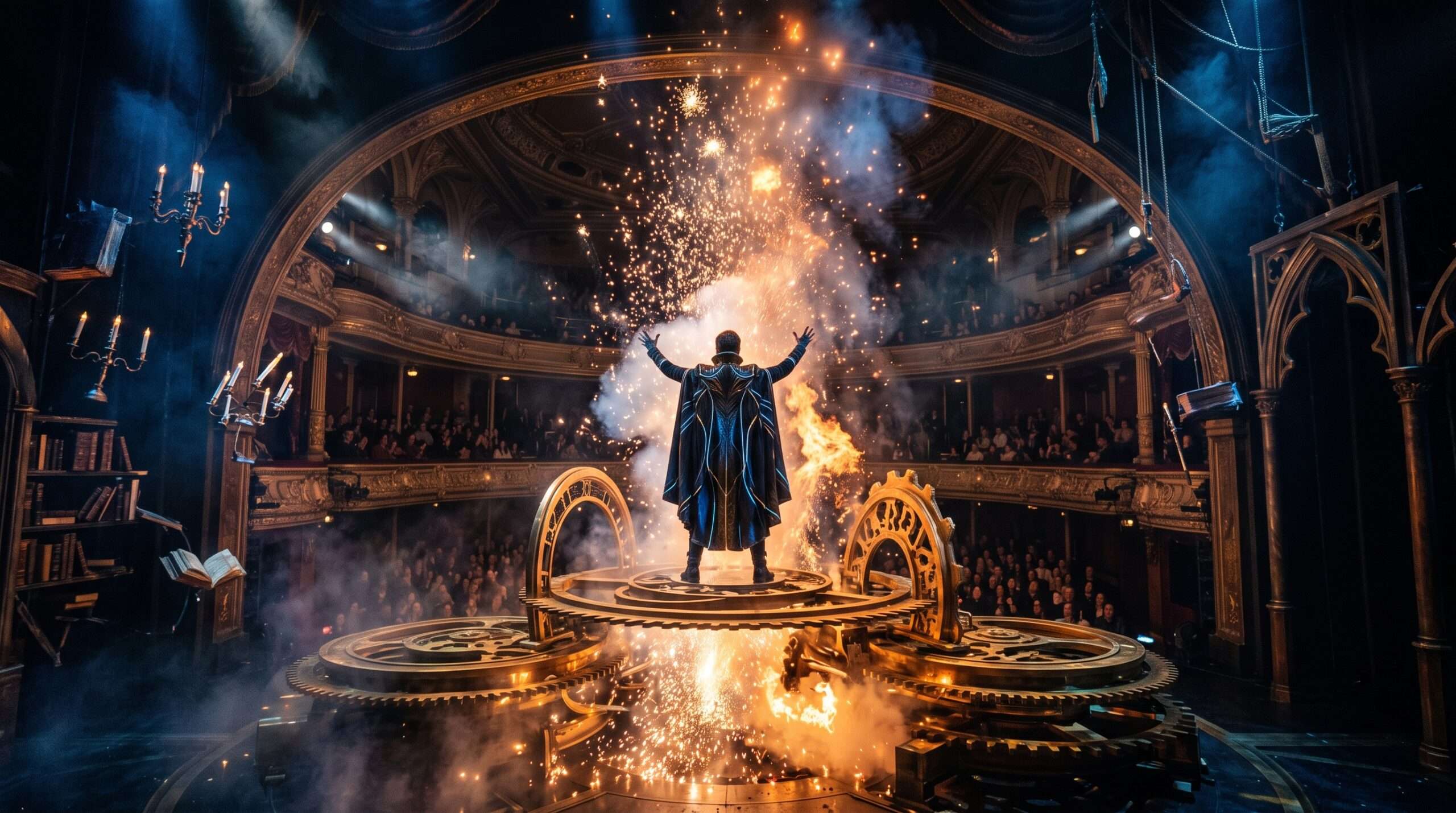
The true protagonist of this play is not Albus Potter or Scorpius Malfoy; it is the production design. The stagecraft orchestrated by director John Tiffany and illusionist Jamie Harrison is nothing short of revolutionary.
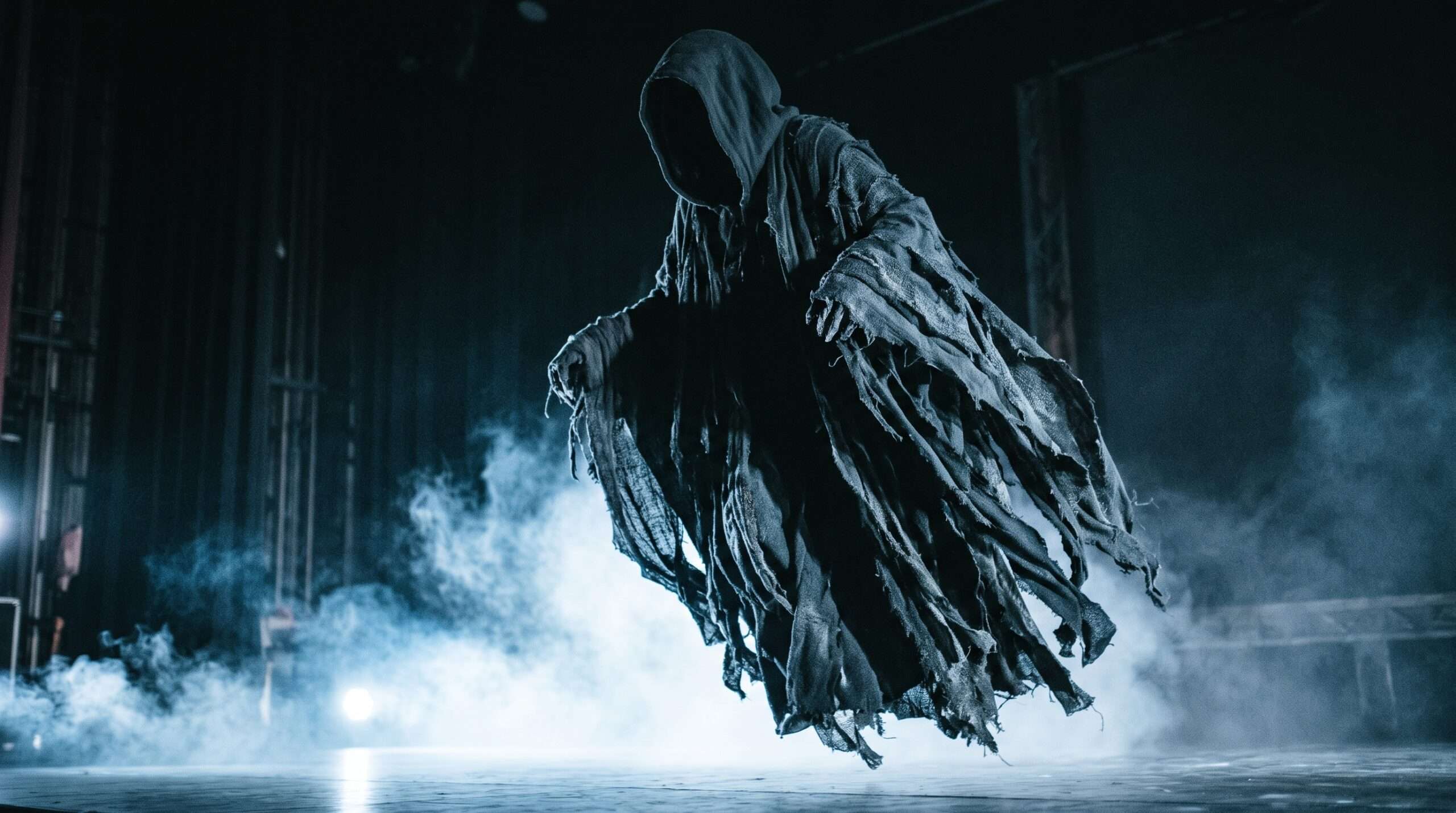
Without spoiling the surprises, the illusions utilized throughout the runtime will make you question your own eyes. Characters drink Polyjuice Potion and physically transform in plain sight. Dementors float ominously over the audience, casting a literal and figurative chill over the auditorium. Books bite, wands shoot real fire, and the transitions between scenes are handled with a sweeping, cape-swishing choreography that keeps the momentum surging forward.
The production relies heavily on practical theater magic rather than digital screens, which makes the illusions feel grounded and visceral. Combined with a sensory onslaught of perfectly timed strobe lighting, heavy bass soundscapes, and sudden pyrotechnics, the show demands your absolute attention. Even seasoned theater critics and casual spectators who have never read a page of the books routinely leave the theater asking, “How did they pull that off?”
 Visual Masterpiece vs. Story Execution
While the visual spectacle is universally acclaimed, the narrative execution requires a more nuanced review. The plot follows the next generation of wizards—specifically the strained relationship between a grown, overworked Harry Potter and his middle child, Albus.
As a visual masterpiece, the show is a 10/10. As a canonical continuation of the beloved series, your mileage may vary. The storyline heavily involves time travel, which creates complex, sometimes messy alternate realities that border on fan-fiction tropes. Certain beloved characters act in ways that some readers find fundamentally out of character.
However, the sheer velocity of the staging and the emotional weight brought by the phenomenal Broadway cast often bulldoze right over the script’s logical leaps. You might find yourself rolling your eyes at a plot point, only to have your jaw drop three seconds later because the staging is so spectacular.
Where to Sit: The Ultimate Lyric Theatre Seating Guide
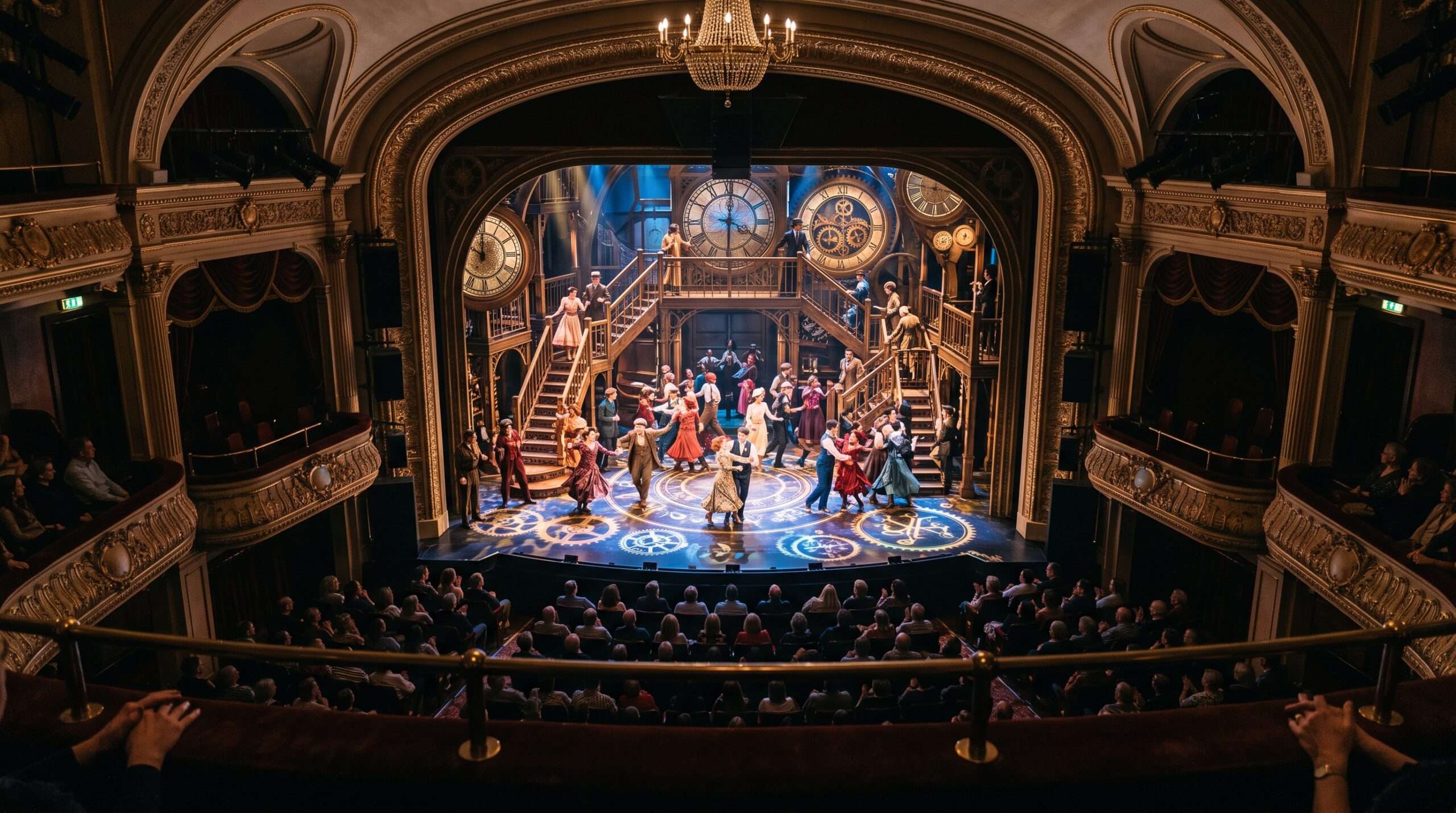
When booking tickets for a standard musical, the general rule of thumb is that closer is better. However, when evaluating the best seats for Harry Potter on Broadway, that conventional wisdom flies completely out the window. Because the production relies so heavily on sweeping stage magic and grand illusions, where you sit will drastically impact how much of the spectacle you actually perceive.
Why You Shouldn’t Sit in the Front Row
It is a common instinct for theatergoers to splurge on the very front rows (Rows A through D in the Orchestra) to feel as close to the actors as possible. For The Cursed Child, this is a tactical error.
The stage magic utilizes the entire proscenium—vertically, horizontally, and deep into the wings. If you are sitting in the first few rows, your perspective is severely skewed. You will spend the entire three hours craning your neck upward, missing the breathtaking aerial wirework and the projections that occasionally sweep across the upper architecture of the stage. Furthermore, being too close to the actors can actually break the illusions; when you are three feet away, it becomes much easier to spot the trapdoors, the hidden wires, and the sleight of hand.
 The Best Bang for Your Buck
For the optimal balance of price and perspective, you want to be positioned where the illusions can fully resolve in your field of vision.
The absolute best seats in the house are in the Dress Circle (specifically rows B through F, as close to the center as possible). The slight elevation provides a commanding, panoramic view of the stage floor (which features its own lighting and magical effects) without feeling too distant from the emotional nuances of the actors’ performances.
If you prefer the lower level, target the mid-to-rear Orchestra (Rows G through P). Sitting a bit further back allows you to take in the full scope of the massive set pieces and the incredible transition choreography.
Seats to Avoid
While the Lyric Theatre is a beautiful venue, it does have some drawbacks. You should be extremely cautious about booking seats in the extreme rear of the Orchestra. The Dress Circle overhang begins to impede the top of the stage view around row T. If you are sitting in the very back, you will have the top of the stage completely cut off, meaning you will miss a significant portion of the aerial effects (including the terrifying Dementor sequences).
Similarly, the extreme upper Balcony is incredibly steep. While these are often the cheapest tickets available, the sheer distance from the stage can make the play feel small and disconnected, significantly dampening the immersive atmosphere that you are paying to experience.
The Practical Details: What You Need to Know Before You Go
Before committing to a date on the calendar, it is essential to understand the logistics of attending this specific New York theater event.
The Single-Part Format and Runtime
For years, the biggest barrier to entry for Harry Potter and the Cursed Child was its daunting format. It was originally staged as a two-part epic, requiring patrons to either dedicate an entire Wednesday or Saturday to seeing both parts back-to-back, or booking two consecutive nights.
To make the show more accessible to tourists and casual fans, the Broadway production was condensed into a single, streamlined performance. The current runtime is 2 hours and 55 minutes, which includes one 20-minute intermission.
This change has been largely praised. The pacing is significantly tighter, cutting out some of the slower, exposition-heavy scenes from the original script while retaining all of the beloved special effects. It now feels like a traditional, albeit lengthy, Broadway play rather than a stamina-testing marathon.
Is it Appropriate for Kids?
Given the franchise’s origins as a children’s book series, many parents assume this is a family-friendly outing on par with The Lion King. This is a misconception.
The official theater policy strictly prohibits children under the age of 5 from entering the theater, and the production recommends the show for ages 8 and up. From an expert perspective, even 8 might be pushing it for sensitive children. The Cursed Child deals with heavy, mature themes including grief, strained parent-child dynamics, and mortality.
More importantly, the sensory experience can be genuinely terrifying. The lighting is frequently pitch black, the sound design is incredibly loud and bass-heavy, and the Dementors sweeping over the audience are nightmare-inducing even for some adults. If your child is easily frightened by sudden loud noises or the darker moments of the later film adaptations, it is best to leave them at home.
 The Financial Breakdown: Are the Tickets Worth It?
Ultimately, any Harry Potter on Broadway review must answer the primary question on a prospective buyer’s mind: does the experience justify the expense?
Analyzing the Ticket Tiers
Broadway ticket prices fluctuate based on dynamic pricing, seasonality, and the day of the week. Generally, you can expect to pay anywhere from $71 for the cheapest balcony seats up to $489+ for premium center Orchestra/Dress Circle seats during peak holiday weekends.
If you are traveling on a budget, there are ways to experience the magic without emptying your Gringotts vault. The production partners with the TodayTix app to offer a digital lottery, known as the “Friday Forty,” where you can win the chance to purchase some of the best seats in the house for just $40. Additionally, booking mid-week performances (like a Wednesday matinee) or visiting in the colder, off-peak months of January and February will yield significantly lower prices than trying to secure a Saturday night ticket in July.
 Frequently Asked Questions
How long is Harry Potter on Broadway?
The Broadway production is currently a single-part show with a total runtime of 2 hours and 55 minutes, which includes one 20-minute intermission.
Do I need to read the Cursed Child book before seeing the play?
No, you do not need to read the script beforehand. The play does an excellent job of explaining the narrative as it unfolds. However, a baseline understanding of the original seven books (or the eight movies) is highly recommended, as the story heavily relies on past lore, character histories, and previous plot points.
Is the Broadway show one part or two?
While it originally opened as a two-part event, the Broadway production of Harry Potter and the Cursed Child at the Lyric Theatre has been permanently streamlined into a single-ticket, one-part theatrical experience.
What is the dress code for the Lyric Theatre?
There is no strict dress code for Broadway theaters. Comfort is key, especially for a nearly three-hour show. You will see patrons in everything from jeans and sneakers to cocktail dresses. Notably, wearing Hogwarts house robes, scarves, and subtle wizarding cosplay is highly encouraged and very common among the audience.
The Final Verdict: Who Should Go?
It is absolutely worth the ticket price if:
-
You appreciate groundbreaking theatrical stagecraft, lighting design, and practical illusions.
-
You grew up loving the wizarding world and want to experience the thrill of being immersed in the universe one more time.
-
You are willing to suspend your disbelief and forgive some fan-fiction-esque narrative choices in favor of pure, adrenaline-fueled entertainment.
You should skip it if:
-
You are a strict book purist who vehemently rejects the Cursed Child script as non-canon and gets angry at character inconsistencies.
-
You are on a very tight budget and can only afford the extreme rear-orchestra obstructed view seats (which ruin the visual effects that make the show special).
-
You are traveling with young, easily spooked children.