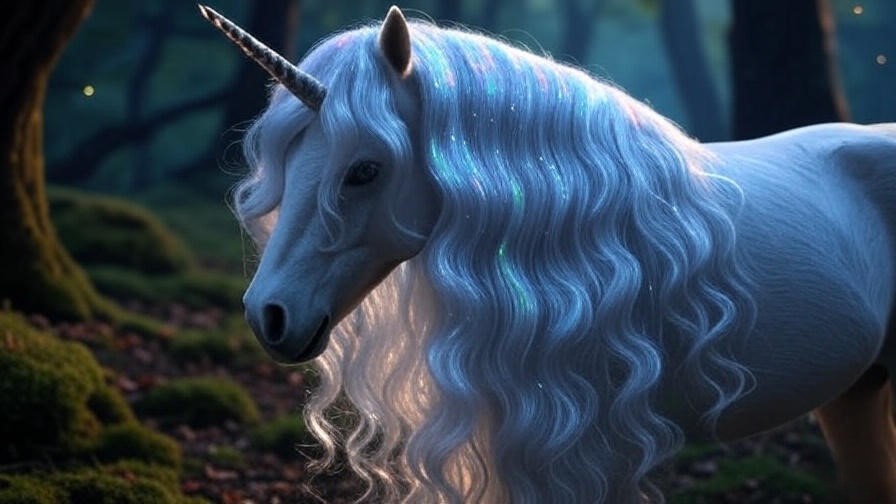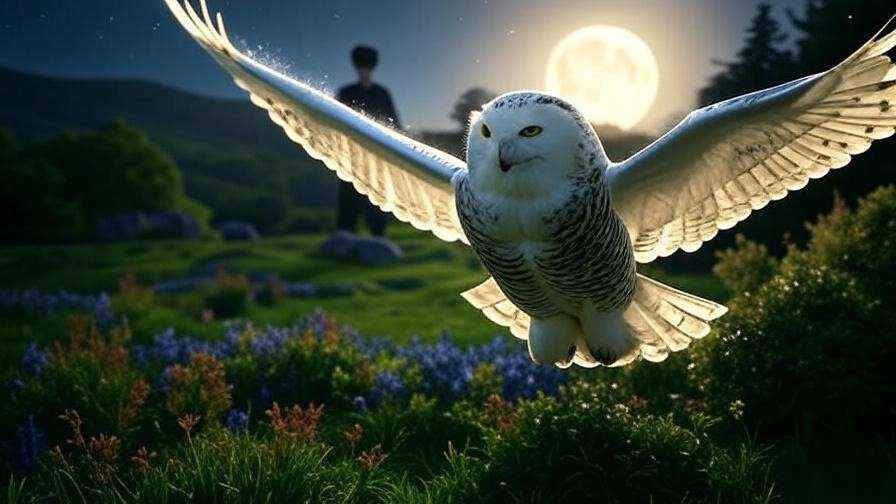
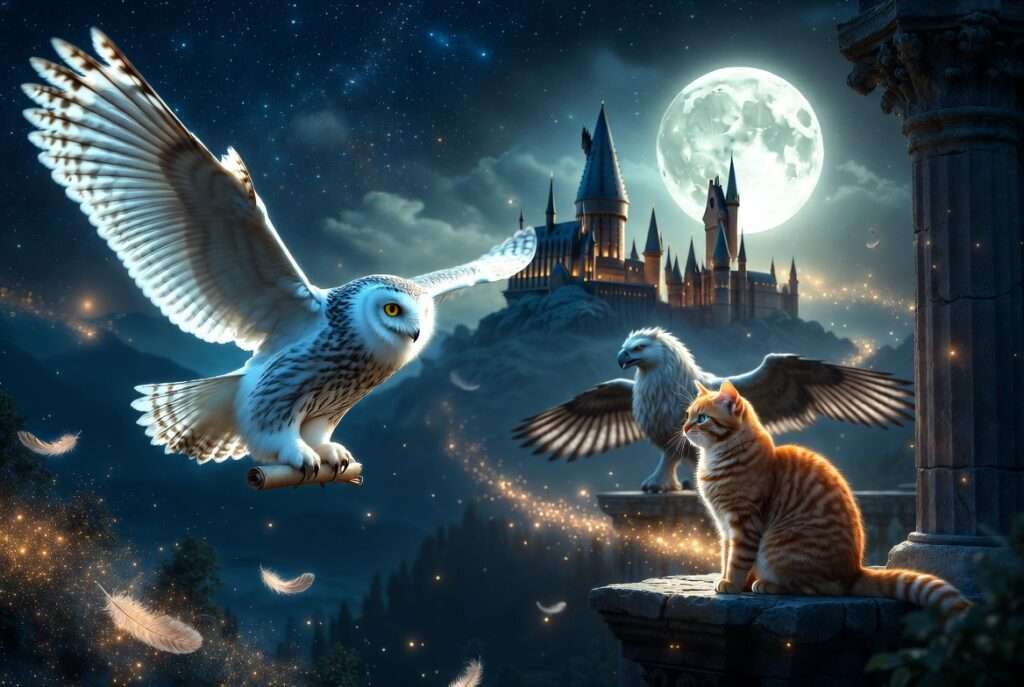
Imagine a loyal snowy owl delivering your mail across stormy skies, a clever half-Kneazle cat exposing a disguised traitor, or a proud hippogriff carrying you to freedom under the cover of night. In the Wizarding World, Harry Potter pets are far more than adorable sidekicks—they are trusted companions, essential helpers, and sometimes even life-savers that deepen the magic and emotional resonance of the beloved series.
Whether you’re a lifelong Potterhead revisiting favorite moments or a new fan discovering the wonder of J.K. Rowling’s universe, this comprehensive guide explores every notable Harry Potter pet and magical companion. From traditional Hogwarts-approved animals to extraordinary creatures that blur the line between pet and legend, you’ll discover their stories, care requirements, lore, and the profound lessons they teach about loyalty, responsibility, and friendship.
In this skyscraper guide, we draw directly from the seven Harry Potter books, the films, Fantastic Beasts lore, and official Wizarding World resources to deliver the most authoritative and insightful resource available.
Understanding Pets in the Wizarding World
Pets have always held a special place in magical society. Hogwarts School of Witchcraft and Wizardry traditionally allows first-year students to bring one of three types of pets: an owl, a cat, or a toad. This rule, mentioned in acceptance letters, reflects centuries of tradition while accommodating practical needs like mail delivery and companionship in a boarding school environment.
However, the Wizarding World extends far beyond these basics. The Ministry of Magic classifies creatures under strict categories—Beast, Being, or Spirit—governing ownership, breeding, and welfare. Ordinary pets coexist with highly intelligent magical creatures that possess near-human cunning or extraordinary abilities.
Harry Potter pets often mirror their owners’ personalities and Hogwarts house traits. A loyal Gryffindor might bond with a brave hippogriff, while a clever Ravenclaw could appreciate a perceptive Kneazle crossbreed. These companions serve multiple roles: postal carriers, protectors, emotional anchors during times of war and isolation, and symbols of the “found family” theme central to the series.
Culturally, pets represent status, practicality, and affection. Wealthy families might maintain impressive owleries, while gamekeepers like Rubeus Hagrid collect extraordinary (and sometimes dangerous) creatures. This guide examines them all, providing deeper insight than typical fan lists.
Traditional Wizarding Pets: Owls, Cats, Toads, and Rats
Owls – The Postmasters of the Wizarding World
Owls are the most iconic Harry Potter pets, serving as both faithful companions and the backbone of wizarding communication. Unlike Muggle post, owls can find recipients using only a name, navigating long distances and challenging conditions with remarkable intelligence.
Hedwig, Harry Potter’s snowy owl, stands as the most beloved example. Purchased by Hagrid at Eeylops Owl Emporium as a birthday gift, Hedwig quickly became Harry’s closest confidante during his lonely years at Privet Drive. Her sleek white feathers, piercing amber eyes, and dignified demeanor perfectly suited the Boy Who Lived. Hedwig delivered critical messages, offered silent comfort, and even hunted for her own food. Her heartbreaking death during the Battle of the Seven Potters in Deathly Hallows remains one of the series’ most emotional losses, symbolizing the end of Harry’s innocence.
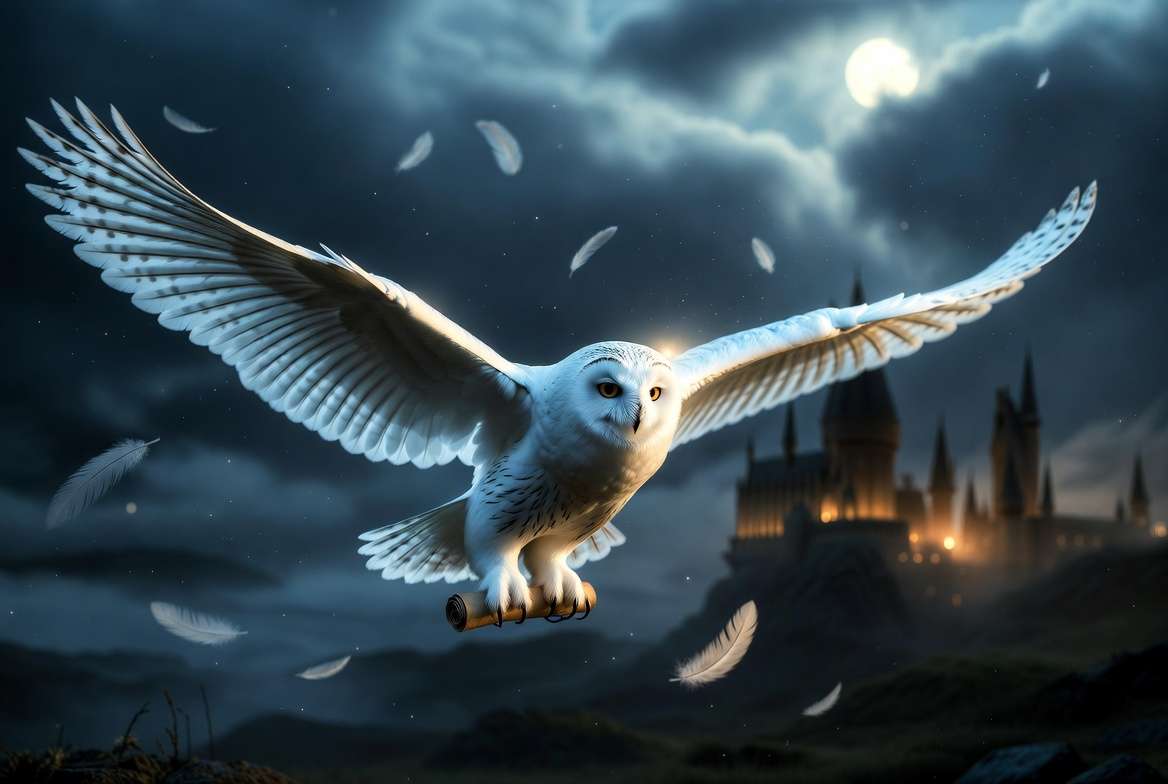 Other notable owls include:
- Pigwidgeon (“Pig”): Ron Weasley’s tiny, hyperactive Scops owl—energetic, noisy, and endlessly enthusiastic.
- Errol: The Weasley family’s elderly, accident-prone barn owl.
- Hermes: Percy Weasley’s serious and efficient owl.
Real-world owl species (snowy, barn, eagle) align closely with their magical counterparts, though wizarding owls display enhanced navigational and endurance abilities.
Cats – Clever and Independent Companions
Cats bring elegance, independence, and sharp instincts to the wizarding world. Many exhibit heightened intelligence, especially those with Kneazle ancestry.
Crookshanks, Hermione Granger’s ginger cat, is perhaps the most remarkable. Purchased from the Magical Menagerie in Diagon Alley, Crookshanks is a half-Kneazle hybrid. His squashed face, bushy tail, and lion-like mane hint at his magical heritage. Crookshanks instantly distrusted Scabbers (revealing Peter Pettigrew’s true identity), helped Sirius Black, and demonstrated problem-solving skills far beyond ordinary felines. His loyalty to Hermione and contributions to the plot highlight why Kneazles make superior companions.
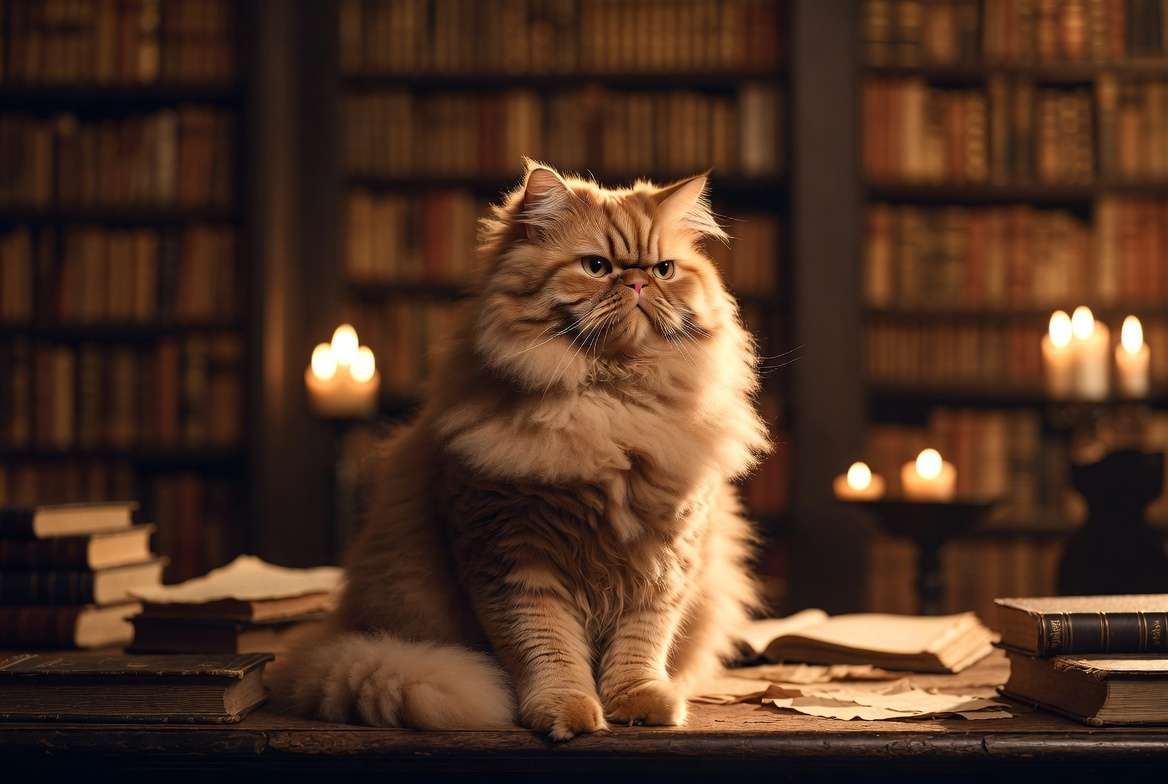 Mrs. Norris, Argus Filch’s gaunt, dust-colored cat, patrols Hogwarts corridors with uncanny vigilance. Many students suspect she is more than an ordinary cat, possibly an Animagus or enchanted familiar, though canon leaves this ambiguous.
Kneazles proper are highly intelligent cat-like creatures capable of detecting untrustworthy people. Hybrids like Crookshanks are legal and popular pets, combining feline grace with magical awareness.
Toads and Rats – Classic but Overlooked
Toads represent an older tradition that has fallen somewhat out of fashion, as Hagrid notes when buying Hedwig. Trevor, Neville Longbottom’s toad, frequently escapes, leading to humorous adventures that reflect Neville’s own growth from timid to confident.
Rats carry a poorer reputation but play a pivotal role through Scabbers. The Weasley family’s long-lived rat was actually Peter Pettigrew in Animagus form—a shocking revelation that drives major plot points in Prisoner of Azkaban. This storyline serves as a cautionary tale about trust and the dangers of seemingly harmless pets.
Iconic Magical Companions and Bonds
Fawkes the Phoenix – Loyalty Beyond Death
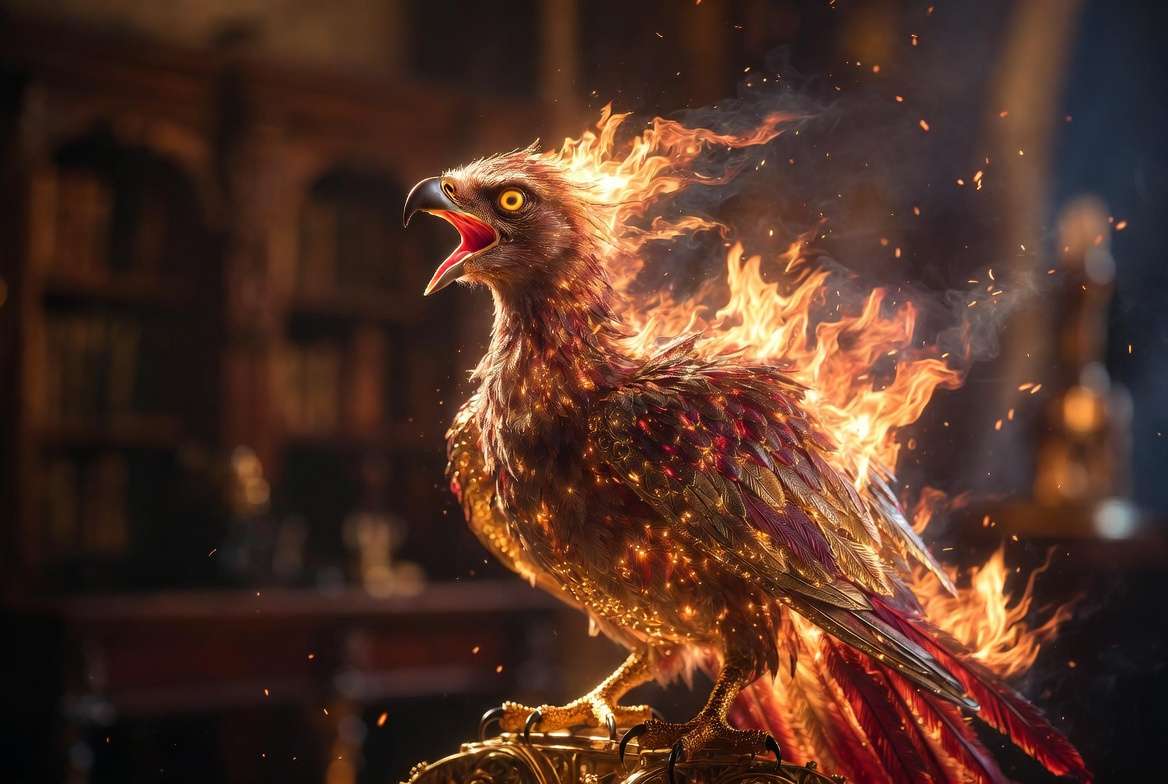
No discussion of Harry Potter pets would be complete without Albus Dumbledore’s phoenix, Fawkes. Phoenixes are rare, magnificent birds that burst into flames upon death and rebirth from their ashes. Fawkes possesses powerful healing tears, an enchanting song that inspires courage, and immense strength. He saves Harry in the Chamber of Secrets, blinds the Basilisk, and remains fiercely loyal to Dumbledore. Phoenixes choose their companions, making their bonds profound and voluntary.
 Buckbeak / Witherwings – Pride and Hippogriff Etiquette
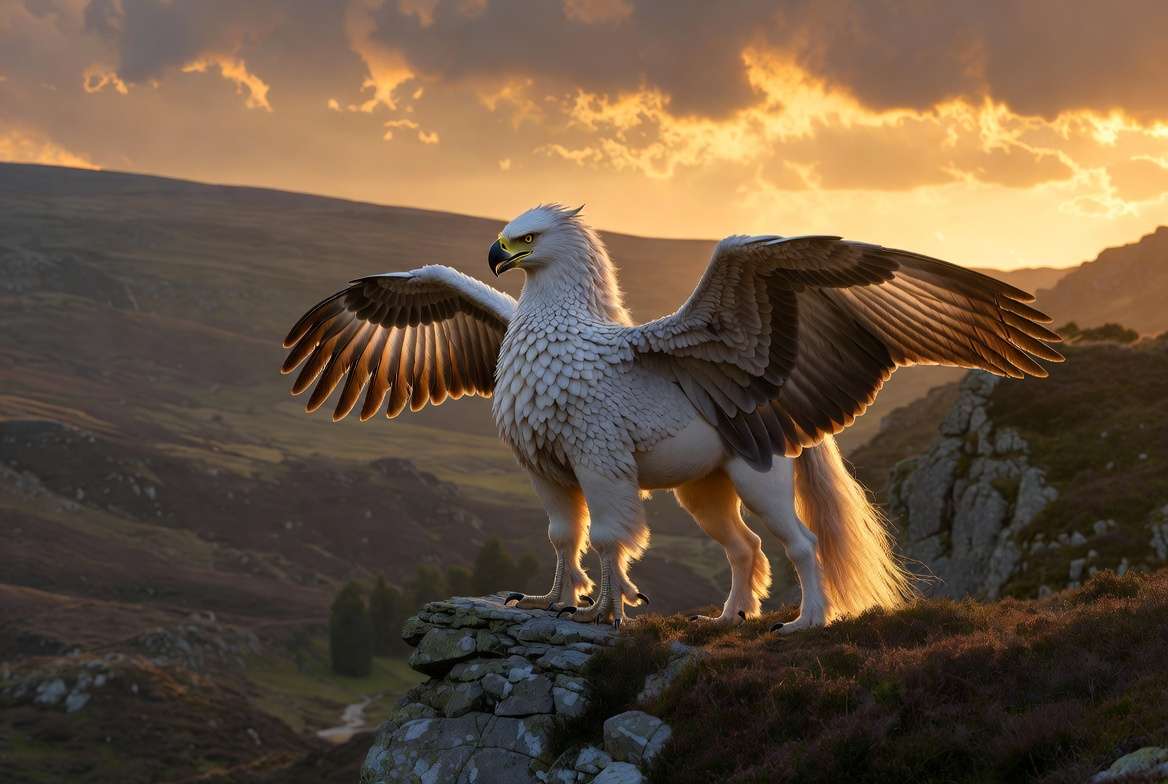
Buckbeak, the hippogriff introduced in Prisoner of Azkaban, embodies dignity and danger. Part eagle, part horse, hippogriffs demand respect—bowing is essential before approaching. Hagrid’s care for Buckbeak leads to Draco Malfoy’s injury, a dramatic trial, and a daring rescue. Harry and Hermione’s use of Buckbeak (later renamed Witherwings under Sirius’s care) to save Sirius showcases these creatures’ power and loyalty once earned.
Proper hippogriff care involves large open spaces, fresh meat, and unwavering respect. They are proud, intelligent, and capable of long-distance flight.
 Fang and Other Canine Companions
Hagrid’s massive boarhound Fang appears ferocious but is a gentle giant who fears danger as much as his master sometimes does. Wizarding dogs include Crups, which resemble Jack Russell terriers with forked tails. Bred by wizards, Crups are extremely loyal to magical folk but aggressive toward Muggles and Squibs.
Dangerous “Pets” and Forbidden Companions
While many Harry Potter pets bring joy and loyalty, the Wizarding World also features powerful and often prohibited creatures that test the boundaries between companionship and danger. These examples serve as cautionary tales about responsibility, ethics, and the limits of human (or wizard) control.
Aragog and his Acromantula colony represent one of Hagrid’s most controversial “pets.” The enormous talking spider was given to Hagrid as an egg by a traveler. Aragog formed a genuine bond with the half-giant, protecting him and providing information, yet his offspring proved deadly. The Forbidden Forest encounter in Chamber of Secrets highlights the risks of keeping highly intelligent, predatory magical beasts. Acromantulas are classified as XXXX (dangerous) by the Ministry, underscoring why they are unsuitable for most owners.
Nagini, Voldemort’s enormous snake, evolved from a Maledictus curse into a devoted companion and later a Horcrux. Her ability to communicate with her master and her role in key events—from attacking Arthur Weasley to her dramatic end—illustrate the dark side of bonding with dangerous serpents. While many witches and wizards keep ordinary snakes, Nagini’s sentience and power place her in a forbidden category.
The Basilisk, Salazar Slytherin’s legendary serpent, was bred and kept in the Chamber of Secrets for nearly a millennium. Capable of killing with a single gaze, this creature represents the ultimate forbidden “pet”—a weapon disguised as a guardian of pure-blood supremacy.
Dragons also fall into the unsuitable category. Hagrid’s brief ownership of Norbert (later revealed as Norberta) in Philosopher’s Stone shows both his affection for creatures and the practical impossibilities. Dragons grow rapidly, require vast territories, and are strictly regulated under the Ban on Experimental Breeding. Their classification as XXXX or XXXXX makes legal ownership nearly impossible for private wizards.
These stories emphasize a core theme: not every magical creature is meant to be a pet. They teach readers about respecting natural boundaries, understanding creature welfare, and recognizing when admiration should replace ownership.
Extended Universe and Lesser-Known Magical Pets
J.K. Rowling’s wider canon, especially Fantastic Beasts and Where to Find Them, expands the roster of potential magical pets Harry Potter fans love to discuss.
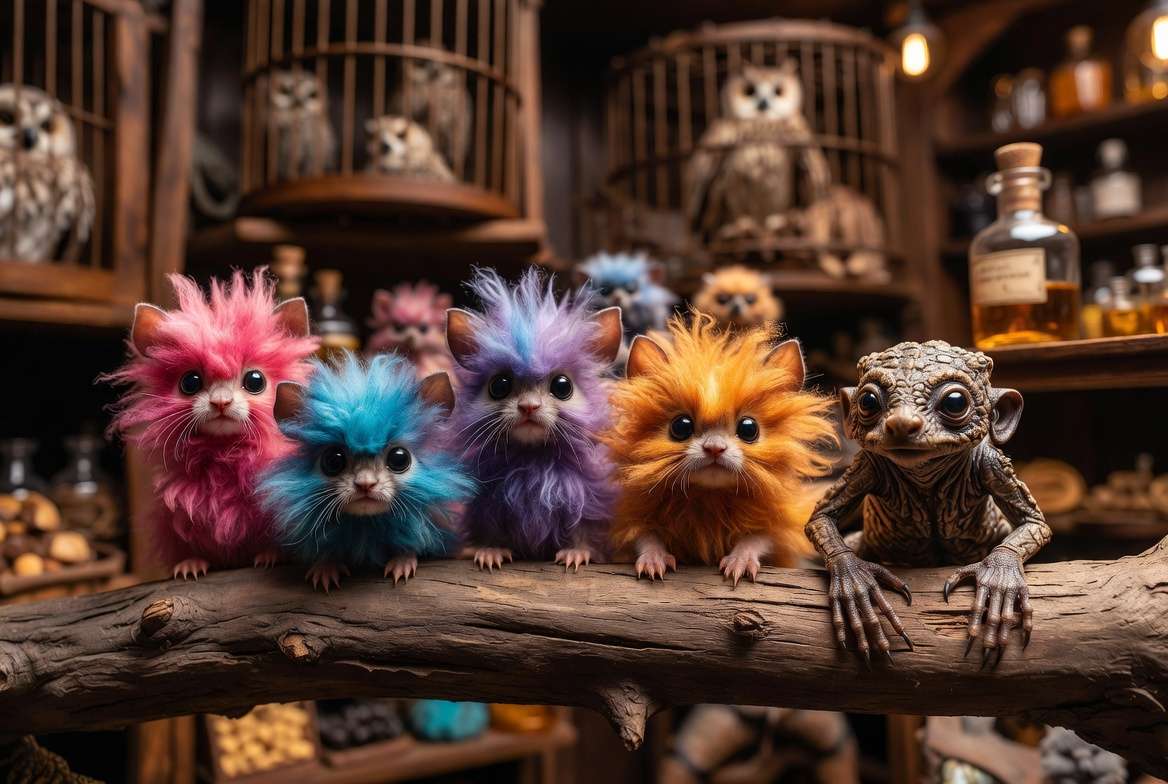
Pygmy Puffs, miniature fluffy creatures sold at Weasleys’ Wizard Wheezes, became popular after Ginny Weasley adopted one named Arnold. These cute, low-maintenance pets appeal to younger witches and wizards and demonstrate how magical breeding can create safe, affectionate companions.
 Thestrals—winged, skeletal horses visible only to those who have witnessed death—offer profound emotional depth. Though not traditional pets, Luna Lovegood’s affinity for them and their role in transporting Harry and friends to the Ministry showcase their gentle intelligence once earned. They symbolize that true sight often comes from painful experience.
Other creatures with pet potential include:
- Nifflers: Mischievous, treasure-obsessed burrowers popular among Gringotts goblins but chaotic in homes.
- Bowtruckles: Small, twig-like guardians that bond with specific trees and can be loyal if properly cared for.
- Demiguises: Invisible, ape-like creatures whose silky hair is used in Invisibility Cloaks—too rare and valuable for casual ownership.
House-elves, while sentient beings rather than pets, function as devoted household companions in many pure-blood families. Their status raises important ethical discussions about freedom, loyalty, and equality that enrich the series.
Care, Housing, and Responsible Ownership in the Wizarding World
Owning a Harry Potter pet requires knowledge, preparation, and respect for magical laws. Here’s practical guidance drawn from canon and logical extensions:
Housing and Habitats
- Owls need spacious owlries or perches with hunting access. Eeylops Owl Emporium recommends varied perches and secure nesting boxes.
- Cats thrive with enchanted scratching posts and self-refilling food bowls. Kneazle hybrids need mental stimulation through puzzle toys or exploration space.
- Larger creatures like hippogriffs demand open paddocks, secure fencing, and respectful interaction protocols.
Feeding and Health
- Owls self-hunt but appreciate treats like dead mice or specialized pellets.
- Crookshanks-style cats enjoy rats, birds, and magical kibble.
- Hippogriffs prefer ferrets, weasels, and other fresh meat. Never insult them—always bow first.
- Regular check-ups at magical veterinarians or with experts like Newt Scamander are essential for exotic creatures.
Legal Considerations The Ministry of Magic requires licenses for dangerous or unusual beasts. Breeding regulations, import restrictions, and the Department for the Regulation and Control of Magical Creatures enforce welfare standards. Ignorance, as Hagrid sometimes demonstrates, can lead to serious consequences.
Ethical Ownership in Our World For Muggle fans, this translates to responsible pet adoption. Support ethical owl sanctuaries, choose breeds that match your lifestyle, and consider supporting organizations protecting magical creature-inspired wildlife (such as real owls, big cats in conservation programs, or equine rescues).
The Emotional Impact of Pets – Themes of Loyalty and Loss
Harry Potter pets profoundly influence the narrative’s emotional core. Hedwig’s death devastates Harry not just because she was his first friend in the magical world, but because she represented stability and unconditional love amid chaos. Her passing marks Harry’s full transition into adulthood and the harsh realities of war.
Crookshanks’ steadfast support helps Hermione maintain balance during intense research and moral dilemmas. Buckbeak’s rescue missions reinforce themes of justice and found family. Even Scabbers/Pettigrew’s betrayal deepens the story’s exploration of trust.
These companions humanize the heroes and remind readers that loyalty can come in many forms—feathers, fur, scales, or wings. In times of isolation, grief, or conflict, pets provide comfort that words or spells cannot. This resonates strongly with fans who see their own real-life animals as sources of similar emotional strength.
Fun Facts, Trivia, and Expert Insights
- Hedwig’s name comes from a medieval saint known for helping the oppressed—fitting for Harry’s companion.
- J.K. Rowling has stated that Crookshanks was partly inspired by her own cat.
- Phoenix song is one of the most powerful magical sounds, capable of instilling hope even in the darkest moments.
- Movie adaptations sometimes altered creature appearances for visual impact (e.g., Buckbeak’s design evolved between films).
- Fan-favorite ranking (based on cultural impact): 1. Hedwig, 2. Crookshanks, 3. Buckbeak, 4. Fawkes, 5. Fang.
Comparisons to Muggle pets reveal fascinating parallels—owls function like highly advanced carrier pigeons, while Kneazles combine cat independence with dog-like loyalty.
Frequently Asked Questions (FAQs)
What pets are allowed at Hogwarts? First-years may bring an owl, cat, or toad. Other creatures require special permission, which is rarely granted except in cases like Hagrid’s influence.
Can you have a dragon as a pet? No. Dragons are strictly prohibited for private ownership due to their size, danger, and legal restrictions.
What happened to Crookshanks and other surviving pets? While not explicitly detailed, Crookshanks likely lived with Hermione post-war. Many fan theories suggest happy retirements for surviving companions.
Are there invisible pets? Demiguises can become invisible, and Thestrals are selectively visible, adding mystery to wizarding companionship.
What is the best pet for each Hogwarts house?
- Gryffindor: Hippogriff or phoenix (bravery and loyalty).
- Ravenclaw: Kneazle or intelligent owl (wisdom and perception).
- Hufflepuff: Crup or Pygmy Puff (loyalty and cheerfulness).
- Slytherin: Snake or Thestral (ambition, cunning, and depth).
Harry Potter pets enrich the Wizarding World with wonder, humor, danger, and heartfelt emotion. From Hedwig’s quiet companionship to Buckbeak’s majestic flights and Crookshanks’ clever interventions, these magical creatures remind us that friendship transcends species and that loyalty often arrives on wings, paws, or talons.
Whether you dream of receiving your own letter from Hogwarts or simply cherish the pets already in your life, the lessons from the series endure: treat companions with respect, value their unique personalities, and never underestimate the power of unconditional bonds.
Which Harry Potter pet captured your heart the most? Share your favorite memories or dream companion in the comments below. For more magical explorations, explore our guides on Hogwarts houses, Fantastic Beasts, and deeper lore from the Wizarding World.
This guide was researched and written with direct reference to J.K. Rowling’s original texts, official Wizarding World publications, and extended canon for maximum accuracy and depth.