When you first open a book about a young boy discovering he is a wizard, it is easy to get swept away by the whimsy of moving staircases, flying broomsticks, and enchanted castles. However, the true magic that has kept readers captivated for decades extends far beyond Hogwarts’ walls. To understand why this series resonates across generations, we must examine the core Harry Potter Themes woven into the narrative. From the first page to the final battle, the series operates as a masterclass in literary depth, exploring the darkest and brightest aspects of the human condition.
Whether you are a lifelong fan preparing for your tenth re-read, an educator analyzing the text, or a parent introducing the series to your children, understanding these underlying messages is crucial. They are what elevate J.K. Rowling’s work from a simple fantasy adventure to a modern mythological epic.
Let us journey beyond the spells and potions to explore the seven most powerful themes in the Harry Potter universe, and uncover why they matter just as much in the real world as they do in the wizarding one.
1. The Indomitable Power of Love and Sacrifice
If there is one foundational pillar upon which the entire Harry Potter universe is built, it is love. But the series does not portray love merely as a fleeting emotion or a romantic subplot; it is presented as a tangible, primal, and protective force. It is, as Albus Dumbledore frequently reminds us, the most powerful magic in existence.
The Ultimate Sacrifice
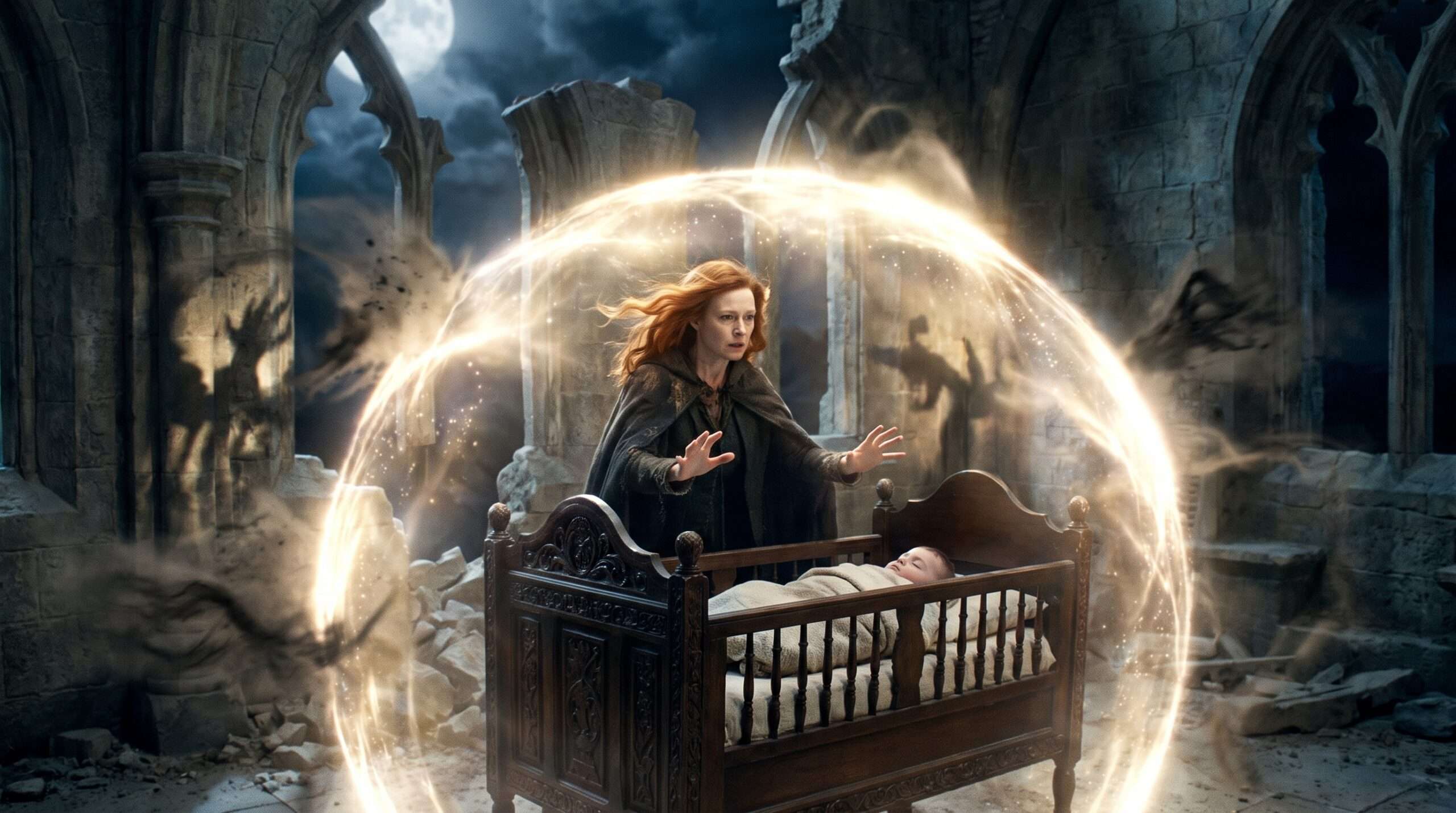
The story is catalyzed by a single act of profound love: Lily Potter stepping between Lord Voldemort and her infant son. This act of maternal sacrifice leaves a lasting magical protection on Harry—a literal shield in his blood that repels the darkest of curses. It establishes early on that selflessness can conquer unparalleled malice.
 Voldemort’s Fatal Flaw
Conversely, Lord Voldemort’s ultimate downfall is rooted in his utter inability to comprehend love. Conceived under the effects of a love potion, Tom Riddle is entirely devoid of empathy. He views love as a weakness, a foolish sentiment for the fragile. Yet, it is this exact “weakness” that defeats him time and time again.
-
Harry’s strength: His willingness to die for his friends in The Deathly Hallows mirrors his mother’s sacrifice, granting his allies protection during the Battle of Hogwarts.
-
Snape’s redemption: Severus Snape’s complex, enduring love for Lily Potter drives his lifelong, perilous double-agent mission, proving that love can motivate the most difficult choices.
Why it matters: This theme teaches readers that vulnerability is not a weakness. In a world that often rewards ruthless ambition, prioritizing compassion, empathy, and sacrificial love remains the ultimate strength.
2. The Inevitability and Acceptance of Death
Death is an omnipresent shadow in the Harry Potter series. From the orphaned protagonist introduced in chapter one to the staggering casualties of the final war, mortality is a subject the books never shy away from. However, the narrative is less about the tragedy of dying and more about the philosophy of how one approaches death.
The Quest for Immortality vs. The Next Great Adventure
The central conflict between Harry and Voldemort is a philosophical battle regarding mortality. Voldemort’s very name loosely translates from French as “flight from death.” His soul is mutilated, split into Horcruxes, all in a desperate, obsessive bid to achieve immortality. He fears death above all else, seeing it as the ultimate defeat.
In stark contrast, Dumbledore views death as “but the next great adventure” for the well-organized mind. This lesson is passed down to Harry, who must ultimately walk into the Forbidden Forest to face his executioner willingly.
The Tale of the Three Brothers
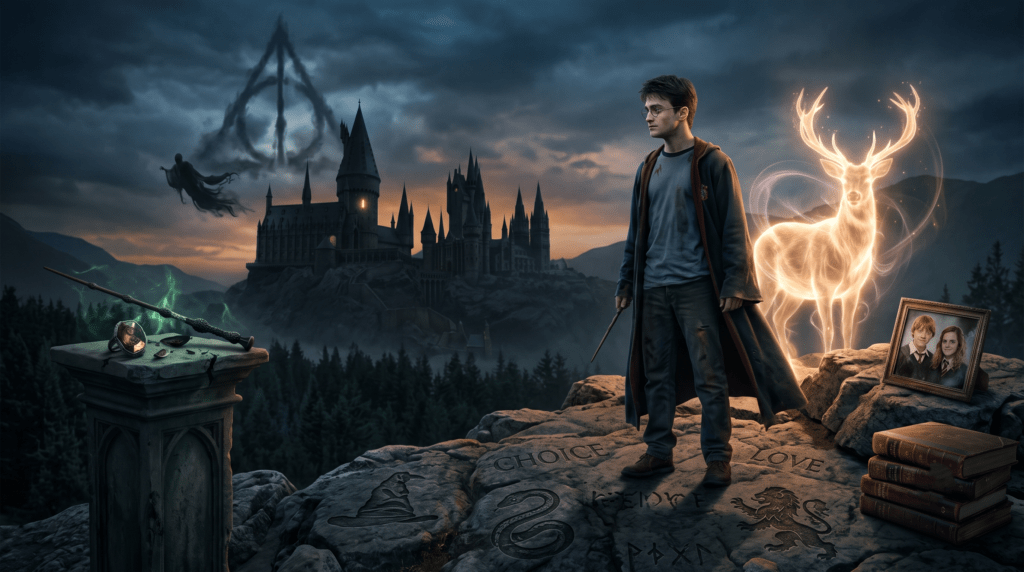
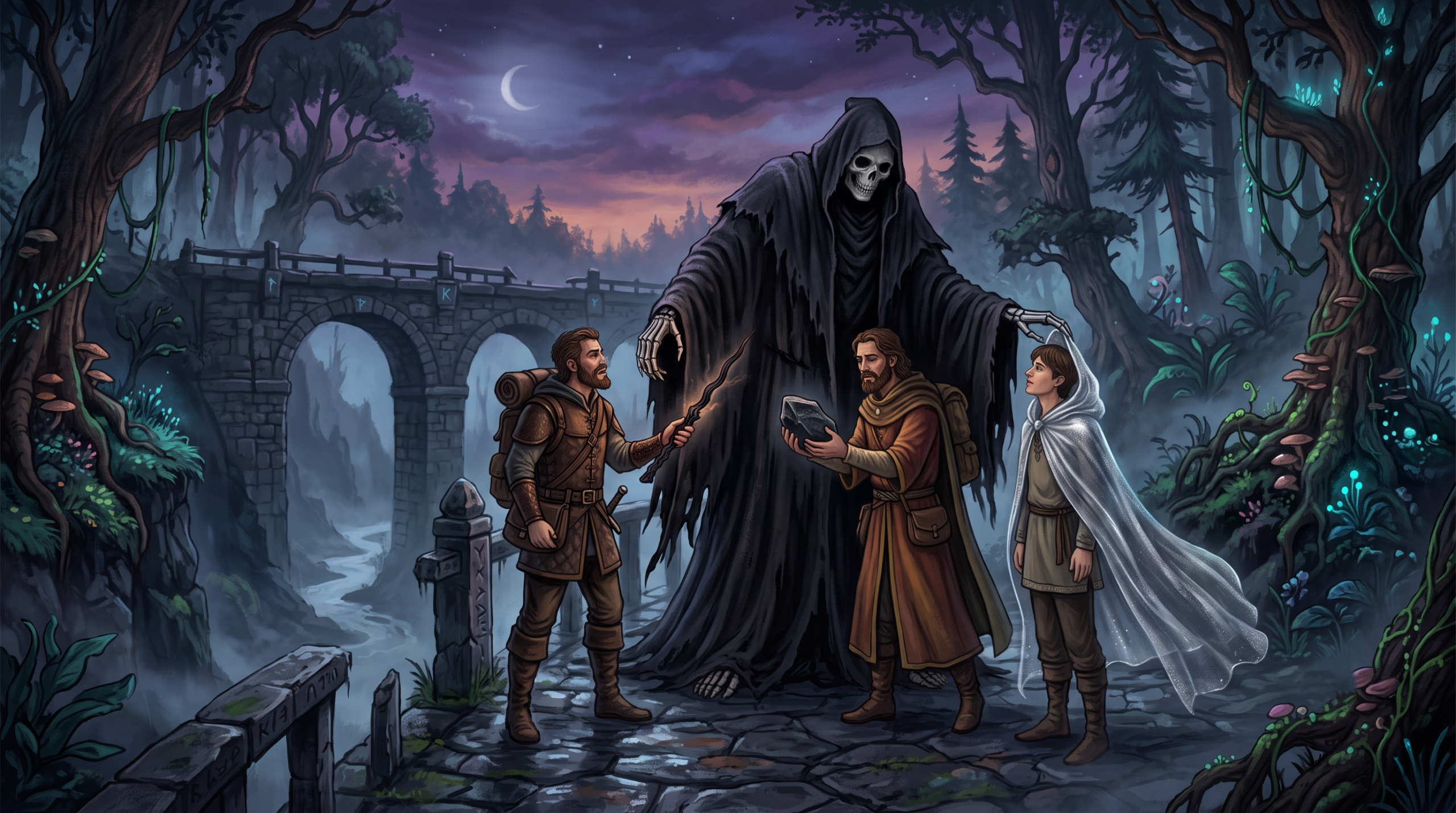
The overarching theme of death is perfectly encapsulated in “The Tale of the Three Brothers” and the legend of the Deathly Hallows.
-
The first brother seeks to conquer death through sheer power (The Elder Wand).
-
The second seeks to reverse death through arrogance (The Resurrection Stone).
-
The third brother, representing wisdom, asks only to walk through life unbothered by death (The Invisibility Cloak), eventually greeting Death as “an old friend.”
Harry is the true Master of Death not because he conquers it, but because he accepts it.
Why it matters: Confronting our own mortality is a universal human struggle. The series beautifully illustrates that a meaningful life is not measured by its length, but by how we choose to live it. Fearing the end only robs us of the present.
 3. The Danger of Prejudice and Bigotry (Blood Purity)
As the series matures, the whimsical facade of the magical world peels back to reveal a society deeply fractured by systemic prejudice and classism. J.K. Rowling uses the wizarding world to hold up a mirror to real-world racism, xenophobia, and bigotry, making it one of the most socially relevant themes in modern young adult literature.
The Blood Supremacy Allegory
The primary vehicle for this theme is the concept of “blood purity.” The ideological divide between “Purebloods” (wizards from entirely magical lineages), “Half-bloods,” and “Muggle-borns” (wizards born to non-magical parents) serves as a direct allegory for racism and eugenics.
-
The Death Eaters: Voldemort’s followers operate as an extremist hate group, viewing Muggle-borns as inferior and undeserving of magic. The use of the slur “Mudblood” against characters like Hermione Granger highlights the ugliness of unchecked prejudice.
-
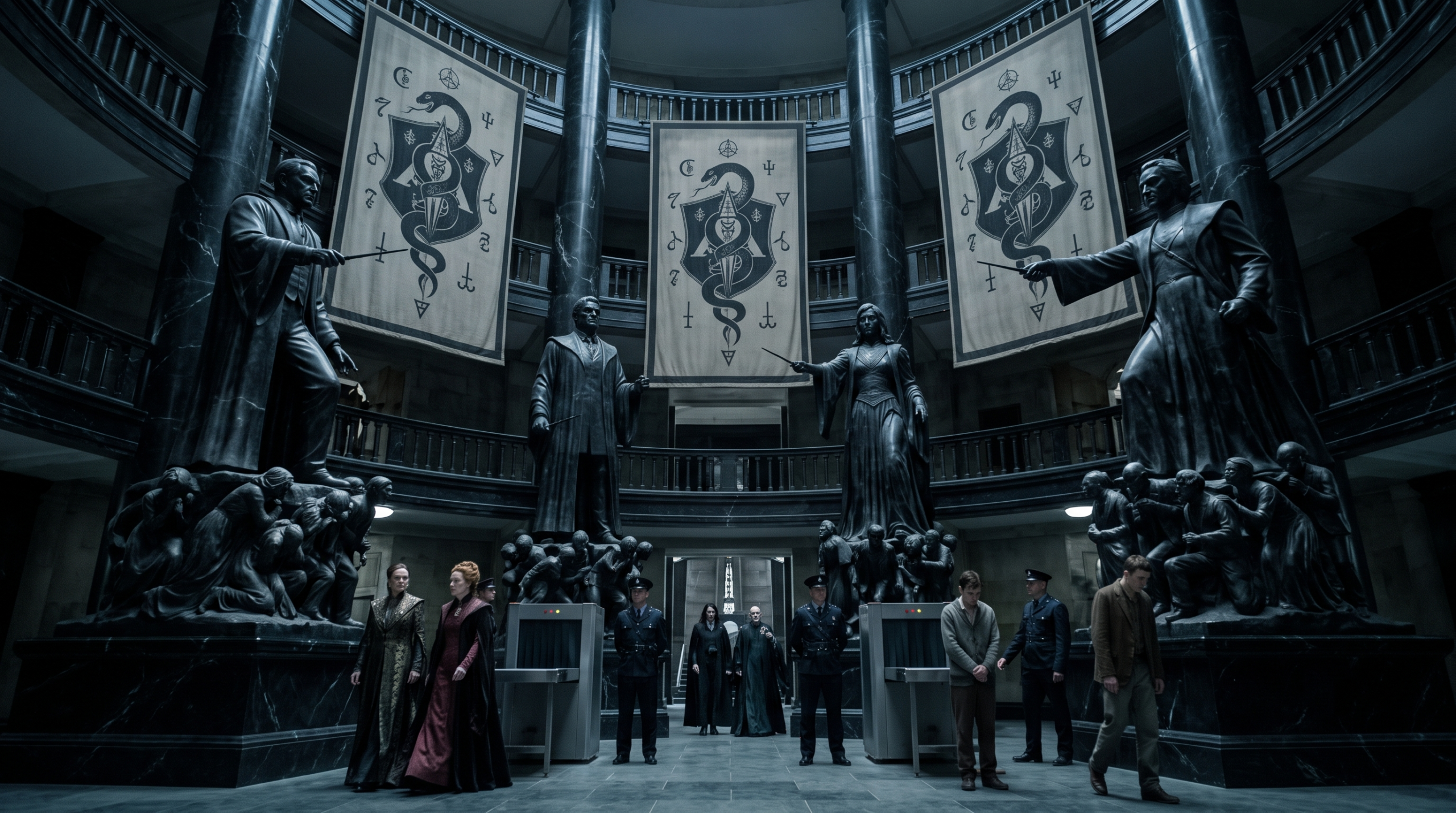
Institutional Bigotry: The prejudice isn’t limited to the villains. The Ministry of Magic itself has deeply ingrained biases, eventually falling victim to fascist ideologies during Voldemort’s quiet coup, leading to the systemic persecution of Muggle-borns.
 Beyond Witches and Wizards: Magical Creatures
The theme of discrimination extends to how wizards treat other intelligent beings.
-
Werewolves: Remus Lupin lives in poverty and constant shame due to the stigma surrounding his condition, reflecting real-world societal ostracization of chronic illnesses.
-
House-Elves and Goblins: The enslavement of House-Elves and the historical marginalization of Goblins and Centaurs expose the inherent arrogance of wizard-kind. Hermione’s founding of S.P.E.W. (Society for the Promotion of Elfish Welfare), while initially mocked, underscores the necessity of activism.
Why it matters: By framing bigotry within a fantasy setting, the series allows readers, especially younger ones, to clearly recognize the absurdity and cruelty of prejudice. It champions the idea that a person’s worth is determined by their character and actions, not their ancestry.
4. The Importance of Free Will and Choices Over Abilities
“It is our choices, Harry, that show what we truly are, far more than our abilities.” — Albus Dumbledore
This single quote from Harry Potter and the Chamber of Secrets is arguably the thesis statement for the entire franchise. The series constantly explores the tension between destiny (prophecies) and free will, ultimately concluding that human agency trumps fate.
The Parallels of Harry and Voldemort
To emphasize the power of choice, Rowling creates a deliberate mirror between the protagonist and the antagonist. Harry Potter and Tom Riddle share striking similarities:
-
Both are orphans raised in the Muggle world without love.
-
Both are Half-bloods who discover Hogwarts as their true home.
-
Both possess extraordinary magical abilities, including the rare trait of Parseltongue.
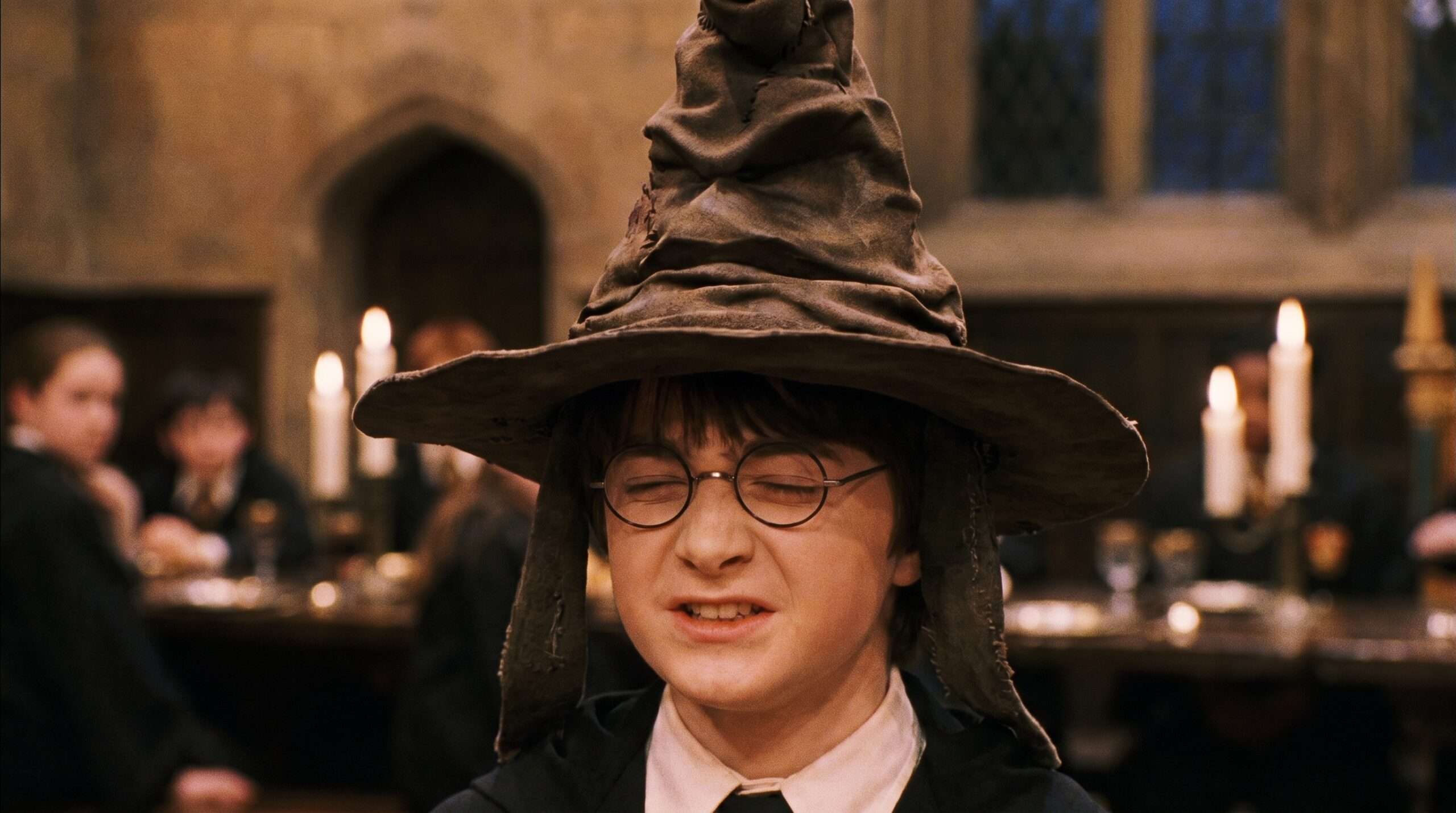
However, their paths diverge based entirely on their choices. When the Sorting Hat senses the dark potential in Harry and suggests Slytherin, Harry actively chooses Gryffindor. Riddle, on the other hand, leans into his lineage and ambition, choosing the path of isolation and domination.
 The Complexity of Agency
This theme is further complicated by characters who make difficult choices in the gray areas of morality. Severus Snape chooses to switch allegiances, subjecting himself to a life of misery to honor Lily Potter. Neville Longbottom, who could have easily been the subject of the prophecy instead of Harry, actively chooses to become a courageous leader in the resistance, proving that bravery is not innate, but forged through decision-making.
Why it matters: It serves as an empowering reminder that we are not defined by our circumstances, our innate talents, or even our darkest thoughts. Our identity is forged by the decisions we make in the face of adversity.
5. The Corrupting Nature of Power and Greed
While Voldemort represents the extreme end of evil, the Harry Potter series also critiques a much more insidious and common form of villainy: the corruption of power, bureaucracy, and media.
The Incompetence of the Ministry
The Ministry of Magic frequently stands in the way of truth and justice. Under the leadership of Cornelius Fudge, the government chooses the comfort of denial over the hard reality of Voldemort’s return. Fudge is not inherently evil, but he is a coward desperate to hold onto his political power. He uses The Daily Prophet to smear Harry and Dumbledore, demonstrating how media can be manipulated to control the masses.
The Banality of Evil: Dolores Umbridge
Perhaps no character exemplifies the abuse of institutional power better than Dolores Umbridge. Clad in pink and speaking with a sugary-sweet voice, she represents the “banality of evil”—bureaucratic cruelty masked as order. She tortures students and passes draconian educational decrees not out of a grand dark ideology, but out of a desperate need for control and adherence to rules.
Rejecting Absolute Power
The ultimate rejection of this corruption comes at the end of the series. When Harry gains possession of the Elder Wand—the most powerful wand in existence, which has left a bloody trail through history—he chooses not to keep it. By breaking it (in the films) or returning it to Dumbledore’s tomb (in the books), Harry proves he is the only one worthy of power precisely because he does not seek it.
Why it matters: This theme serves as a critical warning about the fragility of truth and justice. It encourages readers to question authority, hold institutions accountable, and recognize that unchecked ambition often leads to ruin.
6. The Value of Loyalty, Friendship, and Unity
At its heart, Harry Potter is a story about the family we choose. In stark contrast to Voldemort, who operates entirely alone and binds his followers to him through fear and intimidation, Harry survives and succeeds through the power of collective action and mutual trust.
The Golden Trio and Found Family
Harry, Ron Weasley, and Hermione Granger are the emotional anchor of the narrative. Each brings a vital, complementary strength to the table:
-
Harry: Instinct, courage, and leadership.
-
Hermione: Unmatched intellect, logic, and preparation.
-
Ron: Strategic thinking, loyalty, and a deep understanding of the wizarding world.
Harry would not have survived the first book, let alone the seventh, without them. When Ron temporarily abandons the group in The Deathly Hallows, the bleakness of their mission becomes unbearable, highlighting how vital their unity is to their success.
 Collective Resistance
This theme scales up as the conflict broadens. The formation of Dumbledore’s Army and the reactivation of the Order of the Phoenix show that fighting tyranny cannot be a solo endeavor. The Battle of Hogwarts is won not just by Harry, but by teachers, students, parents, Centaurs, and House-Elves uniting against a common enemy.
Why it matters: It validates the importance of community. In a society that often glorifies the “lone hero,” this theme teaches that true resilience is built on the foundation of authentic, supportive relationships.
7. The Loss of Innocence and the Journey to Adulthood
The Harry Potter series is a quintessential Bildungsroman—a coming-of-age story. As the readers grew up alongside the books’ releases, the tone of the narrative matured in tandem, reflecting the painful transition from childhood wonder to adult realism.
The Shifting Tone
The Sorcerer’s Stone is filled with the bright, whimsical discovery of a magical world: chocolate frogs, moving portraits, and a relatively straightforward battle of good versus evil. By The Deathly Hallows, the tone is undeniably dark, characterized by war, torture, and staggering grief. The magic world is no longer an escapist utopia; it is a battleground.
The Disillusionment of Mentors
A critical part of growing up is realizing that adults are flawed, complex individuals rather than infallible heroes. Harry is forced to confront this harsh reality on multiple fronts:
-
James Potter: Harry idolizes his father, only to discover through Snape’s memories that James was once an arrogant bully.
-
Albus Dumbledore: The devastating revelation of Dumbledore’s youthful flirtation with wizarding supremacy and his Machiavellian orchestration of Harry’s ultimate fate forces Harry to view his mentor with nuanced, adult eyes.
Why it matters: This journey validates the confusing, often painful process of growing up. It teaches that part of entering adulthood is accepting that the world is painted in shades of gray, and that moving forward requires forgiving the flaws of those who came before us.
Why Understanding These Themes Enhances Your Reading Experience
Reading Harry Potter purely for the plot is an enjoyable experience, but viewing it through the lens of these seven themes transforms it into a deeply enriching one.
When you understand the underlying allegory of blood purity, the political maneuvers of the Ministry become a fascinating study in historical repetition. When you grasp the thematic weight of Dumbledore’s views on death, his final moments take on a profound, tragic beauty rather than just a shocking plot twist.
By recognizing these themes, you elevate your reading experience from simple consumption to active literary analysis. This is why the series remains highly discussable in university classrooms, book clubs, and fan forums across the globe.
Frequently Asked Questions (FAQs)
What is the main theme of Harry Potter?
While the series weaves together many themes, the overarching and most prominent theme is the triumph of love over death. J.K. Rowling herself has stated that the series is largely about death and our attitude toward it, with love acting as the counter-force that gives life meaning.
How does the theme of death evolve throughout the books?
In the early books, death is treated as a tragic backstory (the death of Harry’s parents). As the series progresses, it becomes a present, visceral threat (the deaths of Cedric Diggory, Sirius Black, and Dumbledore). Ultimately, it evolves into a philosophical state that must be accepted rather than feared, as demonstrated by Harry in the Forbidden Forest.
Why are themes of prejudice so prominent in the later books?
As the target audience aged, Rowling introduced more complex, real-world issues. The escalating themes of prejudice and government corruption parallel historical fascist movements, providing young readers with an accessible framework to understand the dangers of systemic bigotry and the importance of speaking up.
The enduring legacy of the boy who lived is a testament to the power of storytelling. By masterfully intertwining the Harry Potter Themes of love, death, prejudice, choice, corruption, unity, and growing up, J.K. Rowling created a tapestry that continues to resonate with millions.
These books do not just teach us how to cast a Patronus or brew a potion; they teach us how to confront our darkest fears, stand up against injustice, and lean on the friends who stand by our side. The magic of Harry Potter isn’t just in the wands—it is in the mirror it holds up to our own humanity. And that is a magic that will never fade.