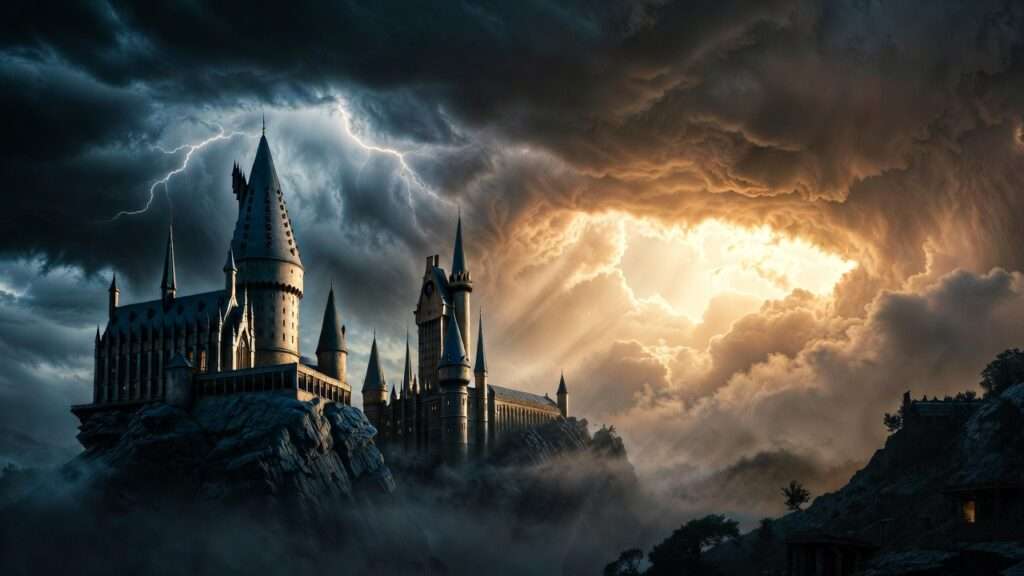
The wizarding world is returning to screens in a way no one could have imagined two decades ago. With production underway since July 2025 at Warner Bros. Studios Leavesden—the same hallowed grounds where the original films were shot—HBO’s Harry Potter TV series promises a faithful, season-per-book adaptation of J.K. Rowling’s beloved novels. Set to premiere in early 2027, this ambitious reboot aims to explore the stories in unprecedented depth over seven seasons, potentially spanning a full decade.
Yet amid the excitement, a persistent question echoes across fan communities, Reddit threads, YouTube analyses, and social media: Is the Harry Potter TV series doomed? The focus keyword “harry potter tv series doomed” has surged in searches, reflecting deep-seated anxiety among Potterheads. From casting controversies and legacy pressures to broader cultural divides, fans are voicing legitimate concerns about whether this reboot can recapture the magic—or if it’s destined to falter under the weight of expectations.
As a longtime Harry Potter enthusiast and analyst who’s followed the franchise since the early 2000s—poring over books, films, Pottermore lore, and every major announcement—this article dives deep into the seven most cited reasons for pessimism. We’ll examine each worry with context from production updates, fan reactions, and industry parallels. Then, we’ll balance the scale with reasons for genuine optimism. The goal? To help conflicted fans navigate their feelings, decide how (or if) to engage, and appreciate why the wizarding world still holds such power.
Whether you’re a die-hard who grew up with the books or a newer fan discovering the series, this comprehensive look addresses the real debate: Can HBO’s vision overcome the hurdles, or are the omens too ominous?
Why Fans Are Calling the Harry Potter TV Series “Doomed”: The 7 Real Reasons
The “doomed” narrative isn’t baseless speculation—it’s rooted in tangible challenges that have plagued reboots and adaptations in recent years.
1. The Shadow of the Original Films: An Impossible Legacy to Escape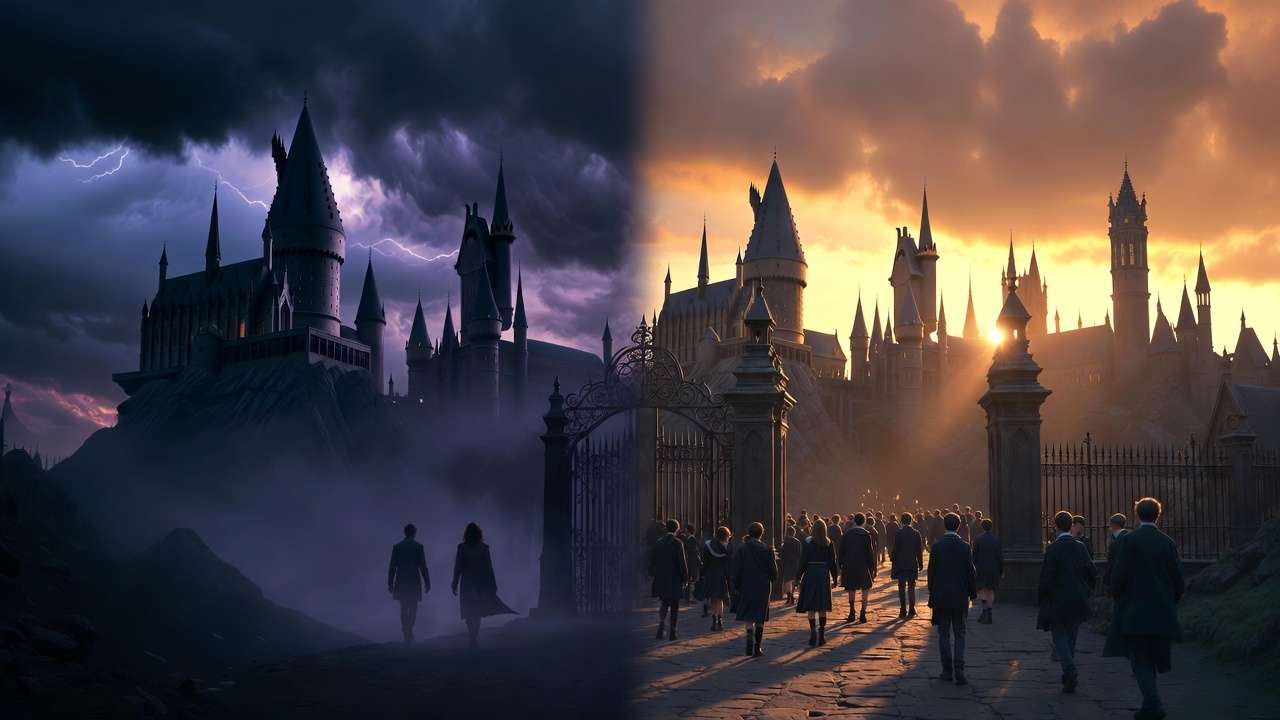
The eight-film saga (2001–2011) didn’t just adapt the books; it defined them for generations. Daniel Radcliffe’s Harry, Emma Watson’s Hermione, and Rupert Grint’s Ron became synonymous with the characters, while visuals like the Great Hall, Diagon Alley, and Hogwarts Express set an indelible standard.
How the Movies Defined the Wizarding World Visually and Emotionally Alfonso Cuarón’s Prisoner of Azkaban shifted tones masterfully, David Yates’ later entries built epic scope, and John Williams’ score remains iconic. Any new version risks feeling like a pale imitation.
Why a “Faithful” Adaptation Still Feels Risky HBO promises book-accurate details cut from films (e.g., Peeves the poltergeist, more Quidditch, deeper house-elf lore). But fidelity can backfire if pacing drags or if new interpretations clash with cherished memories.
Fan Comparisons Already Happening Even first-look images of Dominic McLaughlin as Harry have sparked side-by-side debates. The pressure to match emotional beats—like Harry’s first wand or the Mirror of Erised—looms large.
2. Casting Controversies and Backlash: From the Trio to Key Roles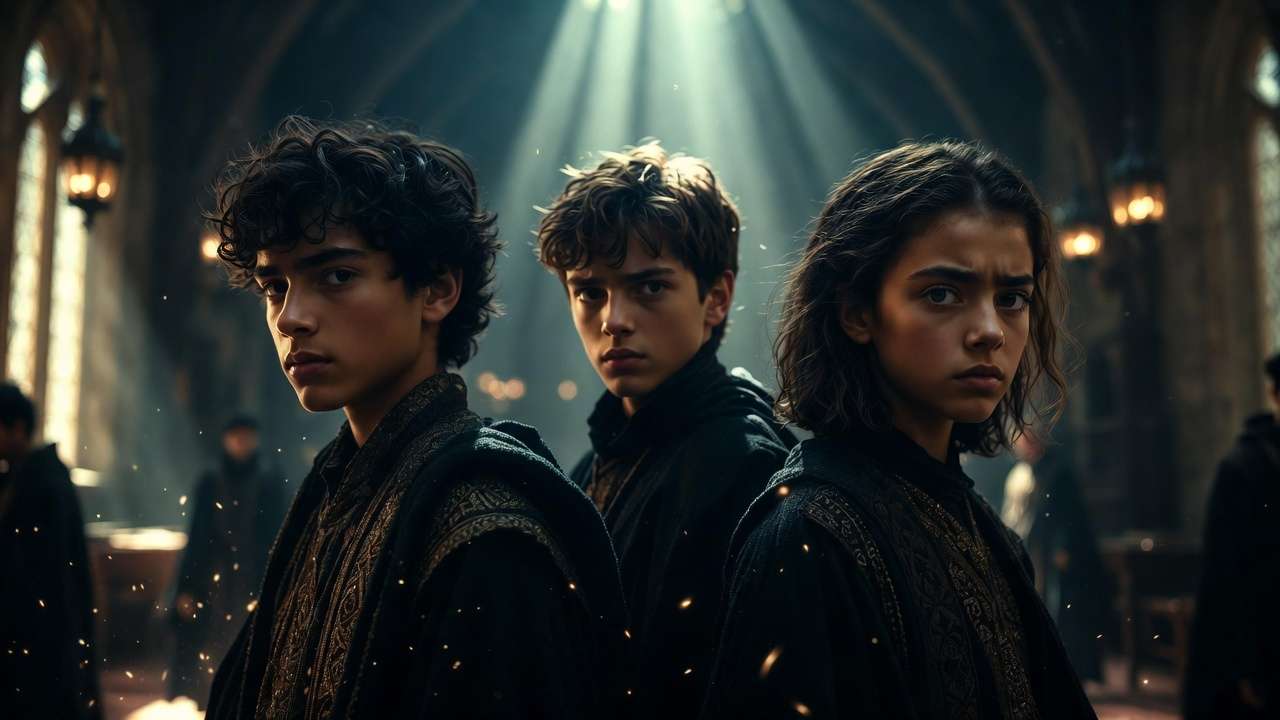
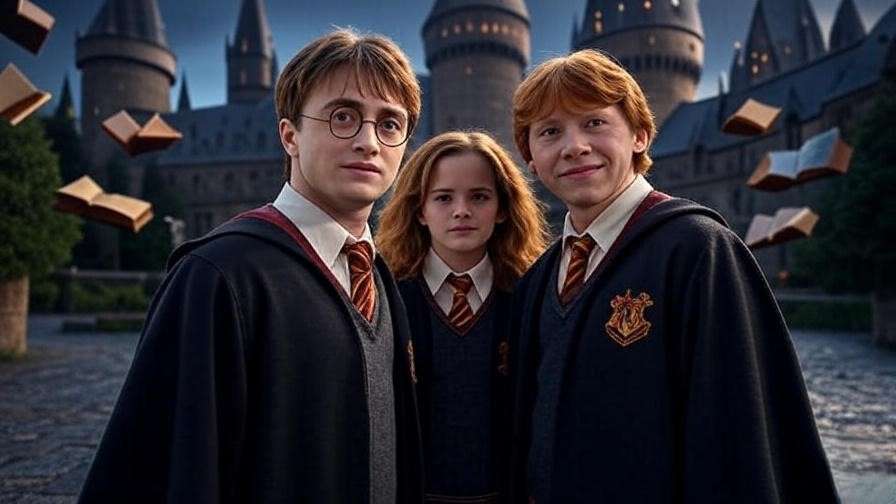
Casting the new generation has been a lightning rod. After an open call attracting over 32,000 hopefuls, HBO announced Dominic McLaughlin as Harry Potter, Alastair Stout as Ron Weasley, and Arabella Stanton as Hermione Granger in 2025.
The New Golden Trio and Early Fan Reactions While some praise the fresh faces for avoiding impressions of the originals, others criticize appearances or “fit,” with toxic online commentary (including ableist remarks) surfacing quickly.
High-Profile Choices Like Snape (Paapa Essiedu) and the Race-Swapping Debates Essiedu’s casting as Severus Snape drew praise for talent but criticism from purists insisting on book descriptions. Similar discussions surround other roles, echoing broader Hollywood diversity debates.
Broader Issues with Child Actors Facing Online Toxicity Young stars face intense scrutiny before they’ve even performed. History shows child actors in reboots (e.g., Percy Jackson) endure harsh judgment, potentially affecting morale and performance.
3. J.K. Rowling’s Involvement and Ongoing Cultural Divides
Rowling serves as executive producer, with reports of close collaboration on scripts—she’s praised the first two episodes as “so, so good.” She visited the set in late 2025.
Her Executive Producer Role and Public Statements HBO emphasizes her input ensures loyalty to source material. Yet her vocal views on gender issues have alienated segments of the fandom.
Impact of Her Views on Trans Issues and Fan Boycotts Stars like Daniel Radcliffe and Emma Watson have distanced themselves, supporting trans rights in contrast to Rowling. Boycott calls persist, with some fans vowing not to watch.
How This Affects Casting, Crew, and Audience Reception HBO insists her personal views haven’t impacted hiring, but the association creates division—some embrace the project, others see it as endorsing controversy.
4. Adaptation Challenges: Books vs. Screen in a Post-Potter World
Seven seasons allow deeper exploration, but translating dense novels isn’t straightforward. Pacing and Depth Issues with Seven Full Seasons Films condensed plots; a weekly or binge format risks slow burns or filler. Balancing canon with modern sensibilities (e.g., updating dated elements) is tricky.
Sensitive Themes (e.g., house-elves, representation) Scrutinized Today Rowling’s world includes controversial portrayals; modern audiences demand nuance, potentially leading to changes that upset purists.
Avoiding the Films’ Cuts While Keeping Modern Appeal Restoring omitted content excites fans, but over-expansion could dilute tension.
5. Franchise Fatigue and Timing: Is Harry Potter Still Relevant?
After Fantastic Beasts underperformed and spin-offs stalled, some question demand.
Post-Fantastic Beasts Disappointment and Spin-Off Struggles The prequels failed to match original magic, leading to skepticism about more Wizarding World content.
Competition from New Fantasy (e.g., Rings of Power, House of the Dragon) High-budget series dominate; Harry Potter must stand out in a crowded field.
Generational Shift: New Viewers vs. Nostalgic Fans Younger audiences may discover it fresh, but originals risk nostalgia overload.
6. Production and Logistical Hurdles: A Decade-Long Commitment
Filming a child-led epic over years poses risks.
Filming Realities and Potential Delays Production started July 2025; child actors age, requiring recasts (e.g., older Ron for Mirror scene).
HBO’s Release Strategy Rumors (e.g., binge vs. weekly) Strategy impacts buzz; delays could erode hype.
Budget and Scale Expectations for High Production Value Massive investment demands excellence—failure to deliver visually could doom it.
7. The Risk of Fan Division: Polarized Reactions Before Premiere
Social media amplifies extremes.
Social Media Echo Chambers and Toxicity Debates turn vicious, potentially alienating moderates.
Potential for Review-Bombing or Boycotts Pre-release polarization could skew reception.
How Early Drama Could Doom Momentum Negative narratives gain traction fast.
Why the Harry Potter TV Series Might Still Succeed: Reasons for Optimism
While the concerns above are real and widely discussed, dismissing the reboot outright ignores several powerful factors that position it for potential success. HBO has built a reputation for turning challenging source material into prestige television, and early signs suggest this project is being handled with care and ambition.
HBO’s Proven Track Record with Complex Adaptations
HBO transformed Game of Thrones (seasons 1–6) and The Last of Us into cultural phenomena by prioritizing fidelity to the source while allowing room for visual storytelling and character depth. Both series faced massive expectations and backlash risks yet delivered critically acclaimed seasons. The Harry Potter team—led by showrunner Francesca Gardiner and director Mark Mylod—appears to be following a similar playbook: slow-burn character work, high production values, and respect for the books’ emotional core.
Unprecedented Opportunity for Book Fidelity
The films were forced to condense seven increasingly complex novels into roughly two hours each. Entire subplots (S.P.E.W., the Marauders’ full backstory, Dumbledore’s family history in later books) were slashed. Seven full seasons give the creative team space to restore these elements. Fans have long begged for Peeves, Winky, the full Triwizard Tournament tasks, and more time with secondary characters like Luna, Neville, and the Weasley twins. If executed well, this could feel like the “definitive” version many have wanted.
A Fresh Cast Free from Imitation Pressure
Unlike recastings that try to mimic predecessors (a frequent criticism in other franchises), the new actors are young unknowns with no obligation to copy Radcliffe, Watson, or Grint. Early set photos and casting announcements emphasize natural chemistry over resemblance. John Lithgow (Dumbledore) has already spoken warmly about the project, calling it “a chance to explore the character anew.” Paapa Essiedu’s Snape promises a different intensity—potentially more layered and less cartoonishly villainous than Alan Rickman’s iconic (but exaggerated) take.
Massive Built-In Global Audience and Marketing Muscle
The Harry Potter brand remains one of the strongest in entertainment. The books have sold over 600 million copies worldwide; the theme parks, video games, and merchandise empire continue to thrive. HBO/Max will have the largest marketing budget of any Wizarding World project since Deathly Hallows. The platform’s global reach means millions of younger viewers—who may only know the films casually or not at all—will discover the story in long-form for the first time.
Ability to Address Modern Sensitivities Thoughtfully
Today’s audience expects more nuance around representation, power dynamics, and social issues. While purists may resist any deviation, thoughtful updates (clarifying house-elf agency, deepening Cho Chang’s arc, or handling gender and identity themes with care) could make the series feel relevant rather than dated. HBO has shown it can navigate these waters without alienating core fans (see The Last of Us handling of queer storylines).
Long-Term Franchise Potential and Creative Freedom
Unlike the films, which ended after Deathly Hallows, a successful series opens doors to future seasons exploring the Cursed Child, post-war wizarding world, or even new stories. Executives have already hinted at expanding the universe responsibly. A strong first season could secure the entire seven-season run and re-energize the brand for another generation.
The Timeless Power of the Core Story
At its heart, Harry Potter is about friendship, found family, courage in the face of fear, standing up to injustice, and the redemptive power of love. These themes are not bound to any era—they resonate as strongly in 2027 as they did in 1997. If the series captures that emotional truth, many of the external controversies may fade into the background.
Expert Insights and Fan Perspectives
Having tracked Harry Potter discourse for over two decades—through midnight book releases, film premieres, the Pottermore era, Fantastic Beasts controversies, and now the HBO announcement—here are the most balanced takes circulating among longtime fans, critics, and industry observers as of early 2026:
- Production insiders (via Variety, Deadline, and set reports) emphasize that Rowling’s involvement has been collaborative rather than dictatorial. She reportedly gave detailed notes on tone and character consistency but allowed the writers creative freedom on visual language and pacing.
- Former cast members have taken varied stances. Radcliffe and Watson have reaffirmed their distance due to Rowling’s views, while others (e.g., Matthew Lewis, Tom Felton) have expressed cautious optimism about a new generation taking the mantle.
- Fan communities remain split. On Reddit’s r/harrypotter and r/HPfanfiction, optimistic threads highlight restored lore and HBO’s pedigree. More skeptical spaces (Twitter/X discourse, certain YouTube channels) focus on cultural divides and casting fatigue.
- Critics who’ve seen early test footage leaks or spoken to crew members note that the production design is deliberately distinct from the films—warmer lighting, more lived-in Hogwarts, less glossy blockbuster sheen—which could help it stand apart rather than invite direct comparison.
The consensus among neutral observers: execution will decide everything. A strong pilot and first season could silence much of the pre-release noise.
Tips for Fans: How to Approach the New Series
If you’re feeling torn, here are practical ways to engage (or not) without losing sleep over the “doomed” question:
- Decide your personal boundaries — Some fans separate the art from the artist and plan to watch while supporting trans rights separately. Others choose not to engage. Both choices are valid.
- Avoid constant comparisons — Try watching the first few episodes with fresh eyes, as though it’s an entirely new adaptation (which it is).
- Curate your fandom spaces — Mute/block toxic accounts, seek out balanced subreddits or Discord servers, and focus on creators who analyze rather than rage.
- Give it a fair shot — Commit to at least the first three episodes before forming a firm opinion. Many series find their footing after a slow start.
- Celebrate what you love — Re-read favorite books, re-watch beloved film moments, or dive into fanfiction/art. The original magic isn’t going anywhere.
FAQs: Harry Potter TV Series Doomed? Common Questions Answered
What is the release date for the Harry Potter HBO series? Early 2027 is the current target, likely winter or spring. HBO has not announced an exact date yet.
Who is cast as Harry, Ron, Hermione, Dumbledore, Snape? Harry: Dominic McLaughlin Ron: Alastair Stout Hermione: Arabella Stanton Dumbledore: John Lithgow Snape: Paapa Essiedu (Additional major roles continue to be announced incrementally.)
Is J.K. Rowling involved in the HBO Harry Potter series? Yes—she is an executive producer and has provided extensive input on scripts and tone.
Why are fans upset about the casting? Reactions range from legitimate discussion of character fit to outright toxicity (including racist and ableist comments). Some purists object to any deviation from book descriptions.
Will the series be better than the movies? It depends on what “better” means to you. It will almost certainly be more faithful and detailed, but the films’ emotional shorthand and iconic performances are hard to surpass.
How can I support or avoid the reboot? Watch (or don’t watch) on HBO/Max. Engage positively in fandom spaces you enjoy. Support trans and marginalized creators and charities regardless of your viewing choice.
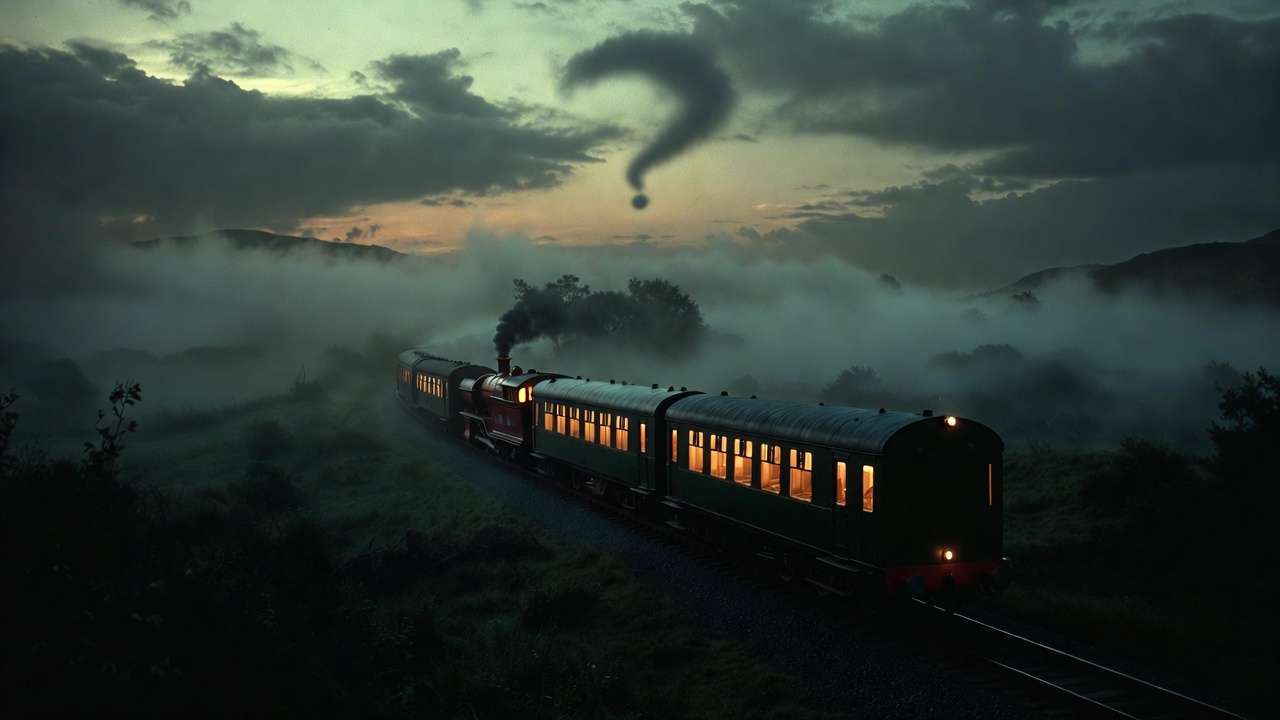 The Harry Potter TV series is not doomed by default—nor is it guaranteed to be a triumph. It faces genuine, substantial challenges: an towering legacy, cultural polarization, casting scrutiny, adaptation complexity, and franchise fatigue. Yet it also carries extraordinary advantages: a beloved story, HBO’s prestige pedigree, room for depth the films never had, and a global audience still hungry for magic.
Ultimately, success will hinge on execution—on whether the creative team can conjure wonder, heart, and integrity on screen. Until those first episodes arrive in 2027, the only certainty is that the wizarding world continues to inspire passion, debate, and hope in equal measure.
What do you think? Will you be watching day one, waiting for reviews, or sitting this one out? Share your thoughts below—I read every comment and love hearing from fellow Potterheads.