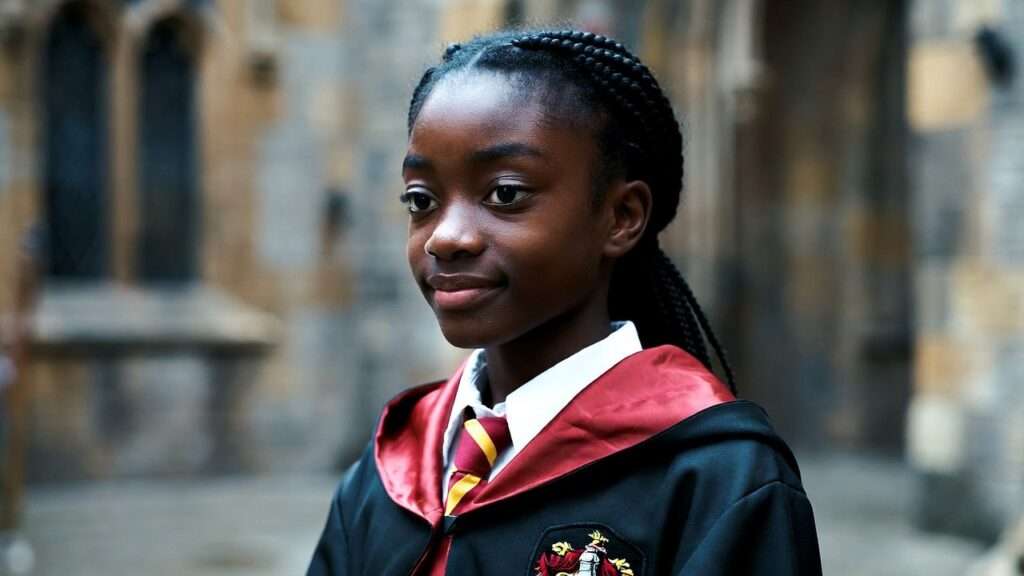
Have you ever rewatched Harry Potter and the Prisoner of Azkaban and paused during a Gryffindor common room scene or near the Fat Lady’s portrait, spotting a distinctive girl with braids standing quietly among the students? She’s there in group shots, blending into the background yet somehow catching your eye amid the chaos of Sirius Black’s escape and the film’s darker tone. Many fans search for her as “Kalia Atherstone Harry Potter,” wondering who this enigmatic Gryffindor girl is, why she appears in key moments, and whether she’s a named character at all.
The truth is, no official character named “Kalia Atherstone” exists in the Harry Potter books, films, or extended canon. This name likely stems from a common fan misremembering, phonetic confusion, or online mix-up—perhaps blending a similar-sounding name with the actress or a background detail. The girl you’re thinking of is Kellah, a film-exclusive background character created for Alfonso Cuarón’s 2004 adaptation. Portrayed by actress Kandice Morris (credited simply as “Girl 1” in the film), Kellah adds subtle depth to Gryffindor house life, sharing dormitory scenes with Hermione Granger and representing the everyday students who make Hogwarts feel alive beyond the main trio.
In this comprehensive guide, we’ll dive deep into Kellah’s identity, her appearances, the reasons fans latch onto her (and misname her), behind-the-scenes insights, and why background characters like her enrich the Wizarding World. Whether you’re a completionist rewatching the series, exploring film vs. book differences, or just curious about that braided Gryffindor girl in Prisoner of Azkaban, this article uncovers everything you need to know—drawing from official sources like the Harry Potter Wiki, IMDb credits, and fan communities.
Who Is Kalia Atherstone in Harry Potter? Clearing Up the Name Mystery
The search term “Kalia Atherstone Harry Potter” turns up surprisingly few direct hits, but it consistently leads fans to discussions about obscure Gryffindor extras in Prisoner of Azkaban. Why this specific phrasing? It appears to be a fan-invented or misheard variation. “Kellah” (the accepted fan name for the character) sounds phonetically close to “Kalia” when spoken quickly or misremembered from credits and wikis. “Atherstone” might come from an unrelated name (perhaps a location in England or a mix-up with another minor reference), but no canonical or production link ties it to Harry Potter.
Reliable sources, including the Harry Potter Wiki and IMDb, confirm the character as Kellah, a third-year Gryffindor (same year as Harry, Ron, and Hermione) who appears only in the third film. She’s not mentioned in J.K. Rowling’s books, where the Gryffindor girls’ dormitory focuses primarily on Hermione, Lavender Brown, and Parvati Patil. Kellah’s name originates from actress Kandice Morris’s casting agency profile (Young Persons Theatre Company), where she’s listed under that moniker despite the film’s generic “Girl 1” credit.
This kind of name confusion is common among background characters in the Harry Potter films—think of other extras like “Bem” (the boy who greets Harry in the common room) or various unnamed students. Fans fill in gaps with headcanons, leading to persistent searches like yours. Understanding this clears up the mystery: if you’ve been hunting for “Kalia Atherstone,” you’re actually discovering Kellah, one of the subtle additions that make Cuarón’s film stand out for its immersive world-building.
The Origins of Kellah: A Film-Only Character
Unlike core characters rooted in Rowling’s novels, Kellah is purely a cinematic creation. In the books, Harry Potter and the Prisoner of Azkaban emphasizes the trio’s adventures with minimal focus on dormitory life or peripheral classmates. The Gryffindor girls’ dorm is briefly described, but no additional named roommates appear beyond Lavender and Parvati.
Director Alfonso Cuarón took a different approach. Known for his visual storytelling and emphasis on atmosphere (seen in films like Y tu mamá también and Children of Men), Cuarón expanded Hogwarts’ everyday magic. He populated scenes with more students to convey the school’s bustling energy amid rising tension from Sirius Black’s escape and Dementors. Kellah, along with other background Gryffindors, helps achieve this—showing that Hogwarts is full of ordinary kids facing extraordinary times.
Fan wikis estimate Kellah was born around 1980 (making her about 13 in the film, aligning with the third-year timeline) and Sorted into Gryffindor in 1991. Some extended fan lore suggests she took Care of Magical Creatures as an elective (like many in her year) and had loose ties to Seamus Finnigan in group shots, though these are speculative. Her existence highlights how adaptations can enhance canon without contradicting it, adding layers for eagle-eyed viewers.
Physical Appearance and Portrayal
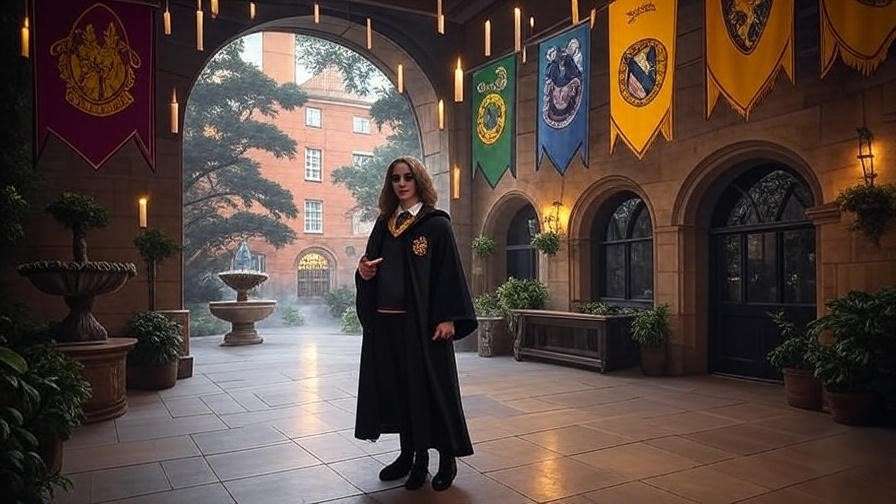
Kellah stands out visually in a sea of robes: a Black girl with dark skin, black hair styled in neat braids, and a single stud earring in each ear. This distinctive look makes her recognizable in crowd scenes, especially compared to Lavender (portrayed by Jennifer Smith in Prisoner of Azkaban, with bushier hair) or Parvati (Sitara Shah, often in more elaborate styles). Her braids and understated accessories give her a grounded, approachable presence—fitting for a background character who symbolizes everyday Gryffindor bravery.
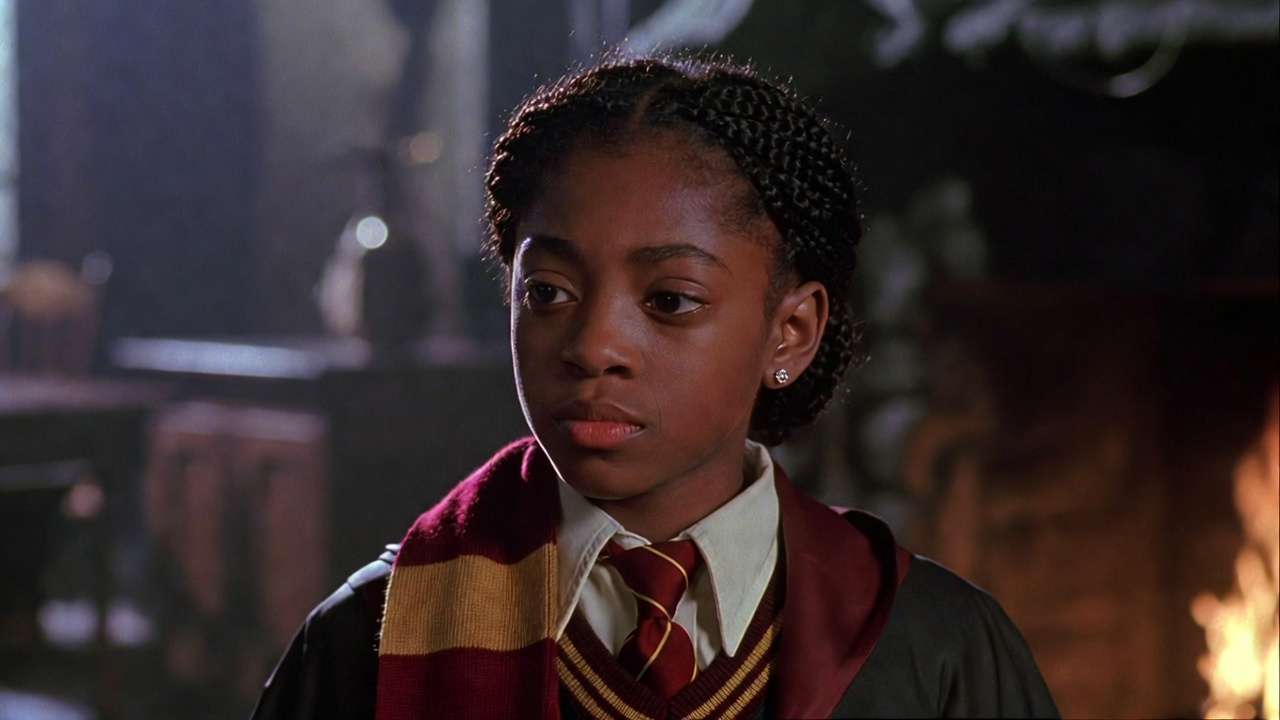 The actress behind her is Kandice Morris, a British performer who landed the role early in her career. Listed in the film’s credits as “Girl 1,” Morris’s agency profile provided the name “Kellah,” which fans adopted. Beyond Harry Potter, Morris has pursued acting, directing, and coaching, including work with RAaW London (an acting training organization). Her brief appearance belies the impact: extras like her often spark lifelong fan interest, proving that even seconds on screen can create lasting curiosity.
Key Appearances in Harry Potter and the Prisoner of Azkaban
Kellah’s screen time is limited but strategically placed to enhance key sequences. Here’s a detailed breakdown of her notable moments (timestamps approximate based on standard editions):
- The Return to Hogwarts and Common Room Scenes — Early in the film, as students settle in, Kellah appears in group shots in the Gryffindor common room. She’s often near Hermione or in the background during conversations about Sirius Black, adding to the house’s communal feel.
- The Fat Lady Portrait Incident — During the panic after Sirius’s attack on the portrait, Kellah is visible among the gathered students. She stands close to the crowd explaining the damage, her braids catching the light in wider shots—helping convey the fear rippling through the school.
- Firebolt Reveal and Dormitory Glimpses — In scenes where Ron and Hermione discuss Harry’s ruined Nimbus 2000 (later revealed as the Firebolt), Kellah lingers nearby. Dormitory background shots show her as part of Hermione’s roommate circle, emphasizing shared living spaces absent from the books.
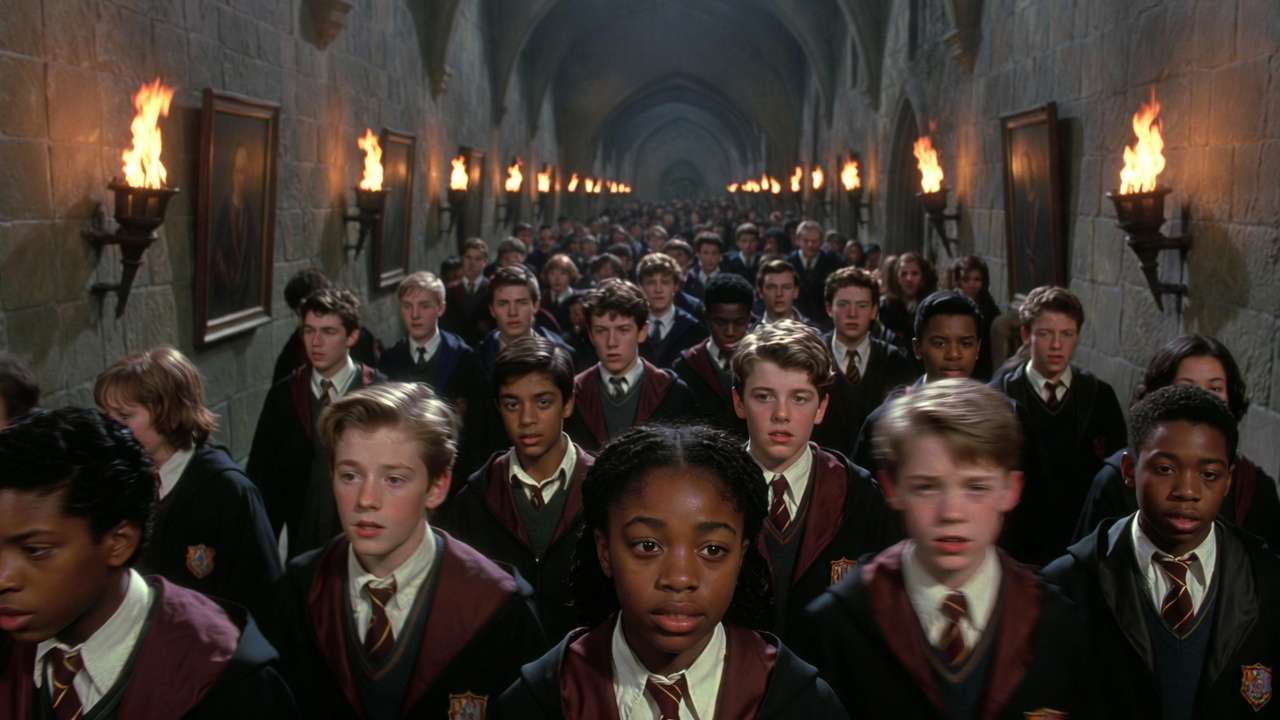
- Other Subtle Moments — She pops up in hallway transitions and class crowd scenes, particularly around Care of Magical Creatures or general school life. Her proximity to characters like Seamus in some frames has fueled fan speculation about friendships.
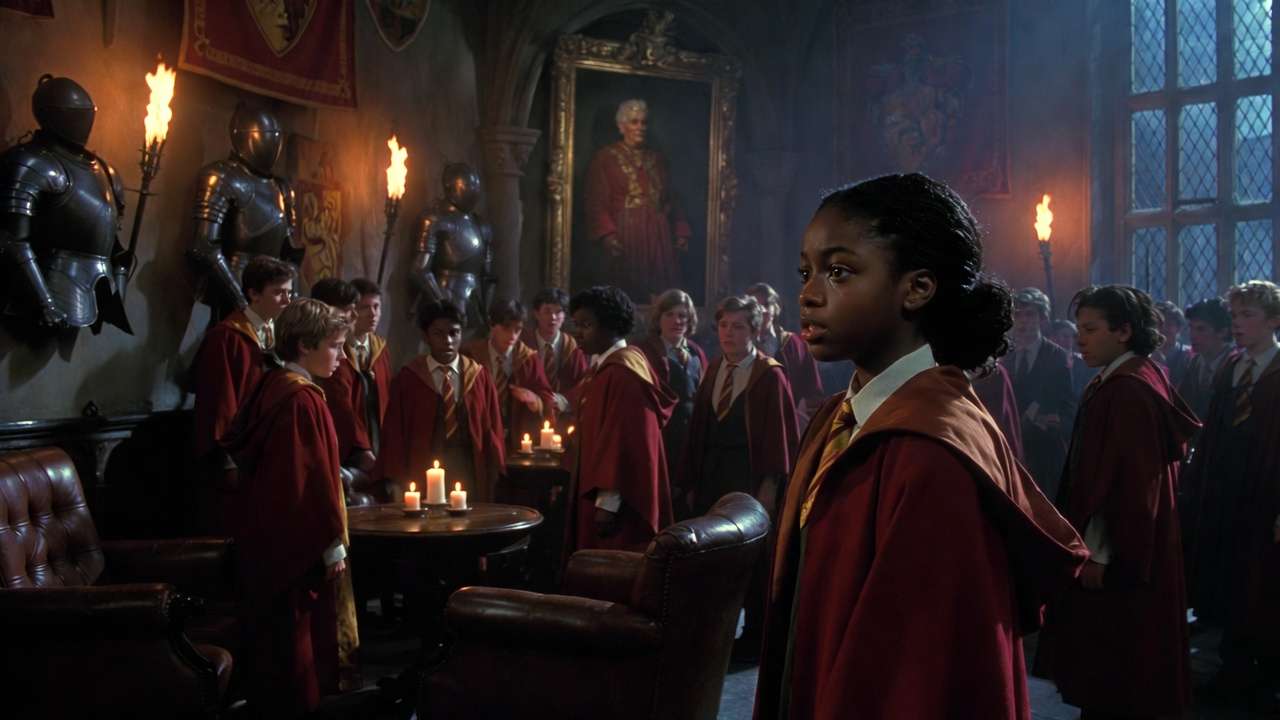 These appearances aren’t accidental. Cuarón used recurring extras to create continuity, making Hogwarts feel lived-in. Kellah’s presence subtly reinforces themes of community and normalcy against the film’s darker, more mature tone—rain-soaked grounds, shadowy corridors, and time-turner twists.
Dormitory Life: Hermione’s Roommates and Gryffindor Dynamics
One of the most appealing aspects of Kellah’s presence is how she helps visualize the Gryffindor girls’ dormitory—a space the books mention but rarely explore in depth. In J.K. Rowling’s novels, we know Hermione shares a room with Lavender Brown and Parvati Patil. The films expand this into a lived-in, believable teenage environment: four-poster beds with scarlet hangings, scattered books and parchment, moonlight filtering through high windows, and the quiet camaraderie of roommates.
Kellah fits seamlessly into this picture. She appears in several dormitory-adjacent or background shots, positioned as one of the additional girls who round out the group to a more realistic number (four or five beds per dorm is typical for the films’ set design). This subtle inclusion addresses a real gap for readers-turned-viewers: the books focus so heavily on Hermione’s isolation within her own house—her Muggle-born status, her academic intensity, her friendship with boys—that the dormitory itself feels almost abstract.
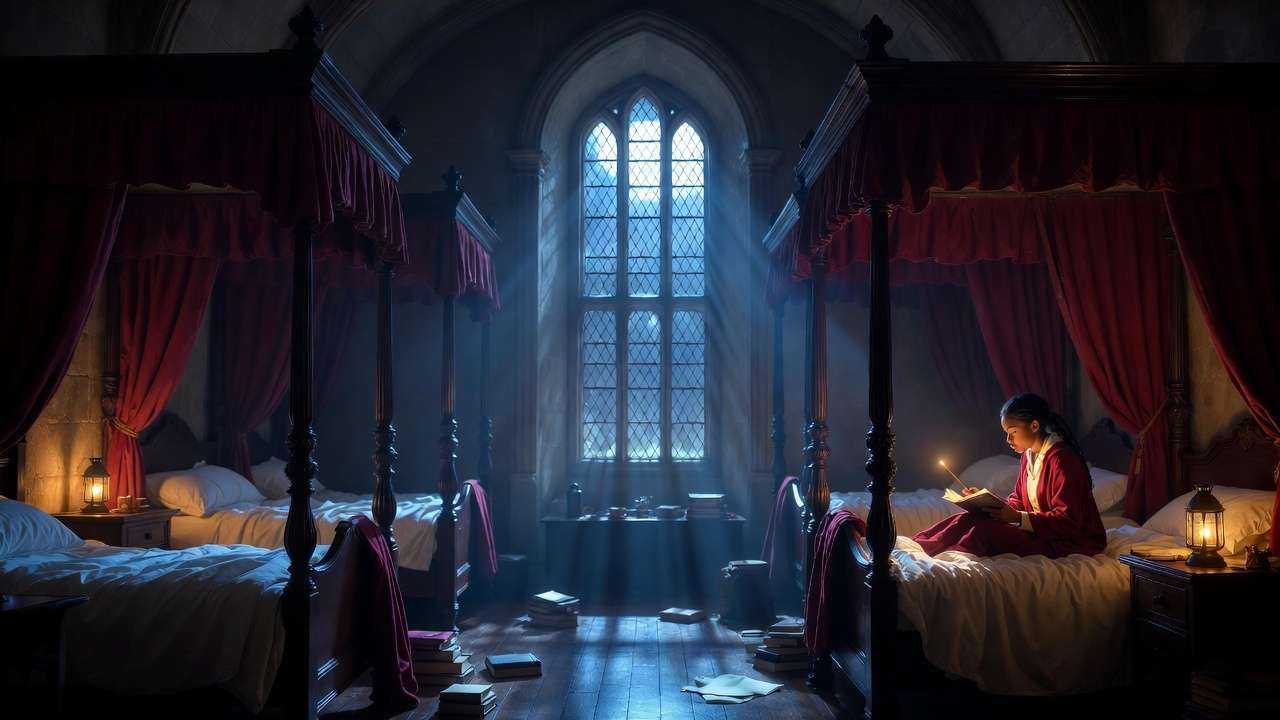 In Prisoner of Azkaban, the expanded dormitory scenes show:
- Hermione returning late from classes or library sessions, with Kellah and the others already settled.
- Casual interactions during moments of house gossip (Sirius Black rumors, Quidditch drama).
- The quiet normalcy that contrasts the film’s overarching tension—girls brushing hair, chatting softly, or studying by wandlight.
Fan analyses often point out that Lavender and Parvati form a tight-knit duo (their Divination enthusiasm and later romantic entanglements with Ron and Harry), while Hermione orbits somewhat separately. Kellah, as a quieter background figure, likely represents the “average” Gryffindor girl: brave enough to be Sorted into the house, yet not thrust into the spotlight. This dynamic makes the dormitory feel authentic rather than contrived.
Some extended fan wikis even speculate on her personality based on visual cues—observant, reserved, perhaps friendly toward Hermione in a low-key way. While purely headcanon, these interpretations show how much fans value characters like Kellah for filling emotional and narrative space.
Fan Theories and Community Discussions
Background characters in the Harry Potter franchise have inspired surprisingly rich fan communities. Kellah is no exception. On platforms like Reddit (especially r/harrypotter and r/FanTheories), Tumblr, and the Harry Potter Amino app, threads regularly ask: “Who is the braided Gryffindor girl in Prisoner of Azkaban?” or “Does anyone remember the name of Hermione’s other dorm mate?”
Popular theories include:
- The “Missing Friend” Angle — Some fans believe Kellah was intended to have a slightly larger role that was cut for pacing. A few claim to remember seeing her in early script leaks or concept art, though no evidence supports this.
- Seamus Finnigan Connection — Because she appears near Seamus in a couple of common-room shots, shippers and headcanon writers pair them romantically or as close friends. This is pure fun speculation, but it demonstrates how extras spark creativity.
- Later-Film Absence — Why doesn’t she reappear in Goblet of Fire or beyond? Theories range from “she transferred houses” to “she was one of the students who left Hogwarts during the war” (post-Half-Blood Prince). Most agree it’s simply because different directors (Mike Newell, David Yates) used different pools of extras.
- Name Origin Debates — Discussions about “Kellah” vs. fan-invented names like “Kalia” or even “Atherstone” (possibly from misreading closed captions or forum typos) show how oral tradition and memes shape fandom memory.
These conversations highlight a broader truth: fans love filling in the blanks. Kellah’s minimal screen time paradoxically makes her more intriguing than fully fleshed-out side characters.
Behind the Scenes and Production Insights
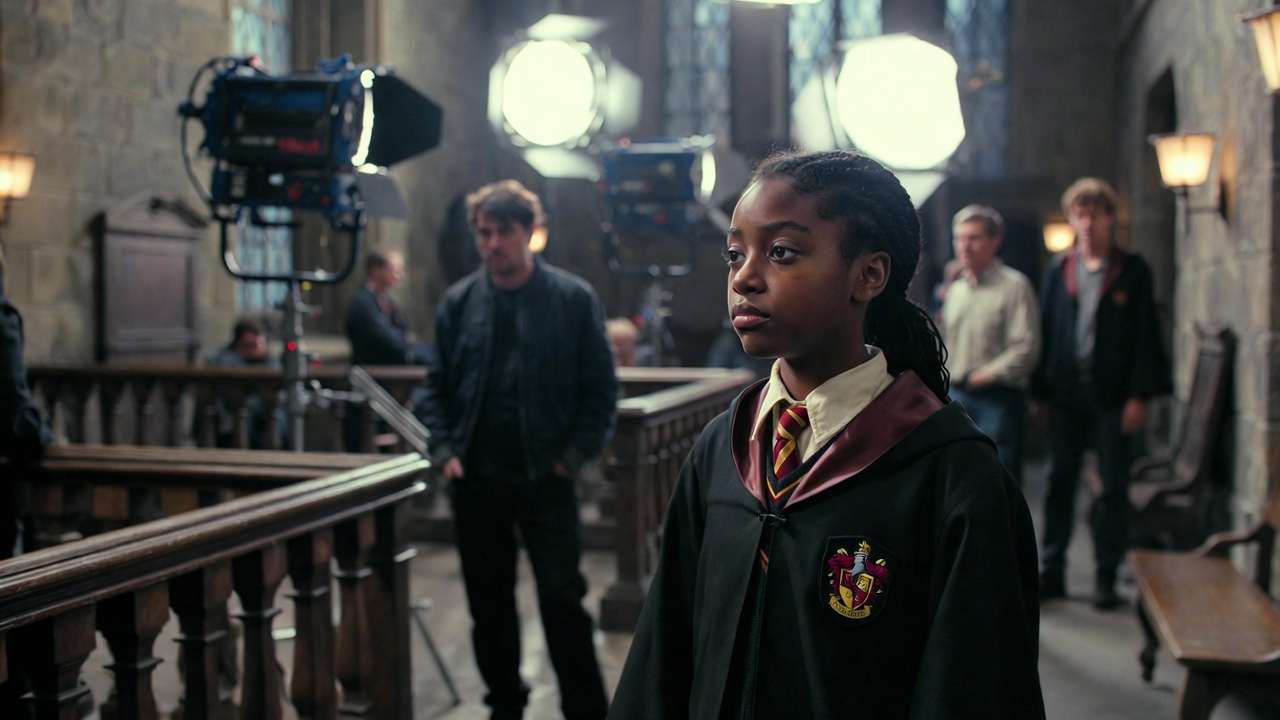
Alfonso Cuarón’s direction brought a distinct visual language to the Harry Potter series. He encouraged naturalistic performances from child actors and populated every frame with purposeful detail. Casting director Jina Jay and her team selected hundreds of British child actors for background roles, many through agencies like the one that represented Kandice Morris.
Kellah/Kandice was likely chosen for her ability to convey emotion subtly—fear during the portrait attack, quiet curiosity during group scenes—without stealing focus. Extras in the third film underwent more rehearsal than in previous entries, as Cuarón wanted the school to feel like a real institution under threat.
Production notes (from DVD extras and interviews) reveal that many background students were encouraged to develop small backstories for themselves, even if never spoken on camera. This improv technique helped create genuine reactions. Kandice Morris has spoken in later interviews about the experience being formative, though she moved into other creative fields rather than pursuing blockbuster fame.
The decision to keep her credit as “Girl 1” follows standard practice for non-speaking extras, yet the fandom’s adoption of “Kellah” shows how audiences reclaim and personalize these figures.
 Why Background Characters Like Kellah Matter in the Harry Potter Universe
In an era of franchise fatigue and hyper-focus on protagonists, characters like Kellah remind us why the Wizarding World endures. Hogwarts isn’t just a backdrop—it’s a living school with hundreds of students whose lives intersect with the main plot in small, meaningful ways. Background figures add texture, diversity, and realism.
Kellah, as a Black British girl in a prominent house, contributes to the series’ gradual (if imperfect) push toward representation. She stands alongside other memorable extras— the Indian girl in Ravenclaw robes, the Hufflepuff boy with dreadlocks—showing that courage comes in all forms and backgrounds.
For modern audiences rewatching the films, these details become even more valuable. They invite viewers to notice the craftsmanship behind every shot and appreciate the collaborative effort of hundreds of people who brought J.K. Rowling’s world to life.
 FAQs
FAQs
Is Kalia Atherstone a real Harry Potter character? No—it’s almost certainly a fan misremembering or typo for Kellah, the background Gryffindor girl from Prisoner of Azkaban.
Who played the Gryffindor girl with braids in Prisoner of Azkaban? Kandice Morris, credited as “Girl 1.” Fans know her character as Kellah.
Does Kellah appear in any other Harry Potter films or books? No. She is exclusive to the third film and has no book counterpart.
What house was Kellah in? Gryffindor, same as Harry, Ron, and Hermione.
Are there theories about her friendship with the main trio? Yes—fans often imagine her as a quiet supporter of Hermione or someone who witnessed key events from the sidelines. All are headcanon, but they enrich the rewatch experience.
From a puzzling search term—”Kalia Atherstone Harry Potter”—to the discovery of Kellah, this journey reveals the enduring magic of the Harry Potter films. Background characters may have only seconds of screen time, yet they help build one of the most immersive fictional worlds ever created.
Next time you watch Prisoner of Azkaban, keep an eye out for the girl with braids standing quietly among her housemates. She represents the countless unnamed students who lived, laughed, and faced darkness alongside the famous trio. That’s the beauty of deep fandom: even the smallest details can spark wonder years later.
If this article helped solve the mystery for you, share your own “who is that?” moments in the comments below. And don’t forget to explore more deep dives into Harry Potter trivia, film vs. book comparisons, and character spotlights right here on the blog.